
British horology
London's clock and watchmakers led European precision from the 1670s to the early 19th century, solving longitude and inventing the lever escapement.
CentresLondon (Clerkenwell, Fleet Street) · Prescot and Liverpool · Coventry · Edinburgh
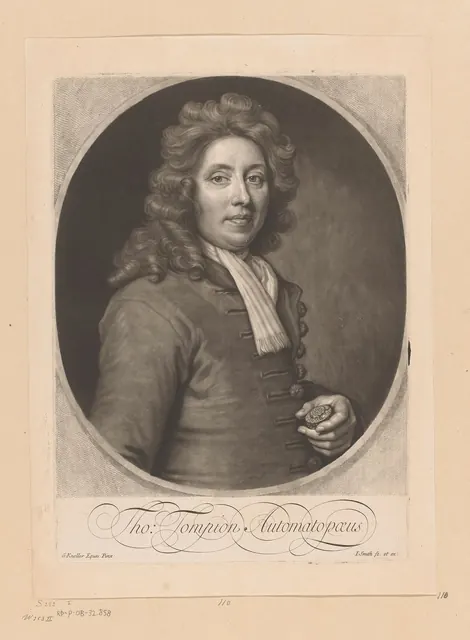
The Clockmakers' Company and the golden age
The Worshipful Company of Clockmakers received its charter in 1631. After Huygens's pendulum reached London in 1658, makers such as Ahasuerus Fromanteel, Thomas Tompion, Daniel Quare and George Graham made English clocks and watches the most accurate in Europe. The anchor escapement (c. 1670), rack striking (c. 1676), the repeating watch and the deadbeat escapement (c. 1715) were all developed in London.
Longitude and precision
The Longitude Act of 1714 rewarded a practical method of finding longitude at sea. John Harrison's marine timekeepers H1–H4 and the later simplified chronometers of John Arnold and Thomas Earnshaw made the marine chronometer a standard navigational instrument; Thomas Mudge's detached lever escapement (c. 1755) became the basis of the modern watch.
Lancashire, Coventry and decline
Movement-making was organised in south-west Lancashire around Prescot, while Coventry and Clerkenwell finished and cased watches. British makers favoured the fusee and high-quality hand work longer than competitors; American and Swiss factories undercut them from the 1870s, and by the mid-20th century few British watch factories survived.
Modern independents
George Daniels's co-axial escapement, made in series by Omega from 1999, and a revival of independent watchmaking have renewed British horology in the 21st century.
Timeline
- c. 1386Salisbury Cathedral clock — among the oldest surviving mechanical clocks
- c. 1670The anchor (recoil) escapement appears in England, attributed to Hooke or Clement — Anchor (recoil) escapement
- 1675Spiral balance spring transforms watch accuracy — Balance spring (hairspring)
- 1676Tompion's year-going clocks installed at the new Royal Observatory, Greenwich — Thomas Tompion
- c. 1676Edward Barlow invents rack striking, allowing a clock to repeat the hour
- 1687Daniel Quare is preferred over Barlow for the repeating watch — Daniel Quare
- 1695Tompion, Booth and Houghton patent a form of cylinder escapement — Cylinder escapement
- 1704Fatio de Duillier and the Debaufre brothers patent jewel bearings in London — Jewel bearings
- 1714The Longitude Act offers a prize of up to £20,000 for finding longitude at sea
- c. 1715George Graham's deadbeat escapement — Deadbeat escapement
- 1720sGraham's mercury pendulum compensates for temperature — Mercury compensated pendulum
- c. 1726John Harrison's gridiron pendulum and grasshopper escapement — Gridiron pendulum
- 1735Harrison completes his first marine timekeeper, H1 — John Harrison
- c. 1755Mudge's detached lever escapement — Detached lever escapement
- 1759Harrison completes H4 — Harrison's H4 marine timekeeper
- 1761–1762H4 is tested on a voyage to Jamaica — Harrison's H4 marine timekeeper
- 1780–1783Arnold and Earnshaw perfect the spring detent chronometer escapement — Spring detent (chronometer) escapement
- 1840–1841Alexander Bain patents an electric clock
- 1844Adolphe Nicole's heart cam lets a chronograph hand return to zero — Chronograph
- 1847British railways adopt Greenwich time ('railway time')
- 1859The Great Clock of Westminster starts, with Denison's gravity escapement — Double three-legged gravity escapement
- 1921The Shortt–Synchronome free-pendulum clock sets a new standard of mechanical precision — Free pendulum (Shortt-Synchronome)
- 1923John Harwood patents a self-winding wristwatch — Self-winding (automatic) mechanism
- 1955Essen and Parry operate the first practical caesium atomic clock at NPL — Caesium atomic standard
Makers
Thomas Tompion
c. 1639–1713
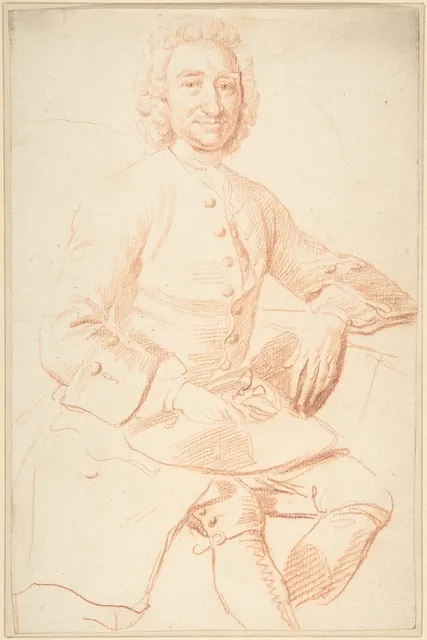
George Graham
c. 1673–1751
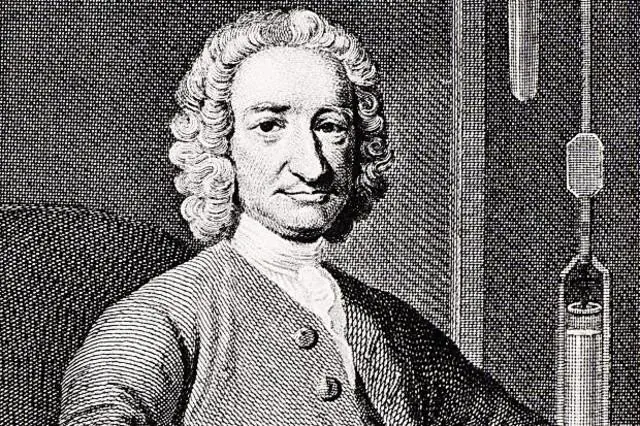
Daniel Quare
1649–1724
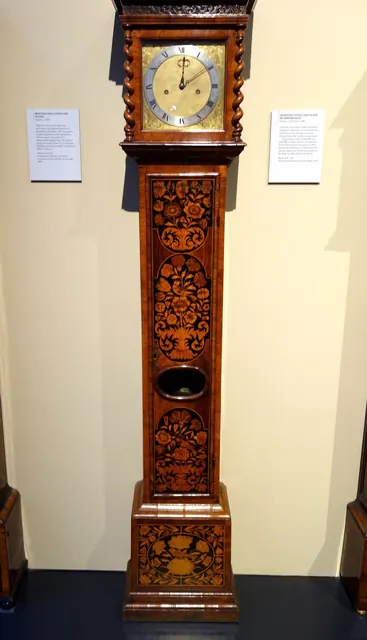
Edward East
1602–1697
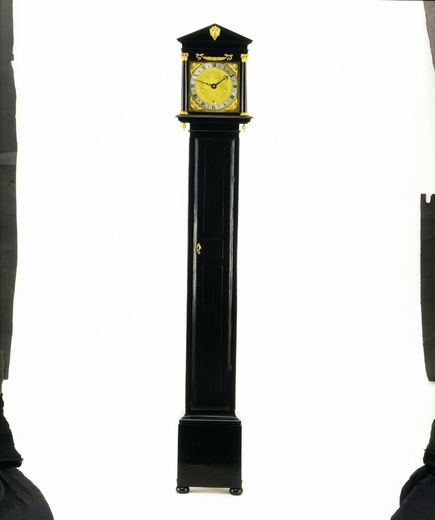
Ahasuerus Fromanteel
1607–1693
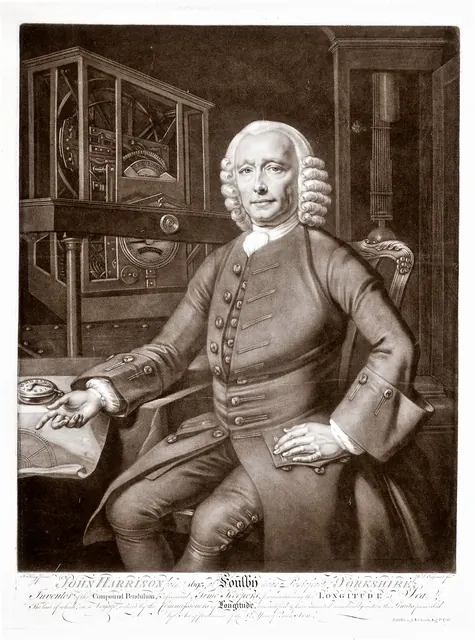
John Harrison
1693–1776
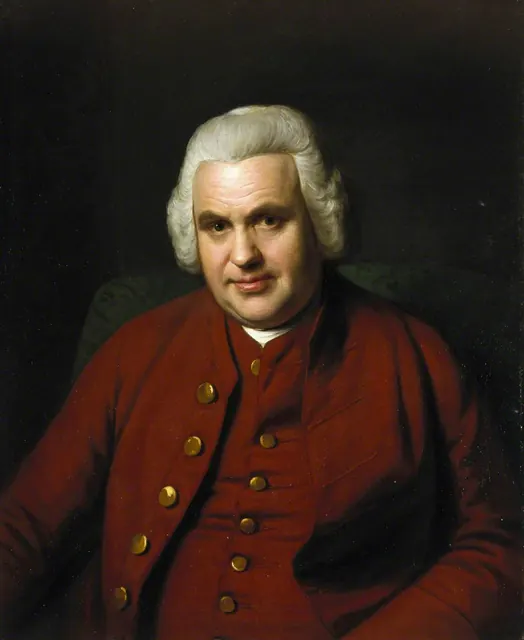
Thomas Mudge
1715–1794
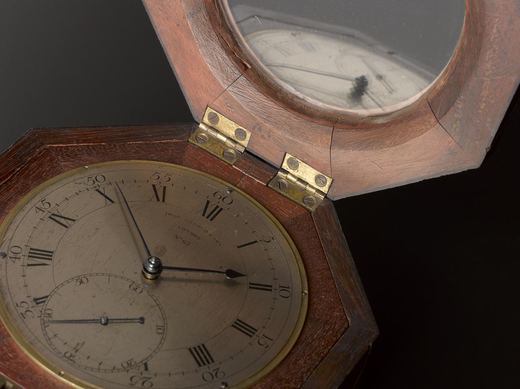
John Arnold
1736–1799
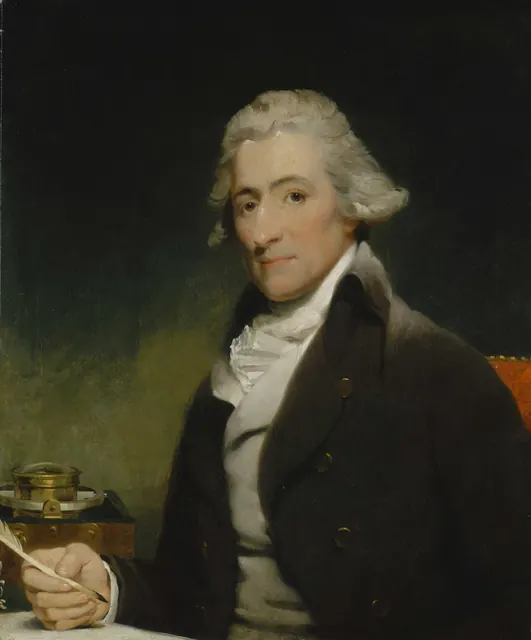
Thomas Earnshaw
1749–1829
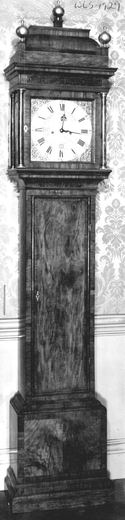
The Vulliamy family
c. 1730s–1854 (Benjamin Vulliamy 1747–1811)
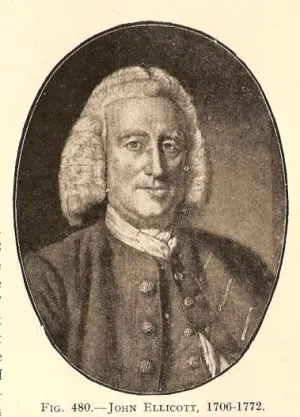
John Ellicott
1706–1772
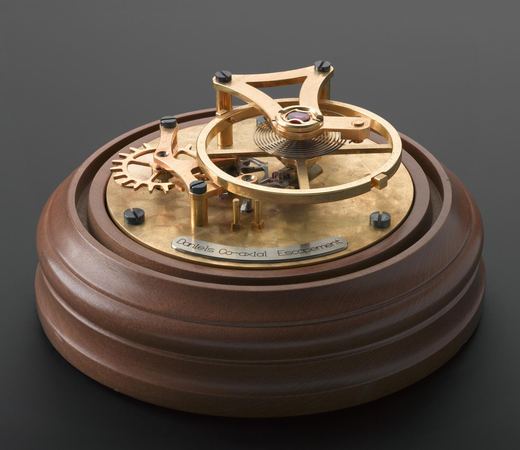
George Daniels
1926–2011
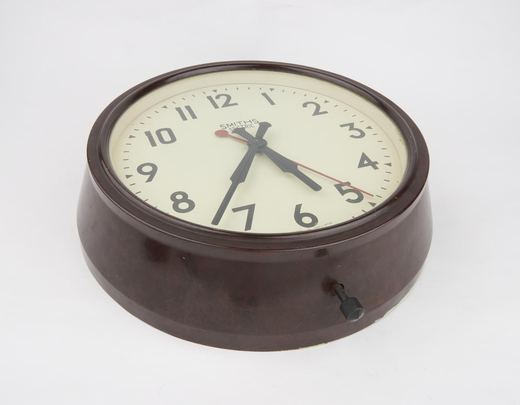
Smiths
1851
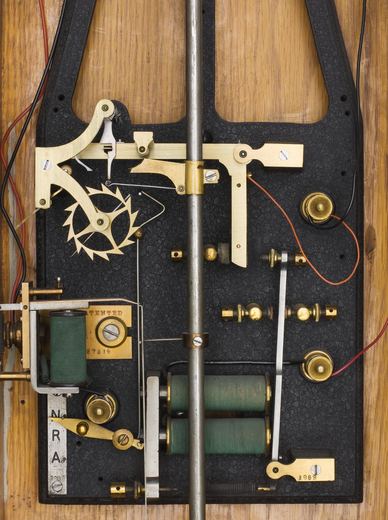
Synchronome Company (Shortt-Synchronome)
1897
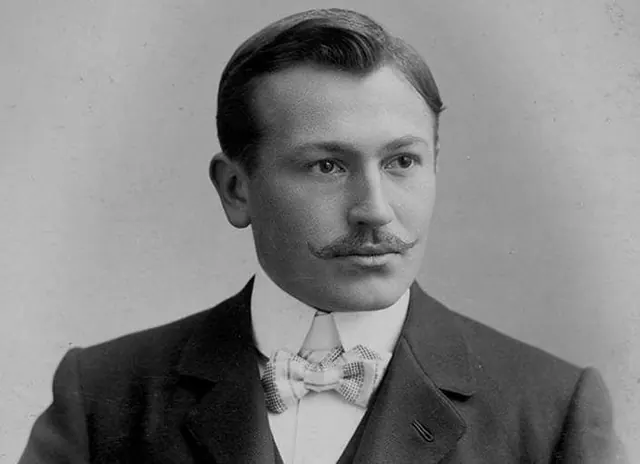
Rolex
1905
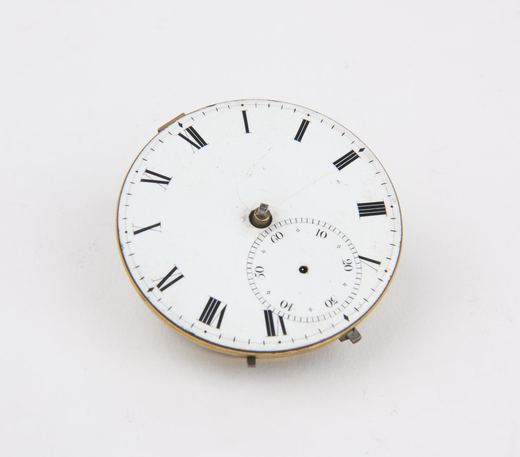
Robert Roskell
Active c. 1798–1830
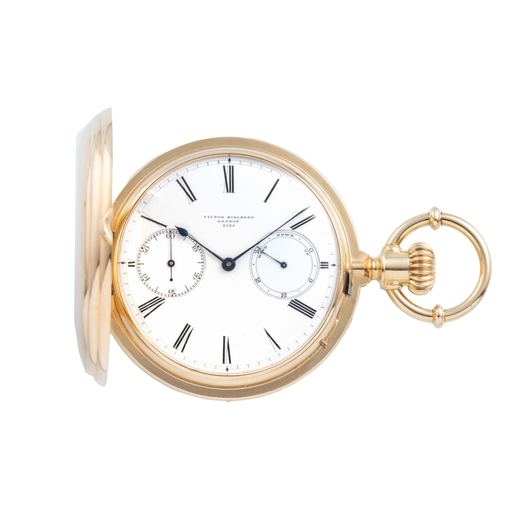
Victor Kullberg
1824–1890 (firm traded under his name until 1947)
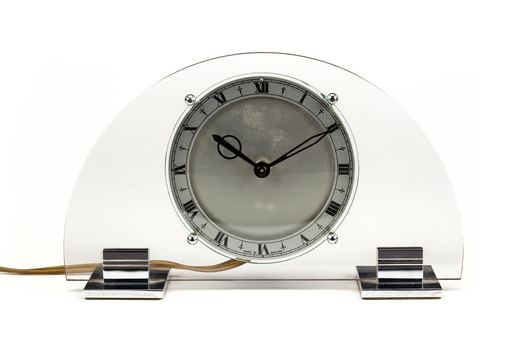
Ferranti
1882 (Ferranti, Thompson and Ince); Ferranti Ltd 1905
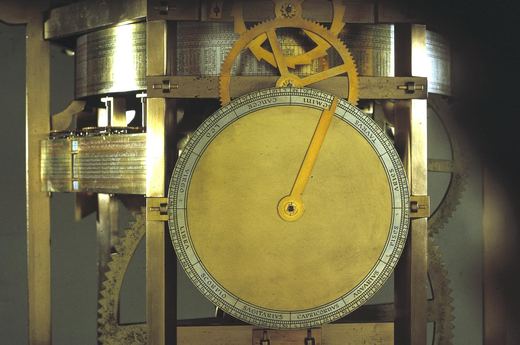
Thwaites & Reed
c. 1740
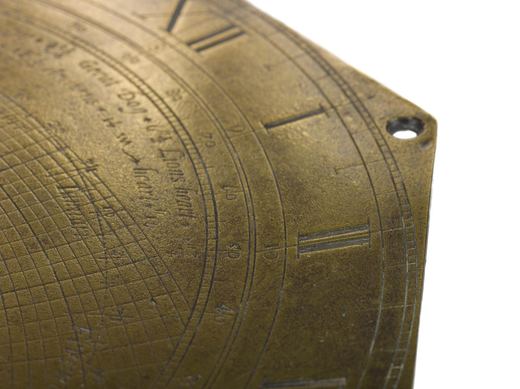
Elias Allen
c. 1588–1653
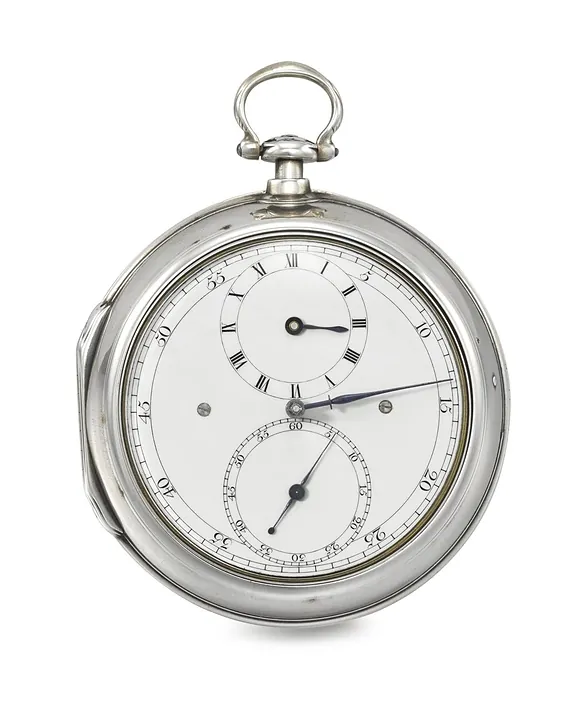
Larcum Kendall
1719–1790
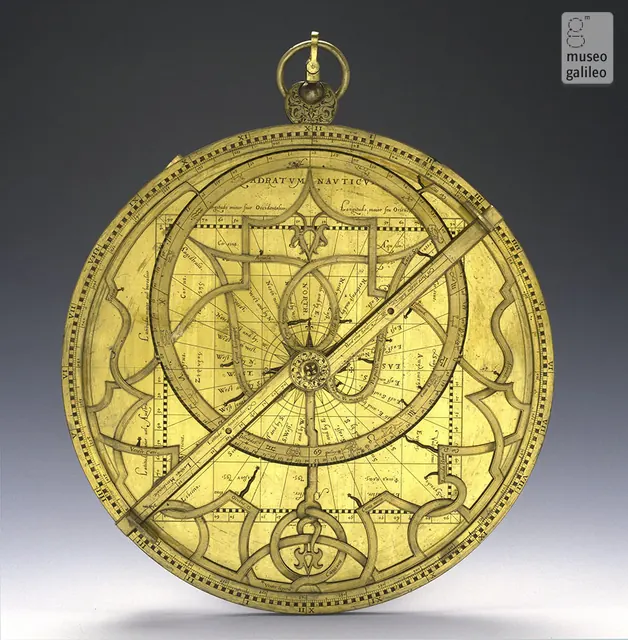
Thomas Gemini
Active c. 1540–1562
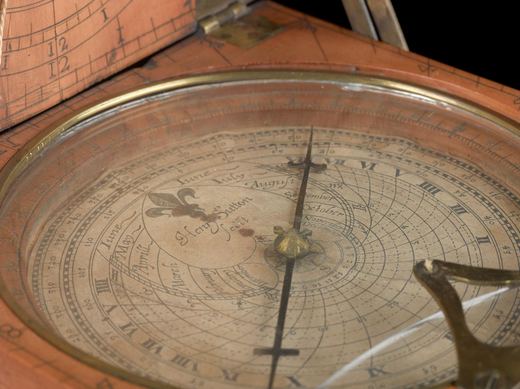
Henry Sutton
Active c. 1649–1665
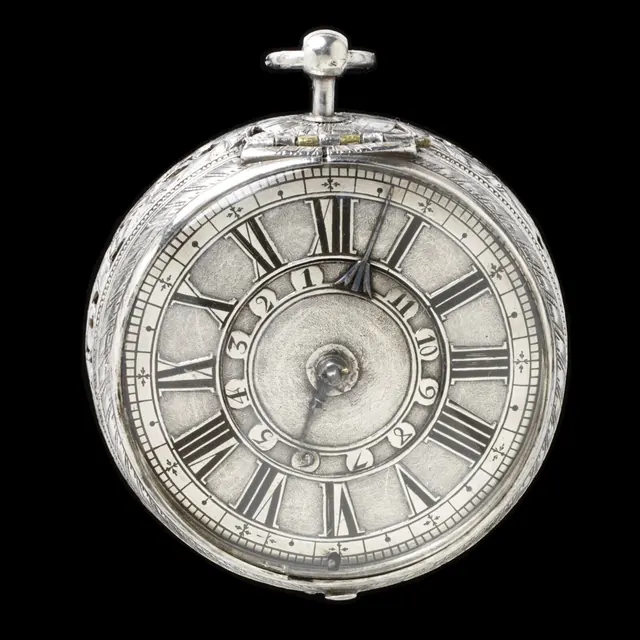
Joseph Knibb
1640–1711
From the catalogue
3,425 records · England, United Kingdom, Scotland, Wales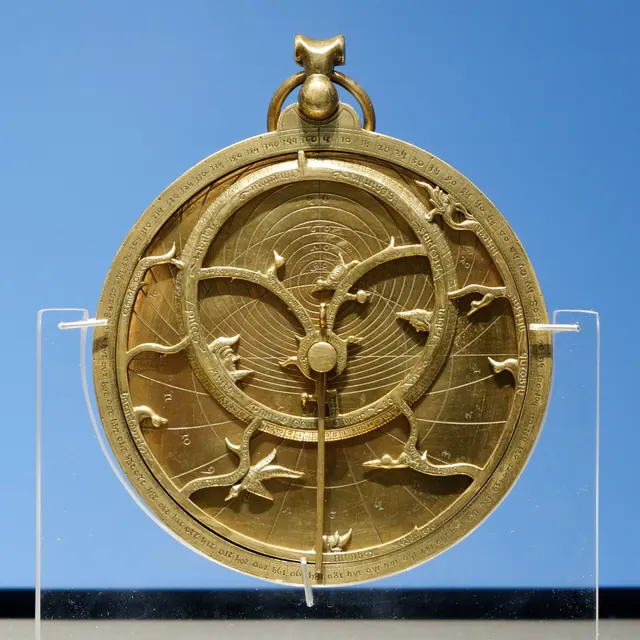
Instruments · 1326
Chaucer Astrolabe
British Museum, London
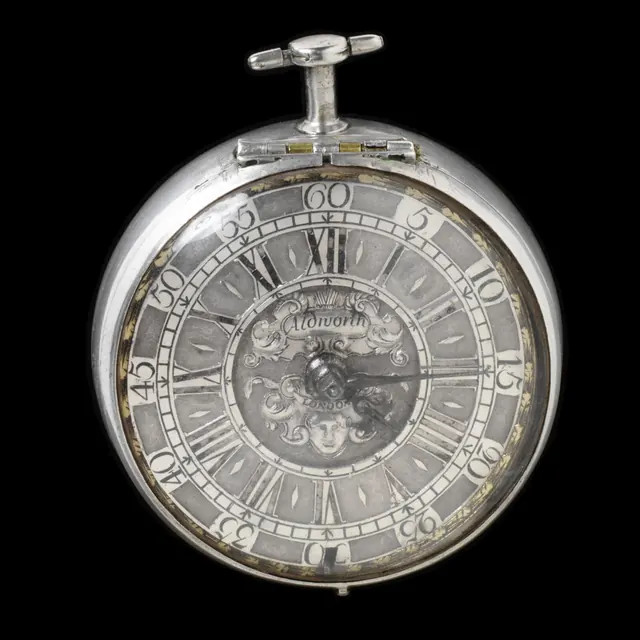
Pocket Watches · c. 1700
Watch and pair case by Samuel Aldworth, England, c. 1700
Victoria and Albert Museum, London
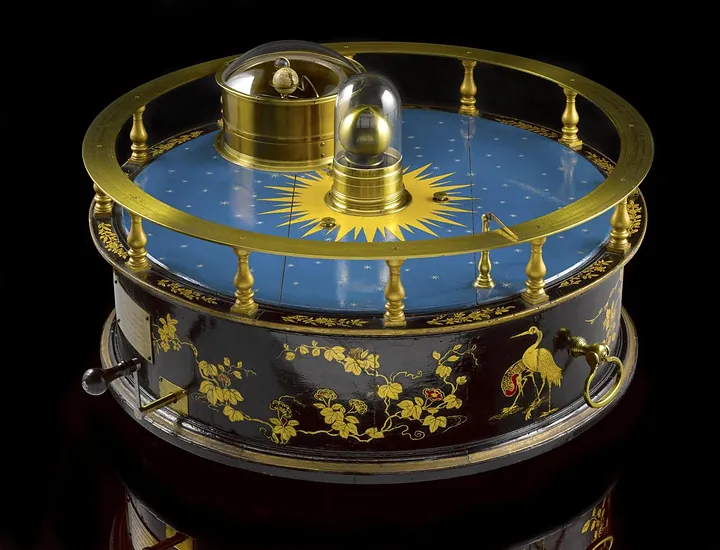
Instruments · 1712–1713
Orrery, tellurium or planetary model, c. 1712, made for Charles Boyle, the fourth Earl of Orrery by John Rowley, Fleet Street, London.
Science Museum Group, London
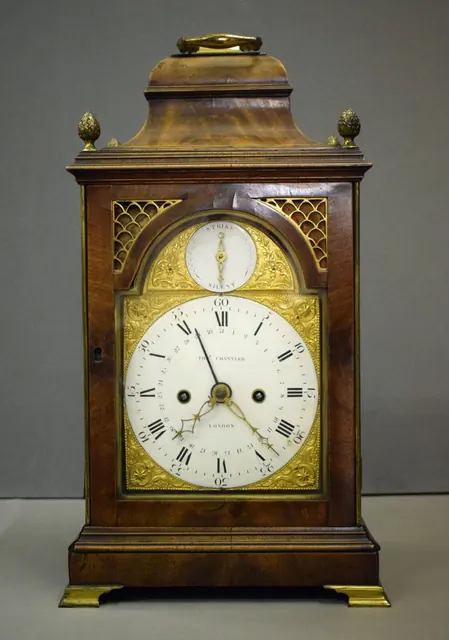
Clocks · 1760–1770
Bracket clock, England, 1760–1770
Victoria and Albert Museum, London
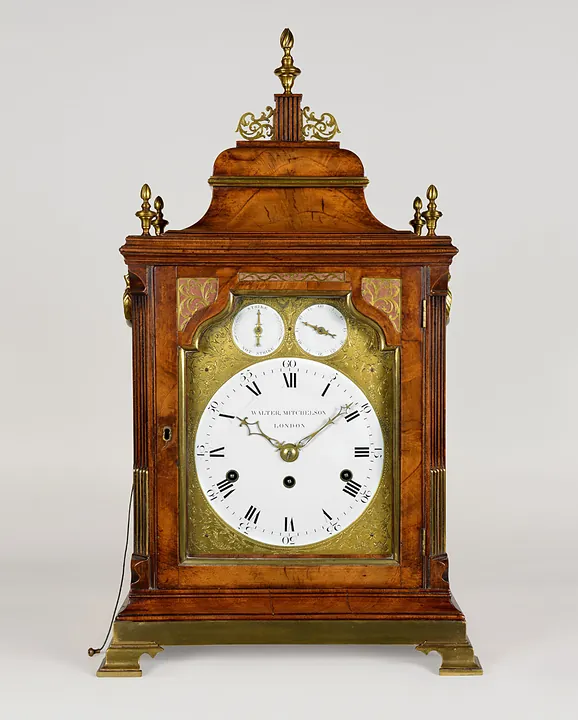
Clocks · c. 1780
Bracket clock by Walter Mitchelson, London, c. 1780
Howard Walwyn Fine Antique Clocks (dealer), London
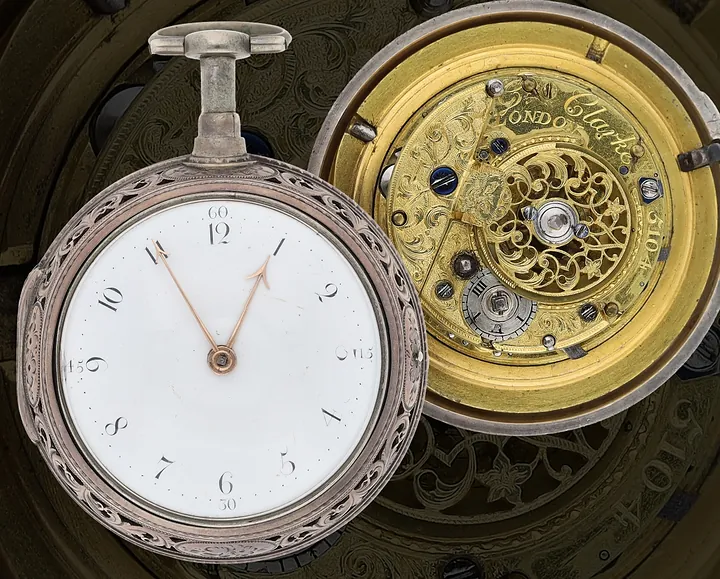
Pocket Watches · 1799 (hallmarked London)
George III silver pair cased verge plunge quarter repeating pocket watch by George Clark, London, hallmarked London 1799
Gardiner Houlgate (auction house), Corsham
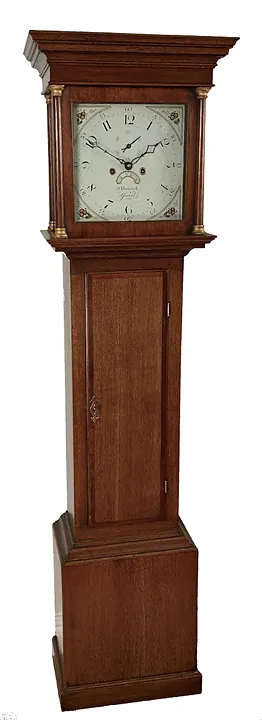
Clocks · c. 1810
Small oak longcase clock by Hancock, Yeovil, c. 1810
P A Oxley (dealer), Wiltshire
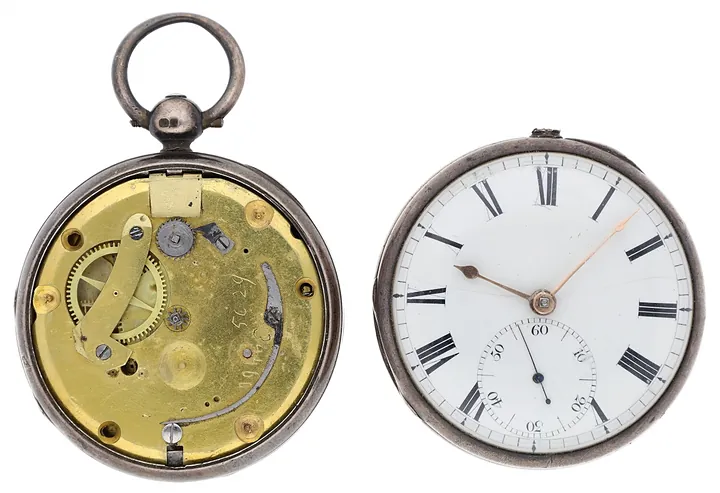
Pocket Watches · 1827 (hallmarked London)
George IV silver fusee lever pocket watch by Leonard Johnson, hallmarked London 1827
Gardiner Houlgate (auction house), Corsham
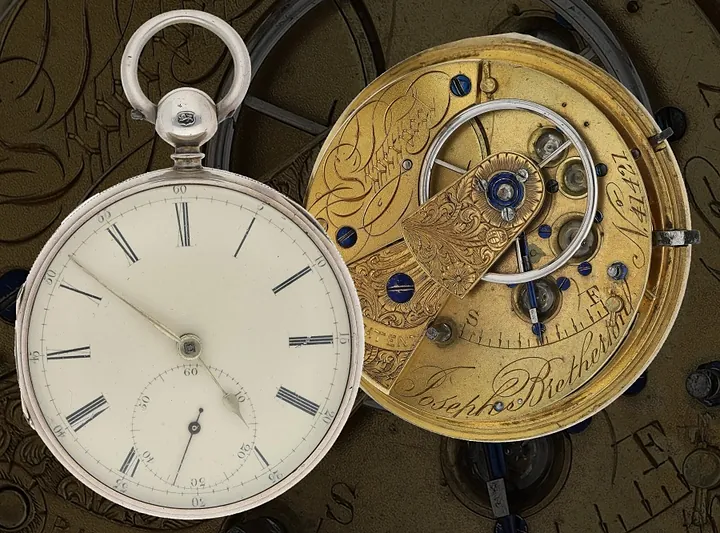
Pocket Watches · 1849 (hallmarked Chester)
Victorian silver fusee lever pocket watch by Joseph Bretherton, Liverpool, hallmarked Chester 1849
Gardiner Houlgate (auction house), Corsham
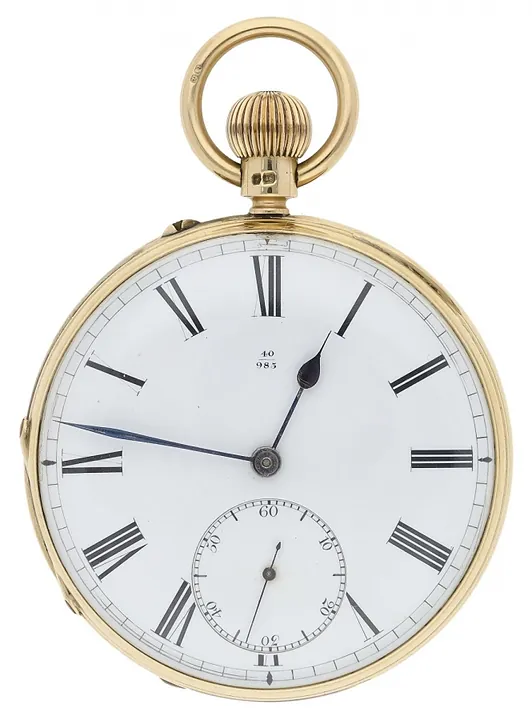
Pocket Watches · 1876 (hallmarked London)
Victorian 18ct fusee lever pocket watch by Hugh Connell, Glasgow, hallmarked London 1876
Gardiner Houlgate (auction house), Corsham
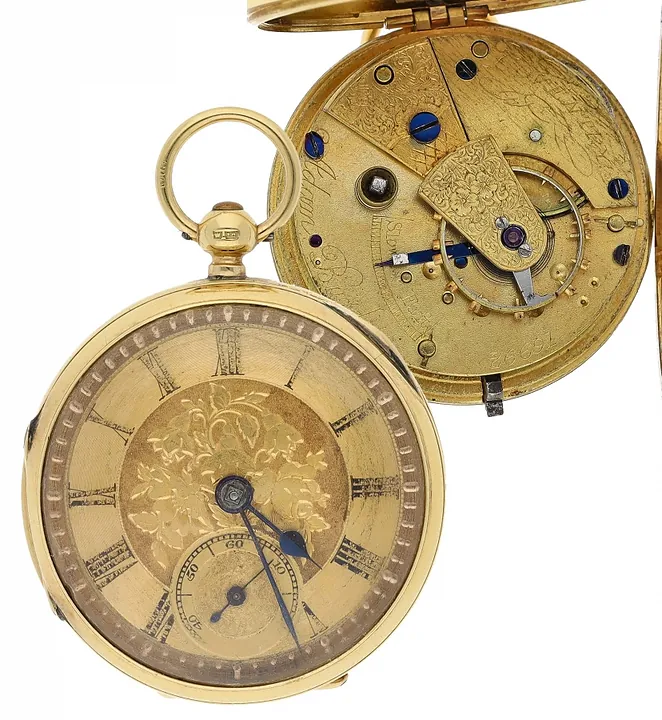
Pocket Watches · 1903 (hallmarked Chester)
Edwardian 18ct fusee lever pocket watch by Adam Burdess, Coventry, hallmarked Chester 1903
Gardiner Houlgate (auction house), Corsham
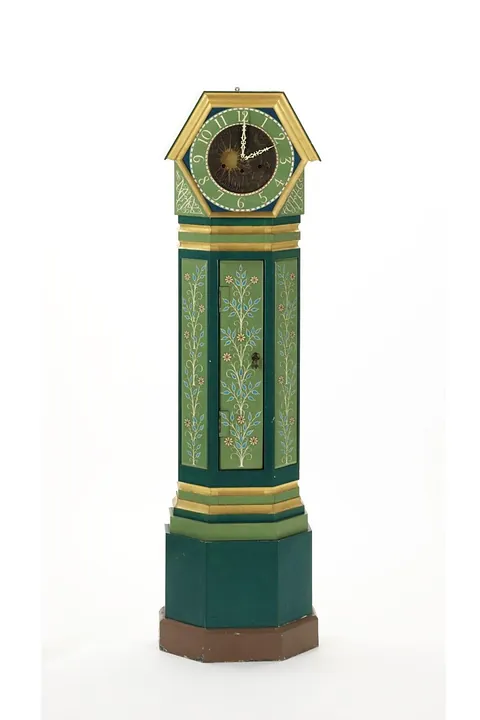
Clocks · 1930
Longcase clock with painted and gilded decoration. English, ca 1930. Designed and painted by MacDonald Gill.
Victoria and Albert Museum, London