
American horology
Connecticut clockmakers and Massachusetts watch factories pioneered mass production with interchangeable parts, and American railroads set exacting standards.
CentresConnecticut (Bristol, Thomaston, Waterbury) · Waltham and Boston · Elgin and Chicago · Lancaster, Pennsylvania · Boulder (NIST)
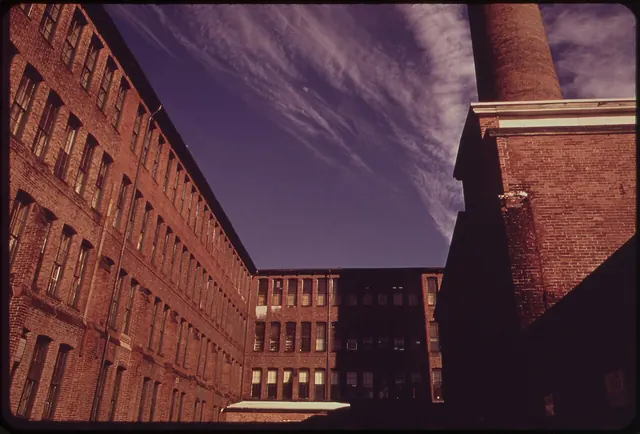
Connecticut clocks
Eli Terry's production of wooden-movement shelf clocks from the early 19th century, and the later brass movements of Seth Thomas, Ansonia and others, made the clock an affordable household object. Production in the hundreds of thousands per year was common by mid-century.
The American system of watchmaking
From 1850 Aaron Dennison and Edward Howard set out to make watches by machine with interchangeable parts. Their venture became the American Waltham Watch Company; Elgin (1864), Hamilton (1892) and many others followed. Machinery shown at the Philadelphia Centennial Exhibition of 1876 impressed the Swiss industry.
Railroad time
Standard time zones were adopted by the railroads in 1883. After a fatal collision in Ohio in 1891, Webb C. Ball developed watch standards for railroad service, and 'railroad grade' watches became a byword for reliability.
Electric and electronic firsts
The quartz clock was invented at Bell Laboratories (1927); the US National Bureau of Standards built an early atomic clock (1949). Hamilton's Electric 500 (1957), Bulova's Accutron (1960) and the Pulsar LED watch (1970–72) were American firsts.
Timeline
- 1816Eli Terry patents his mass-produced pillar-and-scroll shelf clock — Eli Terry
- 1850Aaron Dennison and Edward Howard begin factory watch production near Boston — American Waltham Watch Company
- 1876Waltham's machinery shown at the Philadelphia Centennial alarms the Swiss industry — American Waltham Watch Company
- 1883Railways in the United States and Canada adopt standard time zones
- 1891Webb C. Ball's railroad watch standards follow a fatal train collision in Ohio — Hamilton Watch Company
- 1896Ingersoll's 'Yankee' dollar watch brings watches to mass markets — Ingersoll
- 1927Warren Marrison and J. W. Horton build the first quartz clock at Bell Laboratories — Quartz crystal oscillator
- 1949The US National Bureau of Standards demonstrates an ammonia atomic clock — Caesium atomic standard
- 1957Hamilton Electric 500, the first battery-powered wristwatch — Hamilton Watch Company
- 1960Bulova Accutron, the tuning-fork watch — Tuning-fork oscillator
- 1965NASA qualifies the Omega Speedmaster — Omega Speedmaster Professional
- 1970–1972Hamilton Pulsar LED digital watch shown (1970) and sold (1972) — Hamilton Watch Company
- 2015Apple Watch launched; smartwatches become a mass category
Makers
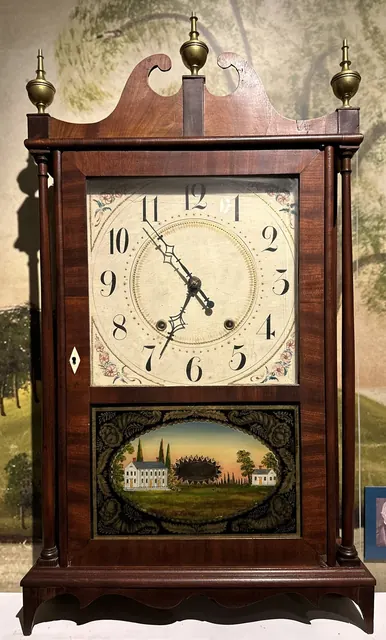
Eli Terry
1772–1852
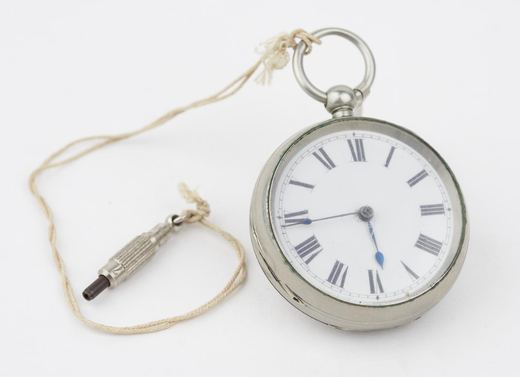
Seth Thomas Clock Company
1813
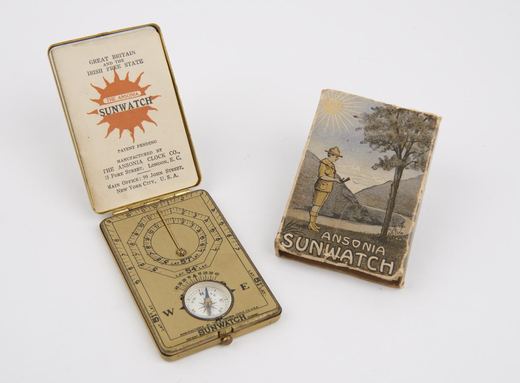
Ansonia Clock Company
1851
American Waltham Watch Company
1850 (Boston Watch Company)
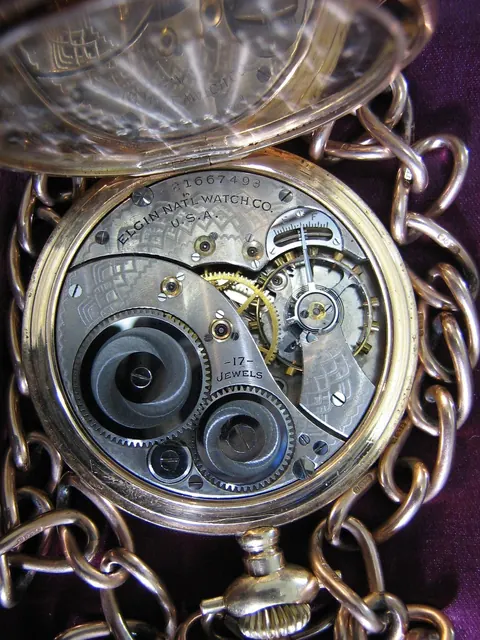
Elgin National Watch Company
1864
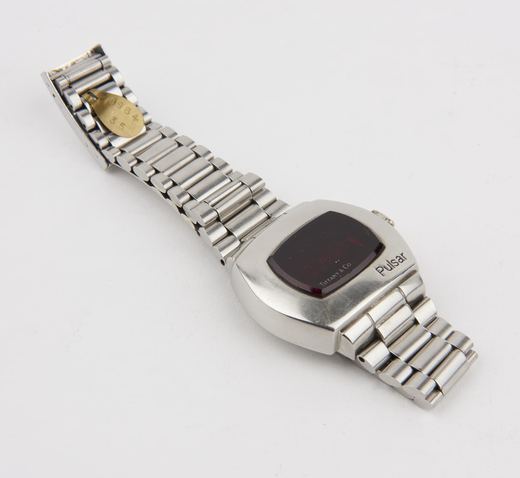
Hamilton Watch Company
1892
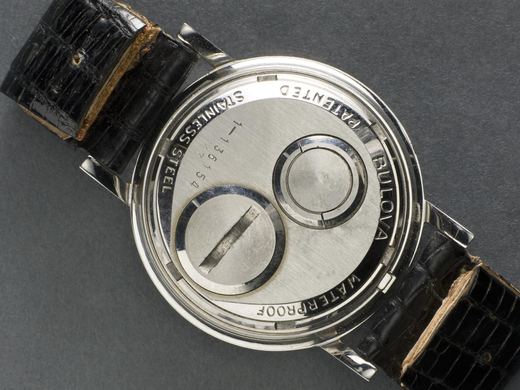
Bulova
1875
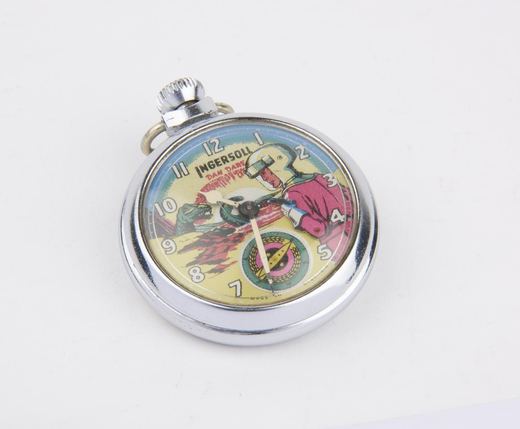
Ingersoll
1892
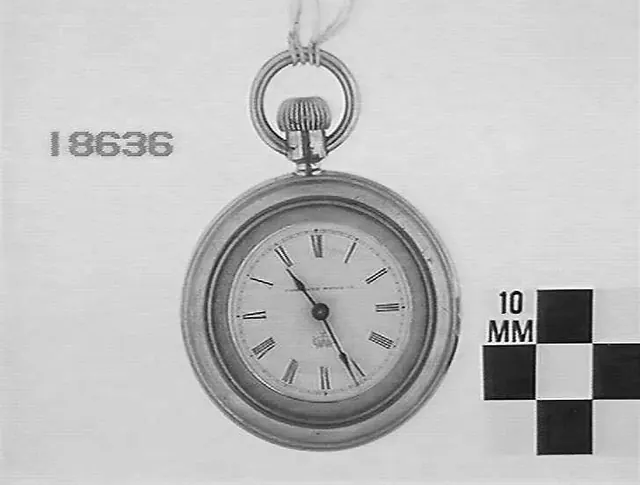
Waterbury Clock Company and Waterbury Watch Company
1857 (clock company); 1880 (watch company)
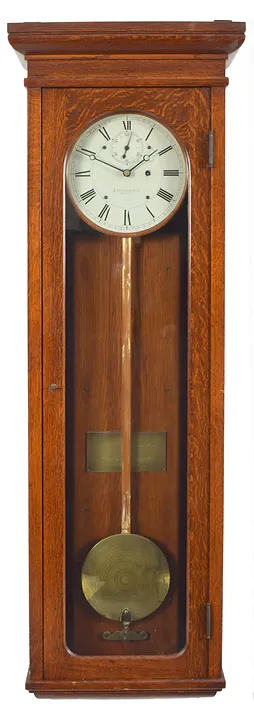
E. Howard & Co.
1842 (Howard & Davis); 1858 (E. Howard & Co.)
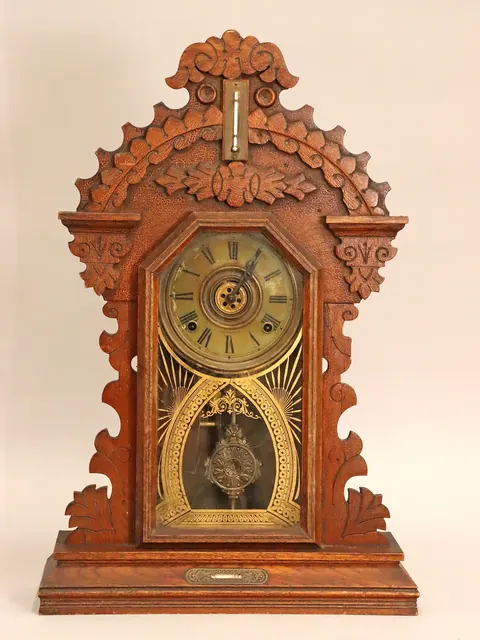
E. Ingraham Company
1831
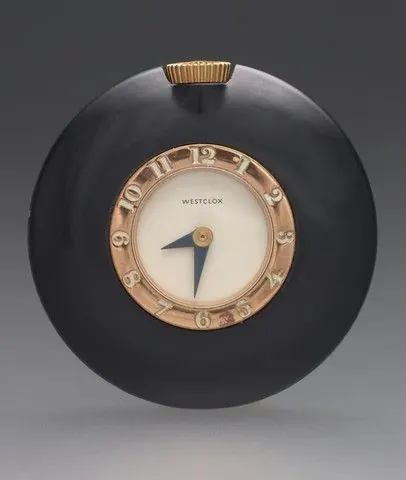
Westclox (Western Clock Company)
1885 (United Clock Company)
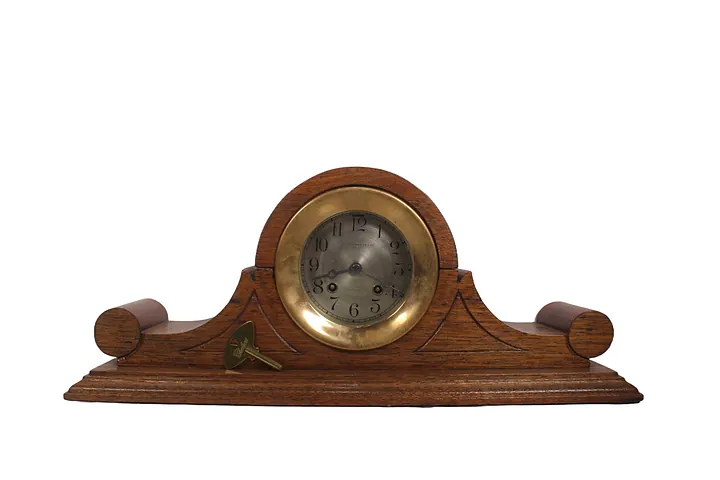
Chelsea Clock Company
1897
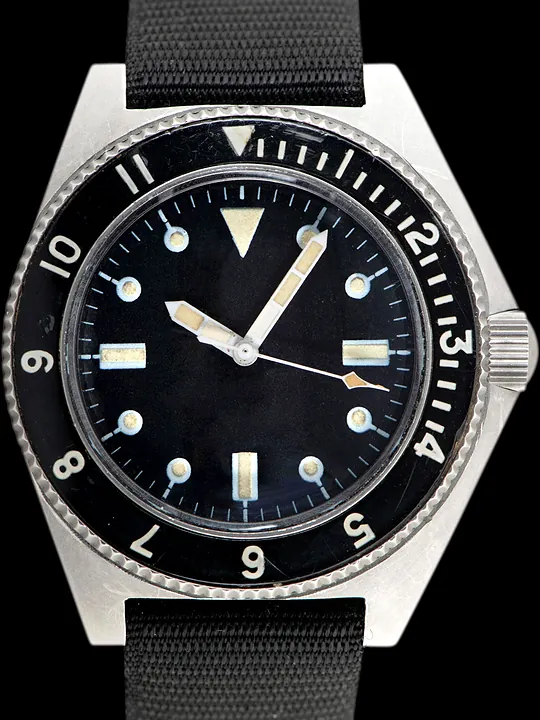
Benrus
1921
From the catalogue
731 records · United States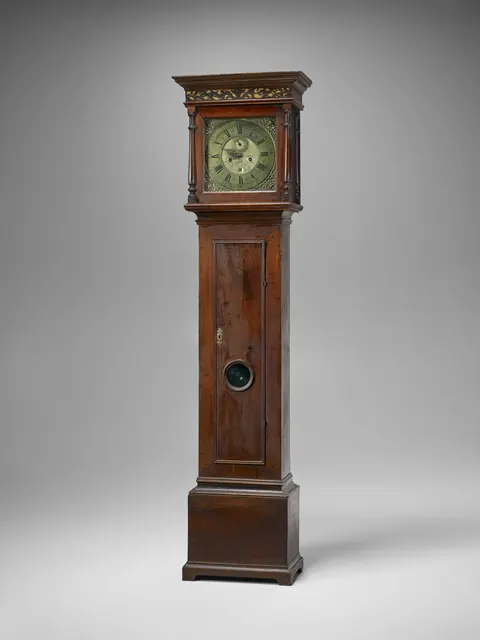
Clocks · c. 1710
Tall Case Clock by Samuel Bispham
Yale University Art Gallery, New Haven
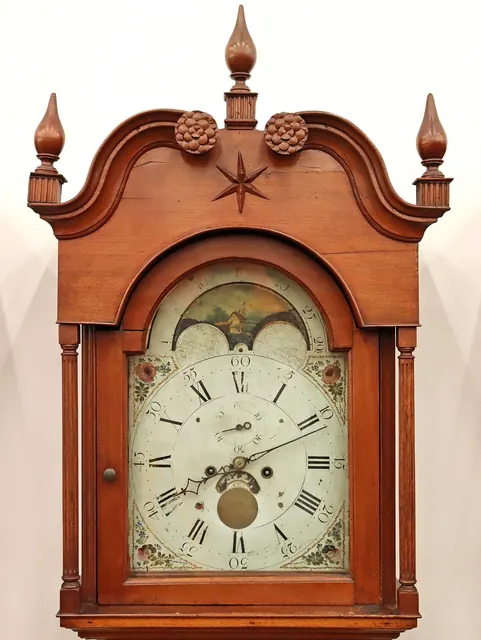
Clocks · 1795–1800
Tall Case Clock by William Wallace
Yale University Art Gallery, New Haven
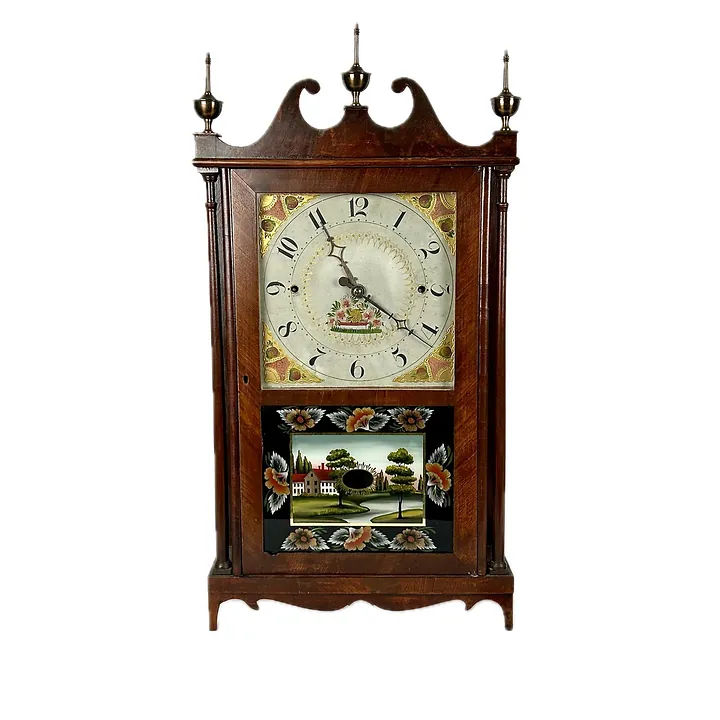
Clocks · c. 1830
Norris North Pillar & Scroll Shelf Clock Connecticut, circa 1830
LiveAuctioneers auction archive
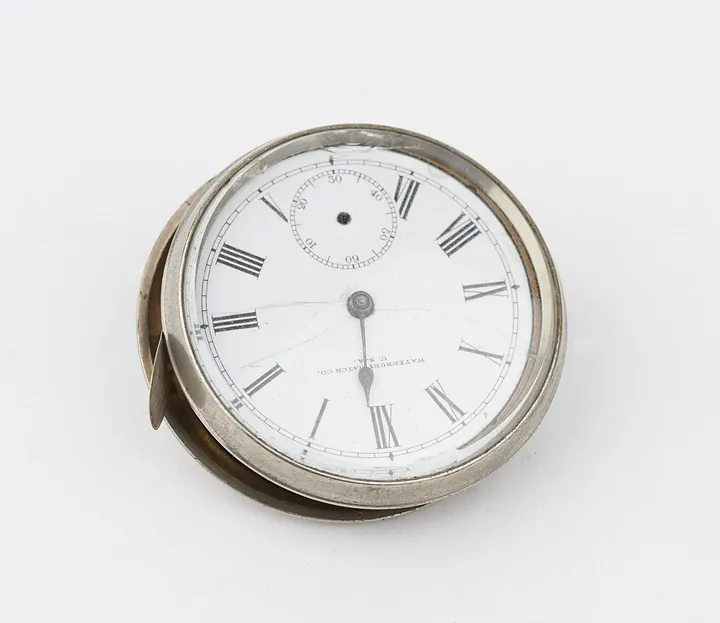
Movements & Components · 1880–1898
Waterbury watch movement
Science Museum Group, London
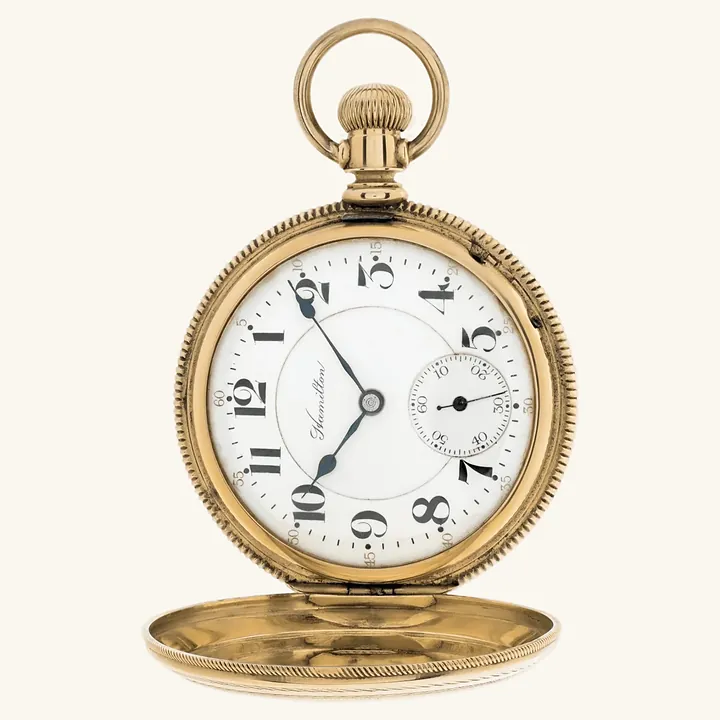
Pocket Watches · after 1892, probably early 20th century
Hamilton Hunter 14k Yellow Gold Pocket Watch, after 1892, probably early 20th century
WatchMuseum.org shop
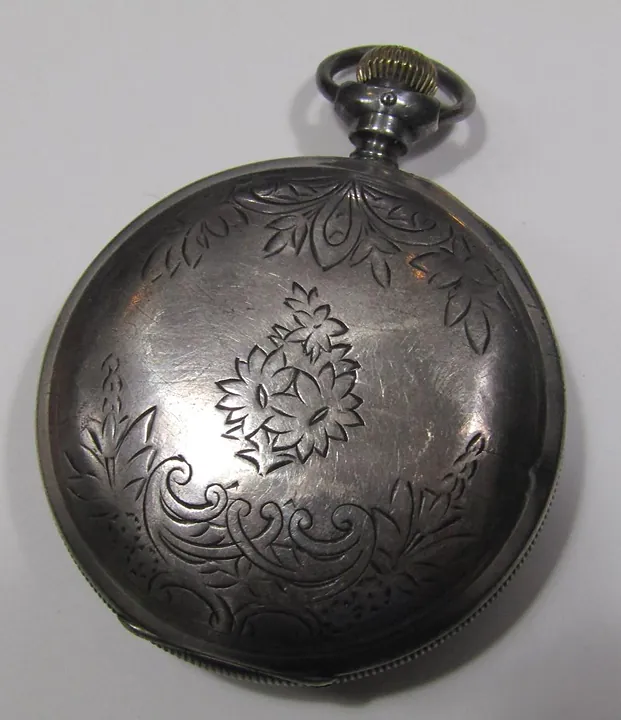
Pocket Watches · c. 1900
1900 Sterling silver Elgin pocket watch 18 size
Invaluable auction listings
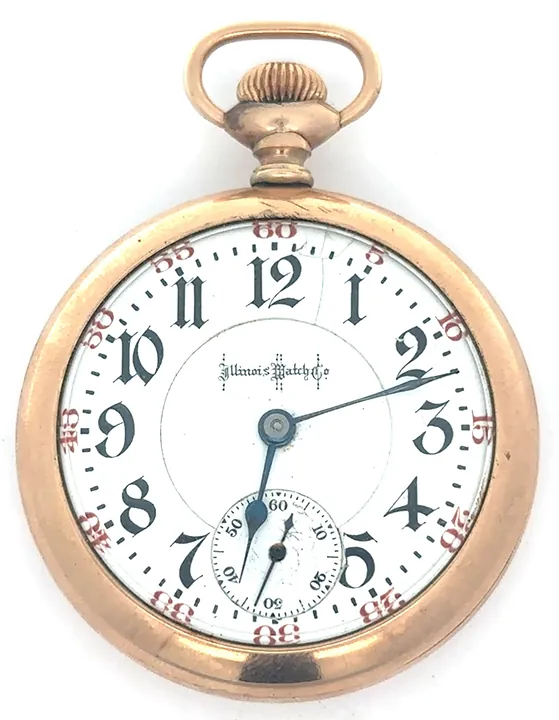
Pocket Watches · c. 1912
Illinois Bunn Special 23 jewel Railroad pocket watch, circa 1912
LiveAuctioneers auction archive
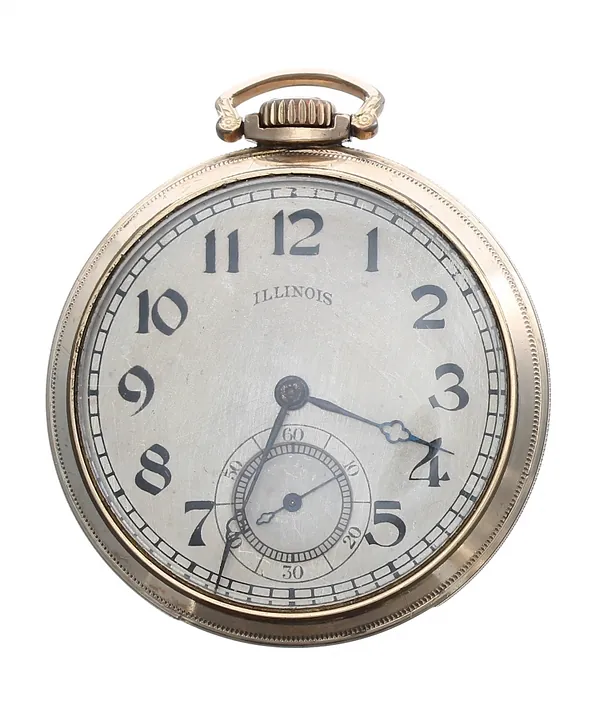
Pocket Watches · c. 1923
Illinois Watch Co. 10k rolled gold plated lever pocket watch, circa 1923
Gardiner Houlgate (auction house), Corsham
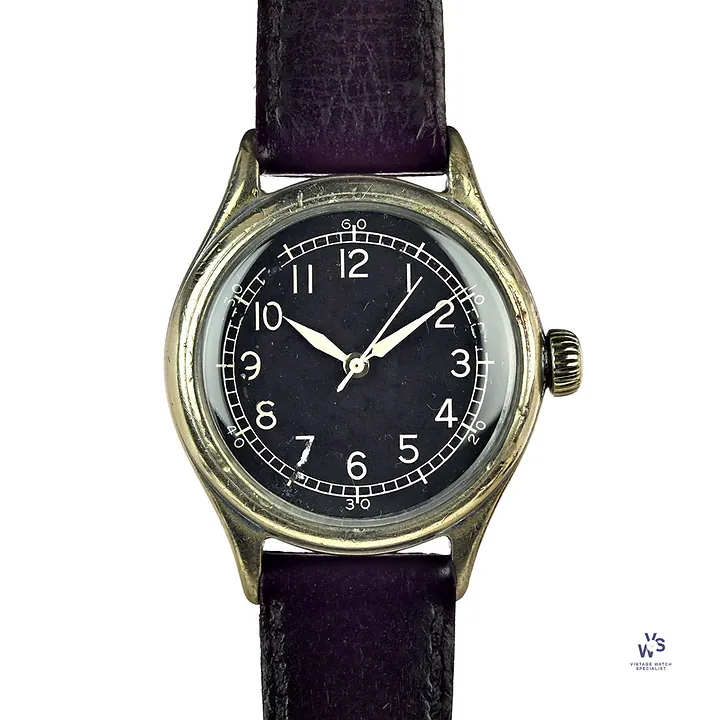
Wristwatches · c. 1940s
Bulova A11, American Issued WW2 Military Watch, Hacking Seconds, circa 1940s
Vintage Watch Specialist (dealer), United Kingdom
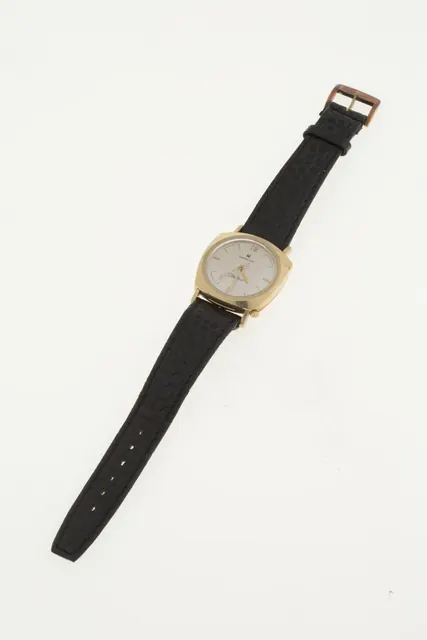
Wristwatches · c. 1953
Wrist Watch - Hamilton, Lancaster, Pennsylvania, c. 1953
Museums Victoria, Melbourne
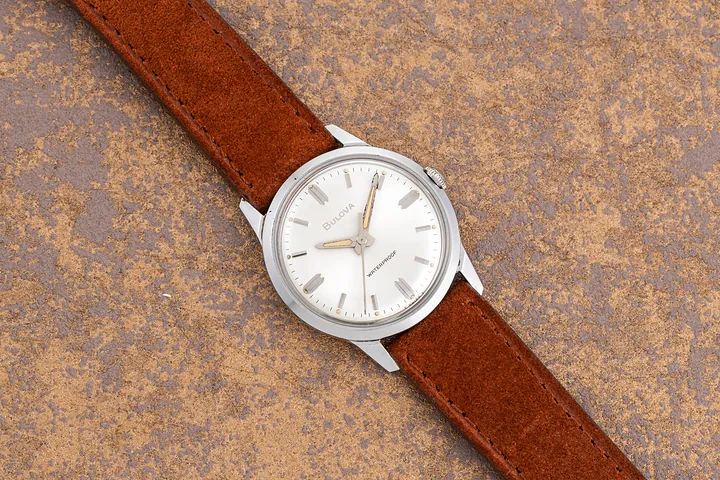
Wristwatches · c. 1966
Bulova Waterproof Dress Watch, c. 1966
Analog/Shift (dealer), New York
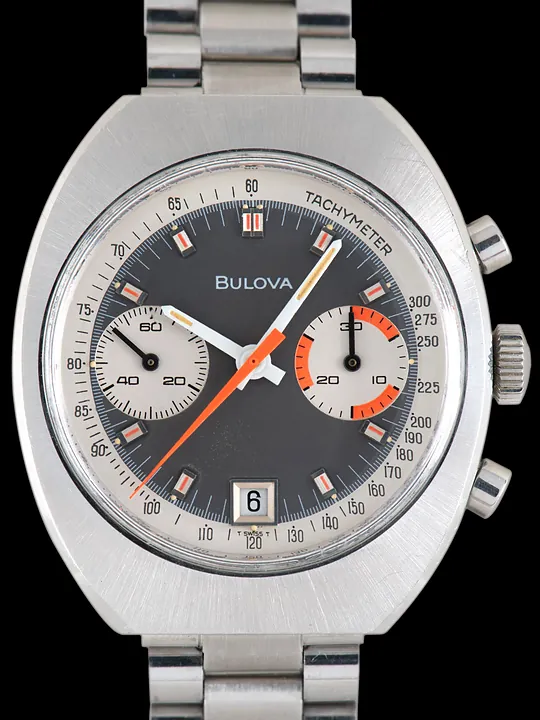
Wristwatches · 1971
Bulova Chronograph D (Ref. 909) "Valjoux Cal. 7734", 1971
Craft & Tailored (dealer), Los Angeles