
Islamic world: water clocks and instruments
Scholars and engineers of the Islamic world refined water clocks, automata, sundials and astrolabes, and timekeeping served the five daily prayers.
CentresBaghdad · Damascus · Cairo · Diyarbakır · Córdoba and Toledo · Isfahan
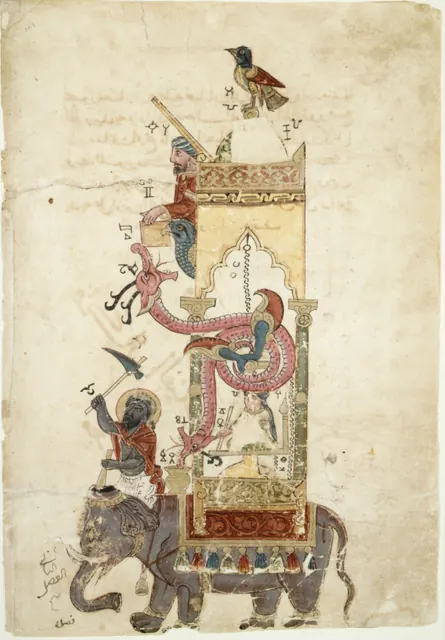
Timekeeping for prayer
Muslim astronomers (muwaqqits) developed sundials, astrolabes and tables to determine prayer times and the direction of Mecca. David A. King's studies have documented this tradition of 'astronomy in the service of Islam'.
Water clocks and automata
Engineers built monumental water clocks such as the one presented to Charlemagne in 807 and those described in Damascus and Baghdad. Ismail al-Jazari's Book of Knowledge of Ingenious Mechanical Devices (1206), written for the Artuqid court at Diyarbakır, describes water and candle clocks with automata, segmental gears and feedback control.
Astrolabes
The astrolabe was refined by makers in Baghdad, Isfahan, Lahore and al-Andalus; Islamic astrolabes are among the most numerous historic scientific instruments in museums today.
Timeline
- 807Envoys of Harun al-Rashid present Charlemagne with a striking water clock
- 1206Al-Jazari completes his Book of Knowledge of Ingenious Mechanical Devices — Al-Jazari's Elephant Clock
- c. 1235A monumental water clock is installed at the Mustansiriya madrasa in Baghdad
Makers
From the catalogue
109 records · Islamic world, Iran (Persia), Egypt, Yemen, Pakistan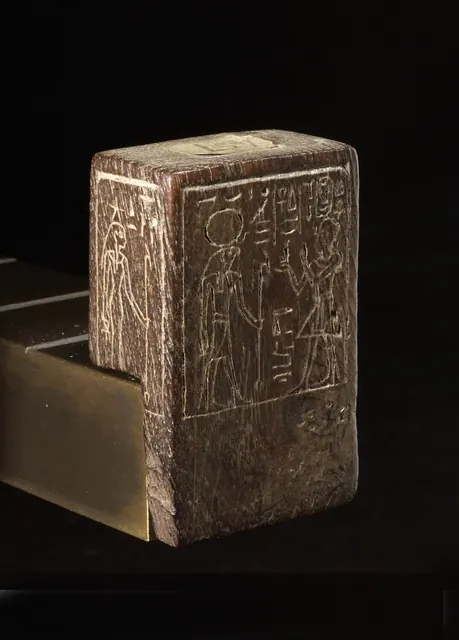
Instruments · 1388 BCE – 1349 BCE
Gnomon, Egypt, 1388 BCE – 1349 BCE
Musée du Louvre, Paris
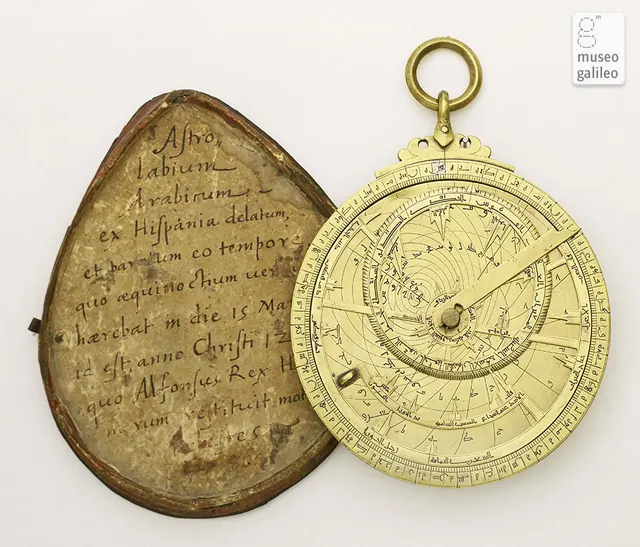
Instruments · 10th century
Plane astrolabe, Islamic world, 10th century
Museo Galileo, Florence
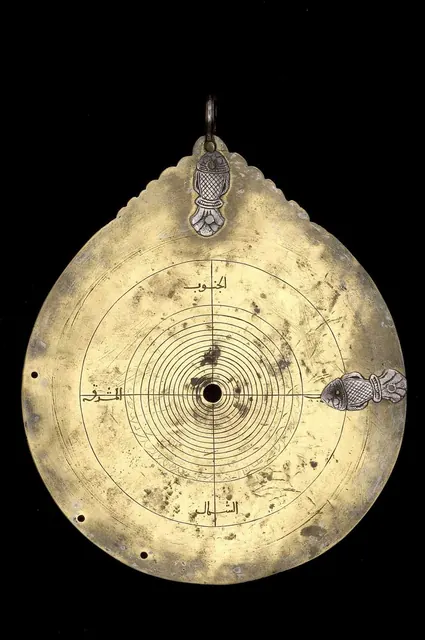
Instruments · 1282–1283
Astrolabe, Egypt, 1282–1283
History of Science Museum, University of Oxford
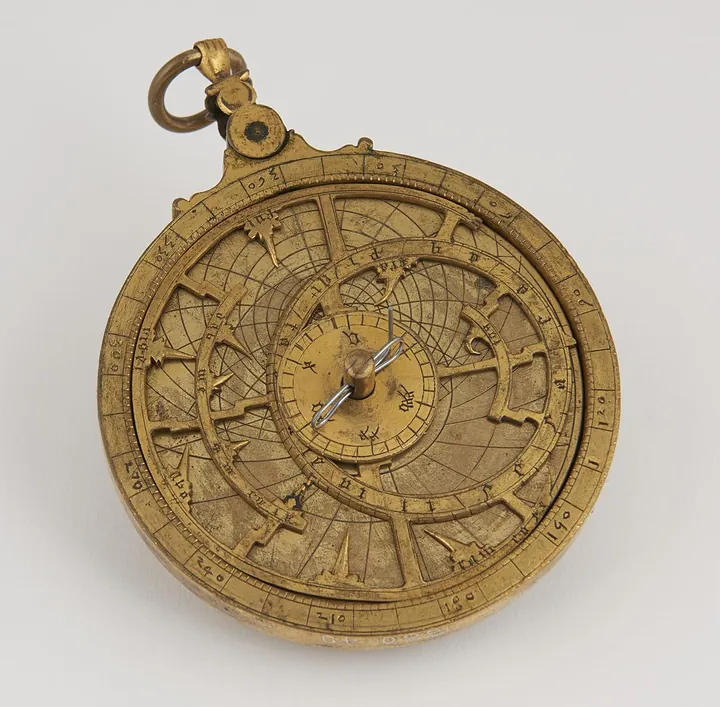
Instruments · 1425–1435
Astrolabe, 1425–1435
Science Museum Group, London
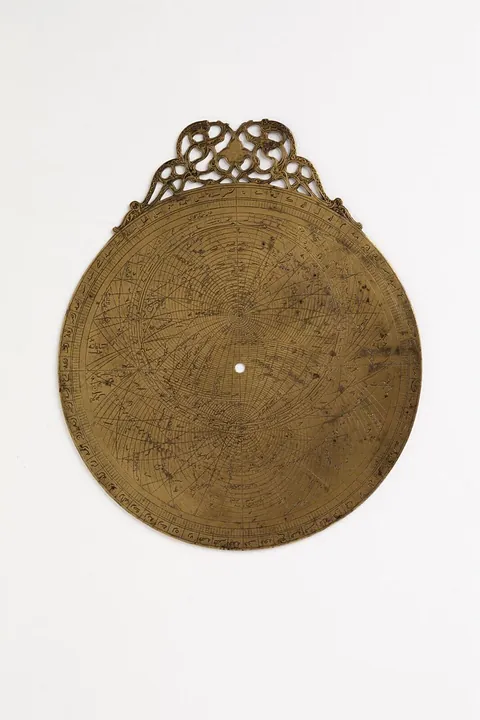
Instruments · 17th century
Astrolabe, Iran (Persia), 17th century
Victoria and Albert Museum, London
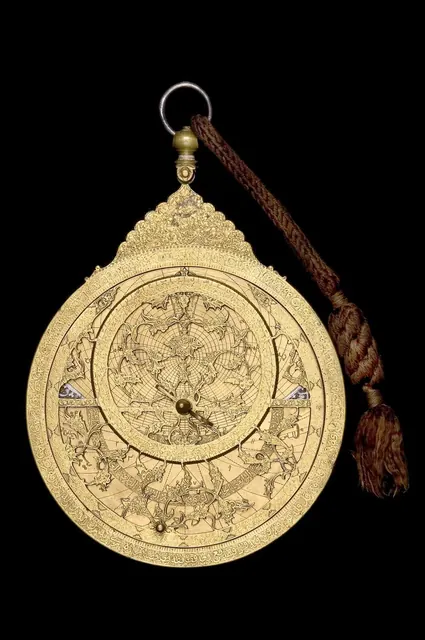
Instruments · 1655–1665
Astrolabe by Muhammad Mahdi al-Khadim al-Yazdi, Iran (Persia), 1655–1665
History of Science Museum, University of Oxford
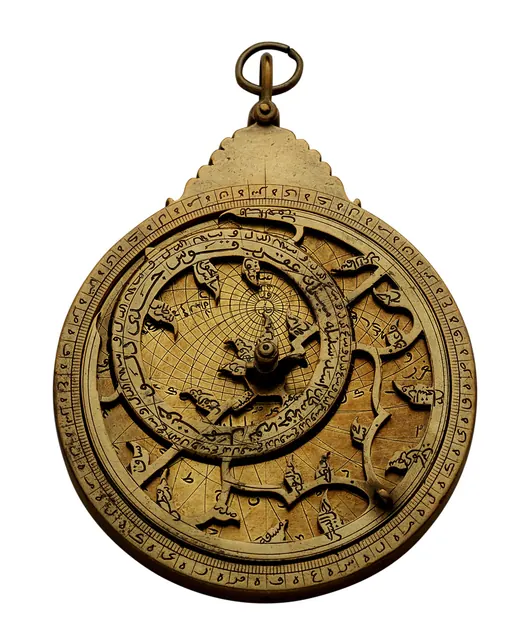
Instruments · 1699–1700
Islamic astrolabe, Iran, 1699–1700
Adler Planetarium, Chicago
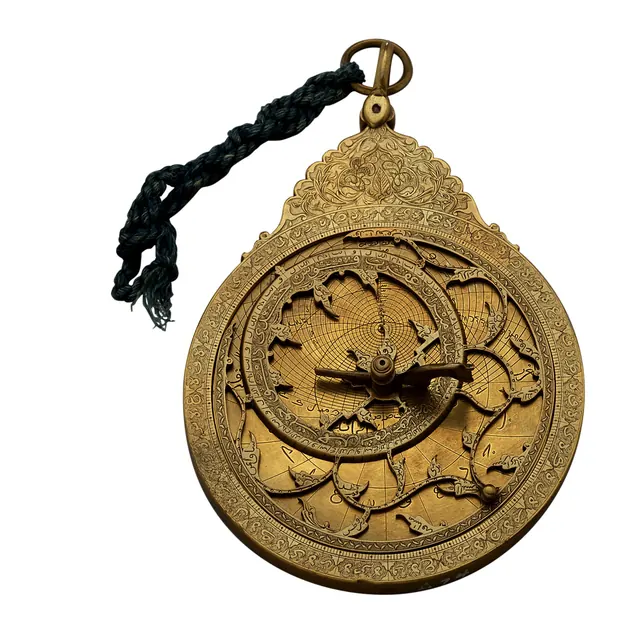
Instruments · 1700–1725
Islamic astrolabe, Isfahan, 1700–1725
Adler Planetarium, Chicago
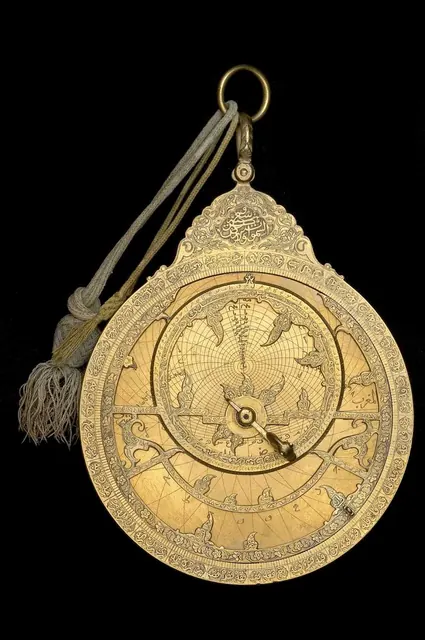
Instruments · 1707–1708
Astrolabe, Iran (Persia), 1707–1708
History of Science Museum, University of Oxford
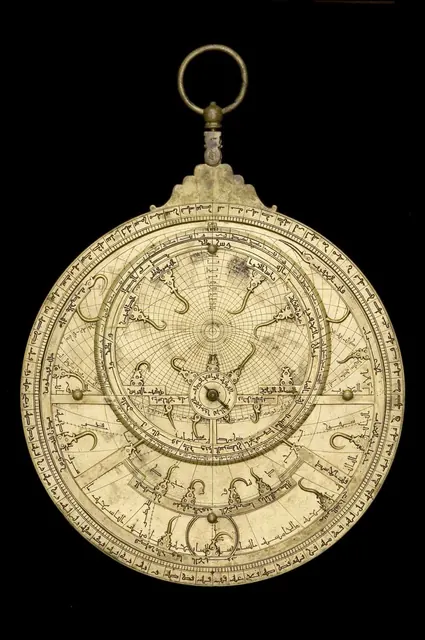
Instruments · 1733–1734
Astrolabe by Muhammad ibn Ahmad al-Battuti, Islamic world, 1733–1734
History of Science Museum, University of Oxford
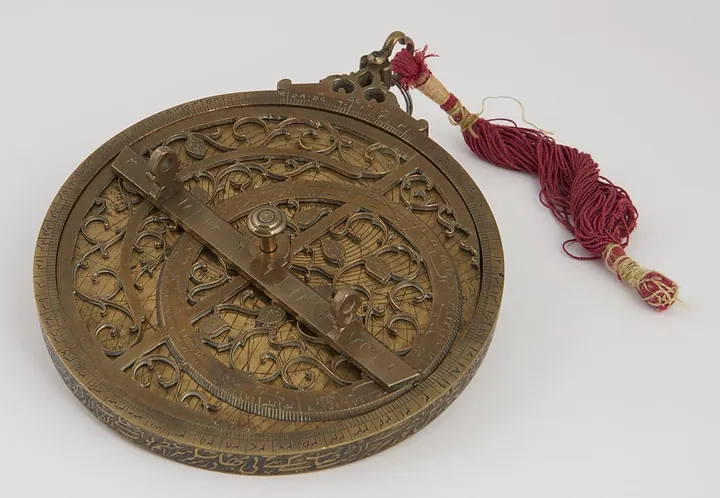
Instruments · 1849
Astrolabe by Balhumal, Pakistan, 1849
Science Museum Group, London
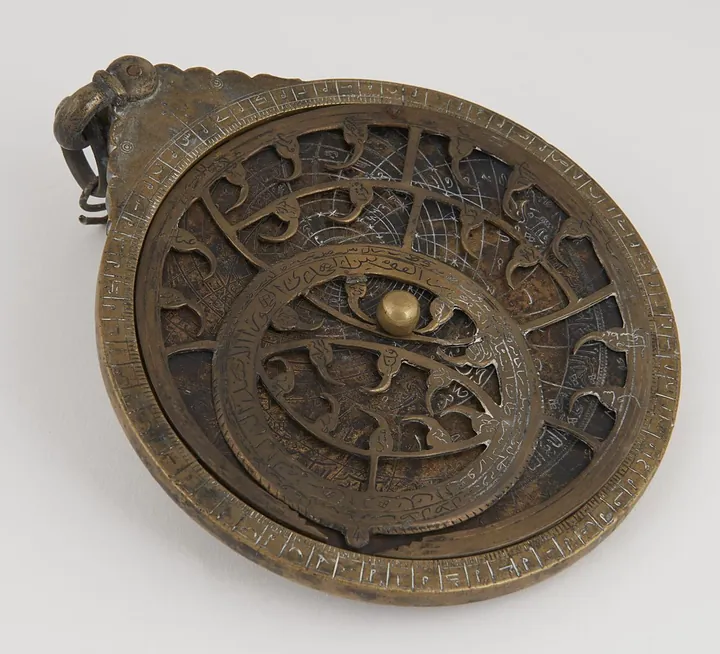
Instruments · 1890–1930
Decorative fake Islamic astrolabe with four plates and sightless alidade, pin missing.
Science Museum Group, London