
International horology
The world's traditions of timekeeping
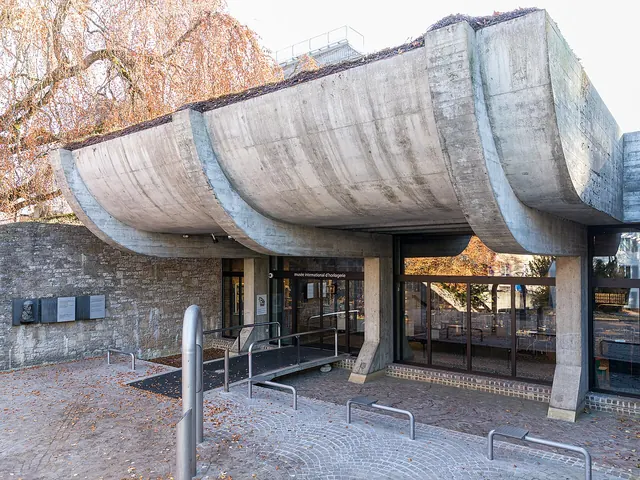
Swiss horology
From Geneva's cabinotiers and the farm workshops of the Jura to the modern manufactures, Switzerland became the world's leading producer of watches.
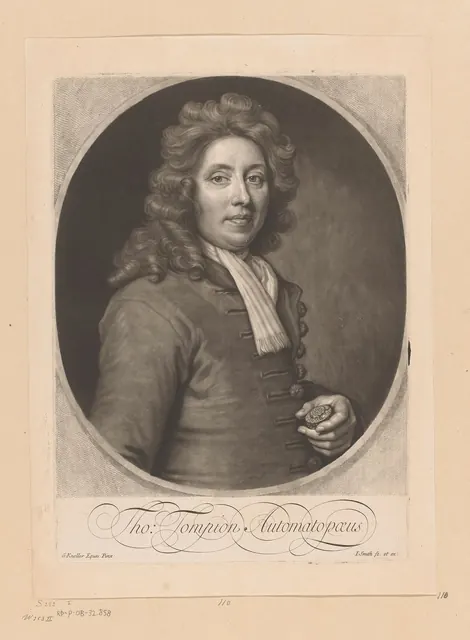
British horology
London's clock and watchmakers led European precision from the 1670s to the early 19th century, solving longitude and inventing the lever escapement.
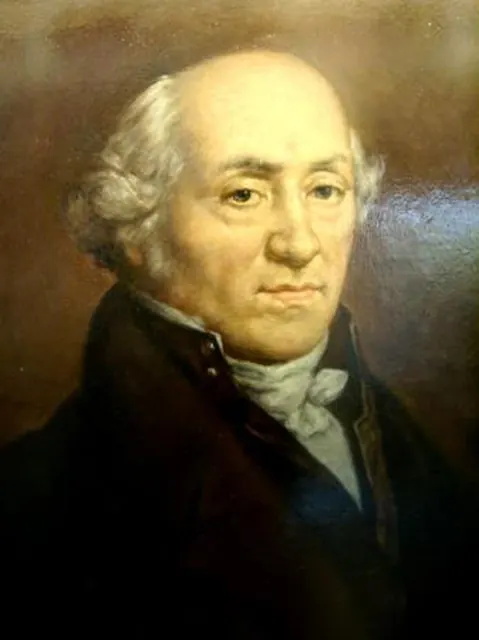
French horology
Paris and Blois produced some of the earliest watches; French makers led scientific horology in the 18th century, and Besançon became France's watch-industry capital.
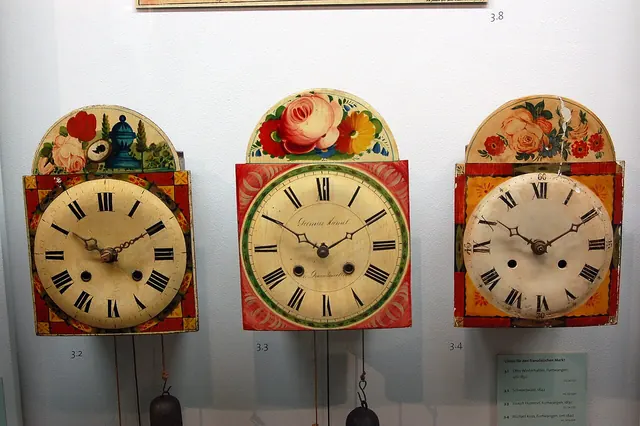
German horology
Nuremberg and Augsburg made the first watches and Renaissance table clocks; the Black Forest mass-produced wall clocks; Glashütte built a tradition of precision.
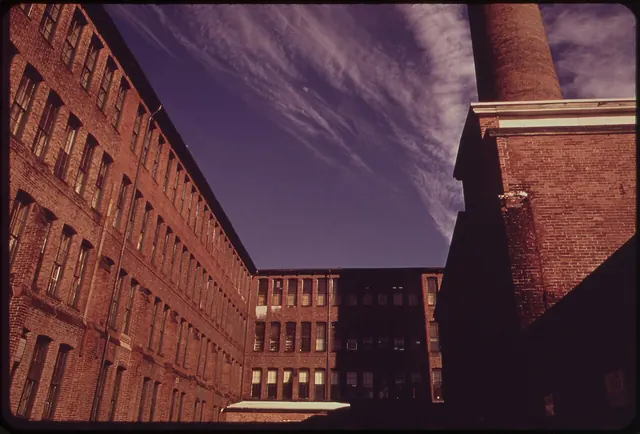
American horology
Connecticut clockmakers and Massachusetts watch factories pioneered mass production with interchangeable parts, and American railroads set exacting standards.
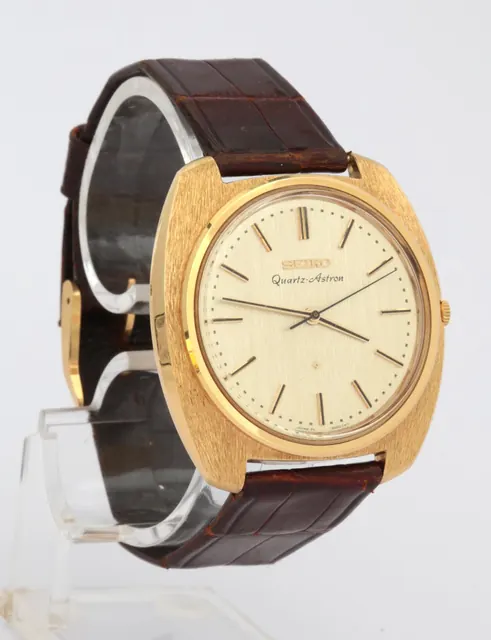
Japanese horology
Japan adapted European clocks to temporal hours in the Edo period, industrialised in the Meiji era and led the quartz revolution.
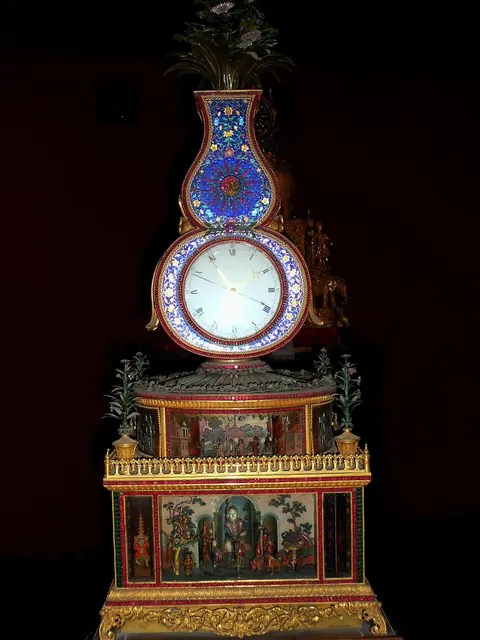
Chinese horology
Chinese astronomers built water-driven astronomical clocks with escapement-like linkages centuries before Europe; the Qing court later collected and made European-style clocks.
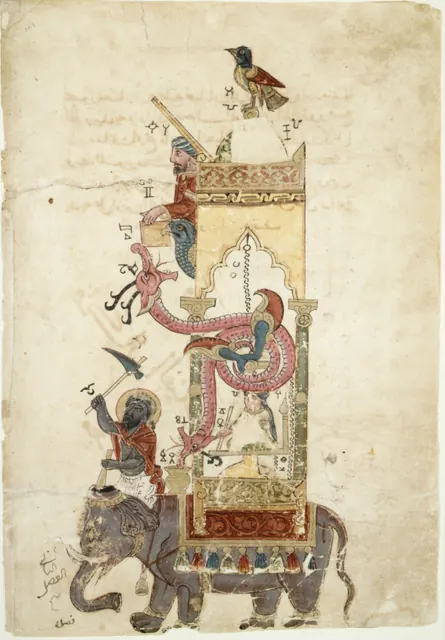
Islamic world: water clocks and instruments
Scholars and engineers of the Islamic world refined water clocks, automata, sundials and astrolabes, and timekeeping served the five daily prayers.
Persian timekeeping
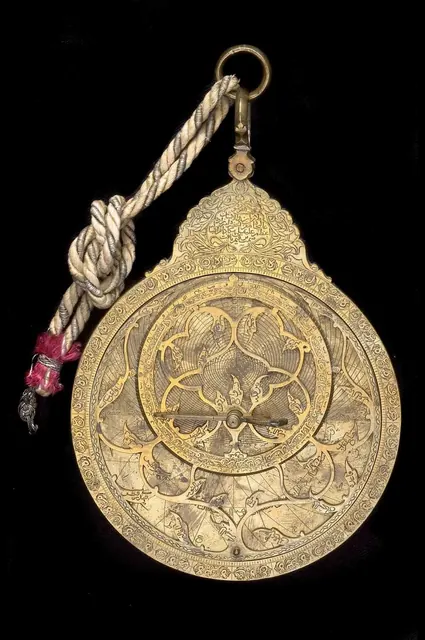
Persian astronomers and instrument makers produced outstanding astrolabes and celestial globes; Safavid and Qajar courts collected European clocks and watches.
Ottoman timekeeping
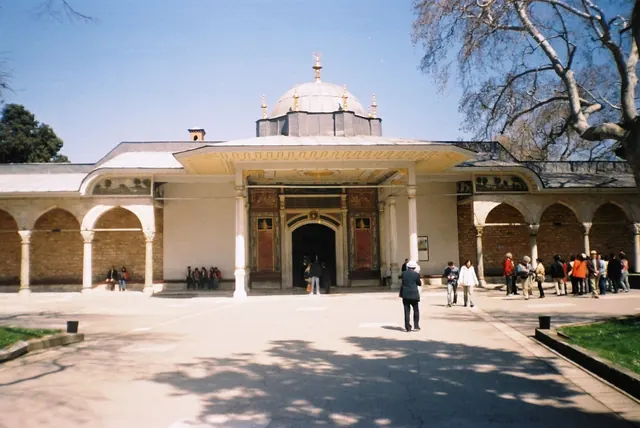
Ottoman astronomers wrote on mechanical clocks, muvakkithanes kept time at mosques, and European makers built clocks for the Ottoman market.
Indian timekeeping
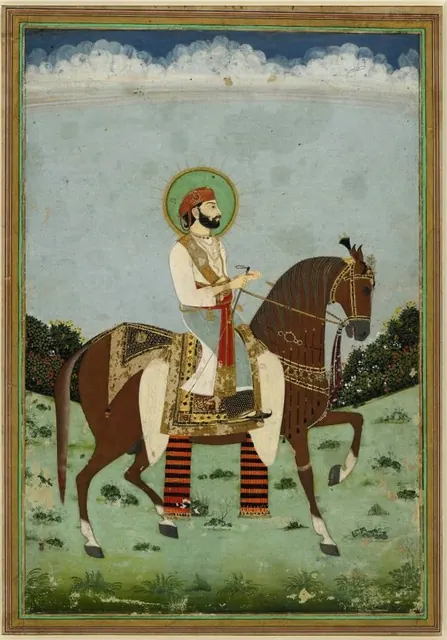
Indian astronomy measured time with water bowls (ghati) and sundials; Sawai Jai Singh II built monumental observatories in the 18th century.
Dutch horology
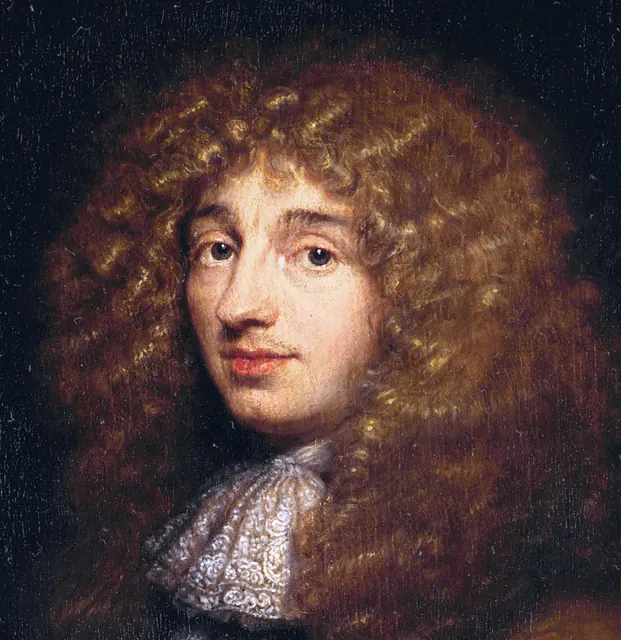
Huygens's pendulum clock (1656–57) was made in The Hague, and Dutch makers developed the Hague clock, Zaanse and Frisian clocks.
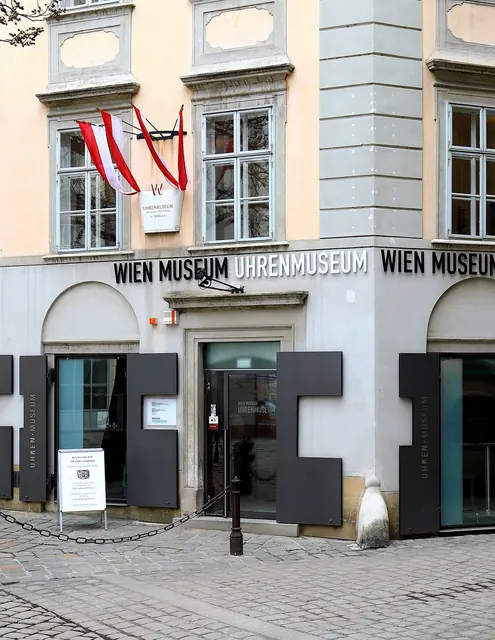
Austrian horology
Vienna produced the slender Vienna regulator and elegant Biedermeier clocks, and the Habsburg Kunstkammer preserved Renaissance masterpieces.
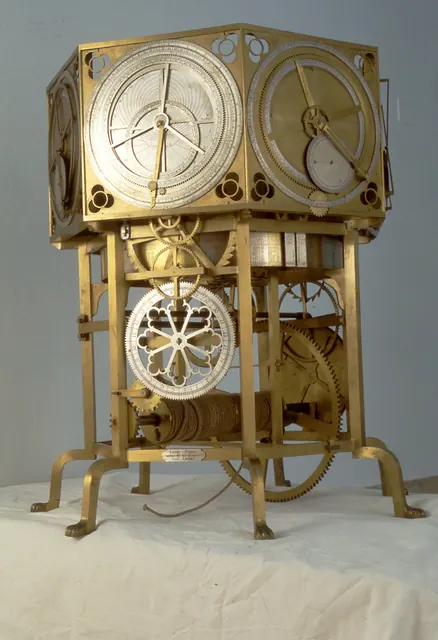
Italian horology
Italy produced some of Europe's earliest public striking clocks and the Astrarium of Giovanni de' Dondi; Galileo laid the foundations of the pendulum.
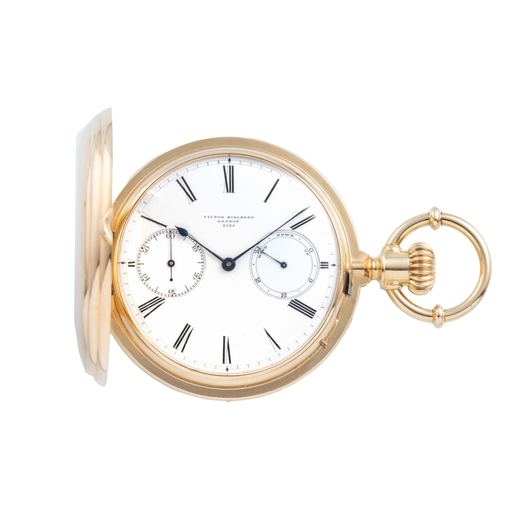
Scandinavian horology
Swedish Mora clocks, Danish precision instrument makers and Scandinavian chronometer makers working in London form a distinctive northern tradition.
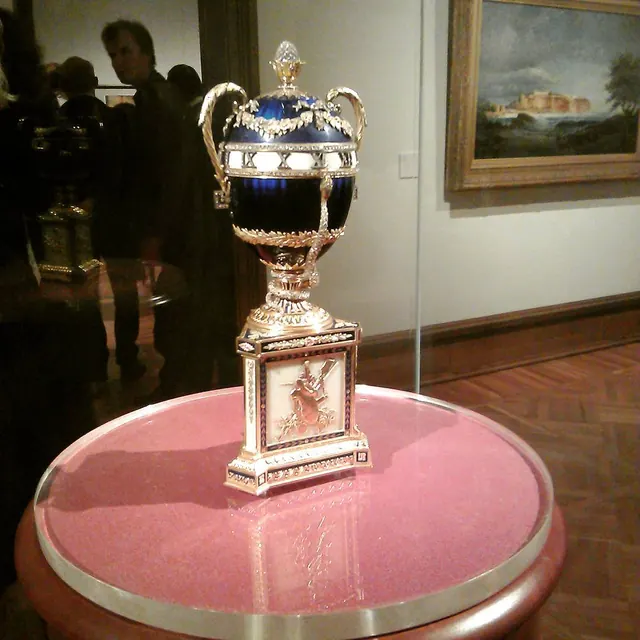
Russian horology
Imperial workshops in St Petersburg, the Soviet watch industry and its mass-produced calibres form the Russian tradition.
How timekeeping travelled
Ideas and objects moved between traditions long before the age of the wristwatch. Ten moments when one culture's timekeeping met another's:
c. 1092 · Chinese
Su Song's water-driven astronomical clock tower at Kaifeng, regulated by a linkwork escapement, is completed.
1206 · Islamic world
Al-Jazari's Book of Knowledge of Ingenious Mechanical Devices describes water and candle clocks with automata.
c. 1300 · Italian
Weight-driven mechanical clocks with a verge escapement appear in the cathedrals, monasteries and towns of western Europe.
1551 · Japanese
Francis Xavier presents a clock to the daimyo Ōuchi Yoshitaka; Japanese makers later adapt European clocks to unequal temporal hours (wadokei).
1601 · Chinese
The Jesuit Matteo Ricci reaches Beijing and gives clocks to the Wanli emperor, the start of the imperial taste for European clocks.
1657 · Dutch
Christiaan Huygens patents the pendulum clock in the Dutch Republic, improving clock accuracy many times over.
1734 · Indian
Maharaja Jai Singh II completes the Jantar Mantar at Jaipur, a masonry observatory whose giant sundial tells local solar time to a few seconds.
18th–19th c. · Ottoman
London and then Geneva workshops make watches with Turkish numerals and cases for the Ottoman market.
1850s · American
Waltham applies machine-made interchangeable parts to watches — the 'American system' that reshaped the Swiss industry.
1969 · Japanese
Seiko sells the Quartz Astron in Tokyo, the first quartz wristwatch on the market.
Where to see each tradition
One place to start for each tradition outside the usual European centres; every regional page lists more museums, makers and catalogue objects.
| Tradition | Look for | Start at |
|---|---|---|
| Chinese | Water-driven astronomical clocks; imperial court clocks with automata | Palace Museum – Hall of Clocks |
| Japanese | Wadokei with adjustable hour markers; pillar and bracket clocks | Daimyo Clock Museum |
| Ottoman | Watches with Turkish numerals; gifts of European clocks to the sultans | Topkapı Palace Museum |
| Indian | Masonry instruments for solar time; Mughal-era astrolabes | Jantar Mantar, Jaipur |
| Islamic world | Astrolabes, water clocks and the instruments of mosque timekeepers | L.A. Mayer Museum for Islamic Art |
| Dutch | The first pendulum clocks and Huygens's instruments | Rijksmuseum Boerhaave |
| Swiss | Jura and Geneva watchmaking from the 18th century to today | Musée international d'horlogerie |