
Indian timekeeping
Indian astronomy measured time with water bowls (ghati) and sundials; Sawai Jai Singh II built monumental observatories in the 18th century.
CentresJaipur · Delhi · Ujjain · Varanasi · Hyderabad
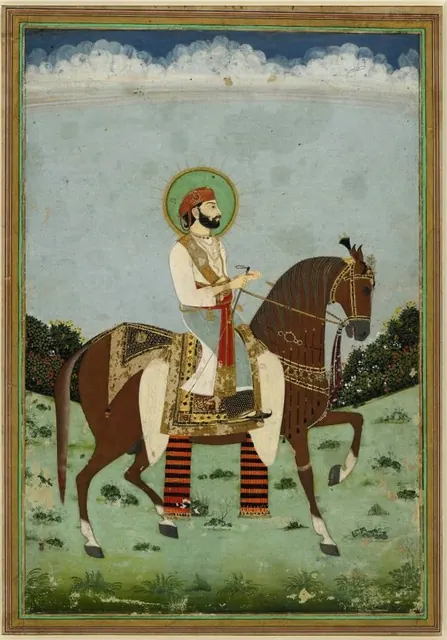
Ghatis and water bowls
Traditional Indian timekeeping divided the day into 60 ghatis; sinking-bowl water clocks (ghati yantra) measured them in temples and courts.
Jantar Mantar
Between 1724 and 1734 Sawai Jai Singh II built masonry observatories at Delhi, Jaipur, Ujjain, Varanasi and Mathura. The Samrat Yantra at Jaipur, a giant equinoctial sundial, reads local time to about two seconds; the Jaipur observatory is a UNESCO World Heritage Site.
Clocks at court
Mughal and princely courts collected European clocks; the Salar Jung Museum in Hyderabad preserves a famous English musical clock among many others.
Astronomy and the measurement of time
Indian astronomical texts divided the day into 60 ghatis of 24 minutes, each ghati into 60 palas and each pala into 60 vipalas. The sinking-bowl water clock — a copper bowl with a small hole that fills and sinks in a set time — is described in the Surya Siddhanta tradition and was used in temples and courts into the 19th century. Astrolabes made in Lahore and other Mughal centres from the 16th century, often by families of instrument makers, carry Persian and sometimes Sanskrit inscriptions.
Court clocks and standard time
Mughal emperors received European clocks from embassies, and princely states built up large collections; the musical clock by Cooke and Kelvey of London in the Salar Jung Museum, Hyderabad, in which a small figure strikes the hours, draws crowds every hour. Railways and the telegraph spread standard time: Indian Standard Time, 5 hours 30 minutes ahead of Greenwich, was adopted in 1906, although Calcutta and Bombay kept their own local time for decades.
How to recognise it in an object
- Dials in Devanagari, Urdu or other scripts, or the names of retailers in Bombay, Calcutta or Madras.
- Railway and government clocks of the Raj usually carry a British maker's name and a railway or department mark.
General guidance: confirm any attribution against the maker's marks and the source record. Identification centre →
Timeline
- 1724–1734Sawai Jai Singh II builds monumental observatories, including the Samrat Yantra sundial at Jaipur — Sawai Jai Singh II
Makers
From the catalogue
35 records · India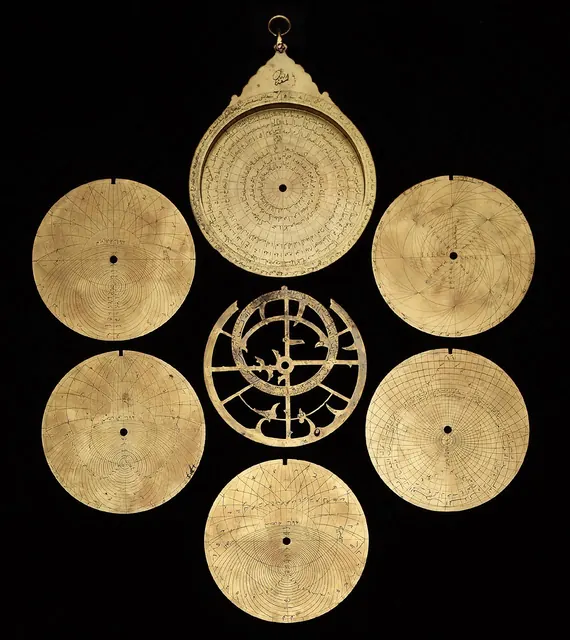
Instruments · 1570
Astrolabe, India, 1570
Royal Museums Greenwich
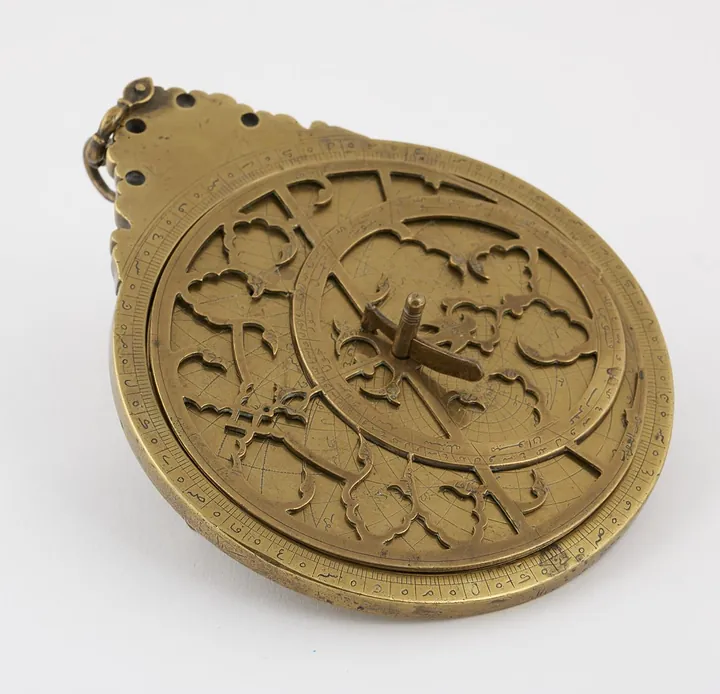
Instruments · 1600–1699
Indo-Persian planispheric astrolabe with four plates, 17th century.
Science Museum Group, London
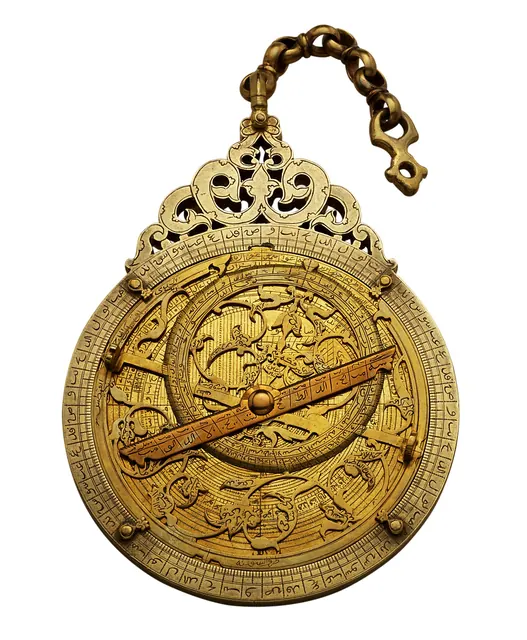
Instruments · 1600–1699
Astrolabe: Double-faced
Adler Planetarium, Chicago
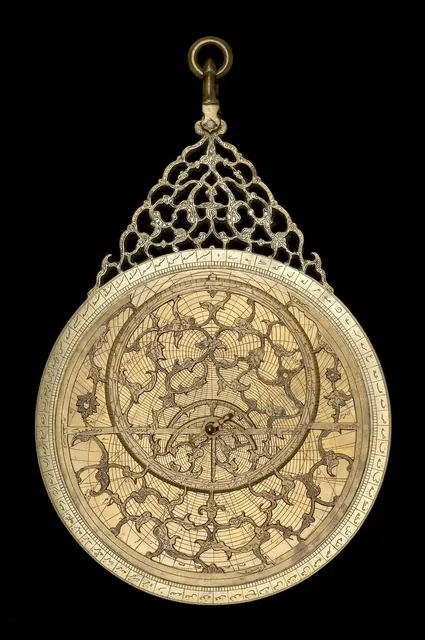
Instruments · 1634–1635
Astrolabe by Qaim Muhammad, India, 1634–1635
History of Science Museum, University of Oxford
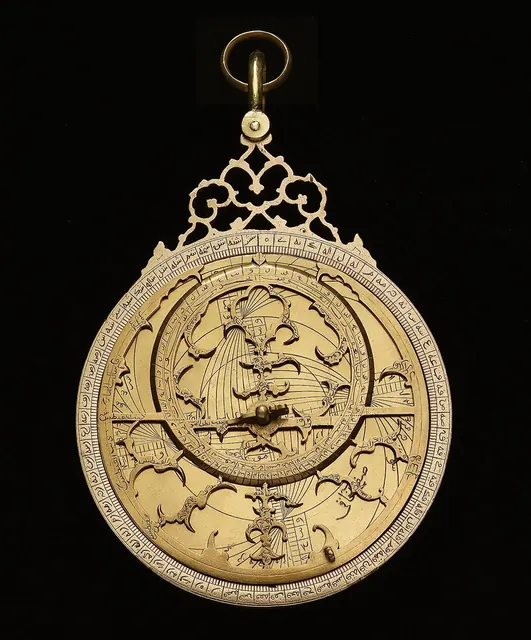
Instruments · 1641-42
Astrolabe, India, 1641-42
Royal Museums Greenwich
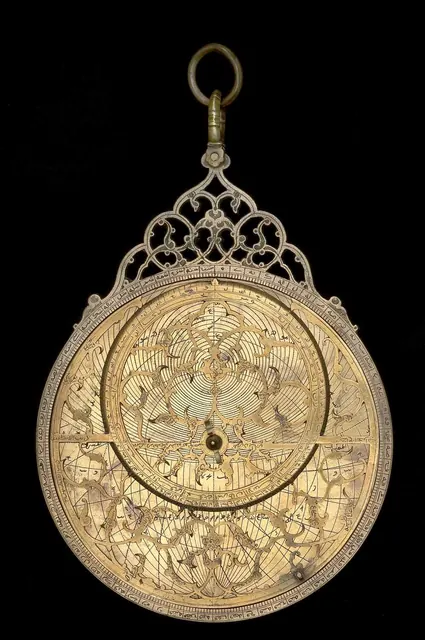
Instruments · 1643–1644
Astrolabe by Muhammad Muqim, India, 1643–1644
History of Science Museum, University of Oxford
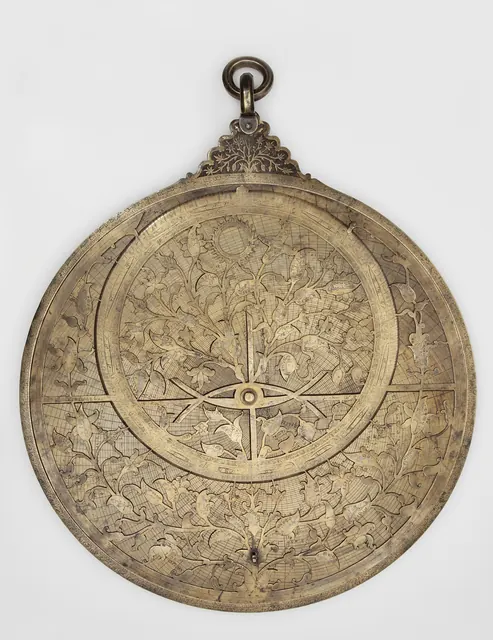
Instruments · 1648–1658
Khalili Astrolabe
Khalili Collection of Islamic Art, London
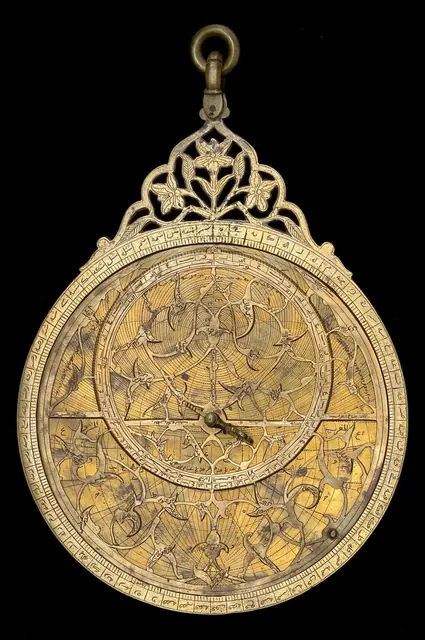
Instruments · 1658–1659
Astrolabe by Diya al-Din Muhammad, India, 1658–1659
History of Science Museum, University of Oxford
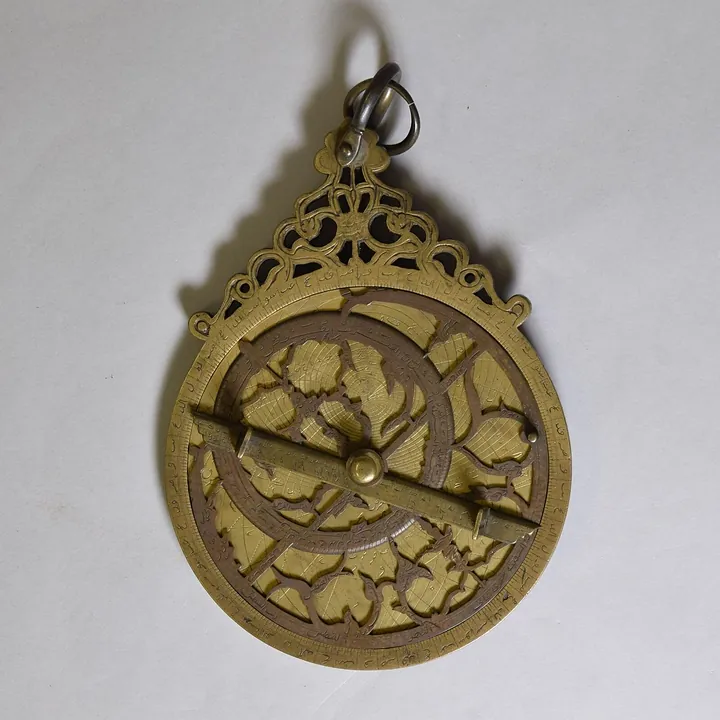
Instruments · 1681
Arabic inscriptions; Astronomy, brass, engraved, India, 1681
Victoria and Albert Museum, London
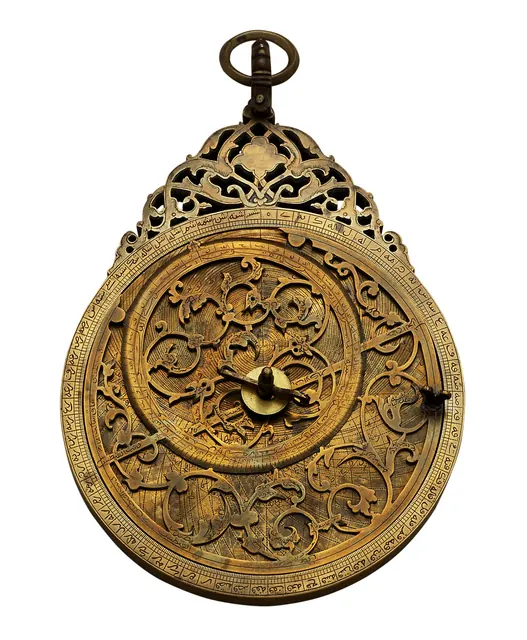
Instruments · 1700–1799
Islamic astrolabe, India, 1700–1799
Adler Planetarium, Chicago
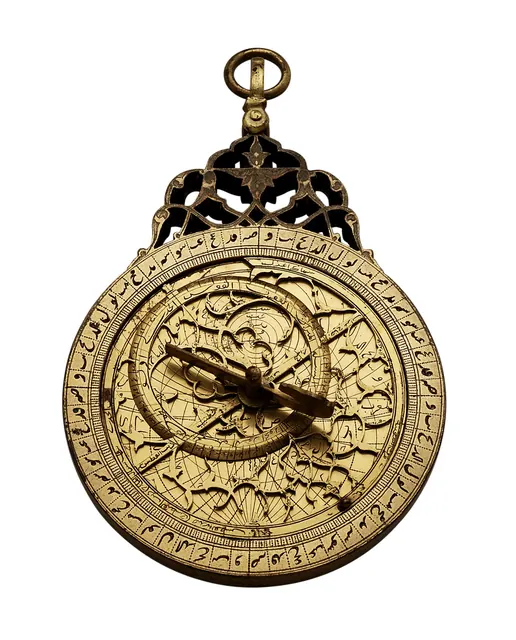
Instruments · 1780
Islamic astrolabe, India, 1780
Adler Planetarium, Chicago
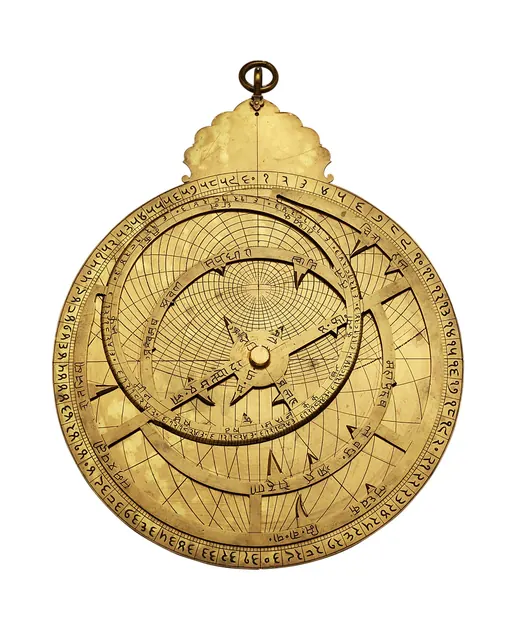
Instruments · 1800–1899
Islamic astrolabe, India, 1800–1899
Adler Planetarium, Chicago