
Swiss horology
From Geneva's cabinotiers and the farm workshops of the Jura to the modern manufactures, Switzerland became the world's leading producer of watches.
CentresGeneva · Vallée de Joux · Le Locle and La Chaux-de-Fonds · Neuchâtel · Biel/Bienne · Schaffhausen · Grenchen
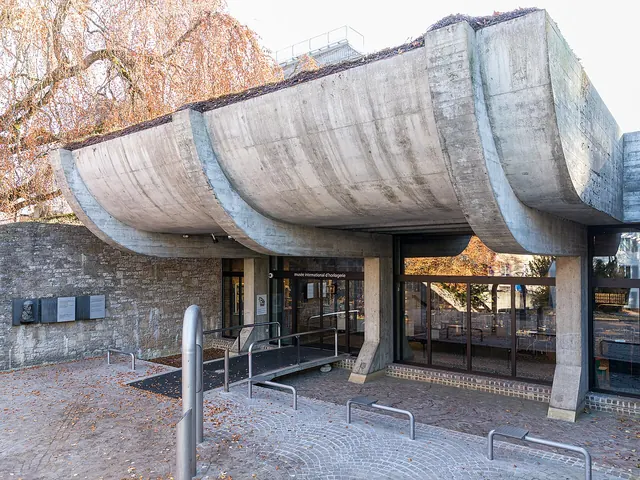
Origins in Geneva
Watchmaking took root in Geneva in the 16th century, when Calvin's sumptuary laws discouraged goldsmiths from making jewellery and Huguenot refugees brought clock and watch skills from France. The Geneva watchmakers' guild was founded in 1601. The 'Fabrique' that followed divided work among specialist workshops — case makers, engravers, enamellers and finishers — many of them in the attic workshops known as cabinets.
The Jura and the établissage system
From the late 17th century the craft spread into the Jura mountains. Tradition credits Daniel JeanRichard with establishing watchmaking in Le Locle; farming families made parts in winter, and merchant-assemblers (établisseurs) coordinated a cottage industry of extraordinary specialisation. Le Locle and La Chaux-de-Fonds, rebuilt on grid plans around watchmaking, are now a UNESCO World Heritage Site.
Industrialisation and competition
American machine-made watches shown at Philadelphia in 1876 shocked the Swiss into mechanising. Interchangeable parts, ébauche factories and specialised component makers followed, and by the early 20th century Swiss firms dominated world exports. The industry was organised through cartels and, from the 1930s, the ASUAG holding (ébauches and components).
Quartz crisis and renaissance
Although Swiss engineers produced some of the first quartz wristwatches (the Beta 21 of 1967–70), Japanese mass production and the strong franc cut Swiss employment dramatically in the 1970s. The merger of ASUAG and SSIH, the Swatch (1983) and a revival of mechanical luxury watches from the late 1980s restored the industry, now concentrated on high-value mechanical watches.
Timeline
- c. 1776Self-winding 'perpétuelle' watches appear in Switzerland (Perrelet) and France — Self-winding (automatic) mechanism
- 1839Georges-Auguste Leschot's pantograph mechanises parts-making at Vacheron Constantin — Vacheron Constantin
- 1839Patek, Czapek & Cie founded in Geneva — Patek Philippe
- 1842Adrien Philippe invents crown winding and setting (patented 1845) — Keyless (stem) winding
- 1844Adolphe Nicole's heart cam lets a chronograph hand return to zero — Chronograph
- 1867Georges Frédéric Roskopf shows his inexpensive pin-lever 'proletarian watch' — Pin-pallet escapement
- 1896Charles-Édouard Guillaume discovers Invar, a nickel steel almost unaffected by heat
- 1910A Rolex wristwatch receives a Swiss official chronometer rating — Rolex
- 1926Screw-down crown patent behind the Rolex Oyster waterproof case — Rolex Oyster (1926)
- 1931Rolex introduces the Perpetual rotor self-winding movement — Rolex
- 1967CEH Beta 21 quartz wristwatch prototypes set records at Neuchâtel Observatory — Quartz crystal oscillator
- 1969First automatic chronographs: Zenith El Primero and the Chronomatic Calibre 11 — Zenith El Primero 3019 PHC
- 1974Valjoux launches the 7750 automatic chronograph calibre — Valjoux 7750
- 1983Swatch launched: a plastic quartz watch with a movement of 51 parts — ETA
- 1999Co-axial escapement enters serial production — Co-axial escapement
- 2001Ulysse Nardin's Freak uses silicon escapement components — Ulysse Nardin
- 2006Patek Philippe's Spiromax silicon balance spring — Patek Philippe
- 2015METAS Master Chronometer certification introduced with Omega — Omega
Makers
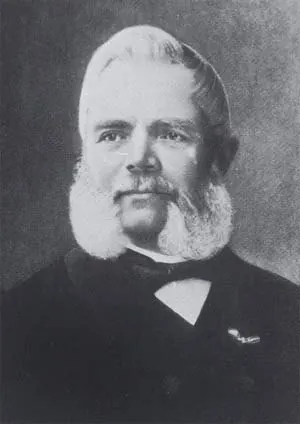
Patek Philippe
1839
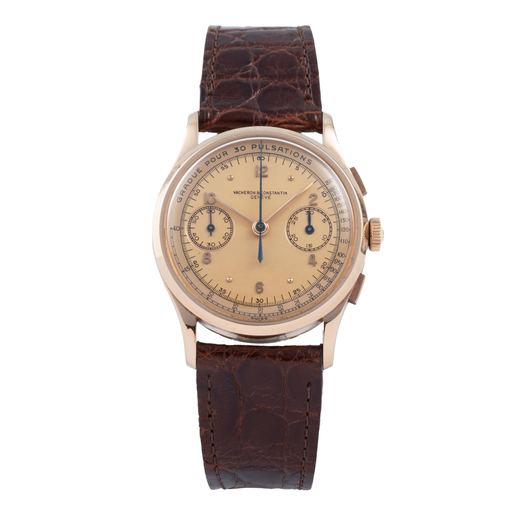
Vacheron Constantin
1755
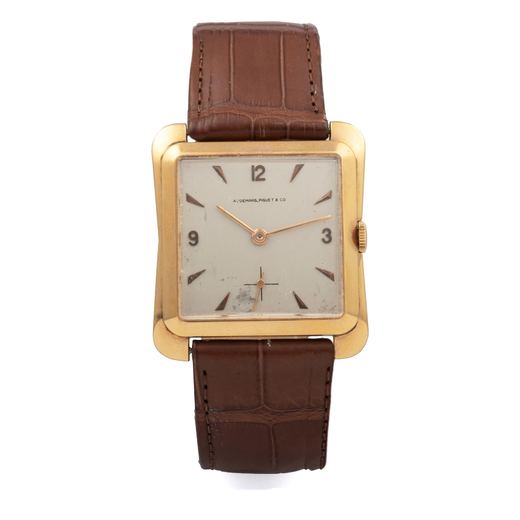
Audemars Piguet
1875
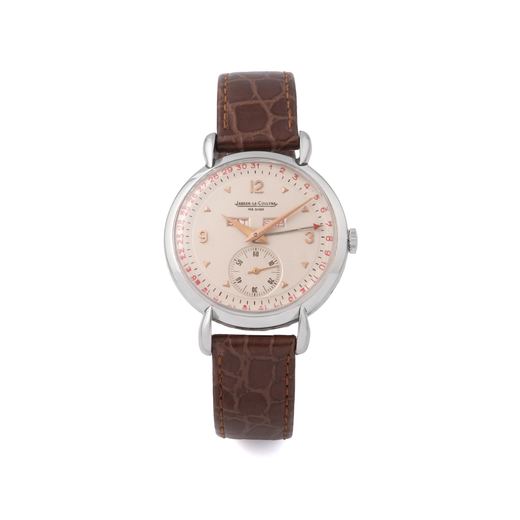
Jaeger-LeCoultre
1833
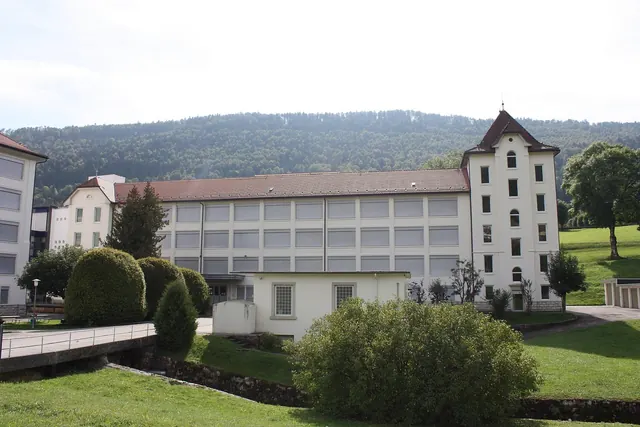
Longines
1832
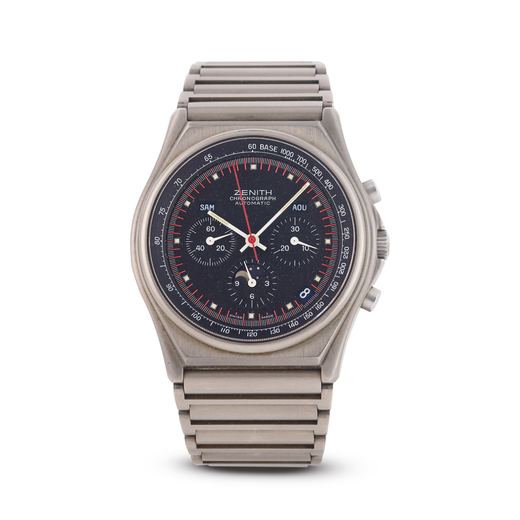
Zenith
1865
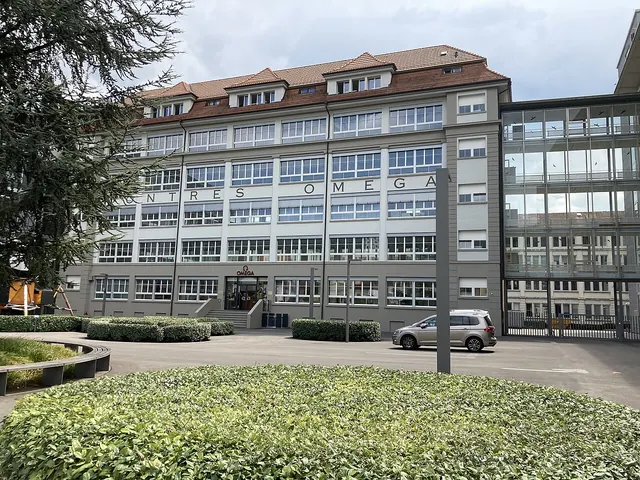
Omega
1848
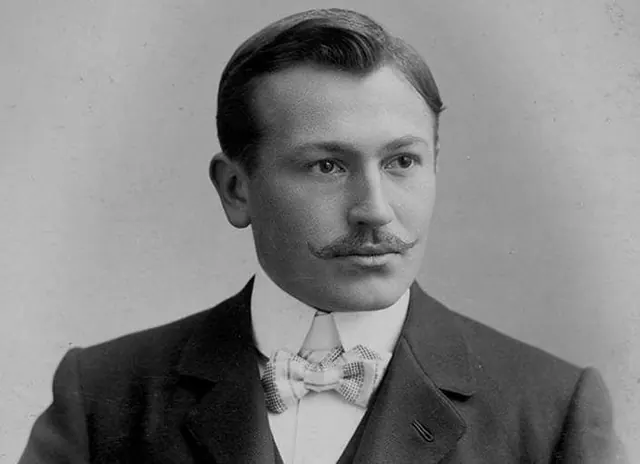
Rolex
1905
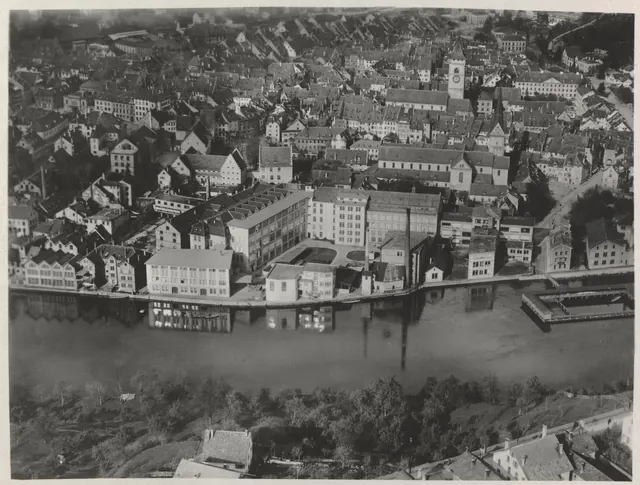
IWC Schaffhausen
1868
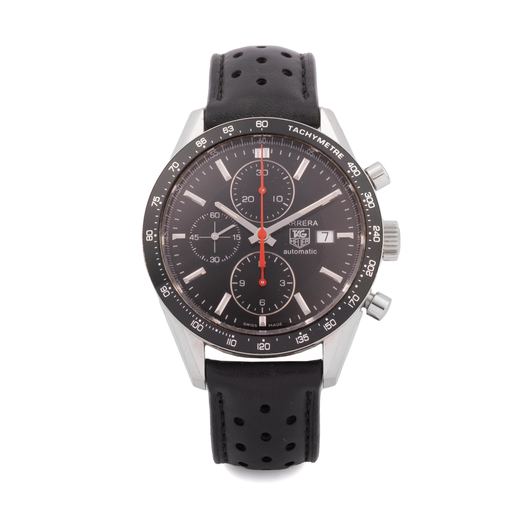
Heuer / TAG Heuer
1860
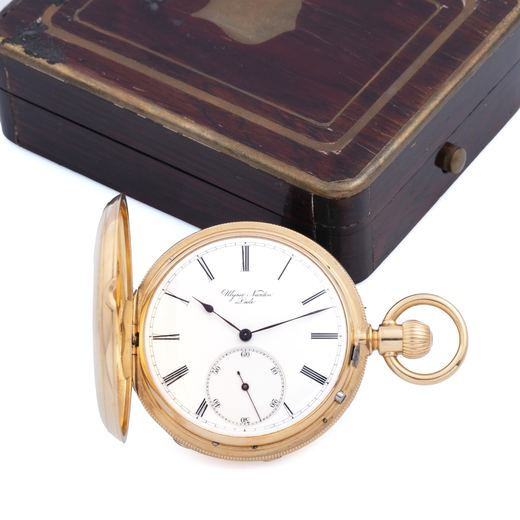
Ulysse Nardin
1846
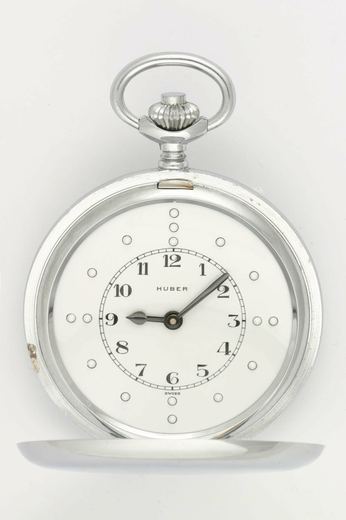
ETA
1932 (from Eterna); roots 1856
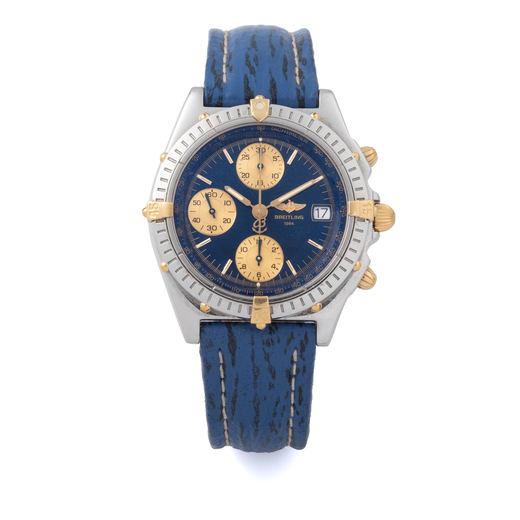
Breitling
1884
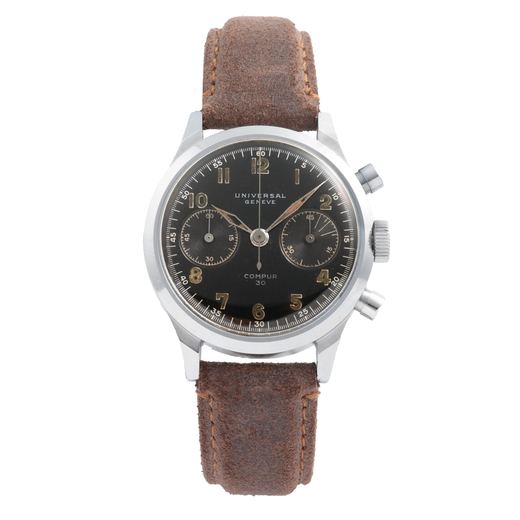
Universal Genève
1894
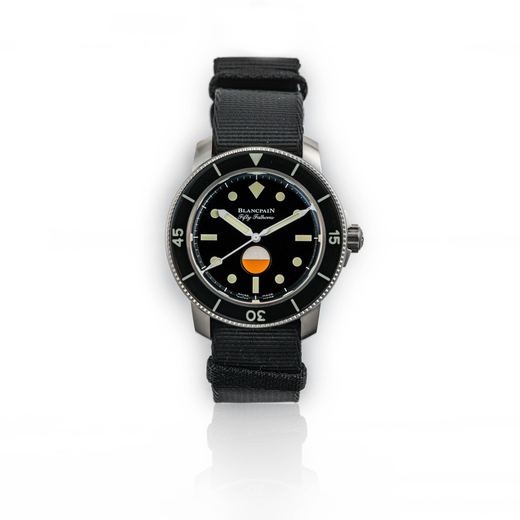
Blancpain
1735
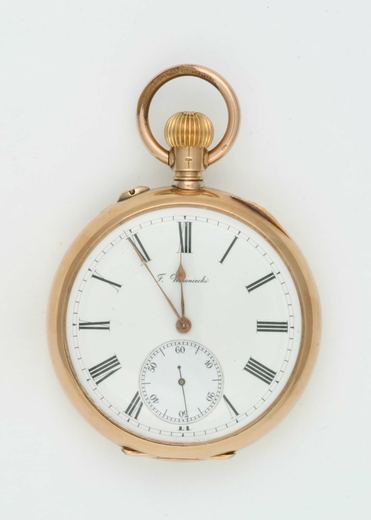
Tissot
1853
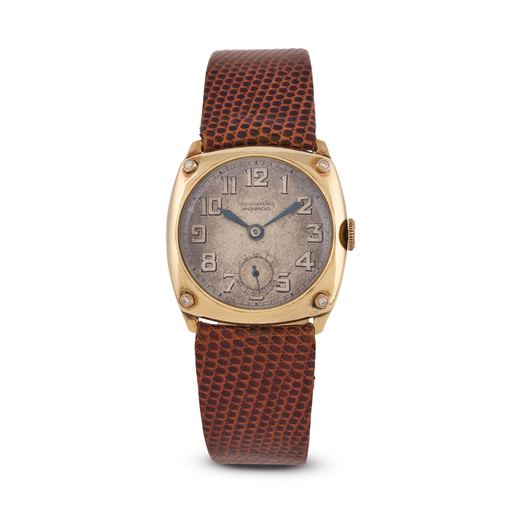
Movado
1881
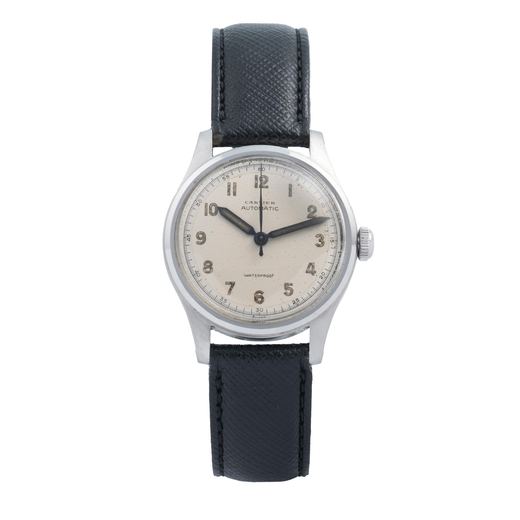
Eterna
1856
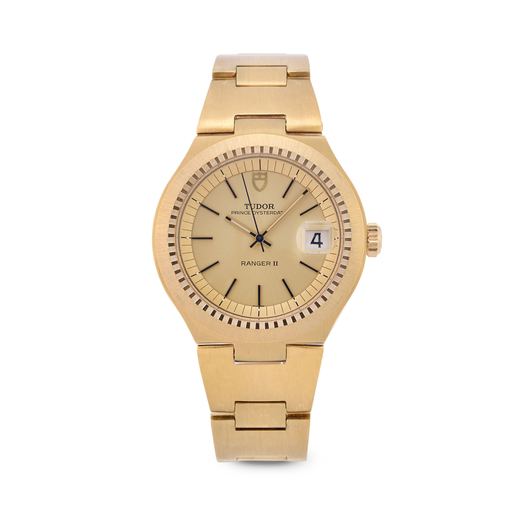
Tudor
1926 (trademark); 1946 (company)
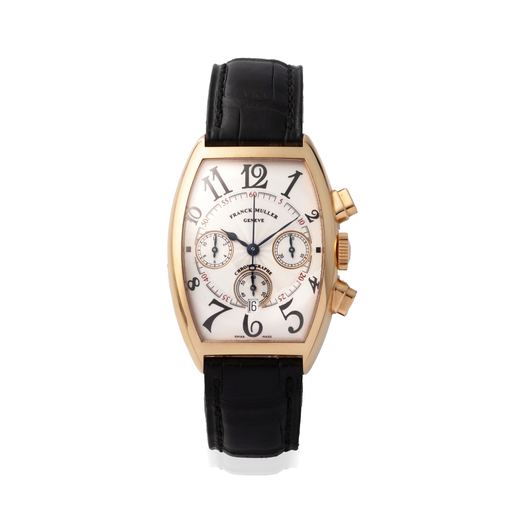
Franck Muller
1991
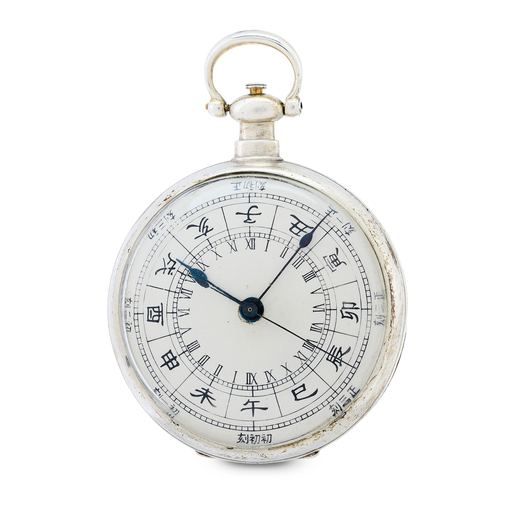
Bovet
1822
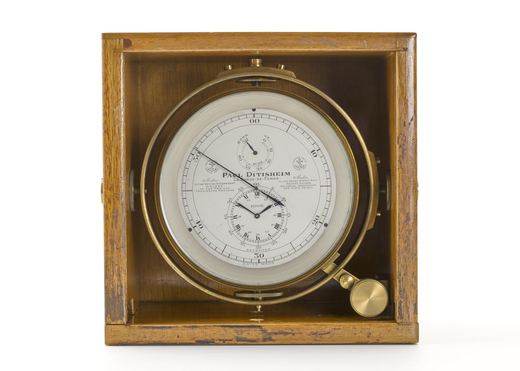
Paul Ditisheim
1892 (firm)
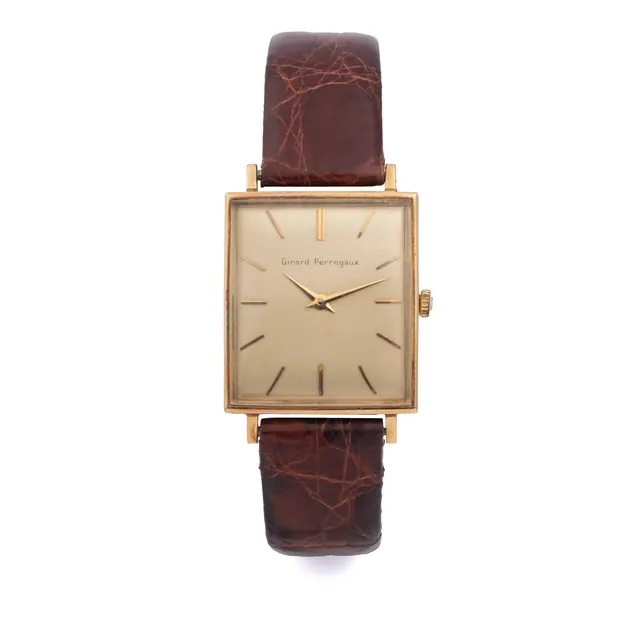
Girard-Perregaux
1856
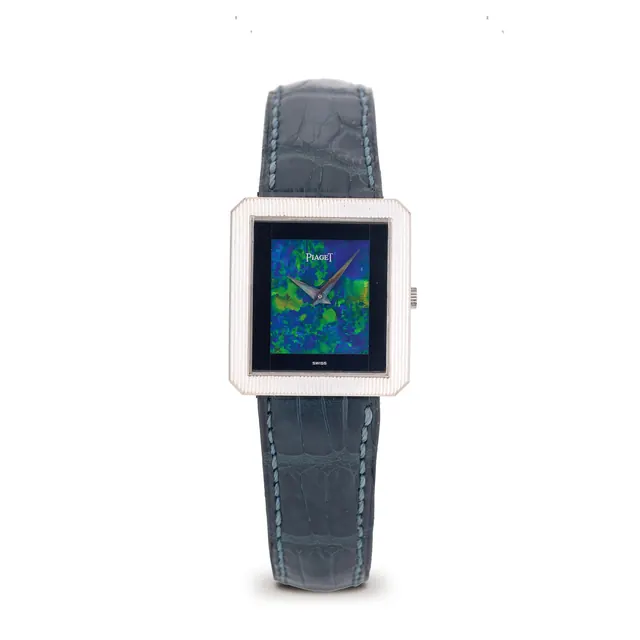
Piaget
1874
From the catalogue
6,550 records · Switzerland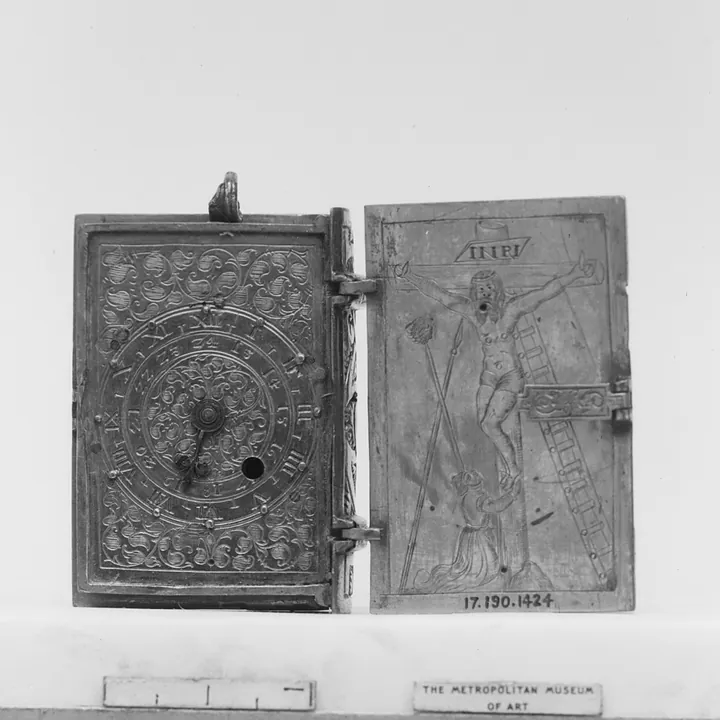
Pocket Watches · c. 1580
Watch by Diet Maye, Switzerland, c. 1580
The Metropolitan Museum of Art, New York
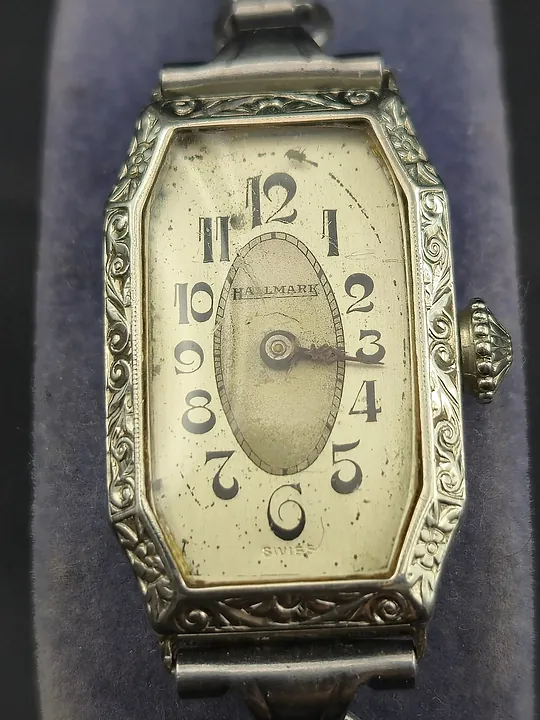
Wristwatches · 1920s
1920s Blancpain Ladies 14K Gold-Filled Art Deco Wristwatch, Wadsworth Case, 15J Swiss, Running
LiveAuctioneers auction archive
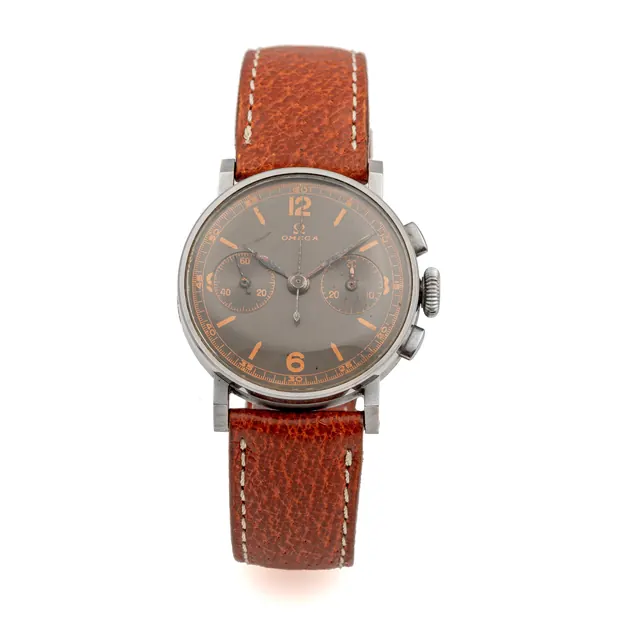
Wristwatches · c. 1942
Omega wristwatch, ref. CK, Chronograph Minute Counter, circa 1942
Antiquorum auction archive, Geneva
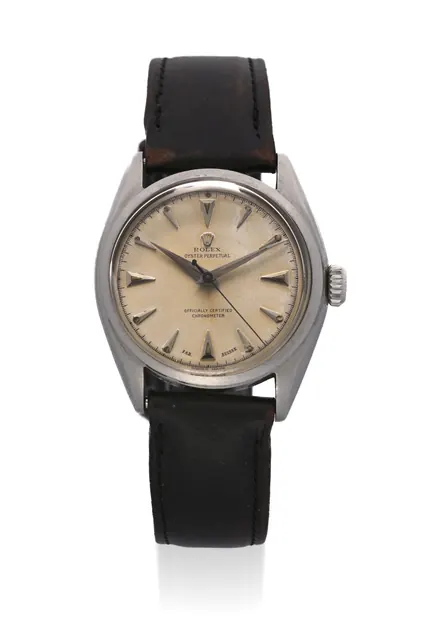
Wristwatches · 1951
Rolex wristwatch, ref. 6084, Oyster Perpetual, 1951
Antiquorum auction archive, Geneva
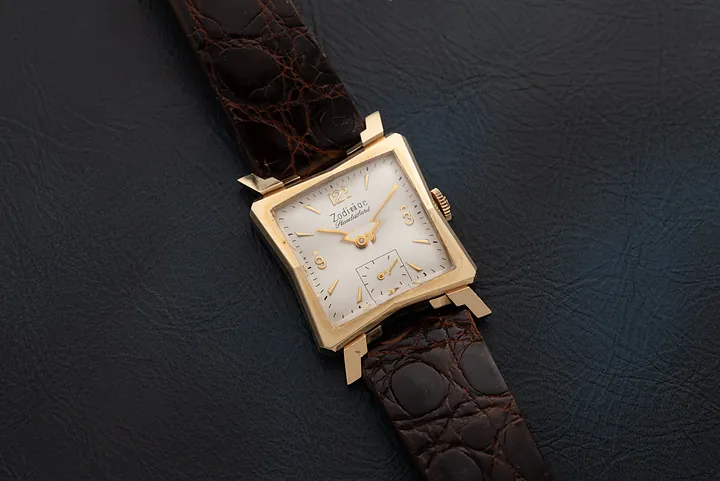
Wristwatches · early 1960s
Zodiac Standard 1961 National Matches High Rifle Award Watch, early 1960s
Analog/Shift (dealer), New York
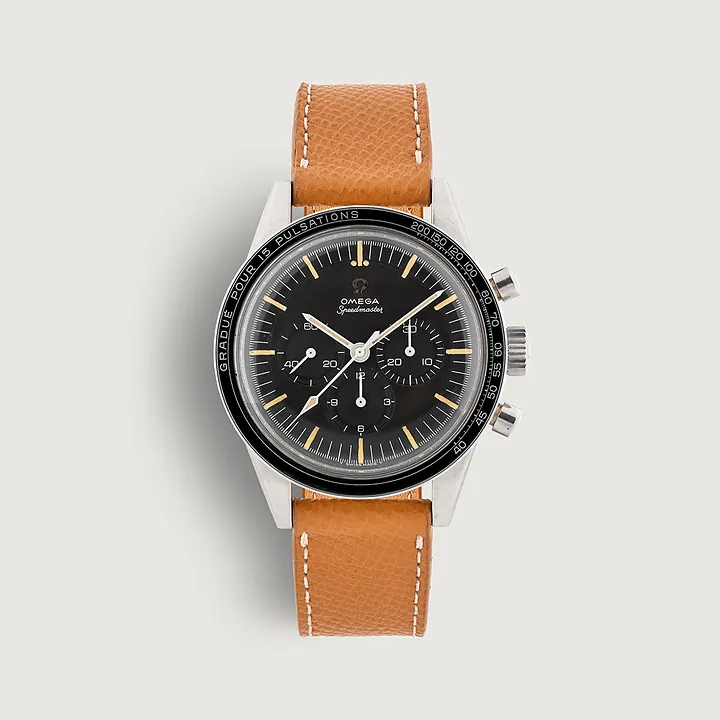
Wristwatches · 1966
Omega Speedmaster “Ed White” Pulsations, 1966
Watches of Knightsbridge (dealer), London
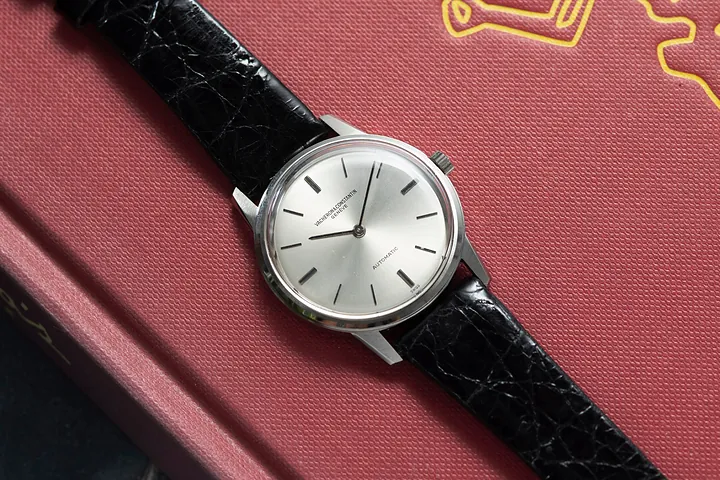
Wristwatches · c. 1970s
Vacheron Constantin 'Calatrava' Steel Dress Watch, c. 1970s
Analog/Shift (dealer), New York
Wristwatches · c. 1974
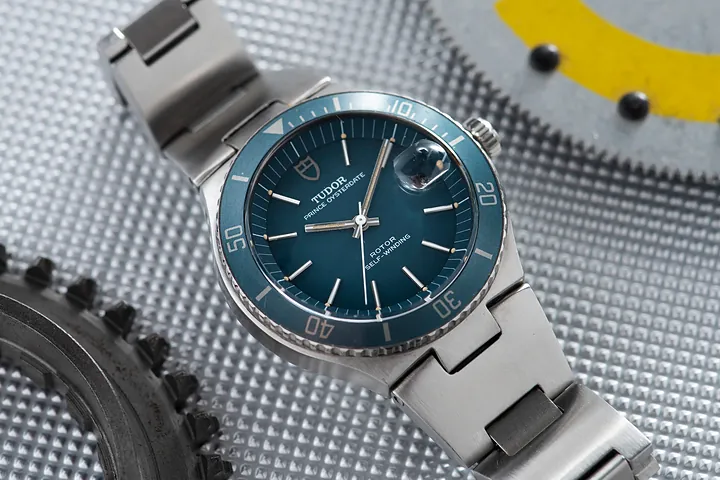
Tudor Prince Oysterdate Integrated Bracelet, c. 1974
Analog/Shift (dealer), New York
Wristwatches · 1984
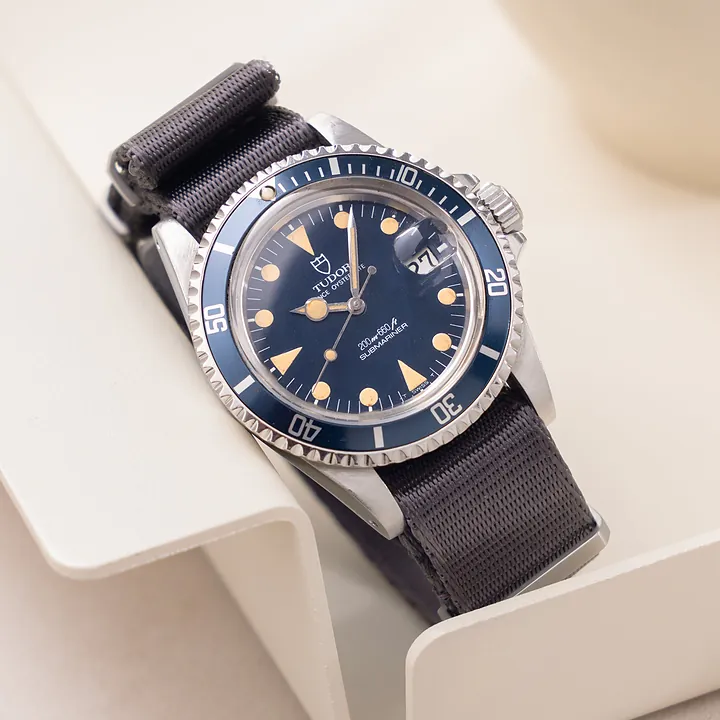
Tudor Submariner Date Blue Dial "Lollipop" Ref. 76100, 1984
Bulang & Sons (dealer), Copenhagen
Wristwatches · c. 1991
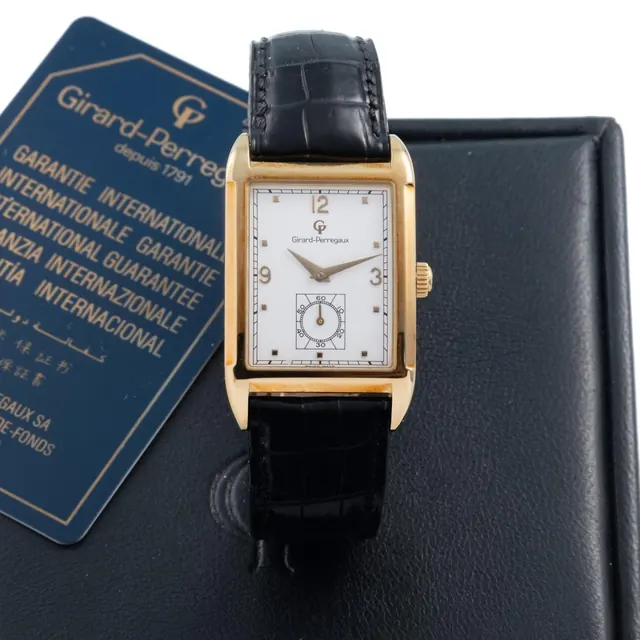
Girard Perregaux wristwatch, ref. 4961, Anno 1991, circa 1991
Antiquorum auction archive, Geneva
Wristwatches · c. 2000s
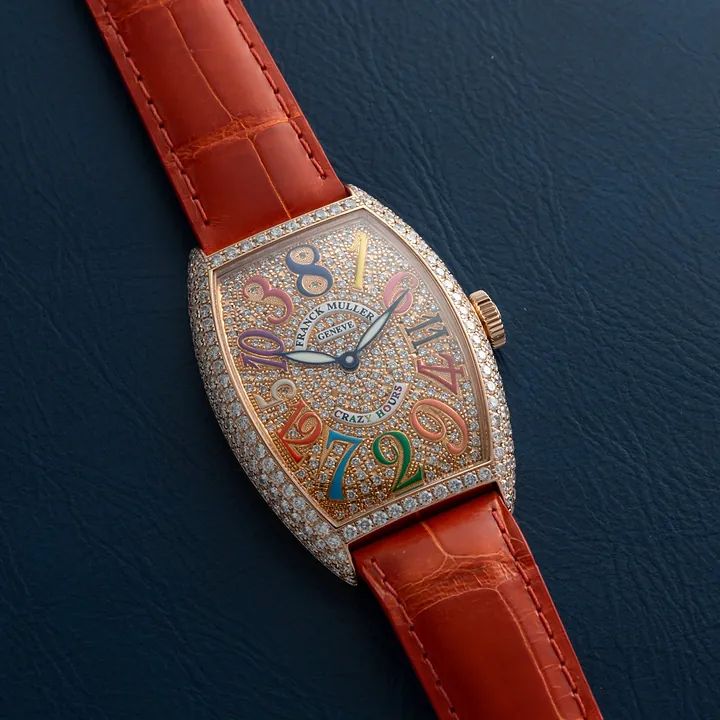
Franck Muller Cintree Curvex 'Crazy Hours' Color Dreams, c. 2000s
Analog/Shift (dealer), New York
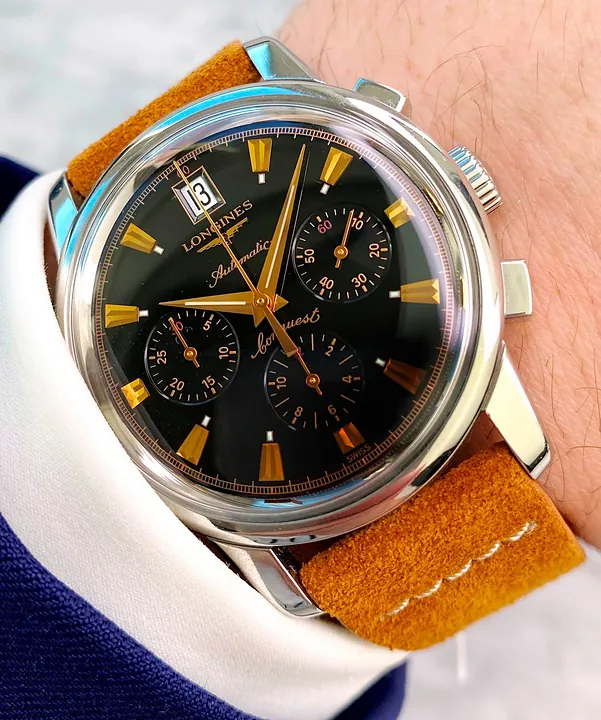
Wristwatches · 2011
Longines Conquest Chronograph Automatic Black Dial, ref. L1.641.4, 2011
Vintage Portfolio (dealer), Vienna