
Dutch horology
Huygens's pendulum clock (1656–57) was made in The Hague, and Dutch makers developed the Hague clock, Zaanse and Frisian clocks.
CentresThe Hague · Amsterdam · Zaandam · Friesland
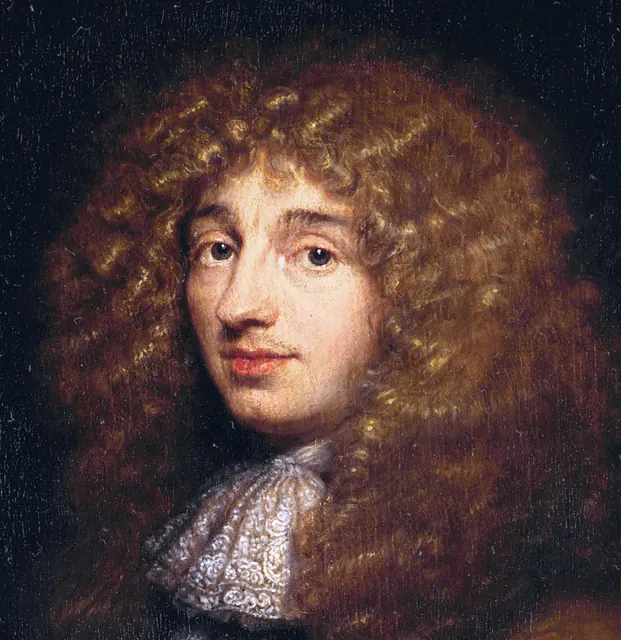
Huygens and the pendulum
Christiaan Huygens's application of the pendulum to the clock, made by Salomon Coster of The Hague, cut errors from minutes to seconds a day. Huygens also published Horologium Oscillatorium (1673) and designed a spiral balance spring (1675).
Regional clocks
The Hague clock, the weight-driven Zaanse clock of the Zaan region and the Frisian stoelklok and staartklok are characteristic Dutch types.
Clocks of the Republic
The Hague clock, made by Salomon Coster and his successors, is a spring-driven pendulum clock in a plain ebony case with a velvet-covered dial, sometimes signed 'Salomon Coster Haghe met privilegie'. In the Zaan region north of Amsterdam, makers produced the weight-driven Zaanse clock, with brass ornaments and a pear-shaped pendulum bob; Frisian makers made the stoelklok, a wall clock on a wooden bracket, and the later staartklok with its long 'tail' case.
Watches and the export trade
Dutch merchants carried clocks and watches across the world, and Amsterdam was a centre of the watch trade. Eighteenth-century watches for the Dutch market often have painted or engraved scenes on the dial and silver repoussé cases. A recognised group of 'Dutch forgeries' — verge watches with false English signatures, made in the Netherlands or Switzerland — shows how highly London names were valued.
How to recognise it in an object
- Hague clocks: black ebony or ebonised case, velvet dial ground and a short pendulum behind the movement.
- Zaanse clocks: a weight-driven wall clock with a pear-shaped bob and brass ornaments.
- Verge watches with an arcaded minute ring, a painted scene and a London-sounding signature may belong to the 'Dutch forgery' group.
General guidance: confirm any attribution against the maker's marks and the source record. Identification centre →
Timeline
- 1656–1657Huygens invents the pendulum clock; Salomon Coster makes it in The Hague — Pendulum clock by Salomon Coster (Huygens design)
- 1675Spiral balance spring transforms watch accuracy — Balance spring (hairspring)
Makers
From the catalogue
148 records · Netherlands, Belgium
Instruments · 1300–1500
Sundial, Netherlands, 1300–1500
The province of North Holland
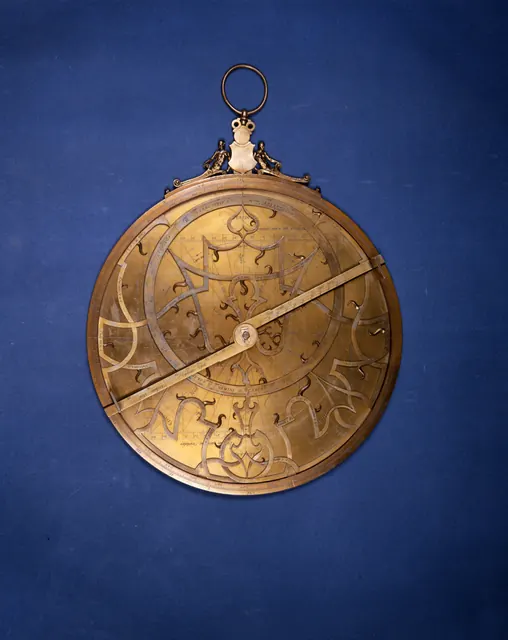
Instruments · 1564
Astrolabe: Western, multiple-type
Adler Planetarium, Chicago
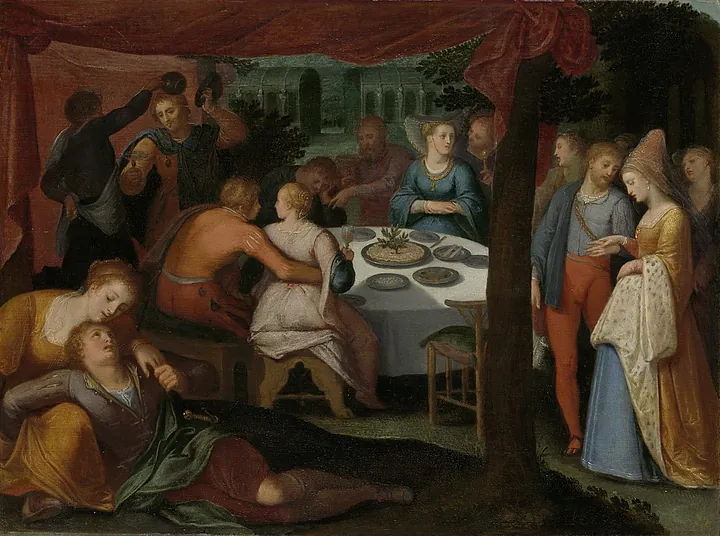
Instruments · 1600–1613
Nocturnal, Netherlands, 1600–1613
Rijksmuseum
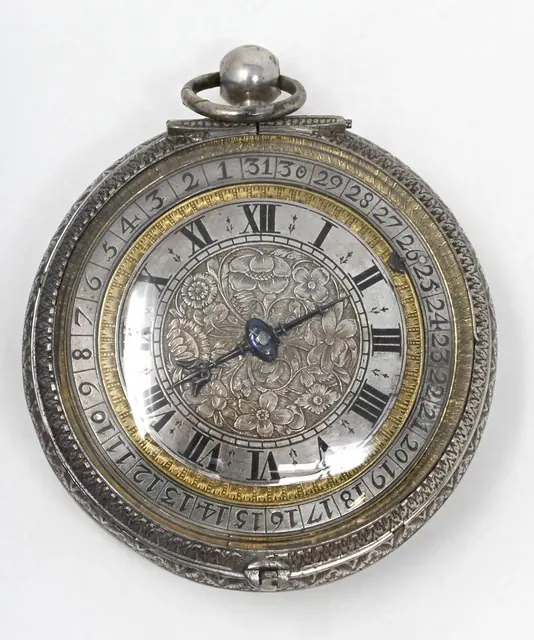
Pocket Watches · 1645–1655
Silver cased verge watch with date indicator
British Museum
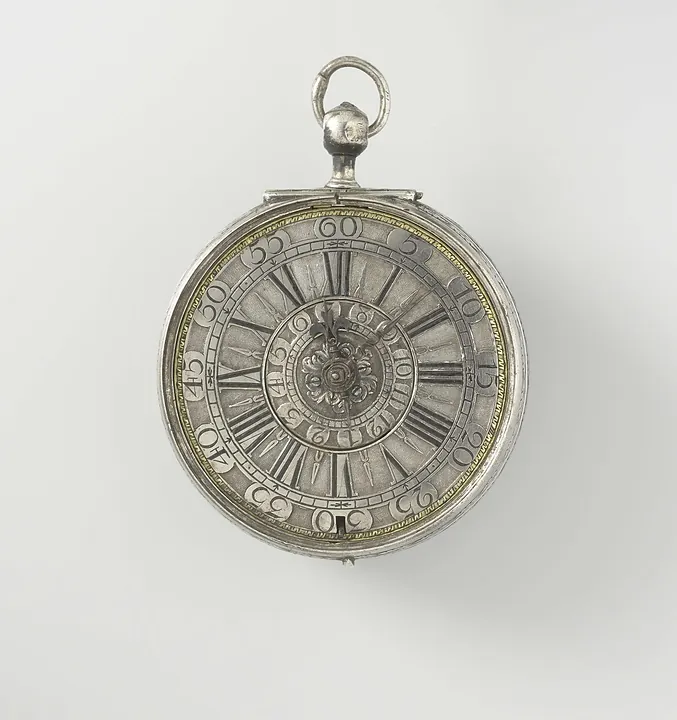
Pocket Watches · 1680
Pocket watch, Netherlands, 1680
Rijksmuseum
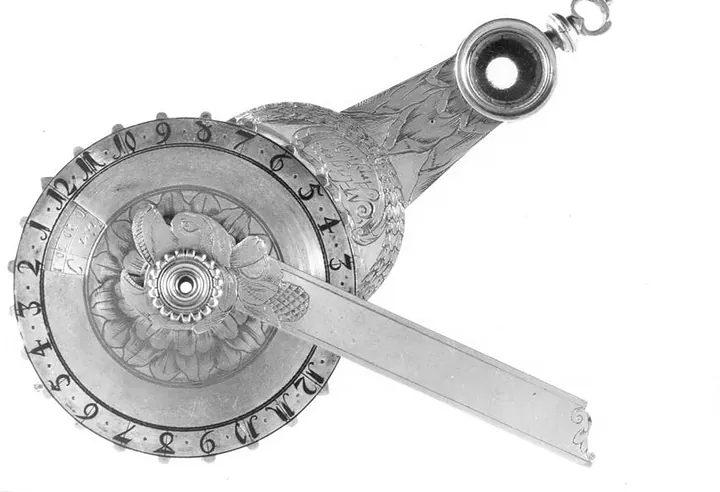
Instruments · 1700–1799
Sundial by M. Hager, Belgium, 1700–1799
Royal Institute for Cultural Heritage
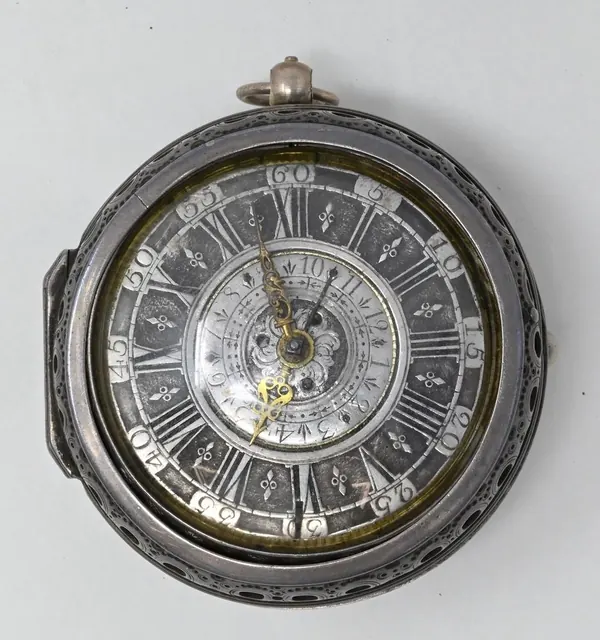
Pocket Watches · 1700–1710
SILVER PAIR-CASED VERGE WATCH WITH ALARM [Outer case not original)
British Museum
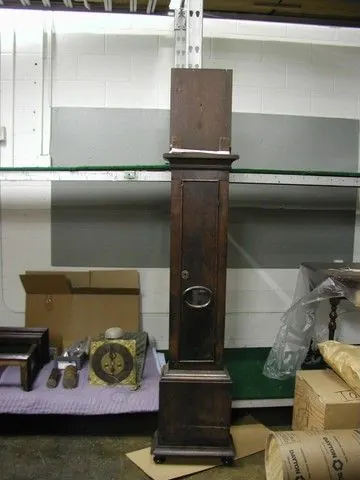
Clocks · c. 1720
Tall Case Clock by H. Theoderick
Yale University Art Gallery, New Haven
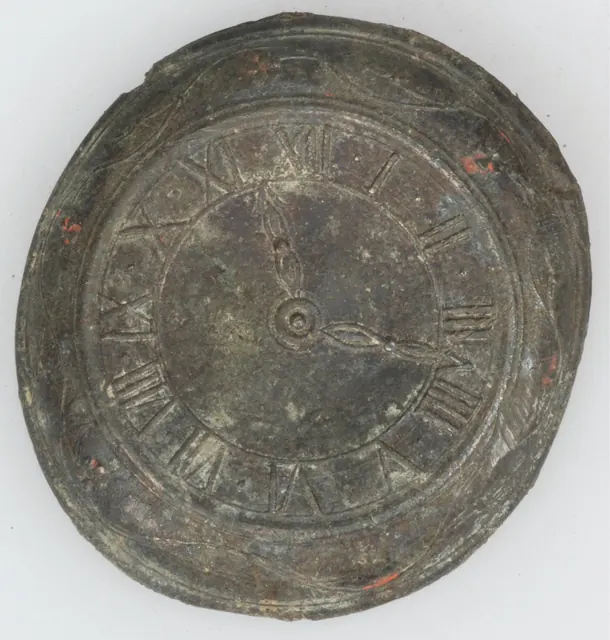
Pocket Watches · 1750–1900
Pocket watch, Netherlands, 1750–1900
The province of North Holland
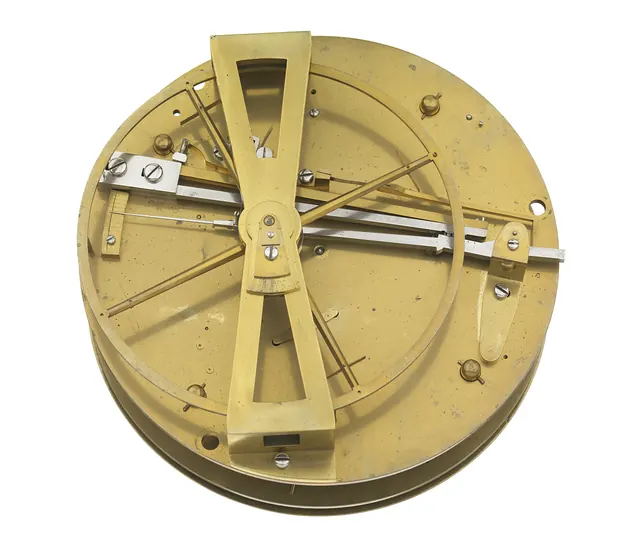
Instruments · c.1775
Marine chronometer
Royal Museums Greenwich
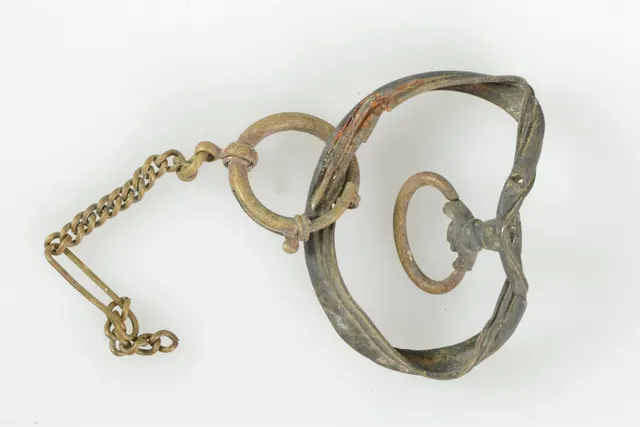
Pocket Watches · 1800–1950
Pocket watch, Netherlands, 1800–1950
The province of North Holland
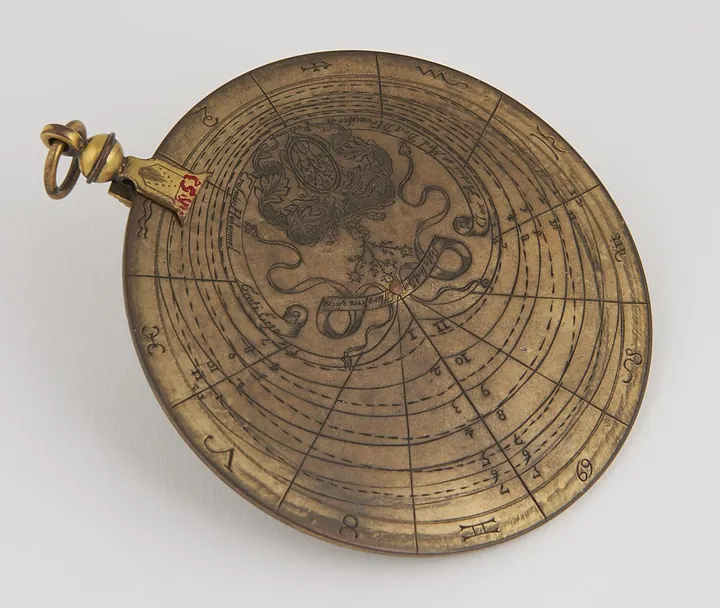
Instruments · 1901–1933
Sundial by Erasmus Habermel, Netherlands, 1901–1933
Science Museum Group, London