
French horology
Paris and Blois produced some of the earliest watches; French makers led scientific horology in the 18th century, and Besançon became France's watch-industry capital.
CentresBlois · Paris · Besançon · Morez and the Haut-Jura · Saint-Nicolas-d'Aliermont
Renaissance and the royal court
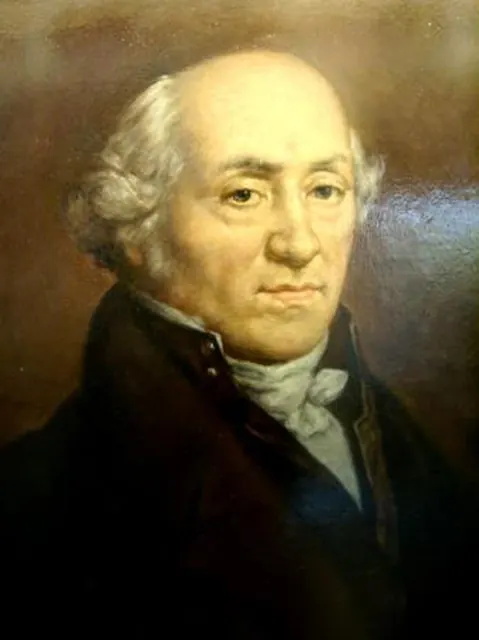
Blois, a seat of the French court in the 16th and early 17th centuries, was an important early centre of watchmaking, alongside Paris and Lyon. Enamelled cases from Blois are among the finest of the period.
Science and the Académie
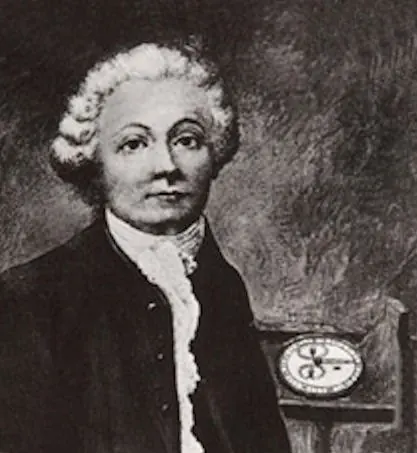
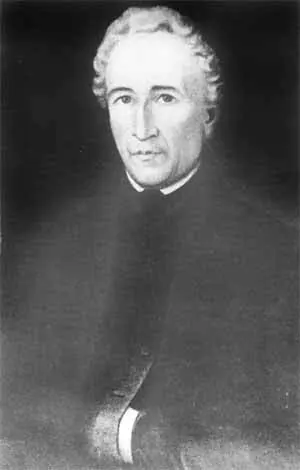
In the 18th century French horology became closely tied to science. Julien and Pierre Le Roy, Ferdinand Berthoud and the Lepaute family made regulators and marine clocks; Pierre Le Roy's detent escapement and compensation balance (1748–1766) anticipated the modern chronometer. Jean-Antoine Lépine's bar calibre (c. 1770) allowed much thinner watches.
Breguet and Paris
Abraham-Louis Breguet, a Neuchâtel-born watchmaker working in Paris from 1775, introduced the overcoil balance spring, the tourbillon, perpétuelle self-winding watches and the 'souscription' watch, and established a style of hands, dials and cases still imitated.
Industry
From 1793 Swiss watchmakers settled in Besançon, which became the centre of the French watch industry; Morez and the Haut-Jura specialised in comtoise clocks, and Saint-Nicolas-d'Aliermont in carriage clocks and precision instruments.
Timeline
- 1574Second astronomical clock of Strasbourg Cathedral completed by Dasypodius and the Habrecht brothers
- 1673Huygens publishes Horologium Oscillatorium — Christiaan Huygens
- 1748Pierre Le Roy invents the detent escapement — Pierre Le Roy
- 1766Pierre Le Roy presents his marine timekeeper with detent escapement and compensation balance — Pierre Le Roy
- c. 1770Jean-Antoine Lépine introduces the bar calibre, making thinner watches possible — Jean-Antoine Lépine
- 1775Abraham-Louis Breguet opens his workshop in Paris — Breguet
- 1795Breguet introduces the overcoil balance spring — Balance spring (hairspring)
- 1801Breguet patents the tourbillon — Tourbillon
- 1810–1812Breguet makes a bracelet watch for Caroline Murat, Queen of Naples — Breguet
- 1816Louis Moinet's 'compteur de tierces', the earliest known chronograph — Louis Moinet
- 1821Nicolas Rieussec's inking chronograph times horse races in Paris — Chronograph
- 1842Adrien Philippe invents crown winding and setting (patented 1845) — Keyless (stem) winding
- 1896Charles-Édouard Guillaume discovers Invar, a nickel steel almost unaffected by heat
- 1904Cartier designs the Santos wristwatch for aviator Alberto Santos-Dumont — Cartier
Makers
Breguet
1775
Pierre Le Roy
1717–1785
Ferdinand Berthoud
1727–1807
Jean-Antoine Lépine
1720–1814
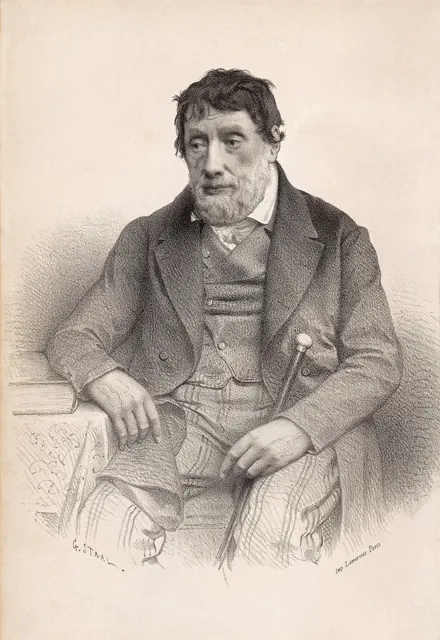
Louis Moinet
1768–1853
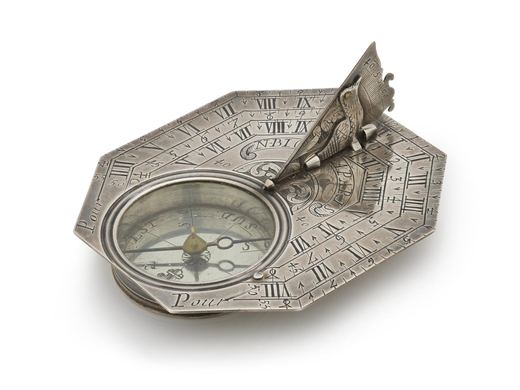
Nicolas Bion
1652–1733
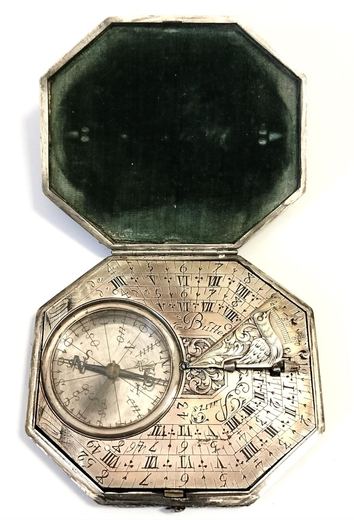
Michael Butterfield
1635–1724
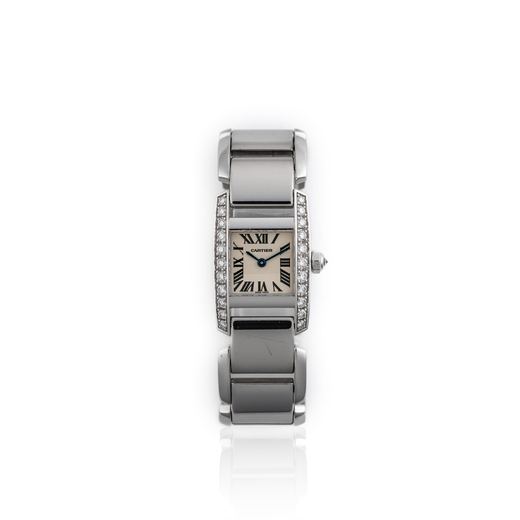
Cartier
1847
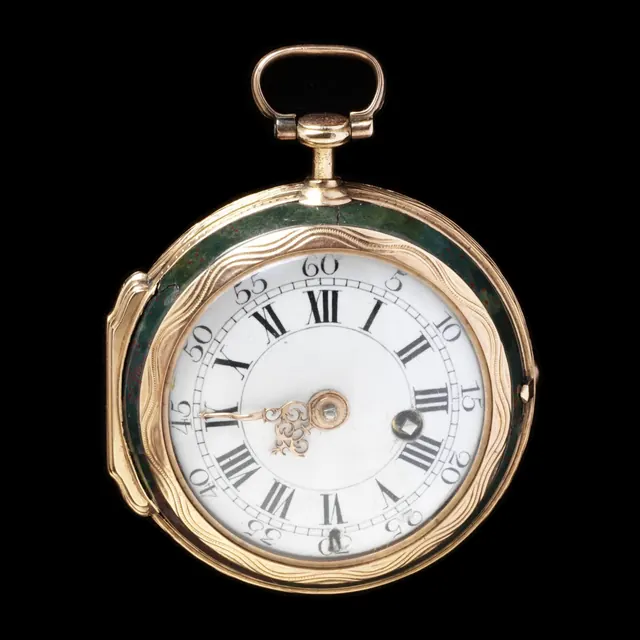
Julien Le Roy
1686–1759
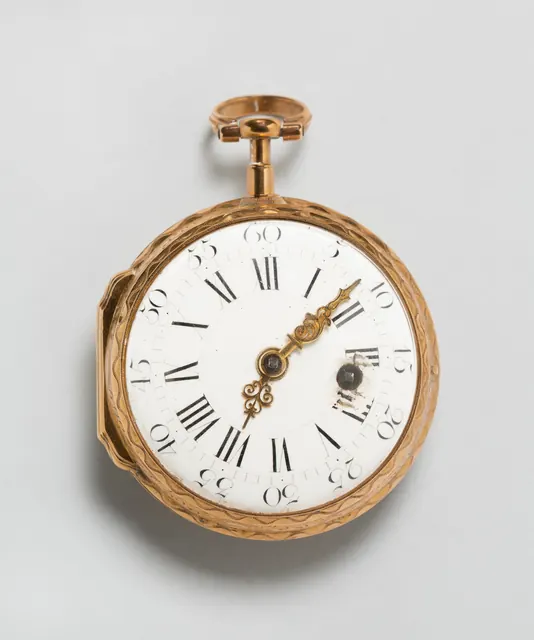
Jean-Baptiste Baillon
Active c. 1727–1772
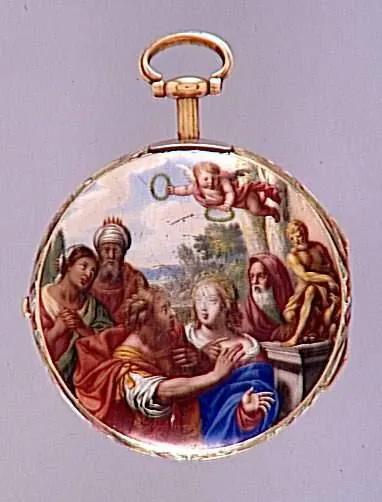
Antoine Thiout
1692–1767
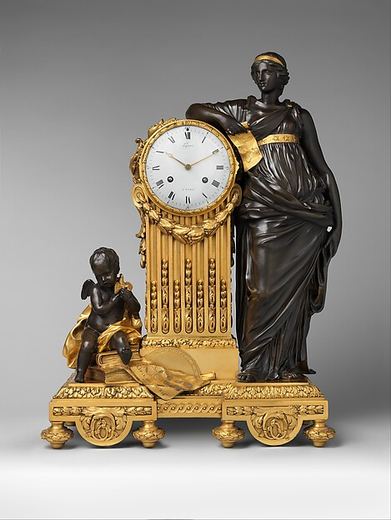
Jean-André Lepaute
1720–1789 (firm continued into the 20th century)
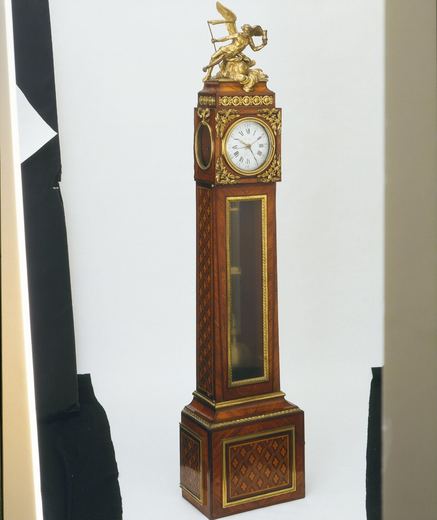
Robert Robin
1742–1799
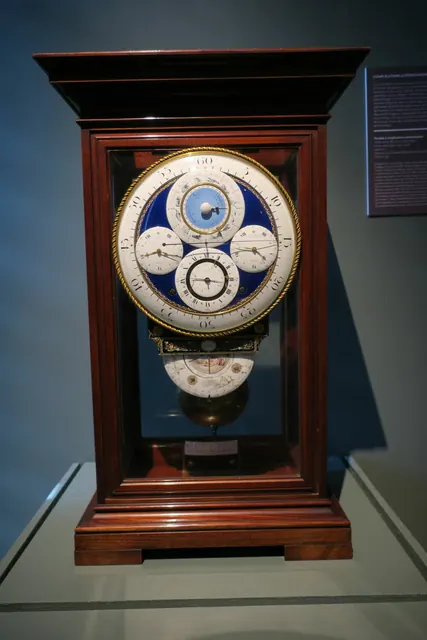
Antide Janvier
1751–1835
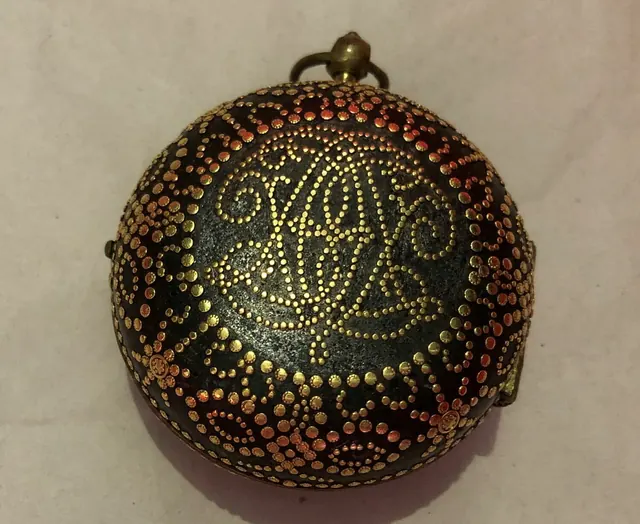
Isaac Thuret
c. 1630–1706
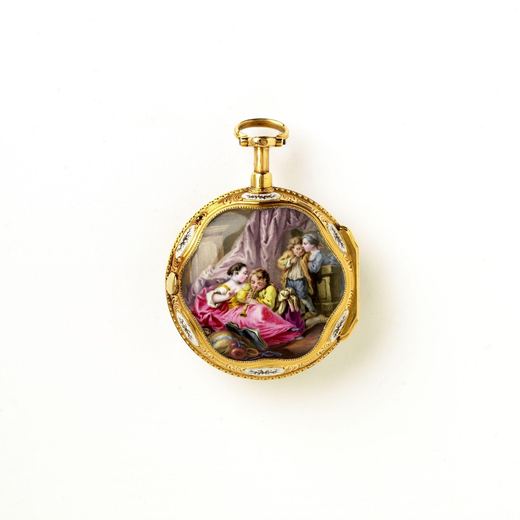
Jean Romilly
1714–1796
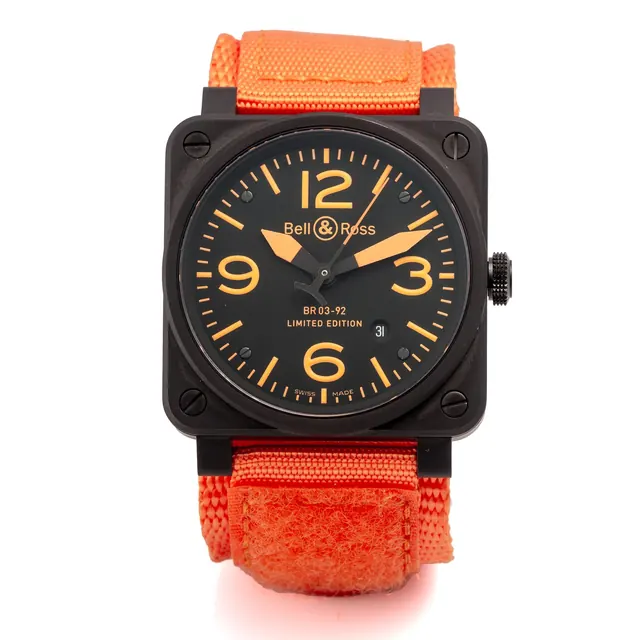
Bell & Ross
1992
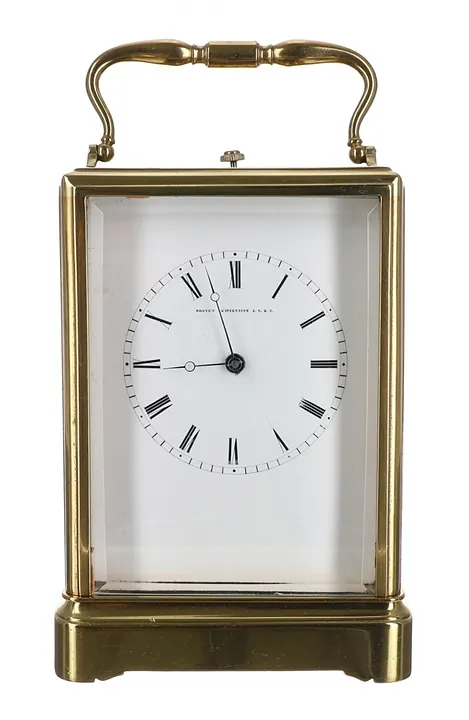
Japy Frères
1777
From the catalogue
1,753 records · France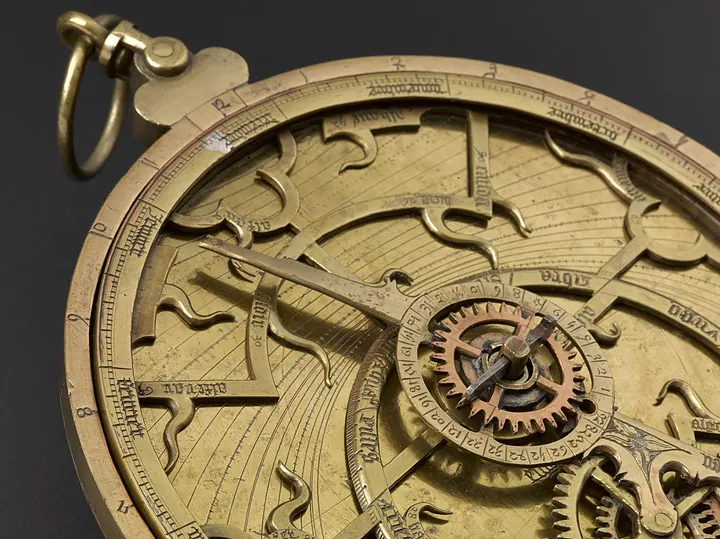
Instruments · 1295–1305
Astrolabe, France, 1295–1305
Science Museum Group, London
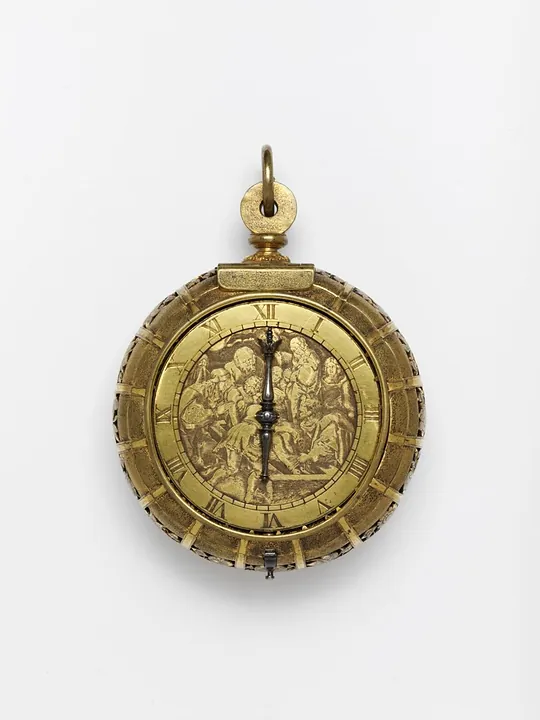
Pocket Watches · 1630
Carriage watch with gilt brass case and engraved dial by Nicolas Lemaindre, Blois, 1630
Victoria and Albert Museum, London
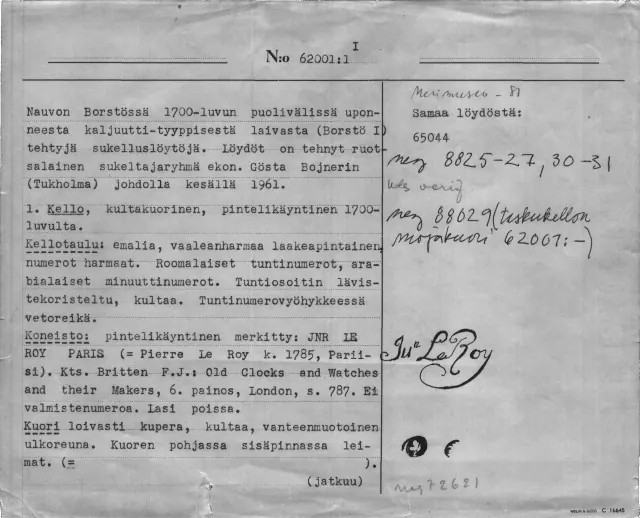
Pocket Watches · 1700–1747
Pocket watch by Pierre Le Roy, France, 1700–1747
Suomen kansallismuseo
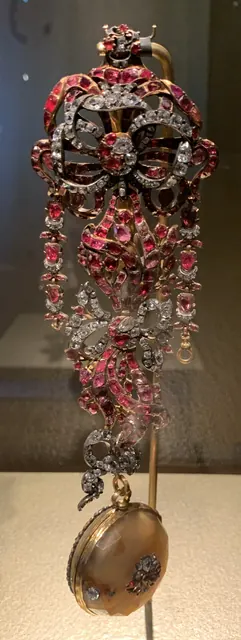
Pocket Watches · c. 1750
Jasper watch on chatelaine set with diamonds
Hermitage Museum
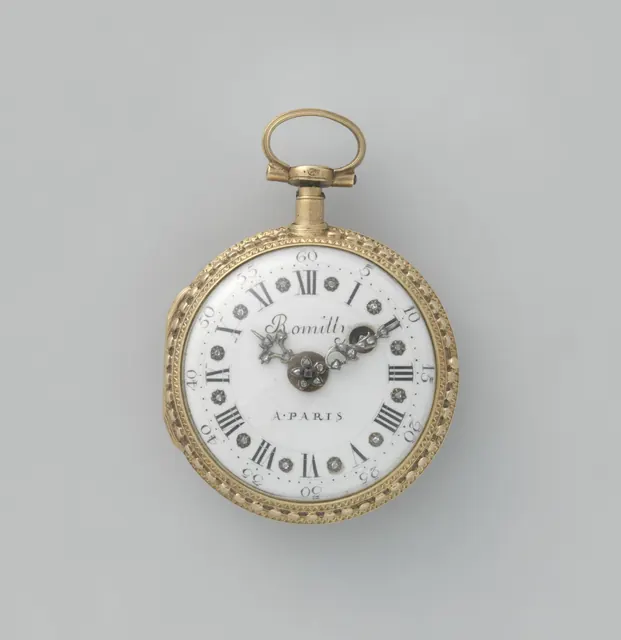
Pocket Watches · c. 1780
Watch by Jean Romilly, c. 1780
Rijksmuseum
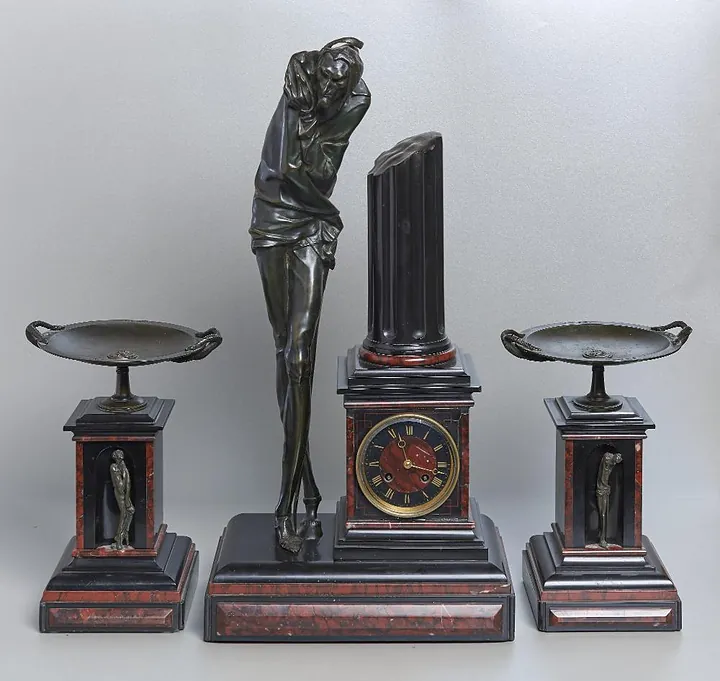
Clocks · 19th century
Large 19th-CENTURY French Ceremonial Clock with a Bronze Sculpture of Mephistopheles by Jacques Louis Gautier
Invaluable auction listings
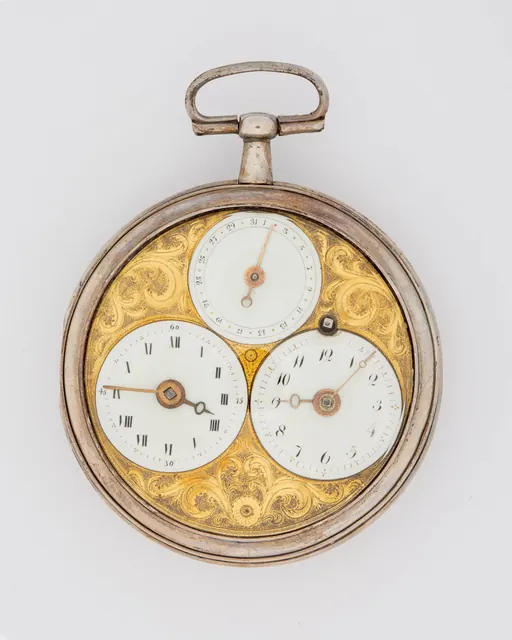
Pocket Watches · c. 1825
Pocket watch signed Breguet (apocryphal signature), France, c. 1825
German Clock Museum
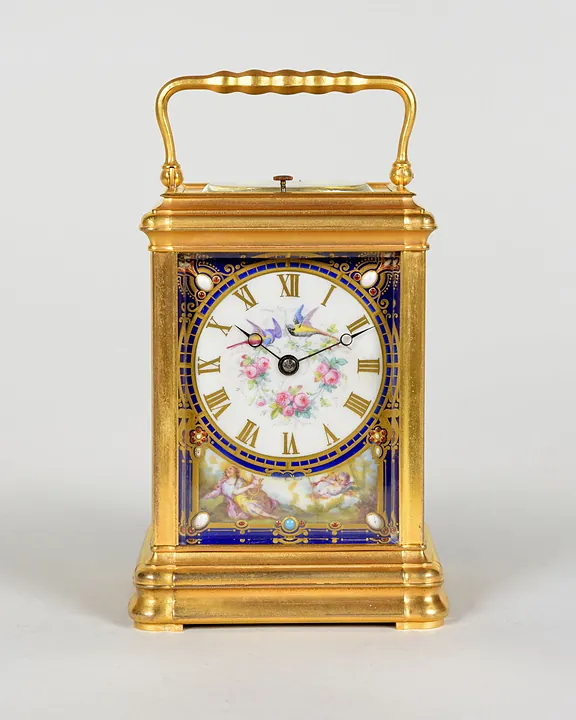
Clocks · c. 1875–1880
French carriage clock, c. 1875–1880
Howard Walwyn Fine Antique Clocks (dealer), London
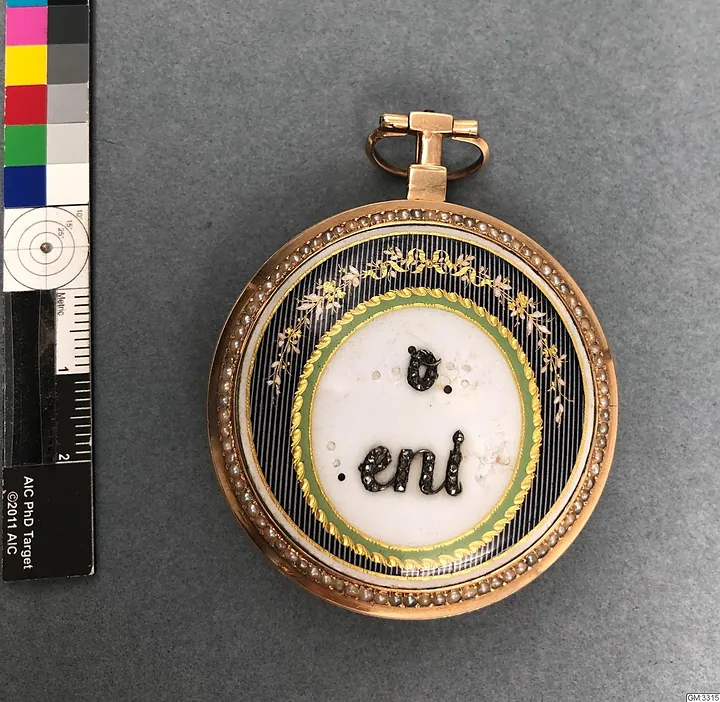
Pocket Watches · 1905
Pocket watch by Pierre Gregson, France, 1905
Museum of Gothenburg
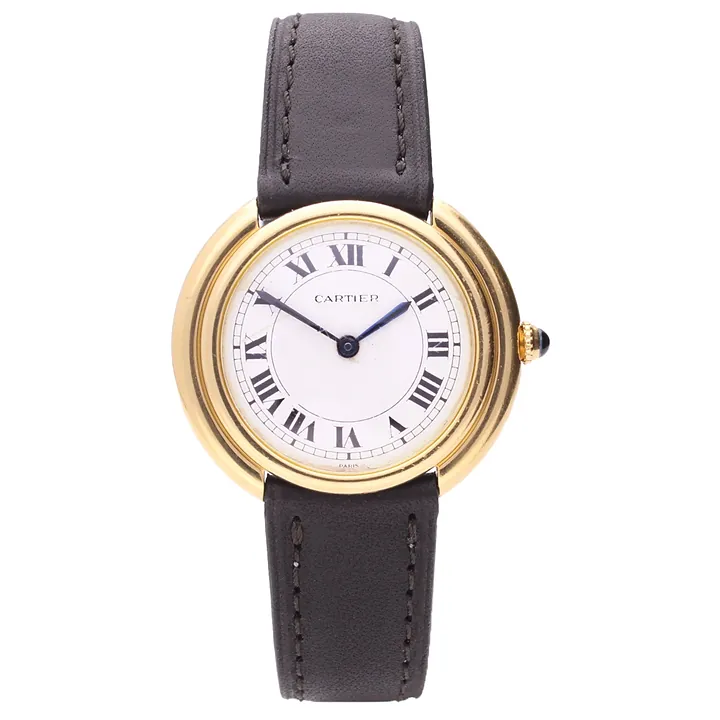
Wristwatches · 1970
18ct yellow gold Cartier Vendôme wristwatch, 1970
Somlo Antiques (dealer), London
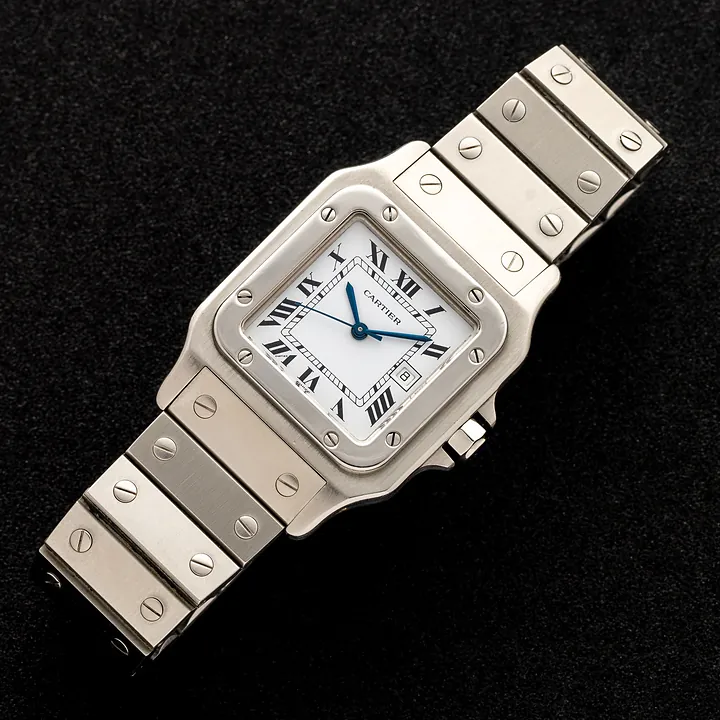
Wristwatches · 1980s
Cartier Santos Carrée 2960, Stainless Steel
Collectors Corner NY (dealer), New York
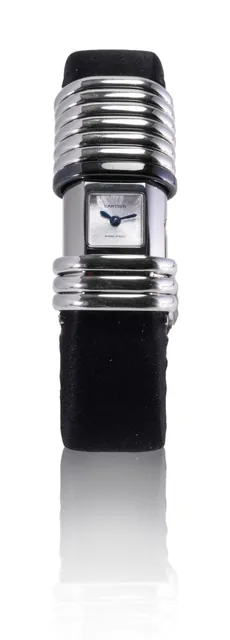
Wristwatches · c. 2000s
Cartier wristwatch, ref. 2611, Declaration, circa 2000’s
Antiquorum auction archive, Geneva