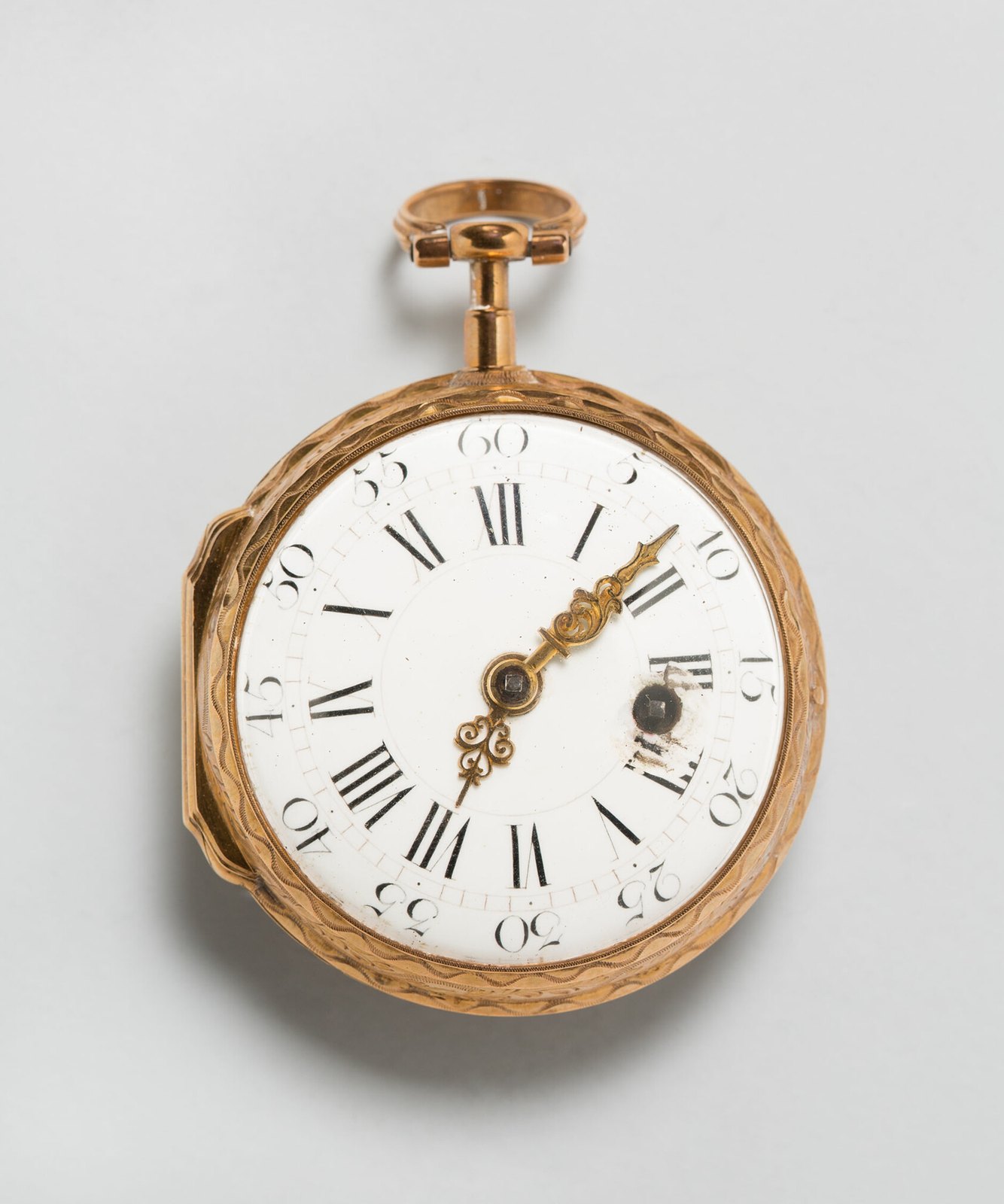
Clockmaker / watchmaker
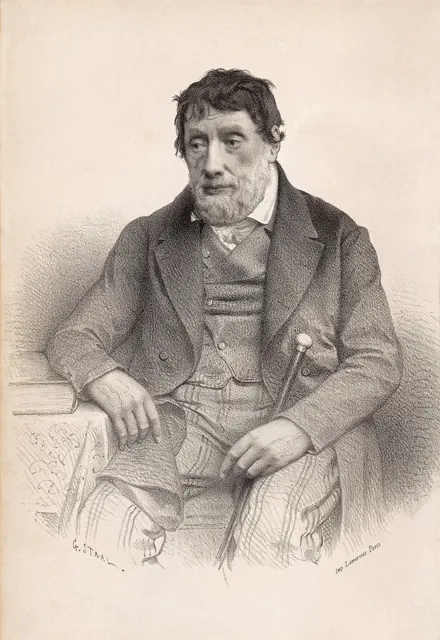
Jean-Baptiste Baillon
Also recorded as: Baillon, Jean-Baptiste · Jean Baptiste Baillon · Baillon à Paris · Baillon À Paris · Baillon
Clockmaker to the queen whose workshop was one of the largest producers of luxury watches and clocks in 18th-century Paris.
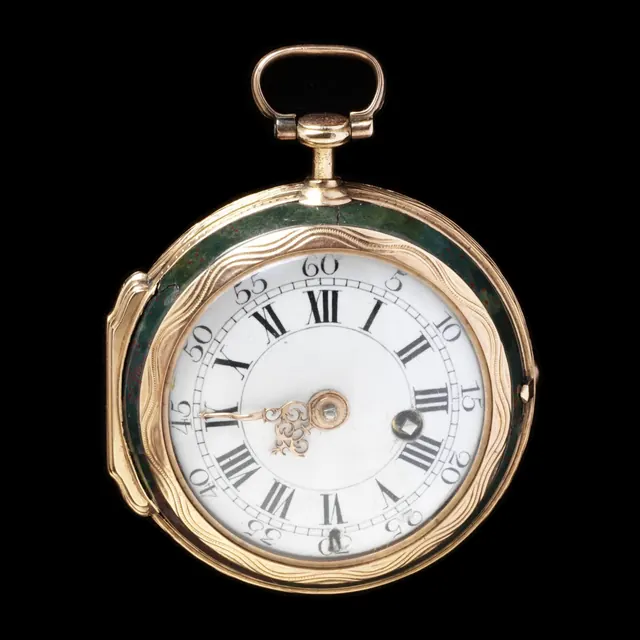
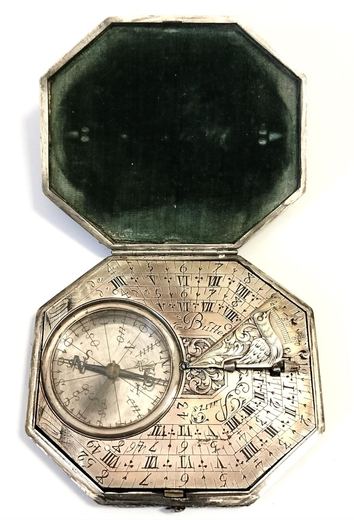
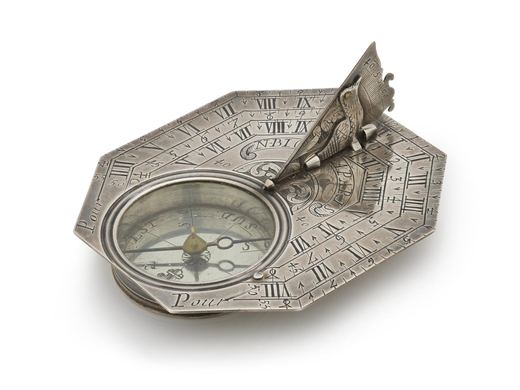
Jean-Baptiste Baillon, the best known of a family of Paris clockmakers, held the title of valet de chambre-horloger ordinaire to the queen and ran an exceptionally large business, buying movements and parts from specialist suppliers and selling finished watches and clocks in gold, enamel and gilt-bronze cases. Watches signed 'Baillon à Paris' survive in many museums and are often catalogued with the names of their case makers and enamellers, which shows how much of a luxury Paris watch was the work of separate trades.
How to recognise the work: dials and movements are signed Baillon à Paris or J. B. Baillon, and because his output was so large the movements are numbered — numbers above 3,000 occur, such as a Louvre clock movement no. 3271, and a cartel of 1749 given by the queen to her dentist is no. 2753. Signed dials and movements were sometimes reused later: a Louvre mantel clock has a Baillon dial of about 1750–1800 in a Second Empire case of 1840–60, which is why its catalogue date is given in two parts.
Born in Paris in 1702, the son of the clockmaker Jean-Baptiste Denis Baillon and grandson of a clockmaker from Rouen, he became a master in 1727 and kept a shop on the place Dauphine at the sign of 'La Belle Image', later in the rue Dauphine. Exceptionally, his watches were made in a manufactory at Saint-Germain-en-Laye, run from 1748 to 1757 by Jean Jodin, where many workmen worked for him alone; Ferdinand Berthoud described it in 1753 as 'a kind of manufactory', and its watches and clocks were set with diamonds as well as enamel.
Baillon bought a succession of court posts, including valet de chambre-horloger ordinaire to the queen and, in 1770, to the dauphine Marie-Antoinette; his clients included the Spanish royal family and the Garde-Meuble de la Couronne. He closed the Saint-Germain manufactory in 1765 and died a very rich man in 1772; the remaining stock was sold at auction in 1773.
- Country
- France
- City / centre
- Paris
- Life / active
- Active c. 1727–1772
- Status
- Historical individual
- Key people
- Jean-Baptiste Baillon
Innovations & specialities
- Large-scale luxury watch and clock production in Paris
Timeline
- 1702Born in Paris
- 1727Received master clockmaker
- 1748–57Saint-Germain manufactory run for him by Jean Jodin
- 1753Berthoud describes the workshop
- 1765Manufactory closed
- 1770Clockmaker to the dauphine Marie-Antoinette
- 1772Dies in Paris; stock sold in 1773
Works by Jean-Baptiste Baillon in the catalogue
All 17 records →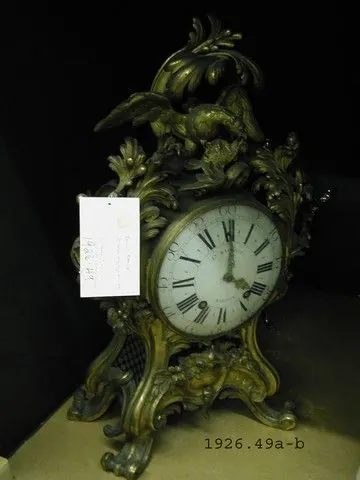
Clocks · c. 1725
Clock by Jean Baptiste Baillon
Yale University Art Gallery, New Haven
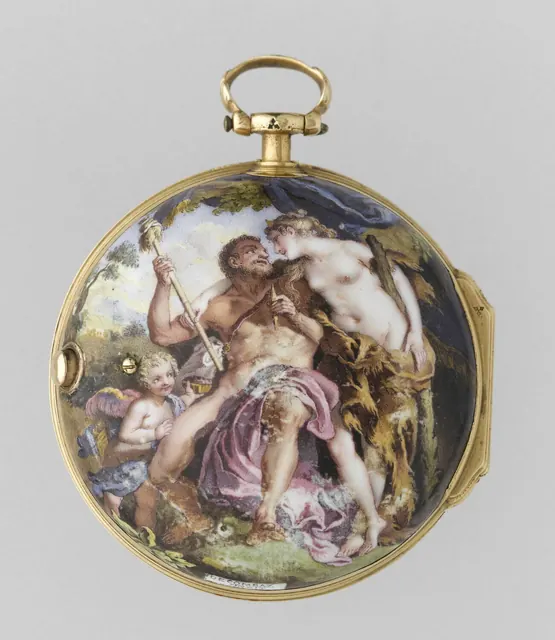
Pocket Watches · 1725–1750
Watch by Jean-Baptiste Baillon, 1725–1750
Musée du Louvre, Paris
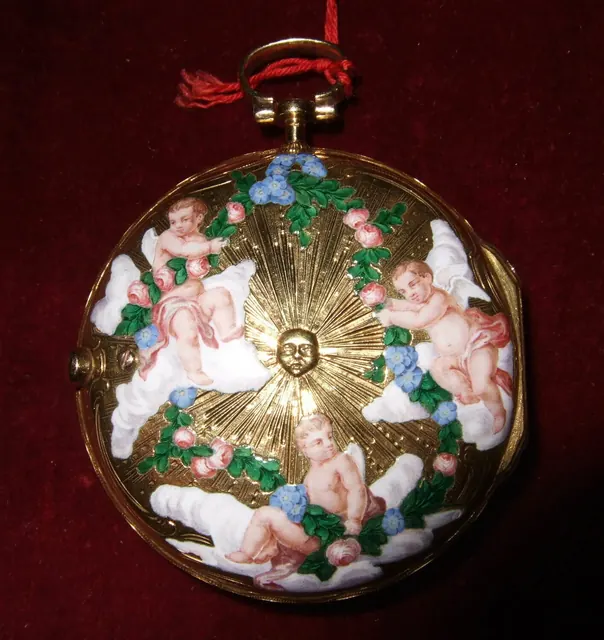
Pocket Watches · 1725–1750
Watch by Jean-Baptiste Baillon, France, 1725–1750
Musée du Louvre, Paris
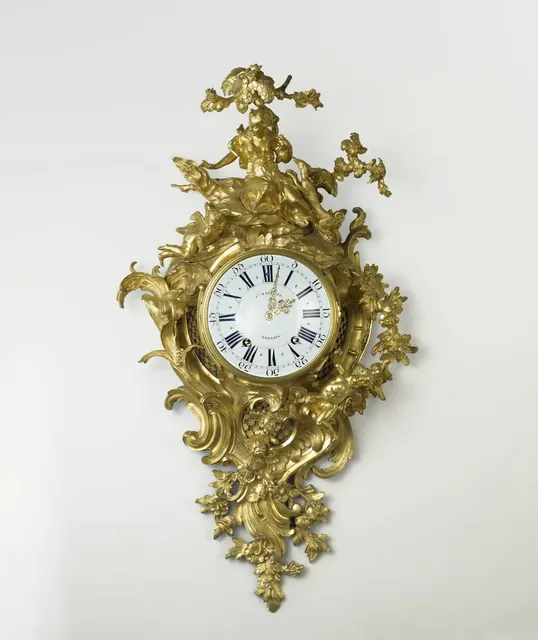
Clocks · 1745–1750
Cartel clock by Jean-Joseph de Saint-Germain, France, 1745–1750
Musée du Louvre, Paris
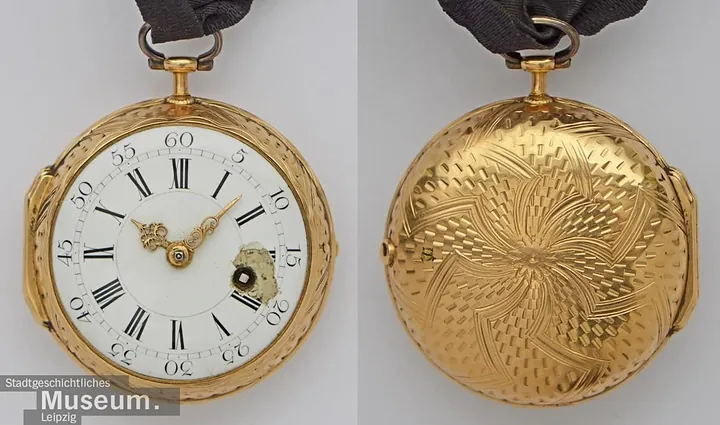
Pocket Watches · 1745–1755
Pocket watch by Jean Baptiste Baillon, France, 1745–1755
Museum of City History Leipzig
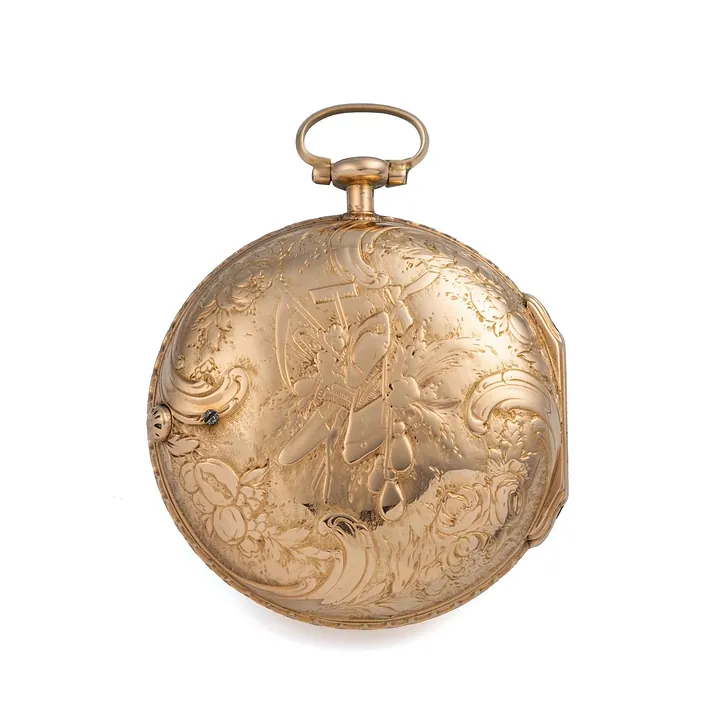
Pocket Watches · c. 1750
Baillon À Paris pocket watch, c. 1750
Antiquorum auction archive, Geneva
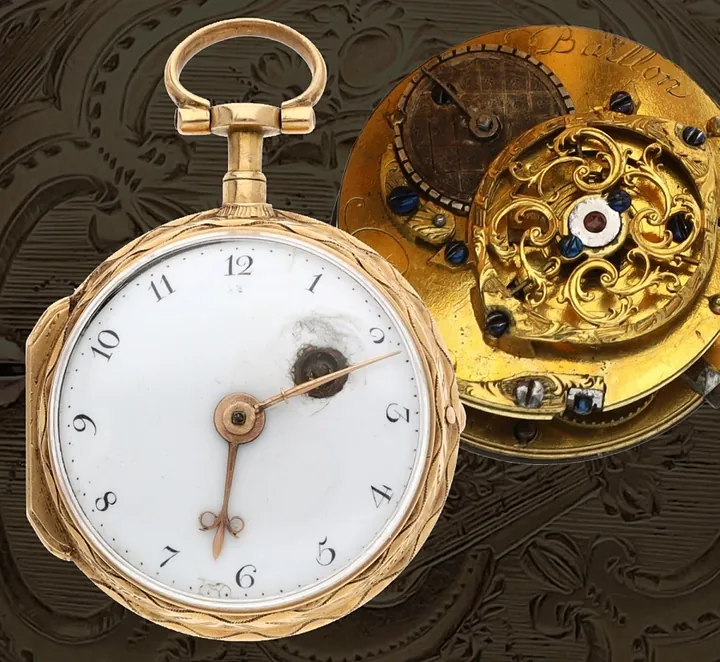
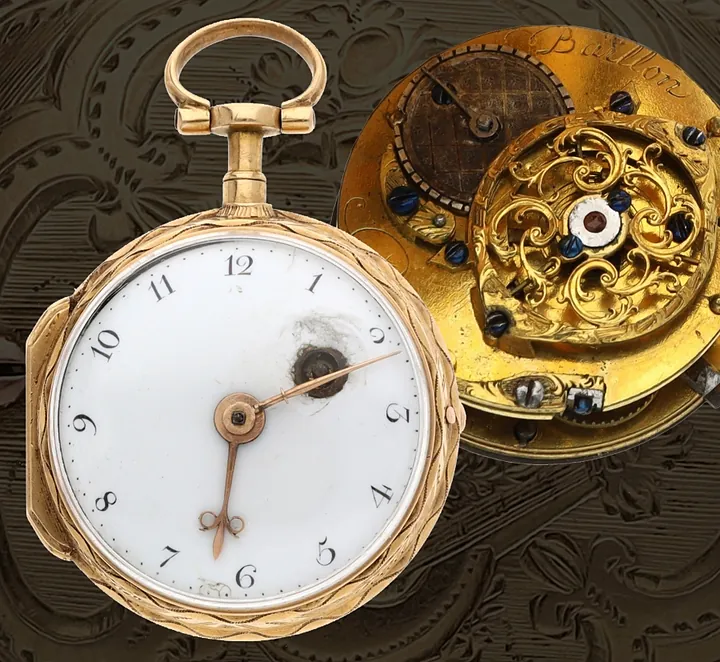
Pocket Watches · late 18th century
French late 18th century miniature gold verge small pocket watch by Baillon, Paris
Gardiner Houlgate (auction house), Corsham
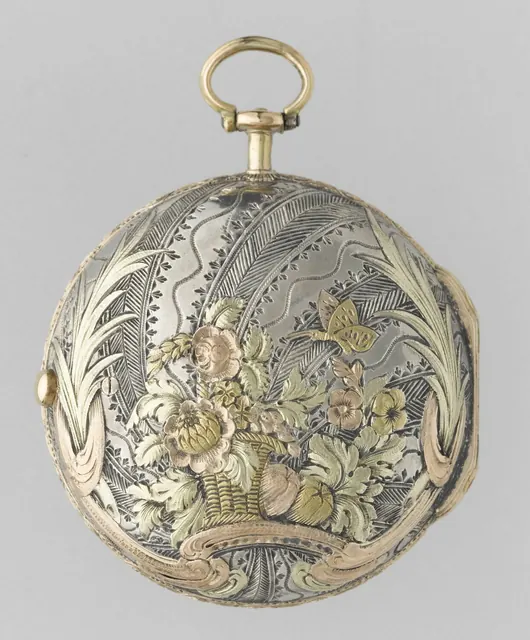
Pocket Watches · late 18th century
French late 18th century small gold verge small pocket watch by Baillon, Paris
Gardiner Houlgate (auction house), Corsham
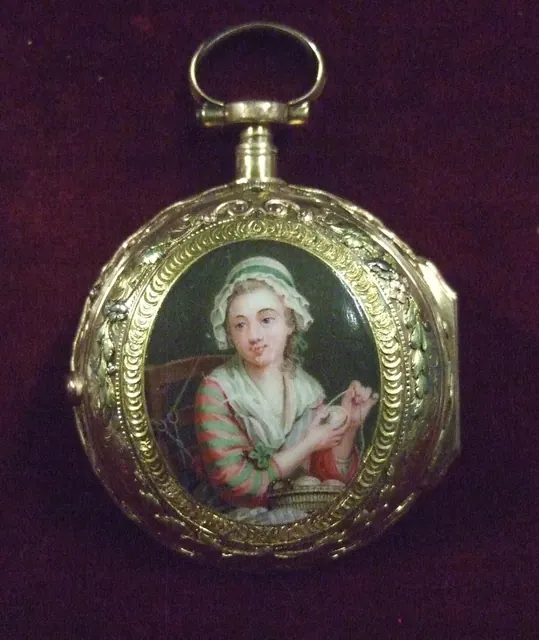
Pocket Watches · 1750–1760
Watch by Jean-Baptiste Baillon, France, 1750–1760
Musée du Louvre, Paris
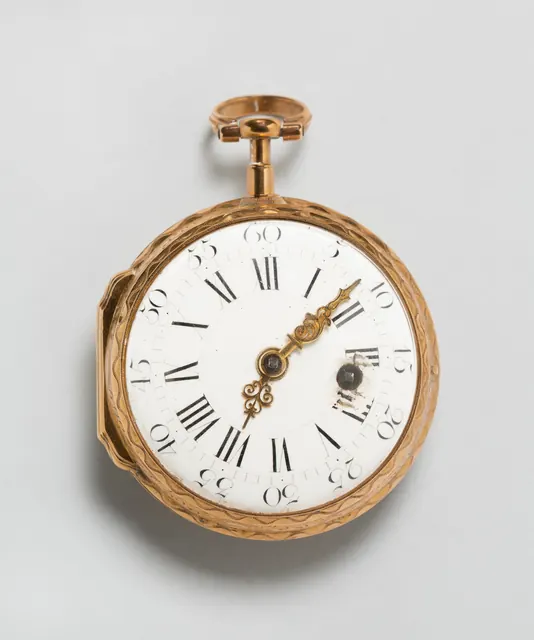
Pocket Watches · 1750–1775
Watch by Jean-Baptiste Baillon, France, 1750–1775
Musée du Louvre, Paris
Pocket Watches · 1760
Watch by Jean Baptiste Baillon, France, 1760
Art Institute of Chicago
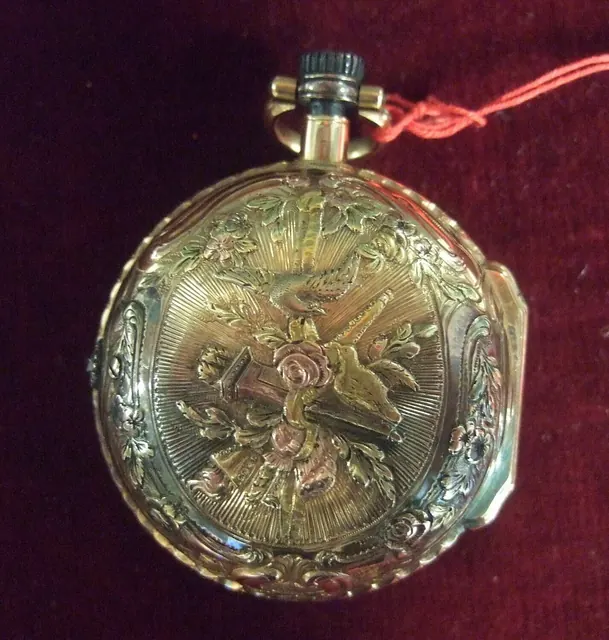
Pocket Watches · 1770–1800
Watch by Jean-Baptiste Baillon, France, 1770–1800
Musée du Louvre, Paris
Linked through the Atlas maker authority list, which reconciles the spellings used by different institutions. Attributions are as stated by each holding institution or auction house.