An international digital museum
Explore the World of Horology
From Song-dynasty water towers to quartz crystals, the Atlas connects every timepiece to its maker, movement, mechanism and moment in history.
Try: escapement · Nuremberg · quartz
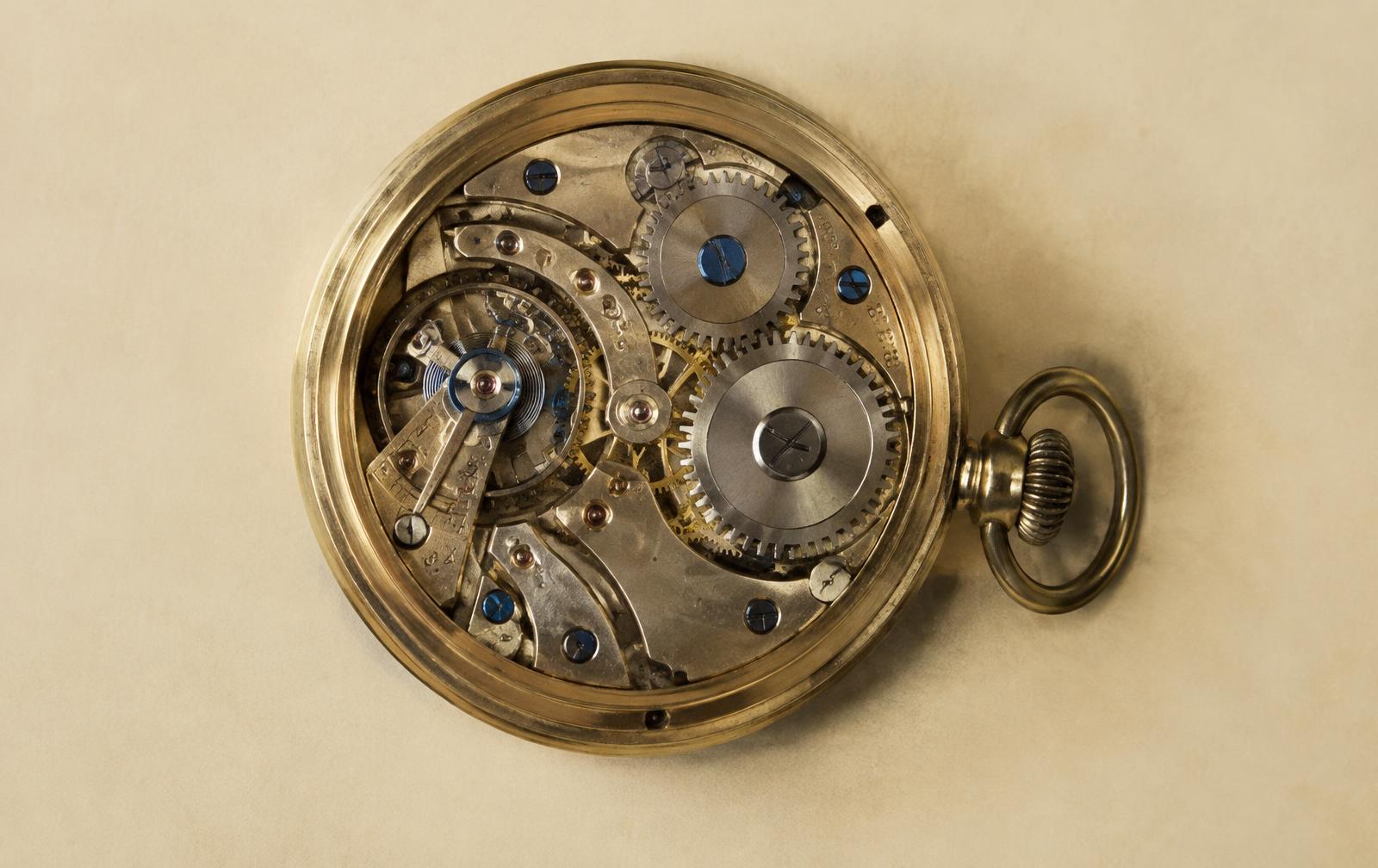
Illustrative image. Catalogue records use sourced photographs only.
The Museum
Explore the collections
History
Twelve eras of timekeeping
01 · Before 500 BCE
Ancient CivilizationsShadow clocks, sundials and outflow water clocks in Egypt, Mesopotamia and China divide day and night into hours.
02 · 500 BCE – 500 CE
Classical AntiquityGreek and Roman engineers refine the clepsydra; Ctesibius adds float regulation; the Antikythera mechanism models the heavens.
03 · 500 – 1400
Medieval PeriodSu Song's astronomical tower in Song China, al-Jazari's automata, and the first European weight-driven verge clocks.
04 · 1400 – 1600
Renaissance HorologySpring power makes clocks portable; Nuremberg and Augsburg produce the first watches; the Prague Orloj is built.
05 · 1600 – 1750
Early Modern HorologyHuygens' pendulum and balance spring transform accuracy; English makers develop the anchor and deadbeat escapements.
06 · 1750 – 1850
Precision & Scientific HorologyHarrison solves longitude; Mudge invents the lever; Breguet's Paris workshop defines the modern watch.
07 · 1850 – 1900
Industrial RevolutionAmerican interchangeable-parts manufacture; railroad time standards; Swiss and German factory systems.
08 · 1900 – 1945
Golden Age of Mechanical WatchmakingThe wristwatch displaces the pocket watch; waterproof cases, self-winding and grand complications.
09 · 1945 – 1969
Modern Mechanical HorologyTool watches for divers, pilots and astronauts; electric watches anticipate the electronic age.
10 · 1969 – 1990
Quartz RevolutionSeiko's Astron begins mass quartz timekeeping; traditional industries contract sharply.
11 · 1990 – 2010
Mechanical RenaissanceMechanical watches return as cultural objects; independent watchmaking flourishes.
12 · 2010 – Present
Contemporary HorologySilicon components, connected watches, optical-lattice research clocks and a thriving independent scene.
Featured objects
From the catalogue
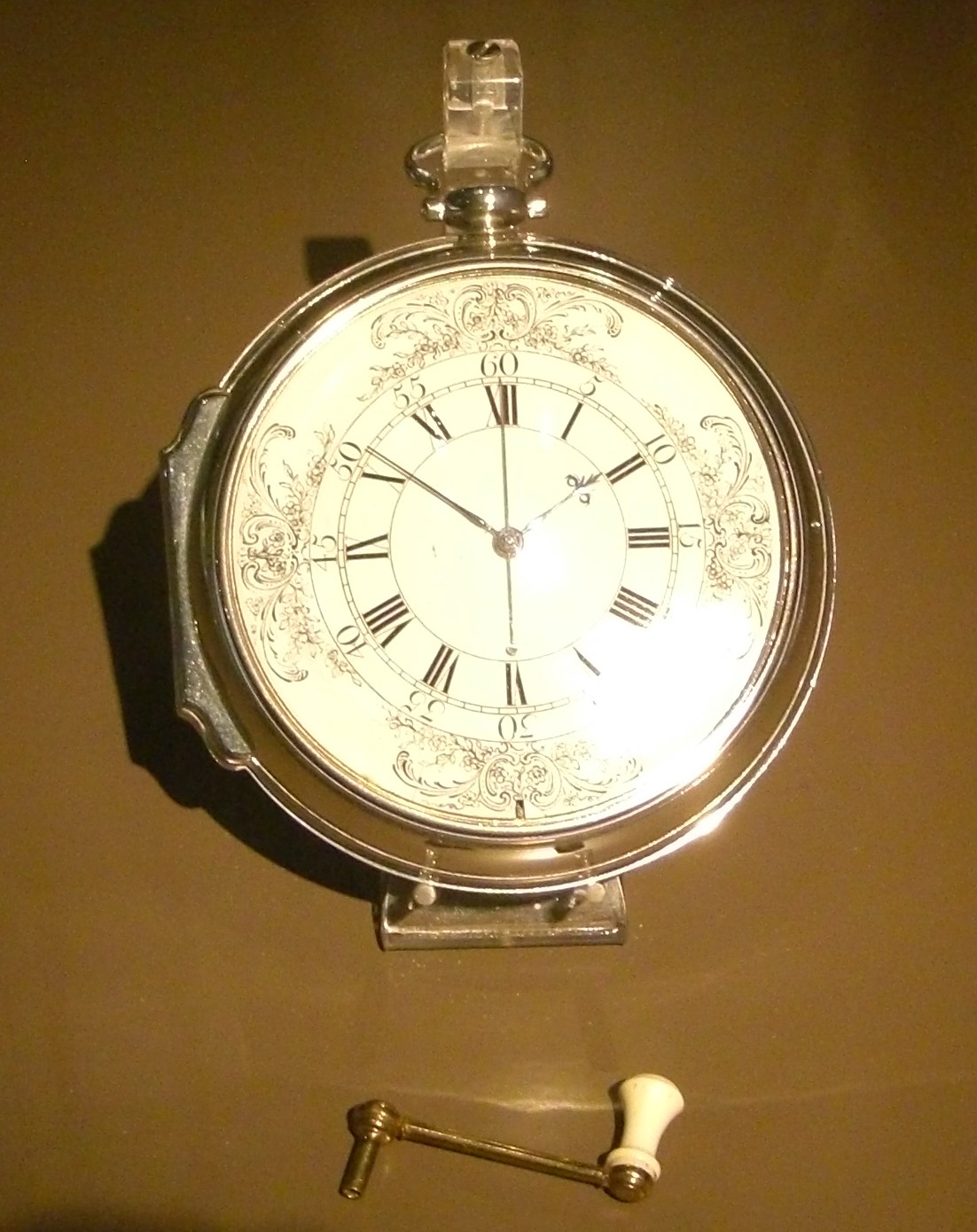
Instruments · Completed 1759
Harrison's H4 marine timekeeper
London
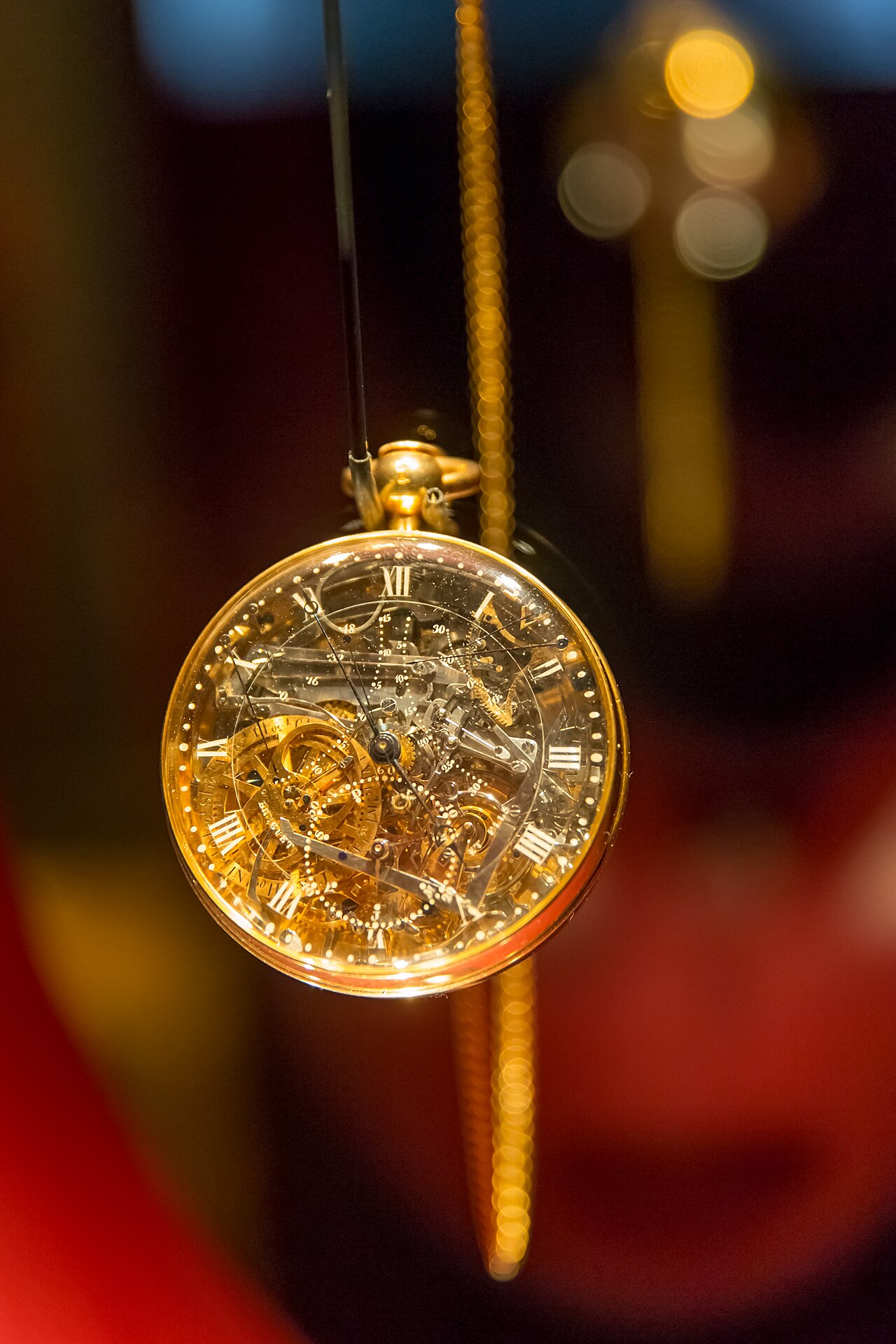
Pocket Watches · Commissioned 1783; completed 1827
Breguet No. 160 'Marie Antoinette'
Paris
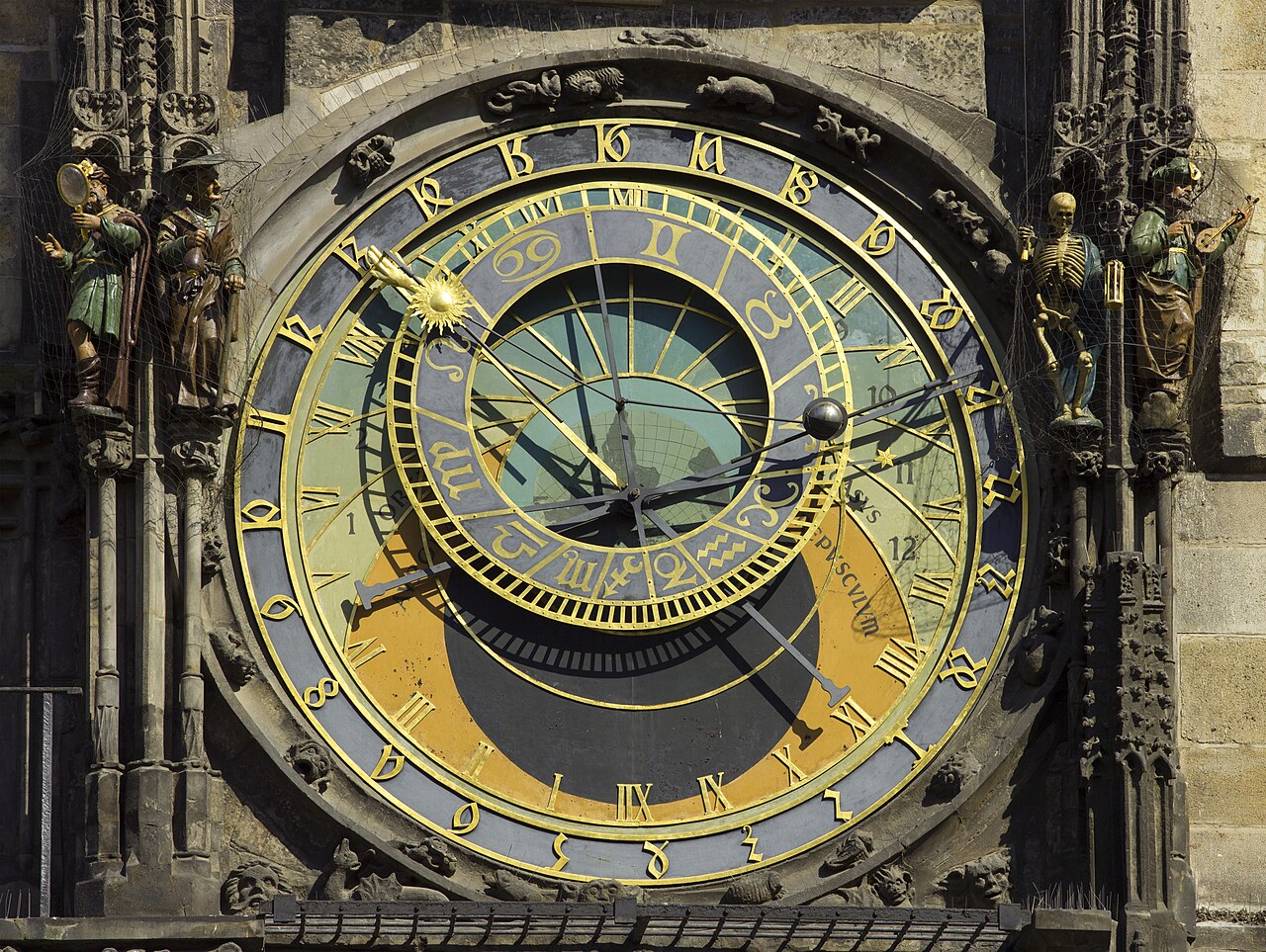
Clocks · 1410
Prague Astronomical Clock (Orloj)
Old Town Hall, Prague
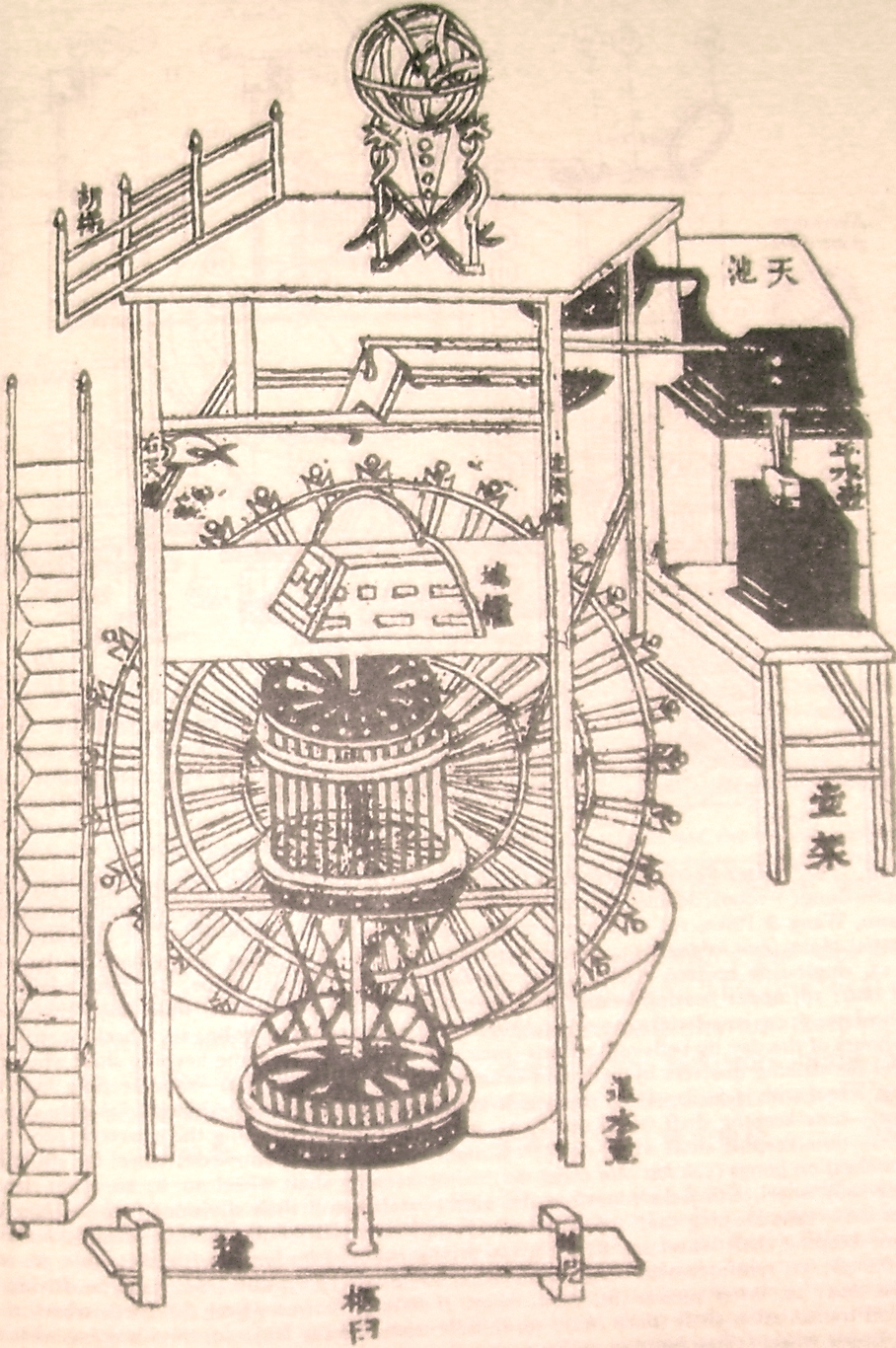
Clocks · c. 1088–1092
Su Song's Astronomical Clock Tower
Kaifeng
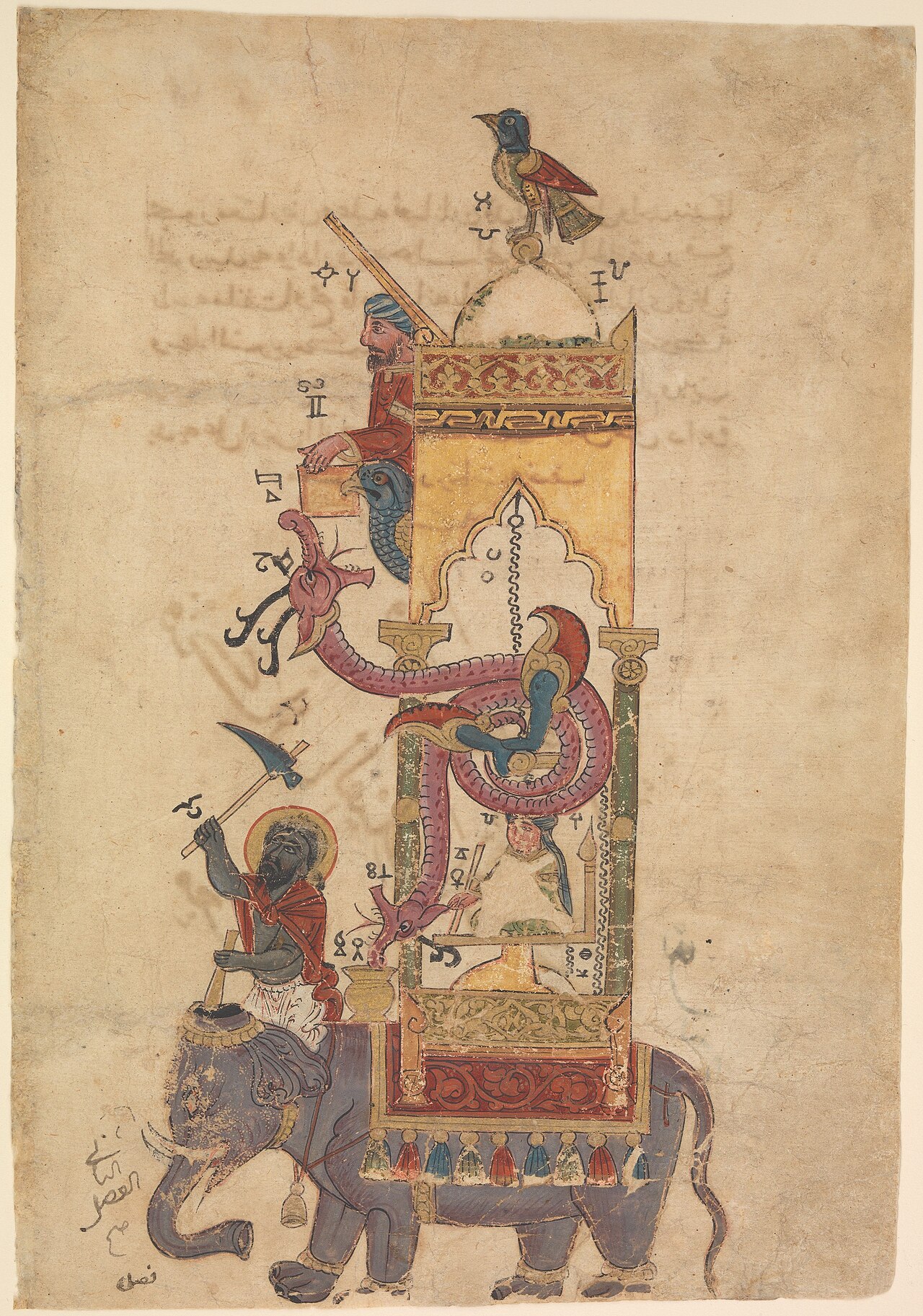
Clocks · Described 1206
Al-Jazari's Elephant Clock
Diyarbakır
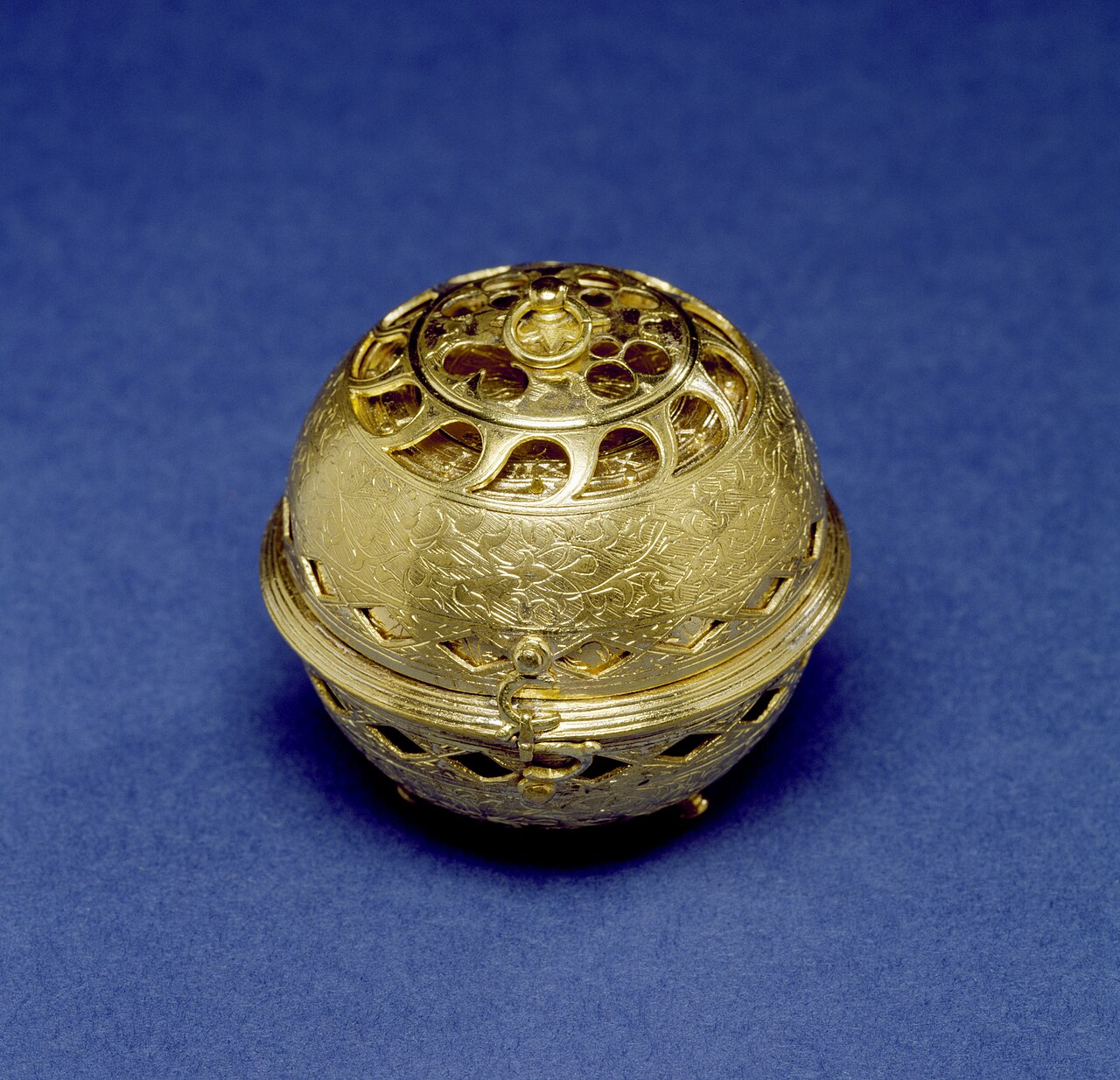
Pocket Watches · Dated 1530
Spherical table watch ('Melanchthon's Watch')
Nuremberg
Makers
Watchmakers & manufacturers
Encyclopedia
Movements & mechanisms
The Timeline
Moments that changed time
c. 1500 BCE
Egyptian shadow clocks and outflow water clocks in use
c. 1092
Su Song's astronomical clock tower completed in Kaifeng
1206
Al-Jazari completes his Book of Knowledge of Ingenious Mechanical Devices
late 13th c.
Verge-and-foliot mechanical clocks appear in Europe
1410
Prague Orloj installed
1530
Date inscribed on the spherical 'Melanchthon' watch, Nuremberg
1657
Huygens' pendulum clock made by Salomon Coster
1675
Spiral balance spring
c. 1715
George Graham's deadbeat escapement
c. 1755
Mudge's detached lever escapement
1759
Harrison completes H4
1801
Breguet patents the tourbillon
1876
Waltham's machinery shown at Philadelphia Centennial
1926
Rolex Oyster waterproof case patented
1957
Hamilton Electric 500 launched
1965
NASA qualifies the Omega Speedmaster
1969
Seiko Quartz Astron released
1999
Co-axial escapement enters serial production
Magazine
Latest features
Horological History · Historical feature
Clocks Before Europe: Kaifeng and Diyarbakır
Two engineers, a century apart, documented regulated machines that rarely appear in Eurocentric histories.
Technical Horology · Technical explainer
Why the Lever Won
Mudge's escapement waited half a century for industry to catch up.
Watchmaking Industry · Historical investigation
Christmas Day, 1969
How a gold watch released in Tokyo reshaped the global watch industry.
Identification Centre
Workflows for dating pocket watches, reading hallmarks and recognising escapements.
Simulation Lab
Experiment with pendulums, balance wheels, escapements and gear trains.
Horology Tools
Beat-rate, accuracy, lignes and power-reserve calculators, plus a multilingual glossary.
Museum Directory (0)
Horological museums and collections worldwide.
Reference Library (8)
Bibliography of essential horological literature.
Academy
Learning paths from beginner to advanced.
Editorial integrity
We say what we don't know
Every record carries a status — Verified, Documented, Provisionally attributed, Estimated, Disputed or Under research — and every image is credited to its source.
Read our editorial standards