Clockmaker / watchmaker
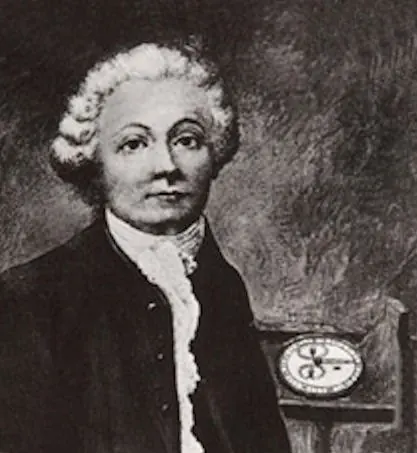
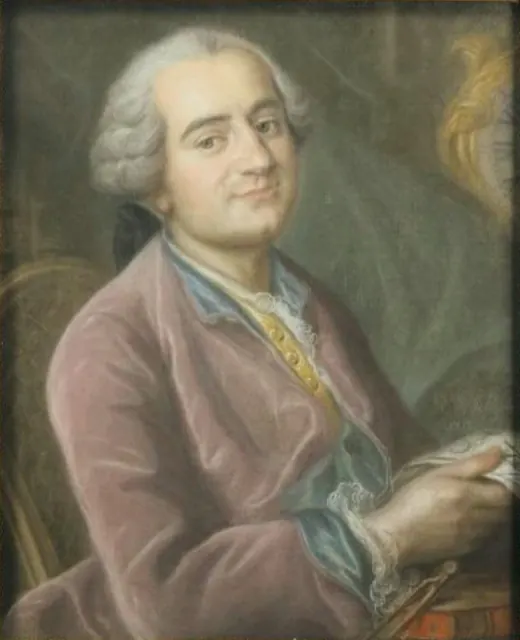
Julien Le Roy
Also recorded as: Le Roy, Julien · Julien Leroy · Julien Le Roy à Paris
Royal clockmaker whose large Paris workshop set the standard for French watches and clocks in the first half of the 18th century.
Born in Tours, Julien Le Roy settled in Paris as a young man, became a master clockmaker in 1713 and was appointed horloger ordinaire du roi in 1739. He ran one of the largest and most respected workshops in the city, producing watches, repeaters and clocks — many in cases by leading Paris case makers and bronziers — and he was a friend and collaborator of the English-born clockmaker Henry Sully, who worked in Paris and Versailles.
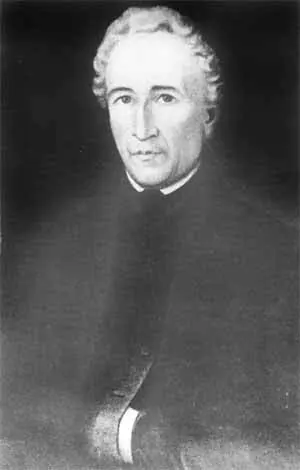
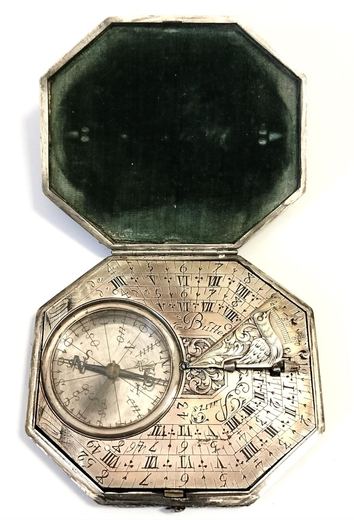
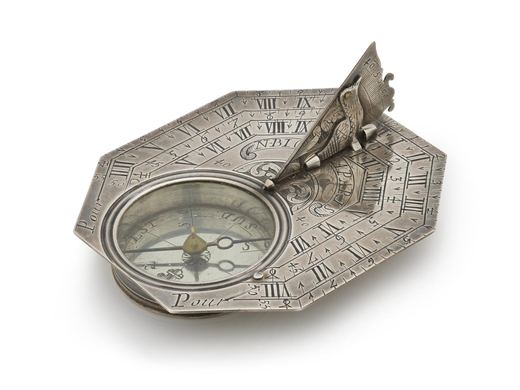
His signature carried such prestige that it was widely copied: some watches signed 'Julien Le Roy' were made elsewhere, including in Switzerland, which is why museum records sometimes give a different place of manufacture. He was the father of Pierre Le Roy, the pioneer of the marine timekeeper.
- Country
- France (born Tours)
- City / centre
- Paris
- Life / active
- 1686–1759
- Status
- Historical individual
- Key people
- Julien Le Roy; Pierre Le Roy (son); Henry Sully
Innovations & specialities
- Repeating watches and clocks of high reputation
- Organisation of a large Paris workshop and supplier network
Works by Julien Le Roy in the catalogue
All 26 records →
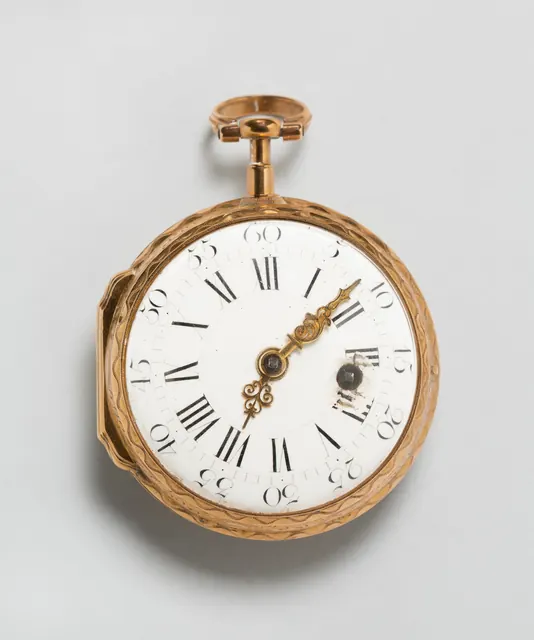
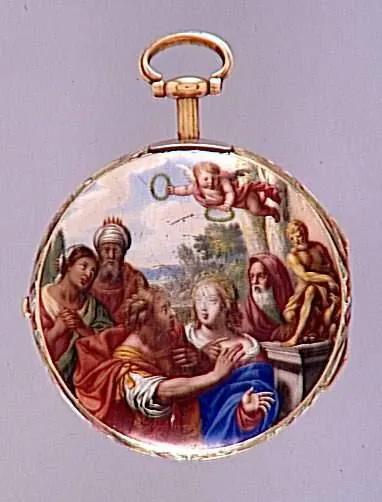
Pocket Watches · 1682–1686 (case); 1725–1750 (movement)
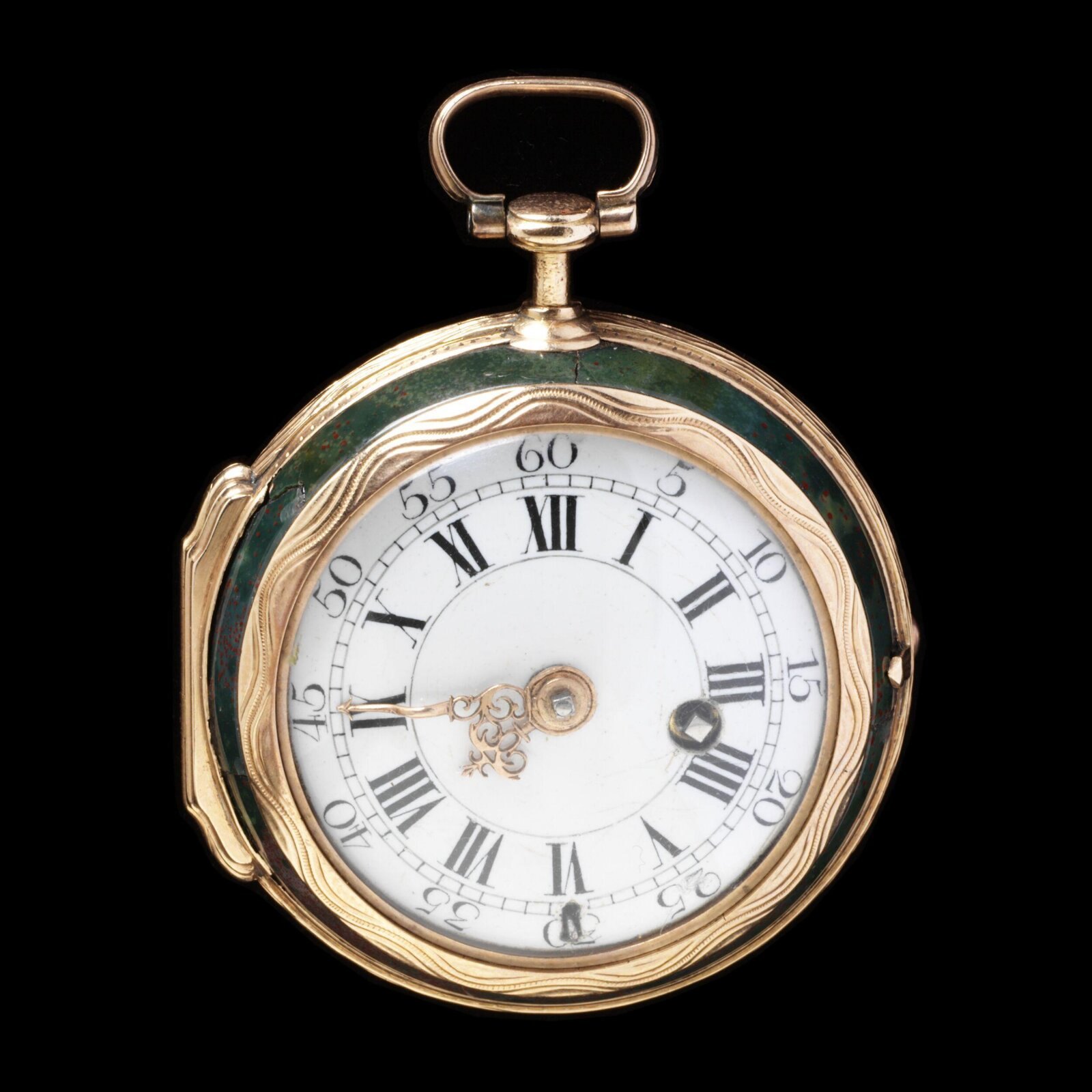
Watch by Julien Le Roy, France, 1682–1750
Musée du Louvre, Paris
Pocket Watches · 18th century
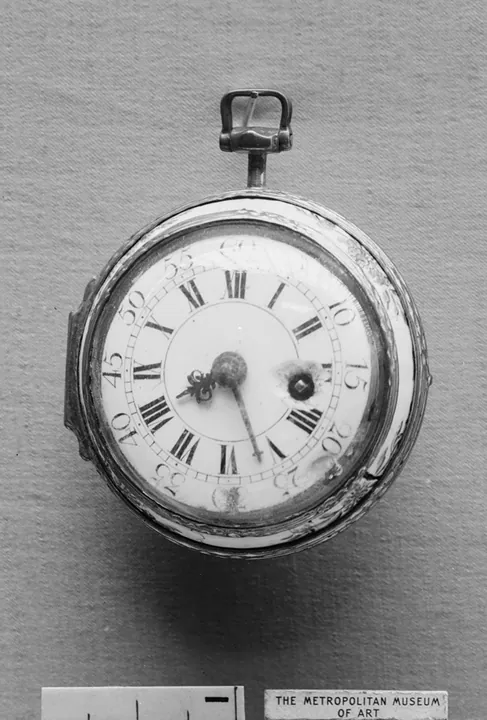
Watch by Julien Le Roy, France, 18th century
The Metropolitan Museum of Art, New York
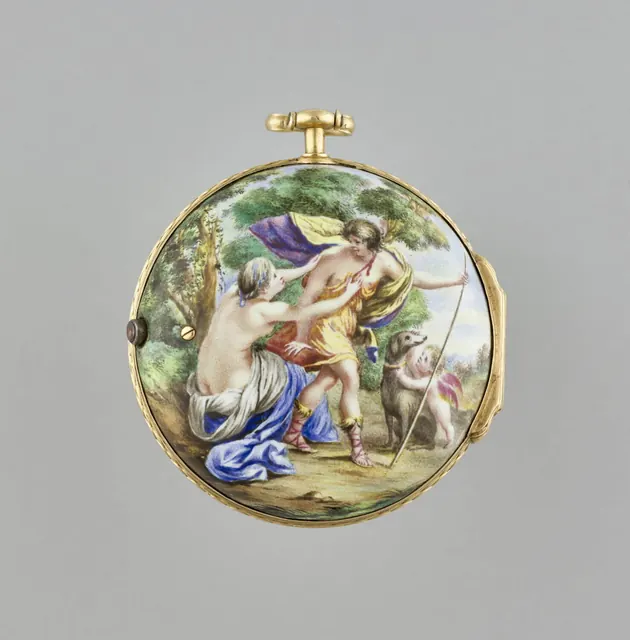
Pocket Watches · 1725–1750
Watch by Julien Le Roy, France, 1725–1750
Musée du Louvre, Paris
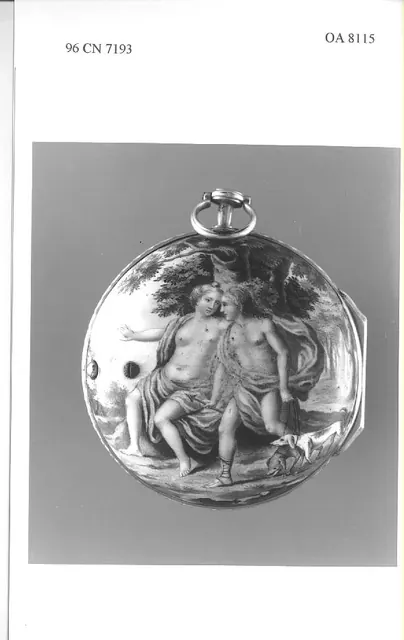
Pocket Watches · 1725–1750
Watch by Julien Le Roy, France, 1725–1750
Musée du Louvre, Paris
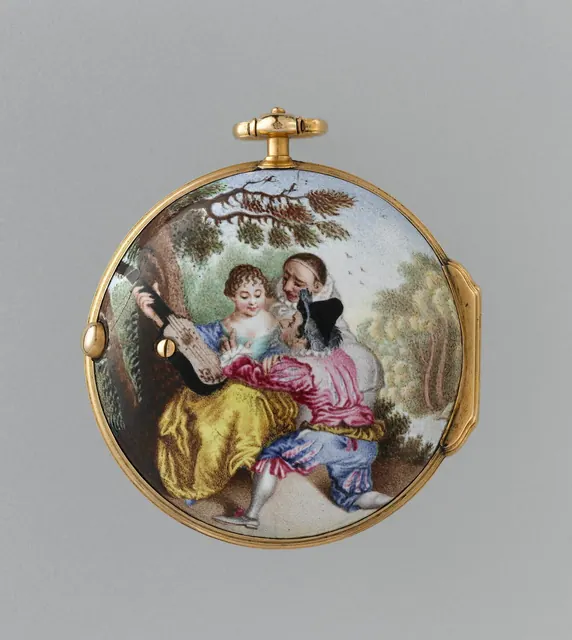
Pocket Watches · 1730–1760
Watch by Julien Le Roy, France, 1730–1760
Musée du Louvre, Paris
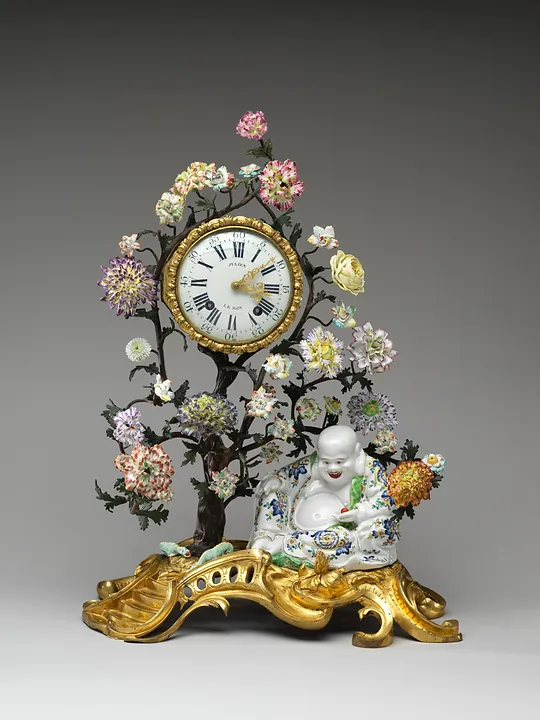
Clocks · c. 1745–49
Mantel clock by Julien Le Roy, France, c. 1745–49
The Metropolitan Museum of Art, New York
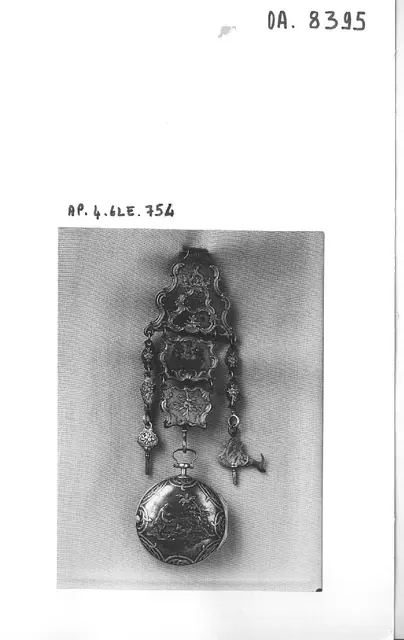
Pocket Watches · 1740–1760
Watch by Julien Le Roy, France, 1740–1760
Musée du Louvre, Paris
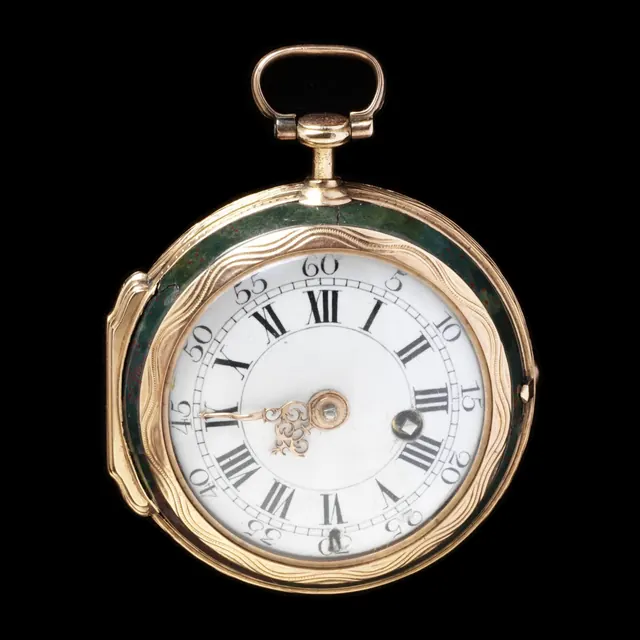
Pocket Watches · c. 1750
Watch by Julien Le Roy, France, c. 1750
Victoria and Albert Museum, London
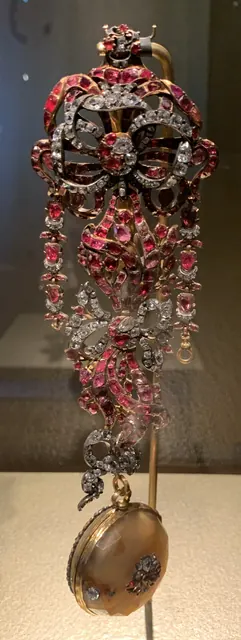
Pocket Watches · c. 1750
Jasper watch on chatelaine set with diamonds
Hermitage Museum
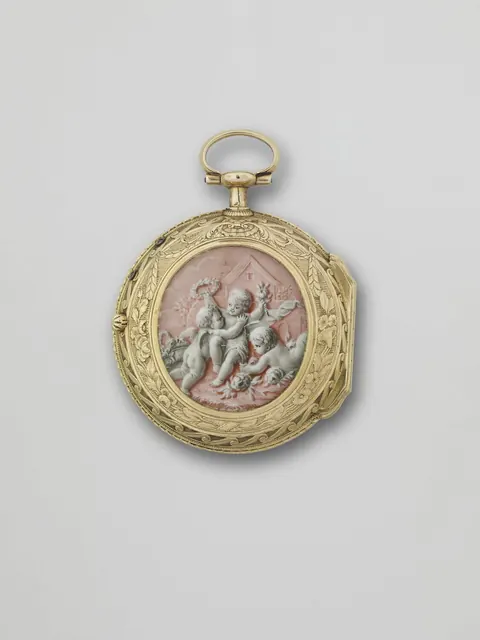
Pocket Watches · 1750–1760
Watch by Julien Le Roy, France, 1750–1760
Musée du Louvre, Paris
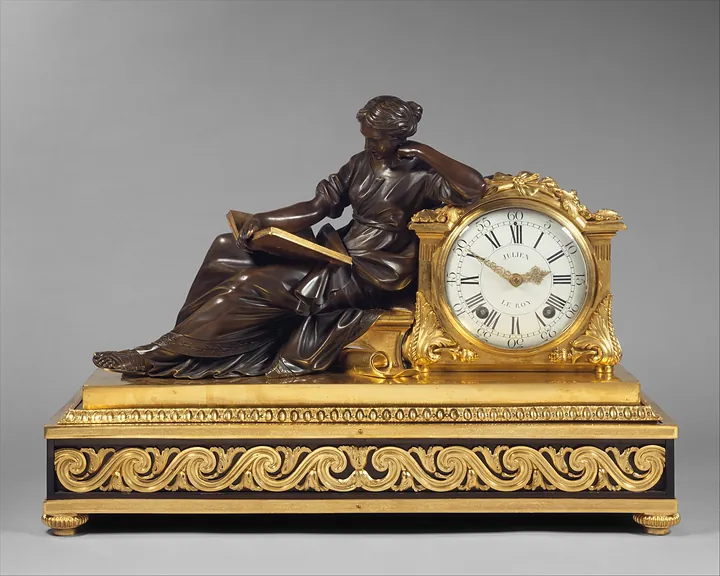
Clocks · c. 1757–60
Mantel clock (pendule de cheminée)
The Metropolitan Museum of Art, New York
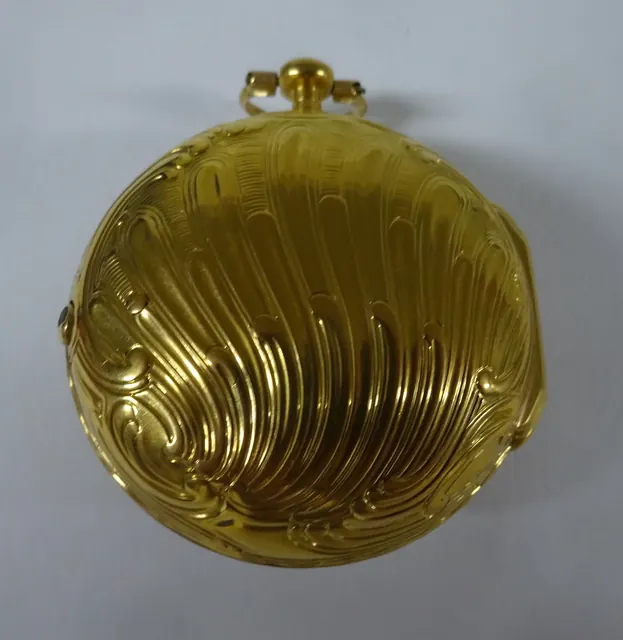
Pocket Watches · 1755–1756
Watch by Julien Le Roy, France, 1755–1756
Musée du Louvre, Paris
Linked through the Atlas maker authority list, which reconciles the spellings used by different institutions. Attributions are as stated by each holding institution or auction house.
Read and see more
Magazine features
- After Harrison: How Le Roy, Arnold and Earnshaw Turned the Marine Timekeeper into an Industry
Harrison proved that a watch could find longitude. It took another half-century of French and English invention — the detent escapement, the compensation balance and the helical balance spring — to make a timekeeper that navies could buy by the hundred.