Watchmaker
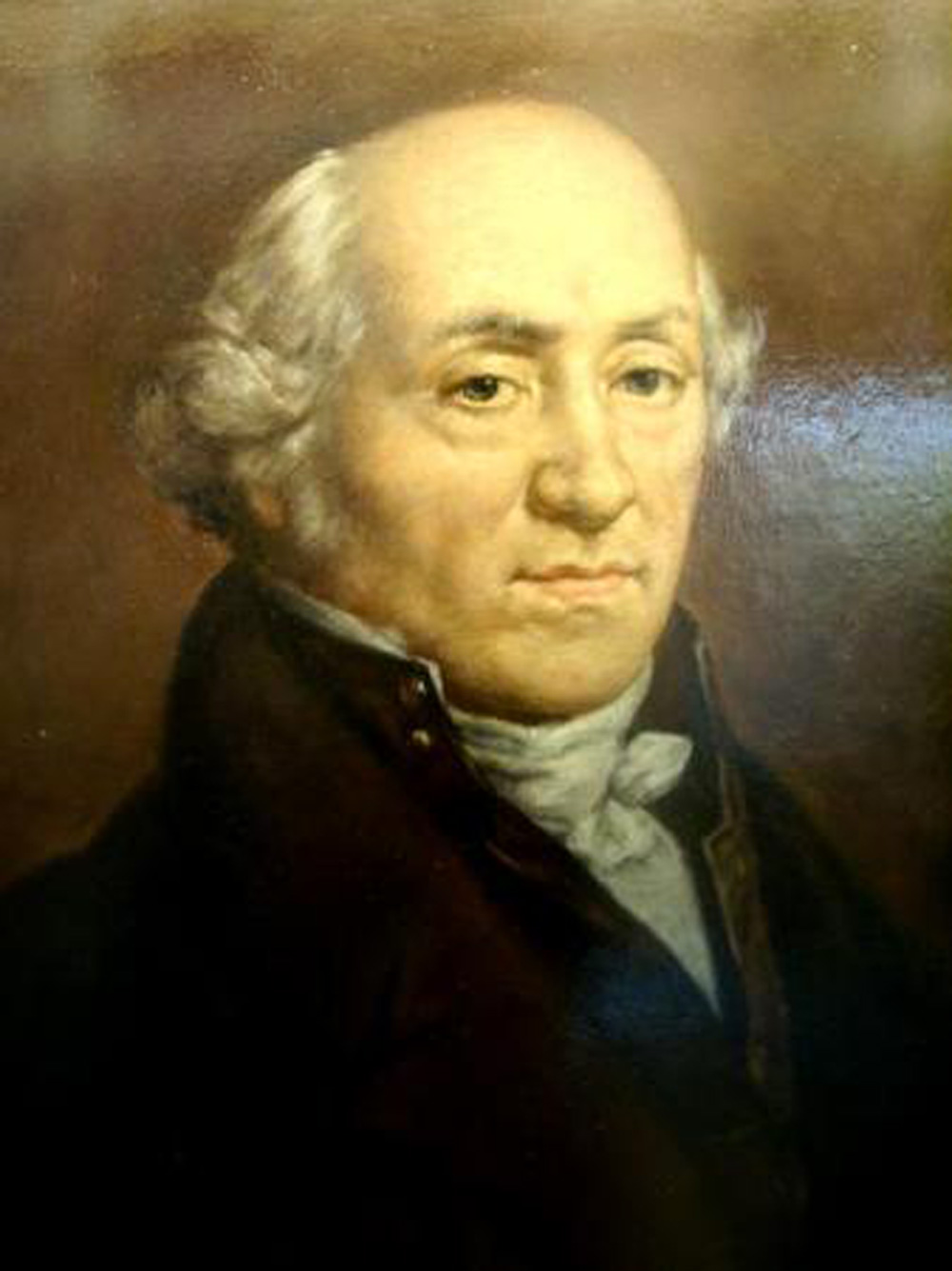
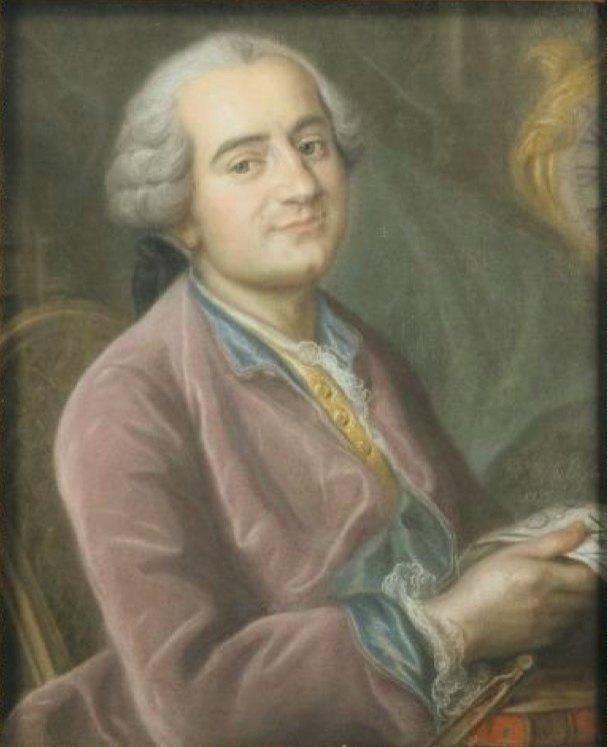
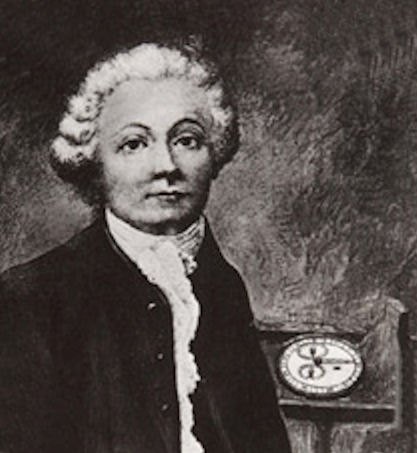
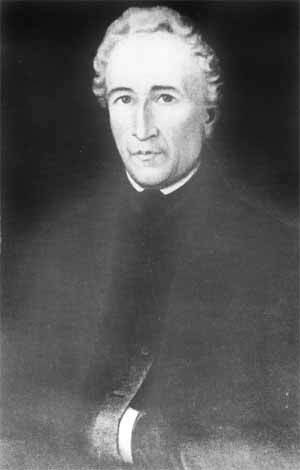
Jean-Antoine Lépine
Also recorded as: Lépine · Lepine
Paris watchmaker to the king whose bridge calibre made the thin modern watch possible.
Born near Geneva, Lépine worked in Paris for André-Charles Caron, whose daughter he married, and became horloger du Roi. Around 1770 he introduced the 'Lépine calibre', replacing the top plate with separate bridges and cocks, suspending the barrel and adopting a going barrel instead of the fusee. The arrangement allowed much thinner watches and underlies most later Swiss movements; 'Lépine' also came to mean an open-face case with the crown at twelve.
- Country
- France
- City / centre
- Paris
- Life / active
- 1720–1814
- Status
- Historical individual
- Key people
- Jean-Antoine Lépine; André-Charles Caron
Innovations & specialities
- Lépine (bridge) calibre (c. 1770)
- Virgule and cylinder thin watches
Works by Jean-Antoine Lépine in the catalogue
Open in the catalogue →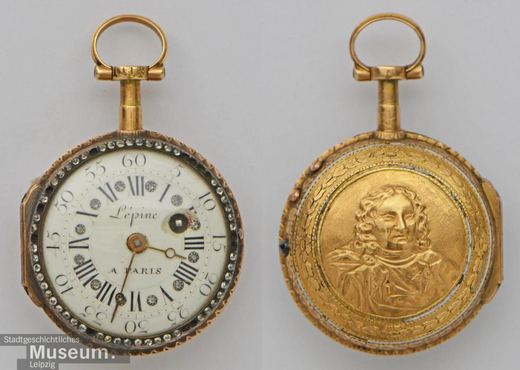
Pocket Watches · 1770–1780
Pocket watch by Lepine, France, 1770–1780
Museum of City History Leipzig
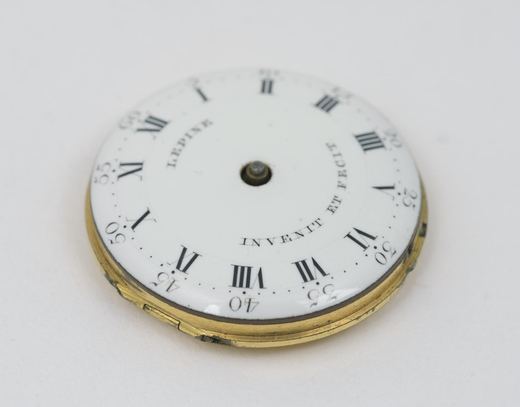
Movements & Components · 1770-1800
Watch movement made by Jean Antoine Lepine, Paris, France, c. 1770-1800.
Science Museum Group, London
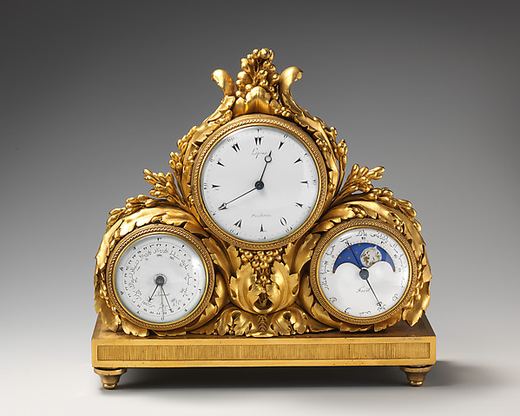
Instruments · last quarter 18th century
Clock by Jean Antoine Lépine, France, last quarter 18th century
The Metropolitan Museum of Art, New York
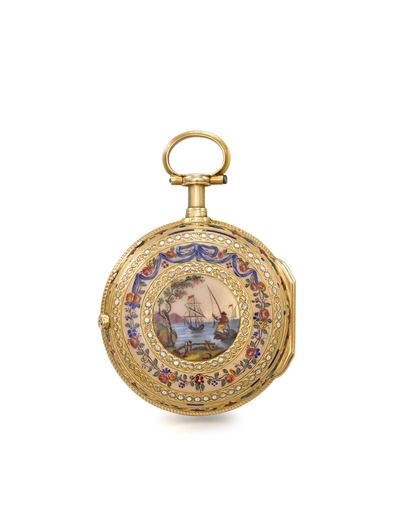
Pocket Watches · 1801-1900
Pocket watch by L'Epine, Jean Antoine, France, 1801-1900
Science Museum Group, London
Linked through the Atlas maker authority list, which reconciles the spellings used by different institutions. Attributions are as stated by each holding institution or auction house.