
German horology
Nuremberg and Augsburg made the first watches and Renaissance table clocks; the Black Forest mass-produced wall clocks; Glashütte built a tradition of precision.
CentresNuremberg · Augsburg · Black Forest (Furtwangen, Schramberg) · Glashütte · Pforzheim · Munich (Riefler)
Renaissance Nuremberg and Augsburg
In the early 16th century Nuremberg locksmiths and clockmakers such as Peter Henlein made small spring-driven portable clocks, the ancestors of the watch. Augsburg became famous for elaborate table clocks, automata and astronomical clocks made for princely Kunstkammern.
The Black Forest
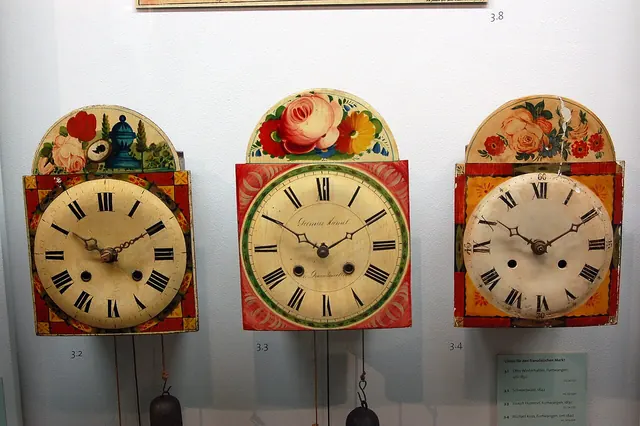
From the 17th century farming families in the Black Forest made wooden-wheeled wall clocks, sold across Europe by itinerant clock pedlars. The cuckoo clock appeared in the 18th century; in the 19th century firms such as Junghans and Lenzkirch industrialised production, and Junghans became one of the largest clock factories in the world.
Glashütte and precision
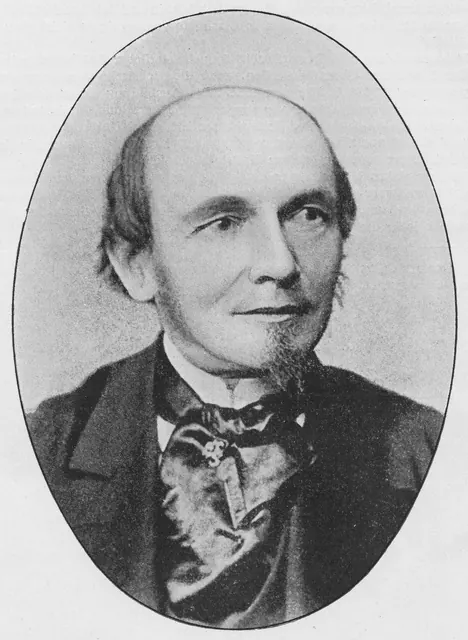
In 1845 Ferdinand Adolph Lange founded watchmaking in Glashütte, Saxony, with state support; the town became the centre of German precision pocket watches and of a watchmaking school (1878). Clemens Riefler's precision pendulum clocks (from 1889) became observatory standards until free-pendulum and quartz clocks displaced them.
Division and re-founding
After the Second World War, Glashütte's firms were nationalised into the East German GUB; following reunification, A. Lange & Söhne and other brands were re-founded in the 1990s.
Timeline
- 1511Johannes Cochlaeus describes Peter Henlein's small portable clocks made in Nuremberg
- 1530Date inscribed on the spherical 'Melanchthon' watch, Nuremberg — Spherical table watch ('Melanchthon's Watch')
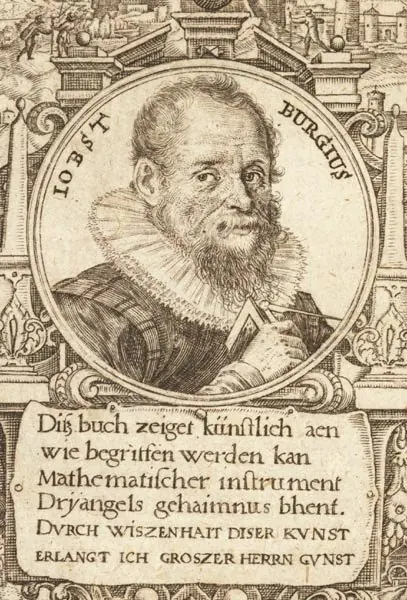
- 1580sJost Bürgi builds clocks with the cross-beat escapement and remontoire in Kassel — Jost Bürgi
- mid-18th c. (debated)Cuckoo clocks emerge in the Black Forest
- 1845Ferdinand Adolph Lange founds watchmaking in Glashütte, Saxony — A. Lange & Söhne
- 1990Junghans Mega, the first radio-controlled wristwatch — Junghans
- 1994A. Lange & Söhne presents its first collection after re-founding — A. Lange & Söhne
Makers
Jost Bürgi
1552–1632
Erasmus Habermel
c. 1538–1606
A. Lange & Söhne
1845
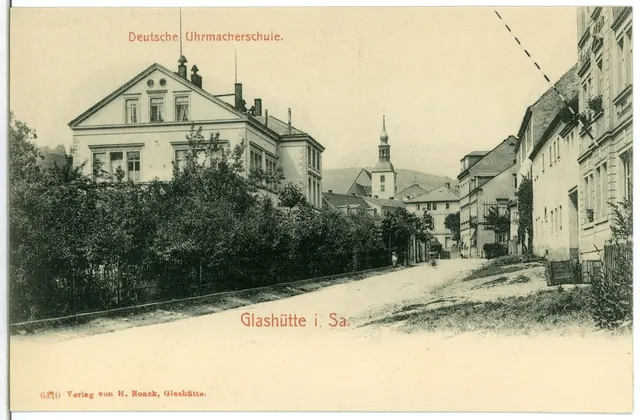
German Watchmaking School Glashütte
1878
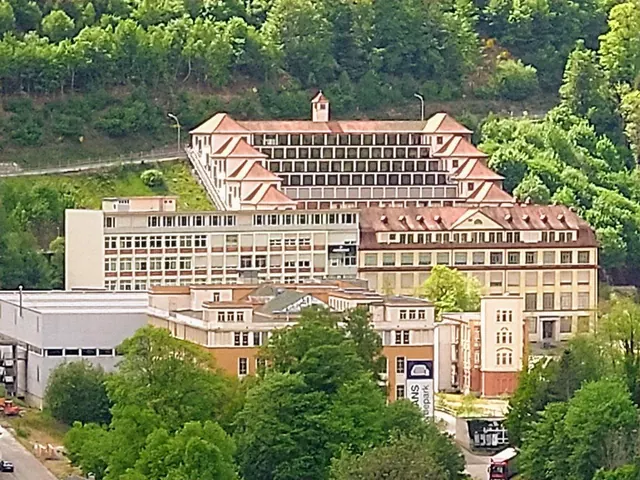
Junghans
1861
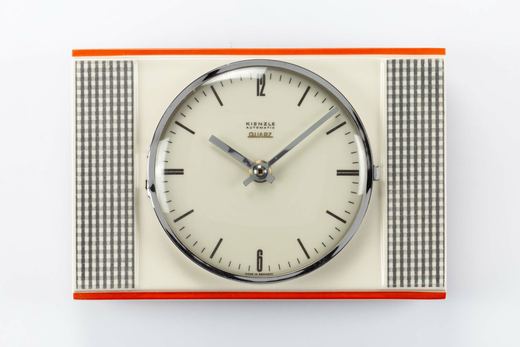
Kienzle
1883
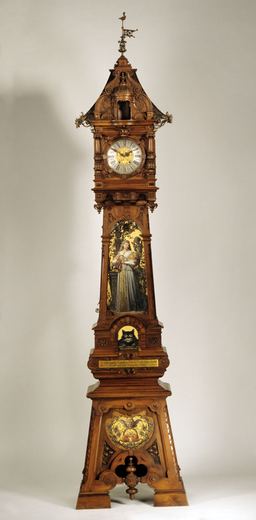
Lenzkirch
1851
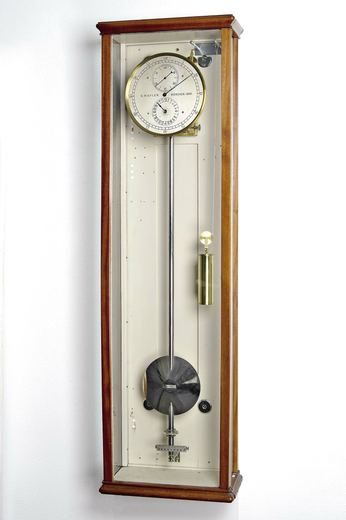
Clemens Riefler
1841
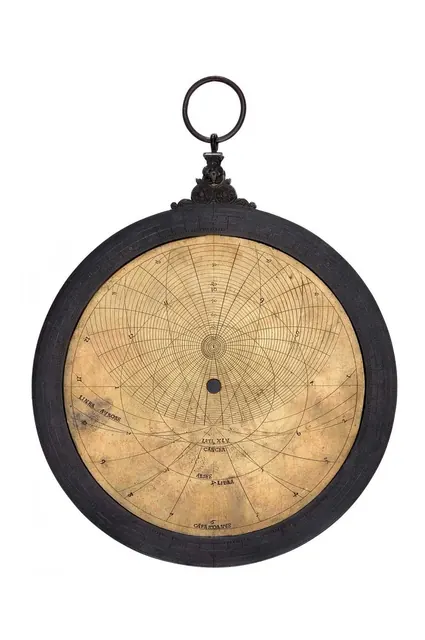
Georg Hartmann
1489–1564
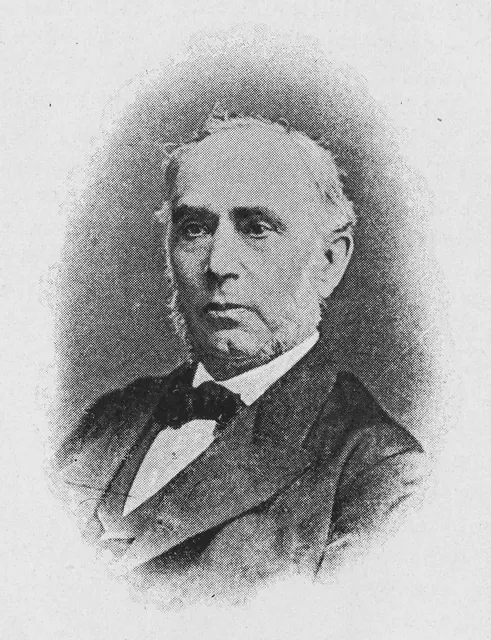
Matthias Hipp
1813–1893
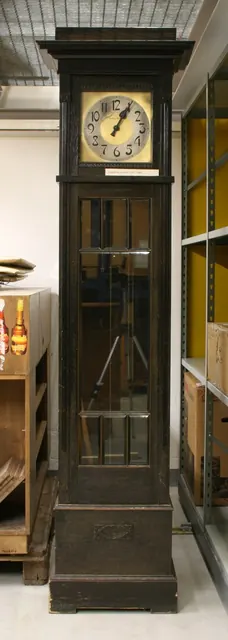
Gustav Becker
1847
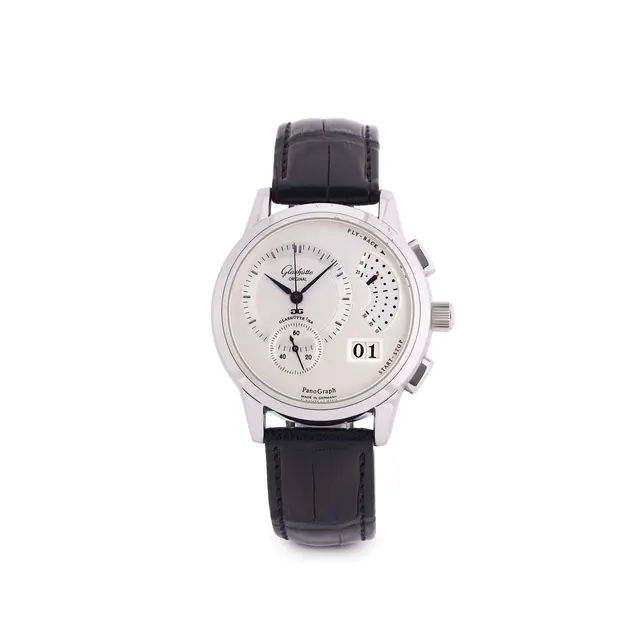
Glashütte Original
1994 (GUB from 1951)
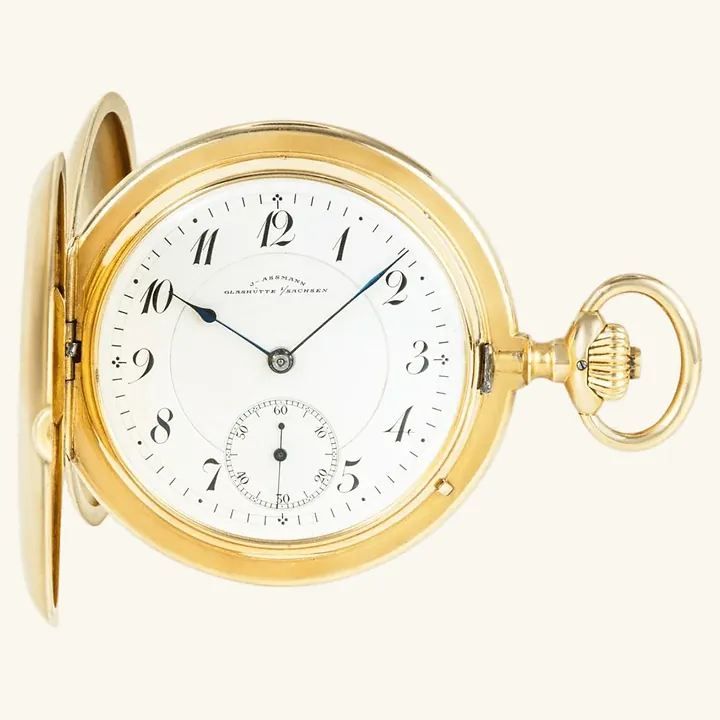
J. Assmann
1852
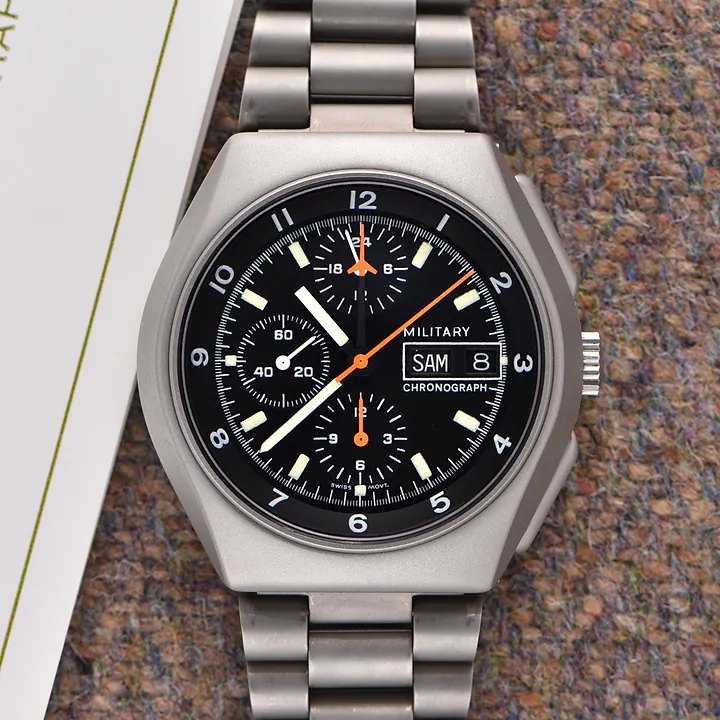
Tutima
1927 (as a brand of UROFA/UFAG)
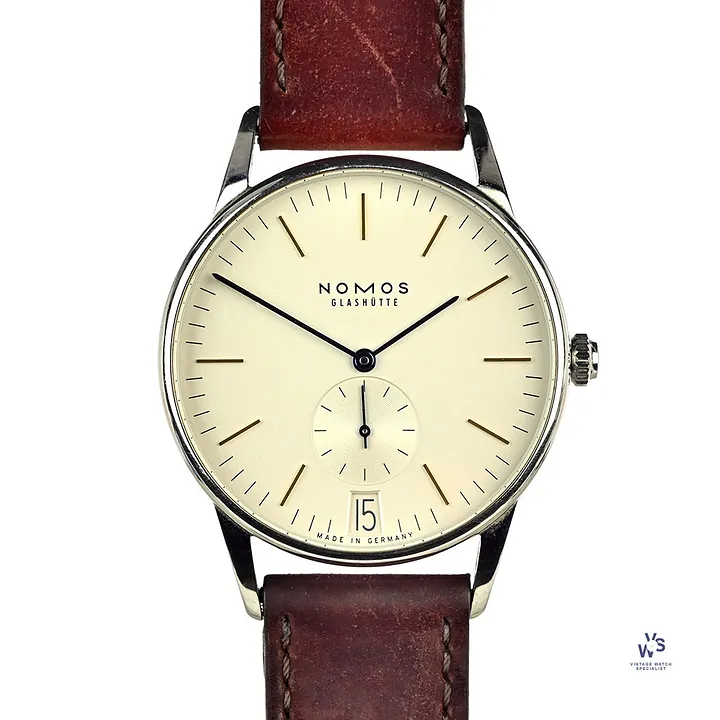
NOMOS Glashütte
1990
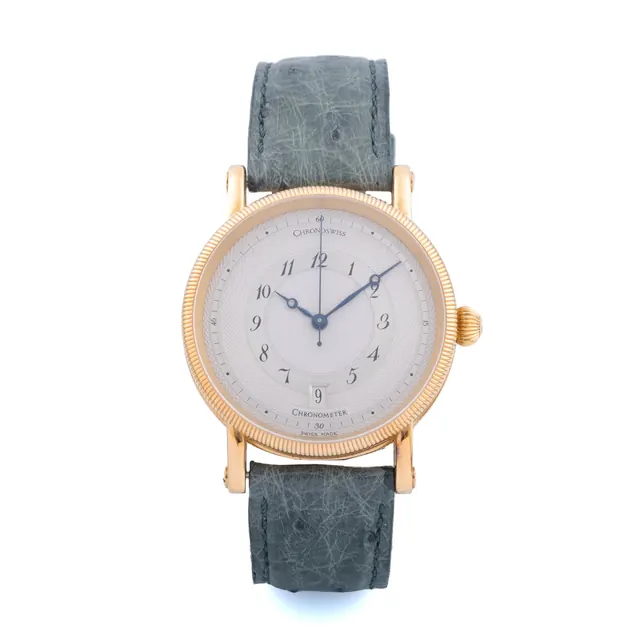
Chronoswiss
1983
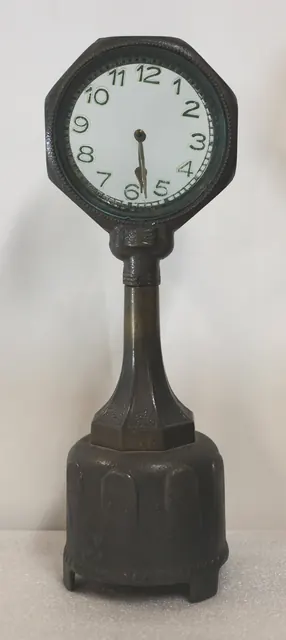
Friedrich Mauthe
1844
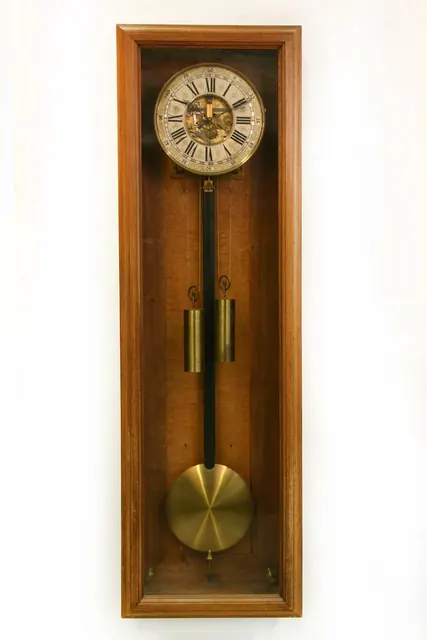
Furtwangen Clockmaking School (Großherzoglich Badische Uhrmacherschule)
1850
From the catalogue
1,162 records · Germany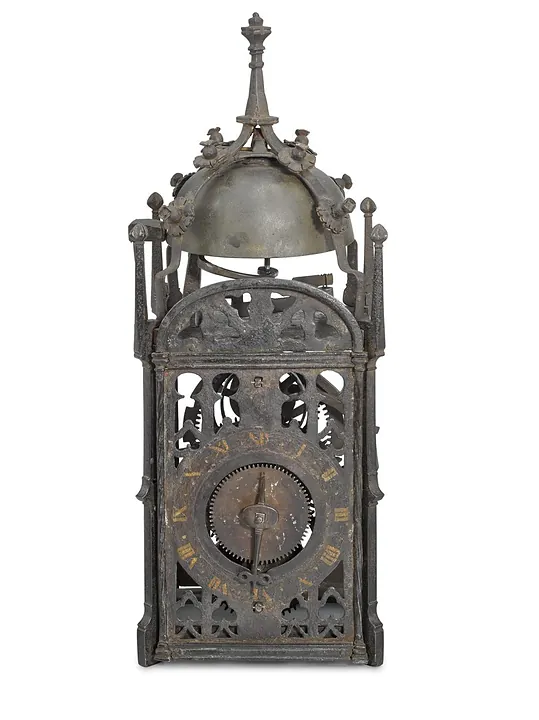
Clocks · 1400–1499
Lantern clock, Germany, 1400–1499
Science Museum Group, London
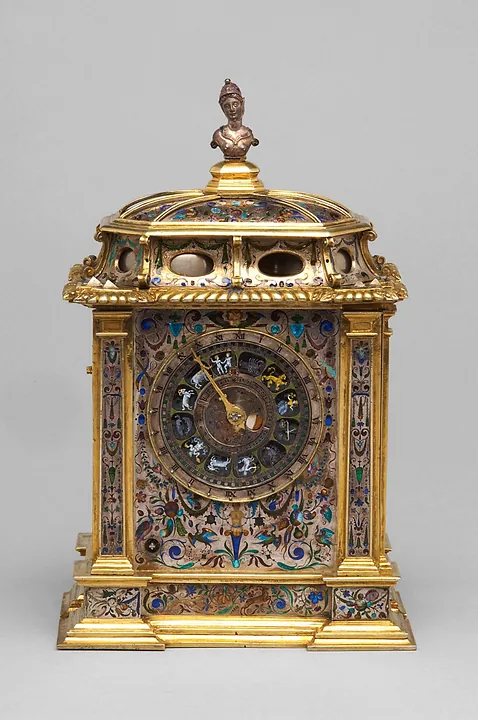
Clocks · 1583
Table clock by David Altenstetter, Germany, 1583
Fine Arts Museum Vienna
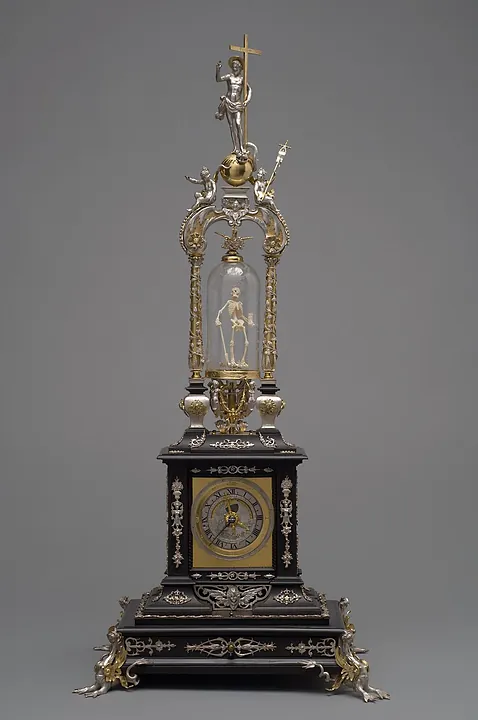
Clocks · 1624–1630
Table clock by Christoph Angermair, Germany, 1624–1630
Fine Arts Museum Vienna
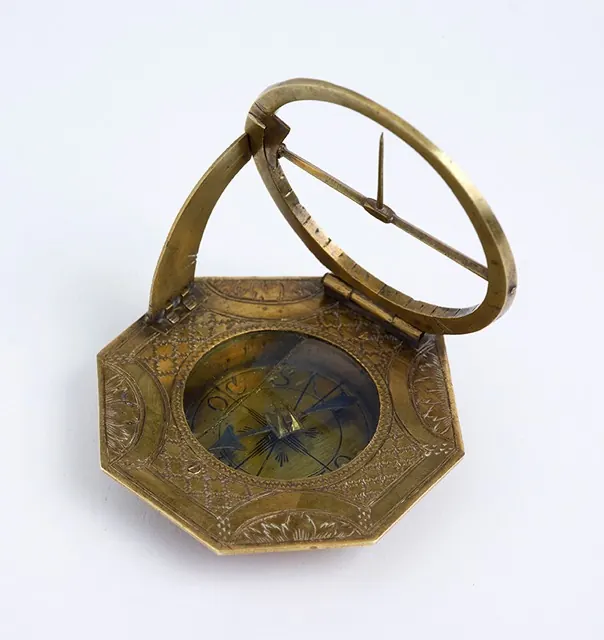
Instruments · c. 1700
Sundial by Johann Schrettegger, Germany, c. 1700
Suomen kansallismuseo
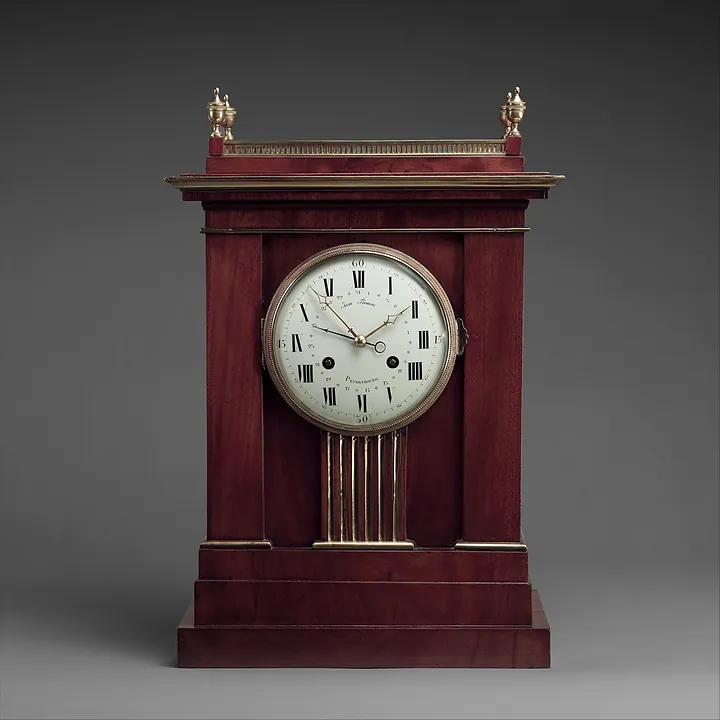
Clocks · c. 1780–90
Clock, workshop of David Roentgen, Germany, c. 1780–90
The Metropolitan Museum of Art, New York
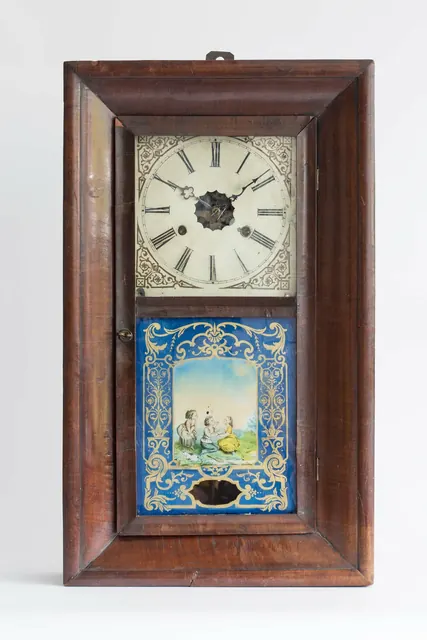
Clocks · c. 1855
Wall clock by Lenzkirch, A. G. für Uhrenfabrikation, Germany, c. 1855
German Clock Museum
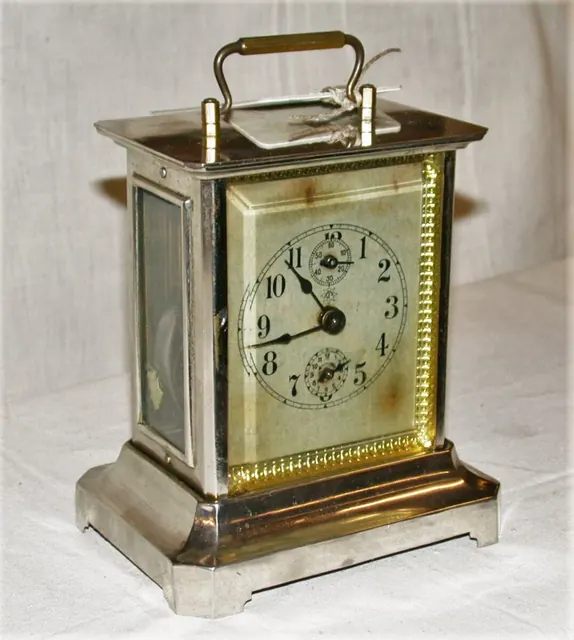
Clocks · 1890s
Alarm clock by Junghans, Germany, 1890s
HKM / Kulttuurihistoriallinen
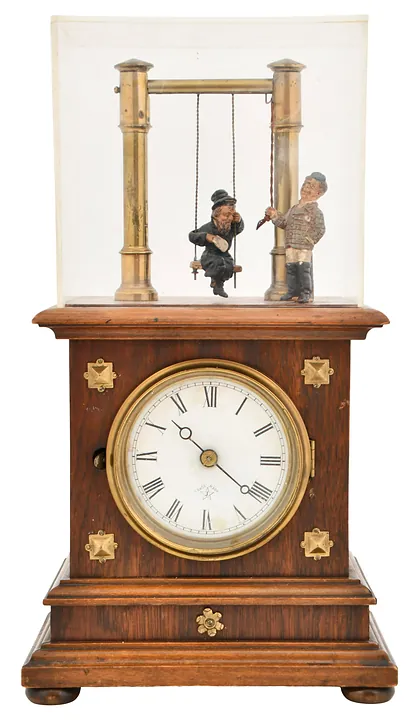
Clocks · c. 1900
Junghans Swinging Automaton Novelty Clock, c. 1900
LiveAuctioneers auction archive
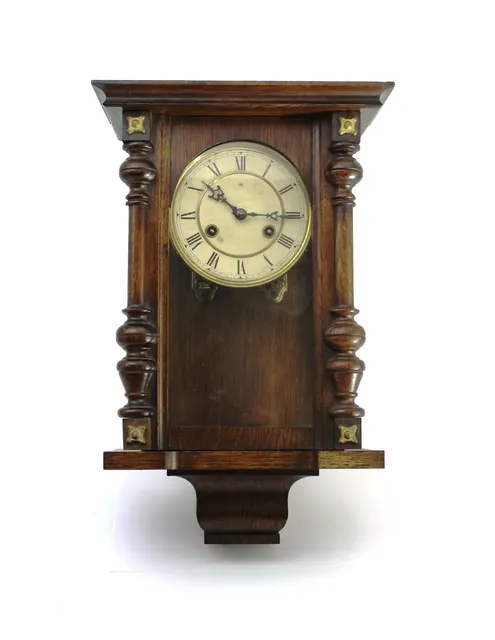
Clocks · 1930s
Wall clock by Uhrenfabrik Junghans GmbH, Germany, 1930s
Päivälehden museo
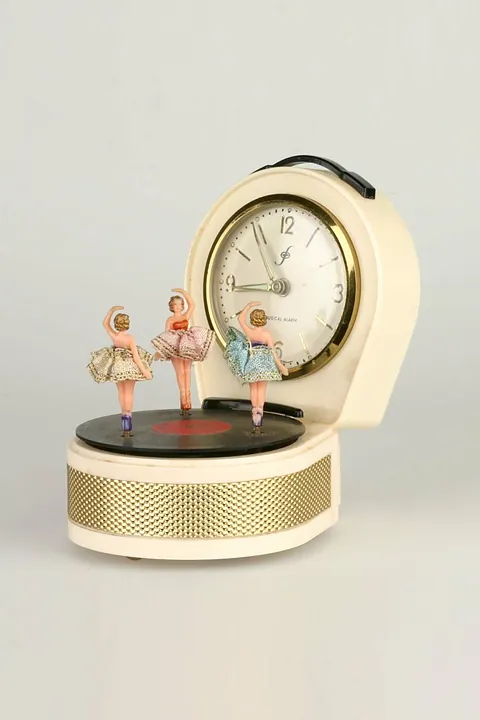
Clocks · c. 1960
Alarm clock by Fichter KG, Germany, c. 1960
German Clock Museum
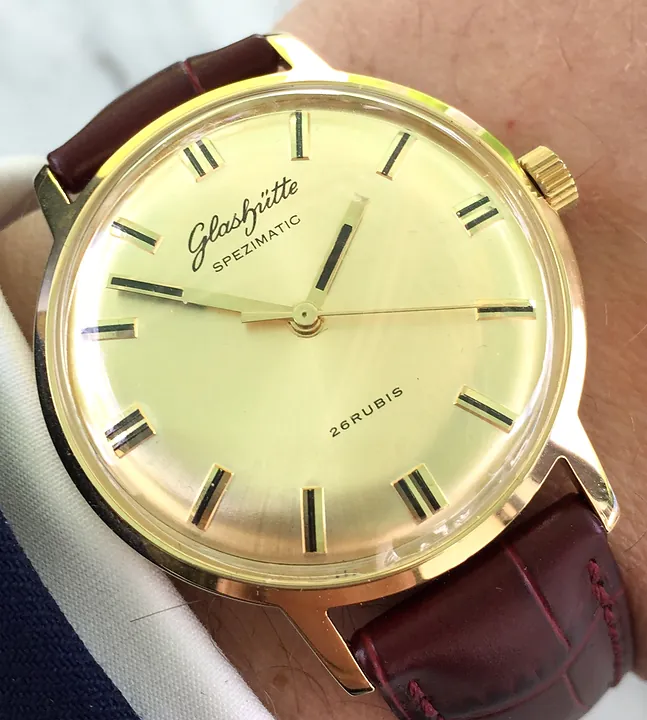
Wristwatches · 1970
GUB Glashütte Spezimatik, 1970
Vintage Portfolio (dealer), Vienna
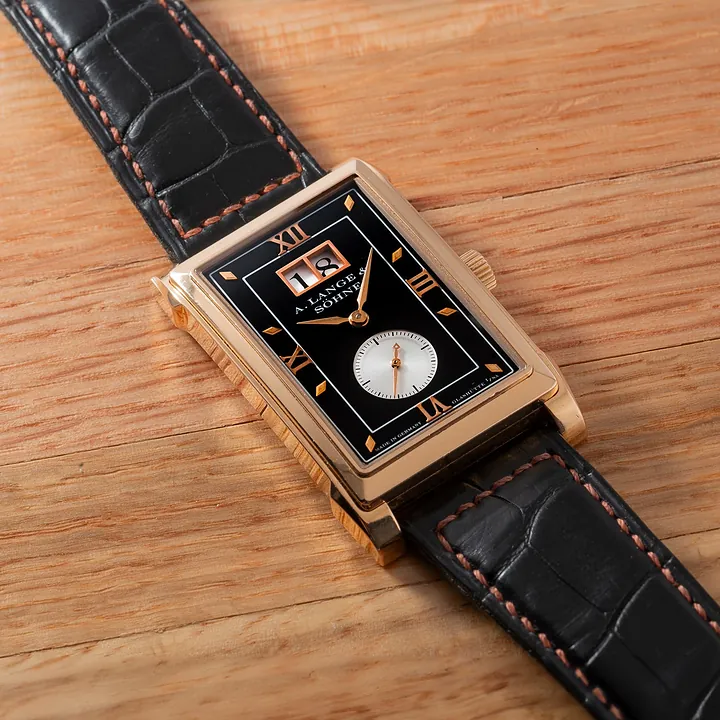
Wristwatches · c. late 1990s
A. Lange & Söhne Cabaret, c. late 1990s
Analog/Shift (dealer), New York