Watch manufacturer
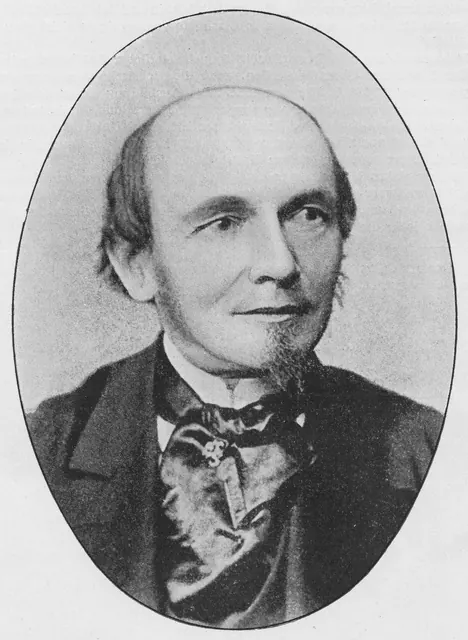
J. Assmann
Also recorded as: Julius Assmann · Julius Aßmann · J. Aßmann · J. Assmann Glashütte · J. Assmann Deutsche Anker-Uhren-Fabrik · Assmann Glashütte
The second watch firm of Glashütte, founded in 1852 by Julius Assmann, a former employee and later son-in-law of Ferdinand Adolph Lange; known for fine three-quarter-plate pocket watches, many made for export.
Julius Assmann was born in Stettin on 2 October 1827 and learned watchmaking there. During his journeyman years he worked in Berlin, probably for the court chronometer maker Christian Friedrich Tiede, and in 1850 he joined Ferdinand Adolph Lange's young firm in Glashütte, the mining town in the Ore Mountains where Lange had begun training watchmakers in 1845. In 1852, with Lange's encouragement, Assmann set up his own business in the town, the J. Assmann Deutsche Anker-Uhren-Fabrik ('German lever watch factory'), financed from his inheritance. It was the second watch firm in Glashütte, and it helped turn the town into a watchmaking centre; when Assmann asked the Saxon government for a loan in 1859, it was granted after Lange supported the request.
Assmann's watches follow the Glashütte style: a German-silver three-quarter plate, gold chatons screwed into the plate, a straight-line lever escapement with a Glashütte-type pallet fork and a cut bimetallic balance, often with a blued Breguet balance spring. Many were cased in gold for export, and the firm had a substantial trade with South and Central America; its trademark shows a shield with the crossed hammer and pick of the Glashütte town arms. In 1865, after the death of his first wife, Assmann married Lange's daughter Marie. He helped found the German Watchmaking School in Glashütte in 1878 and became chairman of its board in 1885; he died on 15 August 1886.
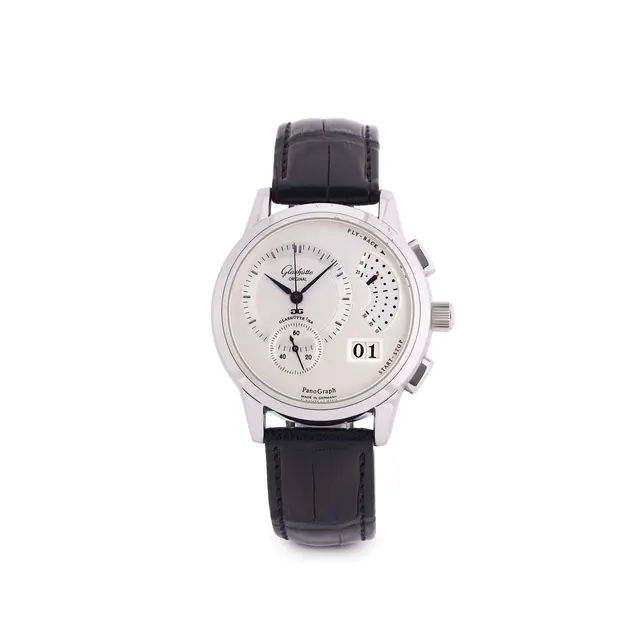
His son Paul Assmann, a partner from 1877, ran the firm after his death. In 1894 it joined the German-American watchmaker Dietrich Gruen in a Glashütte firm, Grün & Assmann, which made high-grade movements for Gruen's watches. The Assmann company did not survive the economic difficulties of the 1920s and closed in the mid-1920s. Glashütte Original's 'Julius Assmann' series of limited editions recalls the name today.
- Country
- Germany
- City / centre
- Glashütte, Saxony
- Founded
- 1852
- Status
- Closed (c. 1925)
- Key people
- Julius Assmann (1827–1886); Paul Assmann (b. 1854)
Innovations & specialities
- Glashütte three-quarter-plate pocket watches with gold chatons and straight-line lever
- An export trade in gold watches to South and Central America
- Co-founder of the German Watchmaking School Glashütte (1878)
Timeline
- 1827Julius Assmann born in Stettin, 2 October
- 1850Joins A. Lange & Cie in Glashütte
- 1852Founds his own firm in Glashütte
- 1865Marries Marie Lange, daughter of F. A. Lange
- 1878German Watchmaking School founded in Glashütte
- 1886Julius Assmann dies, 15 August; son Paul takes over
- 1894Grün & Assmann formed with Dietrich Gruen
- c. 1925Firm closes
Catalogue records naming J. Assmann
Open in the catalogue →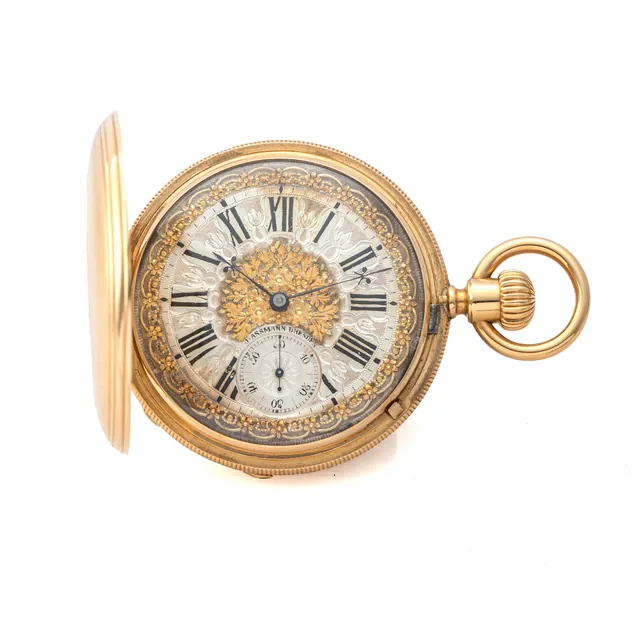
Pocket Watches · c. 1860
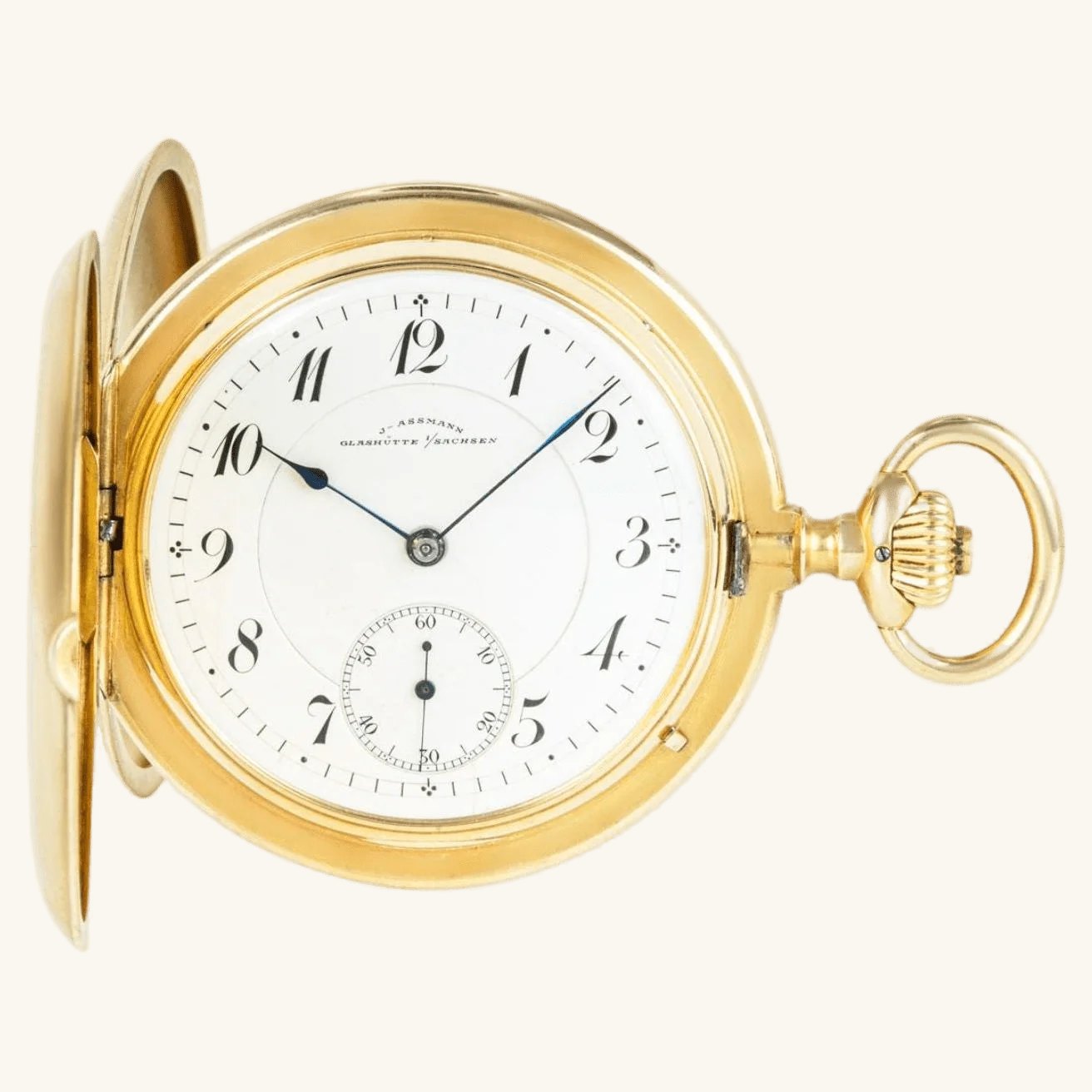
J. Assmann pocket watch, Made for the South American Market, circa 1860
Antiquorum auction archive, Geneva
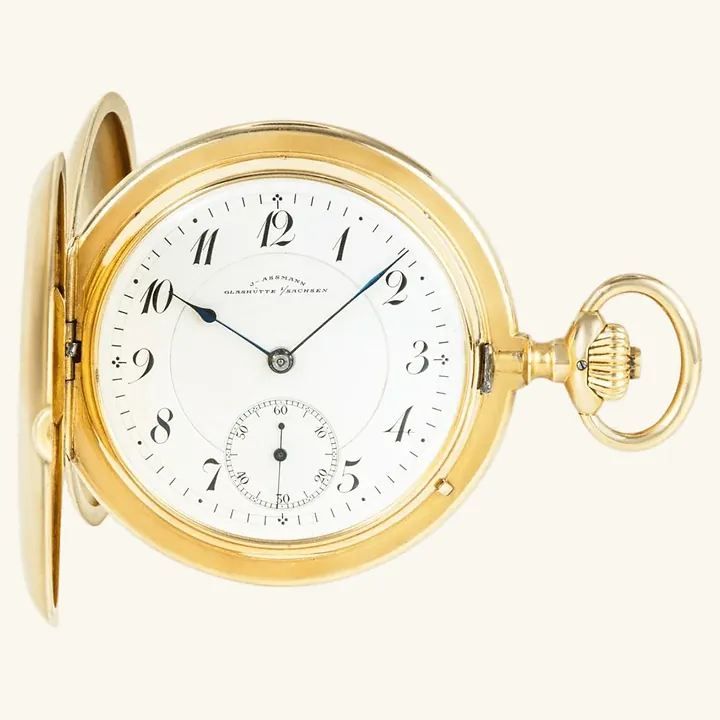
Pocket Watches · c. 1900
J. Assmann Glashutte Lever Pocket Watch, c. 1900
WatchMuseum.org shop
Matched by name in the source catalogues. Attributions are as stated by each holding institution or auction house.
Read and see more
Magazine features
- Glashütte: The History of German Fine Watchmaking, from Lange to Today
How a poor mining town in the Ore Mountains became Germany's watchmaking capital: Ferdinand Adolph Lange's workshop of 1845, the three-quarter plate, the watchmaking school, the observation watches of the Second World War, forty years as the state-owned GUB, and the revival of Lange, Glashütte Original and Nomos after 1990 — told through the watches themselves.