Clockmaking school (made clocks and instruments in its workshops)
Furtwangen Clockmaking School (Großherzoglich Badische Uhrmacherschule)
Also recorded as: Großherzoglich Badische Uhrmacherschule · Grossherzoglich Badische Uhrmacherschule · Staatliche Uhrmacherschule Furtwangen · Uhrmacherschule Furtwangen · Badische Uhrmacherschule
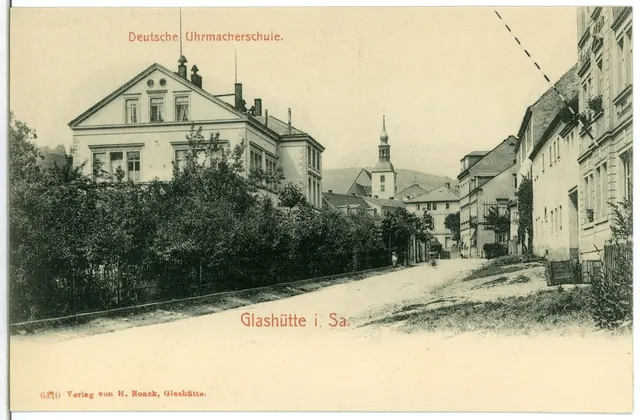
The first German clockmaking school, founded in 1850 by the Grand Duchy of Baden to modernise Black Forest clockmaking.
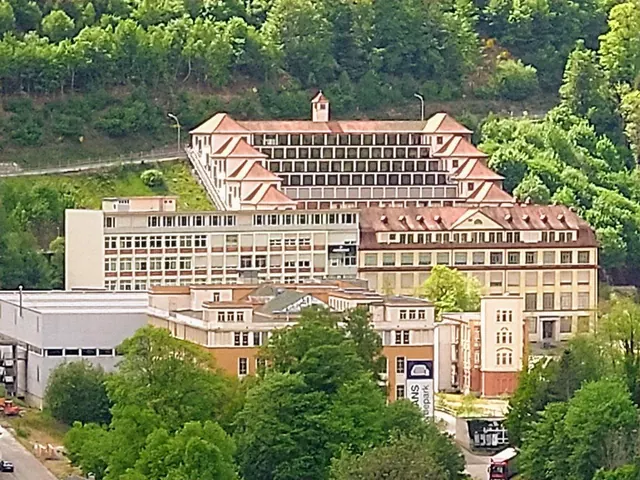
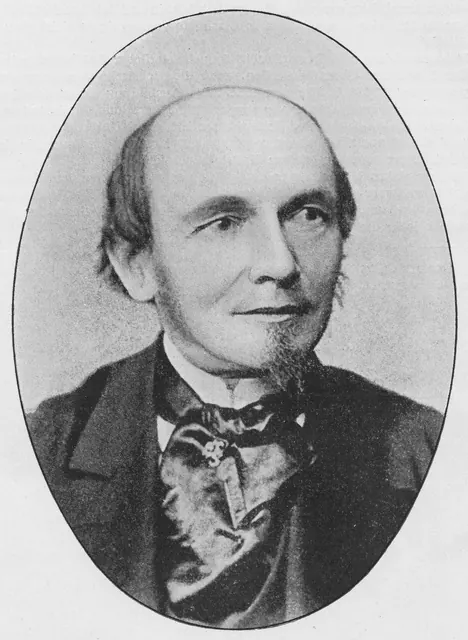
In 1850 the government of the Grand Duchy of Baden set out to help the impoverished upper Black Forest, where many farmers and craftsmen made clocks through the long winters. Commissioned from Karlsruhe, the young engineer Robert Gerwig founded the Grand-Ducal Baden Clockmaking School at Furtwangen, the first such school in Germany, to give its pupils better training and their clocks a better market.
Gerwig also organised a competition in 1850 for new clock case designs. The architect Friedrich Eisenlohr submitted a case based on his designs for the lineside houses of the Baden state railway; this 'Bahnhäusle' clock became the model for the Black Forest cuckoo clock as it has been made ever since. Within two years Gerwig had begun a teaching collection of clocks gathered from across the region, which grew into the Deutsches Uhrenmuseum, today Germany's largest clock collection and part of Furtwangen University, itself a successor of the school.
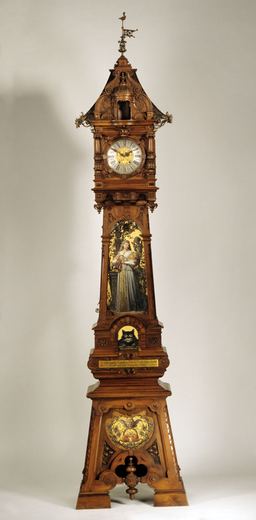
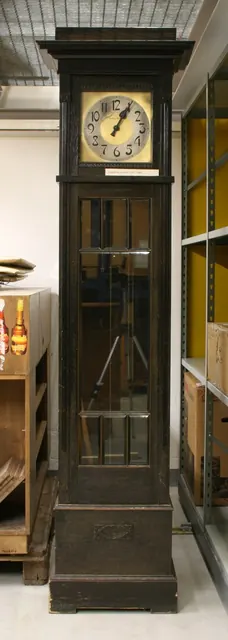
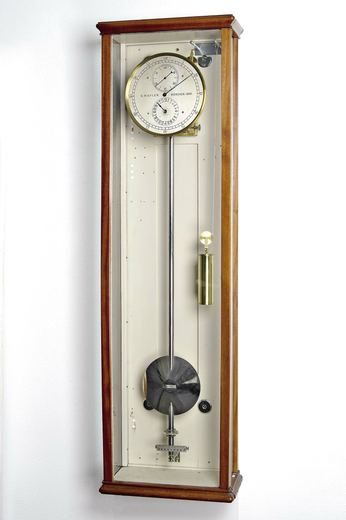
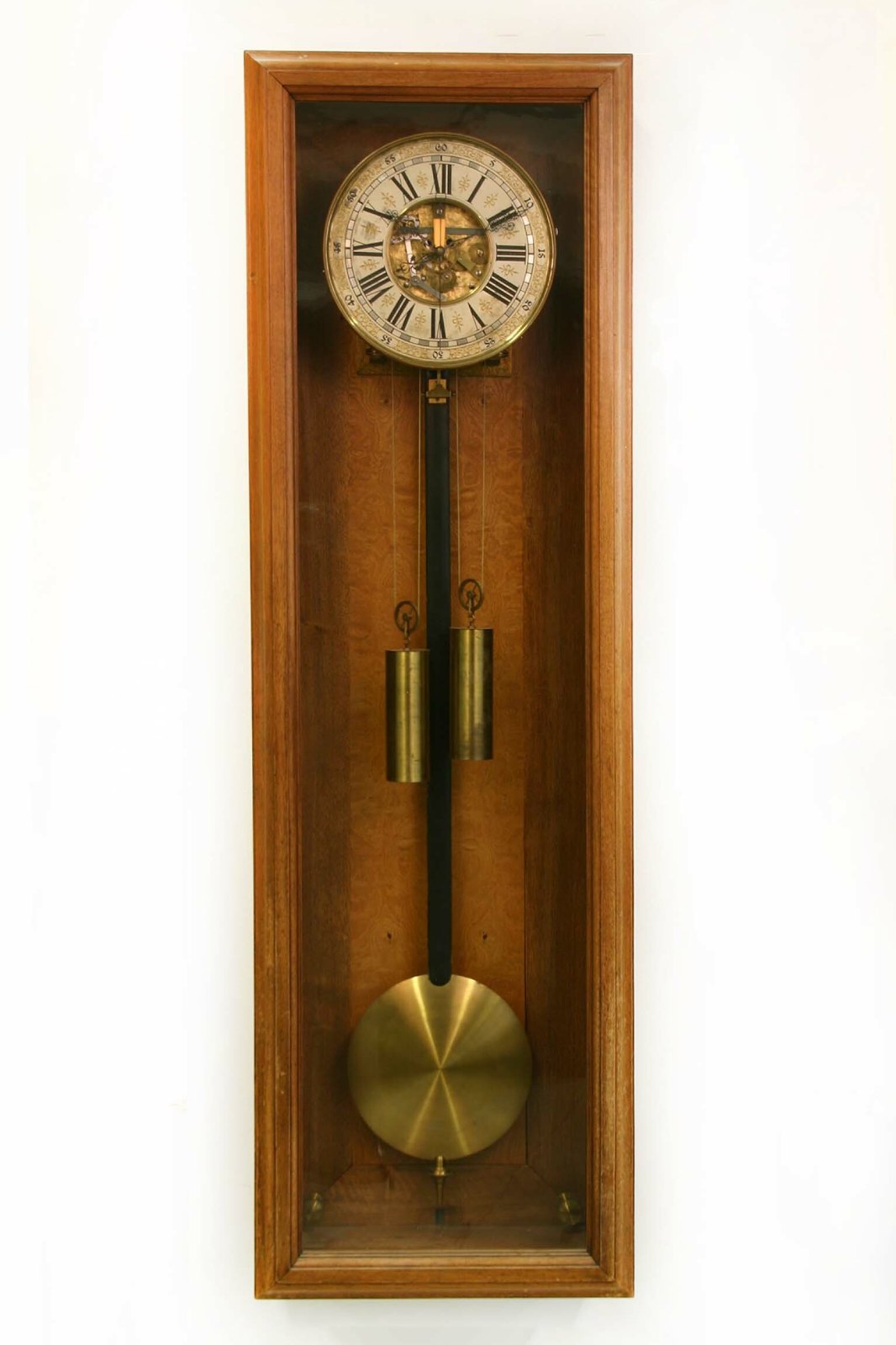
Pupils and teachers made regulators, clocks, watches and instruments in the school's workshops, many of which are now in the museum. From the late 19th century the school added electrical engineering and precision mechanics to its teaching.
Objects made at the school are usually catalogued under its full name, Großherzoglich Badische Uhrmacherschule, and many are now in the Deutsches Uhrenmuseum at Furtwangen, which grew from its teaching collection.
- Country
- Germany
- City / centre
- Furtwangen, Black Forest
- Founded
- 1850
- Status
- Historical institution (successors continue)
- Key people
- Robert Gerwig (founder); Friedrich Eisenlohr (architect, cuckoo case design)
Innovations & specialities
- Formal training of Black Forest clockmakers (from 1850)
- Railway-house ('Bahnhäusle') case of the cuckoo clock (design competition, 1850)
- Teaching collection that became the Deutsches Uhrenmuseum
Timeline
- 1850Founded at Furtwangen by Robert Gerwig for the Grand Duchy of Baden
- 1850Case competition: Friedrich Eisenlohr's railway-house cuckoo clock
- c. 1852Teaching collection begun (later the Deutsches Uhrenmuseum)
- late 19th centuryElectrical engineering and precision mechanics added to the teaching
Works by Furtwangen Clockmaking School (Großherzoglich Badische Uhrmacherschule) in the catalogue
All 21 records →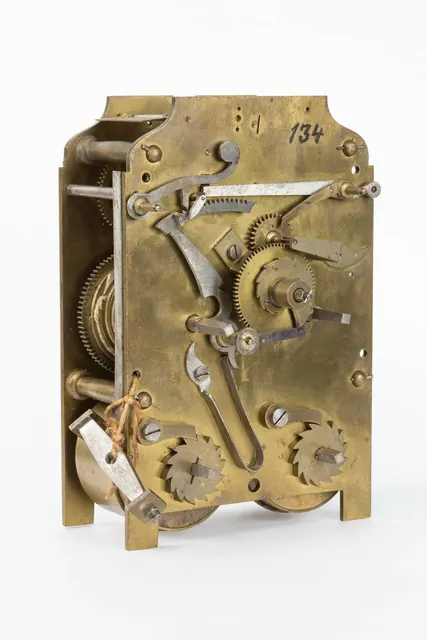
Movements & Components · c. 1852
Clock by Großherzoglich Badische Uhrmacherschule, c. 1852
German Clock Museum
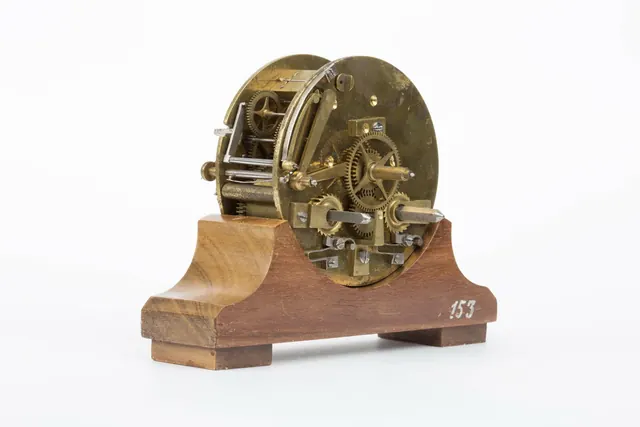
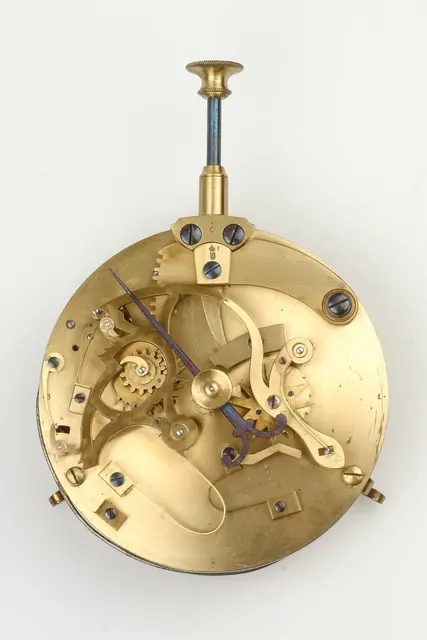
Movements & Components · c. 1852
Clock by Großherzoglich Badische Uhrmacherschule, c. 1852
German Clock Museum
Pocket Watches · 1857
Pocket watch by Großherzoglich Badische Uhrmacherschule, 1857
German Clock Museum
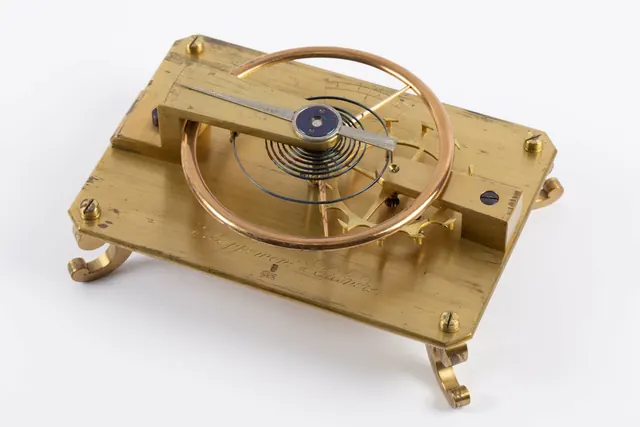
Movements & Components · 1858–1860
Anschauungsmodell für uhrentechnik by Großherzoglich Badische Uhrmacherschule, 1858–1860
German Clock Museum
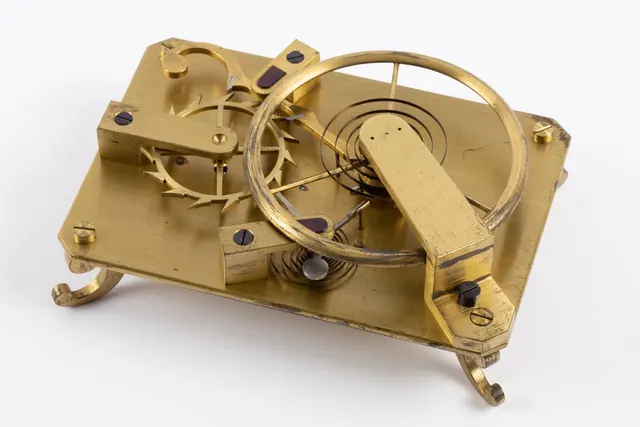
Movements & Components · 1858–1860
Anschauungsmodell für uhrentechnik by Großherzoglich Badische Uhrmacherschule, 1858–1860
German Clock Museum
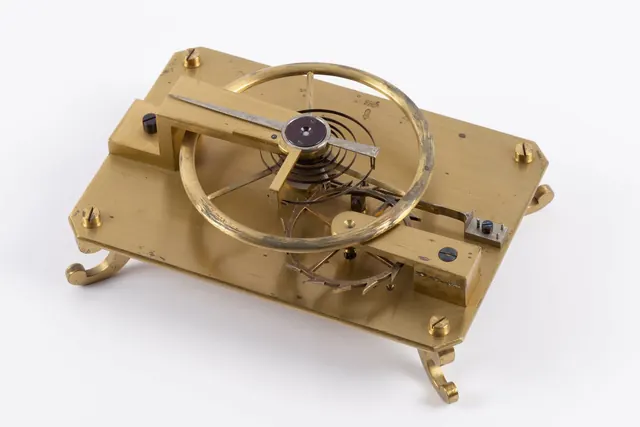
Movements & Components · 1858–1860
Chronometer by Großherzoglich Badische Uhrmacherschule, 1858–1860
German Clock Museum
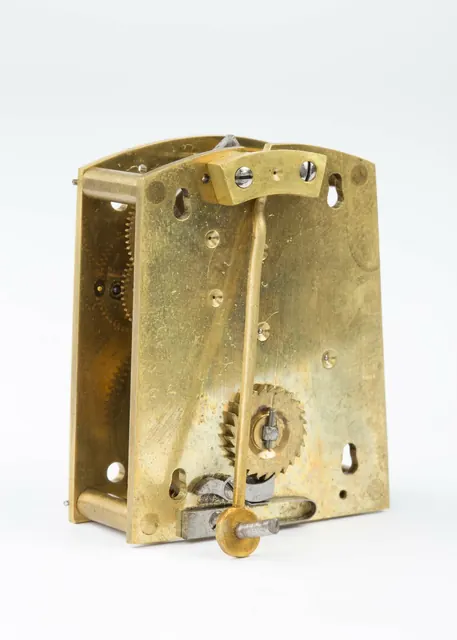
Movements & Components · 1860
Clock movement by Großherzoglich Badische Uhrmacherschule, 1860
German Clock Museum
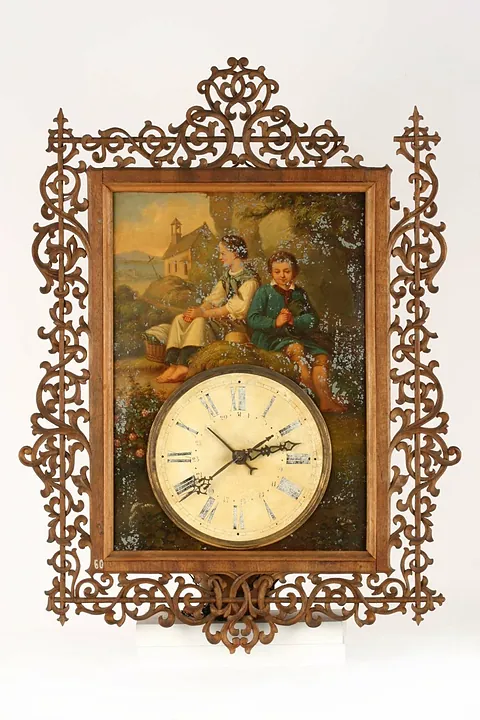
Clocks · 1861
Wall clock by Heinrich Frank, Germany, 1861
German Clock Museum
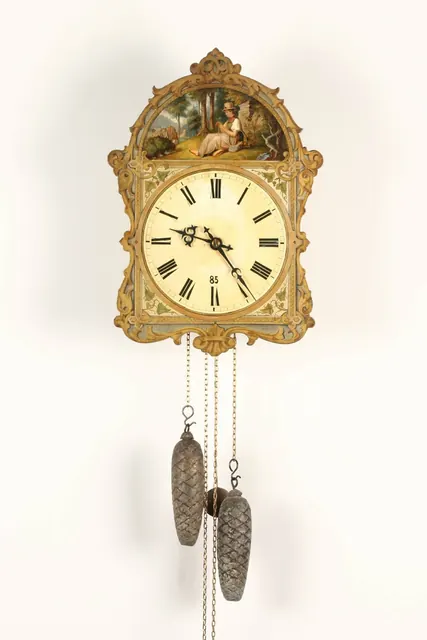
Clocks · 1862
Wall clock by Großherzoglich Badische Uhrmacherschule, Germany, 1862
German Clock Museum
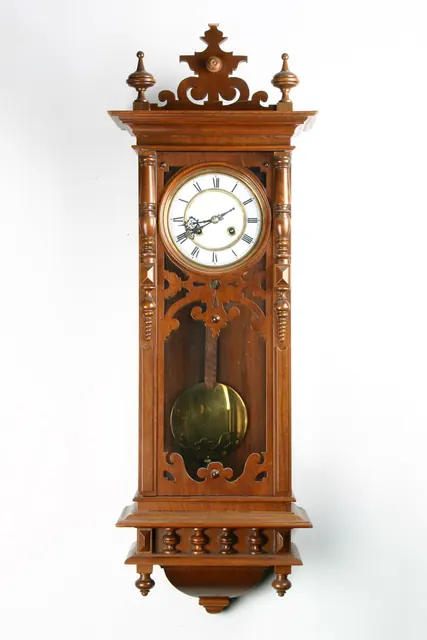
Clocks · 1895
Regulator by Franz Xaver Wehrle (II), 1895
German Clock Museum
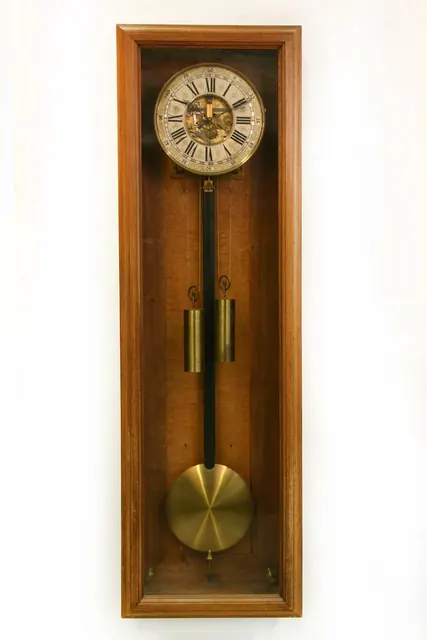
Clocks · c. 1900
Regulator by Großherzoglich Badische Uhrmacherschule, c. 1900
German Clock Museum
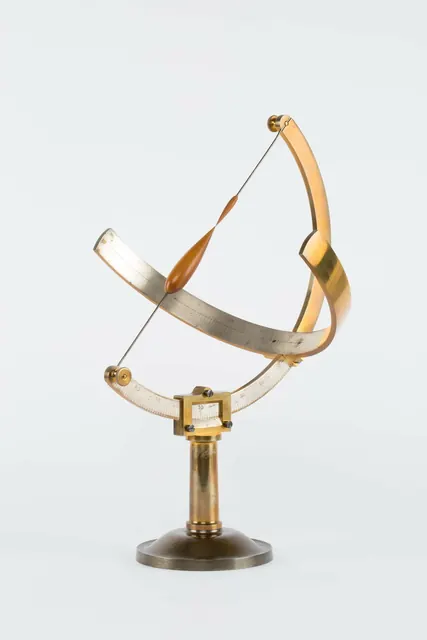
Instruments · c. 1900
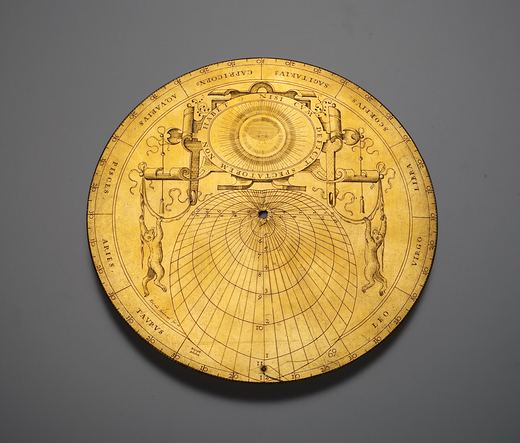
Sundial by Großherzoglich Badische Uhrmacherschule, c. 1900
German Clock Museum
Linked through the Atlas maker authority list, which reconciles the spellings used by different institutions. Attributions are as stated by each holding institution or auction house.
Read and see more
Magazine features
- Old Clock Brands: How to Identify the Maker of an Antique or Vintage Clock
Seth Thomas, Ansonia, Ingraham, Junghans, Gustav Becker, Kienzle, Japy, Smiths, Jaeger-LeCoultre — the clock makers whose names turn up most often on mantelpieces, in attics and at auction, where they worked, what they made, and where to look on a clock for the marks that identify it.
- The Cuckoo Clock: A History of the Black Forest Clock, from Wooden Wheels to the Railway House
Who invented the cuckoo clock, why it is German rather than Swiss, how the two-note call is made, and how to date one — told through painted shield clocks, automata and carved hunting pieces in the collections of the German Clock Museum in Furtwangen and other museums.
Where to see related work
- Deutsches Uhrenmuseum Furtwangen
Furtwangen, Germany
Listed because the directory entry names Furtwangen Clockmaking School (Großherzoglich Badische Uhrmacherschule); displays change, so check with the institution before visiting.