
Chinese horology
Chinese astronomers built water-driven astronomical clocks with escapement-like linkages centuries before Europe; the Qing court later collected and made European-style clocks.
CentresKaifeng · Chang'an (Xi'an) · Beijing (palace workshops) · Guangzhou (Canton)
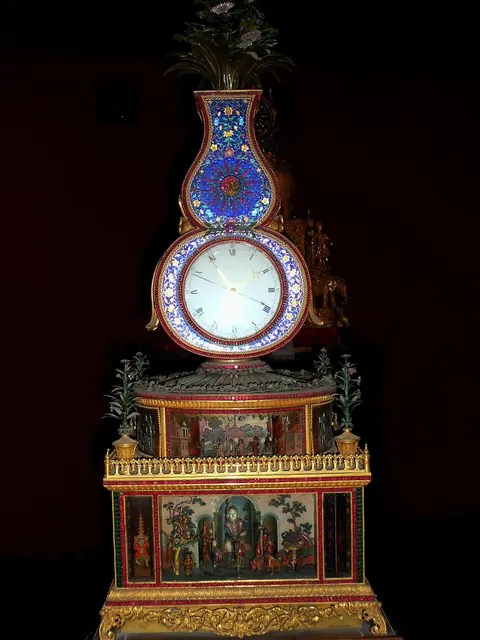
Water-driven astronomy
Imperial astronomers needed to keep calendar and celestial observations in step. Yi Xing and Liang Lingzan's water-driven armillary of 725 used an early escapement-like linkage, and Zhang Sixun's mercury-driven clock tower followed in 976.
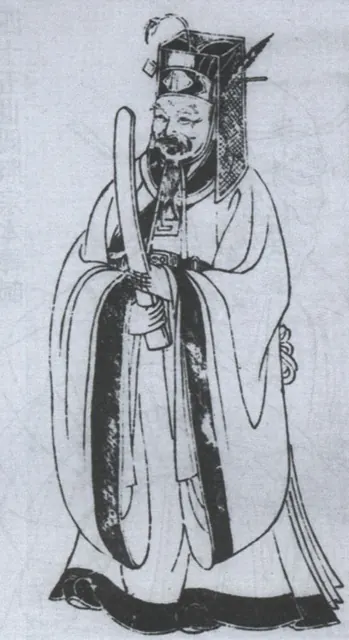
Su Song's tower
Completed in Kaifeng in 1088–1092 and described in the Xin Yixiang Fayao, Su Song's astronomical clock tower combined an armillary sphere, a celestial globe and time-announcing jacks, driven by a water wheel controlled by a steelyard-and-linkwork escapement. Joseph Needham's Heavenly Clockwork (1960) brought it to wide attention.
Clocks at the Qing court
Jesuit missionaries such as Matteo Ricci, who presented clocks to the Wanli Emperor in 1601, introduced European mechanical clocks. The Qing emperors established palace workshops, and Guangzhou workshops produced elaborate automaton clocks, while English makers exported 'sing-songs' to China.
Timeline
- 725Yi Xing and Liang Lingzan build a water-driven armillary sphere with an early escapement-like linkage
- 976Zhang Sixun builds a mercury-driven astronomical clock tower
- 1088–1092Su Song's astronomical clock tower completed in Kaifeng — Su Song's Astronomical Clock Tower
- 1601Matteo Ricci presents European clocks to the Wanli Emperor in Beijing
Makers
From the catalogue
30 records · China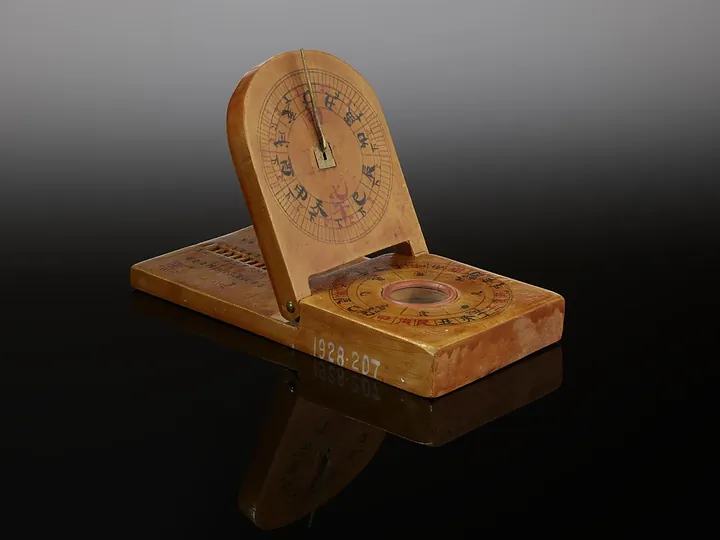
Instruments · 1770–1880
Sundial, China, 1770–1880
Science Museum Group, London
Clocks · c. 1800
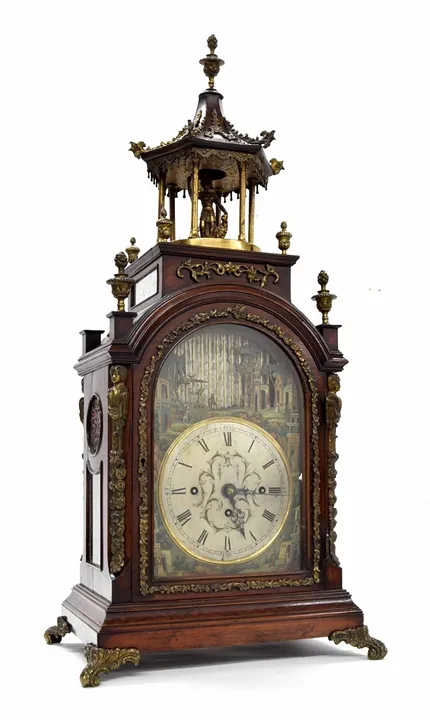
Chinese gilt mounted rosewood quarter striking musical automaton table clock, circa 1800
Gardiner Houlgate (auction house), Corsham
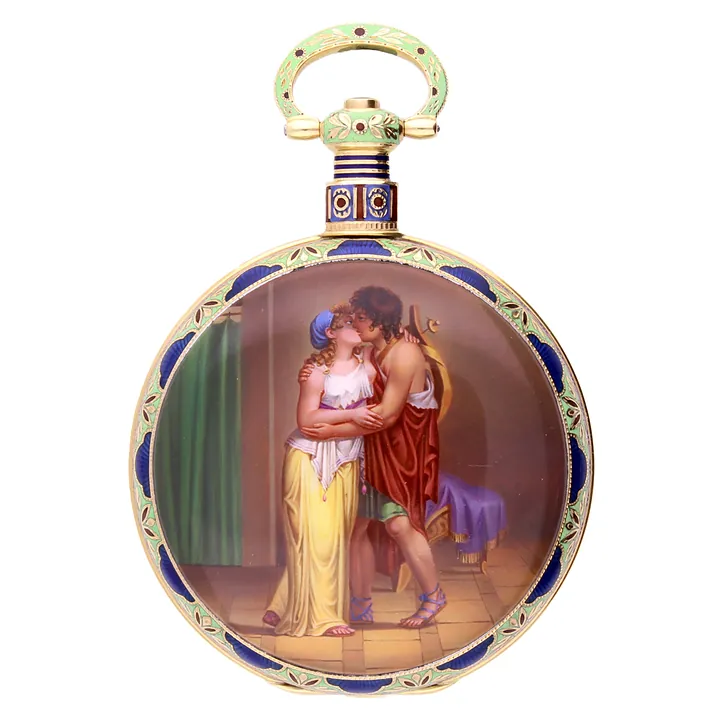
Pocket Watches · 1820
18ct yellow gold & Enamel Moser & Cie Chinese duplex watch with enamel scene attributed to Dupont - 'Apollo's Embrace', 1820
Somlo Antiques (dealer), London
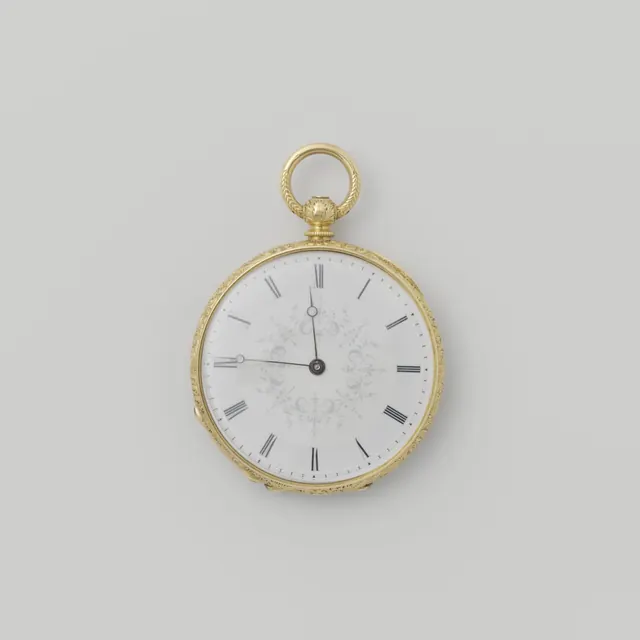
Pocket Watches · c. 1850 - c. 1875
Women's Watch with Chinese Landscapes
Rijksmuseum
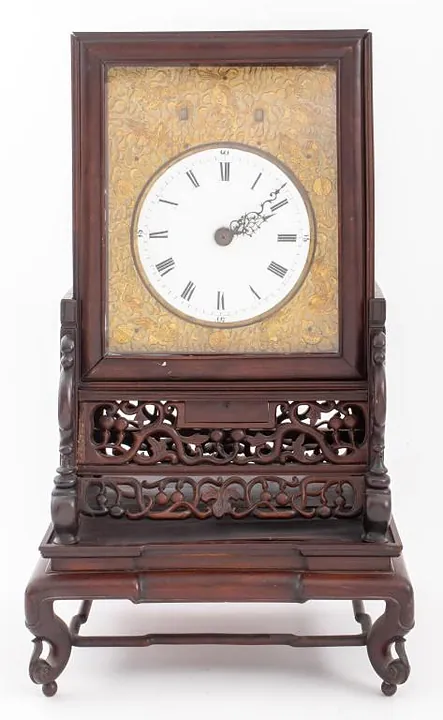
Clocks · c. 1860
Chinese Qing Dynasty Export Mantel Clock, c. 1860
LiveAuctioneers auction archive
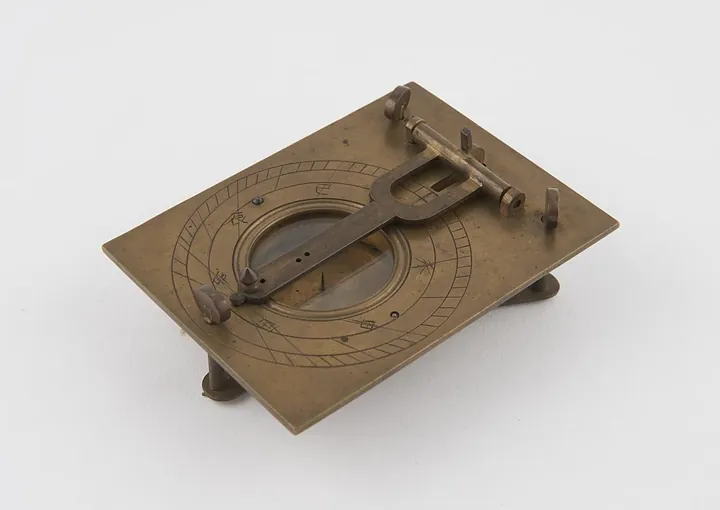
Instruments · 1880–1910
Brass compass with sundial pointer, clamp to secure instrument, Chinese, 1880–1910 (Sir Henry William Peek Collection).
Science Museum Group, London
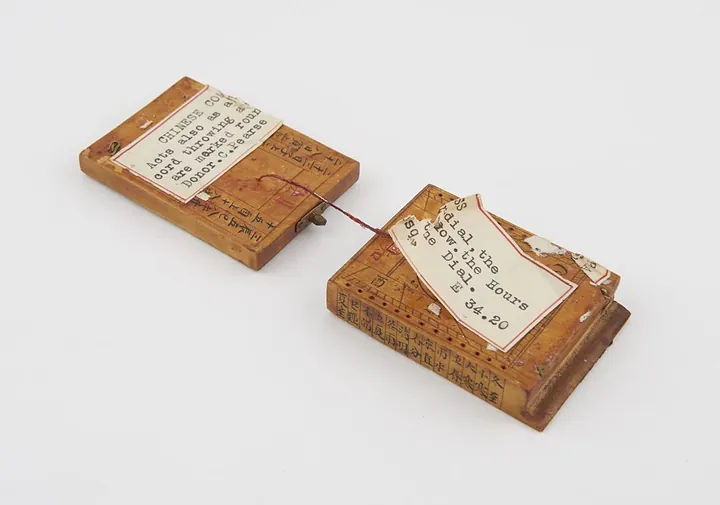
Instruments · 1880–1920
Compass and sundial, two hinged wooden blocks, compass needle set into one, covered with glass windows, painted with Chinese characters, Chinese, 1880–1920
Science Museum Group, London
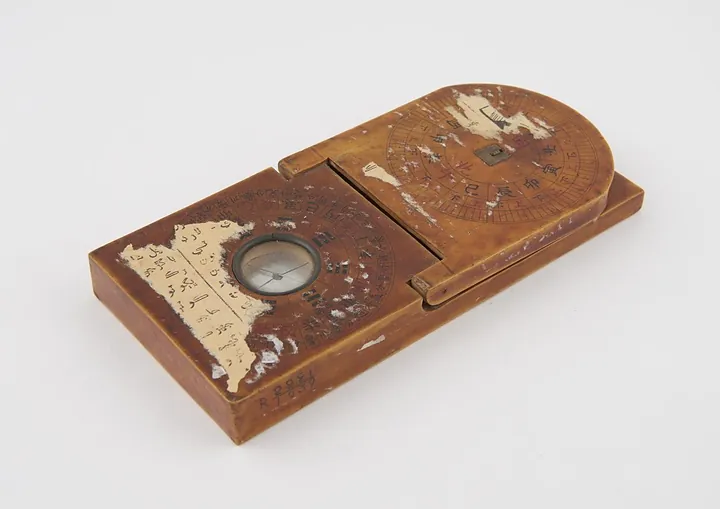
Instruments · 1880–1910
Sundial and compass, on rectangular wooden base, varnished and polished with Chinese characters, Chinese, 1880–1910
Science Museum Group, London
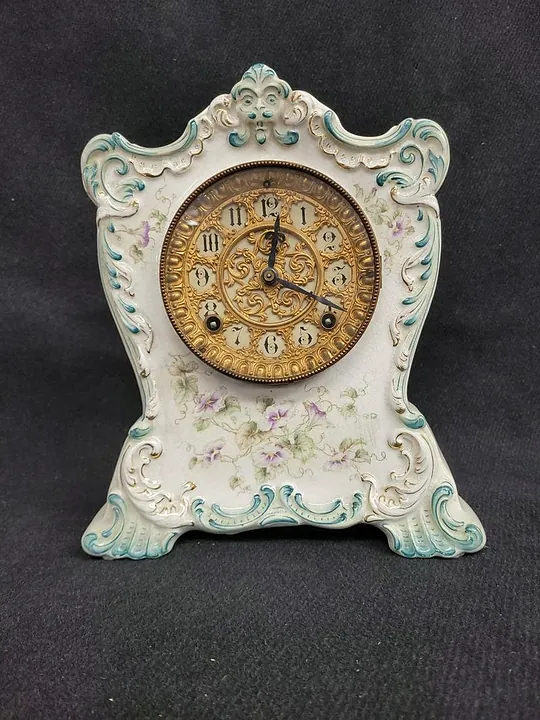
Clocks · c. 1900
Signed Ansonia Clock Co. China Case Clock with floral décor and fancy brass dial, c. 1900
LiveAuctioneers auction archive
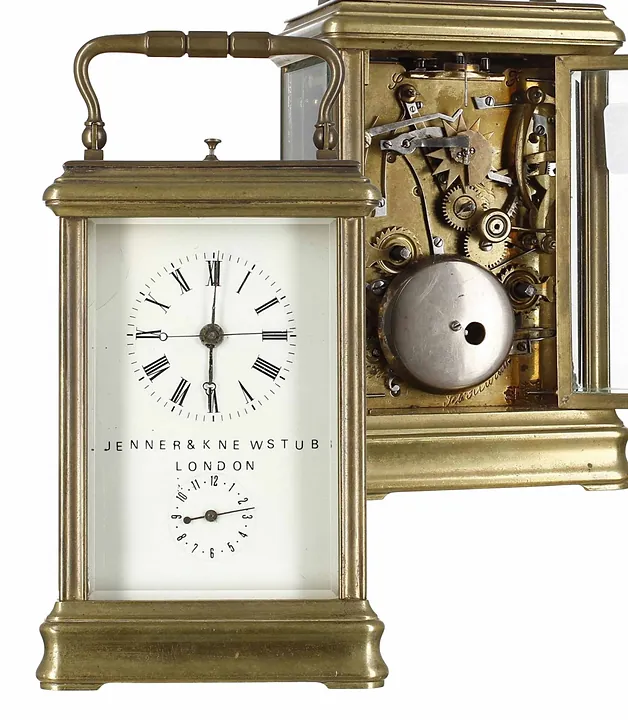
Clocks · Early 20th century
Early 20th century Chinese repeater carriage clock with alarm signed and made by Heng Da Li
Gardiner Houlgate (auction house), Corsham
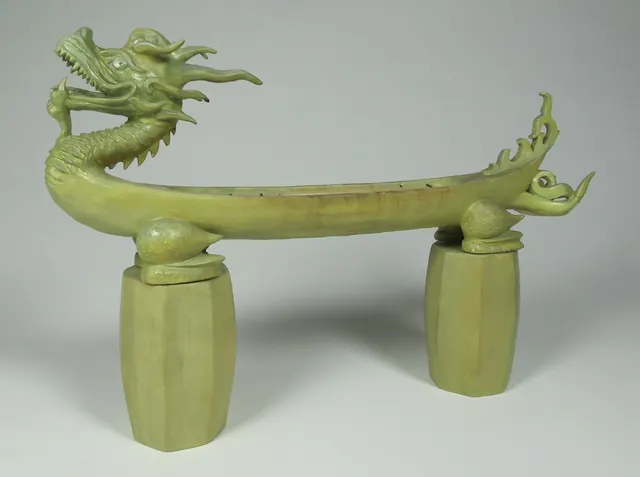
Instruments · 1959
Fire Clock Replica - Dragon, Chinese, 1959
Museums Victoria, Melbourne
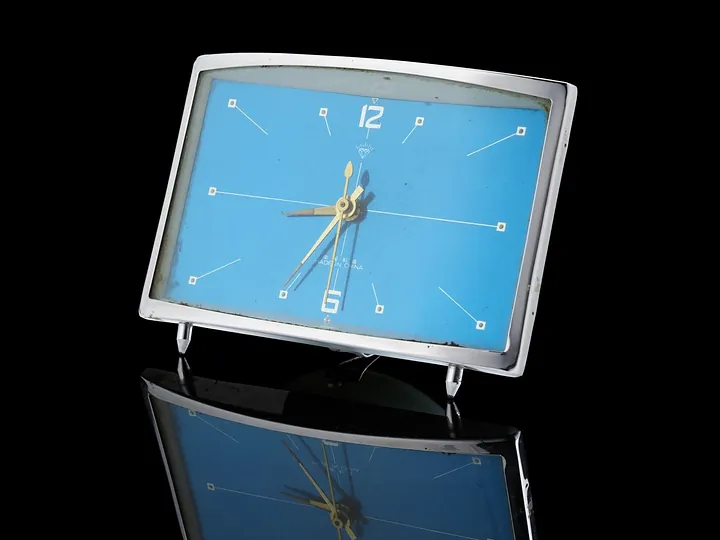
Clocks · 1970–1975
Alarm clock by Shanghai Stopwatch Factory, China, 1970–1975
Science Museum Group, London