
Japanese horology
Japan adapted European clocks to temporal hours in the Edo period, industrialised in the Meiji era and led the quartz revolution.
CentresKyoto and Edo (Tokyo) · Suwa (Nagano) · Tokyo (Seikosha, Citizen) · Osaka
Wadokei
Mechanical clocks arrived with Jesuit missionaries in the 16th century. Because Japan divided day and night into six hours each whose length varied with the season, clockmakers developed wadokei with adjustable foliots, movable hour plates and, later, double foliots that switched automatically at dawn and dusk.
Meiji industrialisation
Japan adopted equal hours with the Gregorian calendar in 1873. Kintarō Hattori opened a watch shop in Tokyo in 1881 and founded the Seikosha factory in 1892; Seikosha's Laurel (1913) was the first Japanese wristwatch. Citizen grew from the Shokosha Watch Research Institute of 1918.
The quartz revolution
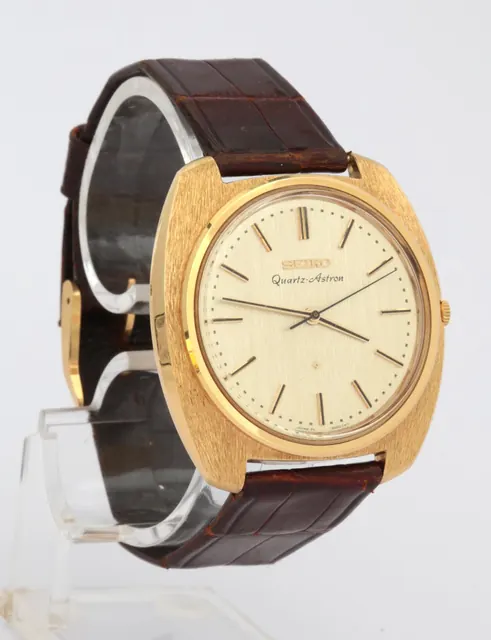
Seiko's Quartz Astron of December 1969 was the first quartz wristwatch sold to the public. Japanese firms led the mass production of quartz analogue and digital watches in the 1970s and introduced solar (1976), kinetic (1988) and Spring Drive (1999) technologies.
Timeline
- 1551Francis Xavier presents a mechanical clock to the daimyo Ōuchi Yoshitaka in Japan
- 17th c.Japanese clockmakers adapt mechanical clocks to unequal temporal hours (wadokei)
- 1881Kintarō Hattori opens his watch shop in Tokyo, origin of Seiko — Seiko
- 1913Seikosha's Laurel, the first wristwatch made in Japan — Seiko
- 1969Seiko Quartz Astron released — Seiko Quartz Astron 35SQ
- 1973Seiko 06LC, a six-digit liquid-crystal digital watch — Seiko
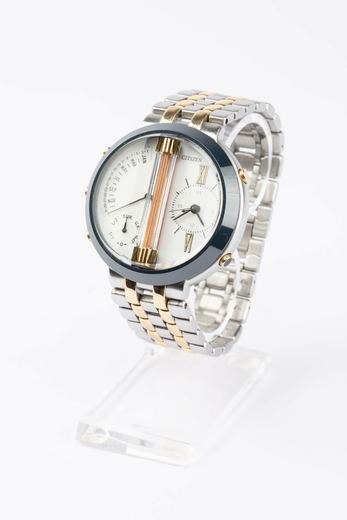
- 1976Citizen's first light-powered analogue quartz watch — Citizen
- 1988Seiko's kinetic (AGS) watch charges a quartz movement with a rotor — Seiko
- 1999Seiko Spring Drive regulates a mainspring-driven watch with a quartz reference — Seiko
Makers
From the catalogue
226 records · Japan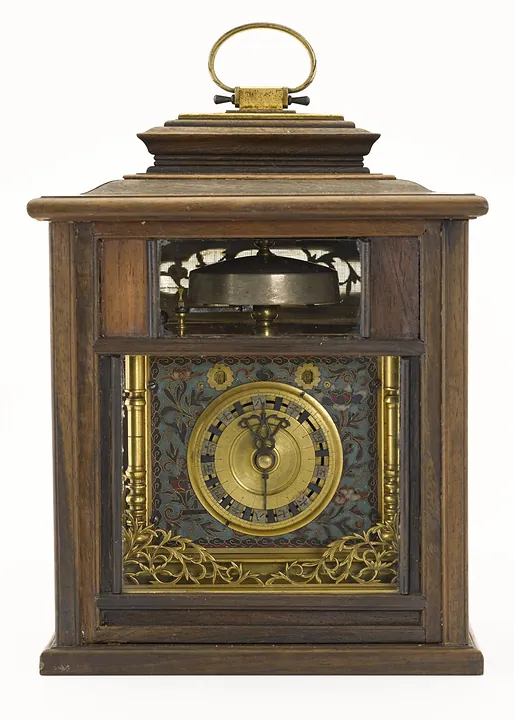
Clocks · 1600–1800
Japanese Clock
Science Museum Group, London
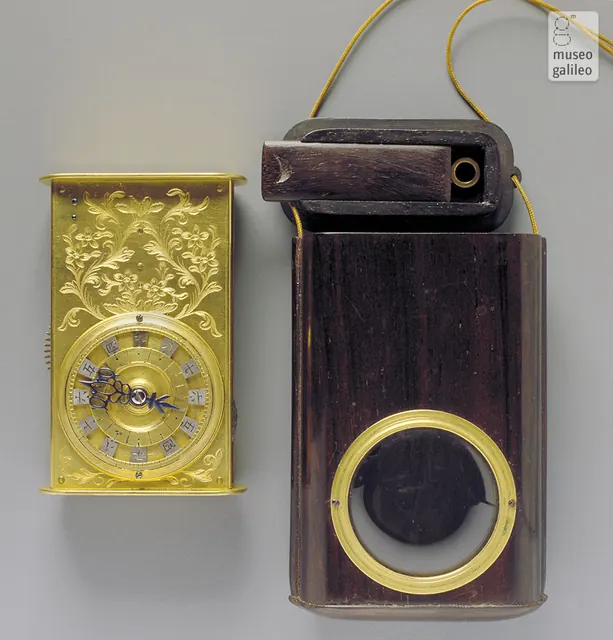
Pocket Watches · mid-19th century
Japanese watch, Japan, mid-19th century
Museo Galileo, Florence
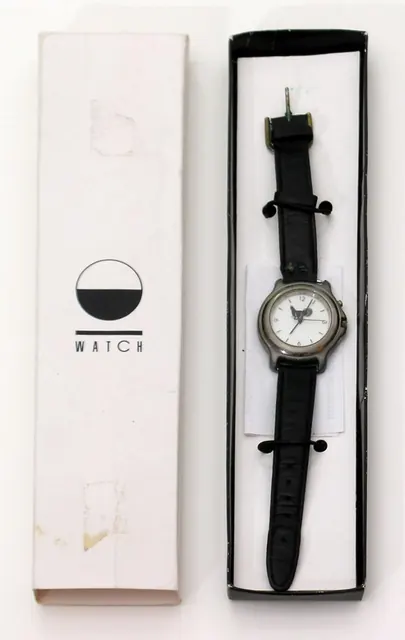
Wristwatches · 1960s–1980s
Wristwatch, Japan, 1960s–1980s
Suomen Metsästysmuseo
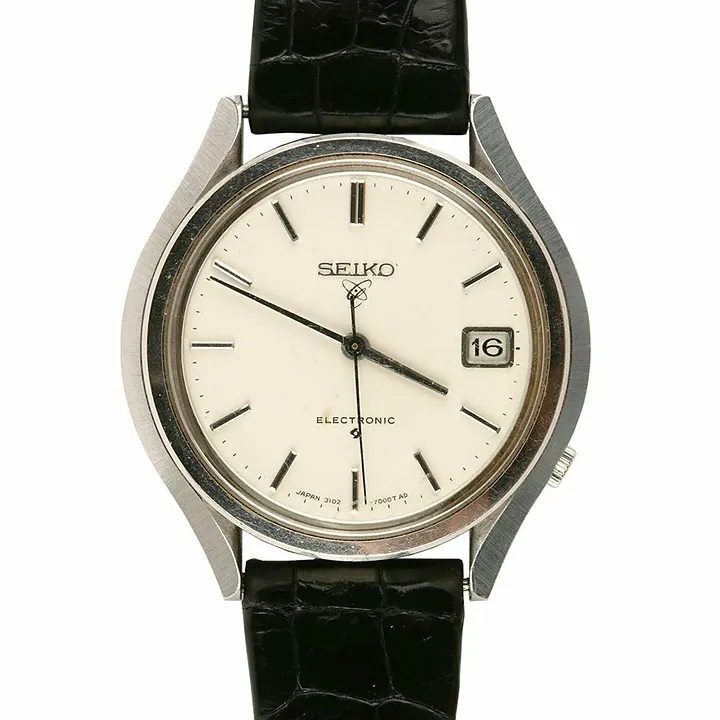
Wristwatches · 1968
Wristwatch, Japan, 1968
German Clock Museum
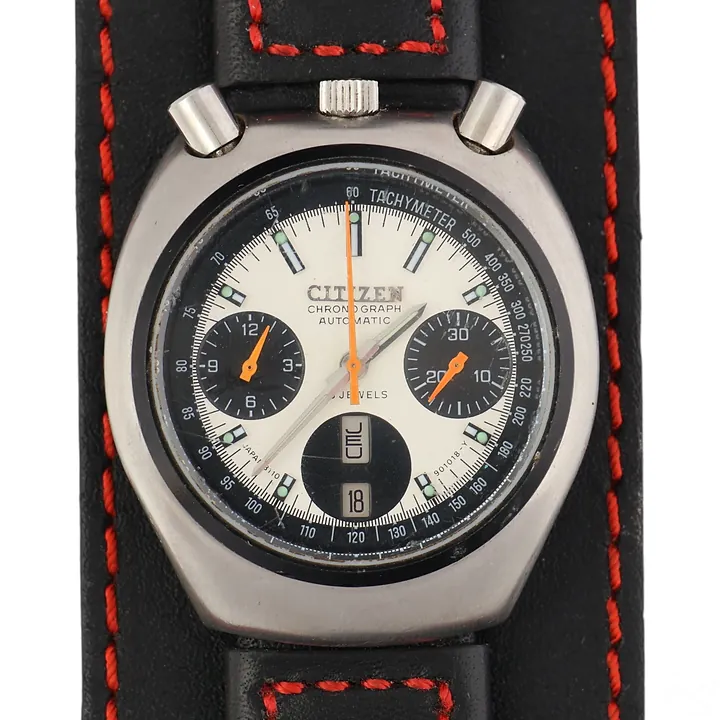
Wristwatches · c. 1970
Citizen Bullhead Panda Automatic Chronograph Watch, c. 1970
LiveAuctioneers auction archive
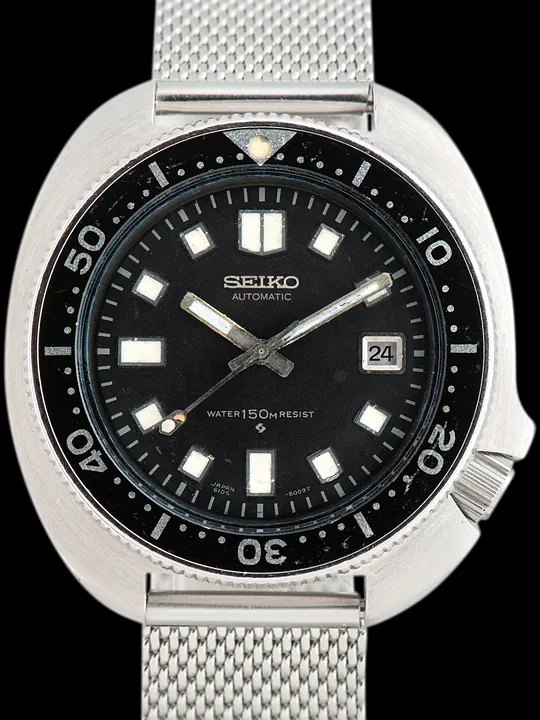
Wristwatches · 1971
Seiko Diver (Ref. 6105-8119) "Captain Willard", 1971
Craft & Tailored (dealer), Los Angeles
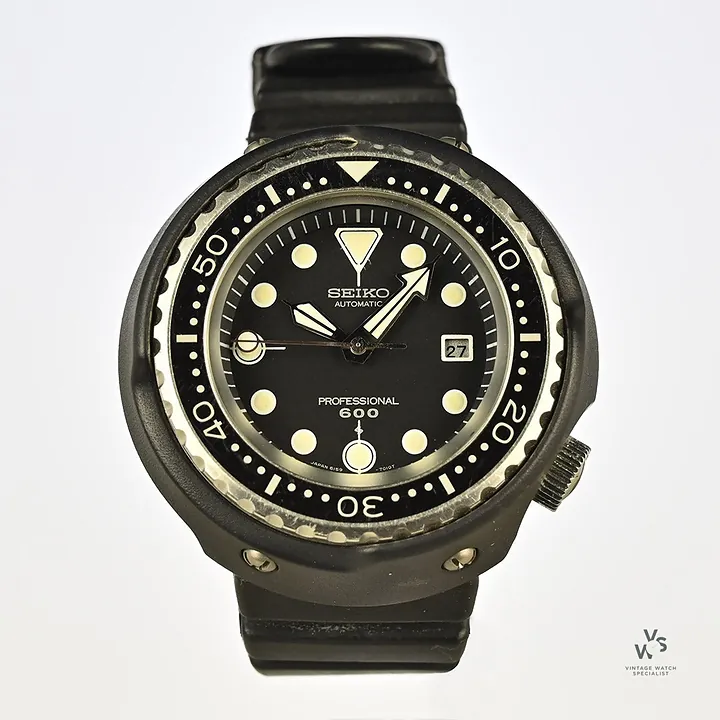
Wristwatches · c. 1975
Seiko Grandfather Tuna Professional 600 Diver Titanium, ref. 6159-7010, circa 1975
Vintage Watch Specialist (dealer), United Kingdom
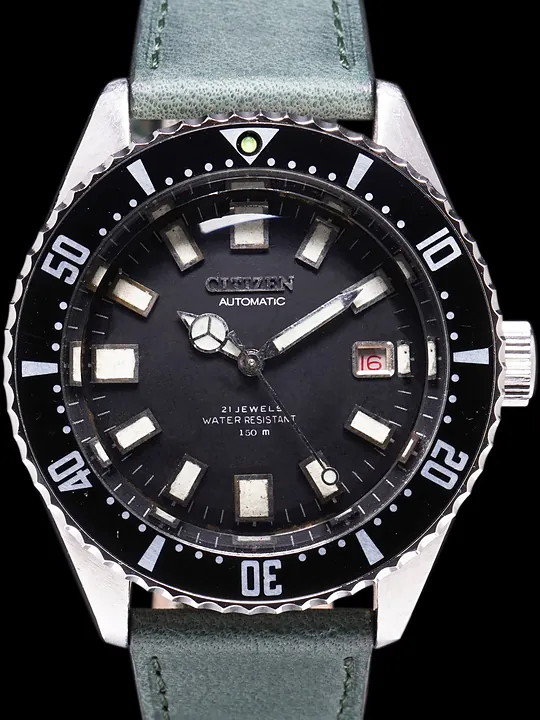
Wristwatches · 1978
Citizen Military Dive Watch (Ref. 52-0110), 1978
Craft & Tailored (dealer), Los Angeles
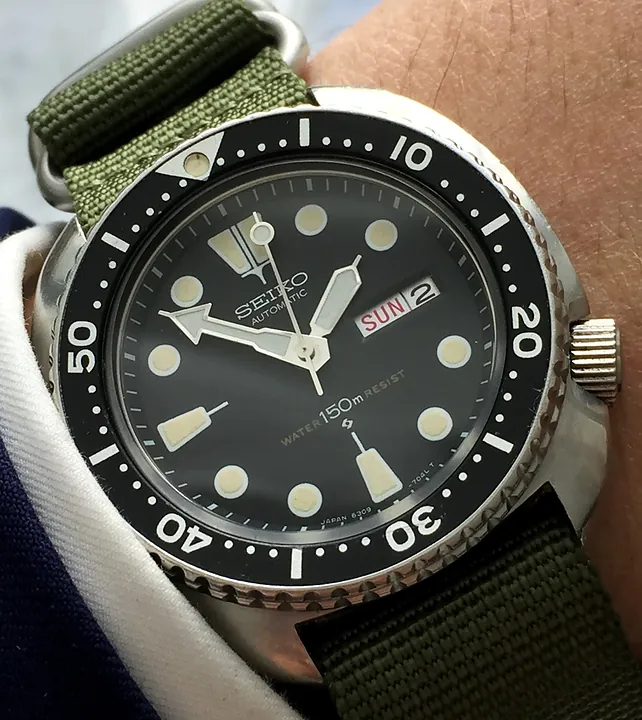
Wristwatches · 1987
Seiko Turtle Unrefurbished Tritium Dial -7040, ref. 6309, 1987
Vintage Portfolio (dealer), Vienna
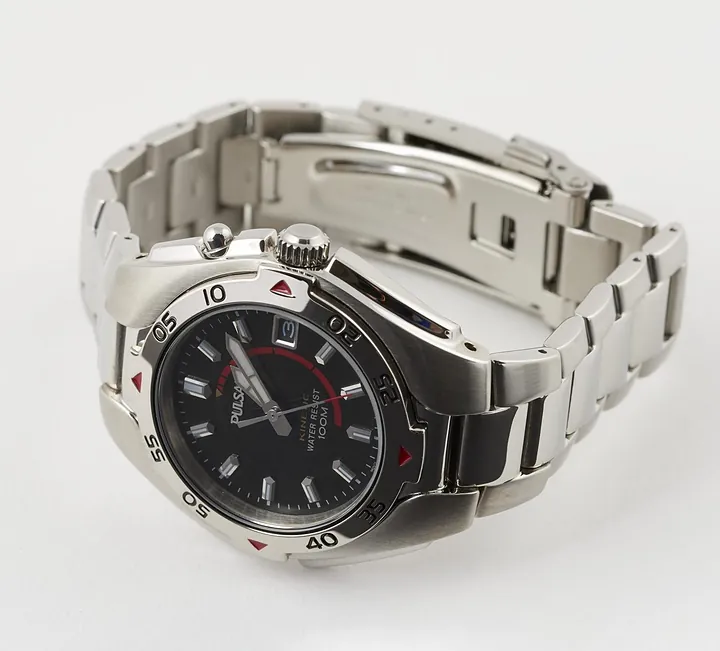
Wristwatches · 2000
Wristwatch by Pulsar, Japan, 2000
Science Museum Group, London
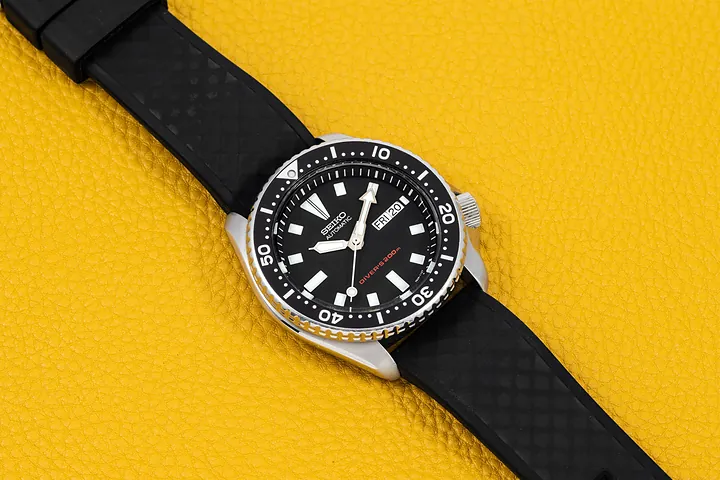
Wristwatches · c. 2015
Seiko SKX Diver, c. 2015
Analog/Shift (dealer), New York
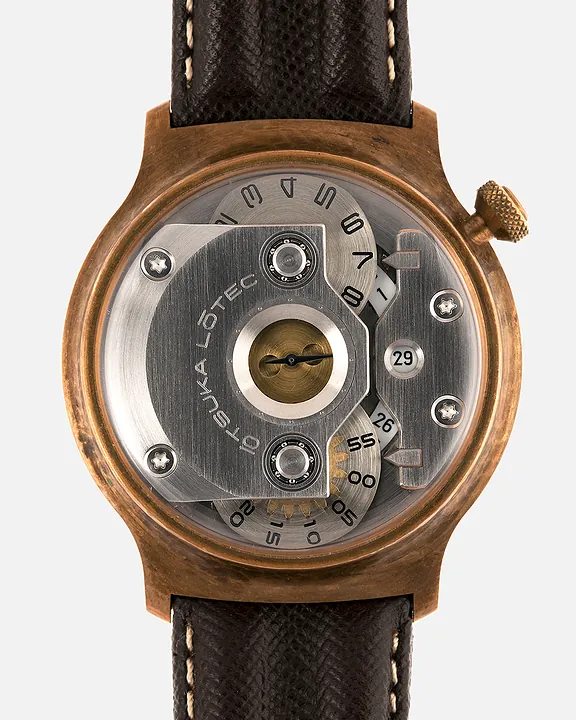
Wristwatches · 2020
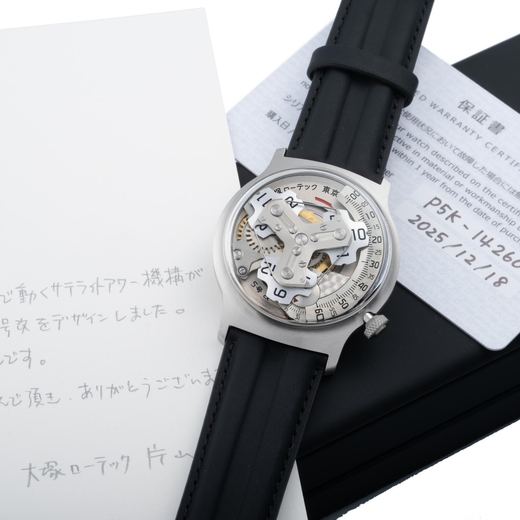
Otsuka Lotec Model No. 5 Bronze R-1 Reiwa, 2020
S.Song Watches (dealer), Seattle