Museum
Matsumoto City Timepiece Museum
Matsumoto, Japan
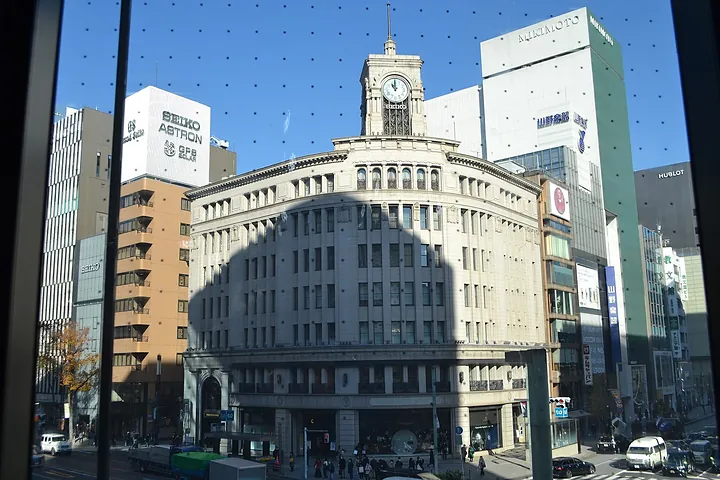
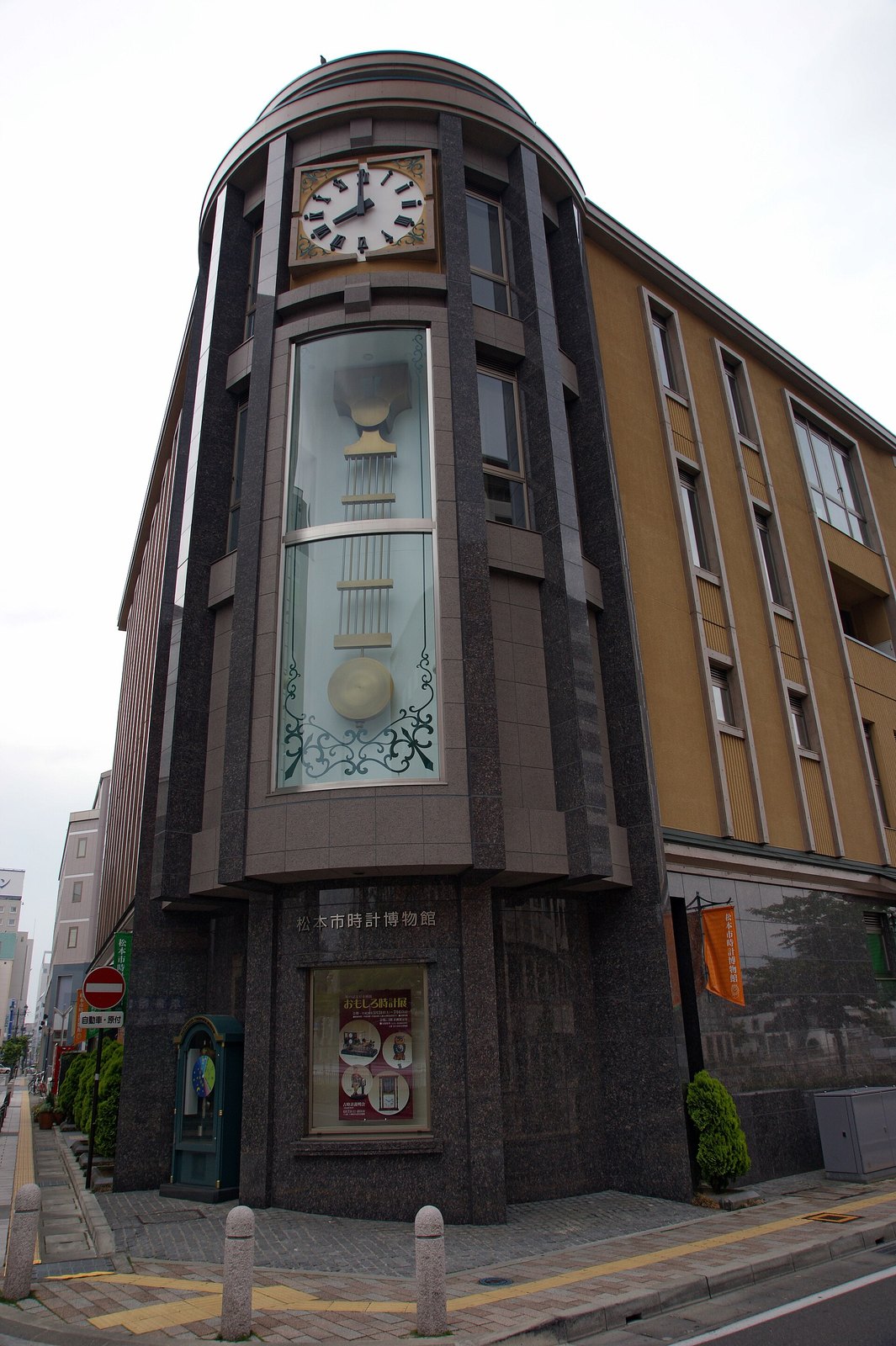
Chikazo Honda's antique clock collection, displayed with many timepieces running; a large exterior pendulum clock marks the building in central Matsumoto.
Clock researcher and technician Chikazo Honda donated his collection to Matsumoto in 1974. It was first displayed in existing city facilities before a dedicated museum opened in 2002. The museum continues his emphasis on working clocks, making their movement and sound part of the exhibition rather than presenting every object as a silent artefact.
- Type
- Museum
- Location
- Matsumoto, Japan
- Founded
- 2002
- Specialities
- Working antique clocks · Clock conservation · Sound and mechanical motion
Opening hours, admission and accessibility change; please check the official website before visiting.
Why it matters for horology
Matsumoto makes the working state of a clock a central part of its interpretation. Honda's belief that clocks should be experienced in motion underlies the museum's display of around 110 timepieces, many kept running where possible. Seeing a pendulum swing or hearing a strike can reveal a function that a static photograph cannot, but operation also requires maintenance and conservation decisions. A running exhibit is not evidence that every part is original or that its measured rate matches its historical performance. The collection's public history began with Honda's 1974 donation, well before the dedicated museum building opened in 2002. The large clock outside is a modern architectural landmark; it should not be confused with an antique clock from the collection inside.
Specialities
- Working antique clocks
- Clock conservation
- Sound and mechanical motion
What to look for
- Clocks in motion
- Watch the regulator and listen for a steady beat. Compare ticking, striking and chiming as separate actions, and consult labels for the dates and origins of individual exhibits.
- Honda's legacy
- The donation and later additions explain how a private study collection became a municipal museum. Distinguish the collector's biography from the production history of each clock.
- Exterior pendulum clock
- The large clock marks the museum on the walking route through central Matsumoto. Compare its role as a public landmark with the smaller domestic timekeepers in the galleries.
Regional tradition
Japanese horologyJapan adapted European clocks to temporal hours in the Edo period, industrialised in the Meiji era and led the quartz revolution.Makers from Japan in the Atlas
From the catalogue: Japanese horology
226 records →These records come from other collections and dealers, not from Matsumoto City Timepiece Museum; they show the kind of objects this institution's field covers.
Clocks · 1600–1800
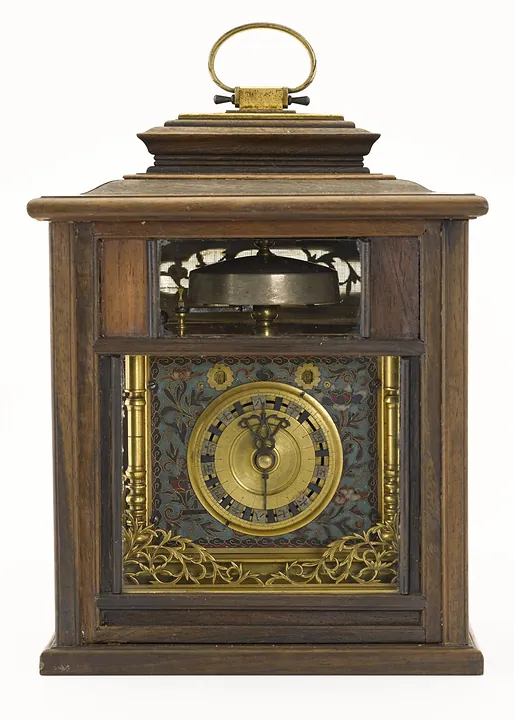
Japanese Clock
Science Museum Group, London
Pocket Watches · mid-19th century
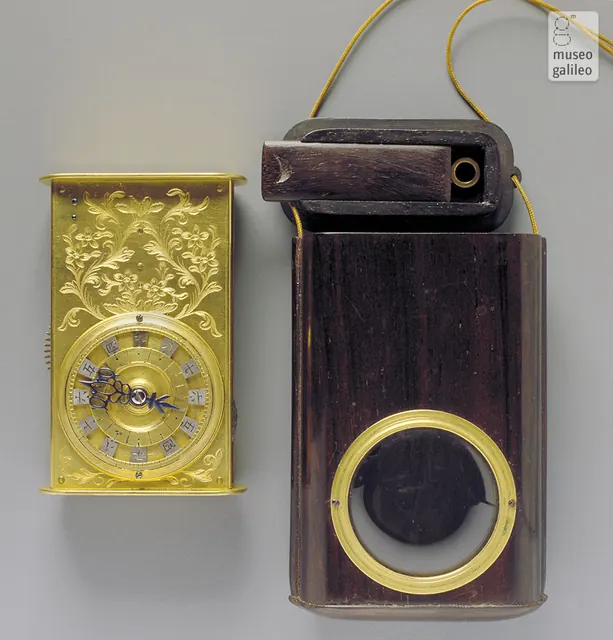
Japanese watch, Japan, mid-19th century
Museo Galileo, Florence
Wristwatches · 1960s–1980s
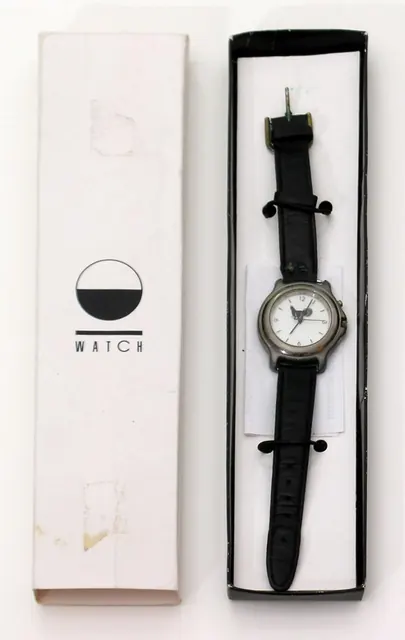
Wristwatch, Japan, 1960s–1980s
Suomen Metsästysmuseo
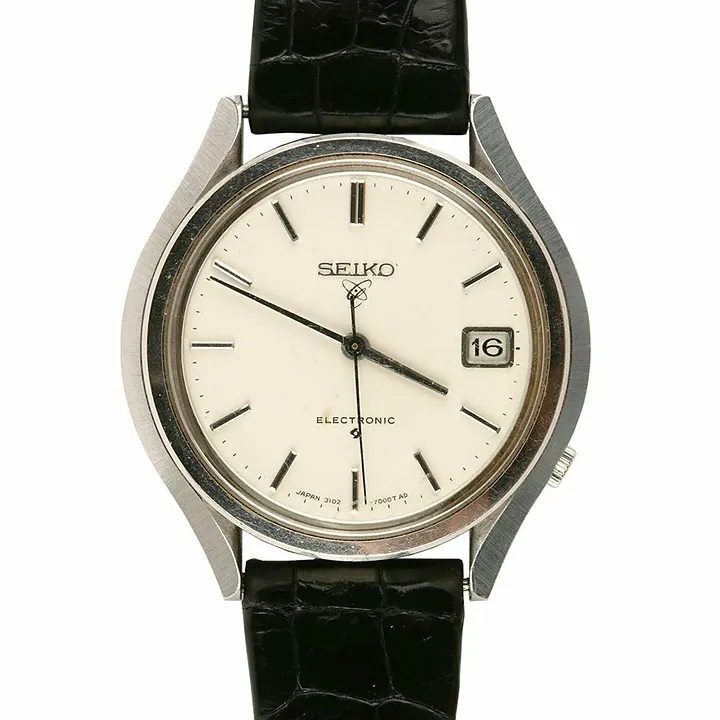
Wristwatches · 1968
Wristwatch, Japan, 1968
German Clock Museum
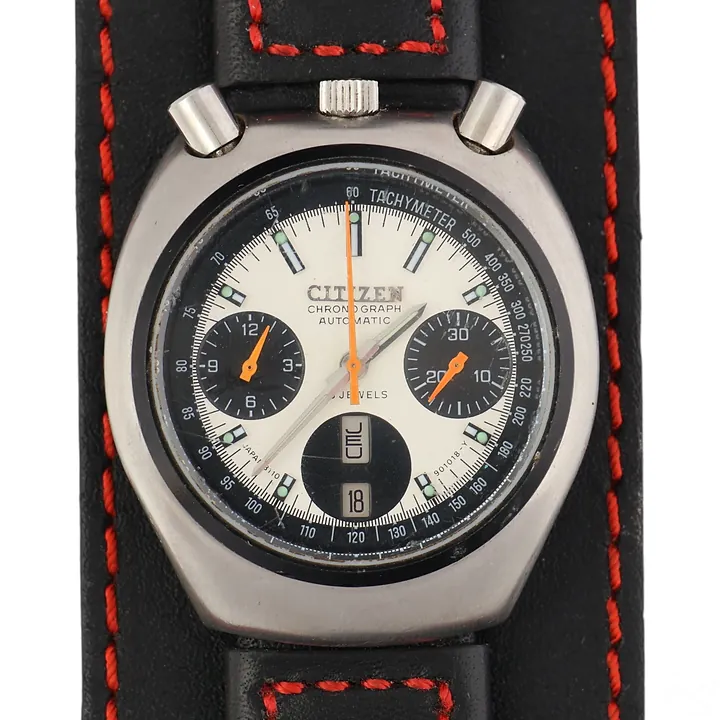
Wristwatches · c. 1970
Citizen Bullhead Panda Automatic Chronograph Watch, c. 1970
LiveAuctioneers auction archive
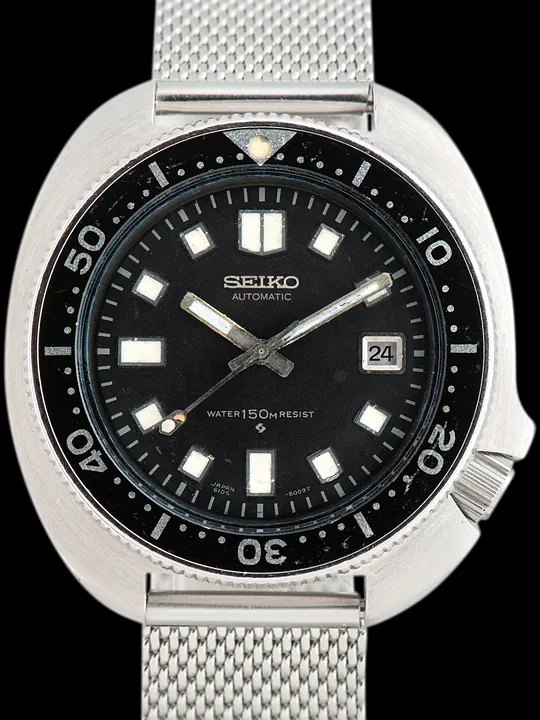
Wristwatches · 1971
Seiko Diver (Ref. 6105-8119) "Captain Willard", 1971
Craft & Tailored (dealer), Los Angeles
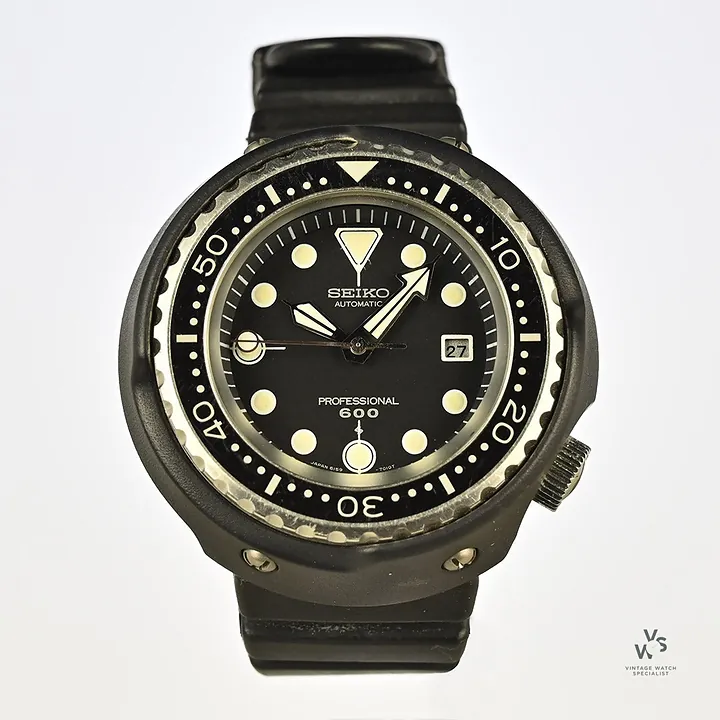
Wristwatches · c. 1975
Seiko Grandfather Tuna Professional 600 Diver Titanium, ref. 6159-7010, circa 1975
Vintage Watch Specialist (dealer), United Kingdom
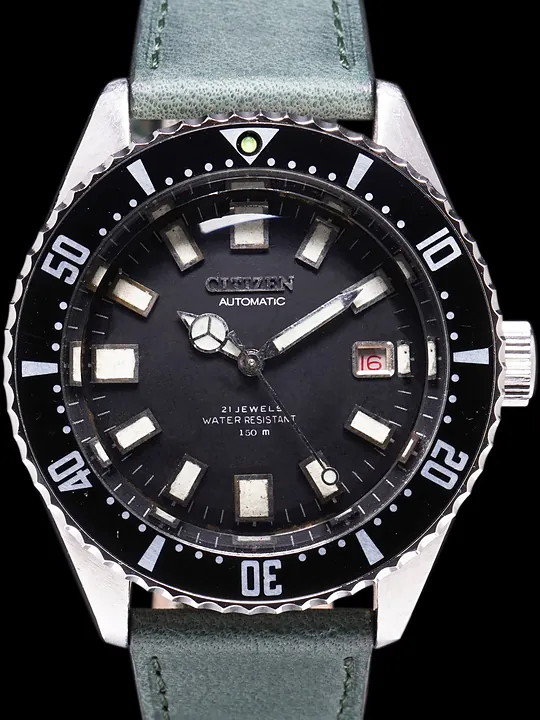
Wristwatches · 1978
Citizen Military Dive Watch (Ref. 52-0110), 1978
Craft & Tailored (dealer), Los Angeles