Brand museum
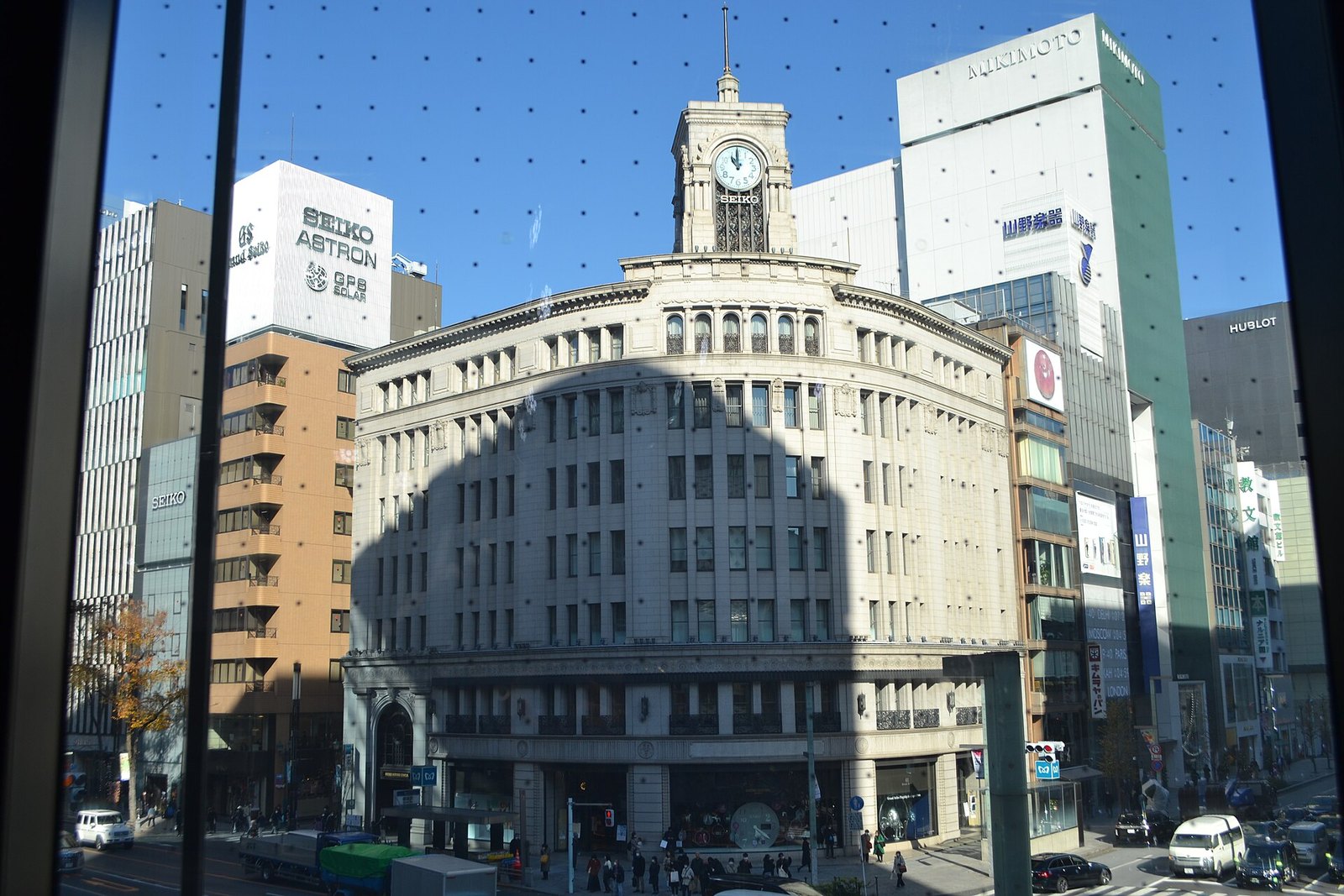
Seiko Museum Ginza
Tokyo, Japan
Japanese wadokei for unequal hours, incense clocks, and the history of Seiko including the Quartz Astron.
Opened in 1981 to mark Seiko's centenary and moved to Ginza in 2020, near the site of Kintarō Hattori's first shop.
- Type
- Brand museum
- Location
- Tokyo, Japan
- Founded
- 1981 (Sumida); 2020 (Ginza)
- Specialities
- Japanese clocks (wadokei) · Quartz history
- Official website
- museum.seiko.co.jp/en/ (opens another website in a new tab)
Opening hours, admission and accessibility change; please check the official website before visiting.
Why it matters for horology
The Seiko Museum Ginza tells two stories: Japanese timekeeping before Western hours, and the rise of Seiko from Kintaro Hattori's shop of 1881 to the first quartz wristwatch. Japan used temporal hours that changed with the seasons until 1872, and the museum's wadokei — clocks with adjustable hour markers or foliots — show how clockmakers adapted European mechanisms to that system. The museum was founded in 1981 for Seiko's centenary as the Seiko Institute of Horology, renovated in 2012 and moved in 2020 to Ginza, where the company began.
Specialities
- Japanese clocks (wadokei)
- Quartz history
What to look for
- Wadokei and incense clocks
- Japanese clocks for unequal hours, pillar clocks and timekeepers that measured time by burning incense; see the Atlas feature on wadokei.
- Seiko's firsts
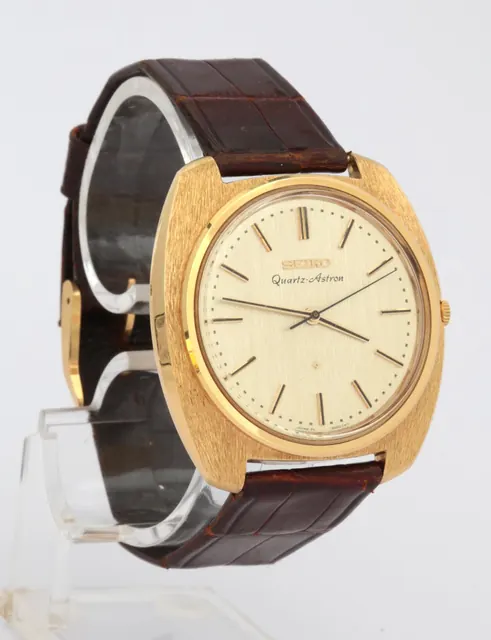
- The Laurel of 1913, Japan's first wristwatch; the Grand Seiko of 1960; the first Japanese diver's watch (1965); and the Quartz Astron of 1969, the first quartz wristwatch on sale.
- Sports timing
- Instruments developed for the 1964 Tokyo Olympics, for which Seiko was official timer; see the Atlas feature on Seiko and Grand Seiko.
Regional tradition
Japanese horologyJapan adapted European clocks to temporal hours in the Edo period, industrialised in the Meiji era and led the quartz revolution.Makers from Japan in the Atlas
Featured objects
From the catalogue: Japanese horology
226 records →These records come from other collections and dealers, not from Seiko Museum Ginza; they show the kind of objects this institution's field covers.
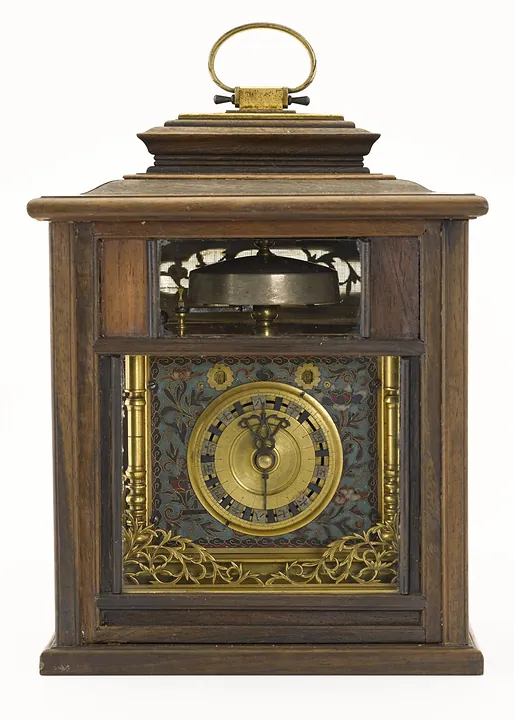
Clocks · 1600–1800
Japanese Clock
Science Museum Group, London
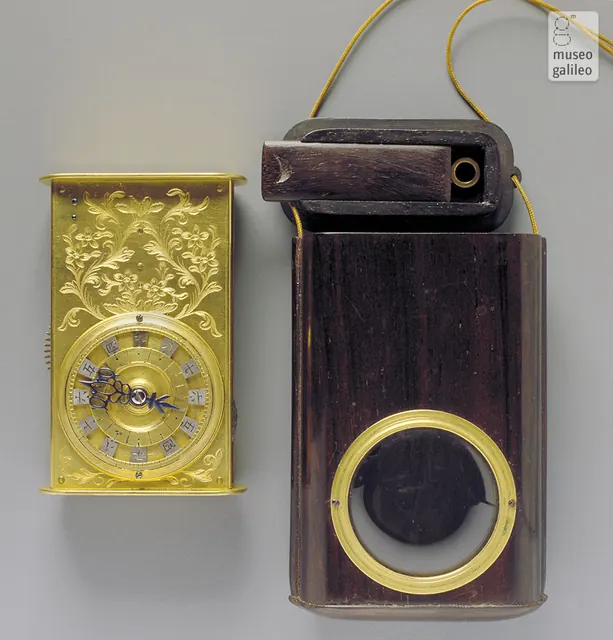
Pocket Watches · mid-19th century
Japanese watch, Japan, mid-19th century
Museo Galileo, Florence
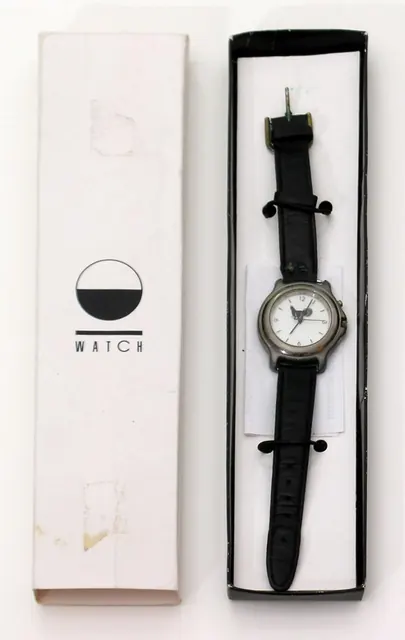
Wristwatches · 1960s–1980s
Wristwatch, Japan, 1960s–1980s
Suomen Metsästysmuseo
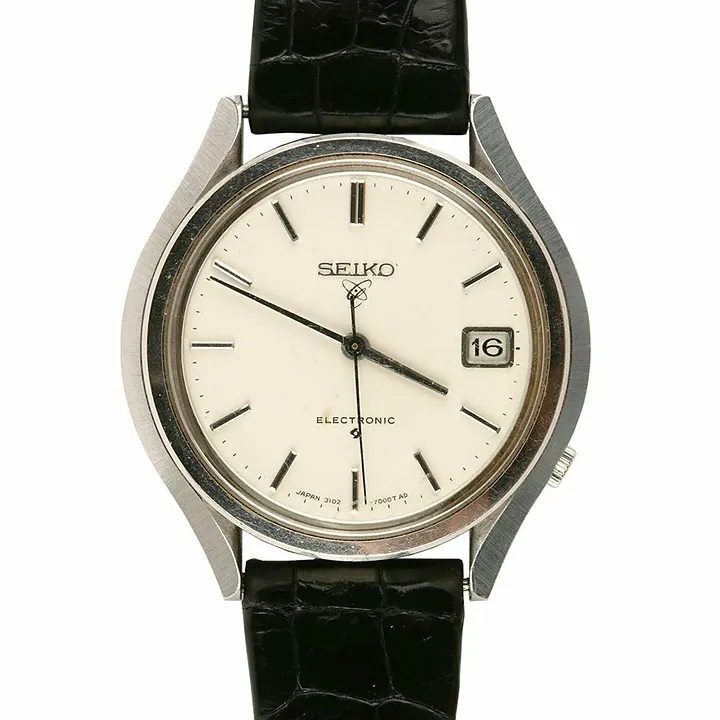
Wristwatches · 1968
Wristwatch, Japan, 1968
German Clock Museum
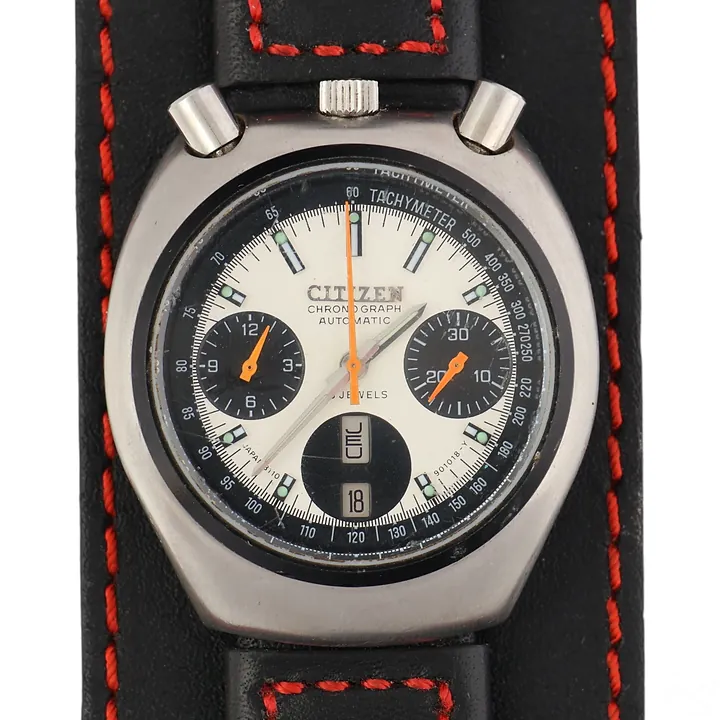
Wristwatches · c. 1970
Citizen Bullhead Panda Automatic Chronograph Watch, c. 1970
LiveAuctioneers auction archive
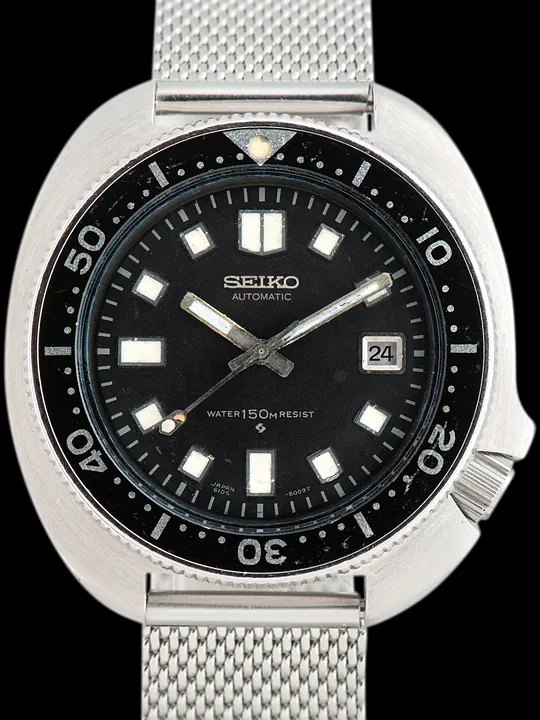
Wristwatches · 1971
Seiko Diver (Ref. 6105-8119) "Captain Willard", 1971
Craft & Tailored (dealer), Los Angeles
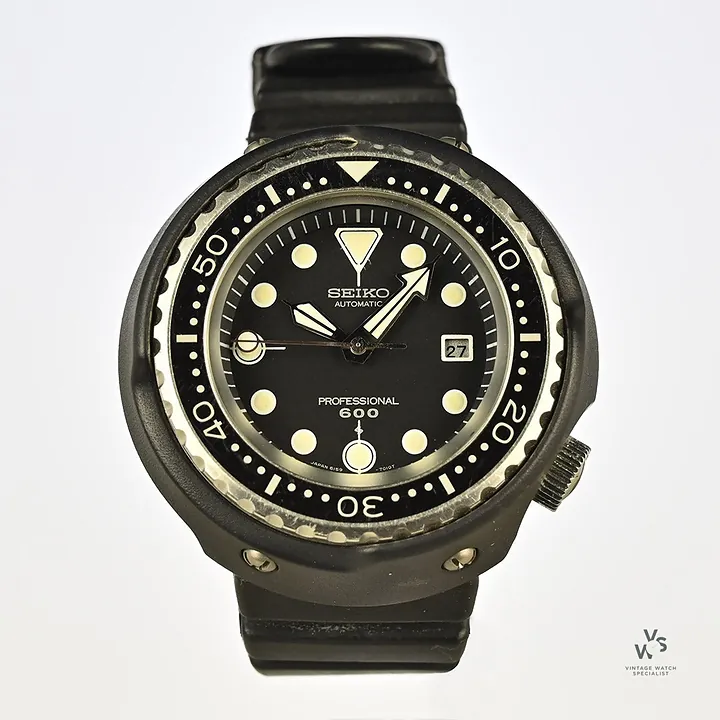
Wristwatches · c. 1975
Seiko Grandfather Tuna Professional 600 Diver Titanium, ref. 6159-7010, circa 1975
Vintage Watch Specialist (dealer), United Kingdom
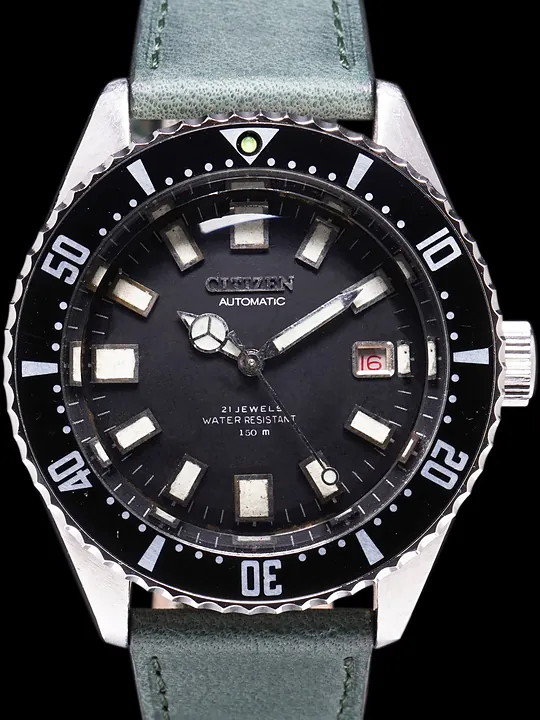
Wristwatches · 1978
Citizen Military Dive Watch (Ref. 52-0110), 1978
Craft & Tailored (dealer), Los Angeles