Clockmaker
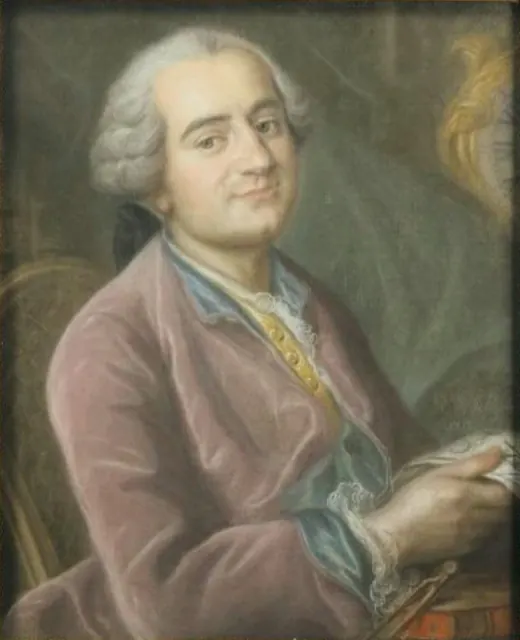
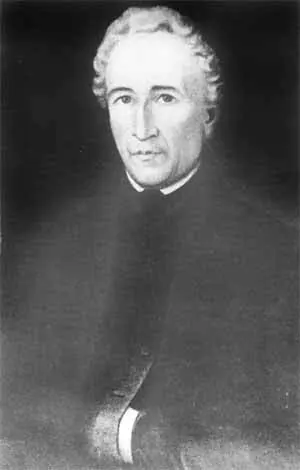
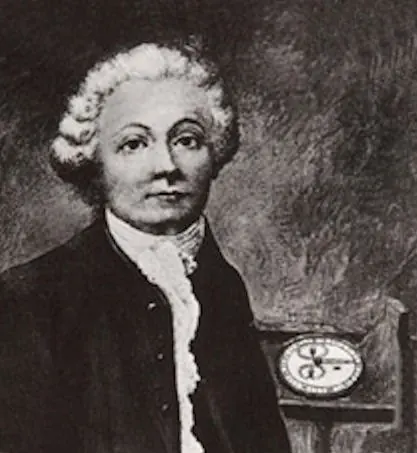
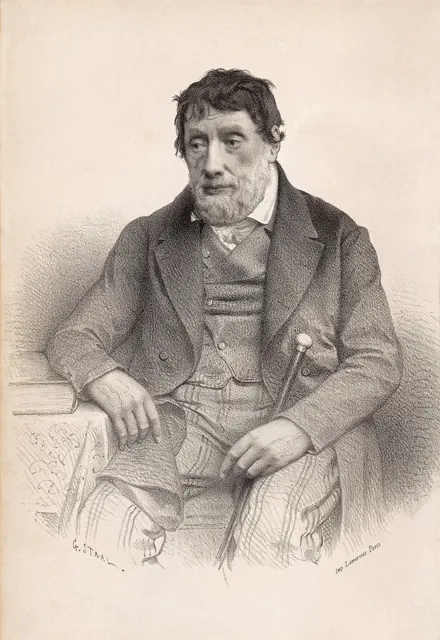
Robert Robin
Also recorded as: Robin, Robert · Robin à Paris
Clockmaker to Louis XVI and Marie-Antoinette, known for precision regulators and the escapement that bears his name.
Robert Robin held the titles of clockmaker to the king and to the queen in the 1780s. He made astronomical regulators and fine clocks in cases by leading Paris bronziers and cabinetmakers, and he devised the 'Robin escapement', a detached escapement for watches and clocks. His regulators, with seconds pendulums and often equation-of-time work, belong to the French tradition of scientific clockmaking that also included Berthoud and Lepaute.
How to recognise the work: dials and movements are signed Robin or Robin à Paris, often with his court title. Like other Paris clockmakers he supplied movements to be cased by bronziers and cabinetmakers, so the case may carry another maker's name — the catalogue includes a clock of about 1785 recorded under the bronze-maker Robert Osmond. Signatures in the name can also belong to his successors, so a date from the style and movement comes first.
Robin devised a detached ('libre') escapement in 1791 and described it in a memoir of 1793–94; it combines features of the detent escapement, efficient but delicate, with those of the lever, which is safer in use. He was also among the first in France to use the lever escapement in watches. During the Revolution, when France briefly adopted decimal time, he presented to the National Convention an astronomical clock with decimal seconds and a decimal strike.
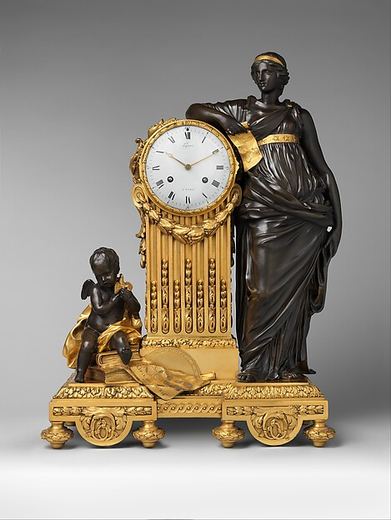
Works associated with him include a clock of 1785 made for Marie-Antoinette, now in the Muséum national d'histoire naturelle in Paris, the movement of a mahogany and gilt-bronze floor-standing regulator of 1787 at the Petit Trianon, and the movement of the queen's 'Vestals' clock of 1788 in the Musée des Arts décoratifs.
- Country
- France
- City / centre
- Paris
- Life / active
- 1742–1799
- Status
- Historical individual
- Key people
- Robert Robin
Innovations & specialities
- Robin escapement
- Astronomical regulators
Timeline
- 1742Born
- 1785Clock for Marie-Antoinette
- 1787Regulator movement, later placed at the Petit Trianon
- 1788Movement of the queen's 'Vestals' clock
- 1791Detached escapement devised
- 1793–94Decimal astronomical clock presented to the National Convention; escapement memoir published
- 1799Dies
Works by Robert Robin in the catalogue
Open in the catalogue →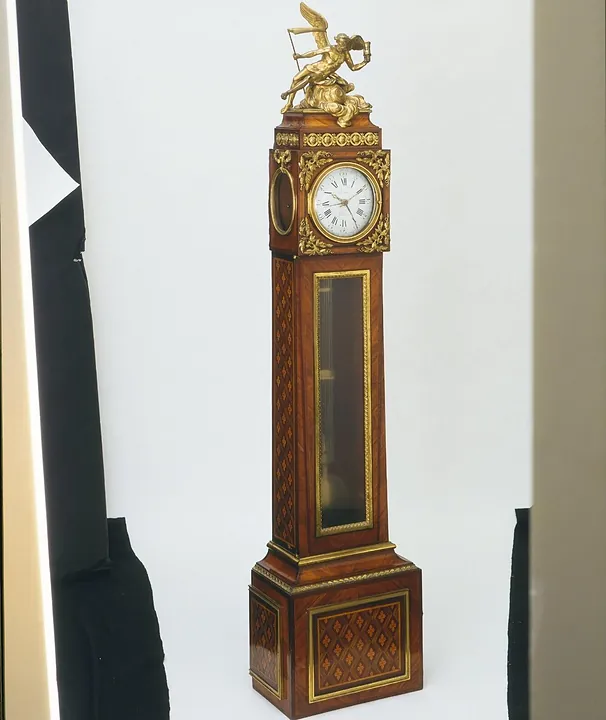
Clocks · 1770–1775
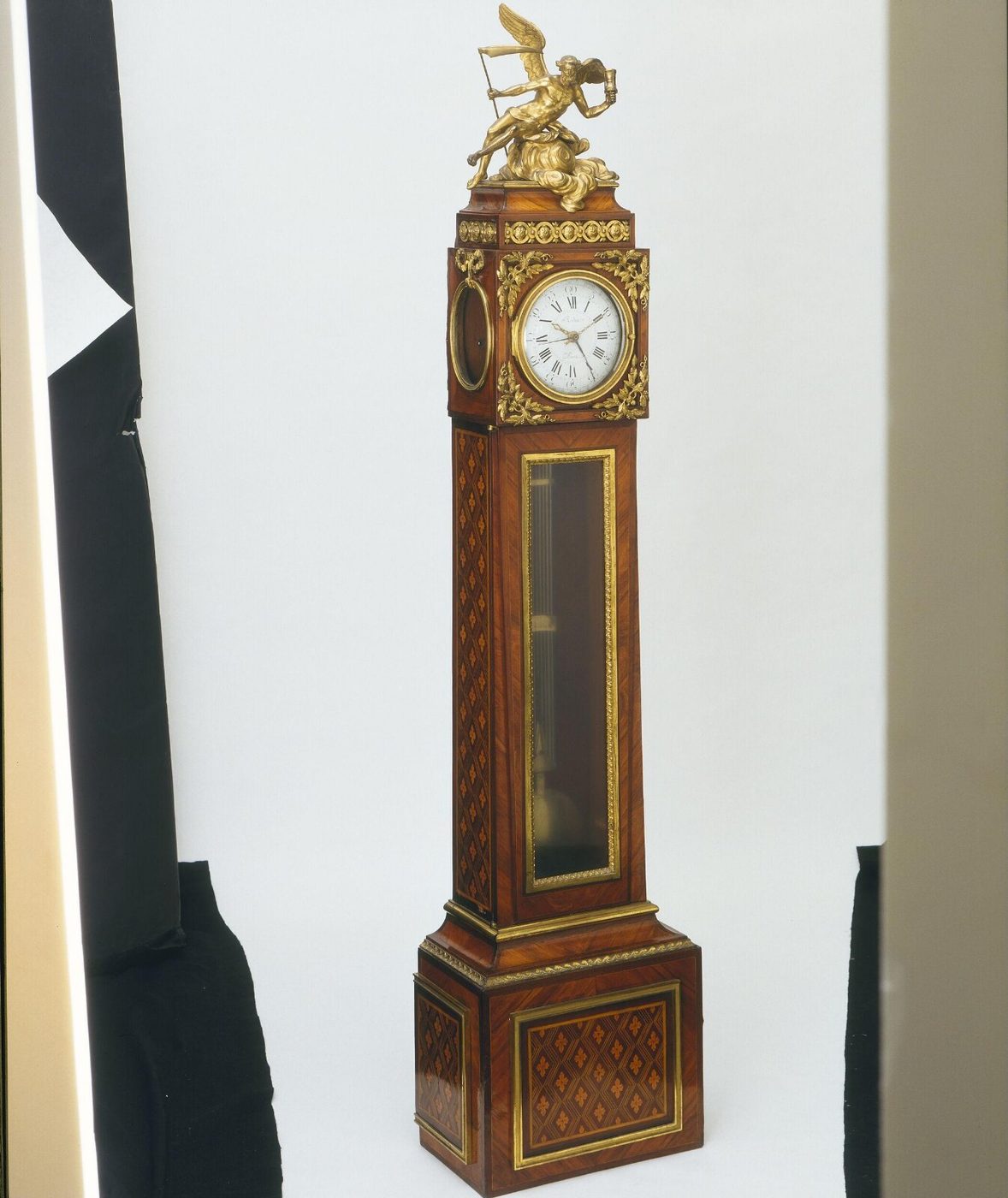
Longcase clock (régulateur) by Robert Robin, France, 1770–1775
Victoria and Albert Museum, London
Pocket Watches · 1775–1800
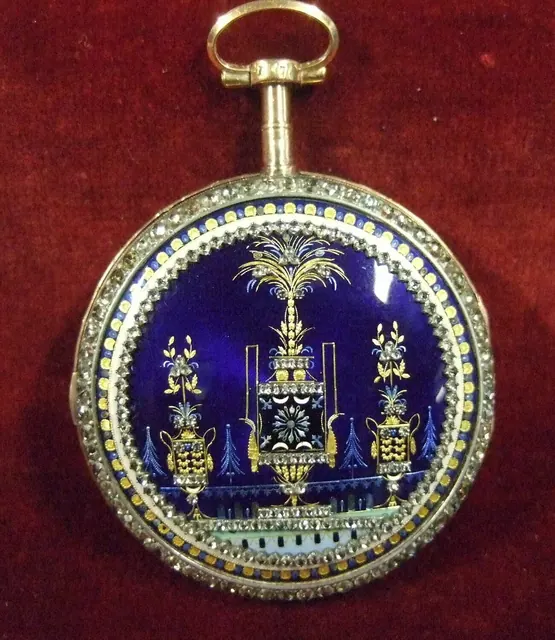
Watch by Robert Robin, France, 1775–1800
Musée du Louvre, Paris
Clocks · 1780–1785
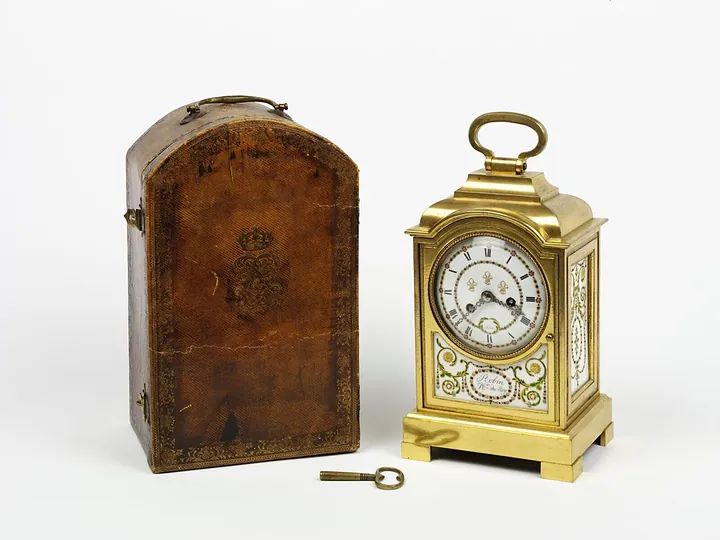
Carriage clock by Robert Robin, France, 1780–1785
Victoria and Albert Museum, London
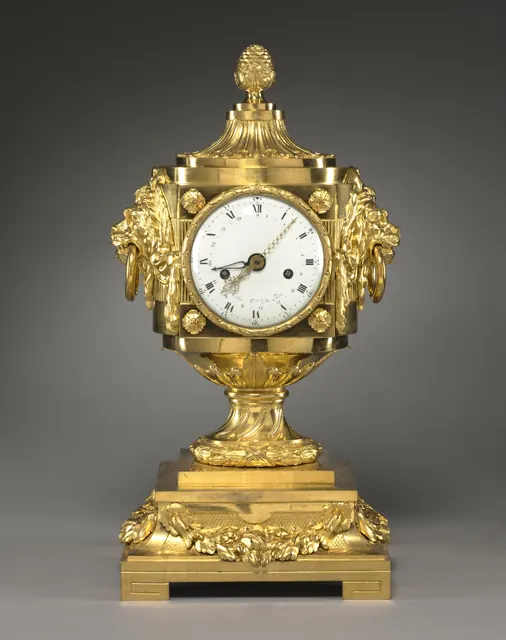
Clocks · c. 1785
Clock by Robert Osmond, France, c. 1785
Cleveland Museum of Art
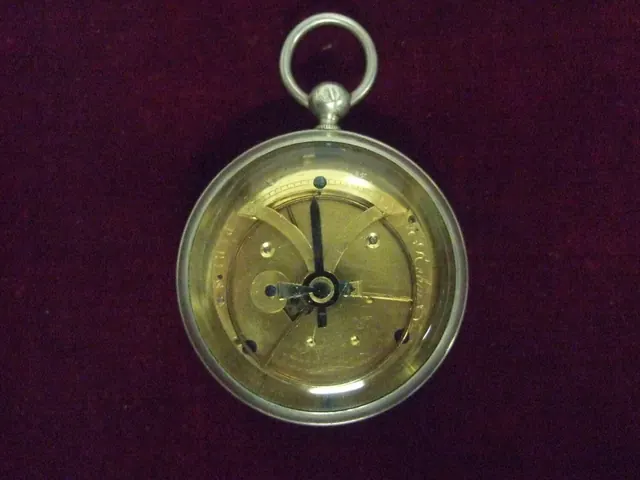
Pocket Watches · 1785–1815 (movement); 1800–1900 (case)
Watch by Robert Robin, France, 1785–1900
Musée du Louvre, Paris
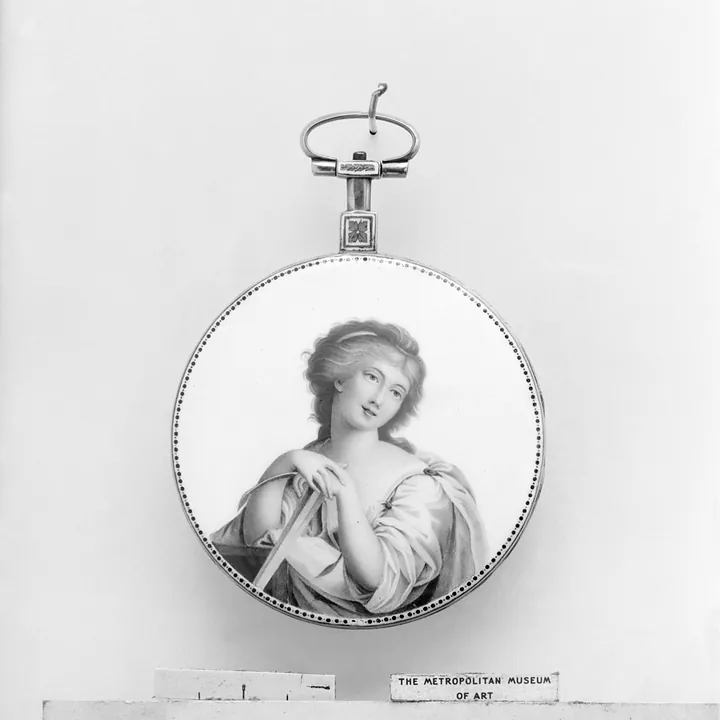
Pocket Watches · c. 1790
Watch by Robert Robin, France, c. 1790
The Metropolitan Museum of Art, New York
Linked through the Atlas maker authority list, which reconciles the spellings used by different institutions. Attributions are as stated by each holding institution or auction house.
Read and see more
Magazine features
- Mantel Clocks: Paris Pendules, Carriage Clocks and the Clock on Every Chimneypiece, 1730–1970
How the clock moved from the wall and the floor to the chimneypiece: gilt-bronze pendules made by teams of Paris specialists, the travelling carriage clock, Connecticut shelf clocks sold by the million, black marble garnitures and the Atmos clock that winds itself from the air — with examples from museums, dealers and auction records, and a guide to dating your own.