Manufacturer (watch ébauches and clock movements)
Japy Frères
Also recorded as: Japy Frères & Cie · Japy Frères & Cie. · Japy Frères et Cie. · Japy Frères et Cie · Japy Freres · Japy frères · Japy Fréres & Cie · Japys Frères · Japy
Industrial maker of watch ébauches and French clock movements at Beaucourt, founded by Frédéric Japy in 1777.
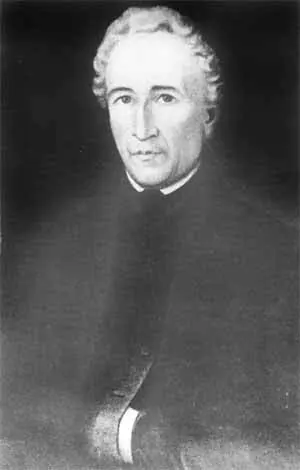
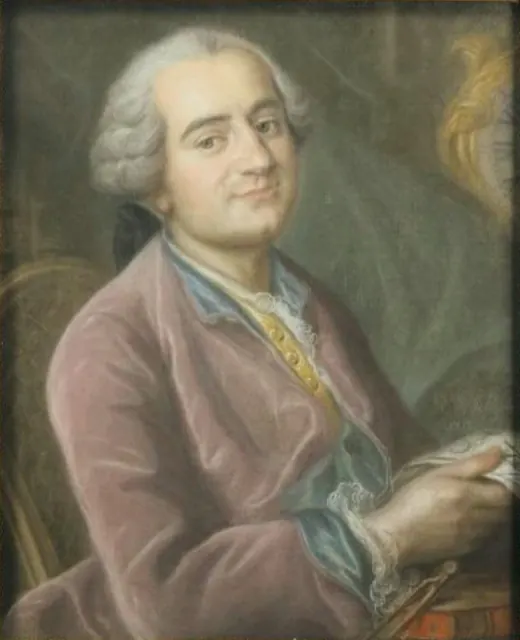
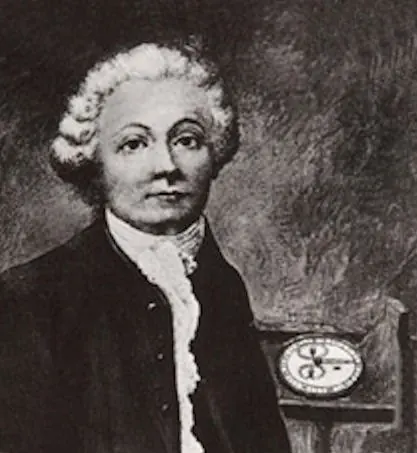
Frédéric Japy (1749–1812) was born at Beaucourt, near Montbéliard, and trained as a watchmaker in Switzerland from 1768, notably with Jean-Jacques Jeanneret-Gris. In 1776 he bought his former master's machines and inventions, and in 1777 built a factory at Beaucourt where machine tools made the parts of a watch ébauche (the unfinished movement) that had previously been made by hand by many separate outworkers. His ébauches sold at about a third of the price of hand-made ones (2.50 against 7.50 francs in 1794), and by 1806 the works employed about 500 people.
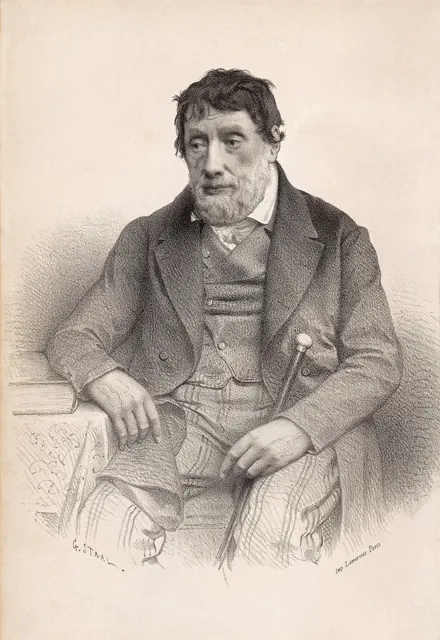
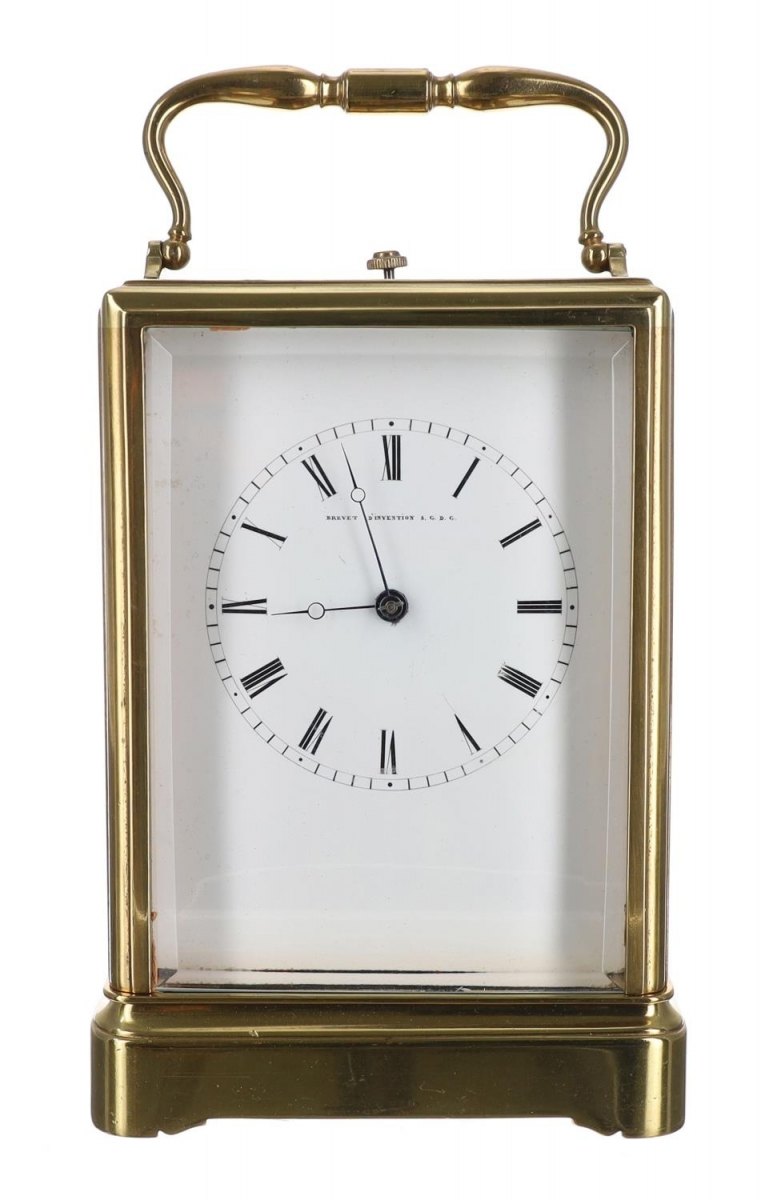
In 1806 Japy handed the business to his three eldest sons, Fritz-Guillaume, Louis and Pierre, and it became Japy Frères. The firm diversified into wire, screws and hardware and later into typewriters, pumps and electrical goods, becoming one of the largest industrial companies in France under the Second Empire. In horology it was above all a mass producer of movements for French mantel, carriage and travelling clocks, many of them sold to Paris case makers and retailers who put their own names on the dial; movement backplates are often stamped with the Japy Frères name and exhibition medals.
The Musée Frédéric-Japy at Beaucourt records the family's industrial history.
How to recognise the work: many French mantel and carriage clocks have movements by Japy Frères, stamped on the backplate with the firm's name and, often, the medals it won at exhibitions; the case and dial may bear the name of a Paris retailer instead. The stamp dates the movement only roughly, so the case style and other marks need to be read with it.
- Country
- France
- City / centre
- Beaucourt (Territoire de Belfort)
- Founded
- 1777
- Status
- Historical firm
- Key people
- Frédéric Japy (1749–1812); Fritz-Guillaume, Louis and Pierre Japy
Innovations & specialities
- Machine production of watch ébauches (from 1777)
- Mass-produced French clock movements (blancs roulants) for mantel and carriage clocks
- Workers' housing (cités Japy) for a factory workforce
Timeline
- 1749Frédéric Japy born at Beaucourt
- 1768Begins his training in Switzerland
- 1776Buys the machines of Jean-Jacques Jeanneret-Gris
- 1777Builds his factory at Beaucourt
- 1806Hands the firm to his sons: Japy Frères
- 1812Frédéric Japy dies
Works by Japy Frères in the catalogue
Open in the catalogue →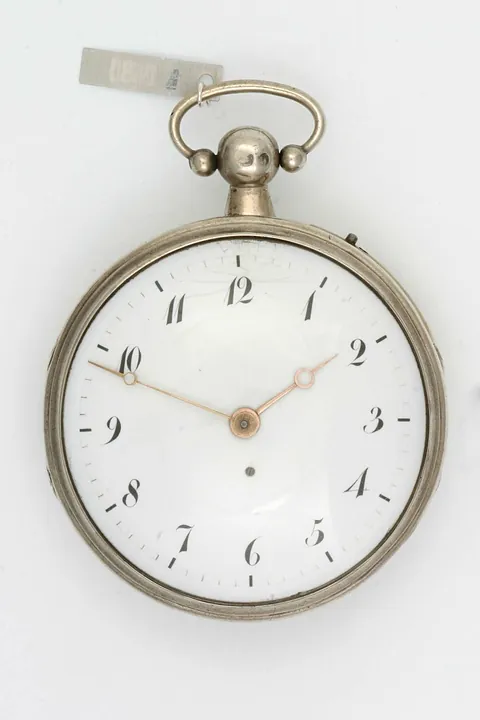
Pocket Watches · c. 1820
Repeating watch by Japy Frères et Cie., Germany, c. 1820
German Clock Museum
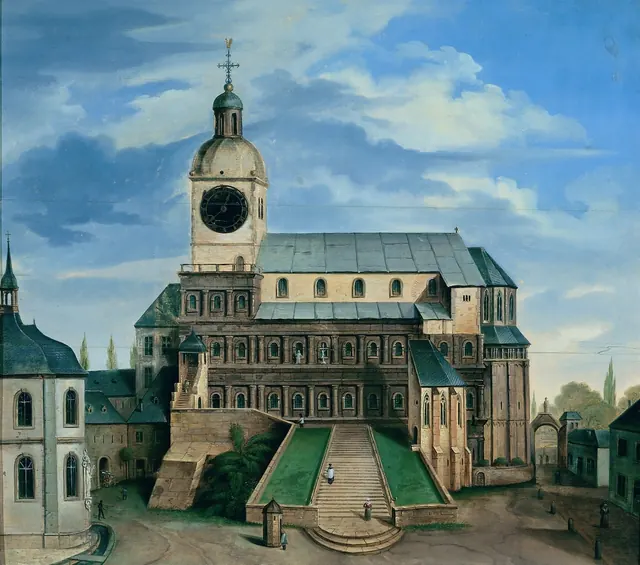
Clocks · Before 1840
Clock by Japy frères, Switzerland, Before 1840
Stadtmuseum Simeonstift Trier
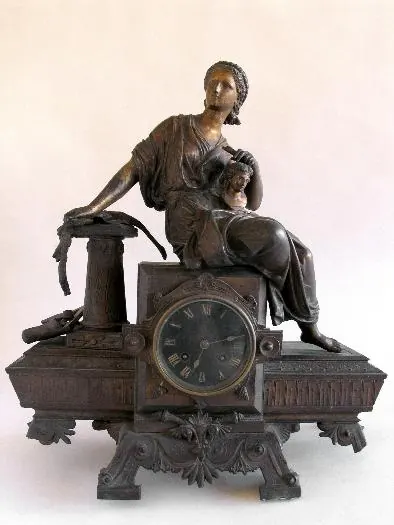
Clocks · 1850–1880
Clock by Japy Frères & Cie., 1850–1880
National Museum of Decorative Arts
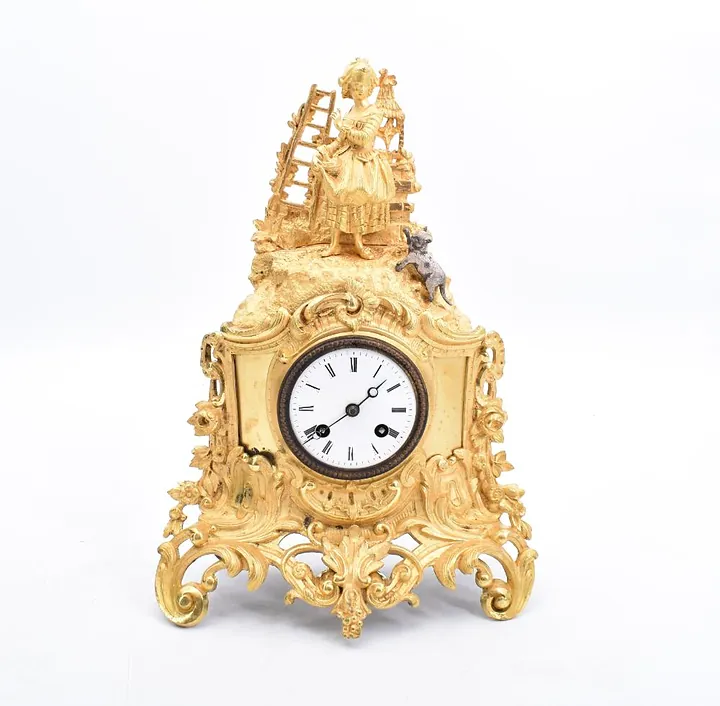
Clocks · c. 1850
Mantel clock by Japy Frères et Cie, c. 1850
Invaluable auction listings
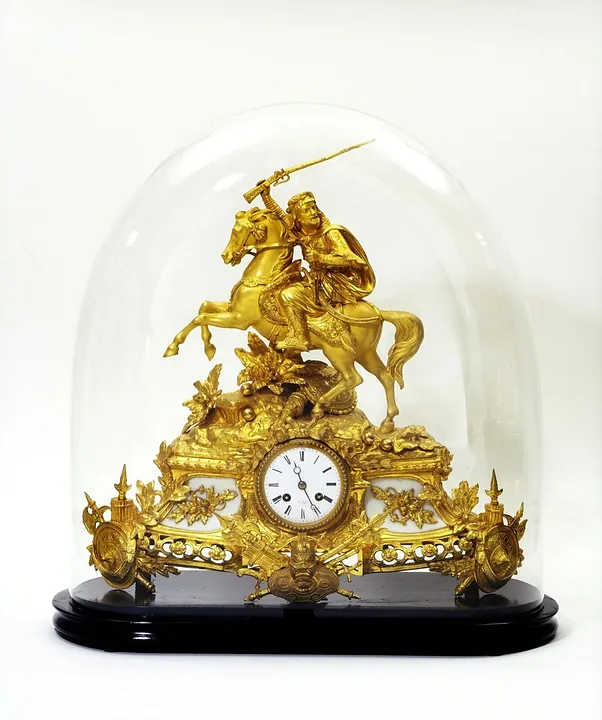
Clocks · c. 1860
[*] French Clock under glass dome
Victoria and Albert Museum, London
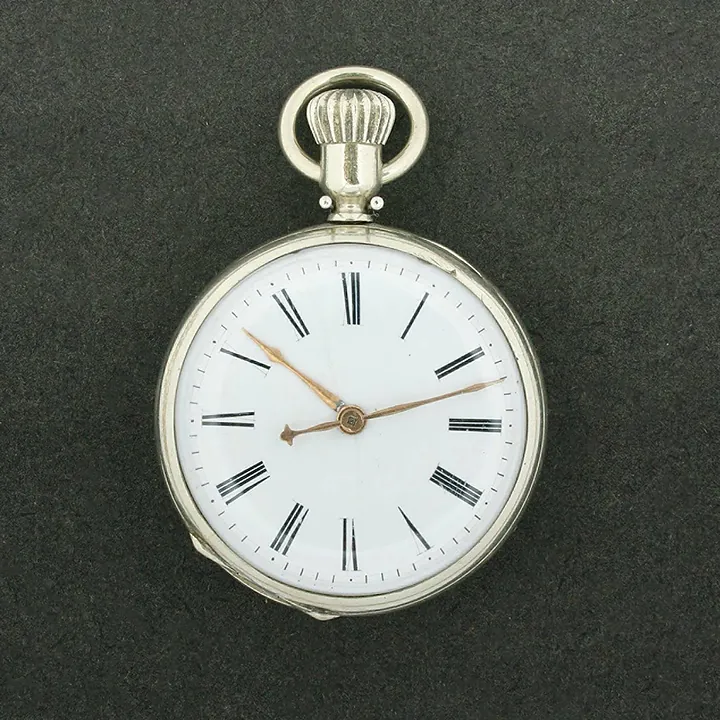
Pocket Watches · c. 1870
Pocket watch by Japy Frères et Cie., Germany, c. 1870
German Clock Museum
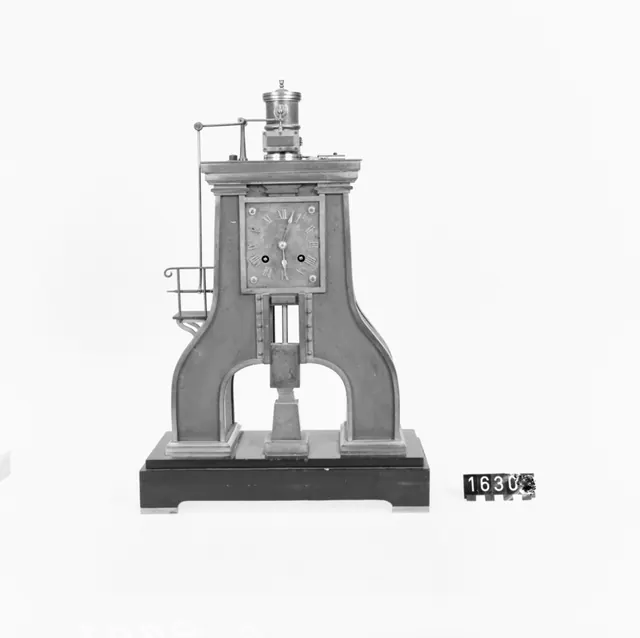
Clocks · 1880–1889
Clock by Japy Frères, 1880–1889
Swedish National Museum of Science and Technology
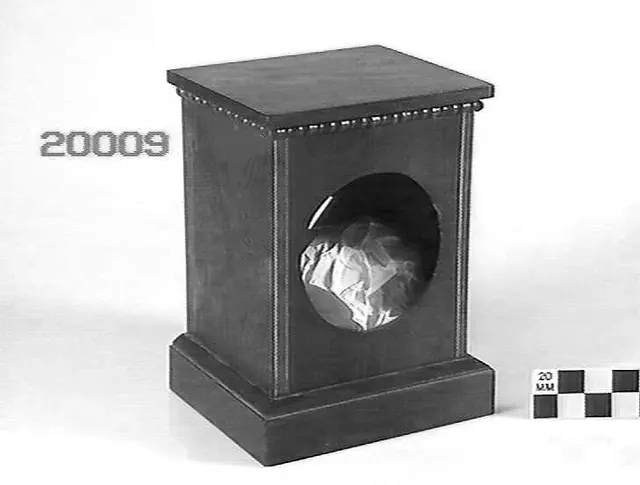
Clocks · c. 1880
Mantel Clock - Japy Frères, France, c. 1880
Museums Victoria, Melbourne
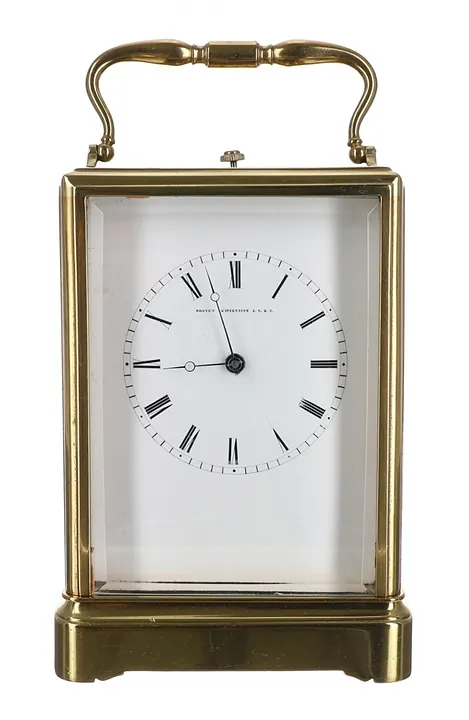
Clocks · 1888
19th century French repeating carriage clock by Japy Fréres & Cie
Gardiner Houlgate (auction house), Corsham
Clocks · c. 1920s
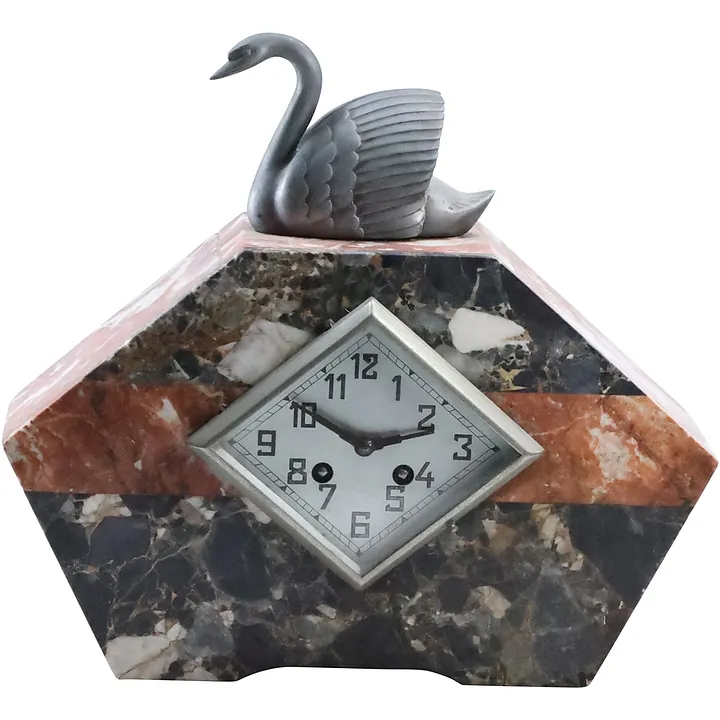
Circa 1920s Japy Frères Art Deco Colored Marble Mantel Clock with Metal Swan Top
LiveAuctioneers auction archive
Linked through the Atlas maker authority list, which reconciles the spellings used by different institutions. Attributions are as stated by each holding institution or auction house.
Read and see more
Magazine features
- The Comtoise Clock (Horloge Comtoise): History, How It Works and How to Date One
The iron-framed, double-striking country clock of the Haut-Jura — called comtoise, Morbier or Morez — ticked in almost every French farmhouse for two centuries. Where it came from, how its movement works, why it strikes the hour twice, and how the dial, crest, pendulum and case help you date one.
- Old Clock Brands: How to Identify the Maker of an Antique or Vintage Clock
Seth Thomas, Ansonia, Ingraham, Junghans, Gustav Becker, Kienzle, Japy, Smiths, Jaeger-LeCoultre — the clock makers whose names turn up most often on mantelpieces, in attics and at auction, where they worked, what they made, and where to look on a clock for the marks that identify it.
- Mantel Clocks: Paris Pendules, Carriage Clocks and the Clock on Every Chimneypiece, 1730–1970
How the clock moved from the wall and the floor to the chimneypiece: gilt-bronze pendules made by teams of Paris specialists, the travelling carriage clock, Connecticut shelf clocks sold by the million, black marble garnitures and the Atmos clock that winds itself from the air — with examples from museums, dealers and auction records, and a guide to dating your own.
Academy lessons
- From workshop to factory: industrial watchmaking
15 min · How watchmaking moved from guild workshops and cottage industries to machine-made, interchangeable parts — in Beaucourt, Waltham, the Jura and beyond.