Clockmaker (astronomical clocks)
Antide Janvier
Also recorded as: Janvier, Antide
Maker of astronomical and planetary clocks who wrote on the gearing needed to model the heavens.
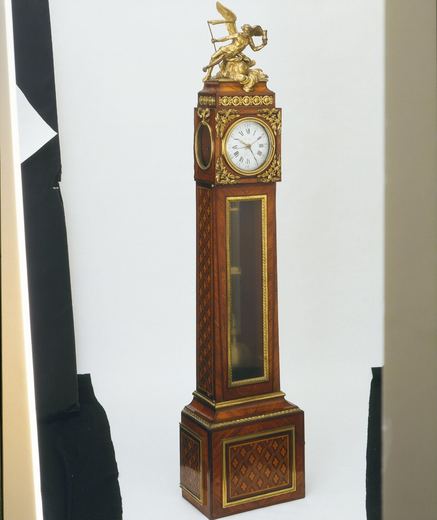
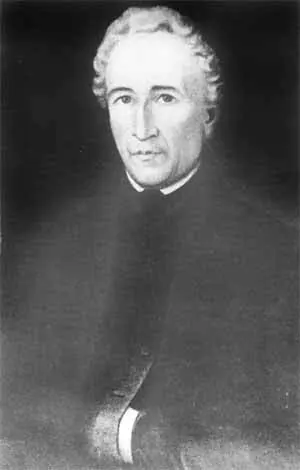
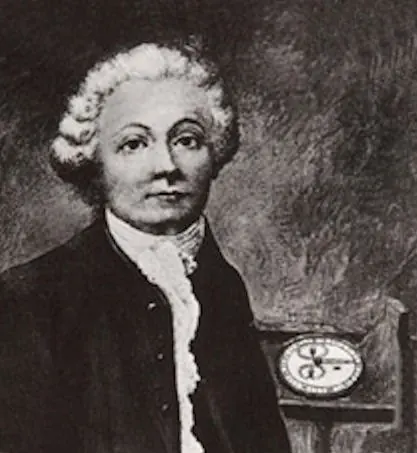
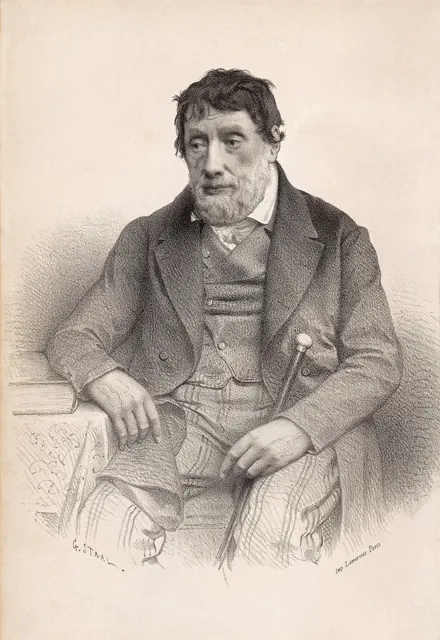
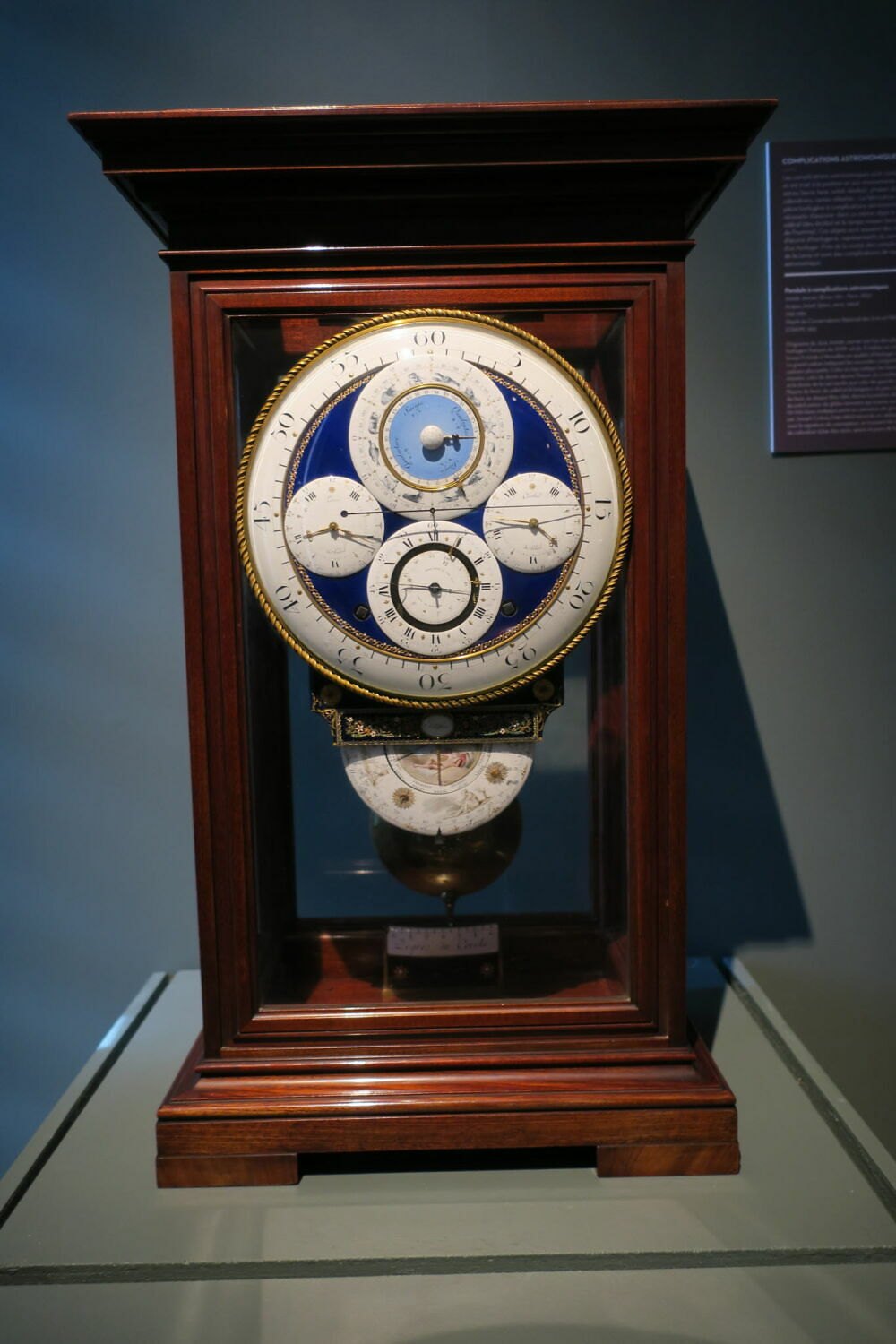
Born in the Jura, Antide Janvier became known in Paris for clocks showing the motions of the planets, the tides, the phases of the Moon and the equation of time, and he worked for the court of Louis XVI. He published on the calculation of gear trains for astronomical displays. Many of his pieces are elaborate one-off instruments, and they show how the French clockmaking elite combined precision timekeeping with the representation of the solar system.
Janvier's planetary clocks compressed centuries of astronomical observation into gearing. To show the motions of the planets, the Moon's nodes and the equation of time accurately he calculated trains with unusual tooth counts, and he explained his methods in published works including the Manuel chronométrique.
The Revolution ended his court patronage, and he spent much of his later life in poverty, though his standing among French horologists remained high. His clocks survive in museum collections in France and abroad.
- Country
- France (born Saint-Claude, Jura)
- City / centre
- Paris
- Life / active
- 1751–1835
- Status
- Historical individual
- Key people
- Antide Janvier
Innovations & specialities
- Planetary and astronomical clocks
- Writings on gear ratios for astronomical displays
Works by Antide Janvier in the catalogue
Open in the catalogue →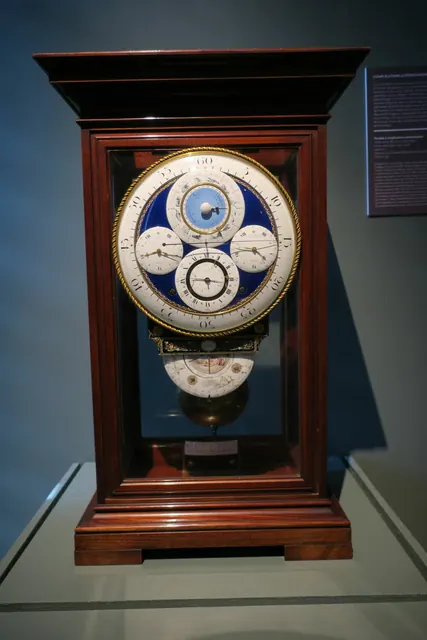
Linked through the Atlas maker authority list, which reconciles the spellings used by different institutions. Attributions are as stated by each holding institution or auction house.
Read and see more
Magazine features
- Mantel Clocks: Paris Pendules, Carriage Clocks and the Clock on Every Chimneypiece, 1730–1970
How the clock moved from the wall and the floor to the chimneypiece: gilt-bronze pendules made by teams of Paris specialists, the travelling carriage clock, Connecticut shelf clocks sold by the million, black marble garnitures and the Atmos clock that winds itself from the air — with examples from museums, dealers and auction records, and a guide to dating your own.