Component
Self-winding (automatic) mechanism
Also known as: Automatic winding · Rotor · Perpétuelle · Automatikaufzug
How it works
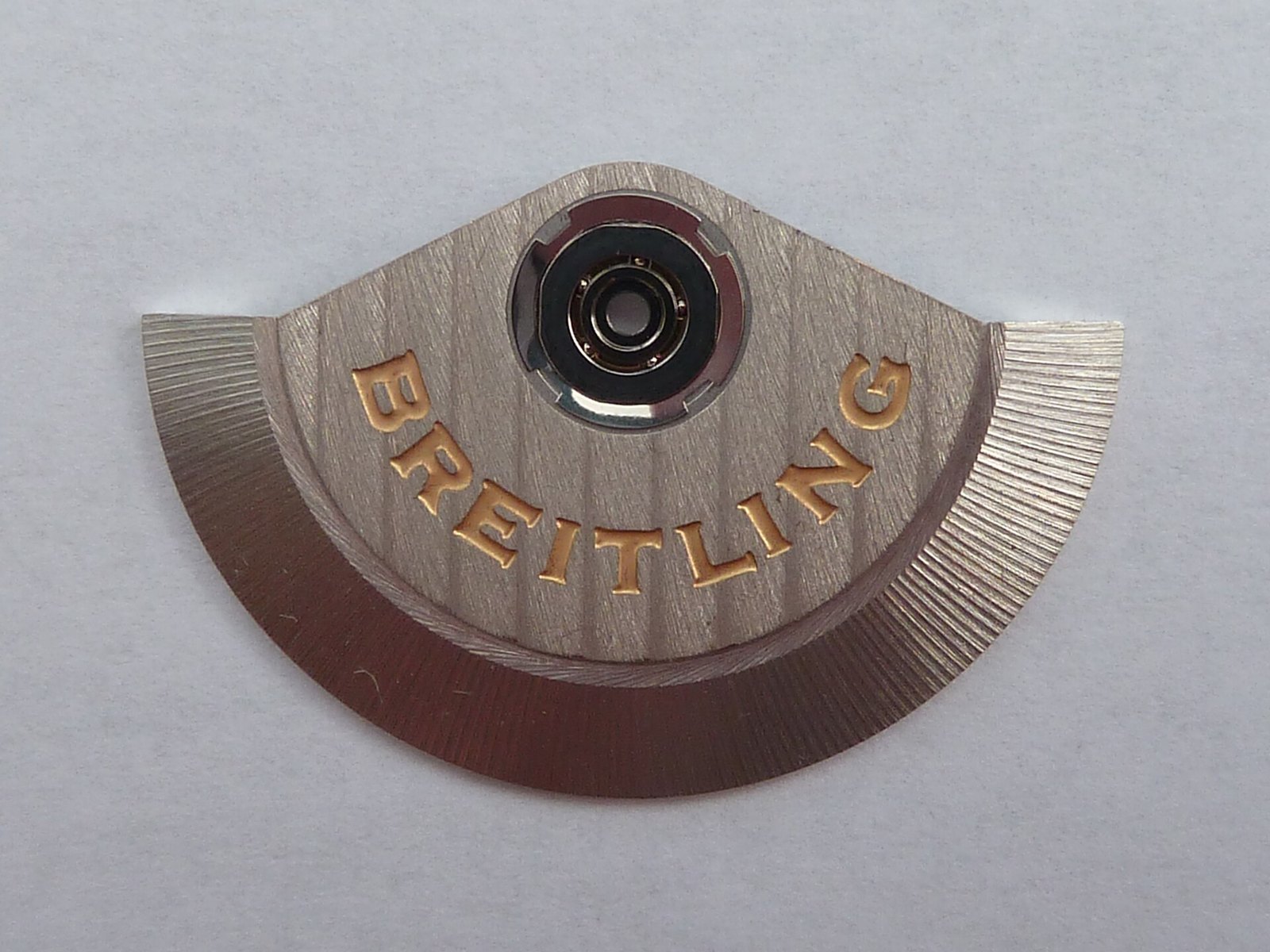
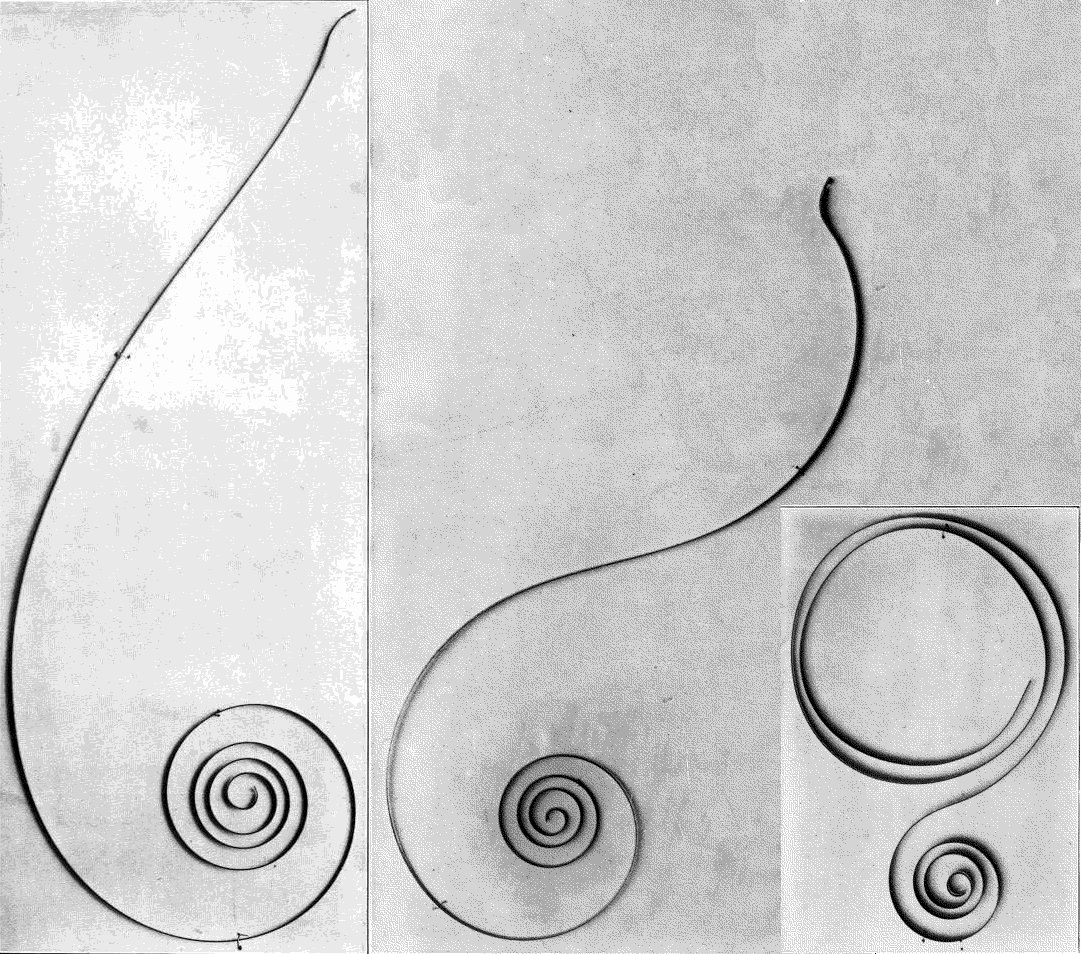
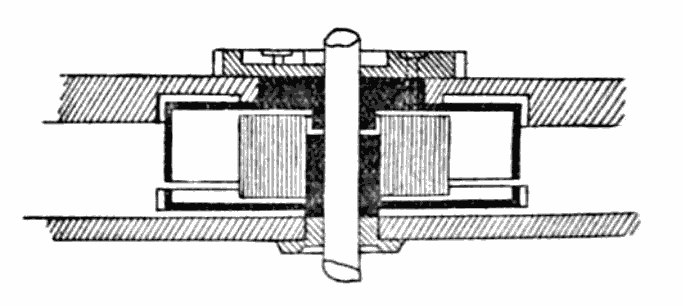
An eccentric weight — a pivoted rotor, a swinging 'hammer' or a micro-rotor — turns with the wearer's movements and winds the mainspring through reduction gearing and reversers. A slipping bridle in the barrel prevents over-winding.
Why it was invented
It keeps the mainspring near full wind, improving rate stability and removing the need for daily winding.
- Invented
- c. 1770s (pocket watch); 1923 (wristwatch patent)
- Credited to
- Abraham-Louis Perrelet (attributed); John Harwood (wristwatch)
- Historical period
- Precision & Scientific Horology
History and development
Self-winding pocket watches with oscillating weights were made from the 1770s; Abraham-Louis Perrelet is traditionally credited, and Breguet's 'perpétuelles' are famous examples. John Harwood patented a self-winding wristwatch in 1923, produced from 1926 with a swinging weight on limited arc. Rolex introduced the 360° rotor of the Oyster Perpetual in 1931; bidirectional winding (Eterna-Matic, ball-bearing rotor, 1948; Seiko's Magic Lever, 1959) and micro-rotors (Buren and Universal Genève, 1950s) followed.
Related mechanisms
In the catalogue
All 184 records →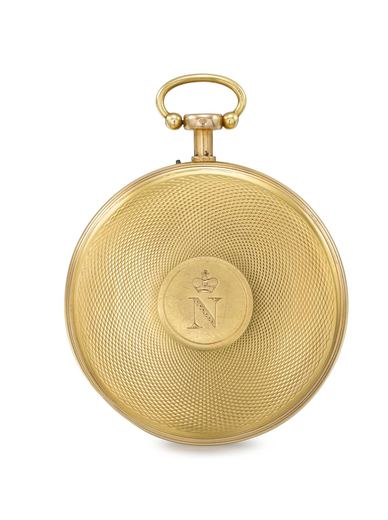
Pocket Watches · 1783-1800
Pocket watch by Breguet, Abraham Louis, France, 1783-1800
Science Museum Group, London
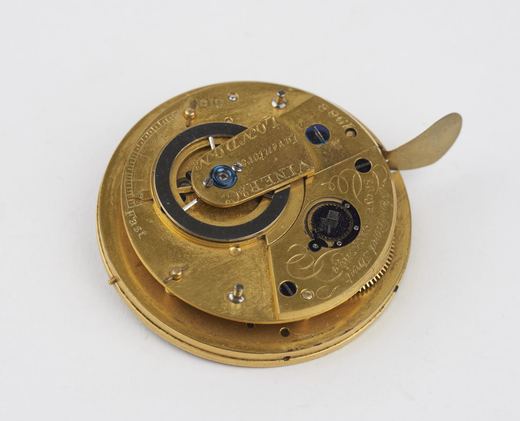
Movements & Components · 1810
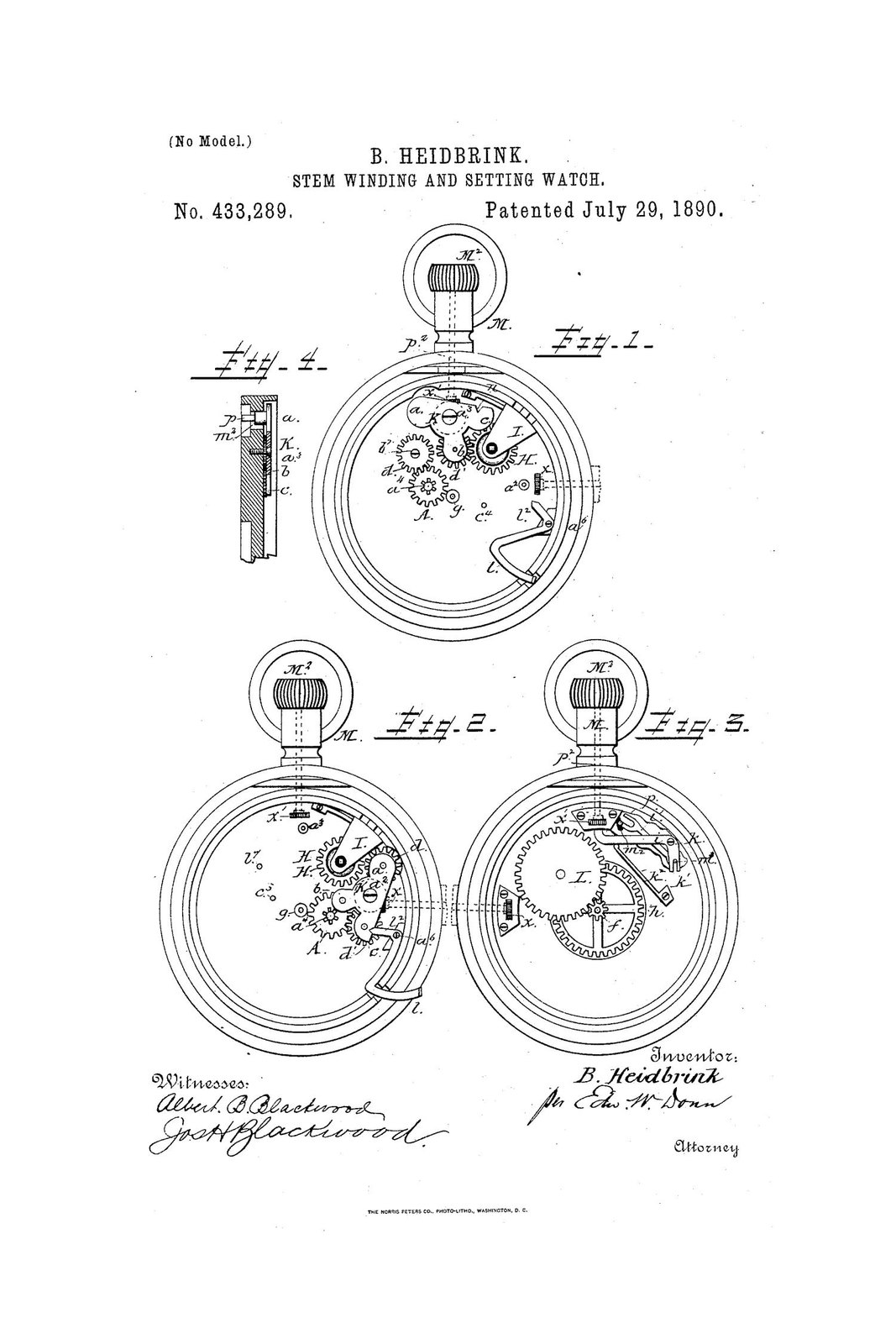
Pumping keyless arangement, by Viner, about 1810
Science Museum Group, London
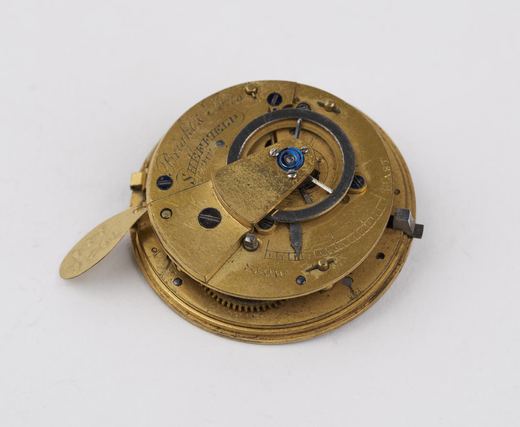
Movements & Components · 1840
Pump winder, about 1840, verge escapement, by Bright and Sons, no.12962
Science Museum Group, London
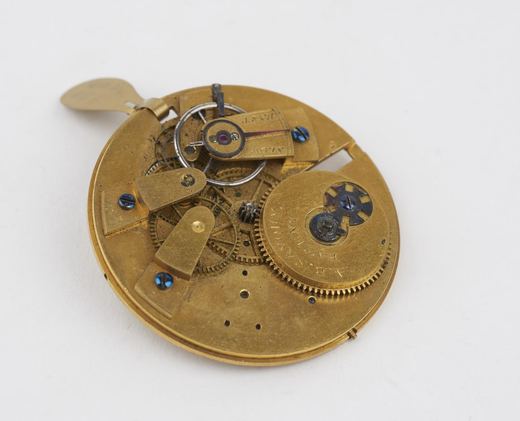
Movements & Components · circa 1850
Self-winding pumping keyless cylinder watch mechanism, by Savory, about 1850
Science Museum Group, London
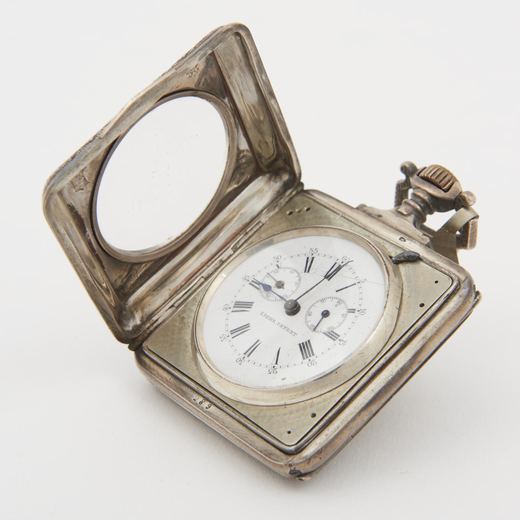
Wristwatches · 1875-1885
Wristwatch by Loehr, Austria, 1875-1885
Science Museum Group, London
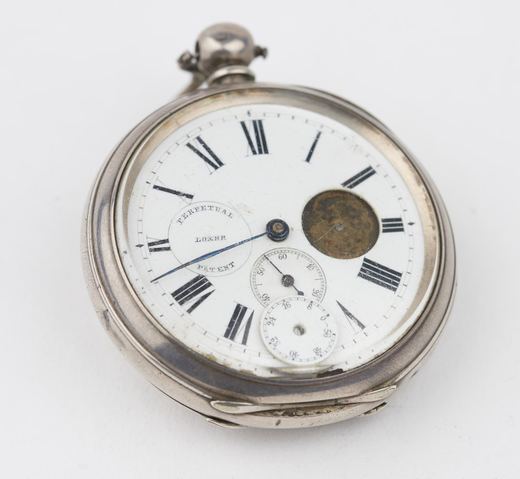
Pocket Watches · 1882
Silver self-winding watch by Loeher, 1882, Switzerland
Science Museum Group, London
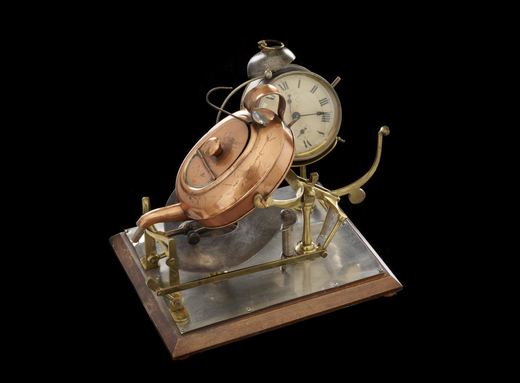
Clocks · 1902-1910
Clock by Automatic Water Boiler Company; Clarke, Frank, England, 1902-1910
Science Museum Group, London
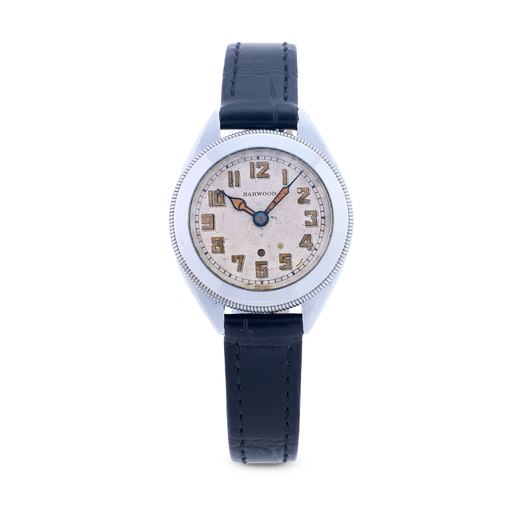
Wristwatches · circa 1920s
Harwood wristwatch, ref. 2812, circa 1920s
Antiquorum auction archive, Geneva
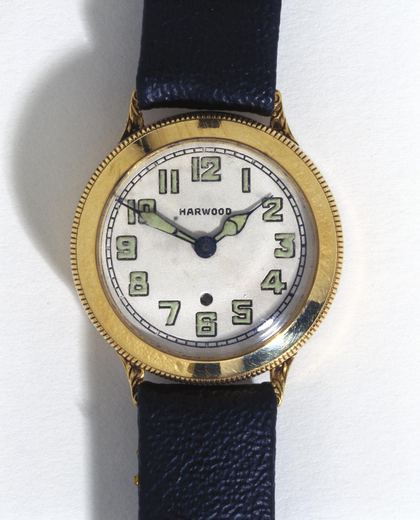
Wristwatches · circa 1930
Wristwatch by J. Harwood and Son; Blancpain, Switzerland, circa 1930
Science Museum Group, London
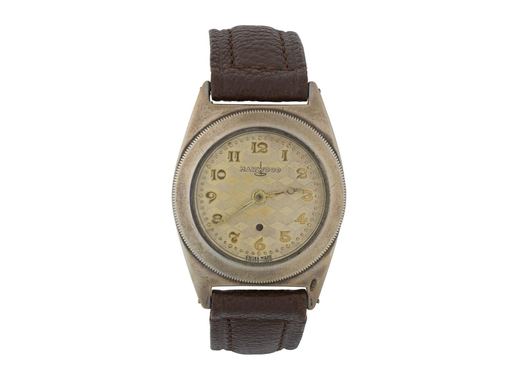
Wristwatches · 1928
Wristwatch by Harwood Self Winding Watch Co. Ltd, England, 1928
Science Museum Group, London
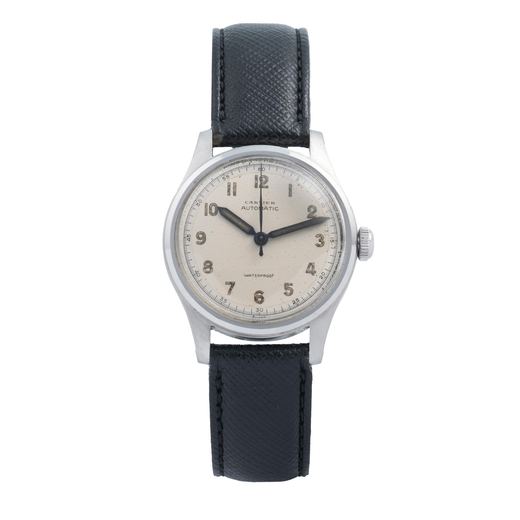
Wristwatches · circa 1930's
Eterna wristwatch, circa 1930's
Antiquorum auction archive, Geneva
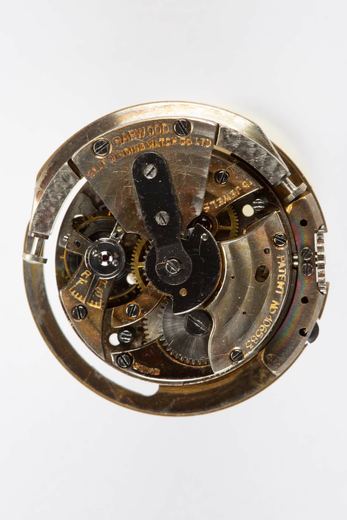
Wristwatches · 1930
Wristwatch by Harwood (Société Centrale de la Montre Sans Remontoir), Switzerland, 1930 (German Clock Museum Museu_ProvidedCHO_museum_digital_58019__technical_number_)
German Clock Museum
Records are linked when the holding institution's description names this mechanism; check each source record for confirmation.