Component
Going barrel
Also known as: Federhaus · Barillet
How it works
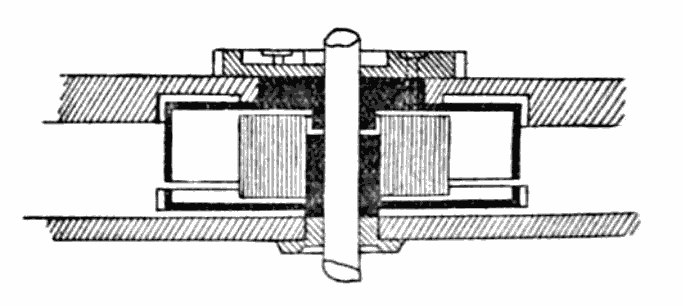
A toothed drum containing the mainspring. The barrel's teeth drive the train directly, while winding turns the central arbor; the watch keeps running during winding because the barrel continues to turn.
Why it was invented
It is simpler, thinner and cheaper than a fusee, and as mainsprings improved the uneven torque became acceptable.
- Invented
- 17th–18th century (in watches without fusee)
- Credited to
- No single inventor documented
- Historical period
- Early Modern Horology
History and development
French and Swiss makers, notably Lépine and Breguet, adopted the going barrel in thin watches from the late 18th century, and it became universal in industrial watches of the 19th century. English watches kept the fusee until about 1900. American 'motor barrels' and modern twin- or triple-barrel layouts extend power reserve.
Related mechanisms
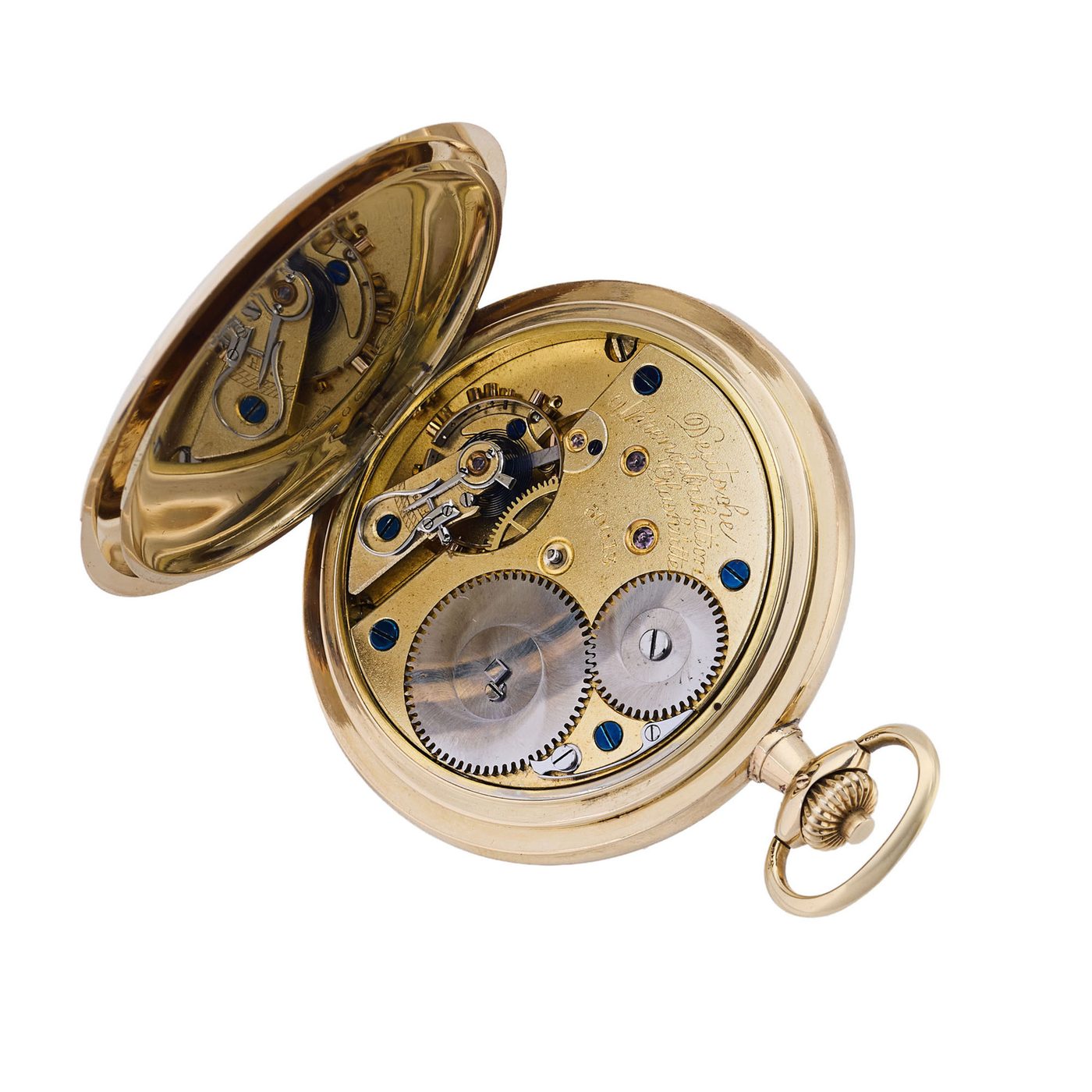
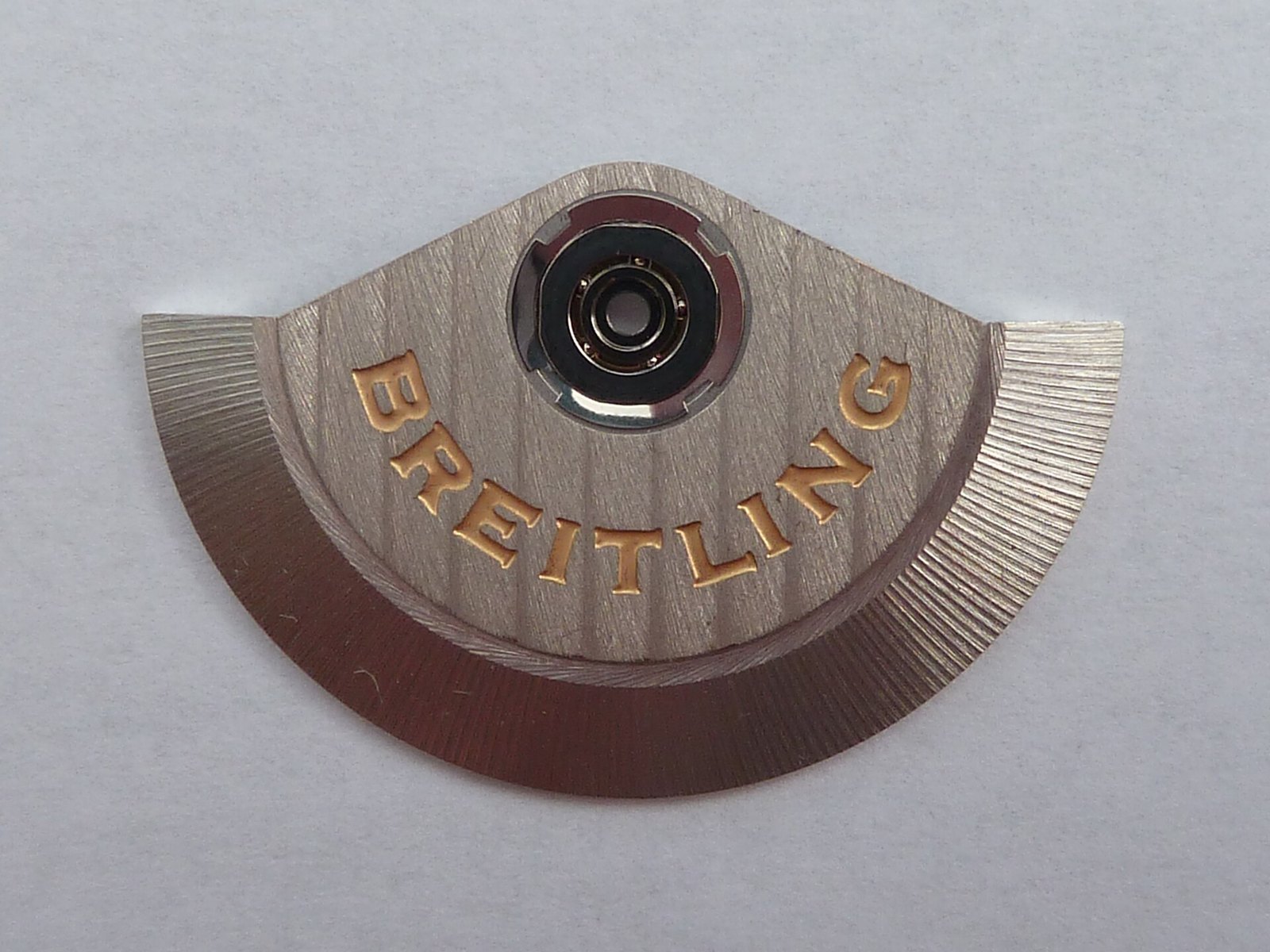
In the catalogue
All 31 records →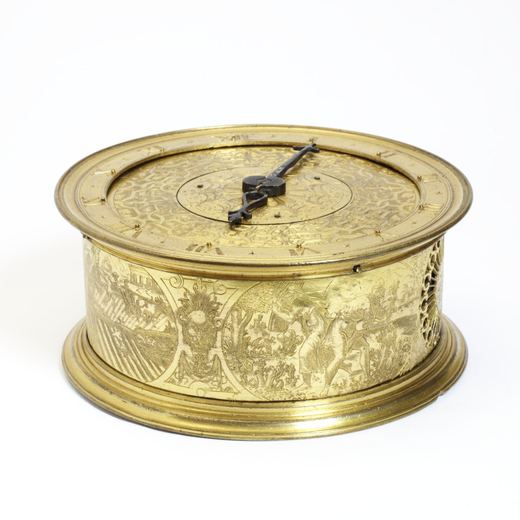
Clocks · 1560-80
Drum clock with alarm engraved with scenes representing the months. Made in France, 1560-80, movement by Félix Loubet
Victoria and Albert Museum, London
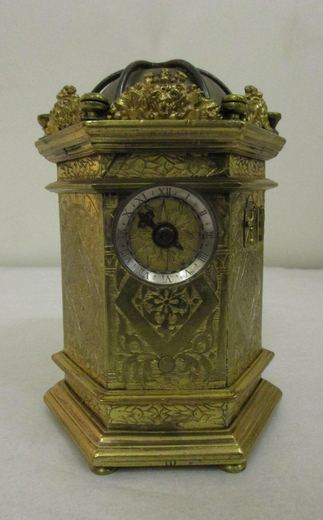
Clocks · 1580-1600
An hexagonal table clock, engraved gilt brass, French, late 16th century
Victoria and Albert Museum, London
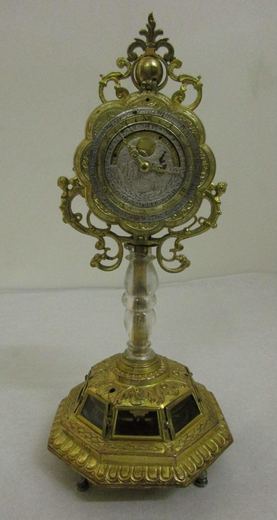
Clocks · 1600-1625
Small monstrance clock with rock crystal case South German or Austrian, early 17th Century.
Victoria and Albert Museum, London
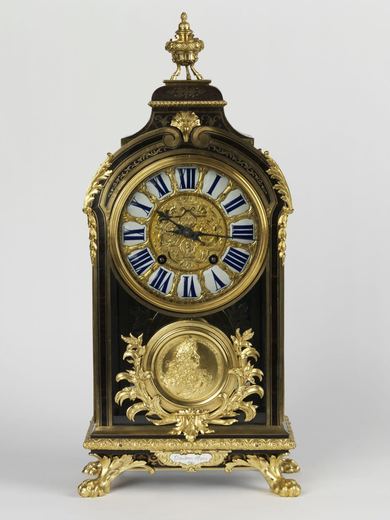
Clocks · late 17th century
Clock with case of tortoiseshell inlaid with brass, Paris, late 17th century
Victoria and Albert Museum, London
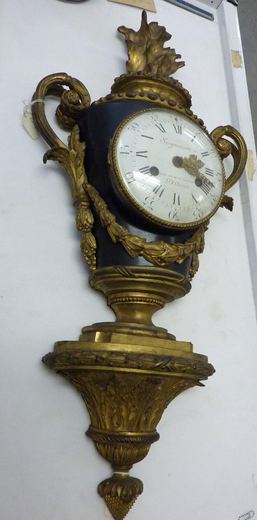
Clocks · 1750-1800
Bracket clock in metal case with scroll handles and flamed-shaped top signed by Pierre Seignoret, Clockmaket to the the Comte d'Artois
Victoria and Albert Museum, London
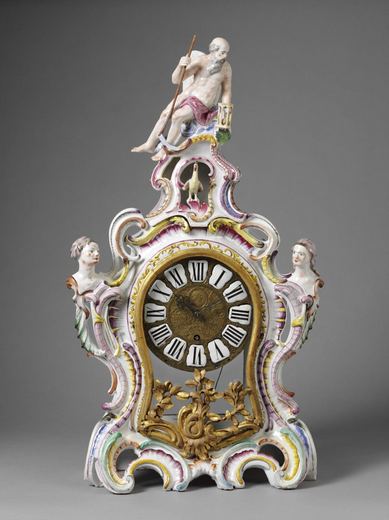
Movements & Components · 1756-1757
Clock case by Paul Hannong's pottery factory, France, 1756-1757
Victoria and Albert Museum, London
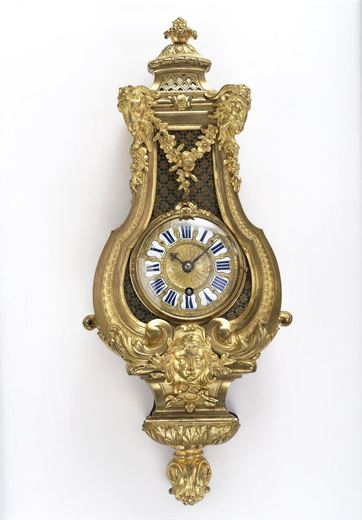
Clocks · 1760–1860
'Pendule d'alcove' wall clock, gilt-bronze and boulle marquetry, Paris, 1760-1860
Victoria and Albert Museum, London
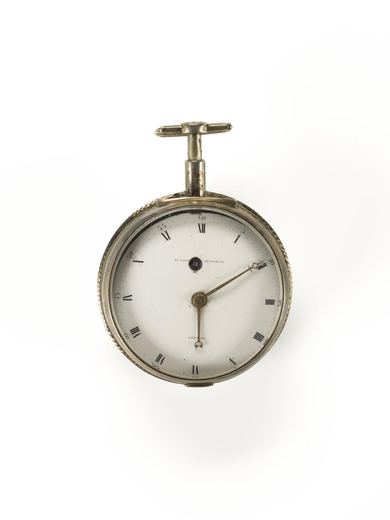
Pocket Watches · 1770-1794
Repeater in silver case by Eardley Norton, London, no.2143 going barrel, cylinder (inner case only ?), 1770-1794, donated byt Evan Roberts in 1916
Science Museum Group, London
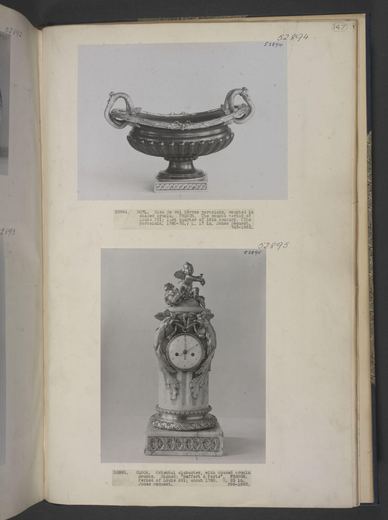
Clocks · 1773-1779
Clock by Martin Baffert, France, 1773-1779
Victoria and Albert Museum, London
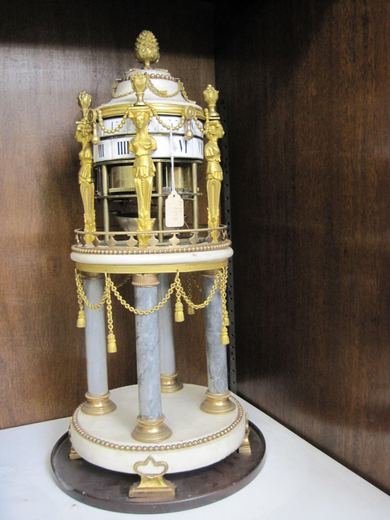
Clocks · ca. 1780
Temple clock, marble and ormolu, with glass dome, by Barancourt, Paris, about 1790
Victoria and Albert Museum, London
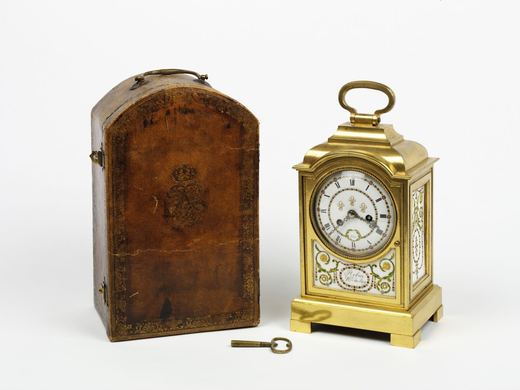
Clocks · 1780-1785
Carriage clock by Robert Robin, France, 1780-1785
Victoria and Albert Museum, London
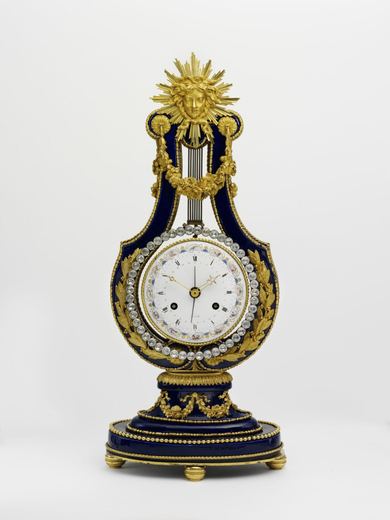
Clocks · ca. 1795-1797
Clock with a porcelain frame case, lyre-shaped, Sèvres porcelain factory, Sèvres, ca. 1795-1797
Victoria and Albert Museum, London
Records are linked when the holding institution's description names this mechanism; check each source record for confirmation.