Component
Mainspring
Also known as: Zugfeder · Ressort moteur
How it works
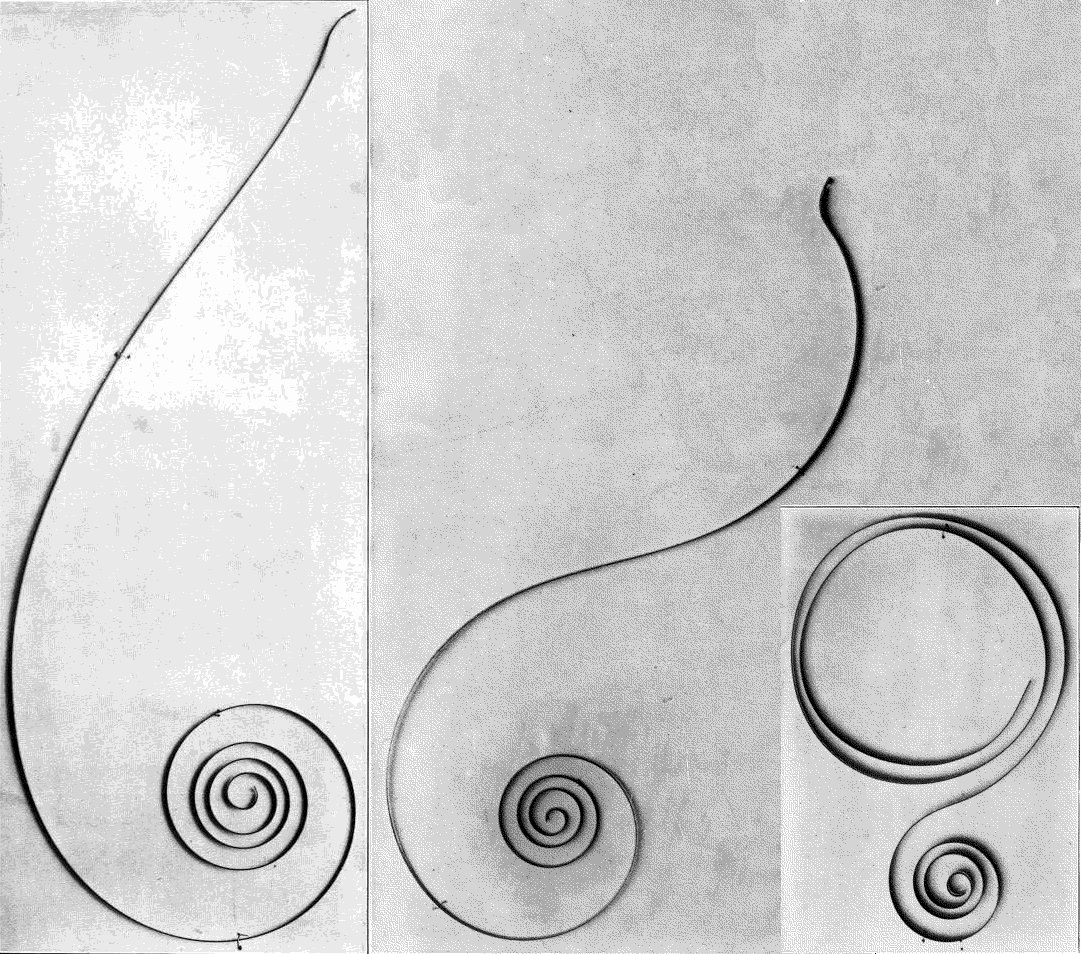
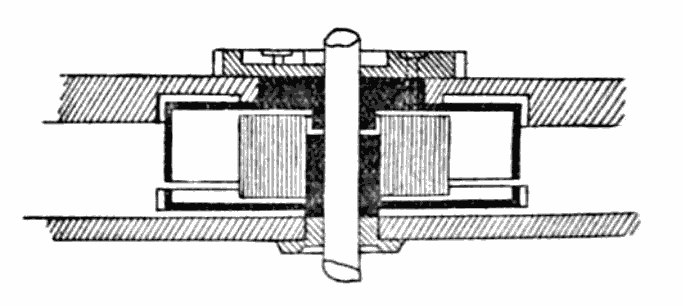
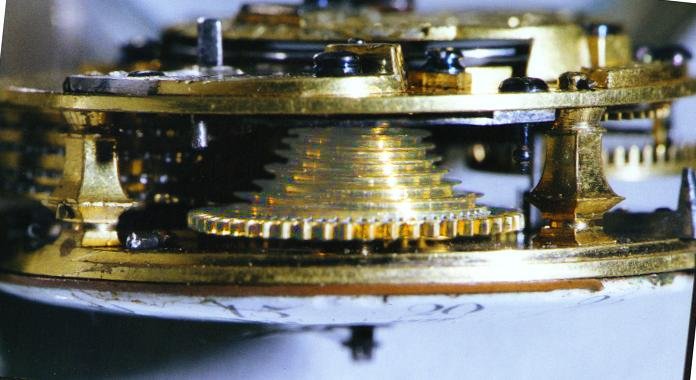
A long ribbon of spring metal coiled in a barrel. Winding coils it tightly round the barrel arbor; as it unwinds it turns the barrel and drives the train. Its torque falls as it lets down, which is why fusees, stopwork and constant-force devices were developed.
Why it was invented
Replacing the falling weight with a coiled spring made clocks portable and gave rise to the watch.
- Invented
- 15th century
- Credited to
- No single inventor documented
- Historical period
- Renaissance Horology
History and development
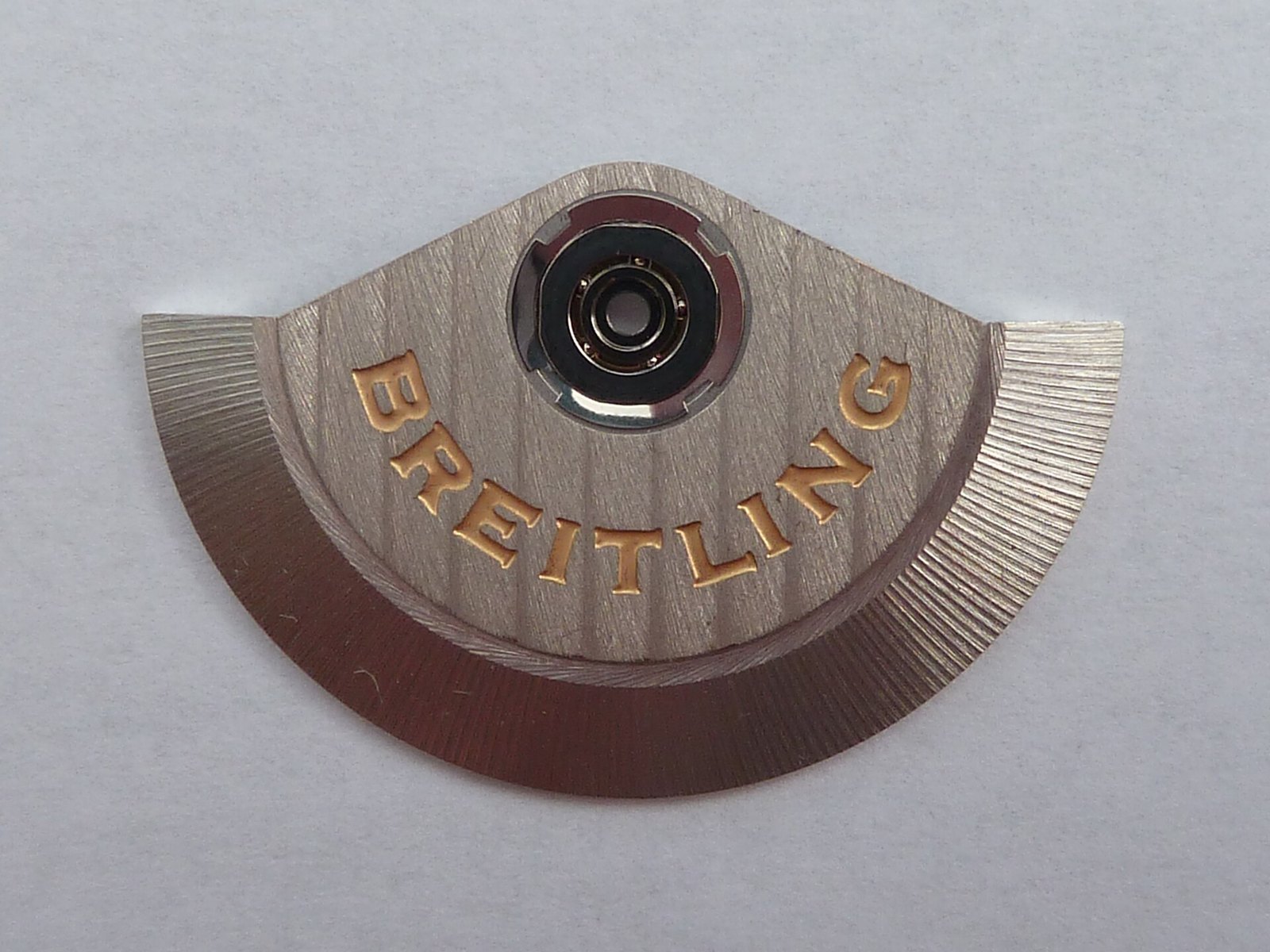
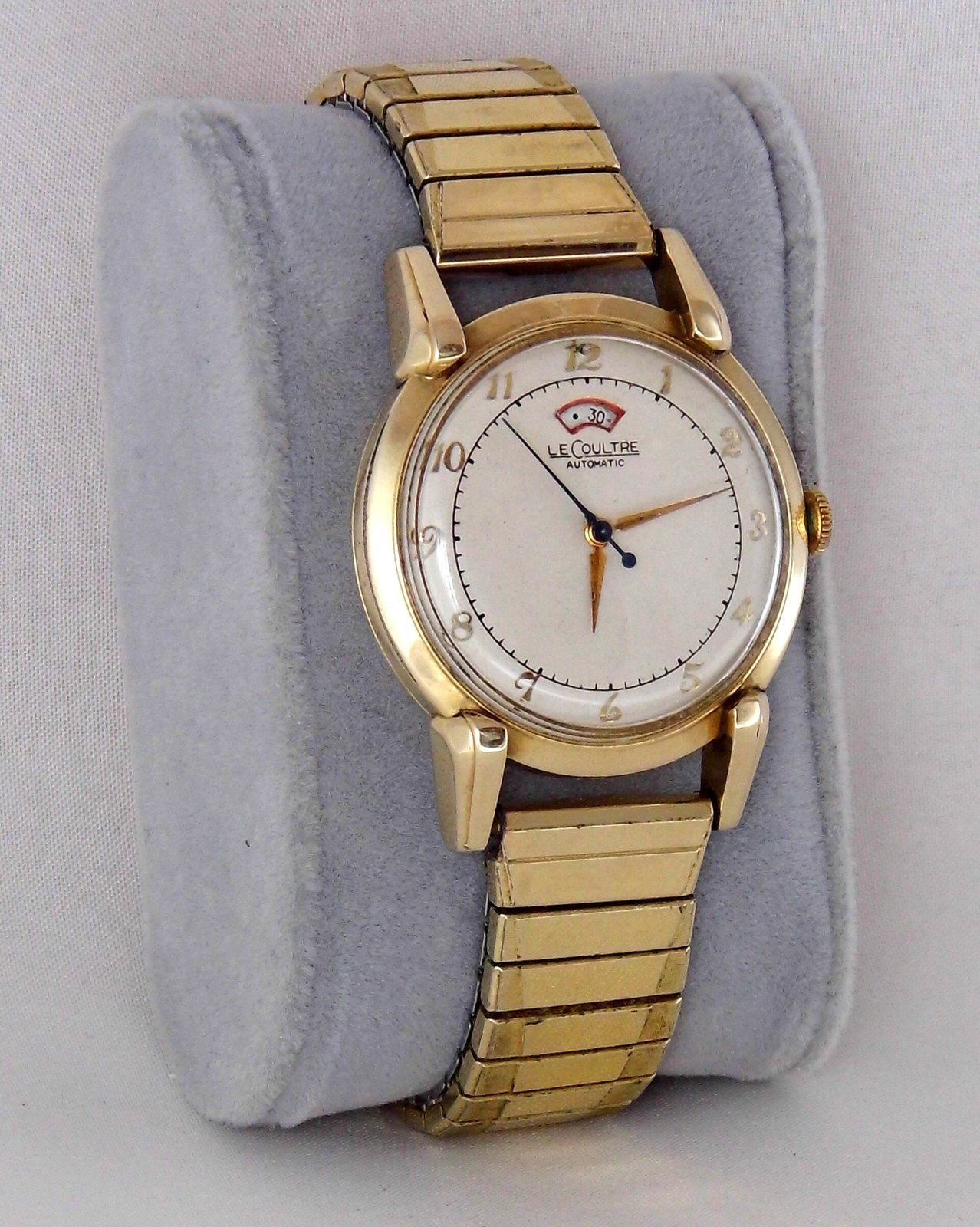
Spring-driven clocks appear in the 15th century; the earliest surviving examples date from around 1430–1450. Early mainsprings were hammered steel; 19th-century industrial springs were tempered carbon steel, prone to breaking ('set'). Cobalt–nickel alloys such as Nivaflex (introduced in the 1940s–50s) gave 'unbreakable' springs. Automatic watches use a slipping bridle so the spring cannot be over-wound.
Related mechanisms
In the catalogue
Open in the catalogue →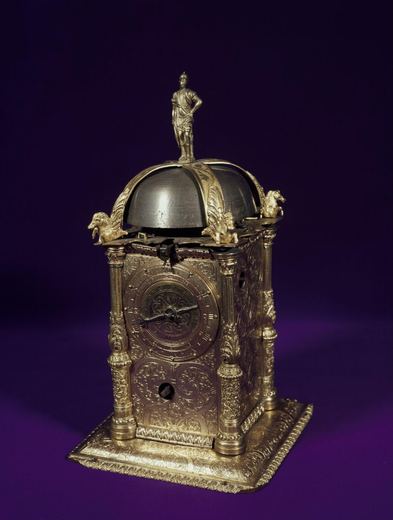
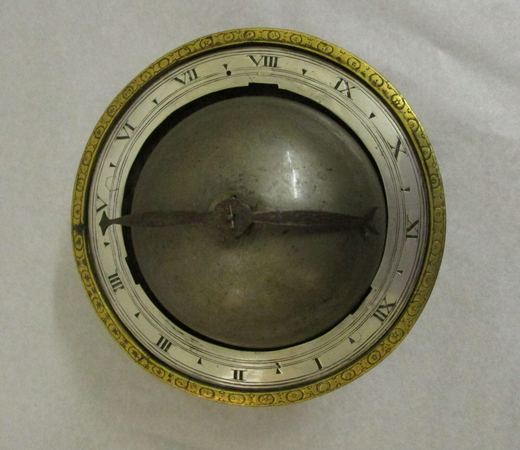
Clocks · 1575-1600
Alarm Tabernacle clock, gilt brass case with engraved and cast decoration, German, late 16th Century.
Victoria and Albert Museum, London
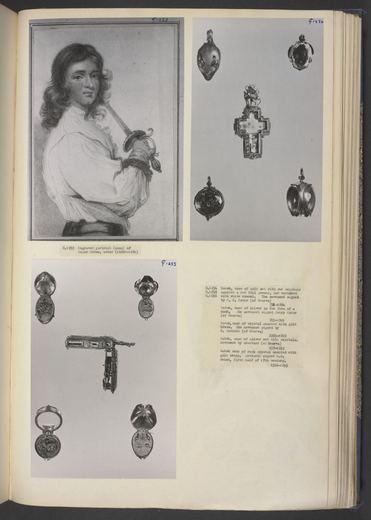
Clocks · 1581
German Drum Table-Clock
Victoria and Albert Museum, London
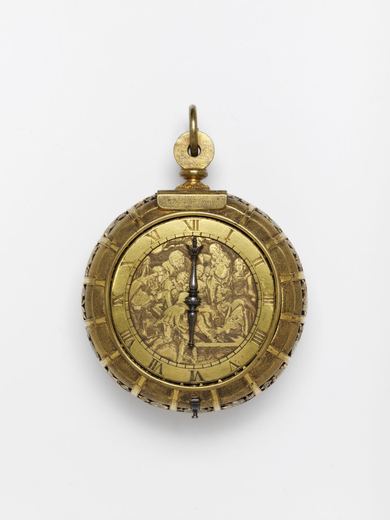
Pocket Watches · 1615-1640
Watch by Jean-Henry Ester, Switzerland, 1615-1640
Victoria and Albert Museum, London
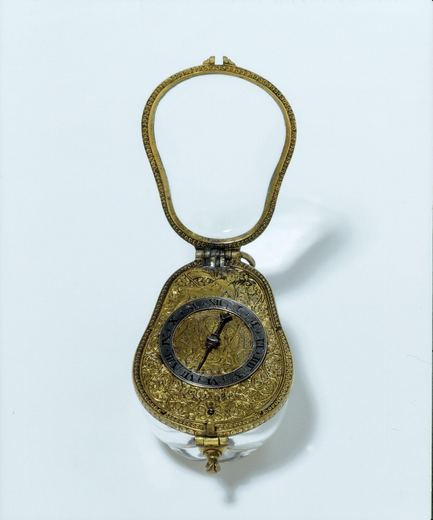
Pocket Watches · 1630
Carriage watch with gilt brass case and engraved dial by Nicolas Lemaindre, Blois, 1630
Victoria and Albert Museum, London
Pocket Watches · ca. 1635
Jewellery, England
Victoria and Albert Museum, London
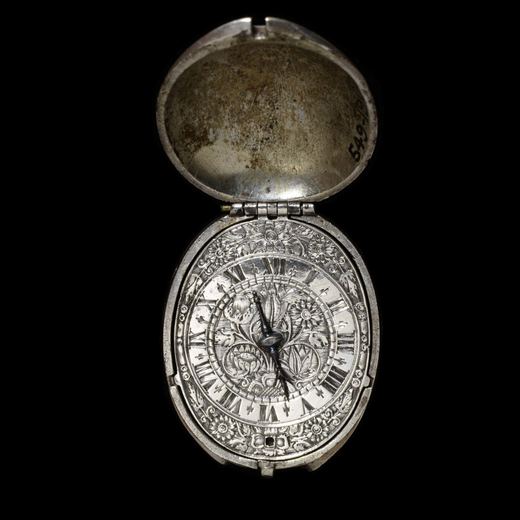
Pocket Watches · 1630-50
Watch by Henry Grendon, England, 1630-50
Victoria and Albert Museum, London
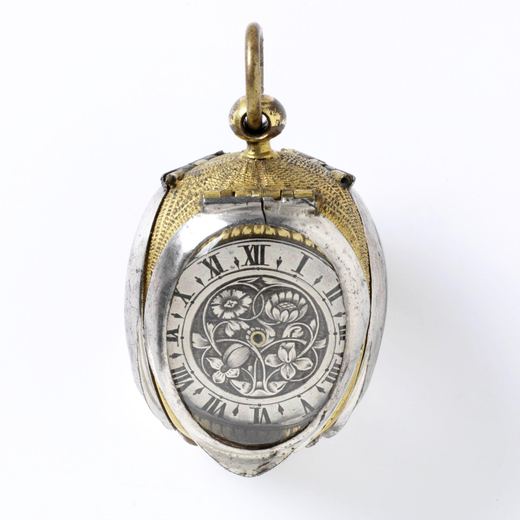
Pocket Watches · 1635-50
Silver, gilt brass and rock crystal watch in the form of a tulip, movement signed 'Senebier', Geneva, Switzerland, 1635-50
Victoria and Albert Museum, London
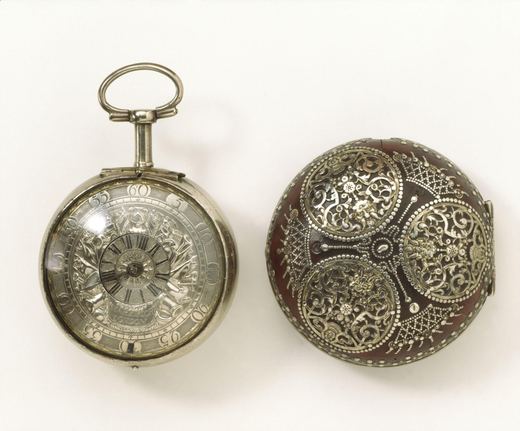
Pocket Watches · ca. 1700
Watch with two cases
Victoria and Albert Museum, London
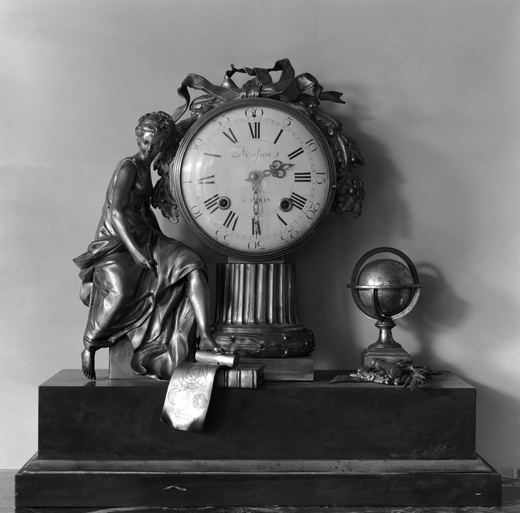
Clocks · 1746
Clock by Denis Masson, France, 1746
Victoria and Albert Museum, London
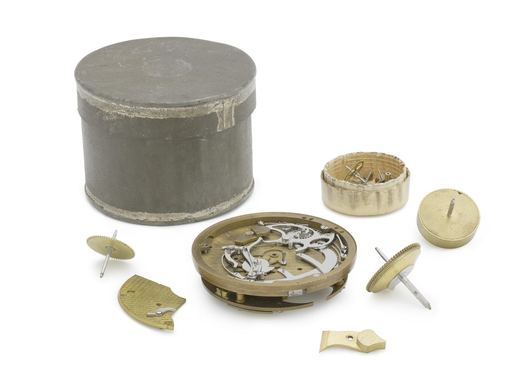
Movements & Components · circa 1820
Watch movement, England, circa 1820
Science Museum Group, London
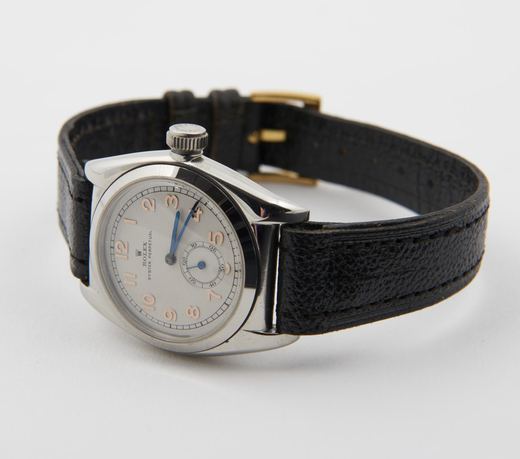
Pocket Watches · 1931
Rolex 'Oyster Perpetual' rotor self-winding wrist-watch, lever escapement, in steel case with glass in back, Montres Rolex SA, Geneva, Switzerland, 1931
Science Museum Group, London
Records are linked when the holding institution's description names this mechanism; check each source record for confirmation.