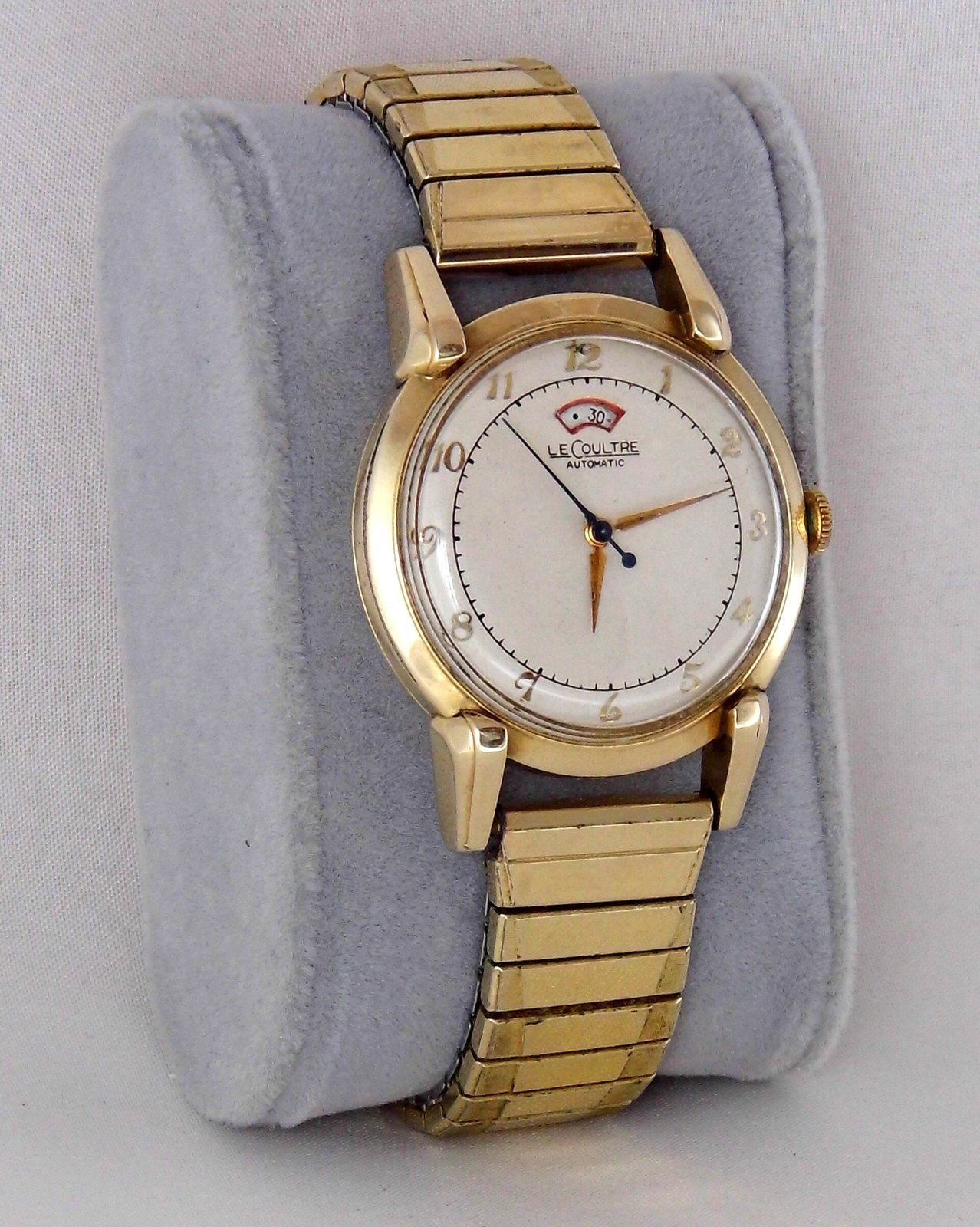
Complication
Power reserve indicator
Also known as: Up-and-down indicator · Réserve de marche · Gangreserveanzeige
How it works
A differential gear compares the winding and unwinding of the mainspring barrel and moves a hand across a scale showing how many hours of running remain.
Why it was invented
It tells the user when to wind — vital in a marine chronometer, and useful in any manually wound watch.
- Invented
- 18th–19th century (chronometers)
- Credited to
- No single inventor documented
- Historical period
- Precision & Scientific Horology
History and development
'Up-and-down' indicators were standard on marine chronometers and deck watches and were used by Breguet. In wristwatches they became common from the mid-20th century, especially in automatics.
Related mechanisms
In the catalogue
All 21 records →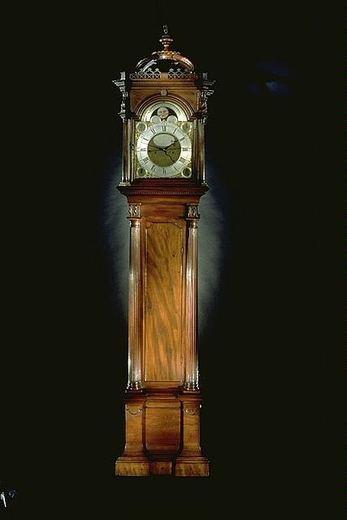
Clocks · 1769
Clock by Ellicott, Joseph, United States, 1769
National Museum of American History, Smithsonian Institution, Washington DC
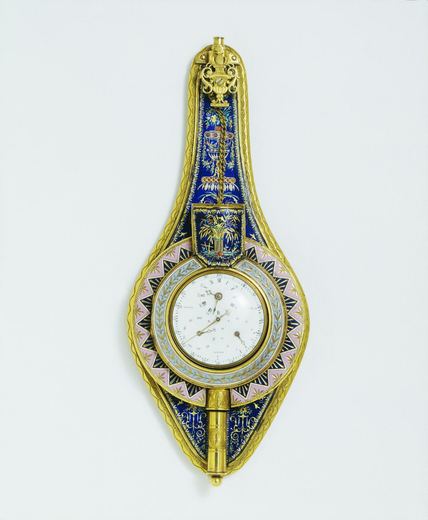
Pocket Watches · ca. 1800
Saddle watch and pedometer, base metal, mechanism made by Ralph Gout in London, ca. 1800
Victoria and Albert Museum, London
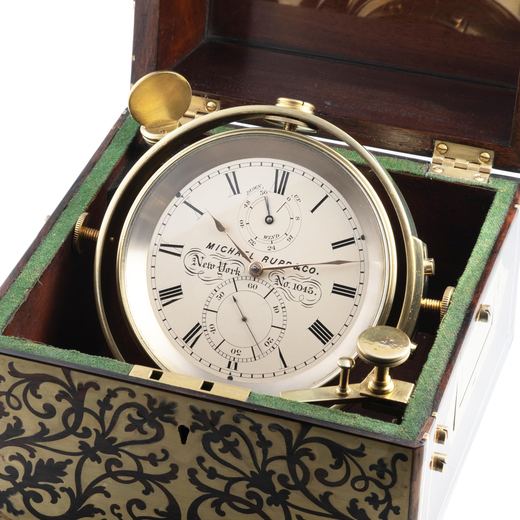
Instruments · circa 1840
Retailed by Michael Rupp & CO in NEW York marine chronometer, circa 1840
Antiquorum auction archive, Geneva
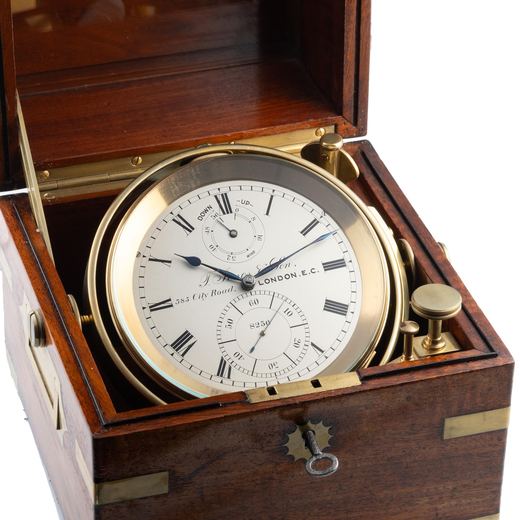
Instruments · circa 1840
T. Jones & Son marine chronometer, circa 1840
Antiquorum auction archive, Geneva
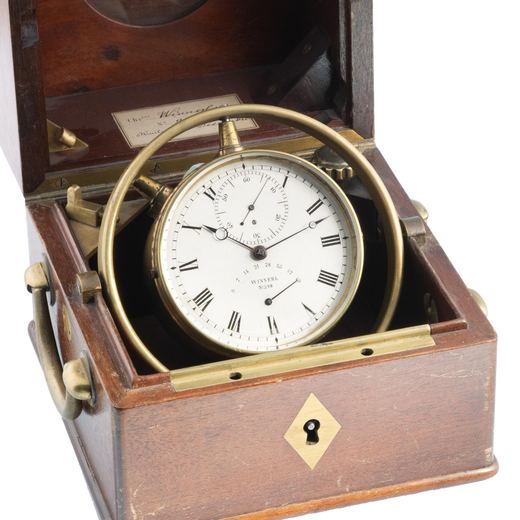
Instruments · circa 1840
Winnerl ''two-Day Chronometer'', circa 1840
Antiquorum auction archive, Geneva
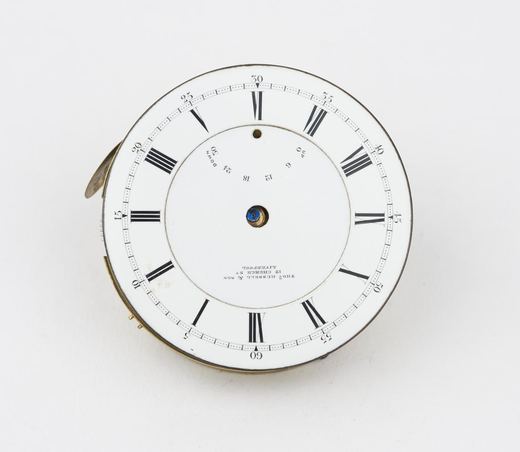
Pocket Watches · 1867-1875
Lever watch movement by Thos. Russell and Son, with up-and-down indicator for winding, London, 1867-1875
Science Museum Group, London
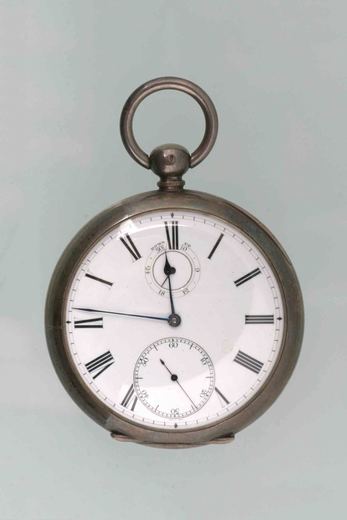
Pocket Watches · 1880
Pocket watch by Millidge und Son, Scotland, 1880
German Clock Museum
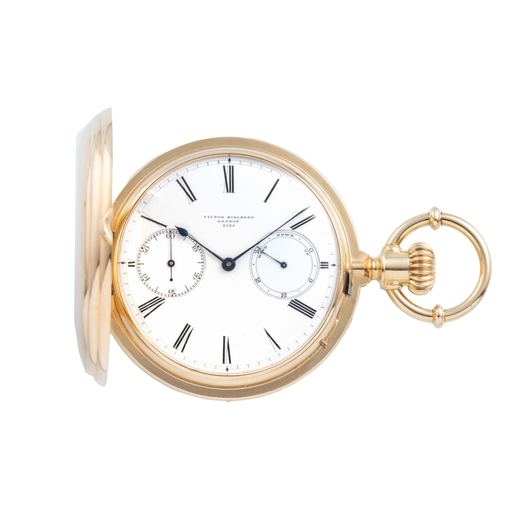
Pocket Watches · circa 1890
Victor Kullberg Chronometer, circa 1890
Antiquorum auction archive, Geneva
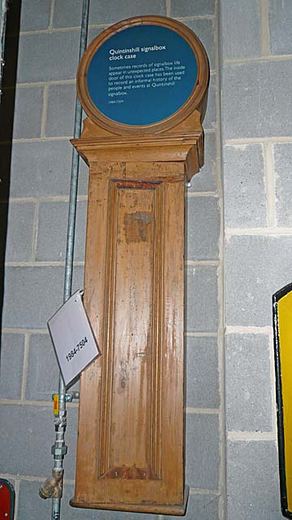
Movements & Components · 1915-1916
Clock case, United Kingdom, 1915-1916
Science Museum Group, London
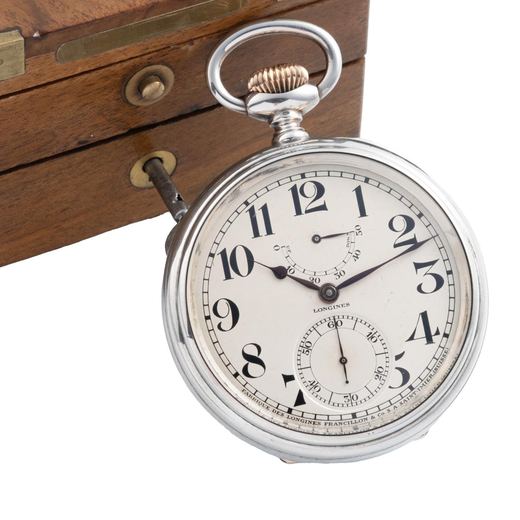
Pocket Watches · circa 1915
Longines ''torpedo-Boat Watch'', circa 1915
Antiquorum auction archive, Geneva
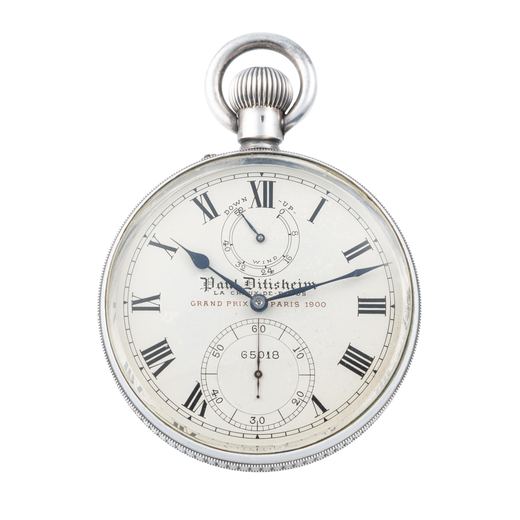
Pocket Watches · 1924
Paul Ditisheim "chronomètre de Bord", circa 1924/25
Antiquorum auction archive, Geneva
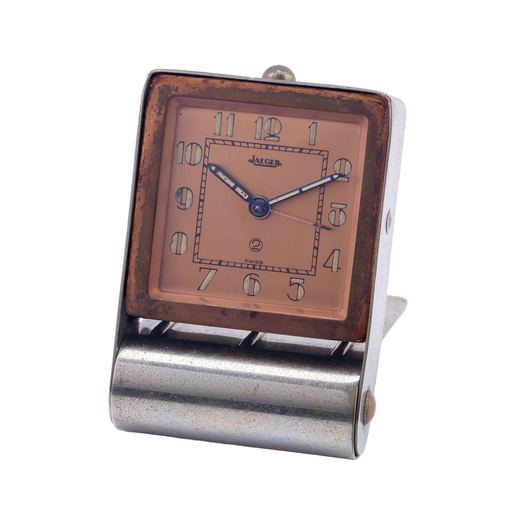
Clocks · circa 1930-1940s
Jaeger Ados, circa 1930-1940s
Antiquorum auction archive, Geneva
Records are linked when the holding institution's description names this mechanism; check each source record for confirmation.