Component
Plates, cocks and bridges
Also known as: Calibre architecture · Platine und Brücken
How it works
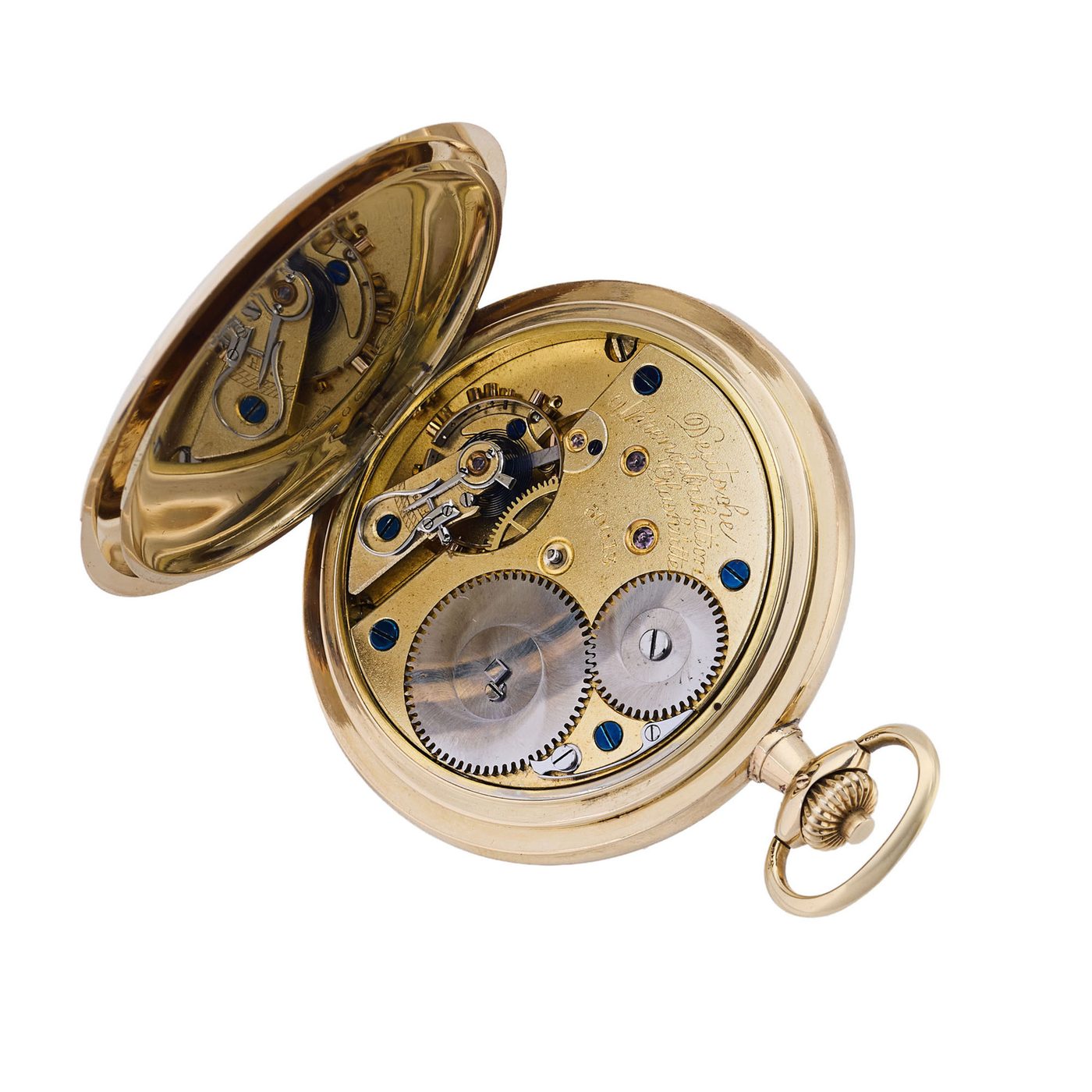
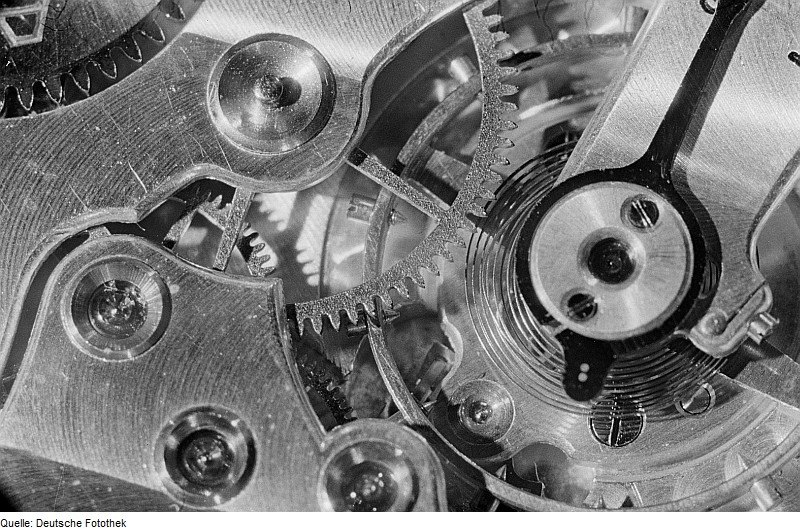
The movement is built between a main plate (on the dial side) and either a second full plate held on pillars, a three-quarter plate, or a set of individual bridges and cocks that hold each wheel's upper pivot.
Why it was invented
Architecture determines thickness, ease of service and the look of the movement.
- Invented
- Lépine calibre c. 1770
- Credited to
- Jean-Antoine Lépine (bridge calibre)
- Historical period
- Precision & Scientific Horology
History and development
Early watches were 'full-plate' with pillars between two plates. Around 1770 Jean-Antoine Lépine replaced the top plate with separate bridges and moved to a going barrel, allowing much thinner watches — the 'Lépine calibre' that underlies most later Swiss movements. German makers in Glashütte favoured the three-quarter plate; American 19th-century watches used full and three-quarter plates. Skeletonised and modular architectures followed in the 20th century.
Related mechanisms
In the catalogue
All 25 records →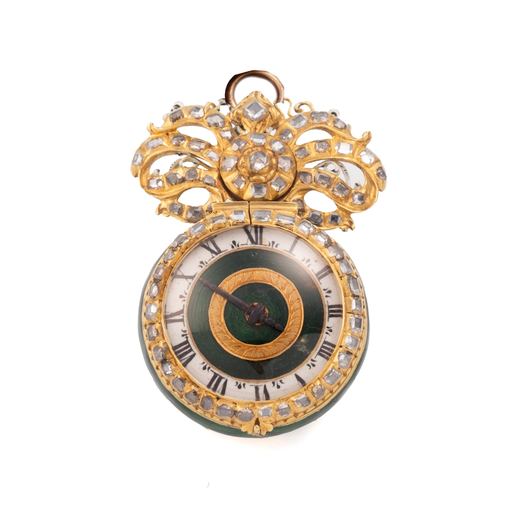
Pocket Watches · circa 1640
Abram Dufours (Geneve) pendant watch, circa 1640
Antiquorum auction archive, Geneva
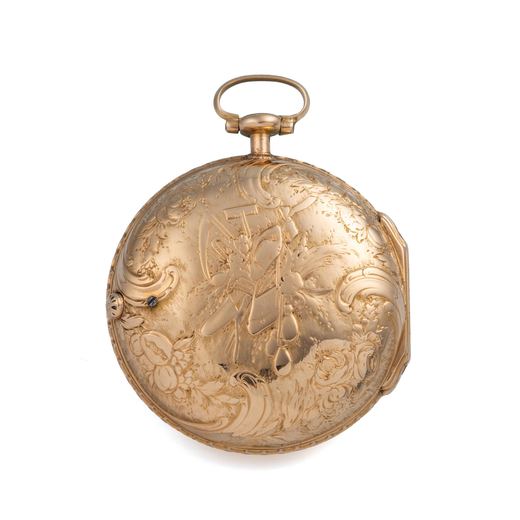
Pocket Watches · circa 1750
Baillon À Paris pocket watch, circa 1750
Antiquorum auction archive, Geneva
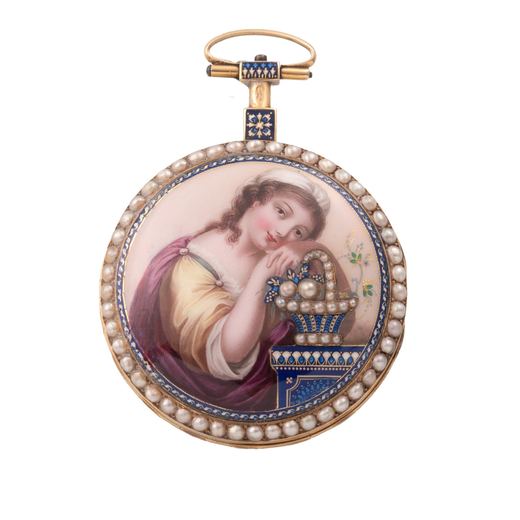
Pocket Watches · circa 1780
Moricand Beautiful Lady, circa 1780
Antiquorum auction archive, Geneva
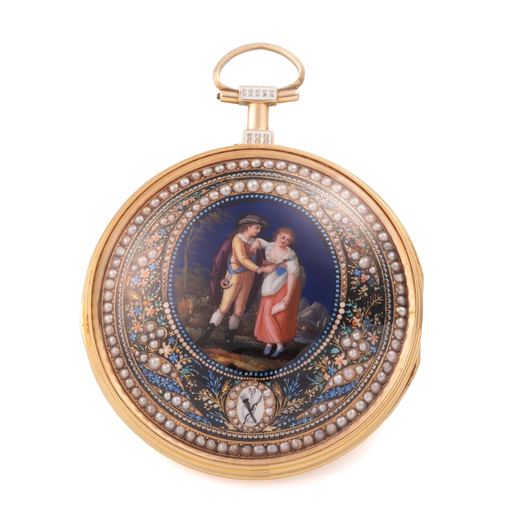
Pocket Watches · circa 1790
Breguet Love Letter, circa 1790
Antiquorum auction archive, Geneva
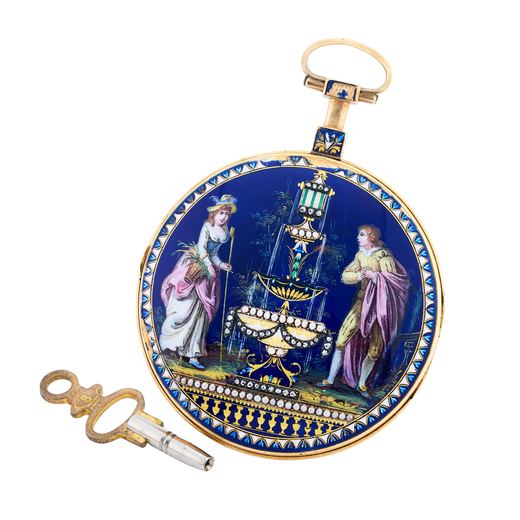
Pocket Watches · circa 1790-1800
Matthey et Compagnie pocket watch, circa 1790-1800
Antiquorum auction archive, Geneva
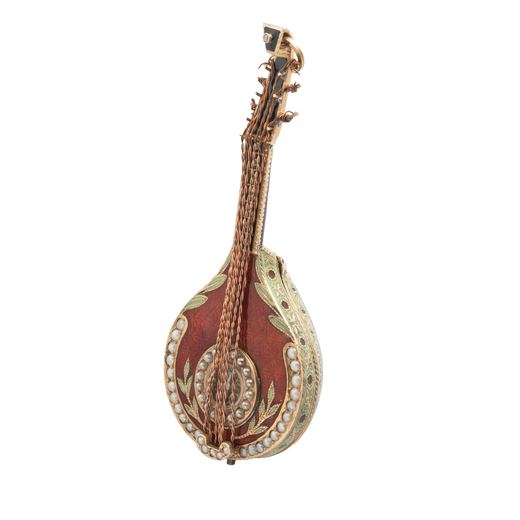
Pocket Watches · circa 1810
Freres Les Raffard watch, circa 1810
Antiquorum auction archive, Geneva
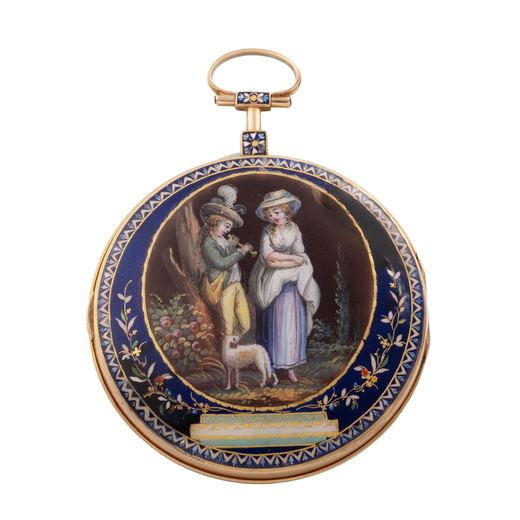
Pocket Watches · circa 1810
Gregson pocket watch, circa 1810
Antiquorum auction archive, Geneva
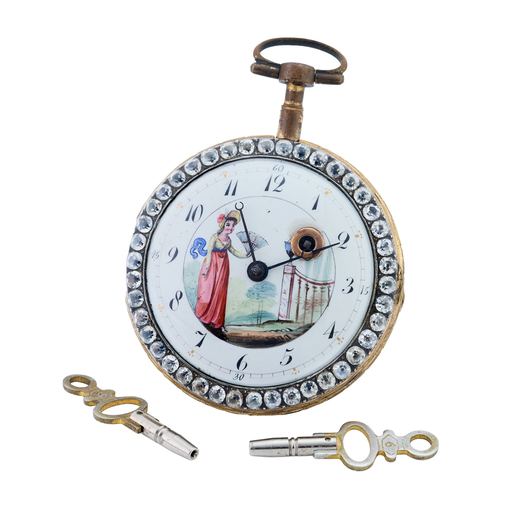
Pocket Watches · circa 1810s
Unsigned pocket watch, circa 1810s
Antiquorum auction archive, Geneva
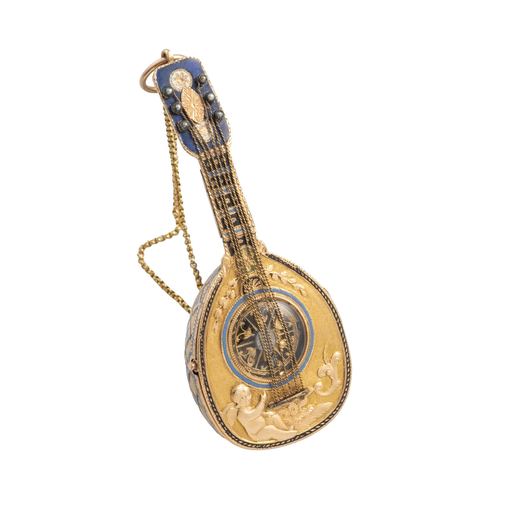
Pocket Watches · circa 1810
Unsigned watch, circa 1810
Antiquorum auction archive, Geneva
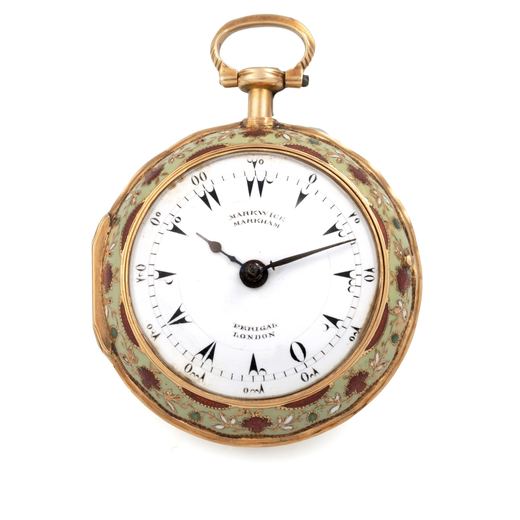
Pocket Watches · circa 1815
Markwick Markham On The Bosphorus, circa 1815
Antiquorum auction archive, Geneva
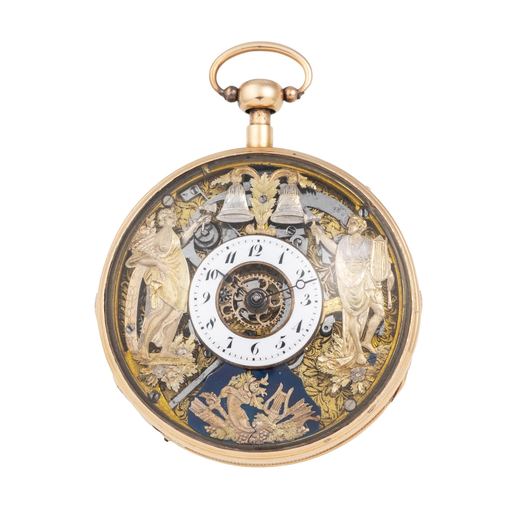
Pocket Watches · circa 1815
Unsigned pocket watch, circa 1815
Antiquorum auction archive, Geneva
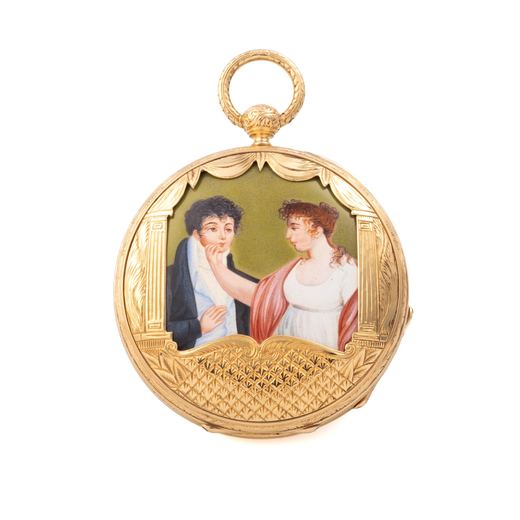
Pocket Watches · circa 1820
Breguet à Paris Theatre of Love, circa 1820
Antiquorum auction archive, Geneva
Records are linked when the holding institution's description names this mechanism; check each source record for confirmation.