Clock and watch manufacturers
Waterbury Clock Company and Waterbury Watch Company
Also recorded as: Waterbury Clock Co · Waterbury Clock Co. · Waterbury Clock Company · Waterbury Watch Co · Waterbury Watch Co. · Waterbury Watch Company
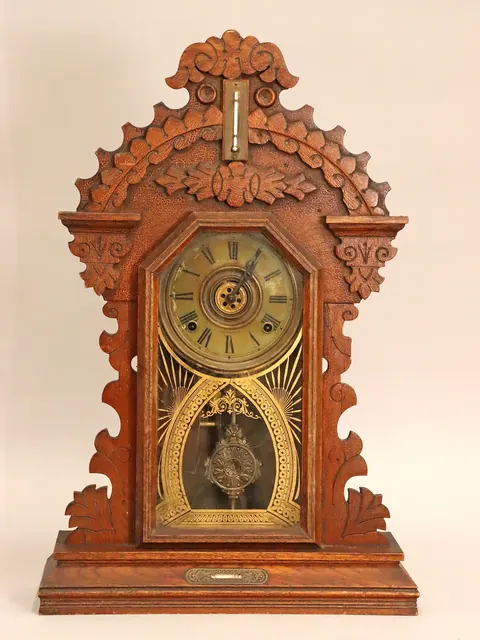
Two Connecticut companies that made cheap clocks and watches for a mass market; the clock company's line leads to Timex.
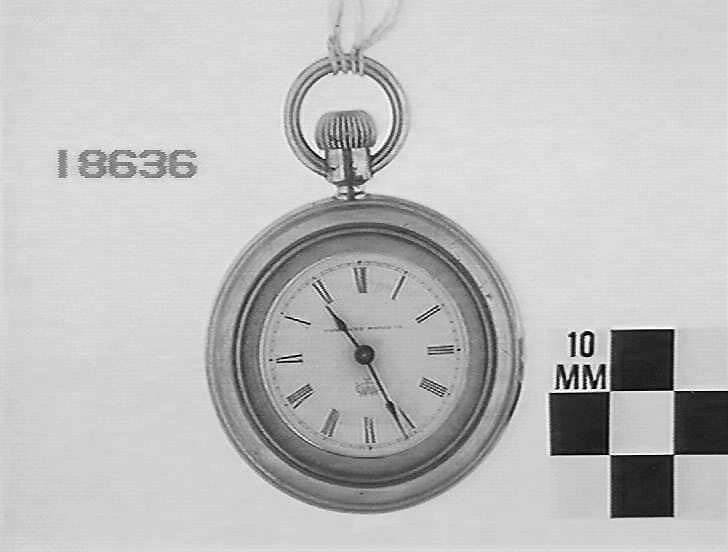
Waterbury, Connecticut, was the centre of the American brass industry, and in 1857 the brass makers Benedict & Burnham set up the Waterbury Clock Company to make inexpensive clocks. A separate firm, the Waterbury Watch Company, was formed in 1880 to make the very cheap 'long-wind' watch designed by Daniel Azro Ashley Buck, whose whole movement rotated inside the case and whose very long mainspring took many turns of the crown to wind. It was reorganised as the New England Watch Company in 1898.
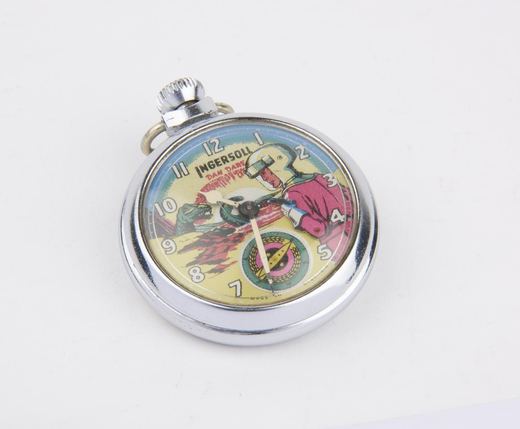
The Waterbury Clock Company made the inexpensive watches sold by Robert H. Ingersoll & Brother, including the famous 'dollar watch', and acquired Ingersoll's business in 1922. It became the United States Time Corporation in 1944, and its products were later sold under the Timex name, which the company adopted in 1969.
- Country
- United States
- City / centre
- Waterbury, Connecticut
- Founded
- 1857 (clock company); 1880 (watch company)
- Status
- Historical firms
- Key people
- Daniel Azro Ashley Buck (watch designer)
Innovations & specialities
- Buck's rotating 'long-wind' watch (Waterbury Watch Co., 1880s)
- Mass-produced inexpensive watches for Ingersoll
Works by Waterbury Clock Company and Waterbury Watch Company in the catalogue
Open in the catalogue →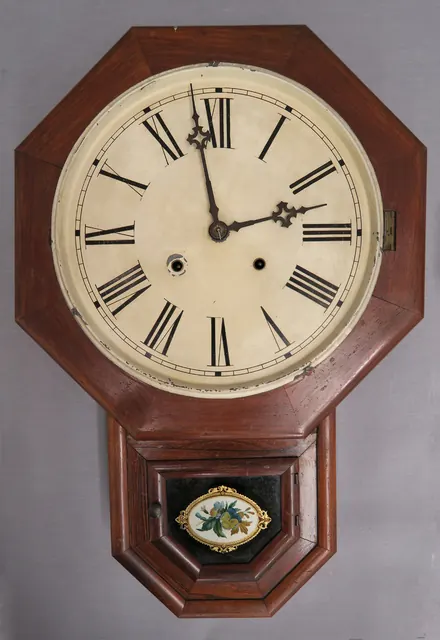
Clocks · c. 1870
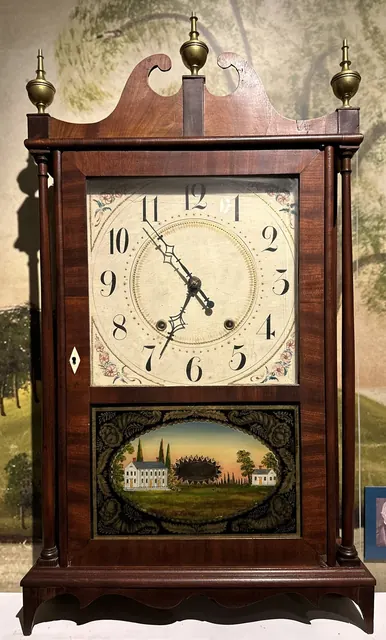
Wall clock by Waterbury Clock Co, United States, c. 1870
HKM / Kulttuurihistoriallinen
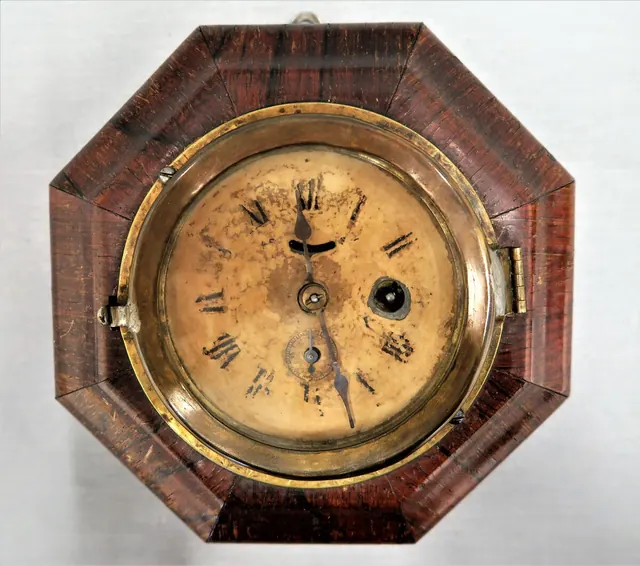
Clocks · c. 1870
Wall clock by Waterbury Clock Co, United States, c. 1870
HKM / Kulttuurihistoriallinen
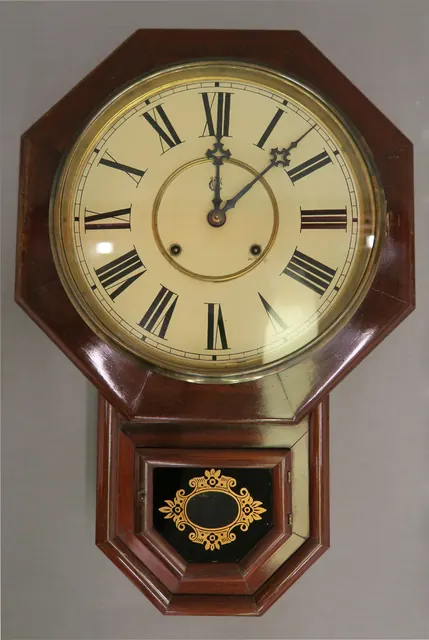
Clocks · c. 1870 - 1880s
Wall clock by Waterbury Clock Co, United States, c. 1870 - 1880s
HKM / Kulttuurihistoriallinen
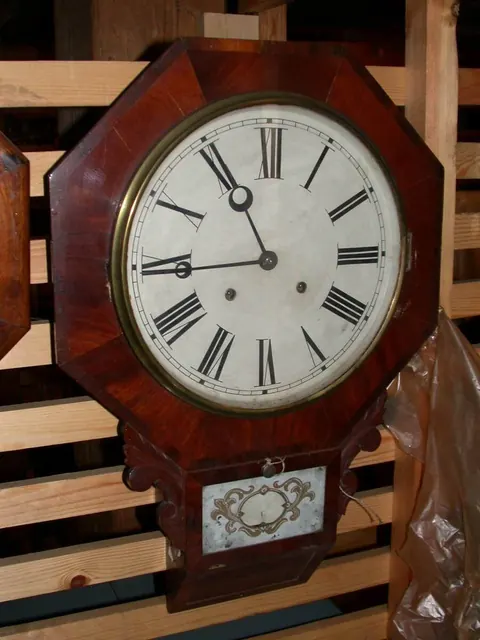
Clocks · c. 1875 - 1890s
Wall clock by Waterbury Clock Co, United States, c. 1875 - 1890s
HKM / Kulttuurihistoriallinen
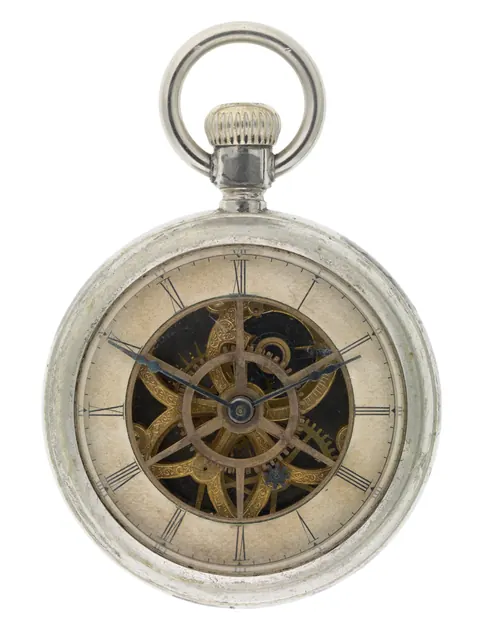
Pocket Watches · c. 1880
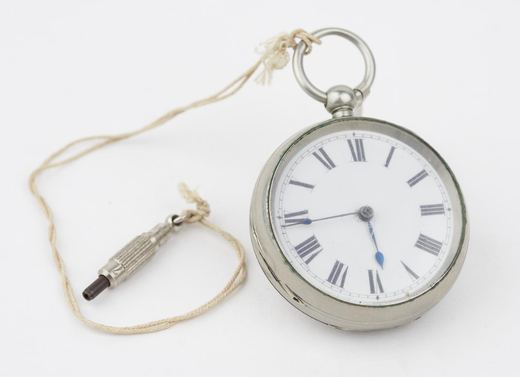
Pocket watch by Waterbury Watch Company
Royal Museums Greenwich
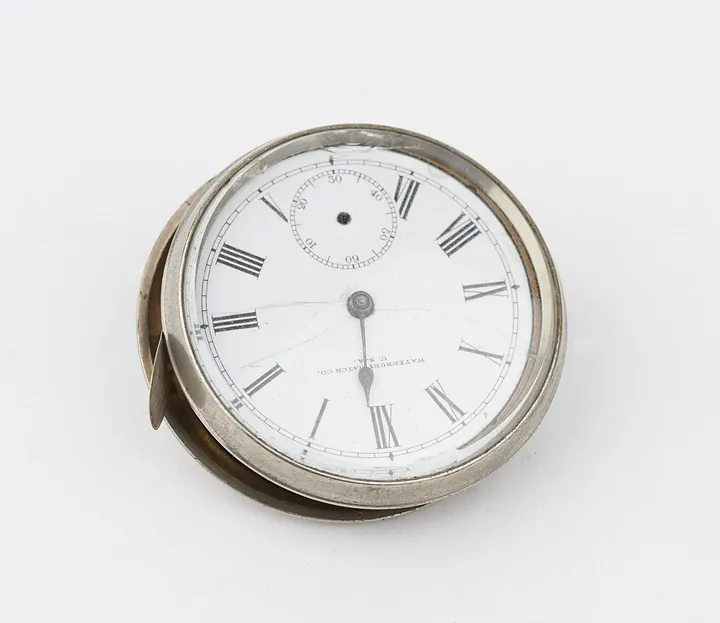
Movements & Components · 1880–1898
Waterbury watch movement
Science Museum Group, London
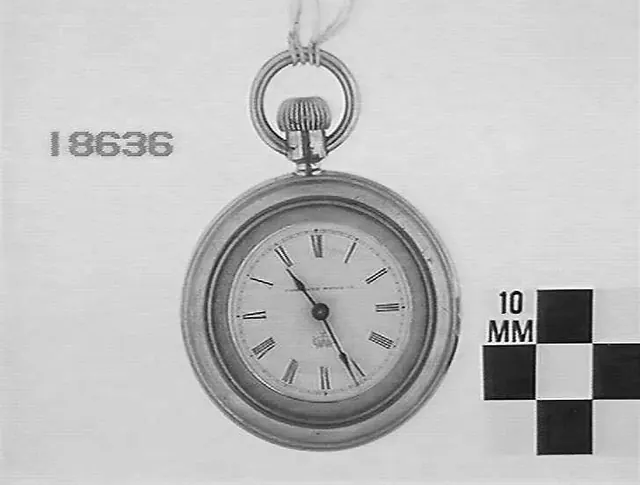
Pocket Watches · 1882–1885
Pocket Watch - Waterbury Watch Co, Series C, 1882–1885
Museums Victoria, Melbourne
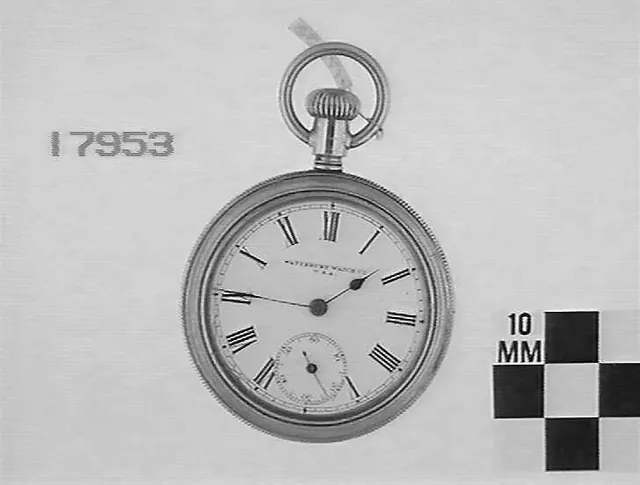
Pocket Watches · c. 1890
Pocket Watch - Waterbury Watch Co, c. 1890
Museums Victoria, Melbourne
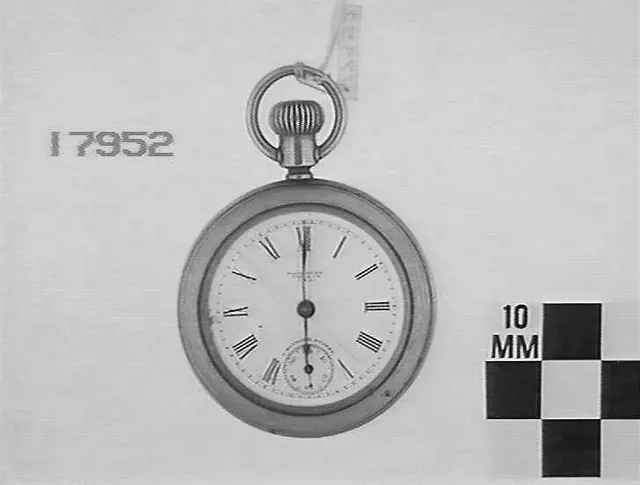
Pocket Watches · c. 1890
Pocket Watch - Waterbury Watch Company, c. 1890
Museums Victoria, Melbourne
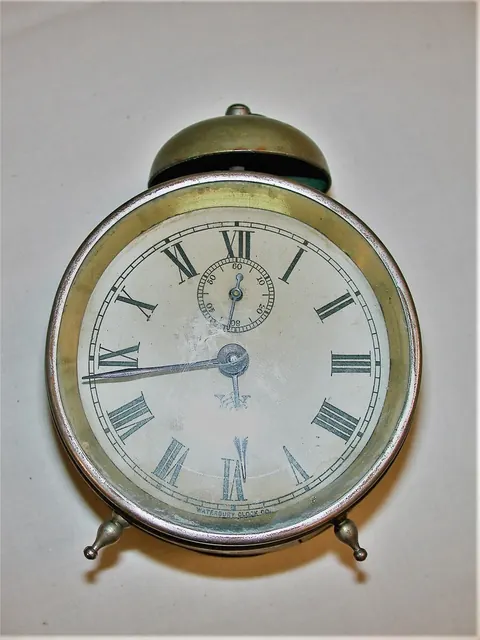
Clocks · 1900–1914
Alarm clock by Waterbury Clock Co, United States, 1900–1914
HKM / Kulttuurihistoriallinen
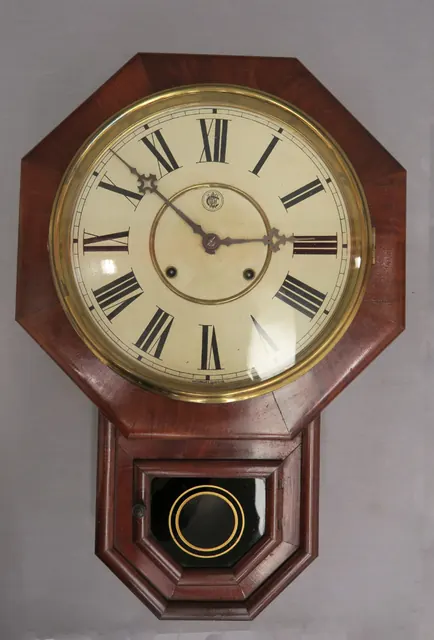
Clocks · c. 1910
Wall clock by Waterbury Clock Co, United States, c. 1910
HKM / Kulttuurihistoriallinen
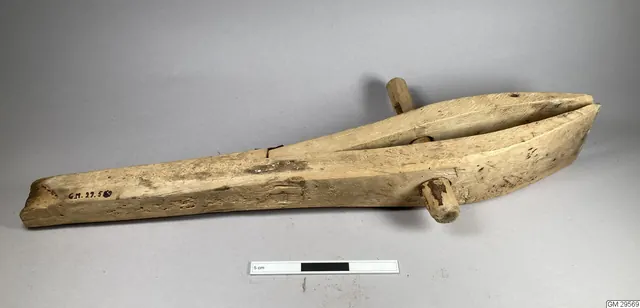
Clocks · 1973
Wall clock by Waterbury Clock Co., United States, 1973
Museum of Gothenburg
Linked through the Atlas maker authority list, which reconciles the spellings used by different institutions. Attributions are as stated by each holding institution or auction house.
Read and see more
Magazine features
- Old Clock Brands: How to Identify the Maker of an Antique or Vintage Clock
Seth Thomas, Ansonia, Ingraham, Junghans, Gustav Becker, Kienzle, Japy, Smiths, Jaeger-LeCoultre — the clock makers whose names turn up most often on mantelpieces, in attics and at auction, where they worked, what they made, and where to look on a clock for the marks that identify it.
- Mantel Clocks: Paris Pendules, Carriage Clocks and the Clock on Every Chimneypiece, 1730–1970
How the clock moved from the wall and the floor to the chimneypiece: gilt-bronze pendules made by teams of Paris specialists, the travelling carriage clock, Connecticut shelf clocks sold by the million, black marble garnitures and the Atmos clock that winds itself from the air — with examples from museums, dealers and auction records, and a guide to dating your own.
- Interchangeable Parts: How Waltham, Elgin and Hamilton Industrialised the Watch
In the second half of the 19th century, American factories made watches by machine, with parts that fitted any movement of the same model. The Swiss industry saw the threat in 1876 and changed itself in response.