Component
Tuning-fork oscillator
Also known as: Accutron
How it works
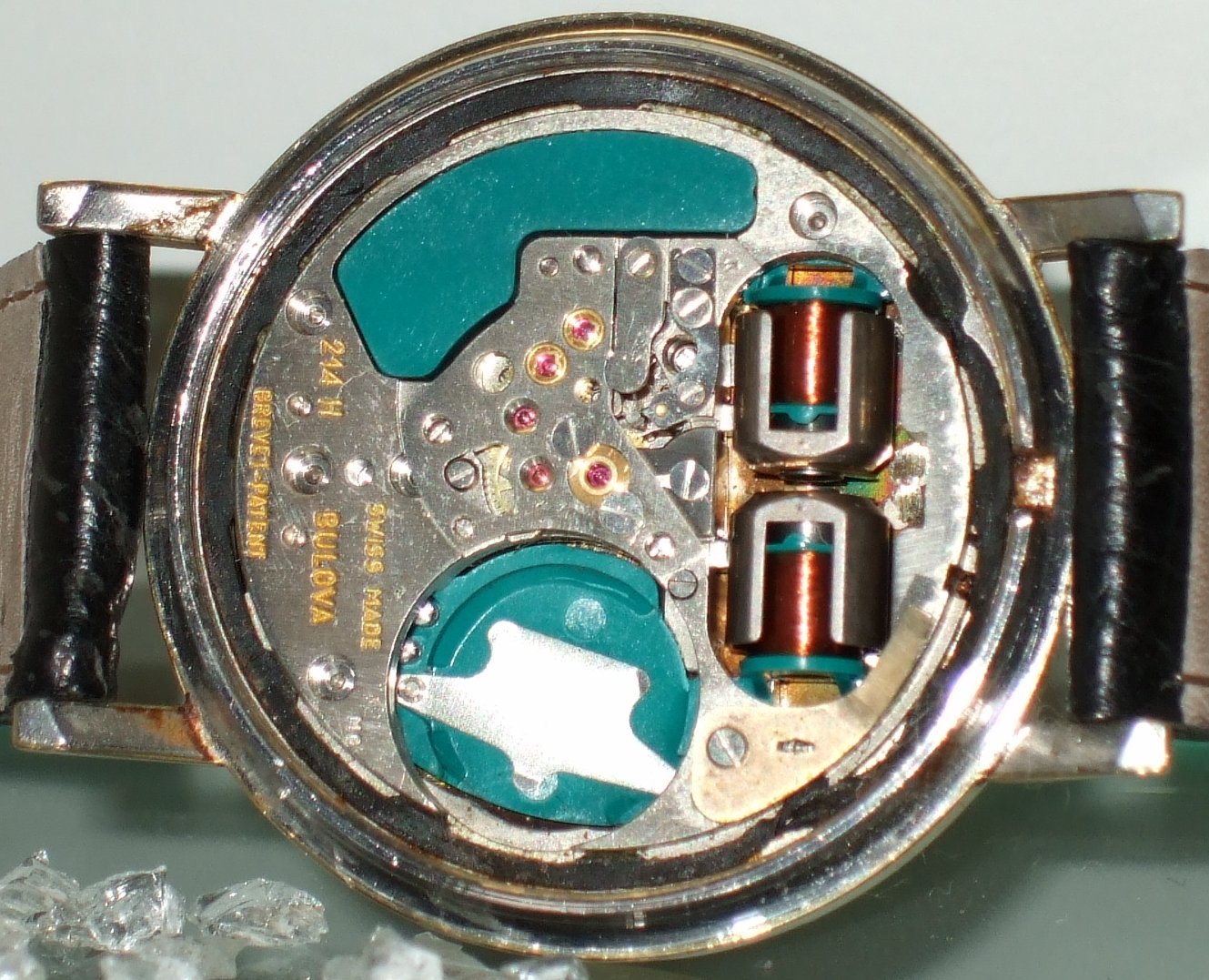
A small steel tuning fork, kept vibrating by a transistor circuit and electromagnets, drives an index wheel through a tiny pawl — a mechanical counting system with an electronic oscillator.
Why it was invented
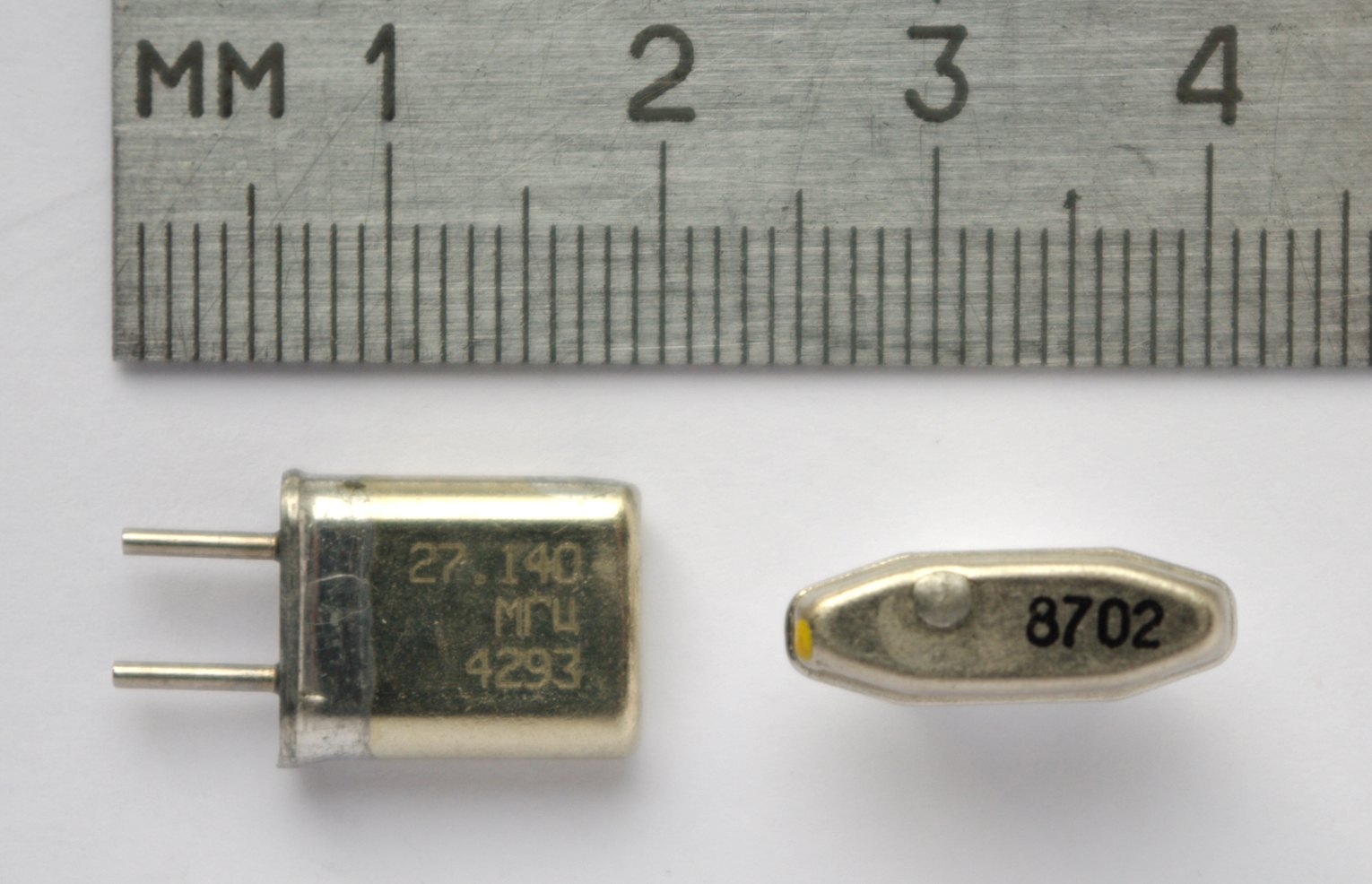
At 360 Hz the fork was far more stable than a balance, giving accuracy of about a minute a month.
- Invented
- 1953–1960
- Credited to
- Max Hetzel (Bulova)
- Historical period
- Modern Mechanical Horology
History and development
Max Hetzel, a Swiss engineer at Bulova, developed the design; the Bulova Accutron was launched in 1960 and guaranteed to within a minute a month. Accutron timers flew in the American space programme. Quartz overtook the tuning fork within a decade.
Related mechanisms
Movements using it
- Bulova Accutron 214Electronic tuning-fork
In the catalogue
Open in the catalogue →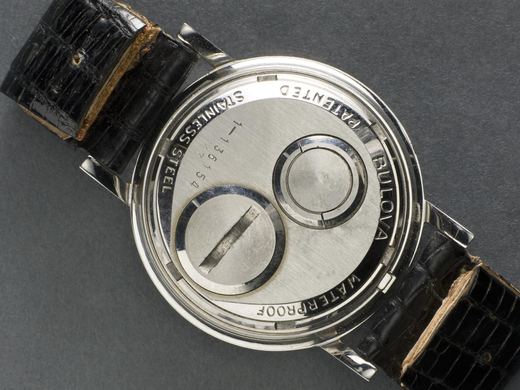
Wristwatches · 1960-1963
Wristwatch by Bulova Watch Company, Inc.; Hetzel, Max, 1921-, United States, 1960-1963
Science Museum Group, London
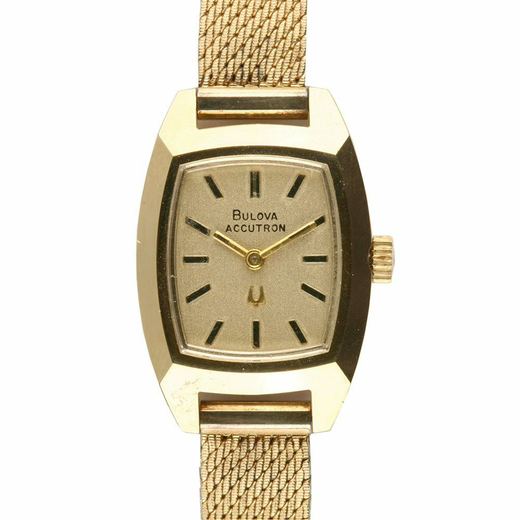
Wristwatches · 1973
Wristwatch by Josef Bulova, United States, 1973
German Clock Museum
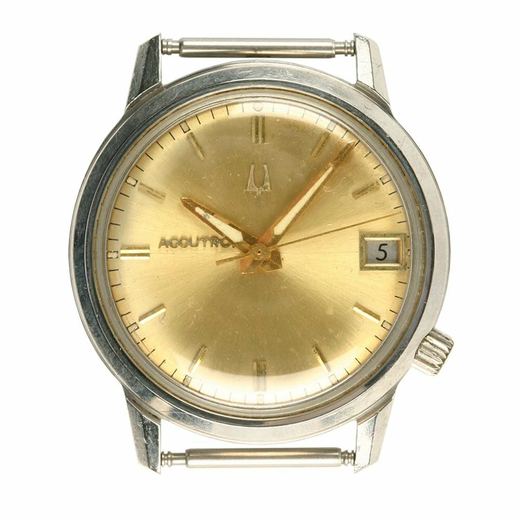
Wristwatches · 1975
Wristwatch by Josef Bulova, United States, 1975
German Clock Museum
Records are linked when the holding institution's description names this mechanism; check each source record for confirmation.