Component
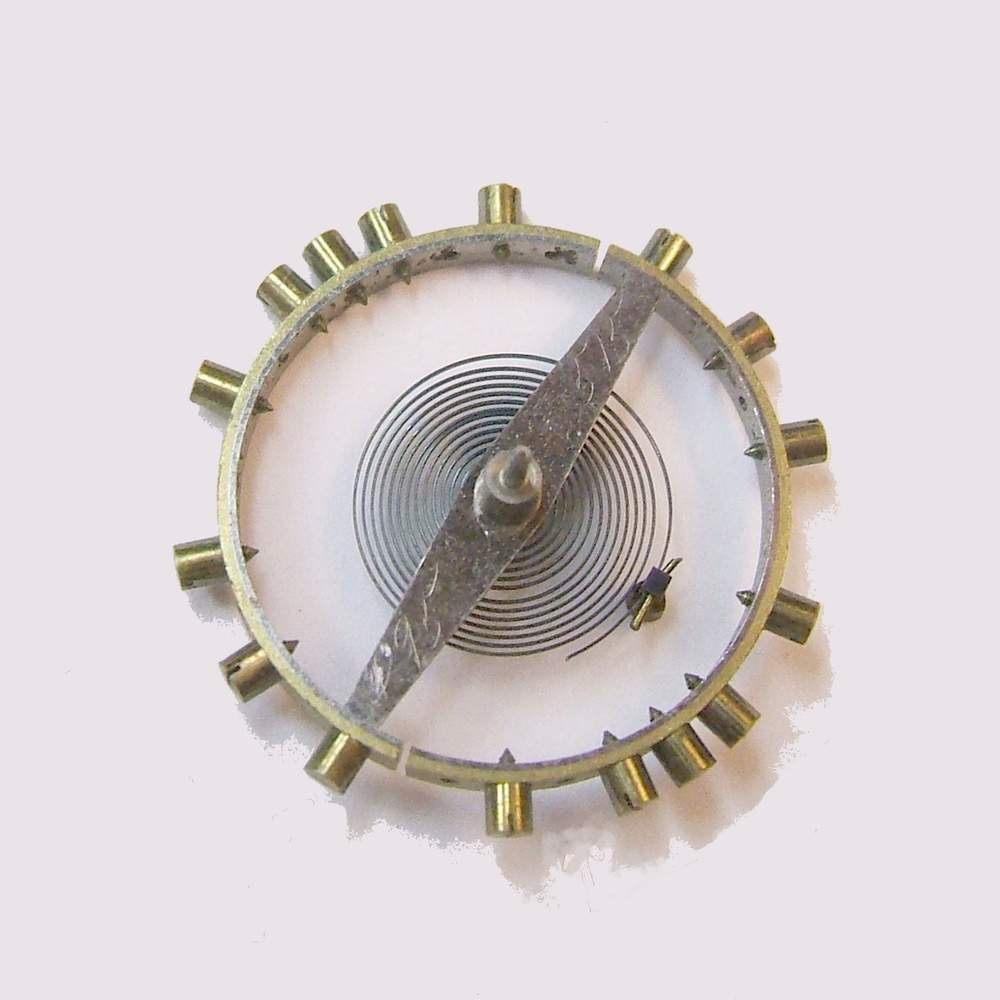
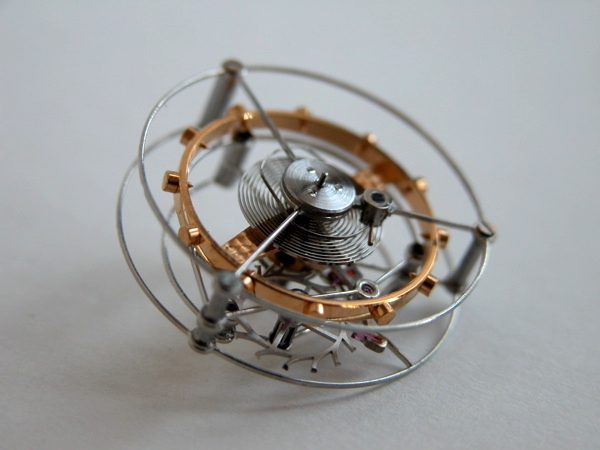
Balance wheel
Also known as: Balance · Unruh · Balancier
How it works
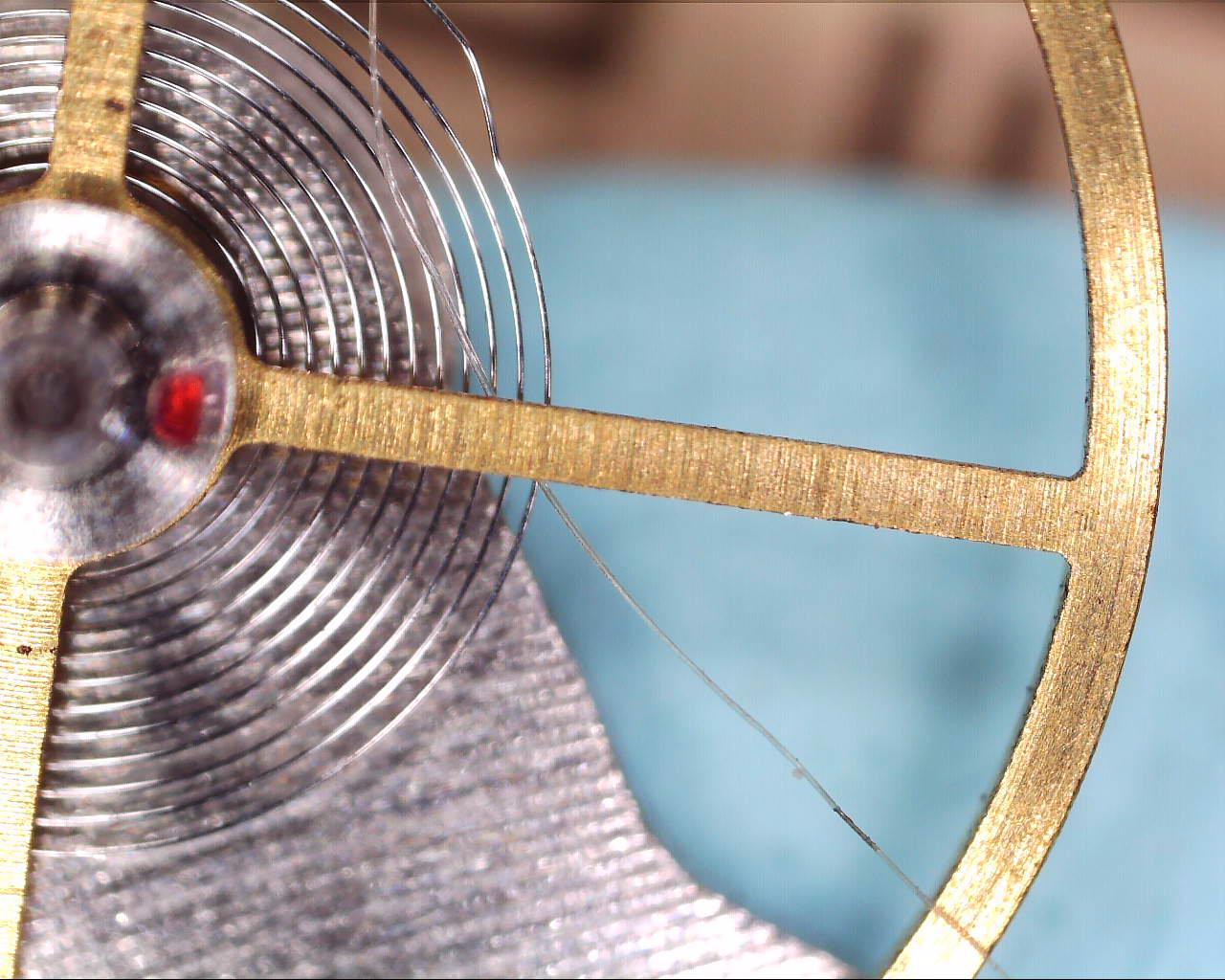
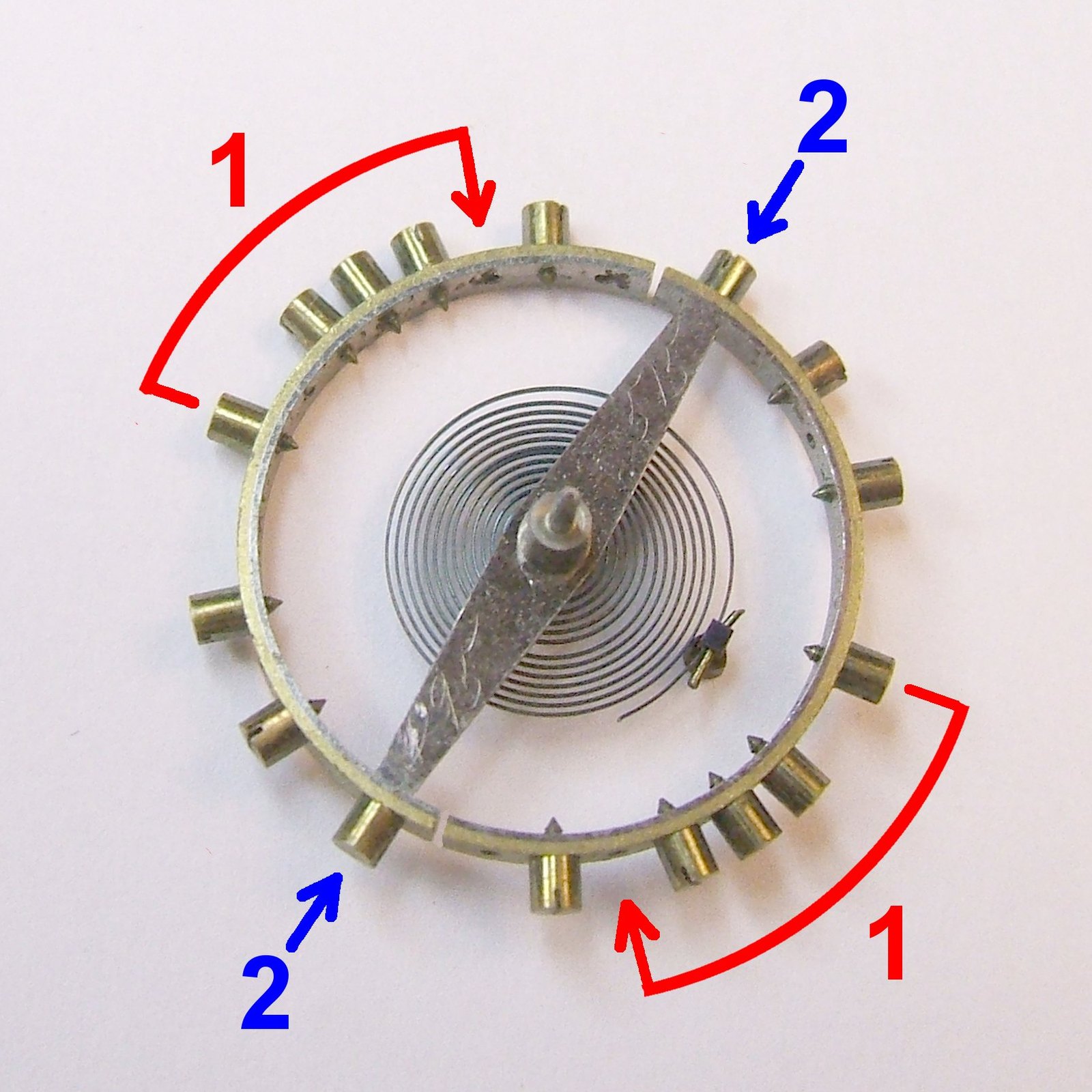
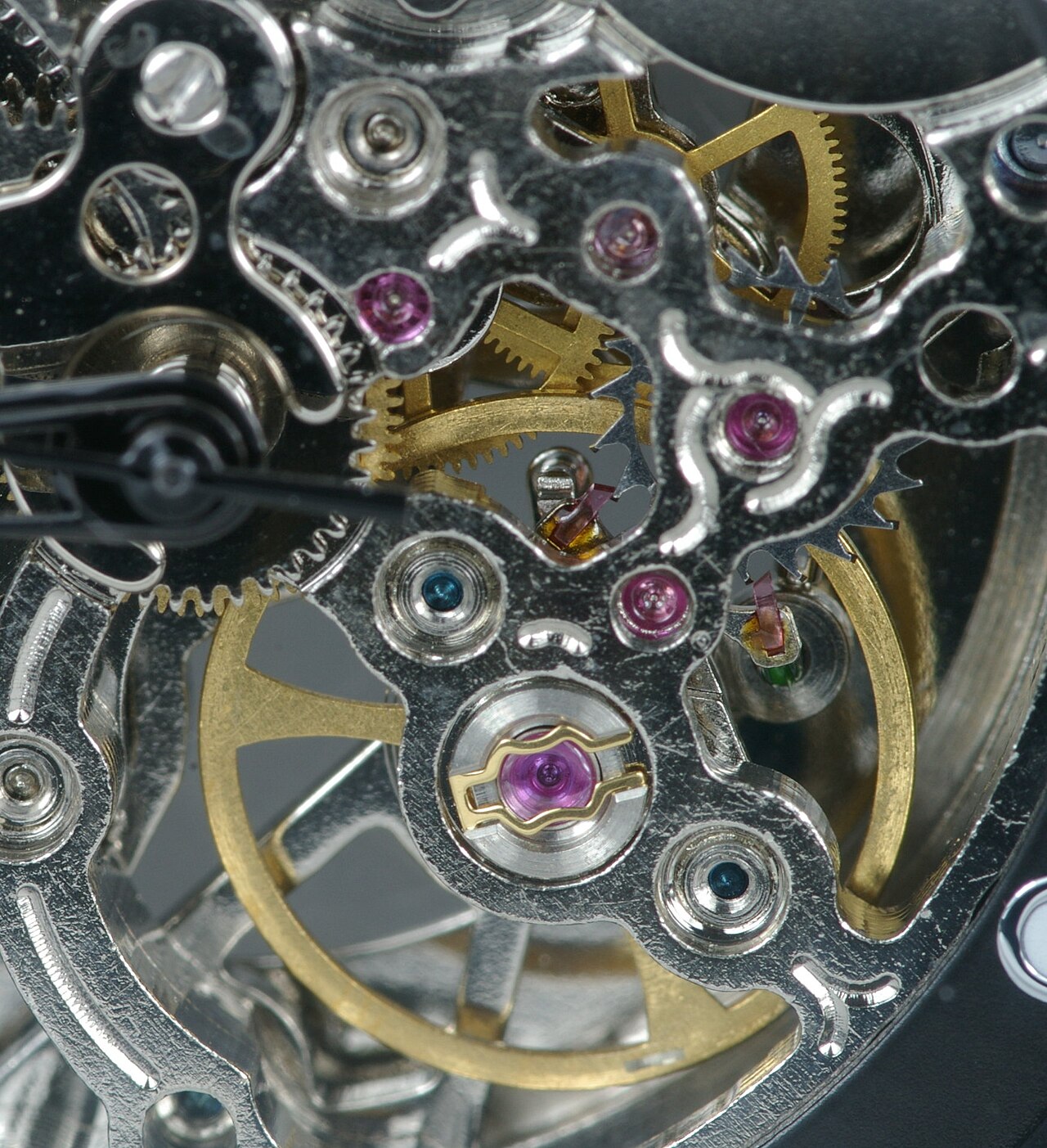
A wheel pivoted at its centre, swinging back and forth through some 270–300° in a modern watch. Combined with a balance spring it forms a harmonic oscillator whose period depends on the wheel's moment of inertia and the spring's stiffness.
Why it was invented
A pendulum needs a fixed, upright position; the balance works in any orientation and so made portable timekeeping possible.
- Invented
- 14th–15th century (as an inertial balance)
- Credited to
- No single inventor documented
- Historical period
- Medieval Period
- Common frequencies
- 2.5 Hz (18,000 vph), 3 Hz (21,600), 4 Hz (28,800), 5 Hz (36,000)
History and development
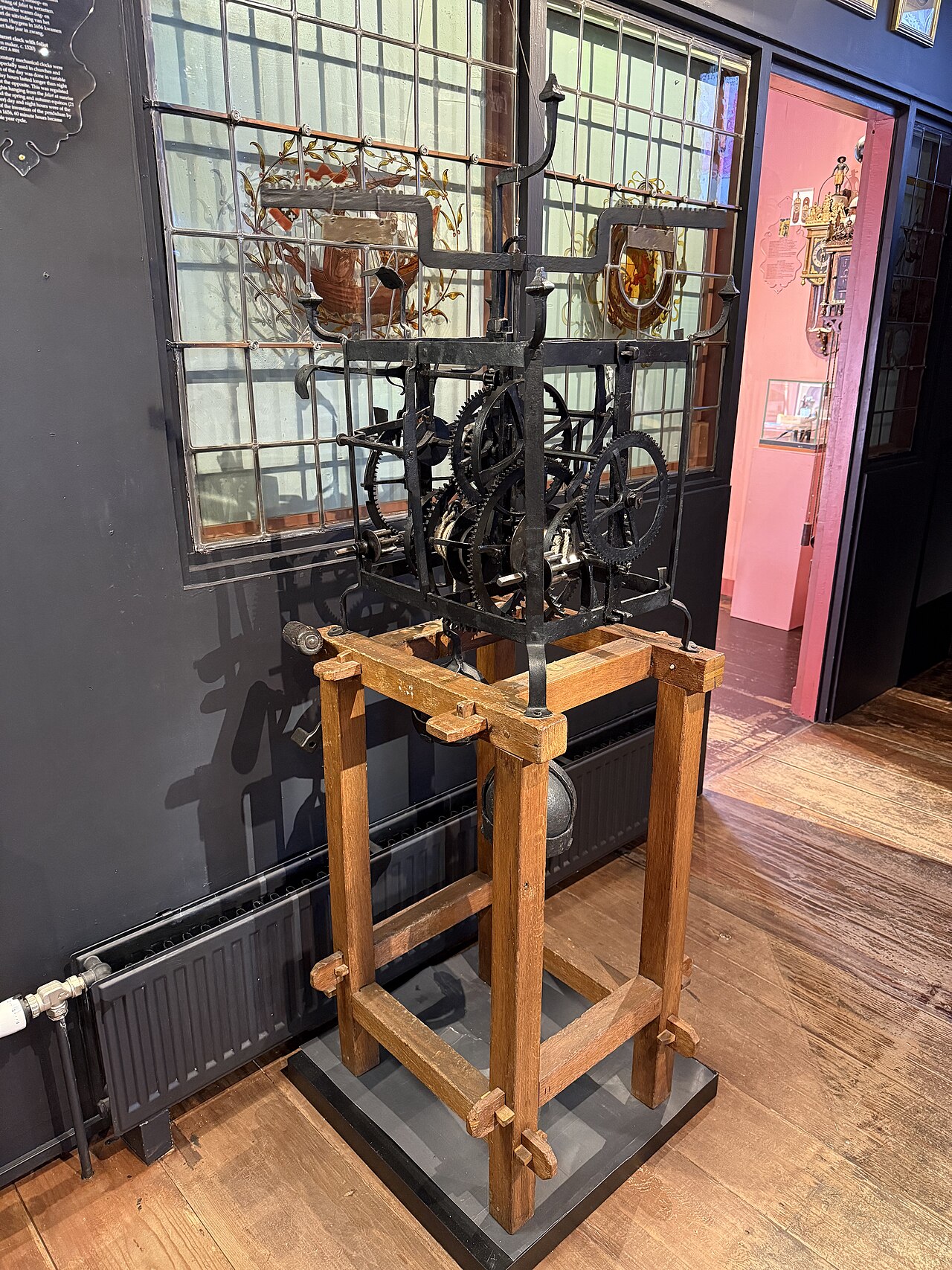
Early balances, like the foliot, had no spring and no natural period. The addition of the balance spring in 1675 transformed them. Later developments include the bimetallic compensation balance for temperature, screws and timing weights for poising, the Glucydur and other alloy balances used with self-compensating springs, and free-sprung balances regulated by inertia weights.
Related mechanisms
Movements using it
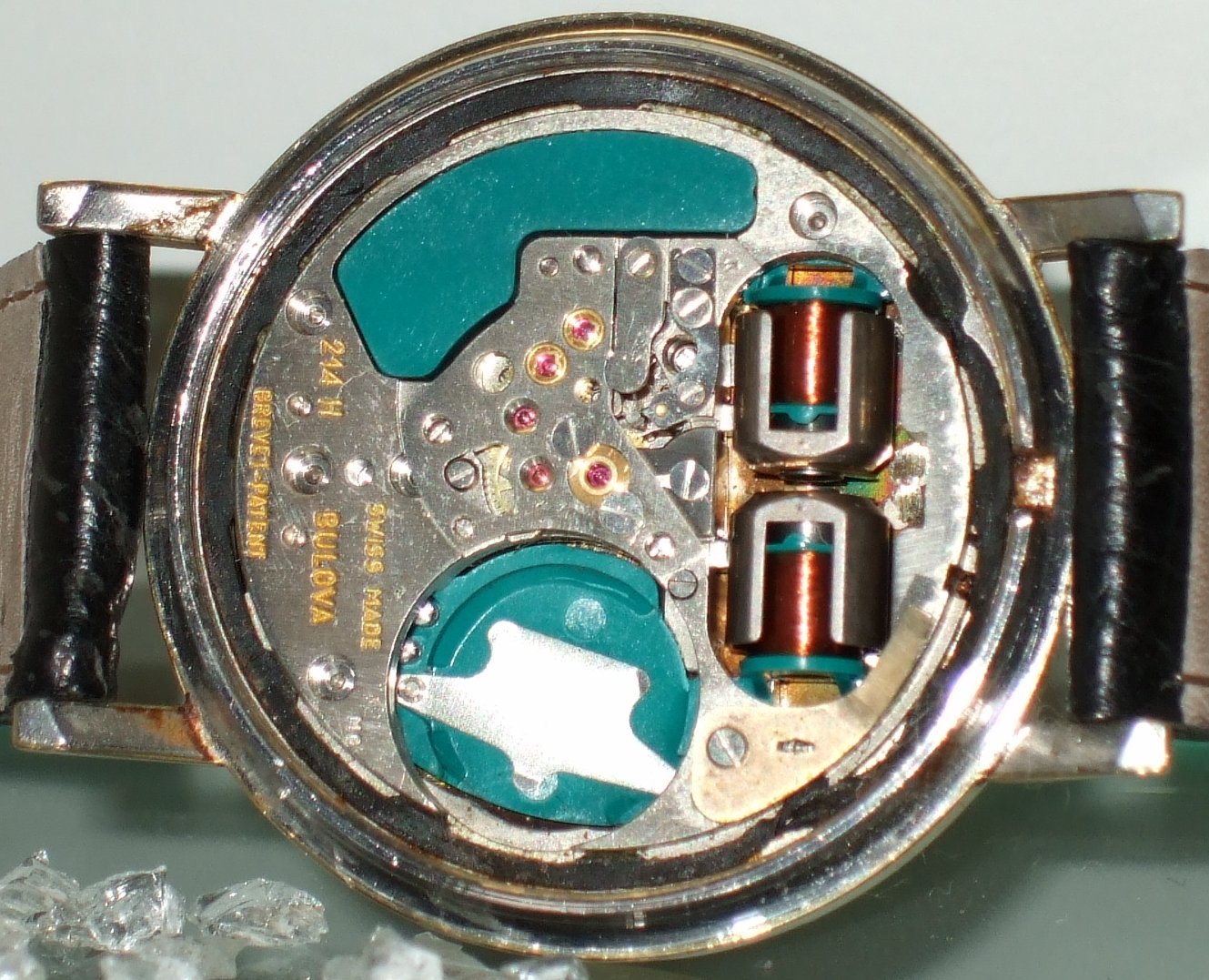
- Hamilton Electric 500Electric (battery-powered balance)
In the catalogue
All 27 records →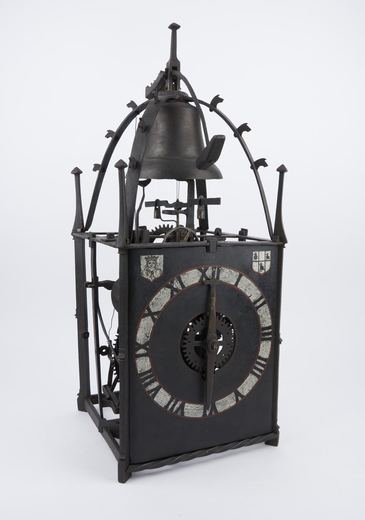
Clocks · 1501-1600
German 16th century iron chamber clock
Science Museum Group, London
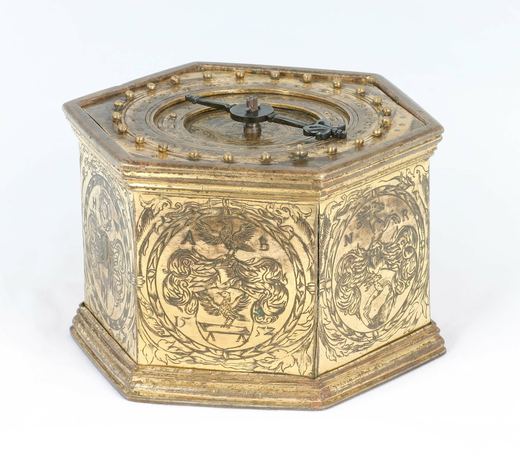
Clocks · 1552
Carriage / travel clock, Germany, 1552
German Clock Museum
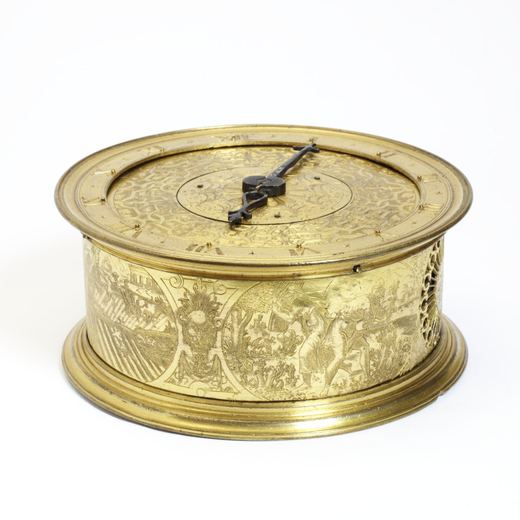
Clocks · 1560-80
Drum clock with alarm engraved with scenes representing the months. Made in France, 1560-80, movement by Félix Loubet
Victoria and Albert Museum, London
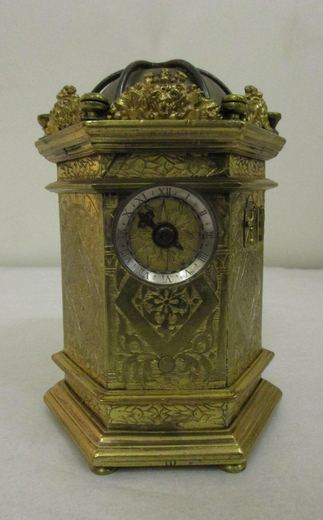
Clocks · 1580-1600
An hexagonal table clock, engraved gilt brass, French, late 16th century
Victoria and Albert Museum, London
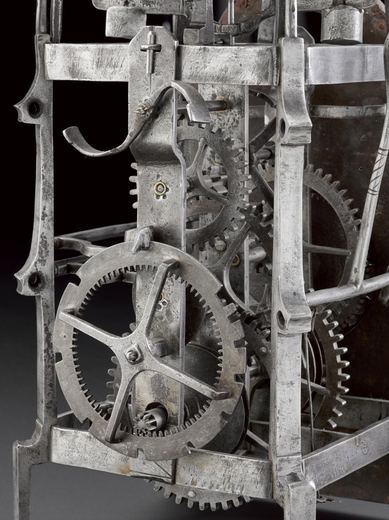
Clocks · 1596
16th century iron chamber-clock with weight and rope
Science Museum Group, London
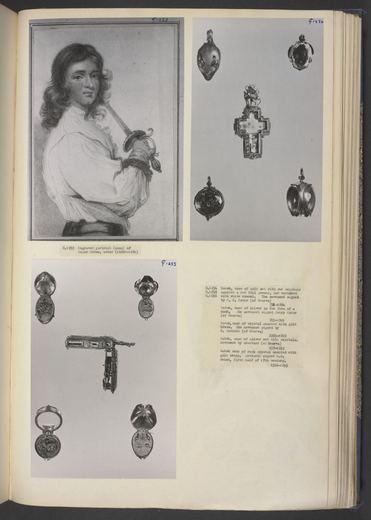
Pocket Watches · 1615-1640
Watch by Jean-Henry Ester, Switzerland, 1615-1640
Victoria and Albert Museum, London
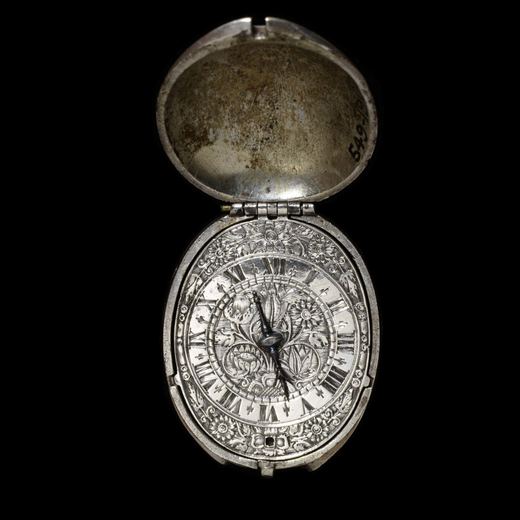
Pocket Watches · 1630-50
Watch by Henry Grendon, England, 1630-50
Victoria and Albert Museum, London
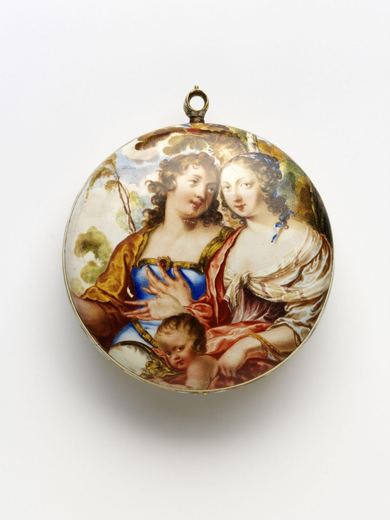
Pocket Watches · 1640-1660
Watch by Jan Bernardus Vrythoff, France, 1640-1660
Victoria and Albert Museum, London
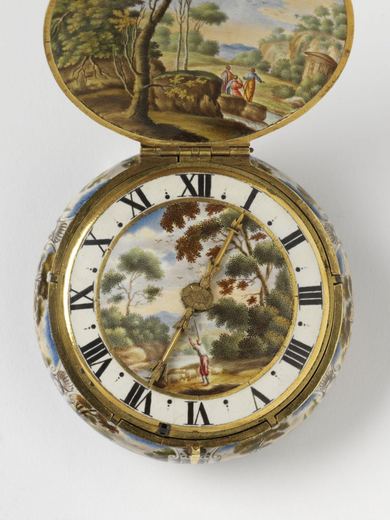
Pocket Watches · 1640-1650
Watch with enamelled gold case depicting Faith, Hope and Charity, made by Nicolas Bernard, Paris, 1640-1650
Victoria and Albert Museum, London
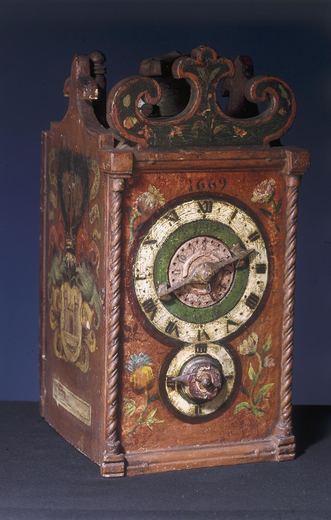
Movements & Components · 1669
Wooden clock, with foliot type escapement, Germany, 1669 (driving weights missing).
Science Museum Group, London
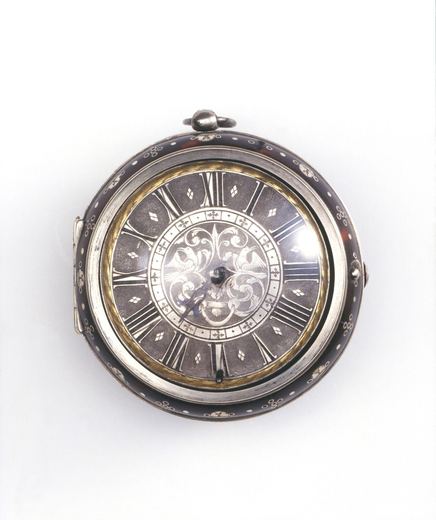
Pocket Watches · ca. 1685
Watch and case, ca. 1685
Victoria and Albert Museum, London
Clocks · 1688
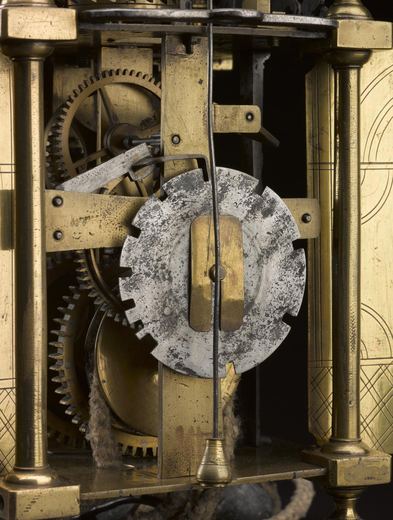
Brass lantern clock by Edward Webb, Chew Stoke, Somerset, England, 1688, (weight missing), with case.
Science Museum Group, London
Records are linked when the holding institution's description names this mechanism; check each source record for confirmation.