Component
Shock protection
Also known as: Pare-chute · Incabloc · Stoßsicherung
How it works
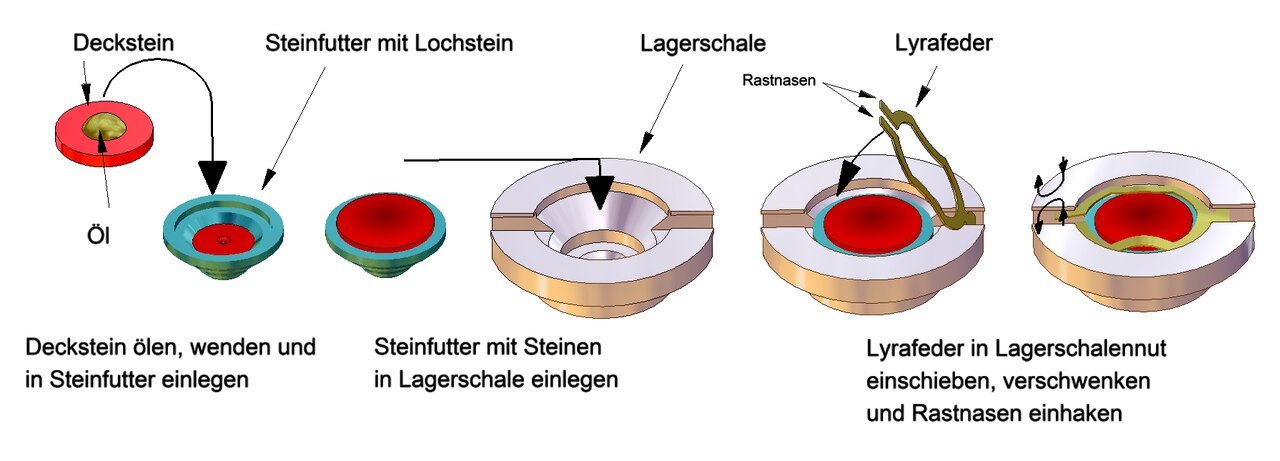
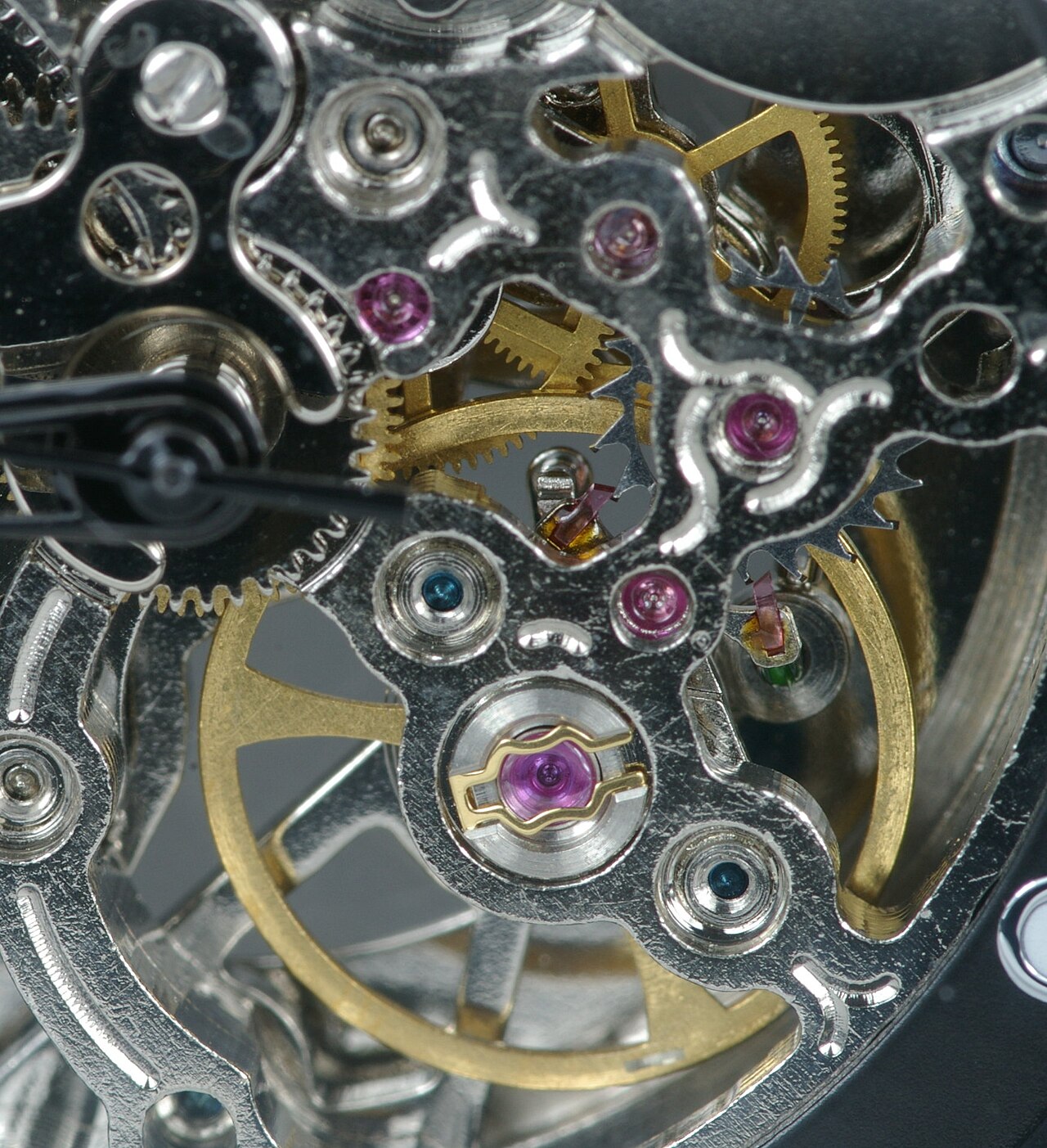
The balance pivots run in jewels held in spring-loaded settings. A shock displaces the jewel against its spring, so the conical part of the staff, rather than the fine pivot, takes the blow; the spring then recentres the jewel.
Why it was invented
The balance-staff pivots are the most fragile part of a watch and were the commonest cause of breakage.
- Invented
- c. 1790 (pare-chute); 1934 (Incabloc)
- Credited to
- Breguet
- Historical period
- Precision & Scientific Horology
History and development
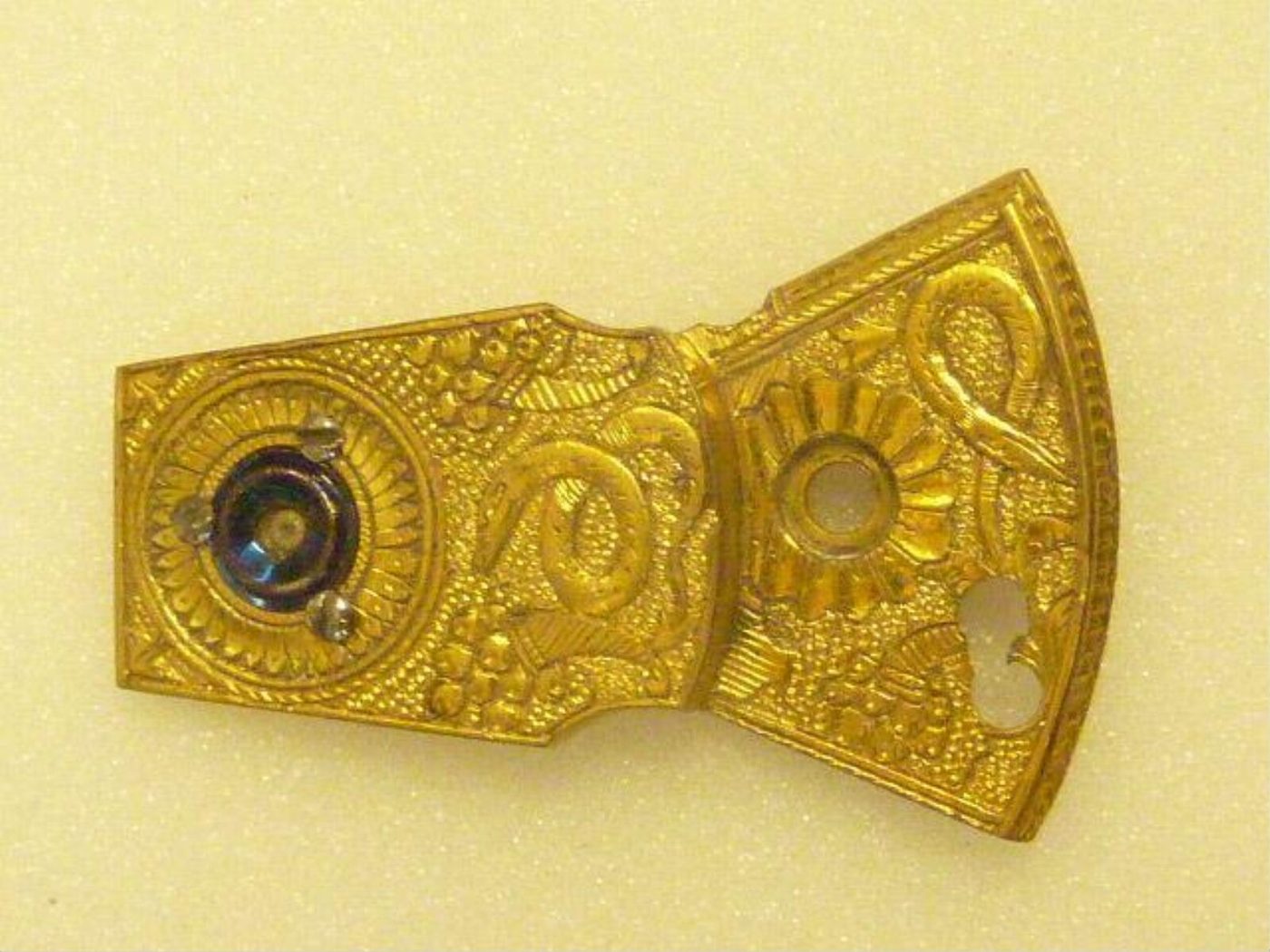
Breguet's 'pare-chute' of around 1790 was the first shock absorber. Interest revived with the wristwatch; the Incabloc system, introduced in 1934, became the most widespread, followed by KIF, Diashock and others.
Related mechanisms
In the catalogue
Open in the catalogue →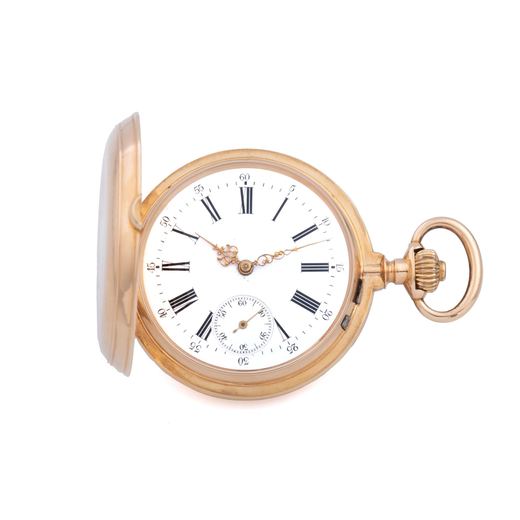
Pocket Watches · circa 1890
Unsigned Chronometer, circa 1890
Antiquorum auction archive, Geneva
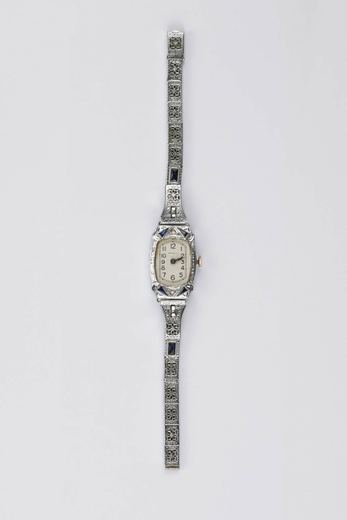
Wristwatches · 1930
Wristwatch, United States, 1930
German Clock Museum
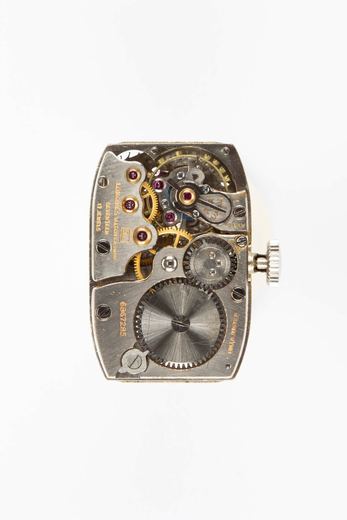
Wristwatches · 1940
Wristwatch by Francillon und Cie (Longines), Switzerland, 1940
German Clock Museum
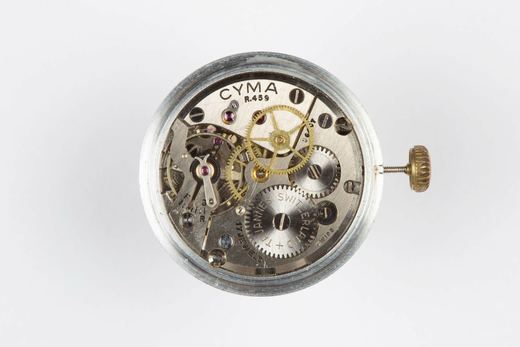
Wristwatches · 1950
Wristwatch by Tavannes Watch Co., Germany, 1950
German Clock Museum
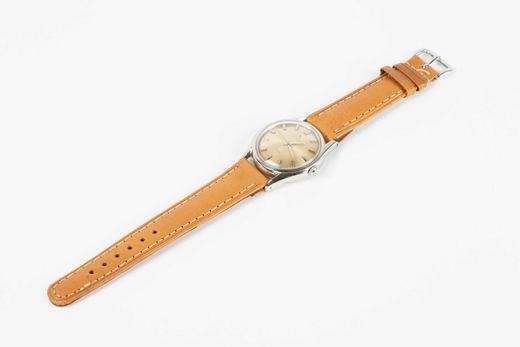
Wristwatches · 1960
Wristwatch by Kurth Frères S.A., Switzerland, 1960
German Clock Museum
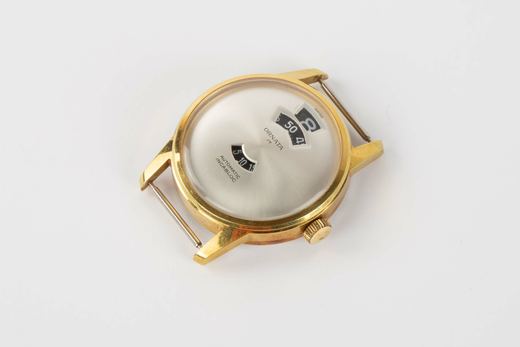
Wristwatches · 1960
Wristwatch by Ornata, Switzerland, 1960
German Clock Museum
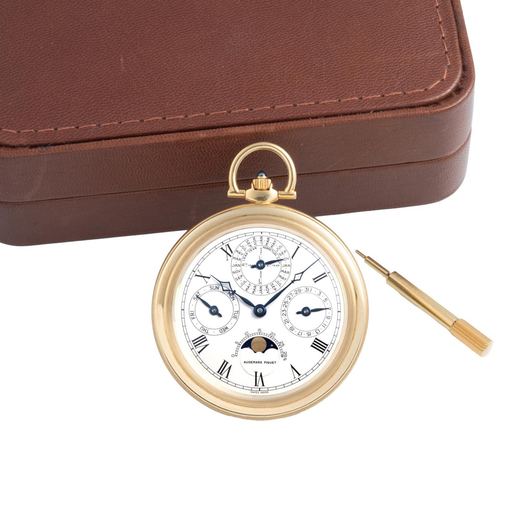
Pocket Watches · circa 1985
Audemars Piguet pocket watch, ref. BA5555, circa 1985
Antiquorum auction archive, Geneva
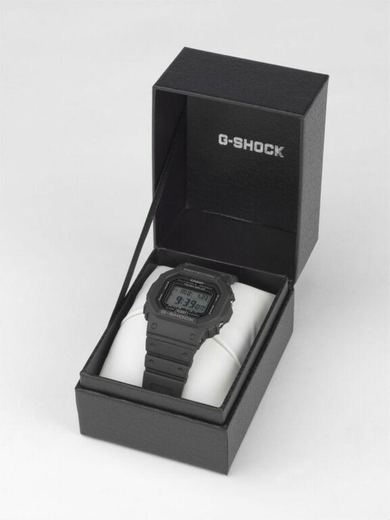
Wristwatches · 2009
'GW-5000-1JF' G-Shock designed by Casio, 2009.
Victoria and Albert Museum, London
Records are linked when the holding institution's description names this mechanism; check each source record for confirmation.