Component
Compensation balance
Also known as: Bimetallic balance · Kompensationsunruh
How it works
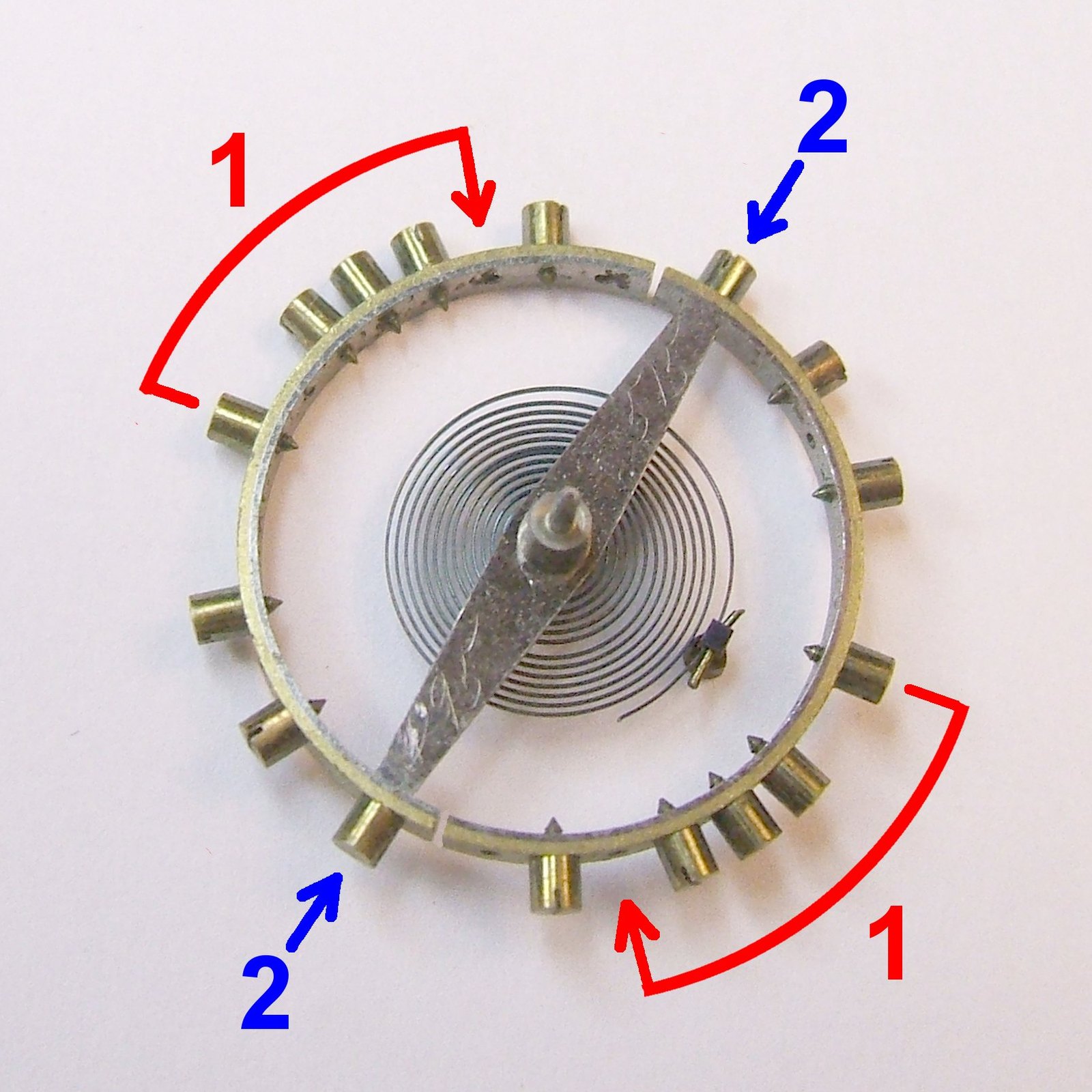
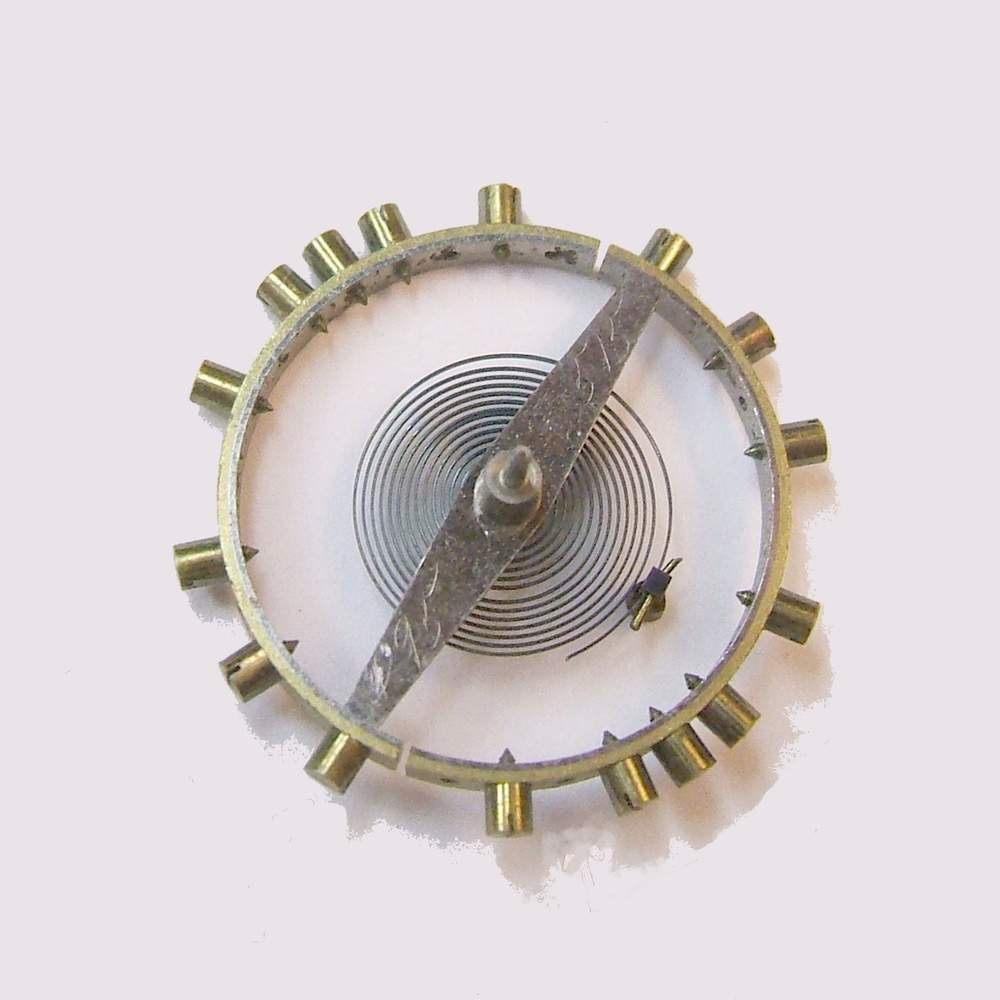
The rim of the balance is cut in two places and made of brass fused to steel. As temperature rises and the balance spring weakens, the rim's arms curl inward, reducing the balance's inertia and compensating for the spring's loss of elasticity.
Why it was invented
Temperature was the largest single source of error in a marine chronometer or precision watch.
- Invented
- c. 1765–1780
- Credited to
- Pierre Le Roy; John Arnold; Thomas Earnshaw
- Historical period
- Precision & Scientific Horology
History and development
Le Roy, Arnold and Earnshaw each devised compensating balances; Earnshaw's method of fusing brass onto steel became standard. Such balances retained a 'middle temperature error', addressed by auxiliary compensations and finally by Guillaume's balance (c. 1899) and self-compensating Elinvar-type springs, which made the cut balance unnecessary in watches after the 1930s.
Related mechanisms
In the catalogue
All 45 records →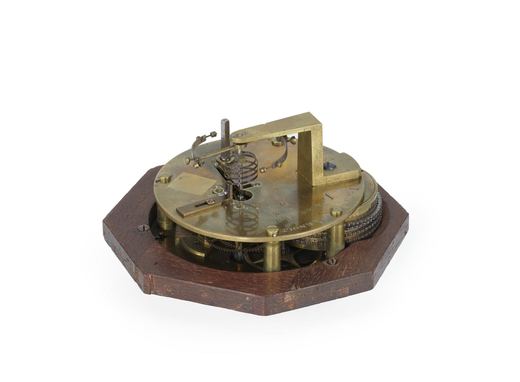
Instruments · 1771
Marine chronometer by Arnold, John, England, 1771
Science Museum Group, London
Instruments · 1790
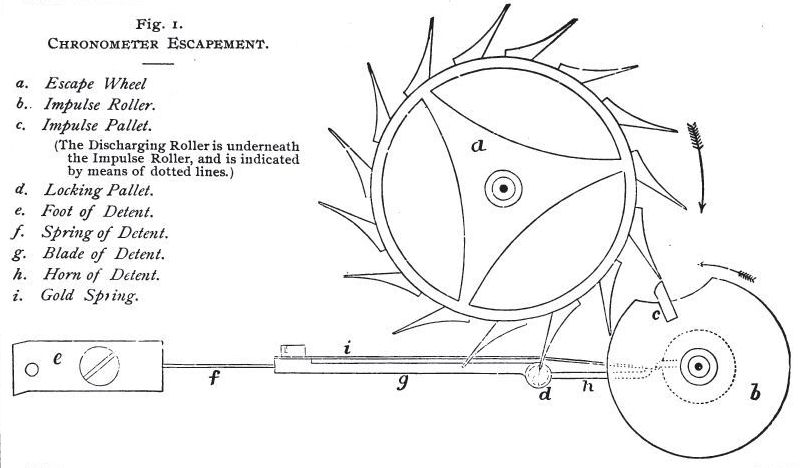
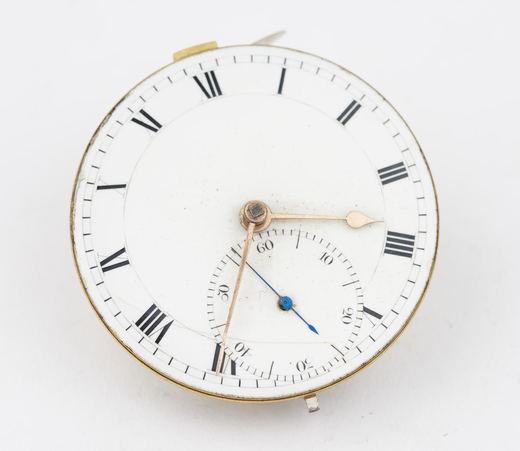
Chronometer escapement, made by Barwise, no.2333, three-armed compensation balance, date about 1790, London
Science Museum Group, London
Pocket Watches · 1800–1899
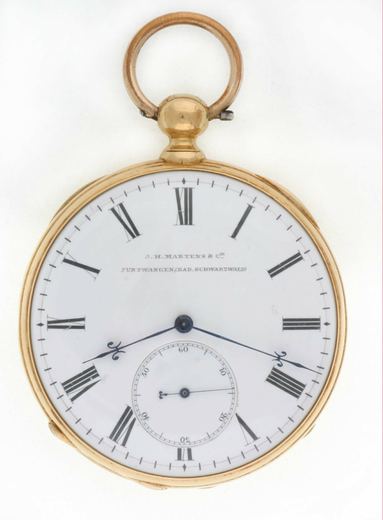
Pocket watch by Martens und Cie., Germany, 1800–1899
German Clock Museum
Instruments · circa 1840
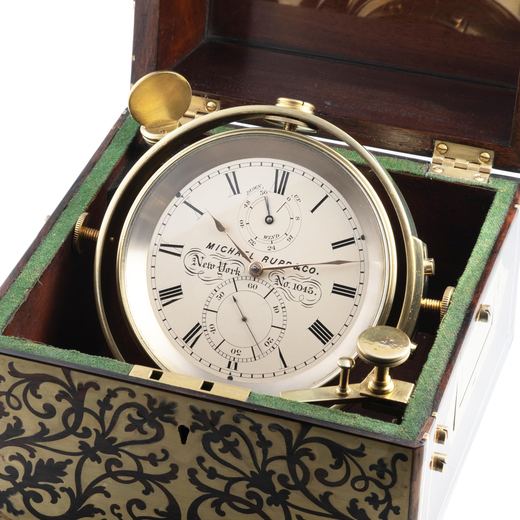
Retailed by Michael Rupp & CO in NEW York marine chronometer, circa 1840
Antiquorum auction archive, Geneva
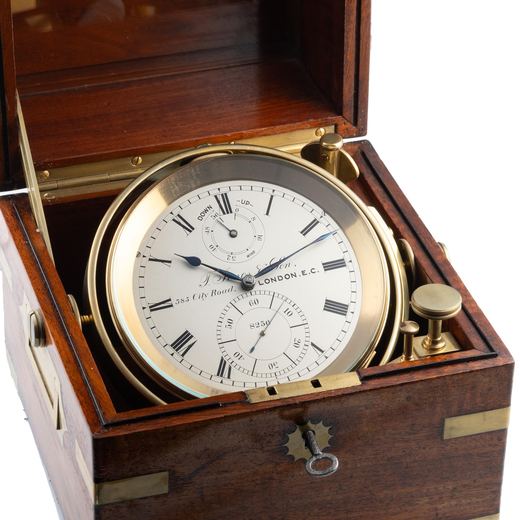
Instruments · circa 1840
T. Jones & Son marine chronometer, circa 1840
Antiquorum auction archive, Geneva
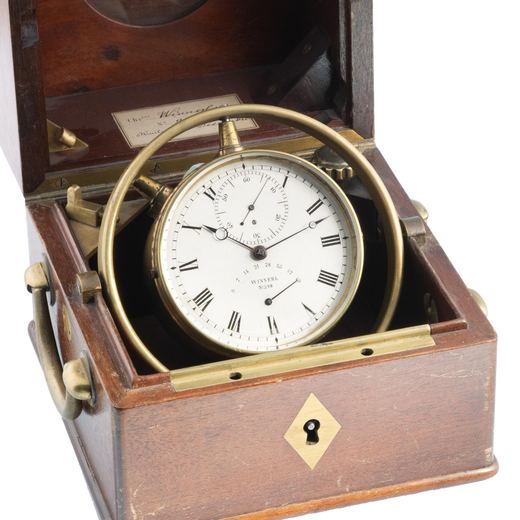
Instruments · circa 1840
Winnerl ''two-Day Chronometer'', circa 1840
Antiquorum auction archive, Geneva
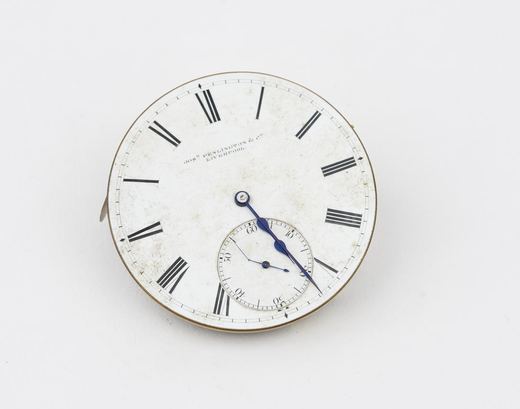
Movements & Components · 1848-1903
Watch movement by Josh Penlington, Liverpool, No.15231, with bi-metallic compensation balance and overcoil hairspring
Science Museum Group, London
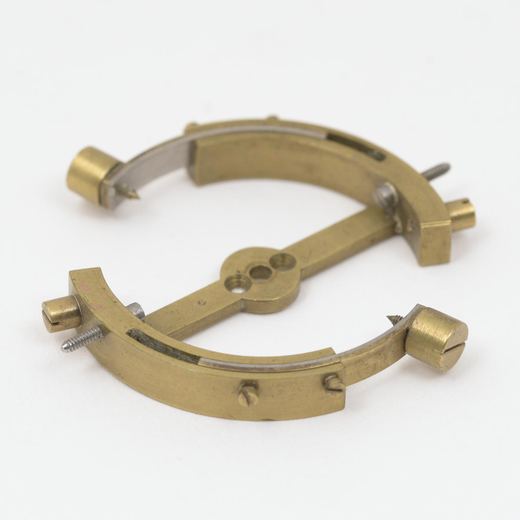
Movements & Components · 1850-1900
Compensation balance with sliding bi-metallic affixes
Science Museum Group, London
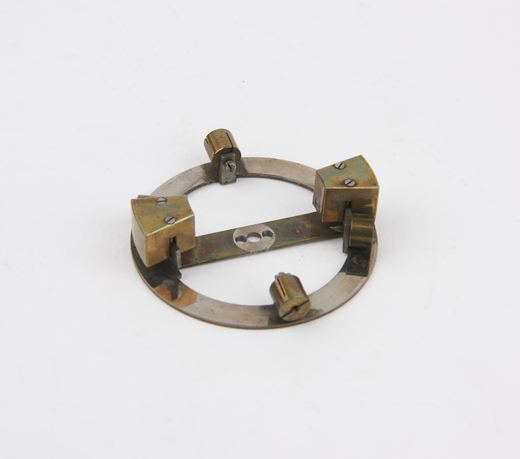
Movements & Components · 1860-1880
Compensation balance by Victor Kullberg, London, England, 1860-1880.
Science Museum Group, London
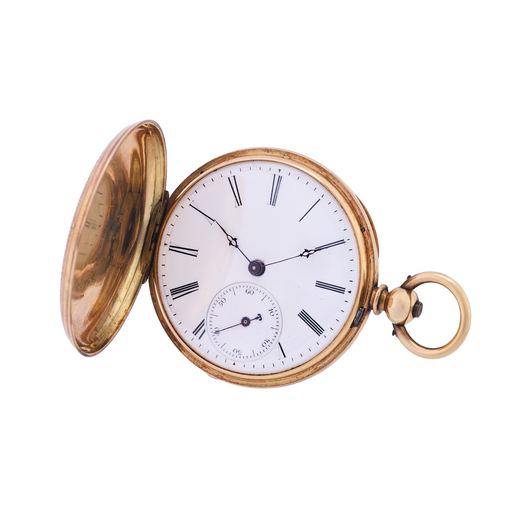
Pocket Watches · circa 1860s
J.M. Sandol pocket watch, circa 1860s
Antiquorum auction archive, Geneva
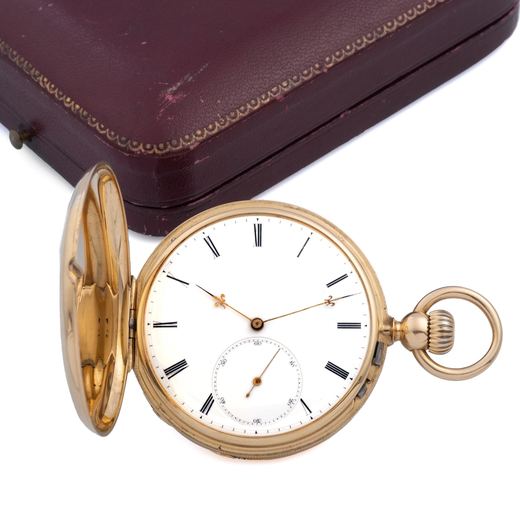
Pocket Watches · circa 1860
James Nardin Chronometer, circa 1860
Antiquorum auction archive, Geneva
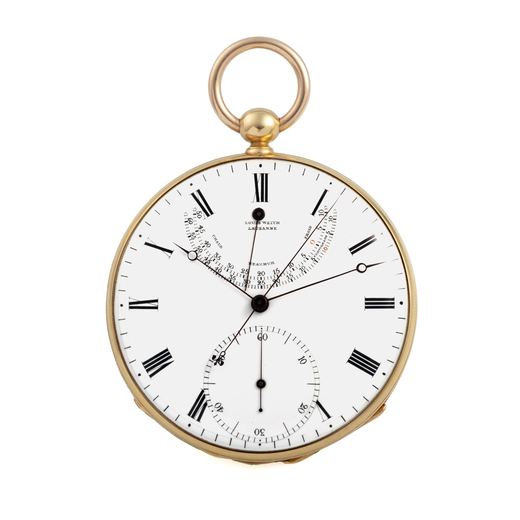
Pocket Watches · circa 1860
Louis Richard pocket watch, circa 1860
Antiquorum auction archive, Geneva
Records are linked when the holding institution's description names this mechanism; check each source record for confirmation.