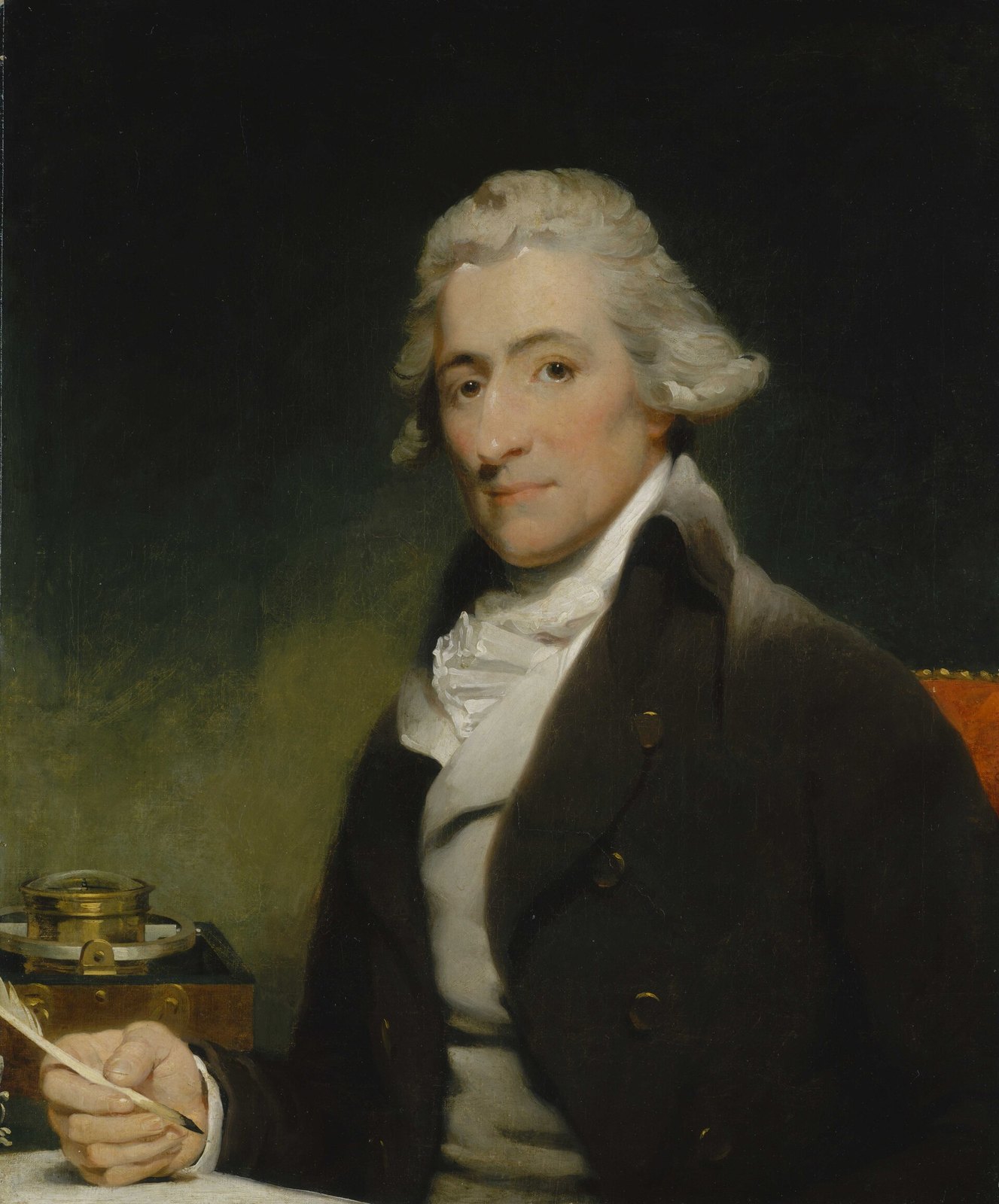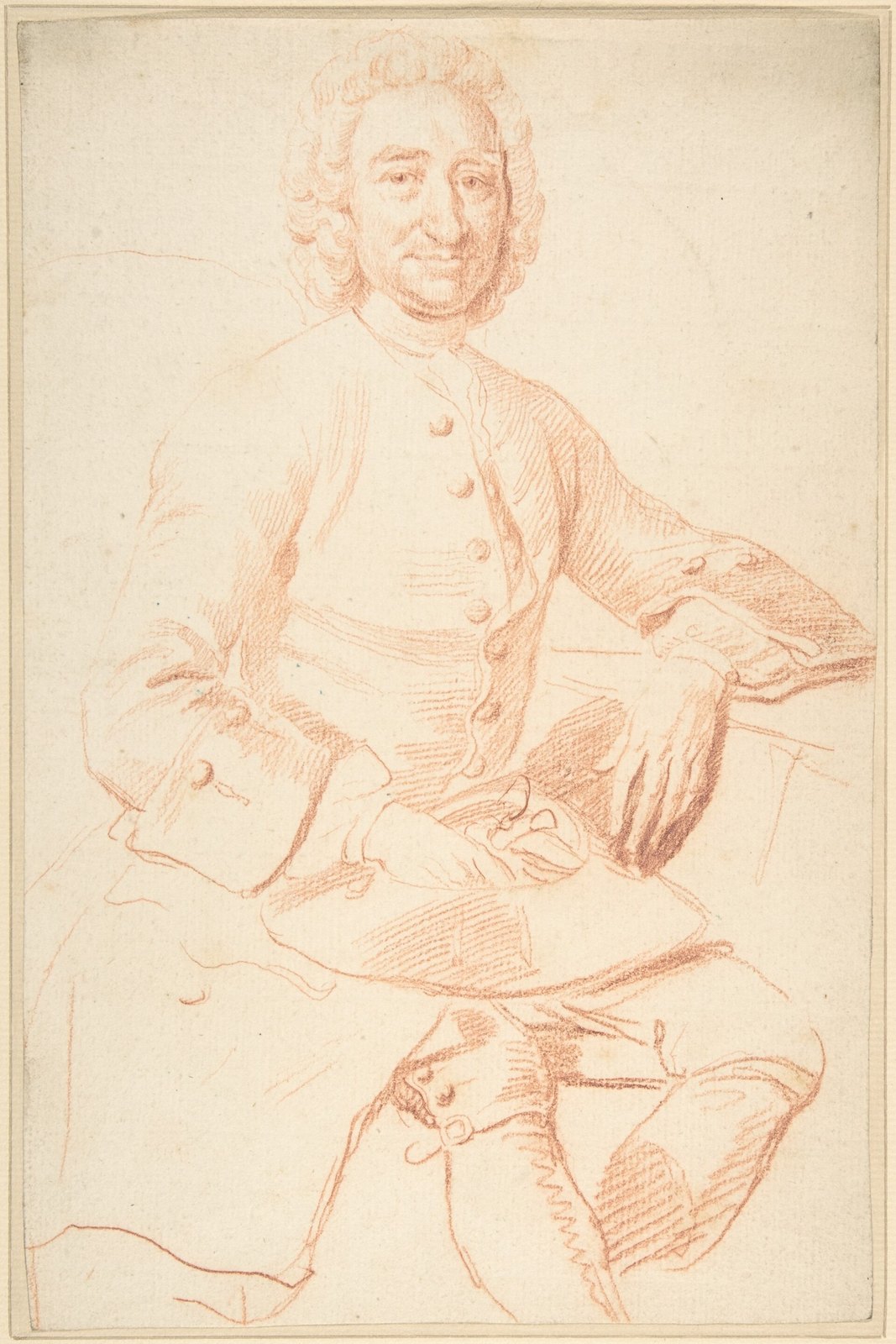
Clockmaker / instrument maker
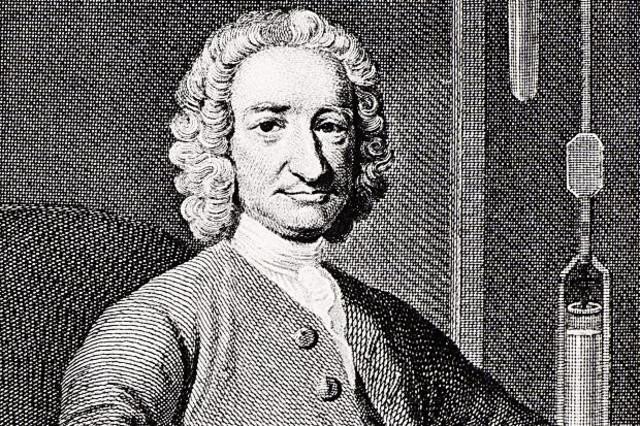
George Graham
Also recorded as: Graham, George
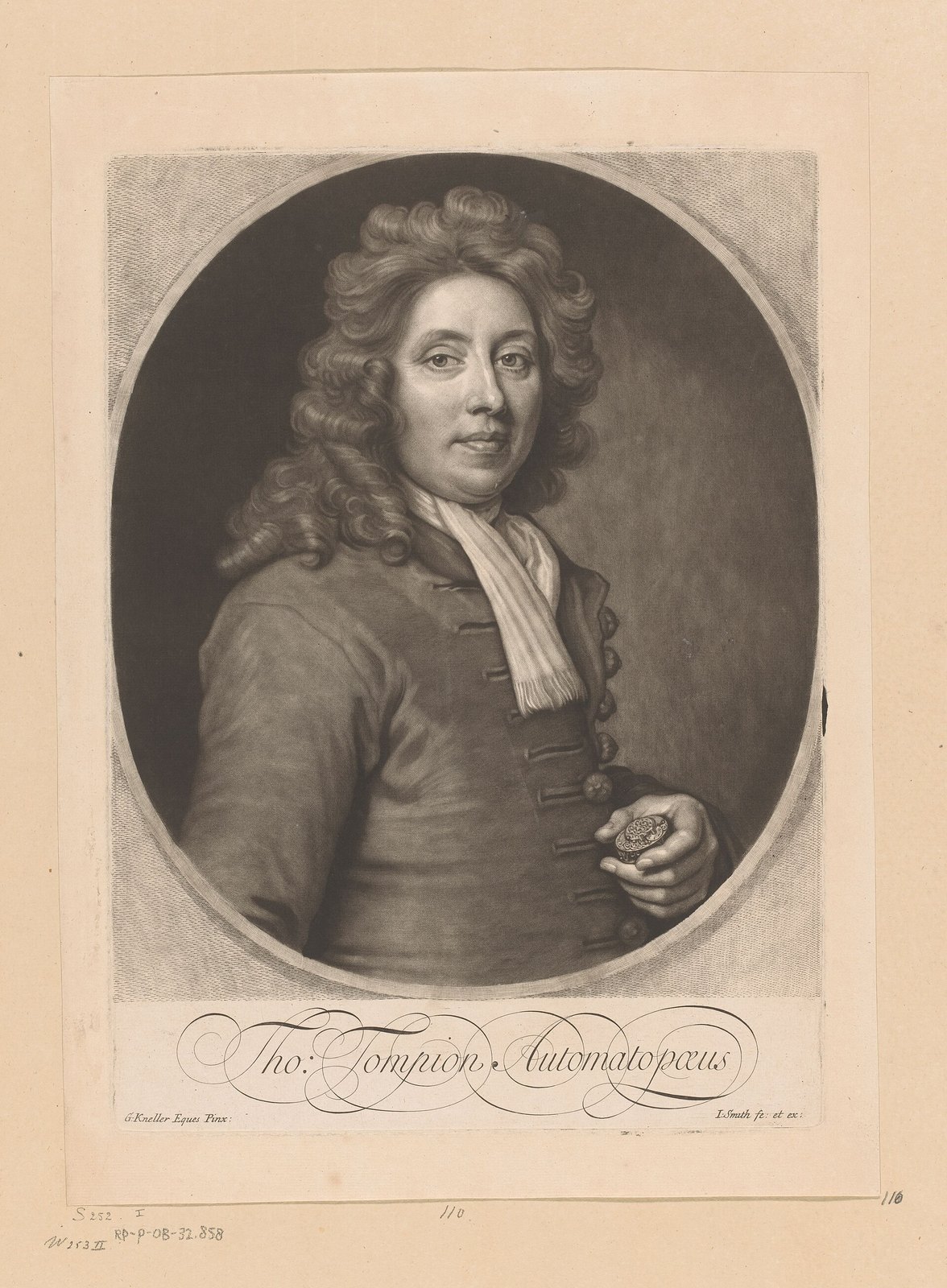
Tompion's successor, inventor of the deadbeat escapement and the mercury pendulum.
Born in Cumberland, Graham joined Tompion's workshop around 1696, married his niece and succeeded to the business in 1713. He developed the deadbeat escapement (c. 1715), the mercury-compensated pendulum (1721) and the cylinder escapement for watches.
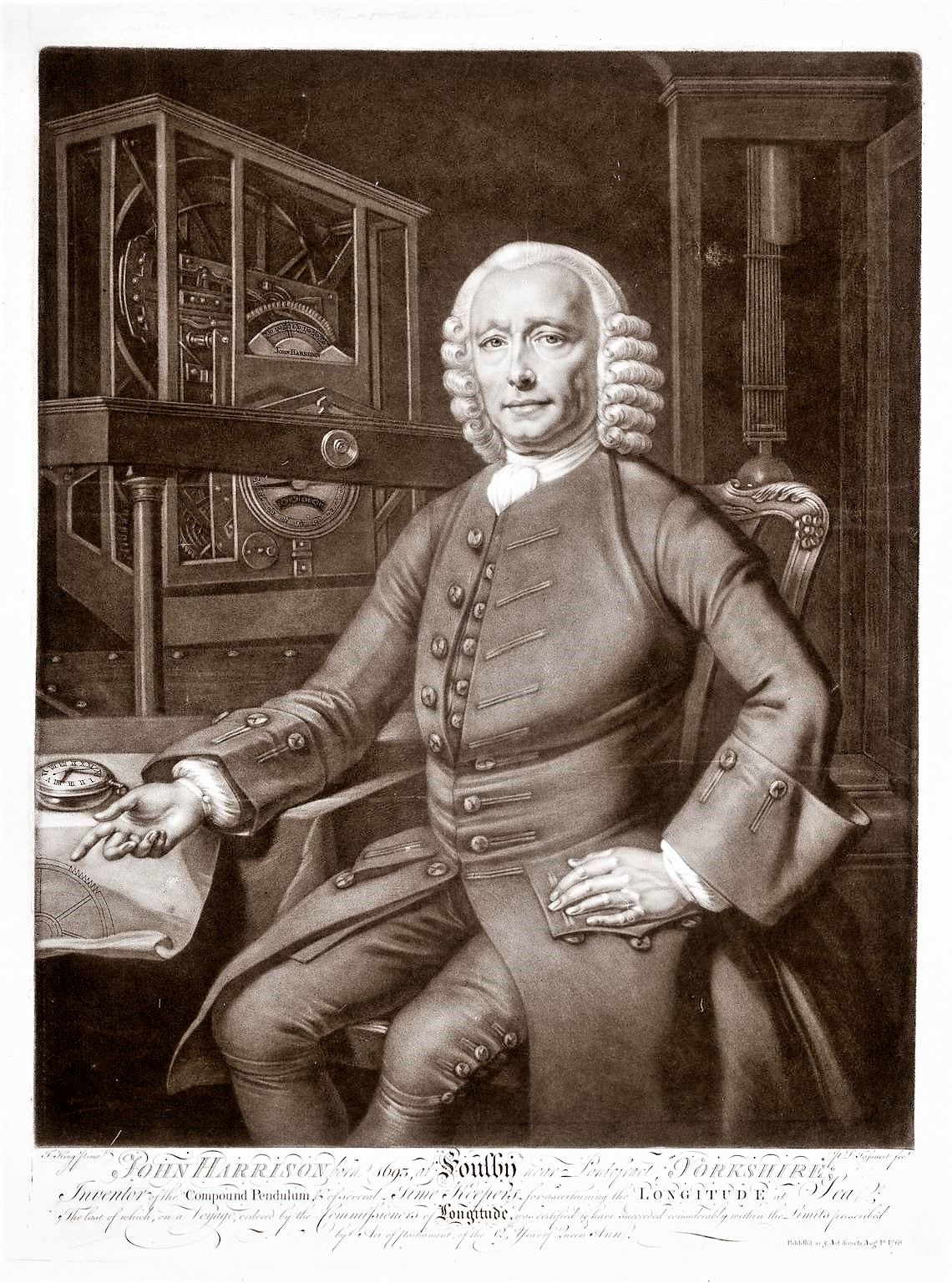
Graham also made astronomical instruments, including a mural quadrant for Edmond Halley at Greenwich, and encouraged and lent money to the young John Harrison. A Fellow of the Royal Society, he is buried with Tompion in Westminster Abbey.
- Country
- England
- City / centre
- London (Fleet Street)
- Life / active
- c. 1673–1751
- Status
- Historical individual
- Key people
- George Graham; Thomas Mudge (apprentice)
Innovations & specialities
- Deadbeat escapement (c. 1715)
- Mercury pendulum (1721)
- Cylinder escapement (1720s)
- Astronomical instruments
Mechanisms credited
Works by George Graham in the catalogue
Open in the catalogue →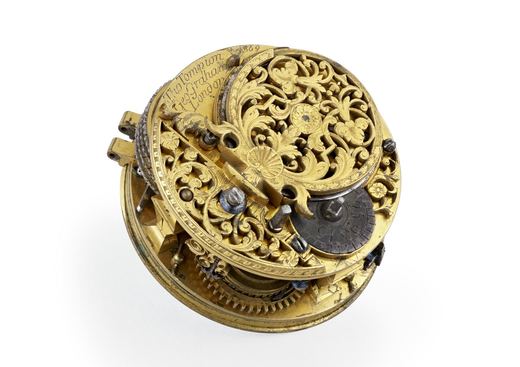
Movements & Components · 1711
Watch movement by Tompion, Thomas; Graham, George, England, 1711
Science Museum Group, London
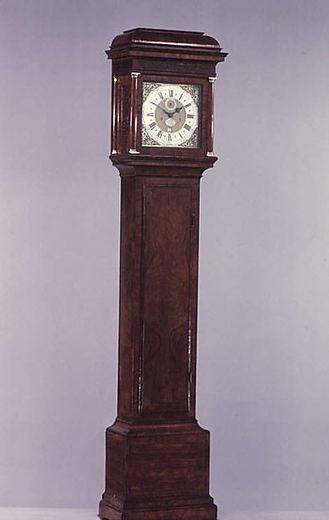
Clocks · ca. 1720
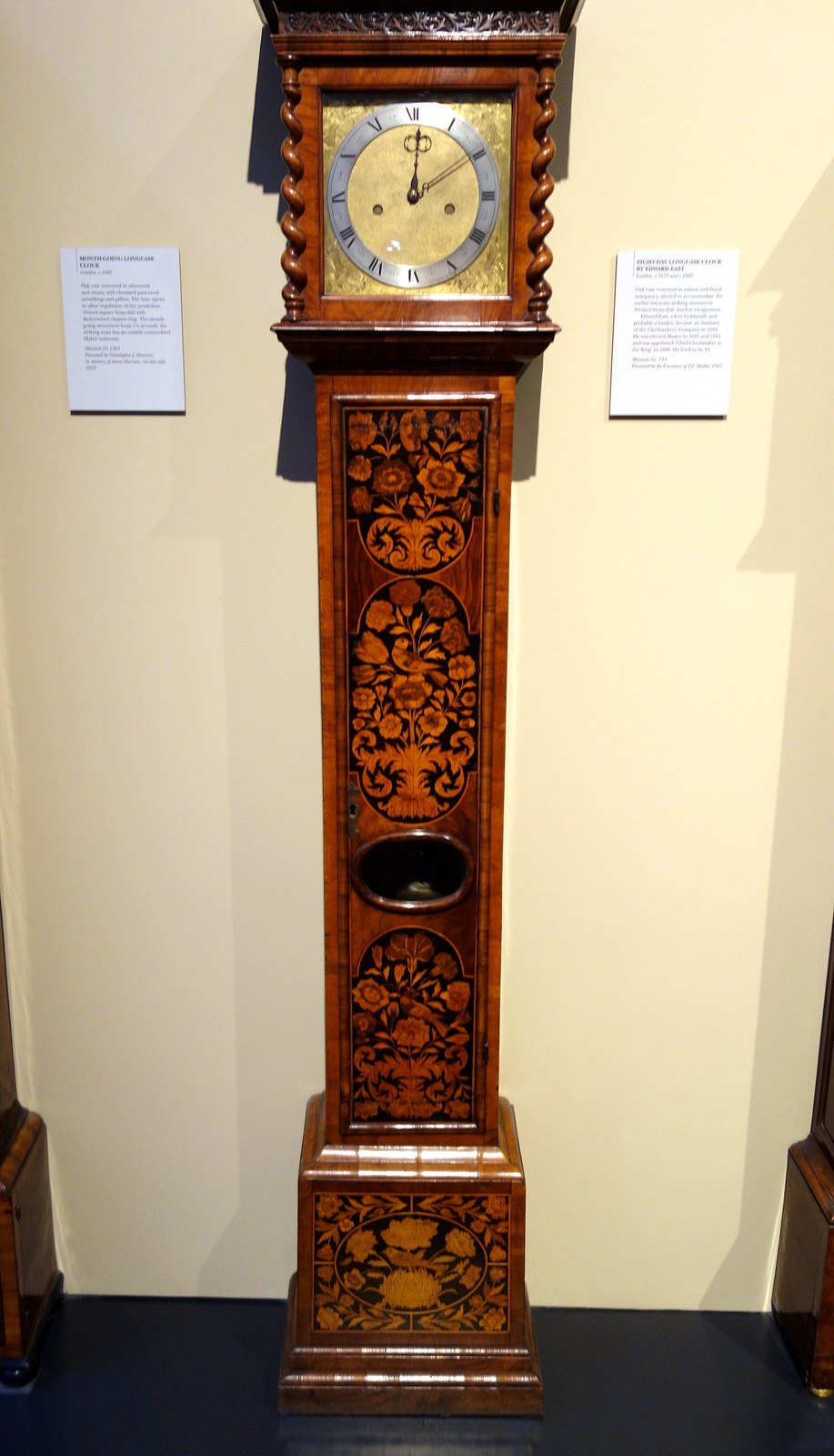
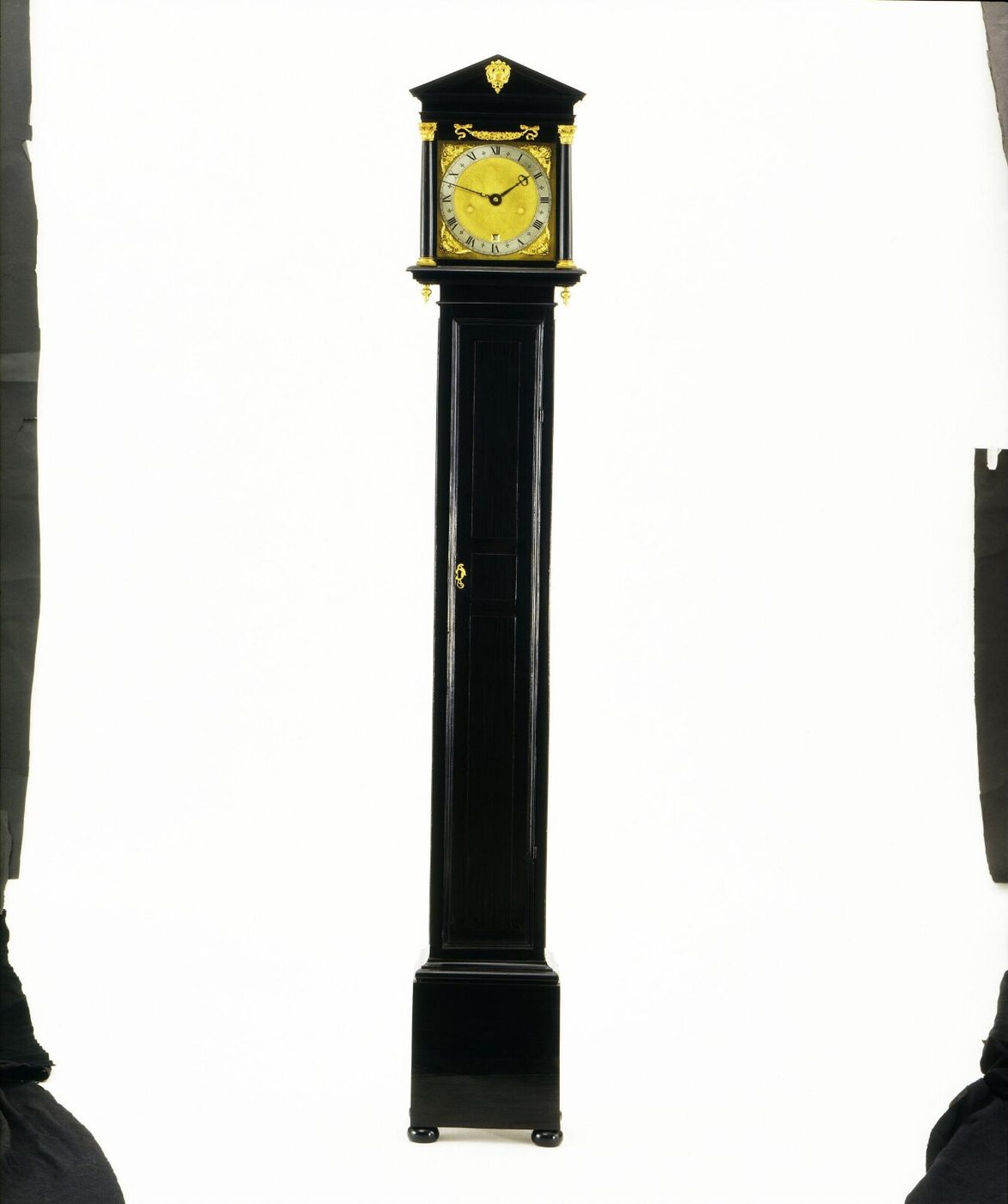
Longcase clock by George Graham, United Kingdom, ca. 1720
The Metropolitan Museum of Art, New York
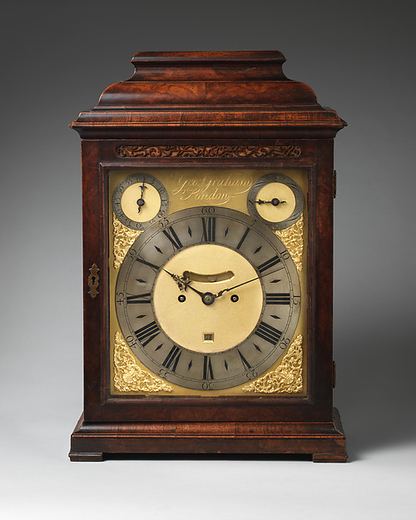
Clocks · ca. 1720
Table or bracket clock by George Graham, United Kingdom, ca. 1720
The Metropolitan Museum of Art, New York
Linked through the Atlas maker authority list, which reconciles the spellings used by different institutions. Attributions are as stated by each holding institution or auction house.