Escapement
Deadbeat escapement
Also known as: Graham escapement · Ruhende Ankerhemmung · Échappement à ancre à repos
How it works
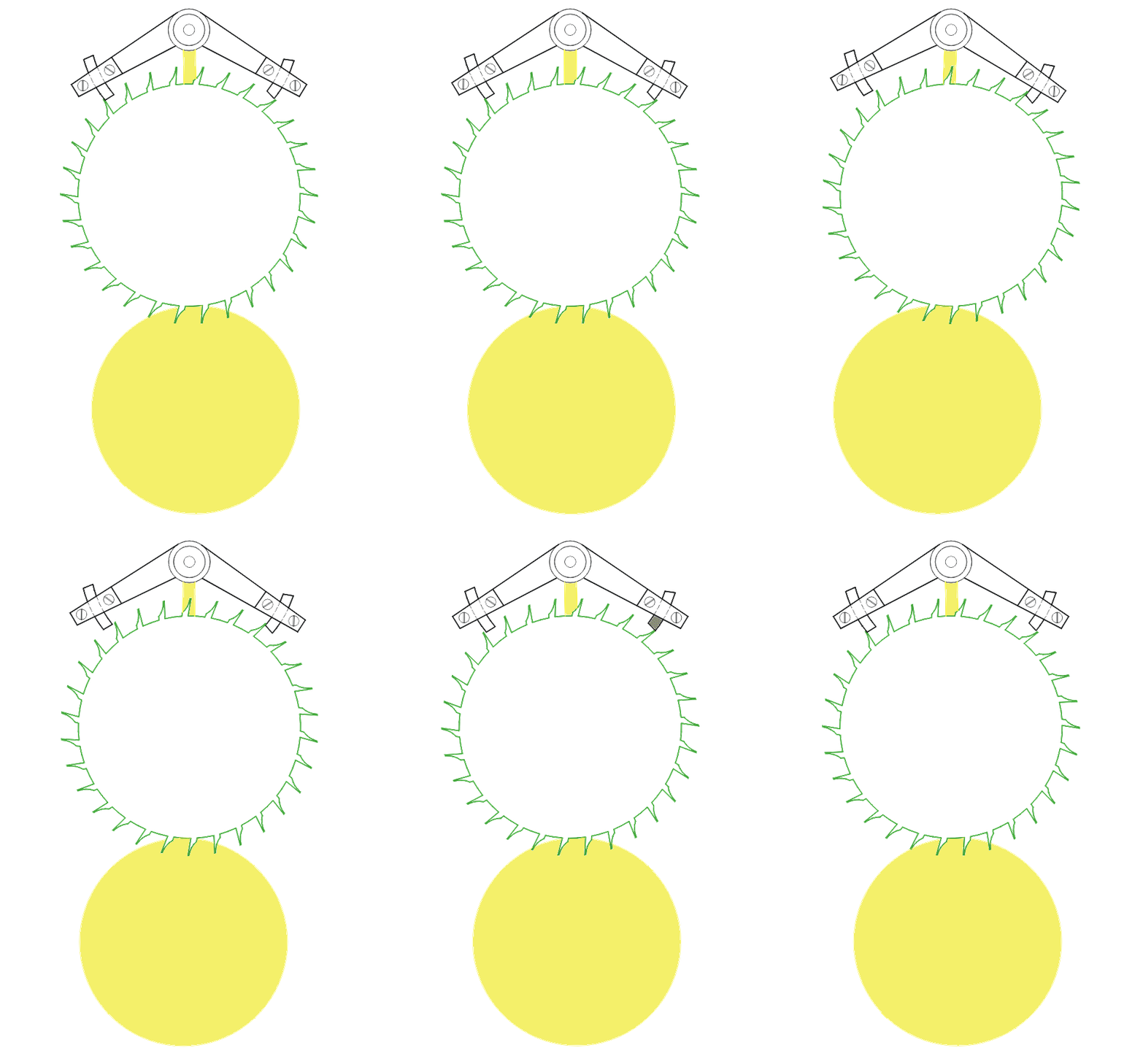
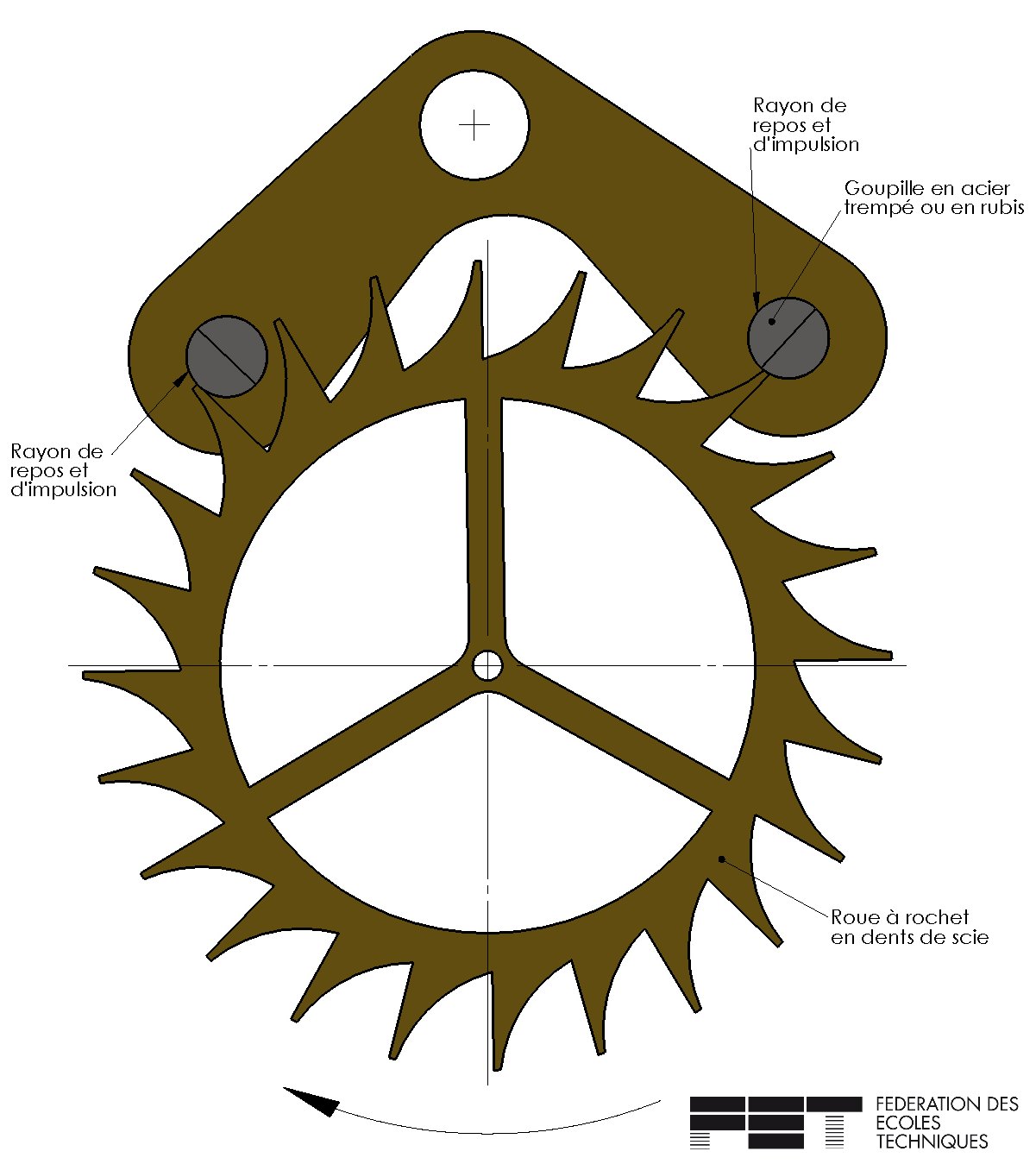
The pallets have two faces: a 'locking' face shaped as an arc centred on the anchor pivot, and an inclined 'impulse' face. While a tooth rests on a locking face the escape wheel is stationary — the seconds hand stops 'dead' with no recoil — and the tooth gives impulse only as it slides across the short impulse face.
Why it was invented
Removing recoil makes the pendulum's period far less dependent on the driving force, so the deadbeat became the standard escapement for astronomical regulators and precision clocks for nearly two centuries.
- Invented
- c. 1715 (Graham); earlier form c. 1675 (Towneley)
- Credited to
- George Graham
- Historical period
- Early Modern Horology
History and development
A form of deadbeat designed by the astronomer Richard Towneley was used by Thomas Tompion in the two year-going clocks made for John Flamsteed at the new Royal Observatory, Greenwich, in 1676. George Graham, Tompion's successor, developed the definitive form around 1715 and paired it with his mercury-compensated pendulum.
Graham's regulators set the pattern for observatory clocks until the late 19th century, when the Riefler escapement and, later, the free pendulum superseded them. The deadbeat remains common in quality pendulum clocks and in French clocks through the related Brocot escapement.
Related mechanisms

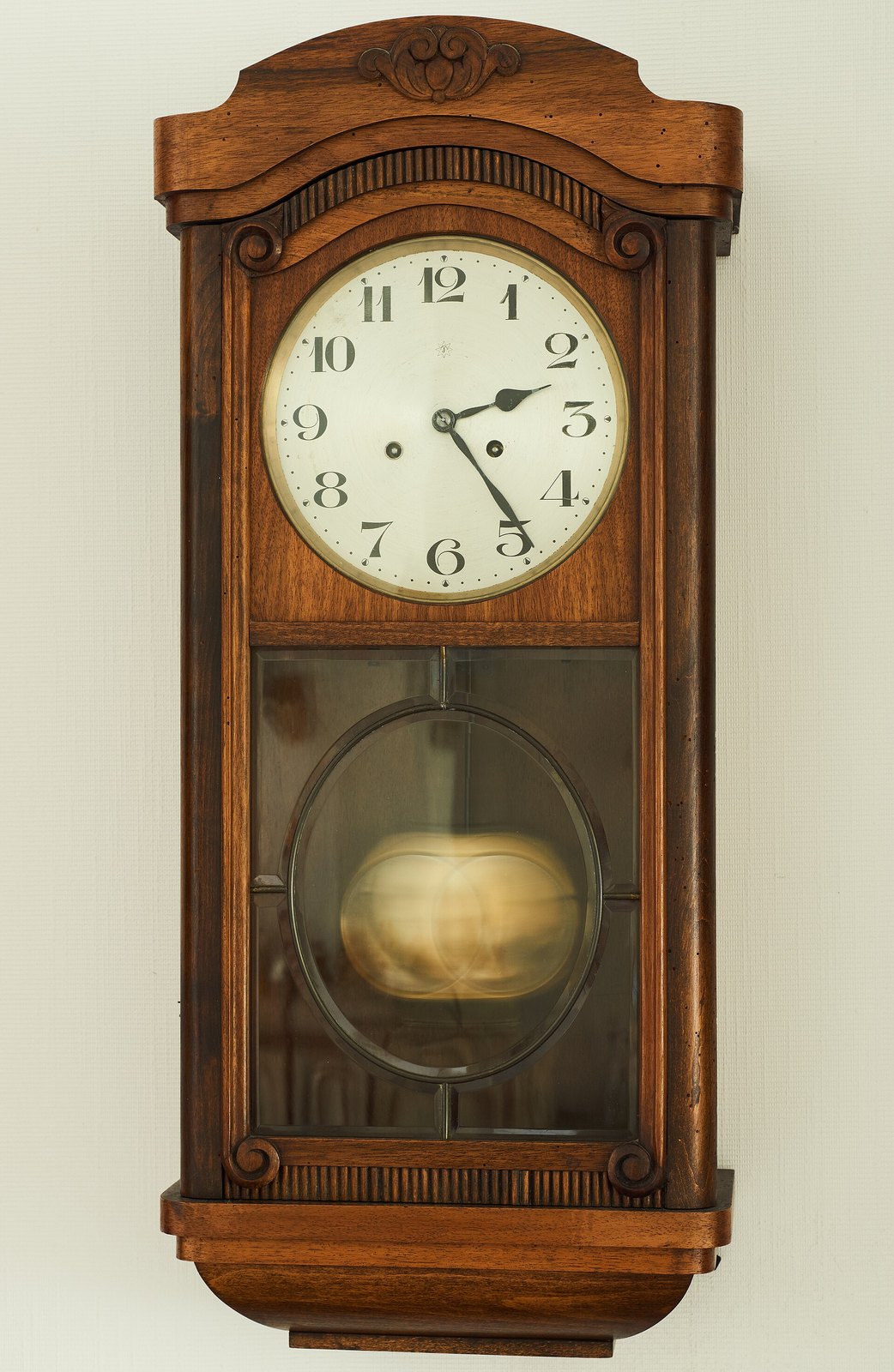
In the catalogue
Open in the catalogue →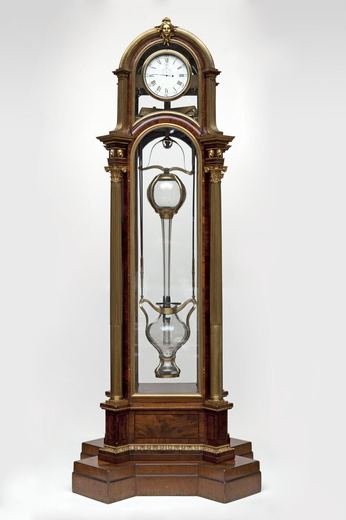
Clocks · ca. 1760
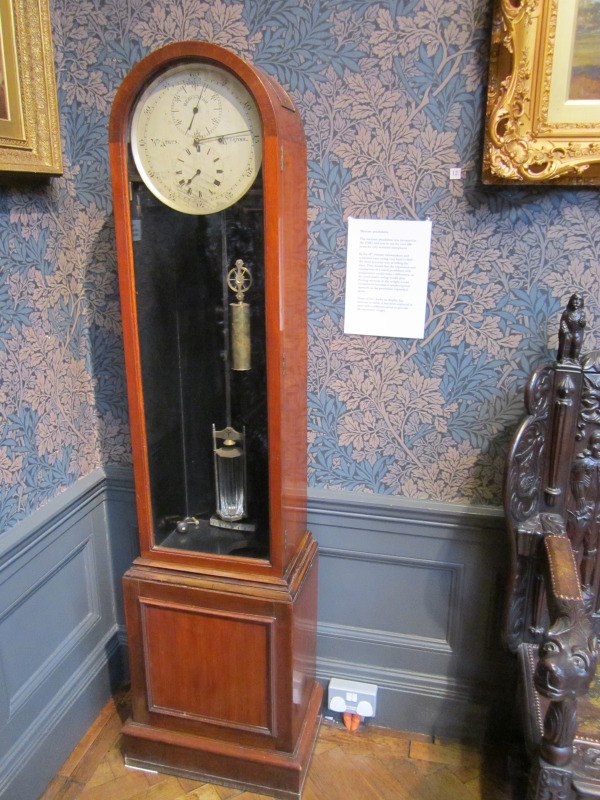
Longcase clock by James Cox, England, ca. 1760
Victoria and Albert Museum, London
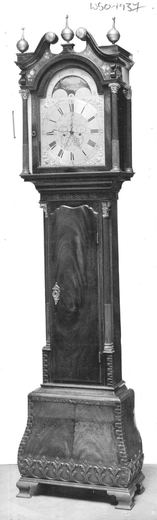
Clocks · ca. 1775
Longcase clock, England, ca. 1775
Victoria and Albert Museum, London
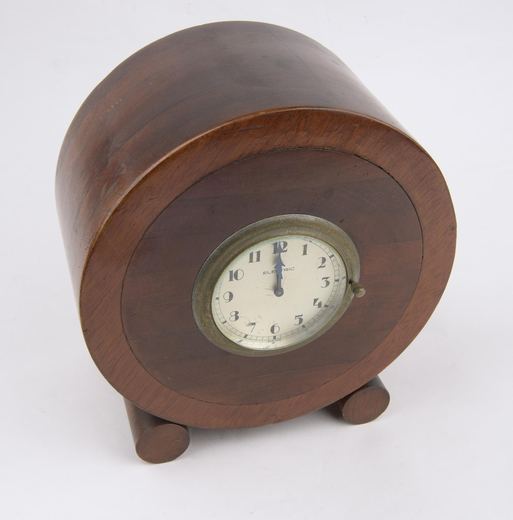
Movements & Components · 1919
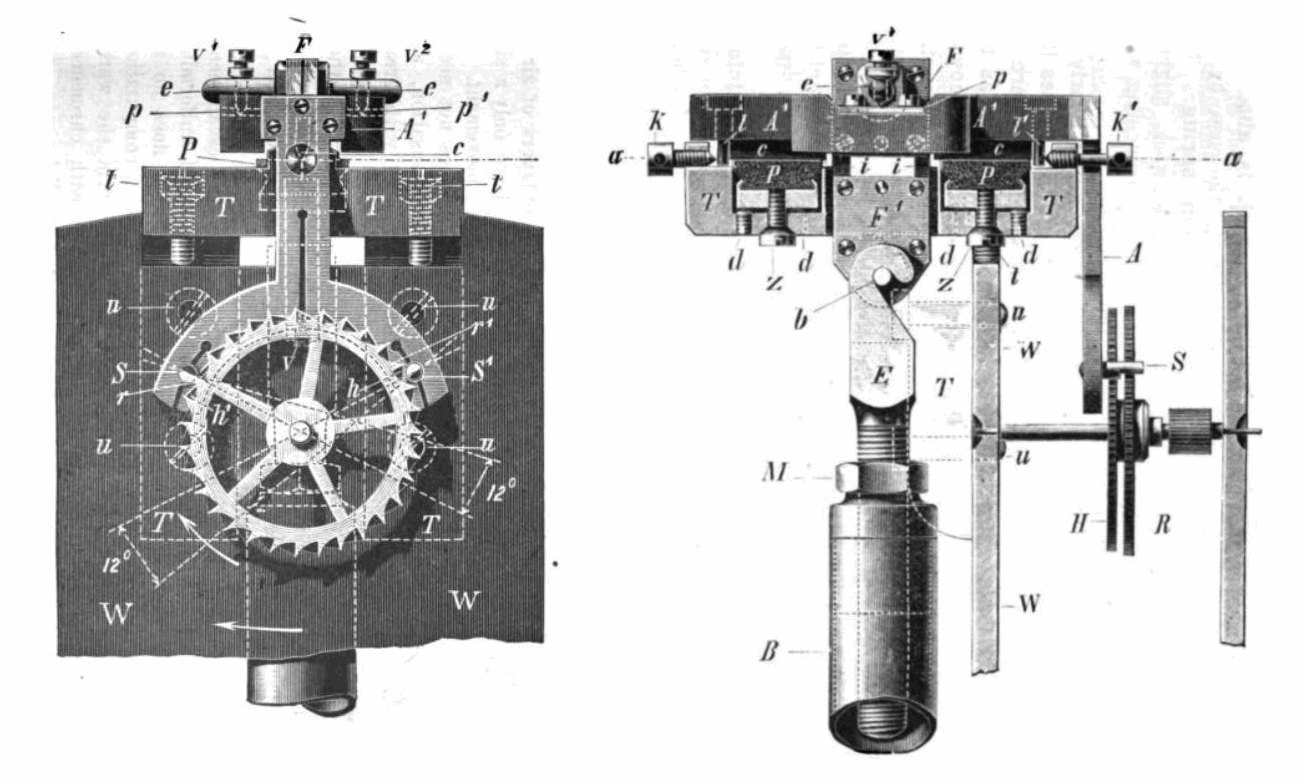
Clock with compound pendulum and unusual dead-beat escapement by the Kee-Less Clock Company, patented in 1919
Science Museum Group, London
Records are linked when the holding institution's description names this mechanism; check each source record for confirmation.