Component
Mercury compensated pendulum
Also known as: Quecksilberpendel
How it works
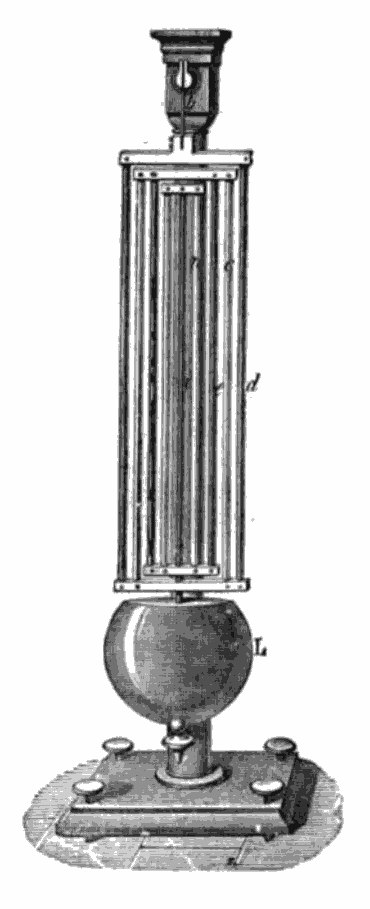
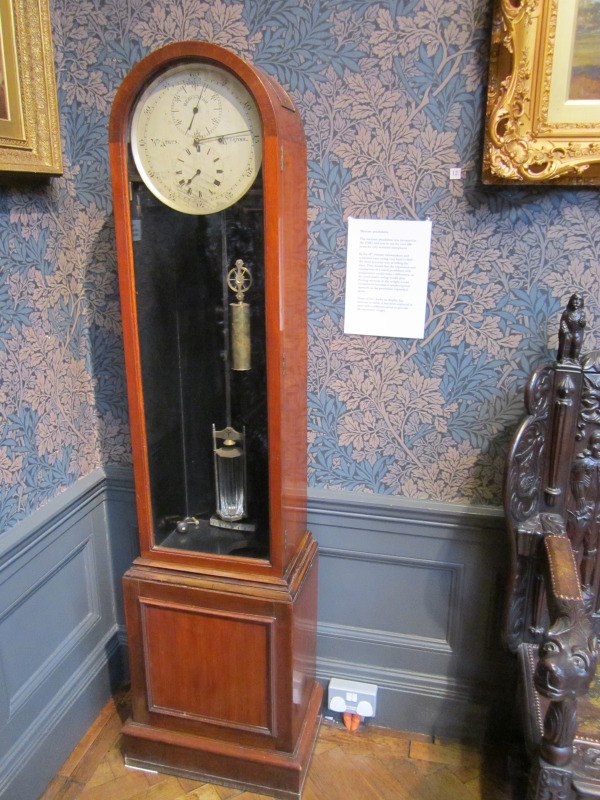
The bob is a jar of mercury. As the steel rod lengthens in warmth, the mercury rises in its jar, lifting the centre of oscillation and keeping the effective length constant.
Why it was invented
Temperature compensation for precision clocks.
- Invented
- 1721 (published 1726)
- Credited to
- George Graham
- Historical period
- Early Modern Horology
History and development
George Graham experimented with mercury in 1721 and published in 1726. Mercury pendulums were standard in observatory regulators — Riefler, Dent and Kullberg among their makers — into the 20th century.