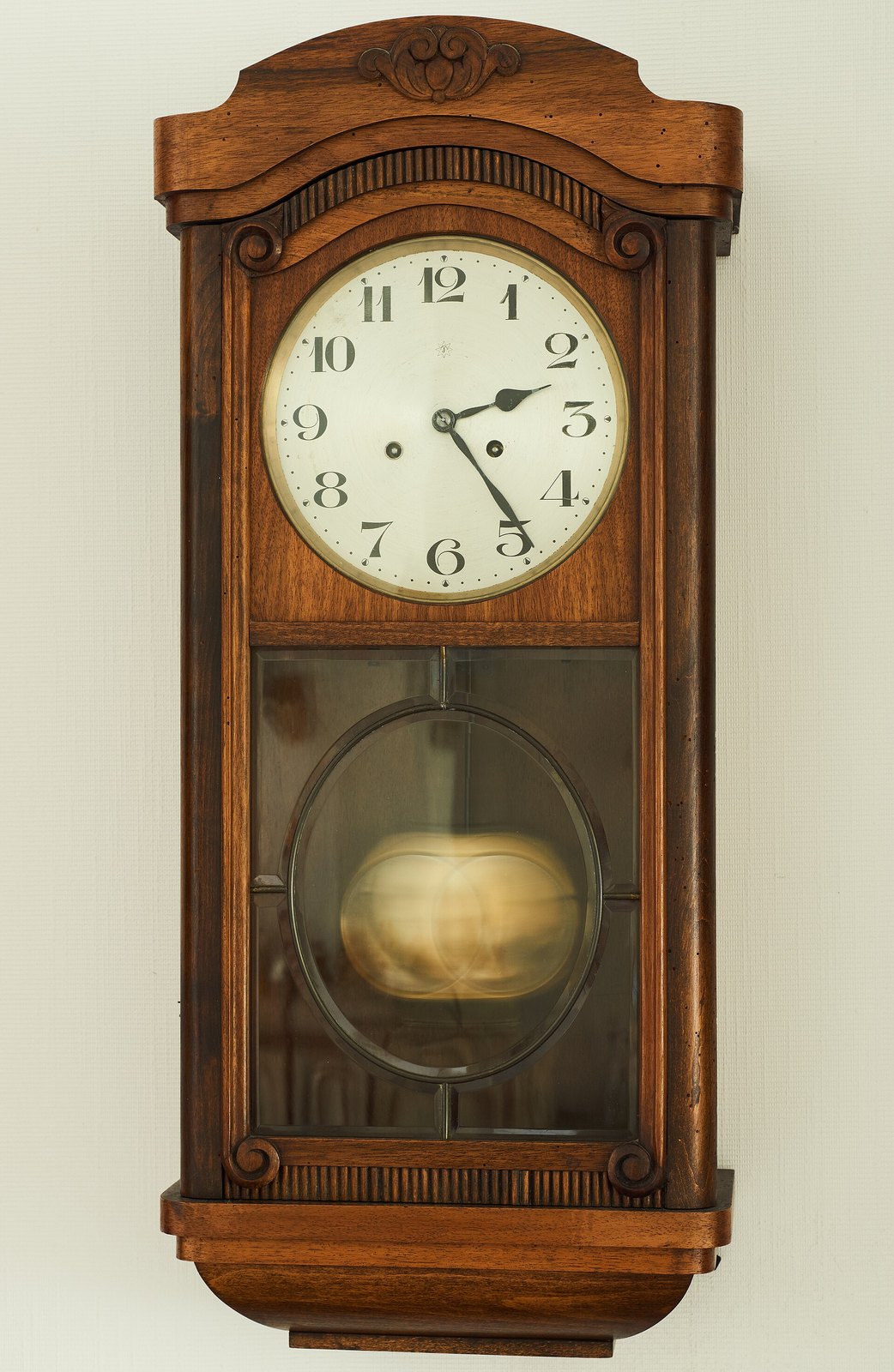
Component
Pendulum
Also known as: Pendel · Balancier (pendule)
How it works
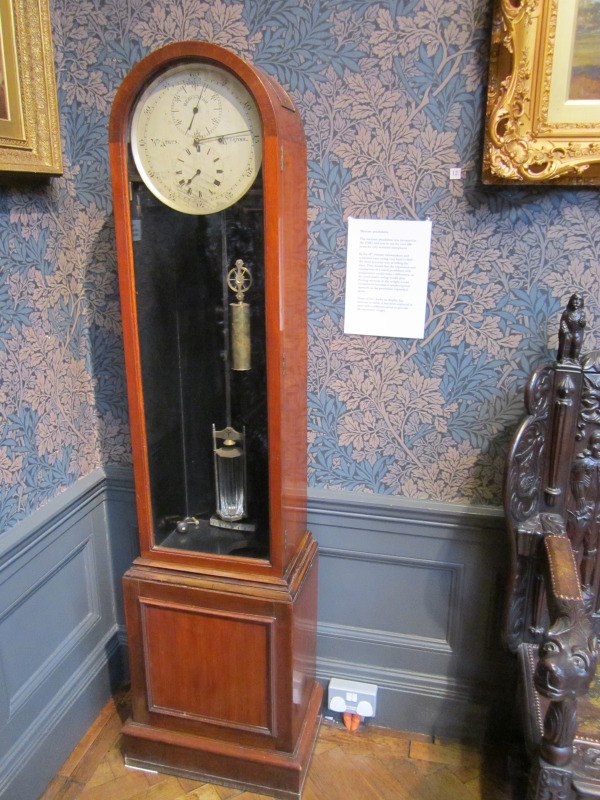
A weight (the bob) on a rod swings under gravity. For small arcs its period depends almost entirely on its length: T = 2π√(L/g). A pendulum of about 0.994 m beats once per second — the 'seconds pendulum' of the longcase clock.
Why it was invented
It gave clocks a natural, stable period for the first time, reducing errors from perhaps a quarter of an hour to well under a minute per day.
- Invented
- 1656 (first pendulum clock)
- Credited to
- Christiaan Huygens
- Historical period
- Early Modern Horology
- Seconds pendulum length
- ≈ 0.994 m (at g = 9.81 m/s²)
- Circular error
- Period lengthens slightly with larger arcs
- Temperature
- A steel rod changes rate by roughly 0.5 s/day per °C
History and development
Galileo studied the near-isochronism of the pendulum from the early 1600s and designed, but did not complete, a pendulum clock. Christiaan Huygens built the first in 1656; Salomon Coster of The Hague made clocks to his design under a privilege of 1657. Huygens also showed that a truly isochronous pendulum must swing in a cycloid.
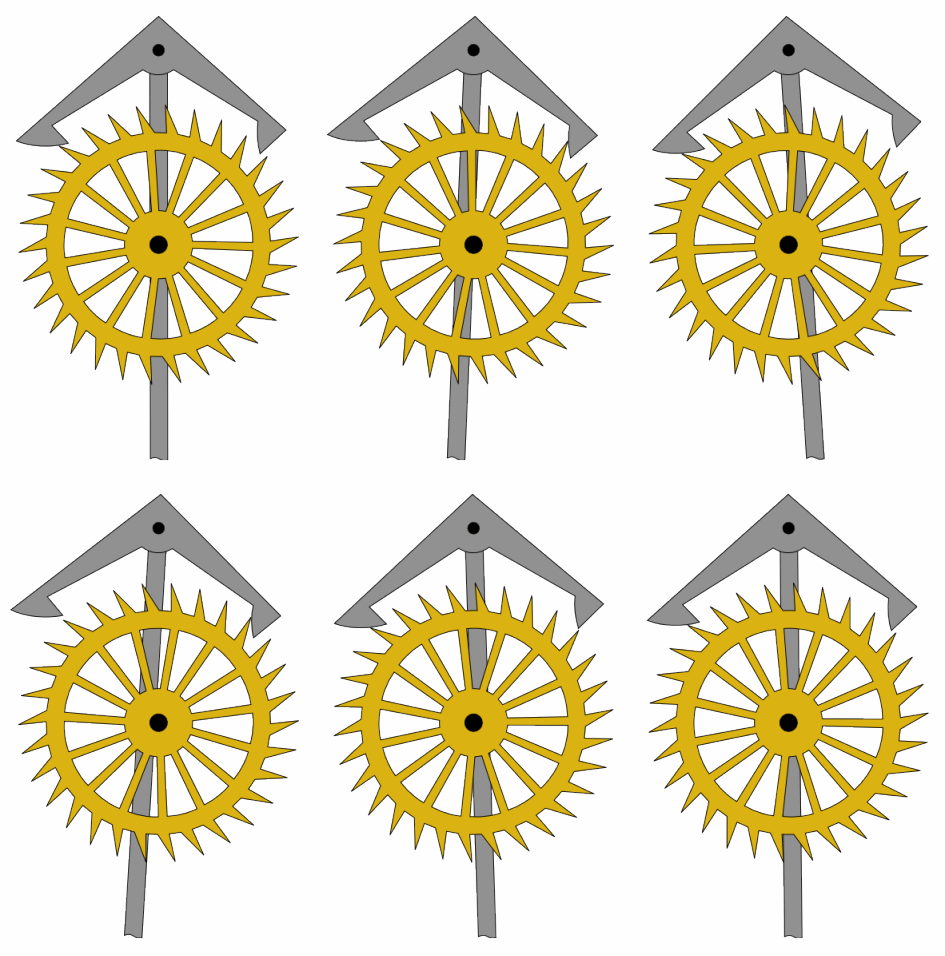
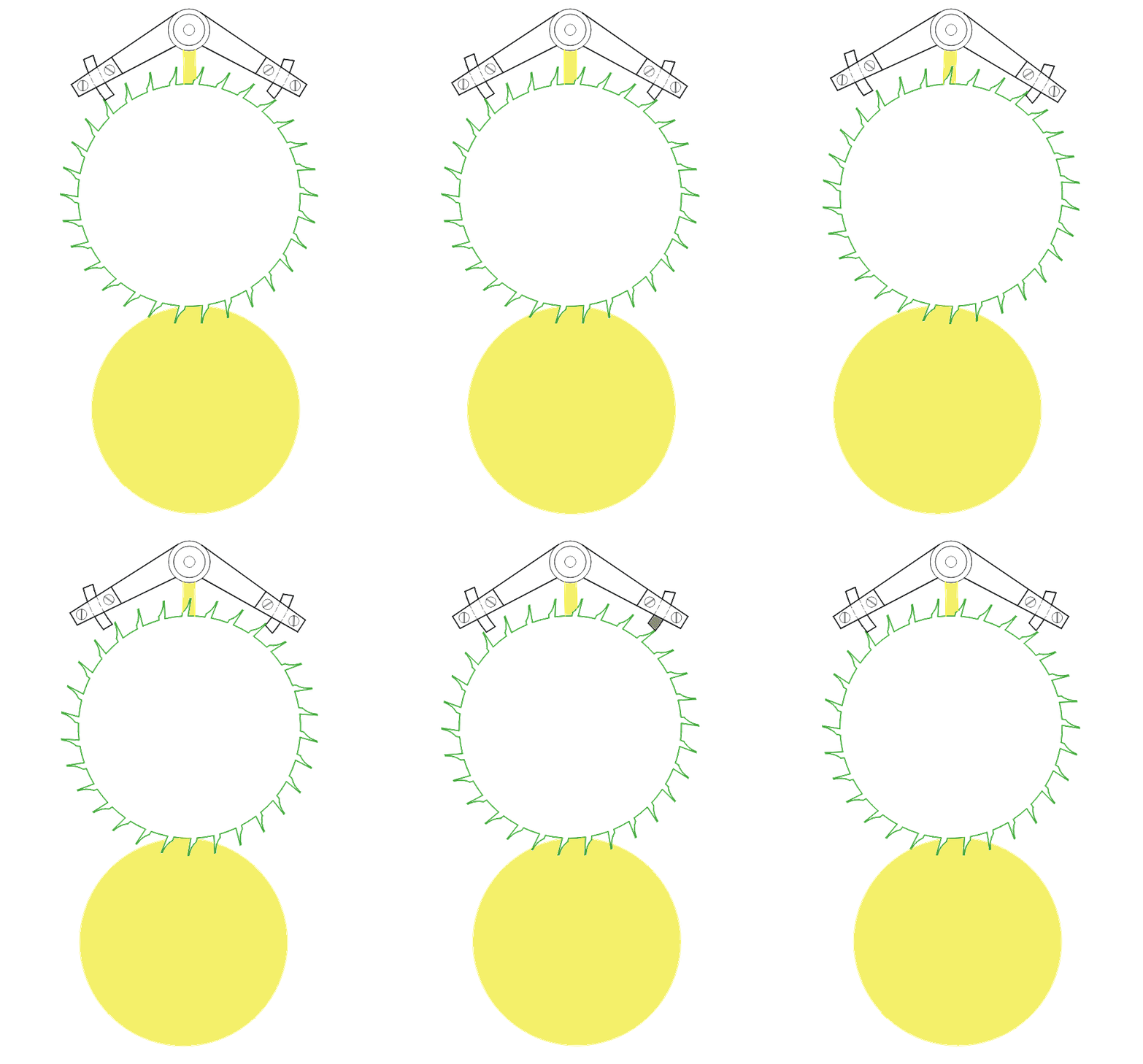
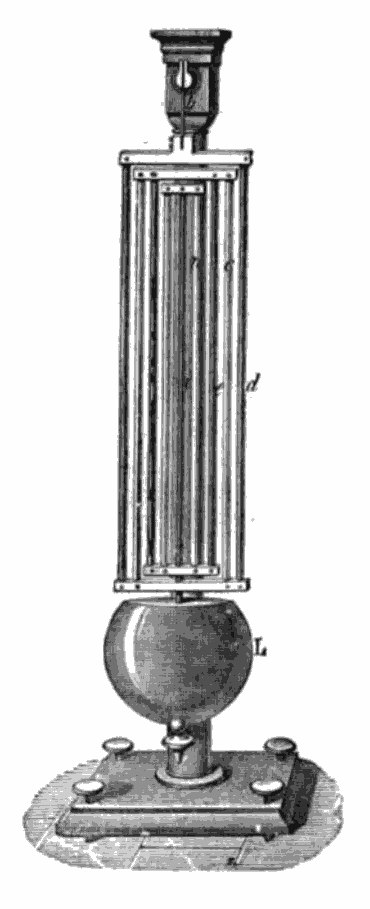
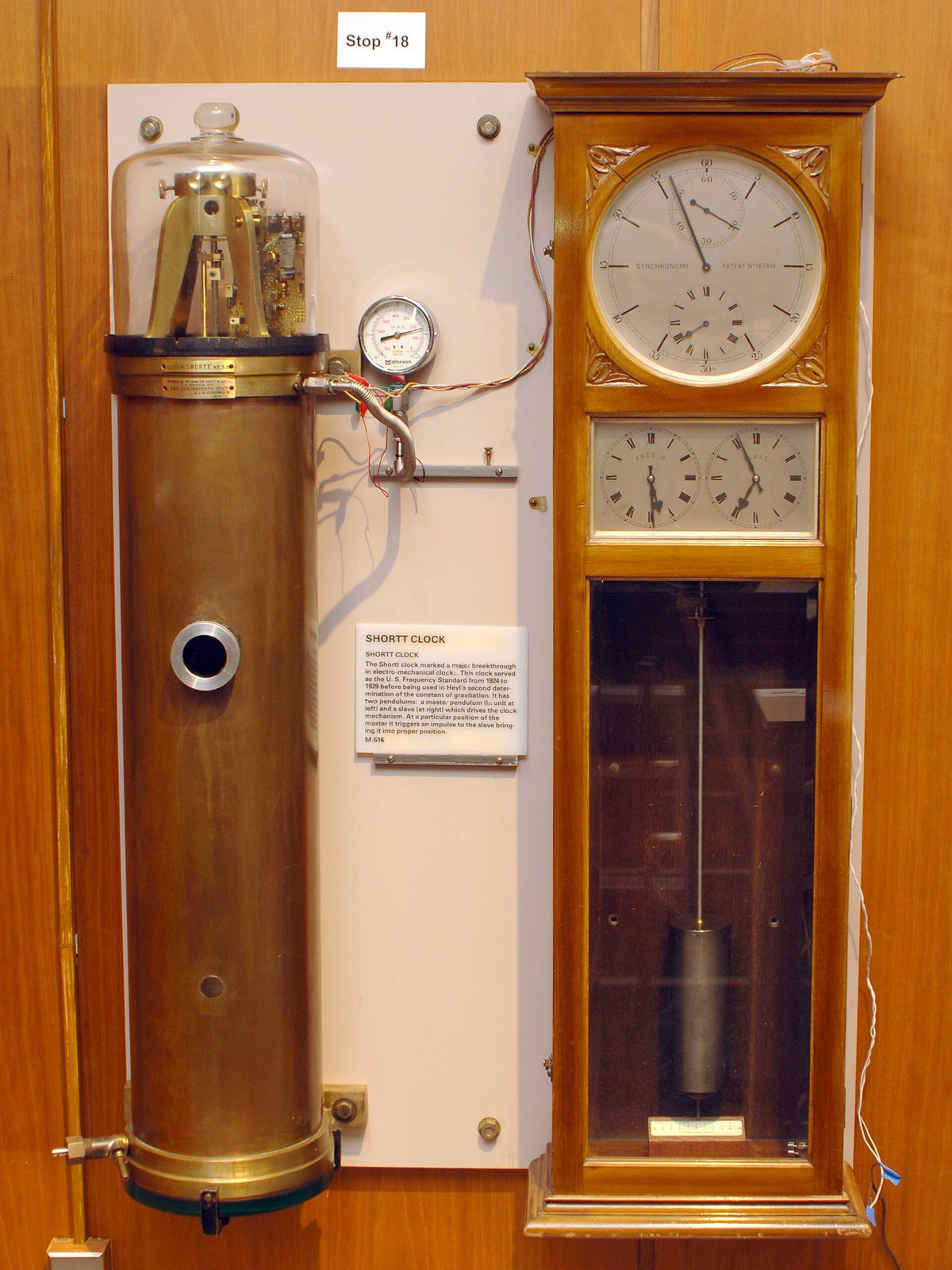
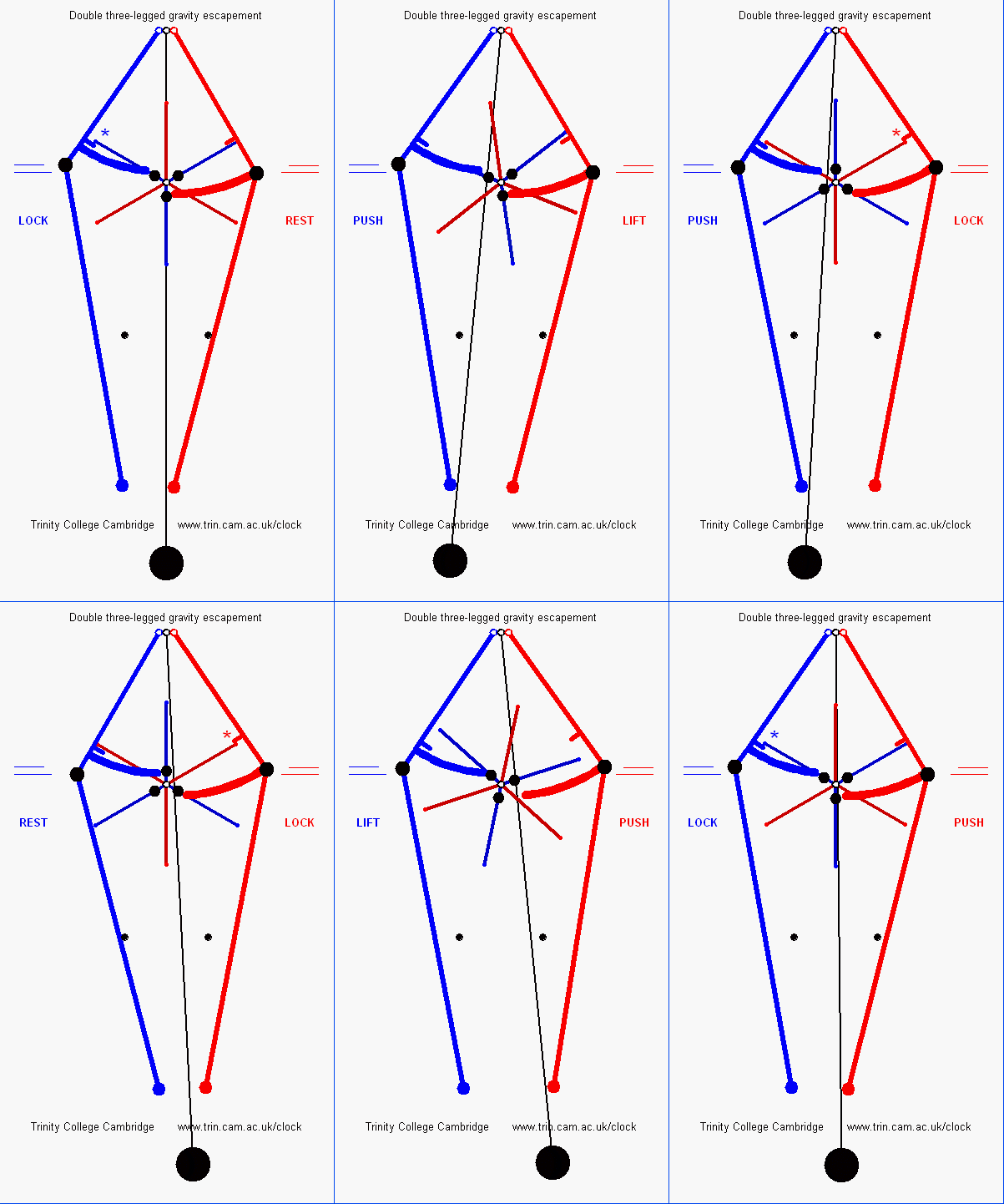
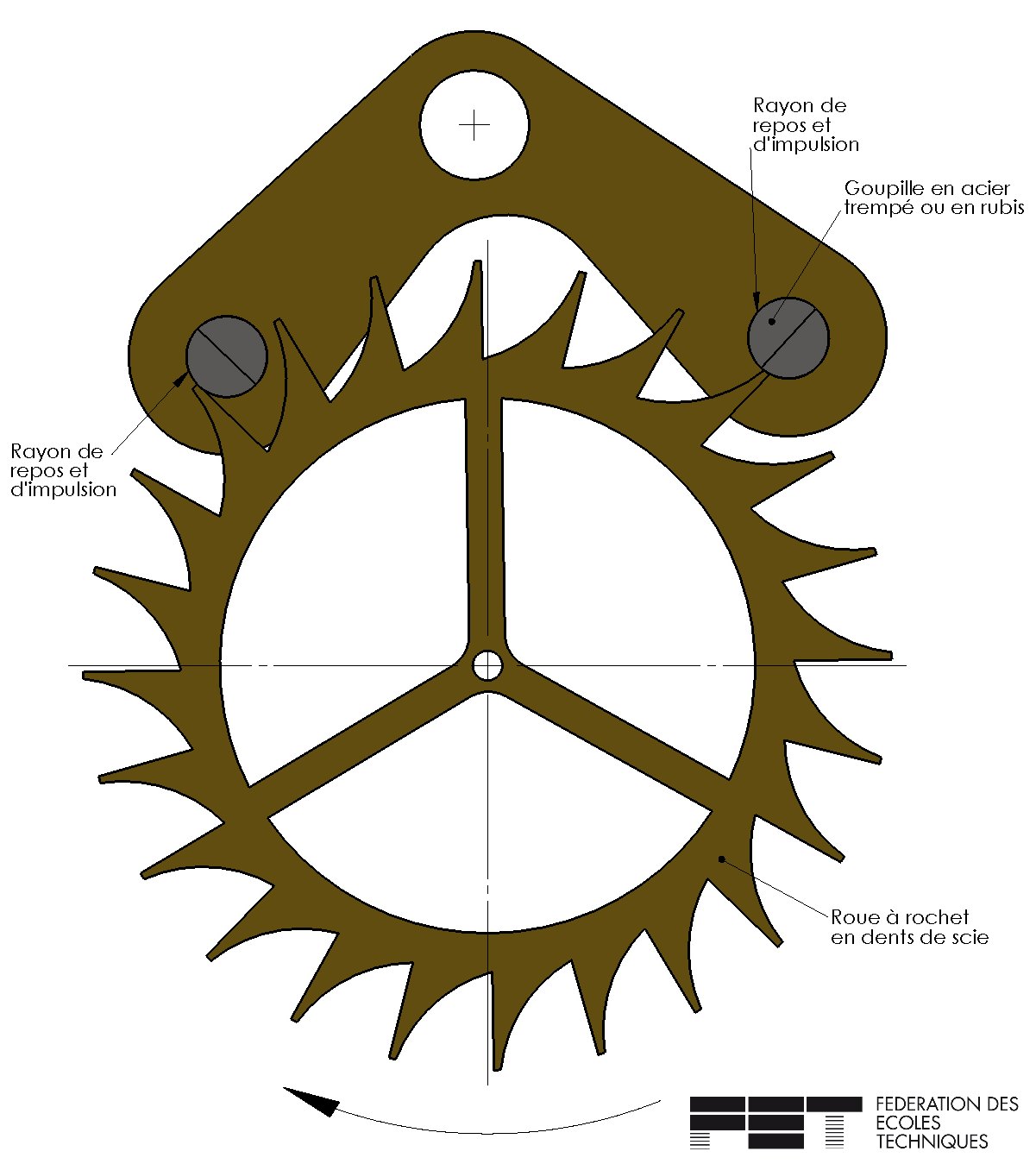
Within a decade pendulums were fitted throughout Europe, often by converting older foliot clocks. Later refinements — the anchor and deadbeat escapements, temperature-compensated rods (mercury, gridiron, Invar) and the free pendulum — made the pendulum clock the world's most accurate timekeeper until quartz in the 1930s.
Related mechanisms
In the catalogue
All 131 records →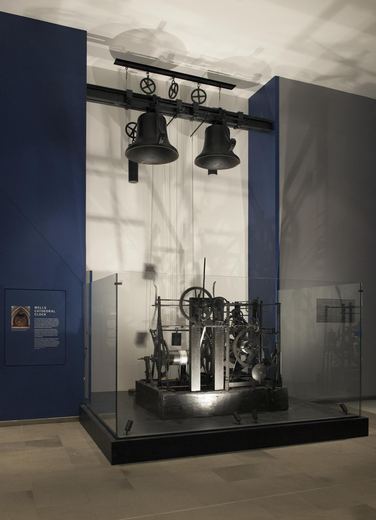
Clocks · 1392
Wells Cathedral clock, England, 1392
Science Museum Group, London
Clocks · ca.1550
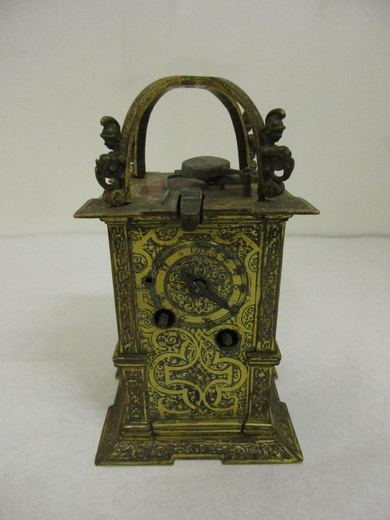
Clock, a striking alarm clock in a gilt brass case, Germany, ca.1550.
Victoria and Albert Museum, London
Clocks · 1550–1650
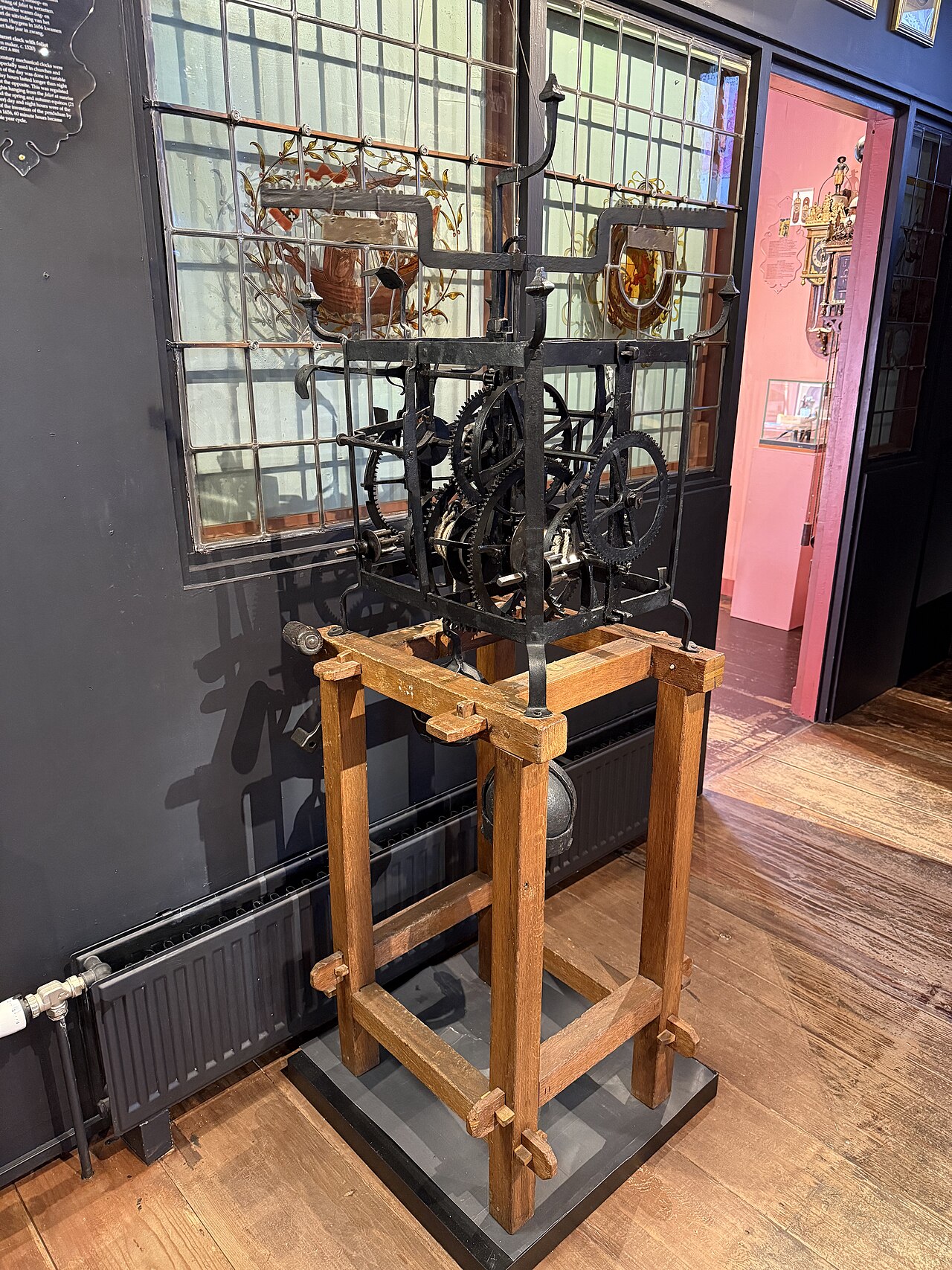
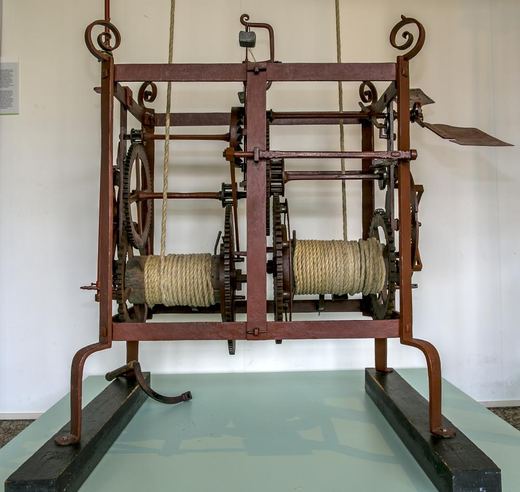
Turret clock, Netherlands, 1550–1650
Museum Klok & Peel
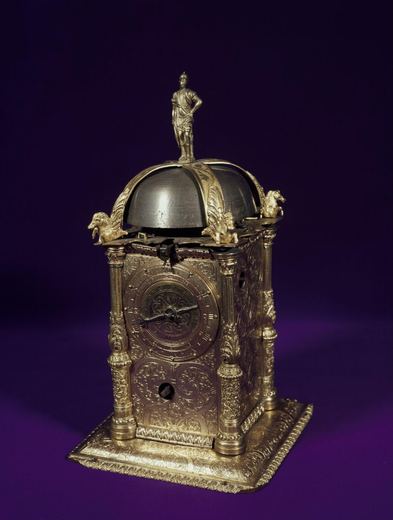
Clocks · 1575-1600
Alarm Tabernacle clock, gilt brass case with engraved and cast decoration, German, late 16th Century.
Victoria and Albert Museum, London
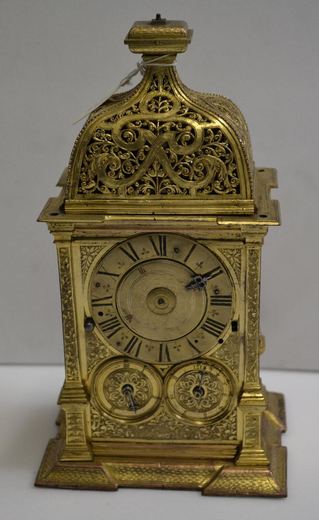
Clocks · c. 1584
Clock, Germany, c. 1584
Victoria and Albert Museum, London
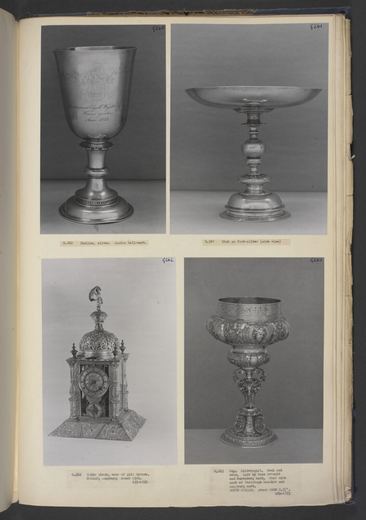
Clocks · 1580
Alarm tabernacle clock by B.S., gilt-bronze, South German, 1580, Soulages Collection.
Victoria and Albert Museum, London
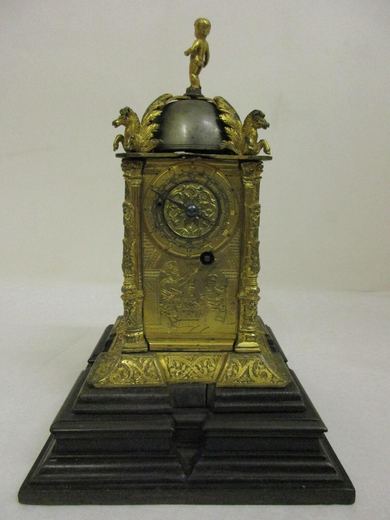
Clocks · 1580
Alarm Tabernacle clock, German, about 1580.
Victoria and Albert Museum, London
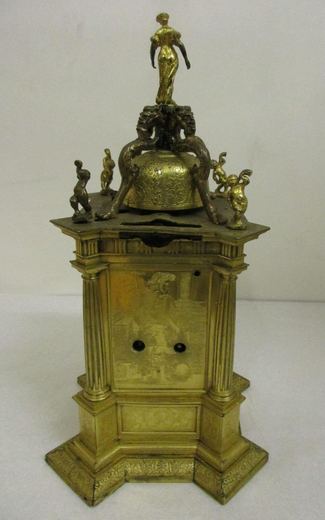
Clocks · 1580-1585
Gilt copper and iron, South German, 1580-85, the clock face dated 1620 and signed by Thobias Küster.
Victoria and Albert Museum, London
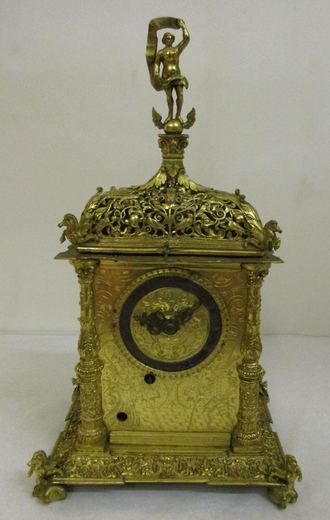
Clocks · 1585-1600
Astronomical tabernacle clock, gilt metal, cast, pierced and engraved, Austrian or South German, late 16th Century.
Victoria and Albert Museum, London
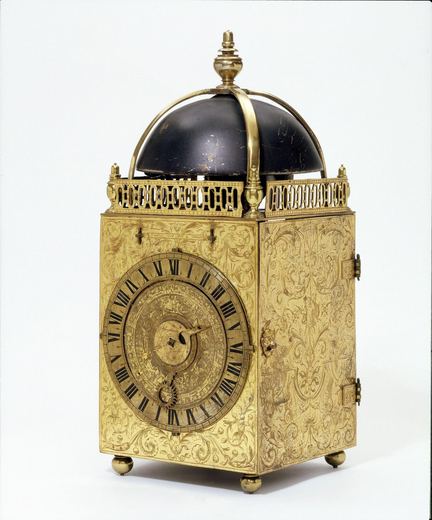
Clocks · 1588
Astronomical clock by Francis Nowe, England, 1588
Victoria and Albert Museum, London
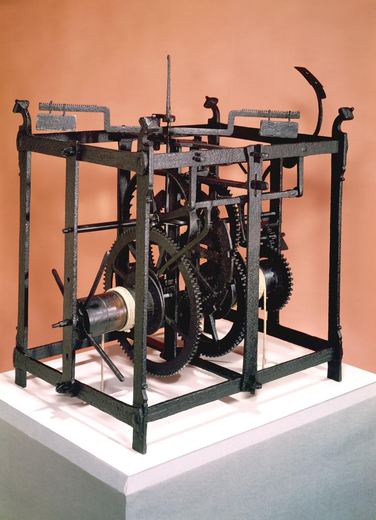
Clocks · 1632-1640
Turret clock, England, 1632-1640
Science Museum Group, London
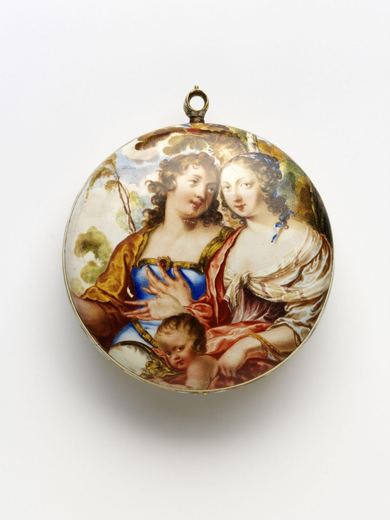
Pocket Watches · 1640-1660
Watch by Jan Bernardus Vrythoff, France, 1640-1660
Victoria and Albert Museum, London
Records are linked when the holding institution's description names this mechanism; check each source record for confirmation.