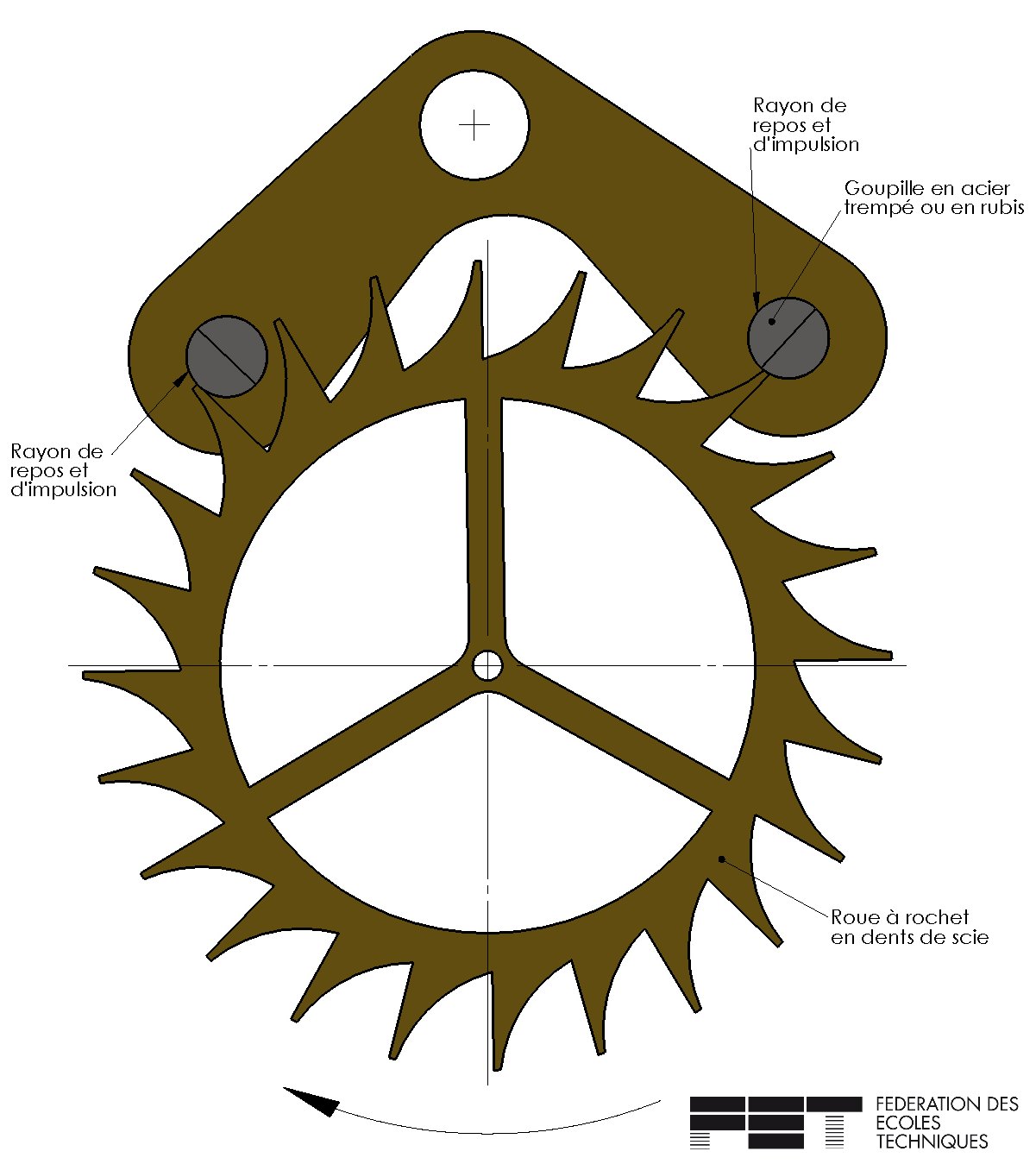
Escapement
Brocot escapement
Also known as: Visible escapement · Échappement Brocot
How it works
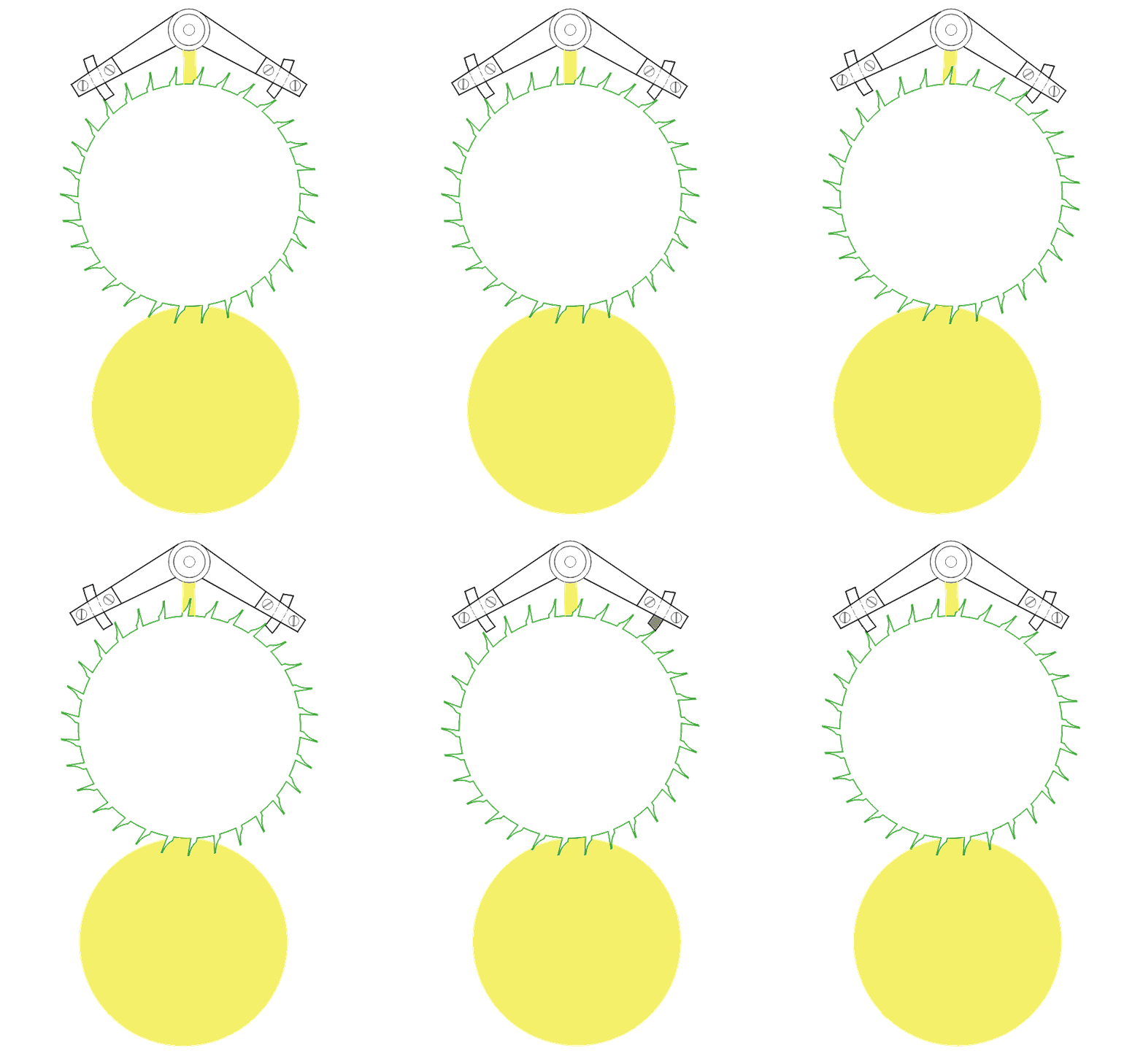
A near-deadbeat pin-pallet escapement for pendulum clocks: the pallets are two semicircular pins (steel or carnelian), often mounted in front of the dial where the motion can be seen.
Why it was invented
It gave a reliable, almost deadbeat action that was easy to make and adjust, and its visible pallets became a decorative feature of French mantel clocks.
- Invented
- mid-19th century
- Credited to
- Achille Brocot
- Historical period
- Industrial Revolution
History and development
Achille Brocot, of a family of Paris clockmakers, introduced the escapement and also the adjustable 'Brocot suspension', which allows the pendulum length to be regulated from the front of the dial. Both were standard on French clocks from about 1850 to 1914.
Related mechanisms
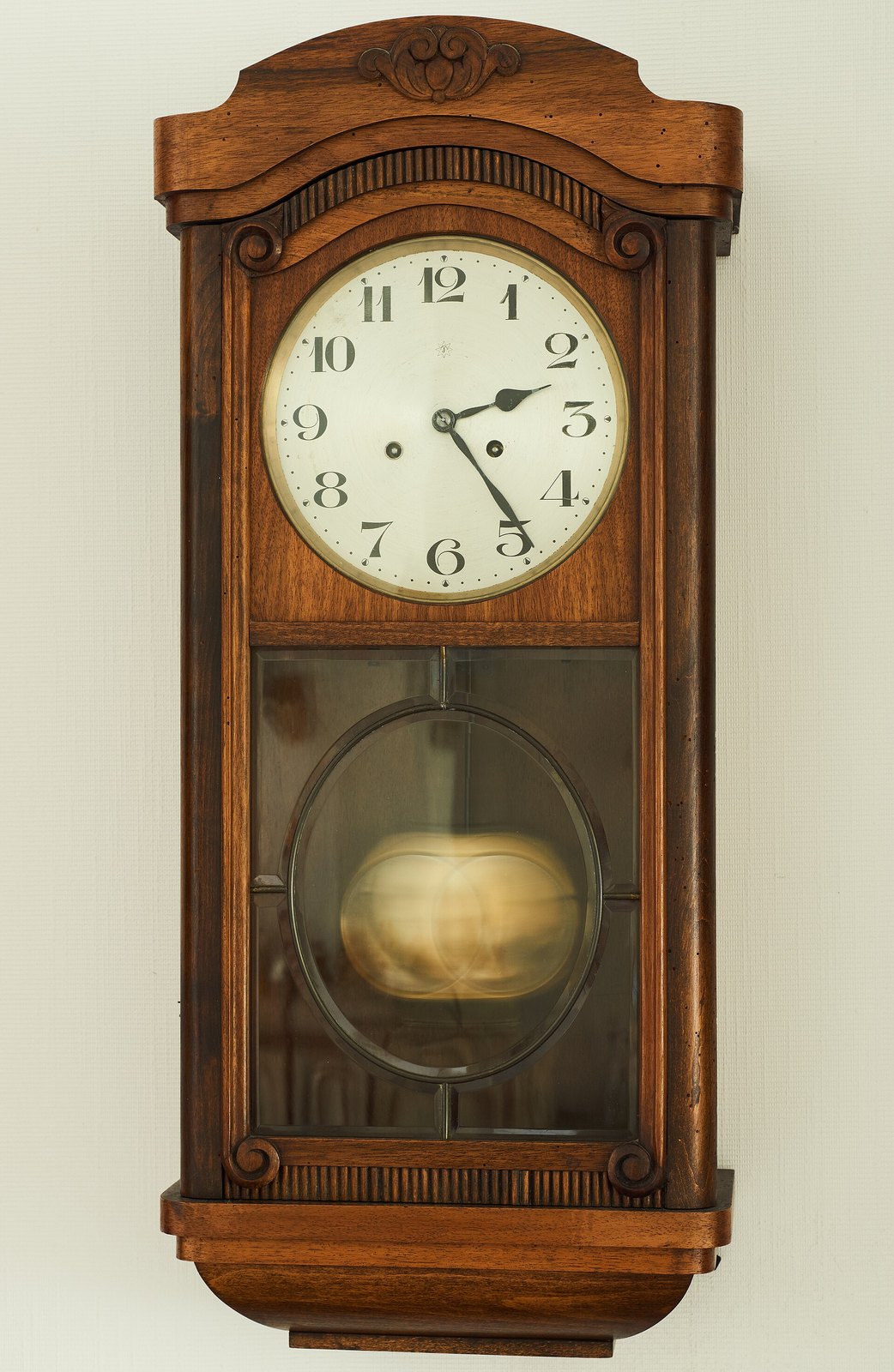
In the catalogue
Open in the catalogue →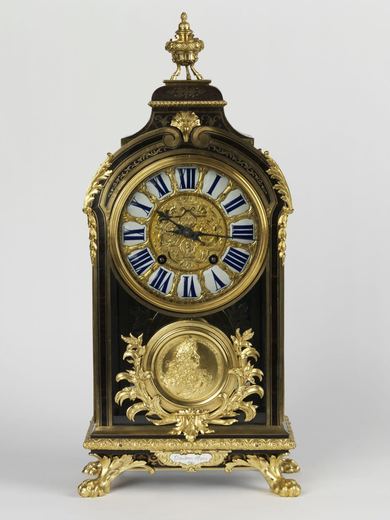
Clocks · late 17th century
Clock with case of tortoiseshell inlaid with brass, Paris, late 17th century
Victoria and Albert Museum, London
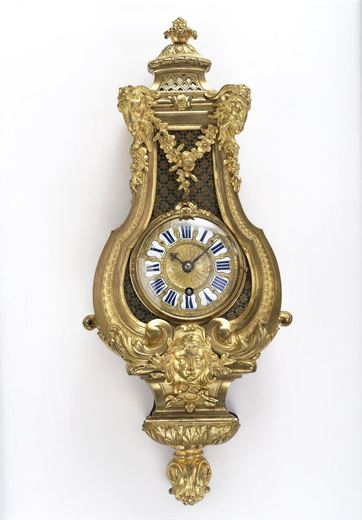
Clocks · 1760–1860
'Pendule d'alcove' wall clock, gilt-bronze and boulle marquetry, Paris, 1760-1860
Victoria and Albert Museum, London
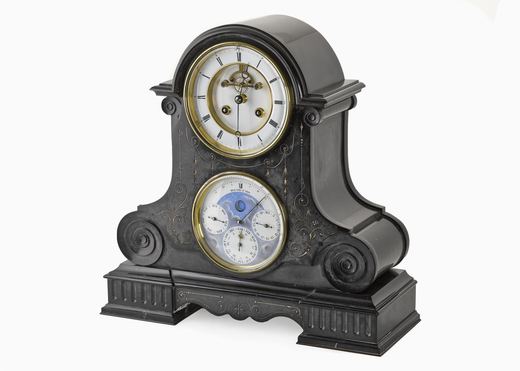
Clocks · 1840-1878
Mantel clock by Brocot, A., France, 1840-1878
Science Museum Group, London
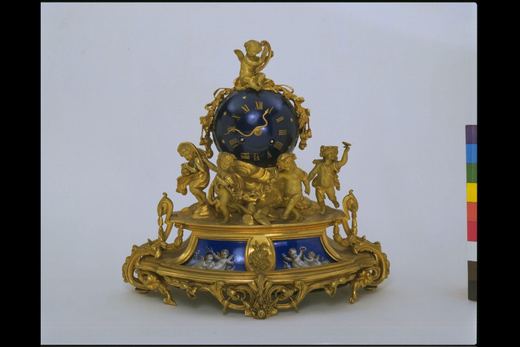
Clocks · ca. 1855
Ormolu and ename clockl, Paris, ca.1855, made by Lévy Frères.
Victoria and Albert Museum, London
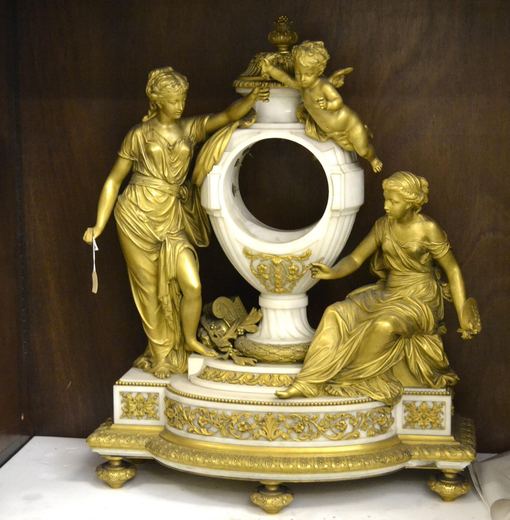
Clocks · 1860-1870
Clock by Raingo Frères, France, 1860-1870
Victoria and Albert Museum, London
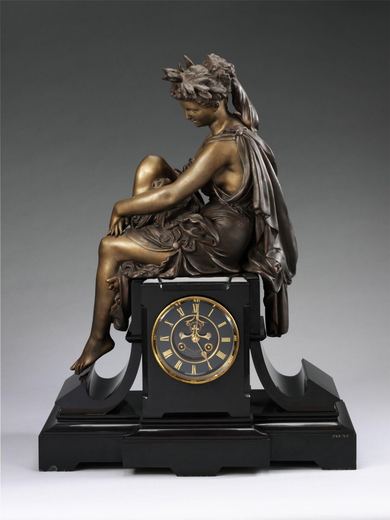
Clocks · 1860-1867
Clock, with seated female figure of Contemplation, designed by Carrier-Belleuse, 1860s
Victoria and Albert Museum, London
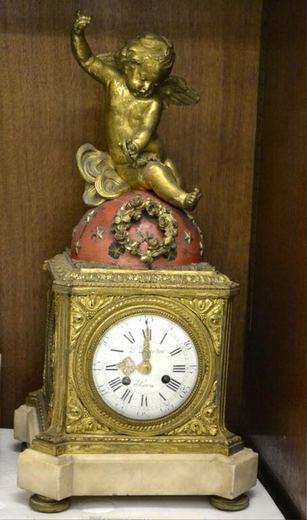
Clocks · 1870
A spring mantel clock on a marble base with brass feet by Pierre Leurtier, Paris, about 1860
Victoria and Albert Museum, London
Records are linked when the holding institution's description names this mechanism; check each source record for confirmation.