Component
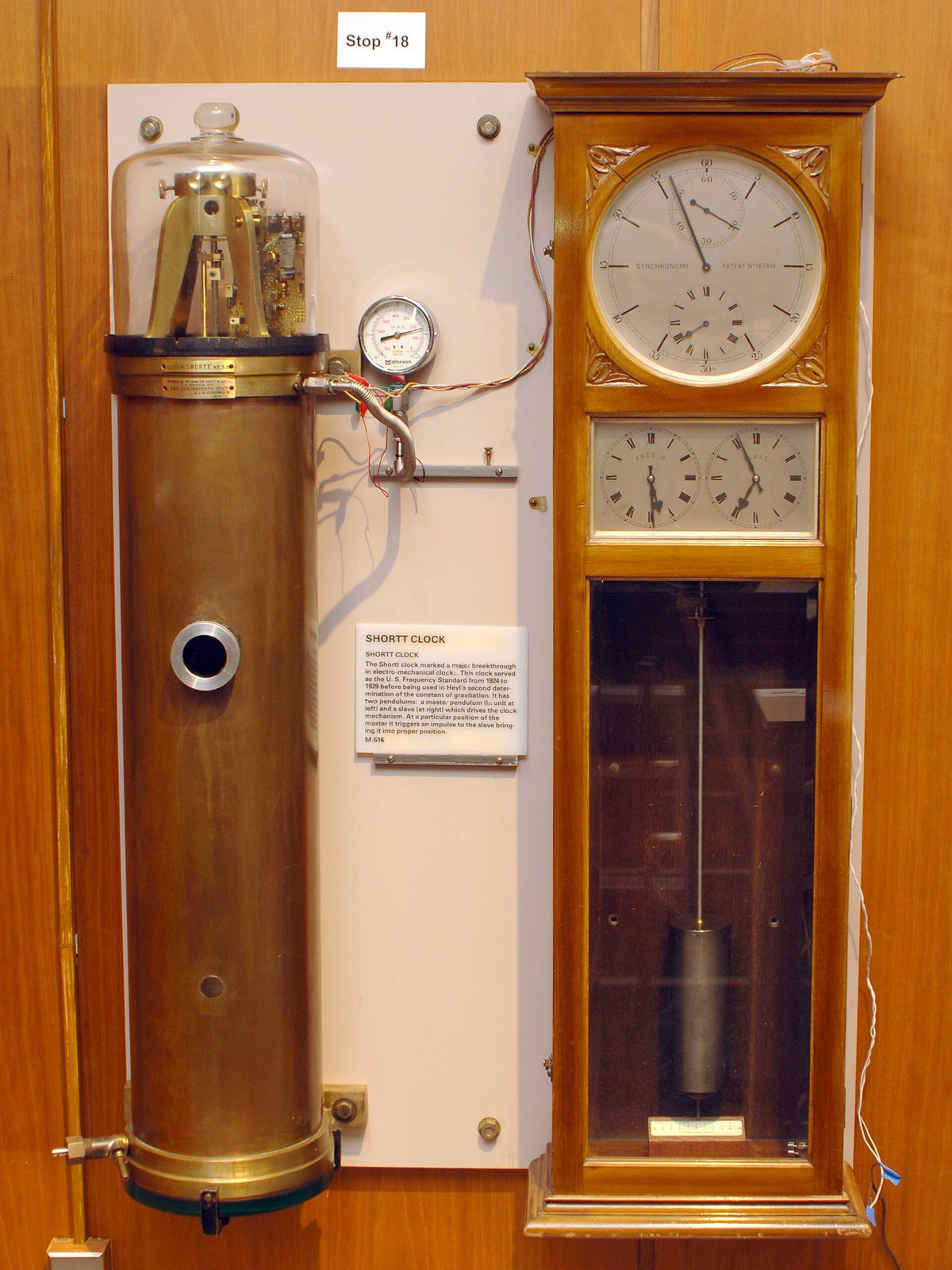
Free pendulum (Shortt-Synchronome)
Also known as: Shortt clock
How it works
A 'master' pendulum swings in a near-vacuum and does no work except to receive a tiny gravity impulse every 30 seconds. A separate 'slave' clock does the counting and is kept in step with the master by an electrical synchronising link.
Why it was invented
By isolating the timekeeping pendulum from the work of counting, it approached the physical limit of pendulum accuracy.
- Invented
- 1921
- Credited to
- William Hamilton Shortt, with the Synchronome Company (Frank Hope-Jones)
- Historical period
- Golden Age of Mechanical Watchmaking
History and development
Around one hundred Shortt clocks were made between 1922 and 1956 for observatories and time services. Their stability — of the order of a second per year — was good enough to reveal small irregularities in the Earth's rotation. Quartz clocks replaced them from the 1940s.
Related mechanisms
In the catalogue
Open in the catalogue →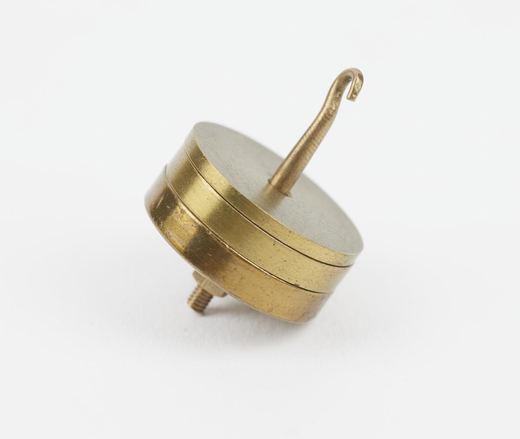
Clocks · 1899
Auxillary counter weight from free pendulum clock, by R. J. Judd, Croydon, London, United Kingdom, 1899
Science Museum Group, London
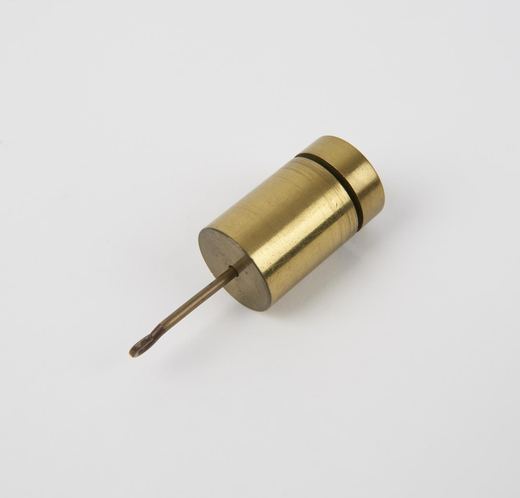
Clocks · 1899
Auxillary driving weight from the free pendulum clock, by R. J. Judd, Croydon, London, United Kingdom, 1899
Science Museum Group, London
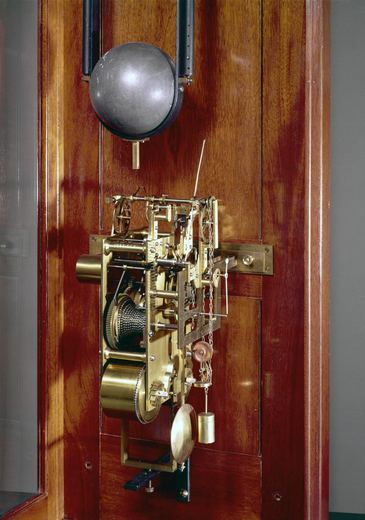
Movements & Components · 1899
Clock, United Kingdom, 1899
Science Museum Group, London
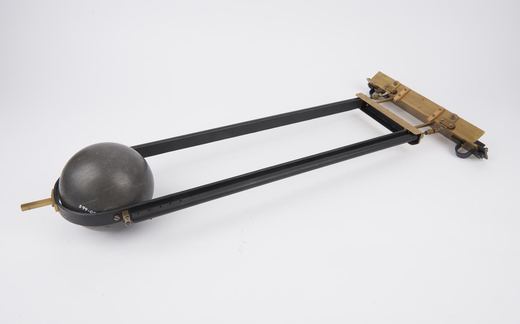
Clocks · 1899
Free pendulum from the free pendulum clock, by R. J. Judd, Croydon, London, United Kingdom, 1899
Science Museum Group, London
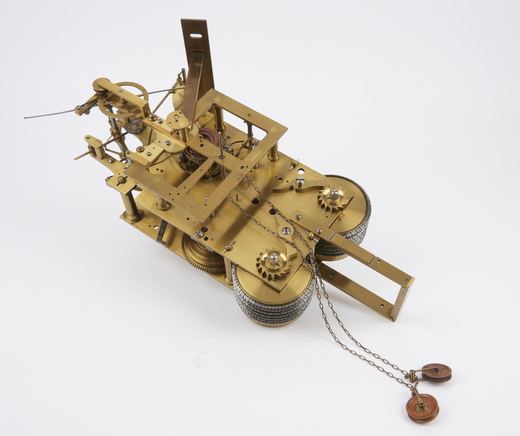
Movements & Components · 1899
Movement from free pendulum clock, by R. J. Judd, United Kingdom, 1899
Science Museum Group, London
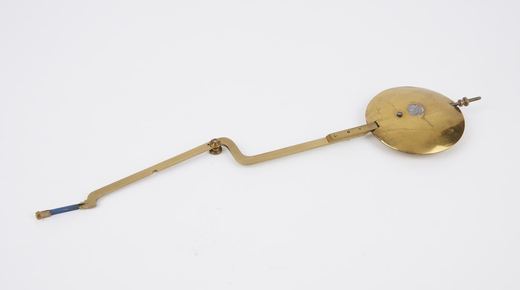
Movements & Components · 1899
Movement pendulum from the free pendulum clock, by R. J. Judd, Croydon, London, United Kingdom, 1899
Science Museum Group, London
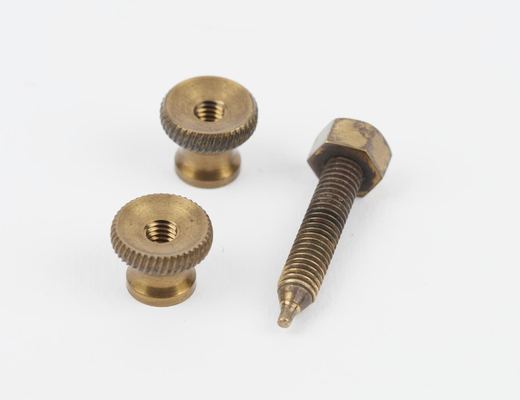
Movements & Components · 1899
Movement screw from free pendulum clock, by R. J. Judd, Croydon, London, United Kingdom, 1899
Science Museum Group, London
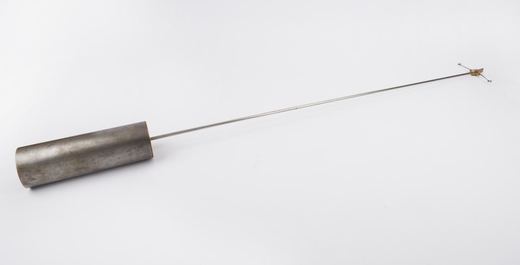
Movements & Components · 1930-1940
Pendulum from the example of the free pendulum clock, by Captain Edwin .E. Craig, Hindhead, Surrey, England, 1930-1940
Science Museum Group, London
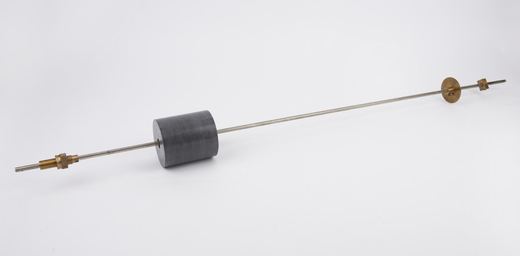
Movements & Components · before 1935
Pendulum from the Shortt free pendulum clock, by the Synchronome Company Limited, London, United Kingdom, 1920-1940
Science Museum Group, London
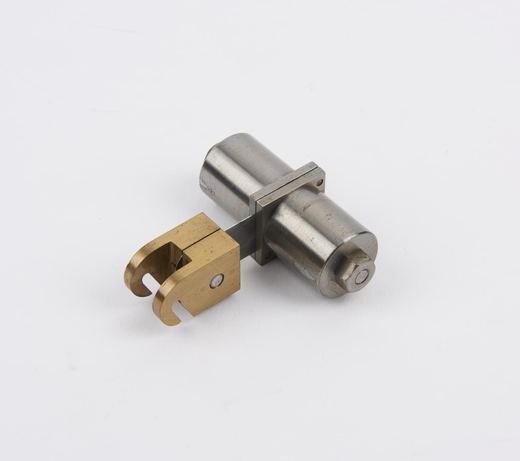
Movements & Components · before 1935
Pendulum top palette from the Shortt free pendulum clock, by the Synchronome Company Limited, London, United Kingdom, 1920-1940
Science Museum Group, London
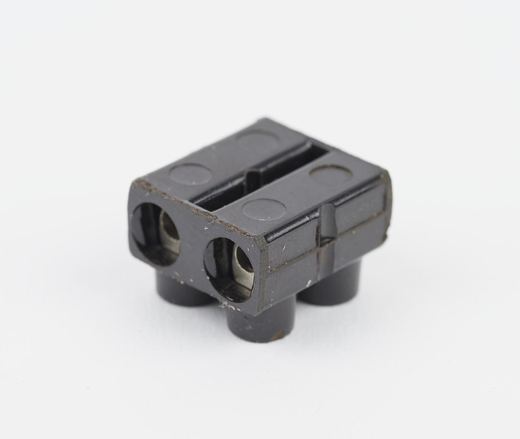
Clocks · 1944-1947
Electrical connector block from the Parriss rolling-ball free pendulum clock, by E. G. Parriss, Nuneaton, England, 1944-1947
Science Museum Group, London
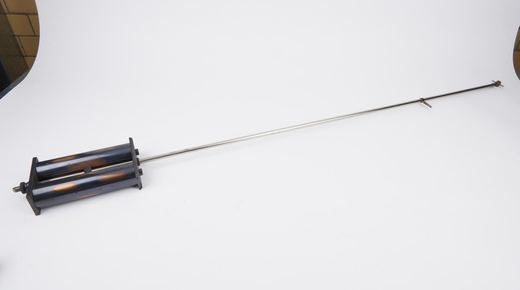
Movements & Components · 1944-1947
Pendulum from the Parriss rolling-ball free pendulum clock, by E. G. Parriss, Nuneaton, England, 1944-1947
Science Museum Group, London
Records are linked when the holding institution's description names this mechanism; check each source record for confirmation.