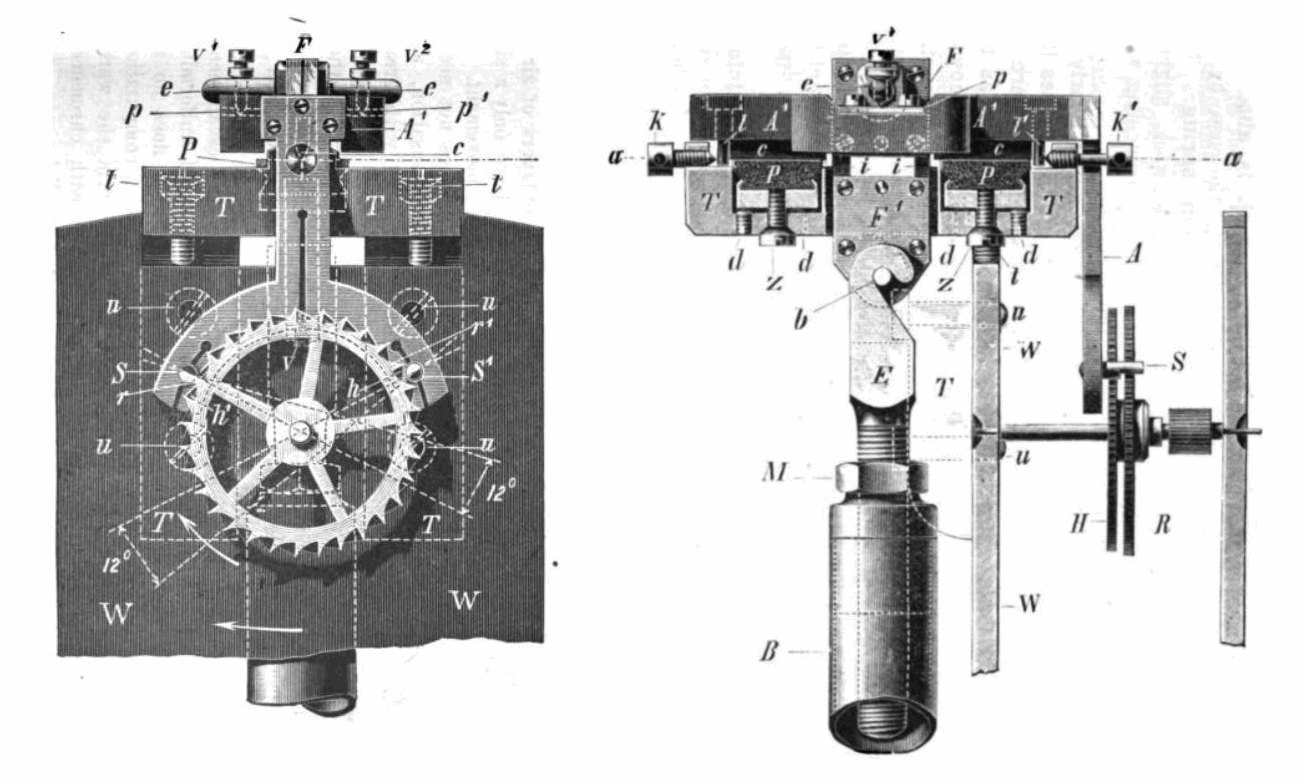
Escapement
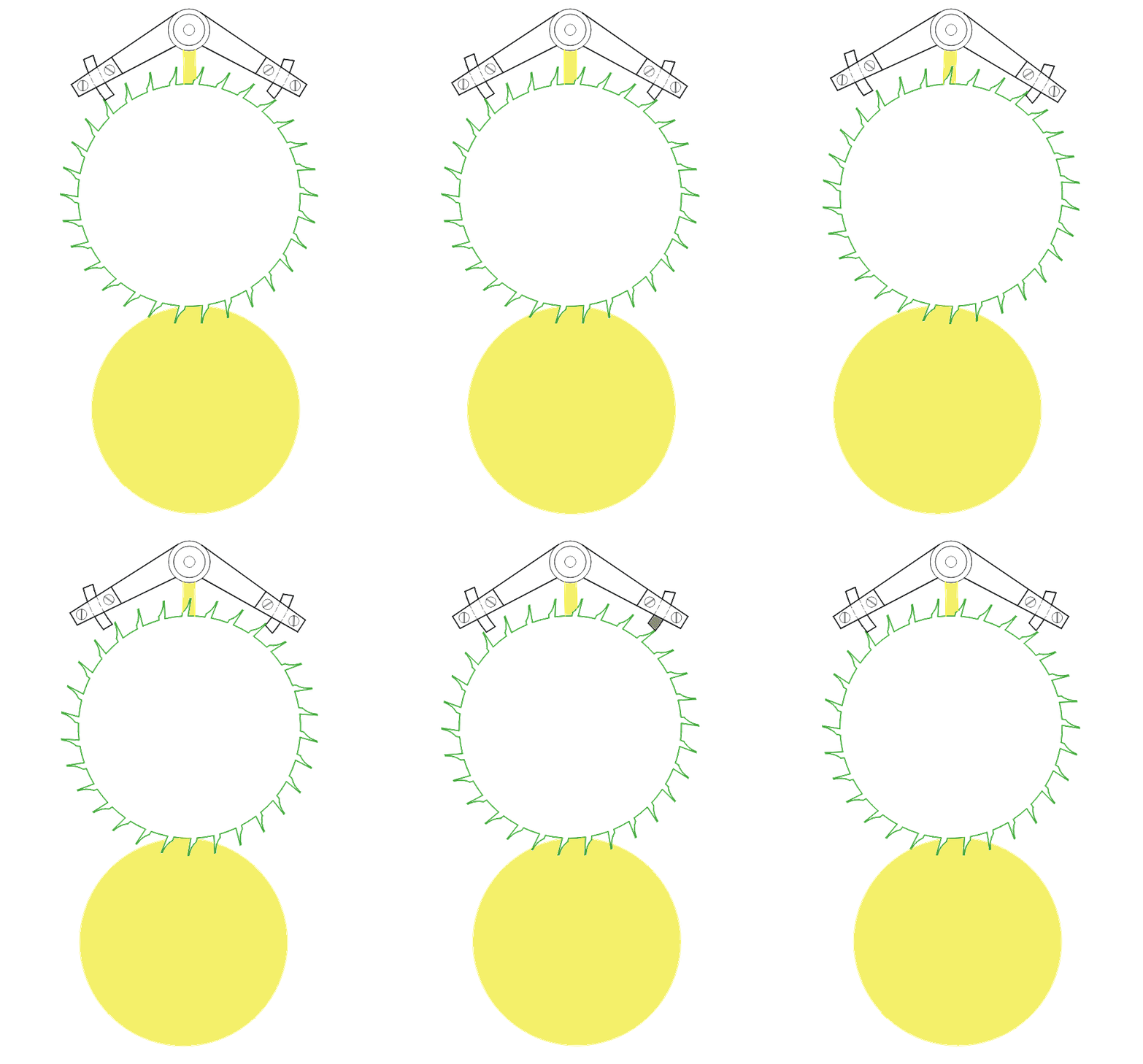
Riefler escapement
How it works
Impulse is delivered to the pendulum through the flexing of its suspension spring, so that the pendulum receives impulse without any sliding contact on the bob or rod.
Why it was invented
For observatory regulators: it reduced disturbance of the pendulum below that of the deadbeat.
- Invented
- 1889 (patent)
- Credited to
- Sigmund Riefler
- Historical period
- Industrial Revolution
History and development
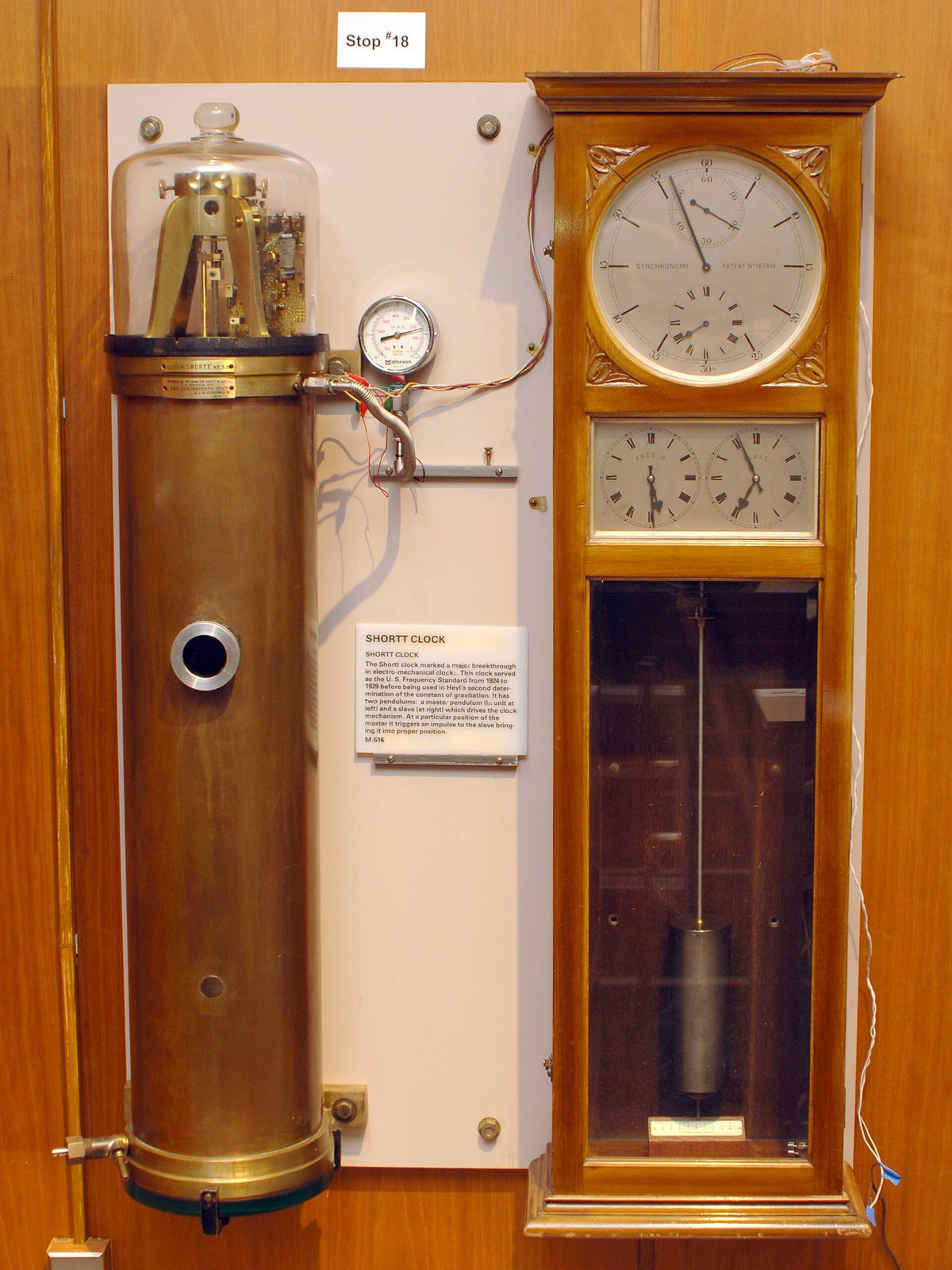
Patented by Sigmund Riefler in 1889, it was manufactured by the Munich firm of Clemens Riefler in regulators — often in partial vacuum tanks — that served observatories worldwide until the free-pendulum Shortt clock surpassed them in the 1920s.
Related mechanisms
In the catalogue
Open in the catalogue →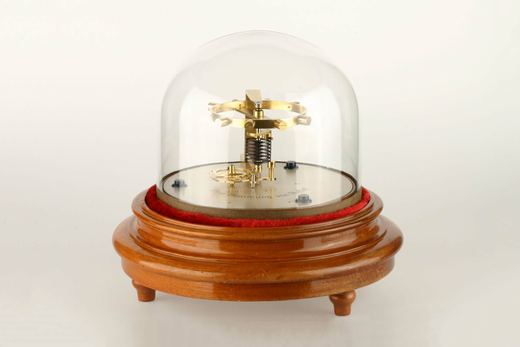
Movements & Components · 1889
Escapement model by Königlich Württembergische Fachschule für Feinmechanik, Elektromechanik und Uhrmacherei, Germany, 1889
German Clock Museum
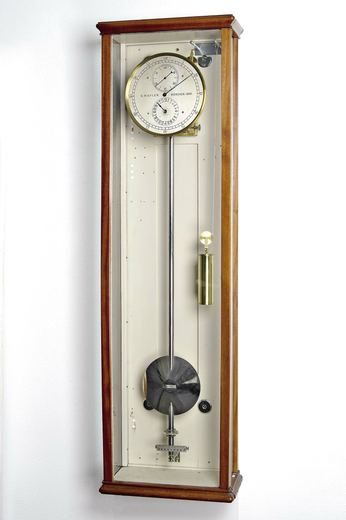
Clocks · 1890
Regulator clock by Clemens Riefler, Germany, 1890
German Clock Museum
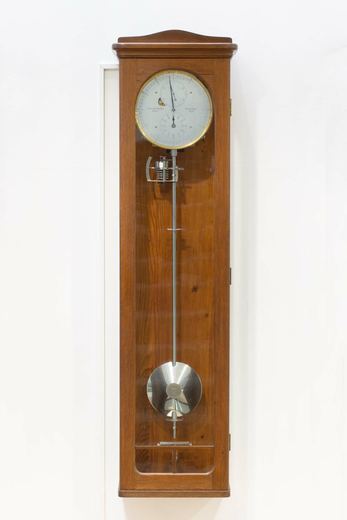
Clocks · 1920
Regulator clock by Clemens Riefler, Germany, 1920
German Clock Museum
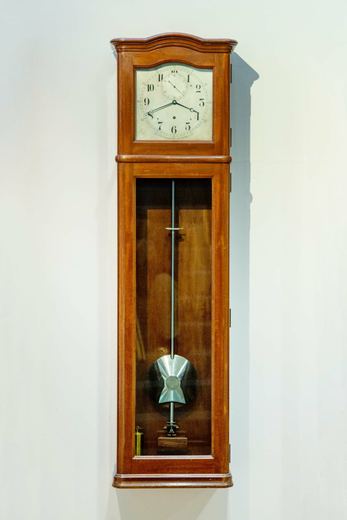
Clocks · 1920
Regulator clock by Ludwig Siebenpfeiffer, Germany, 1920
German Clock Museum
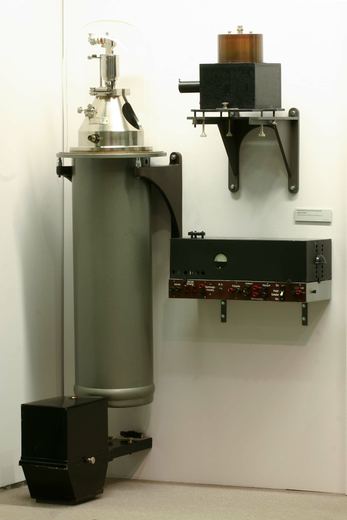
Clocks · 1933
Regulator clock by Clemens Riefler, Germany, 1933
German Clock Museum
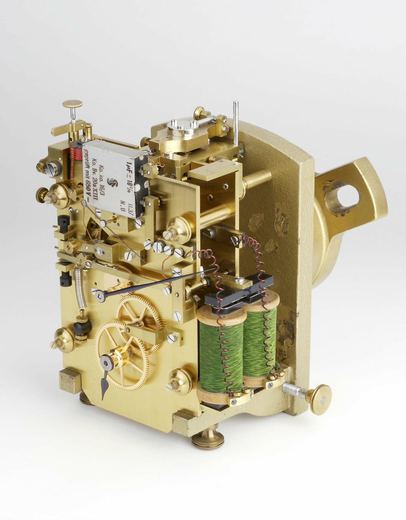
Clocks · 1935
Regulator clock by Clemens Riefler, Germany, 1935
German Clock Museum
Records are linked when the holding institution's description names this mechanism; check each source record for confirmation.