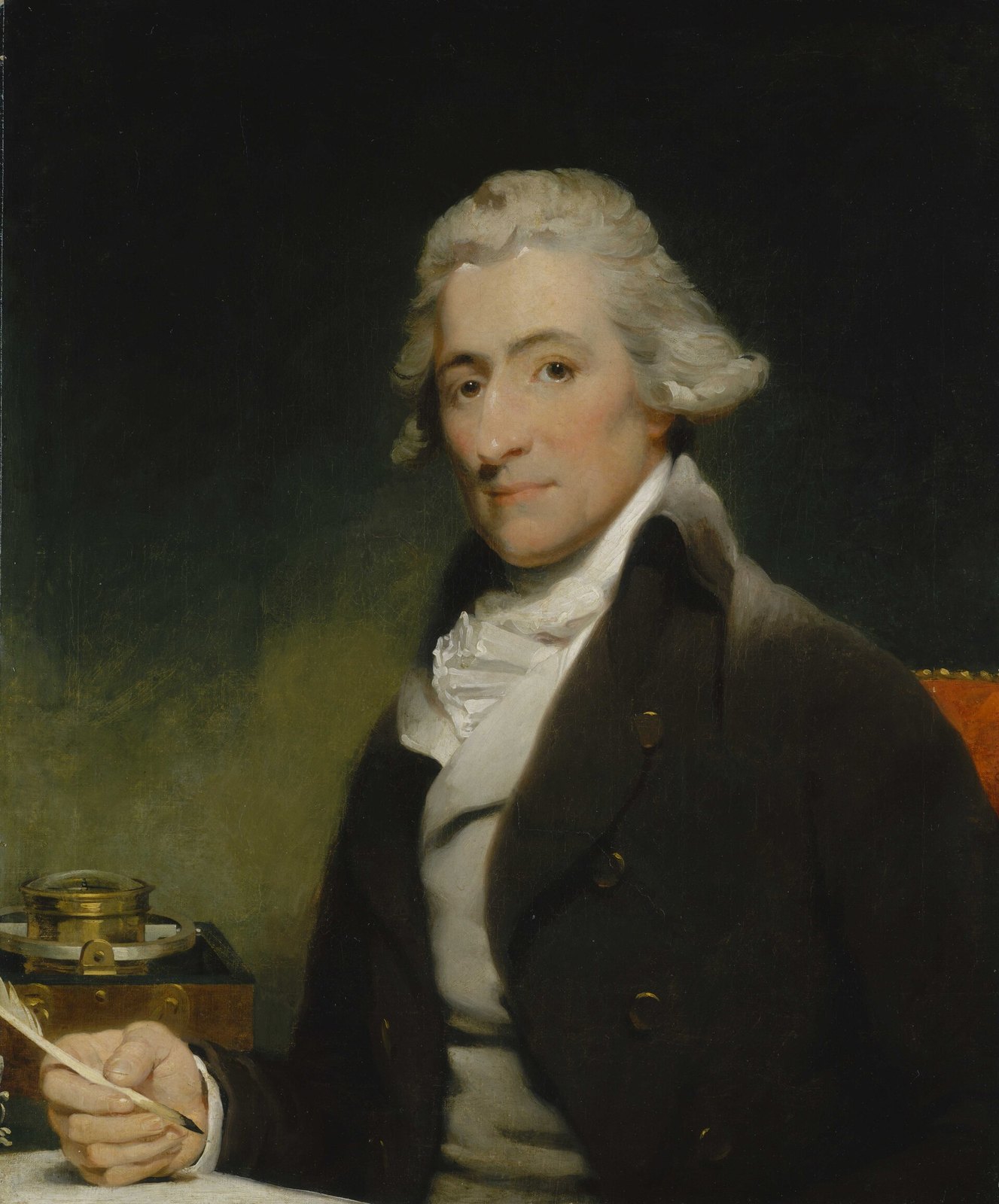
Chronometer maker
Thomas Earnshaw
Also recorded as: Earnshaw, Thomas · T. Earnshaw
Gave the marine chronometer its standard form with the spring detent and fused bimetallic balance.
Earnshaw worked for the trade before establishing himself as a chronometer maker. His spring detent escapement, patented in 1783 through Thomas Wright, and his method of fusing brass to steel for compensation balances became the standard design of the marine chronometer. A bitter priority dispute with John Arnold was settled by the Board of Longitude, which rewarded both.
- Country
- England
- City / centre
- London (High Holborn)
- Life / active
- 1749–1829
- Status
- Historical individual
- Key people
- Thomas Earnshaw
Innovations & specialities
- Spring detent escapement (1783)
- Fused bimetallic compensation balance
Mechanisms credited
Works by Thomas Earnshaw in the catalogue
Open in the catalogue →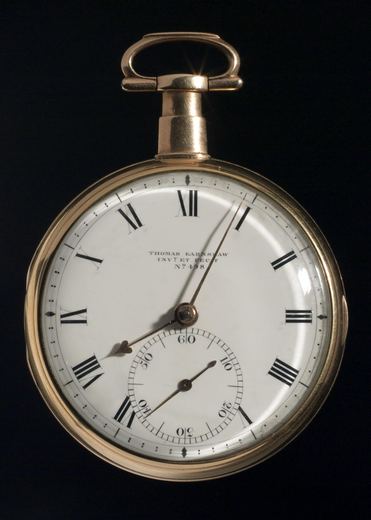
Instruments · 1763-1829
Chronometer watch by Thomas Earnshaw No.498, with later barrel cover numbered 2829, balance cock and regulator. In 18 ct. gold case hallmarked 1807/8
Science Museum Group, London
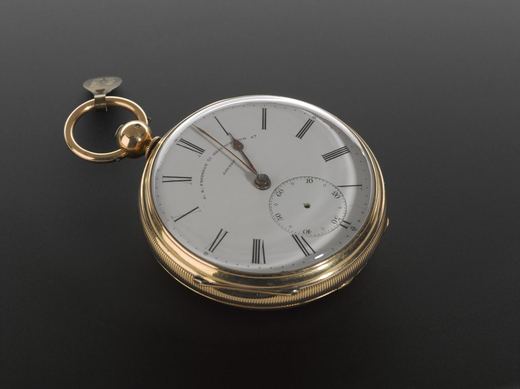
Instruments · 1795-1810
Gold-cased Chronometer watch no.728 made by Thomas Earnshaw, 1795-1810
Science Museum Group, London
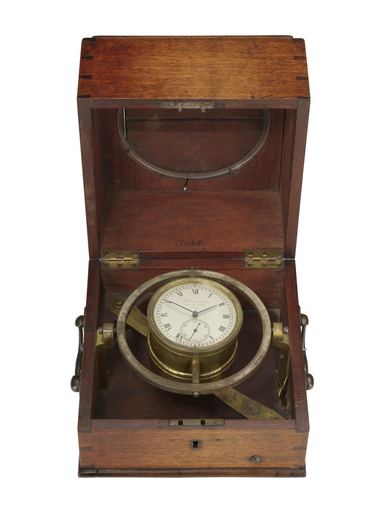
Instruments · 1795-1805
Marine chronometer by Earnshaw, Thomas, England, 1795-1805
Science Museum Group, London
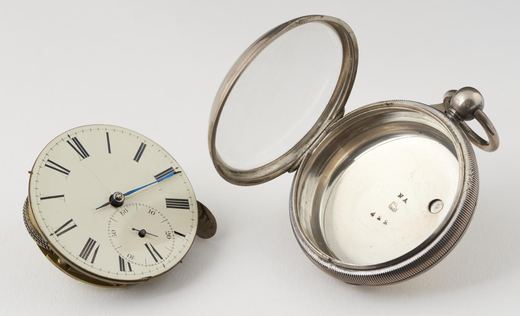
Instruments · 1800-1834
Chronometer watch in silver case by Thos. Earnshaw, London, no.422 (also 2653), 1800-1834
Science Museum Group, London
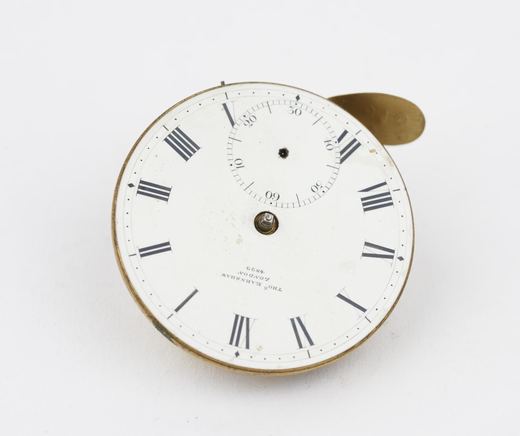
Movements & Components · 1801-1829
Duplex, by T. Earnshaw, 1801-1829, England
Science Museum Group, London
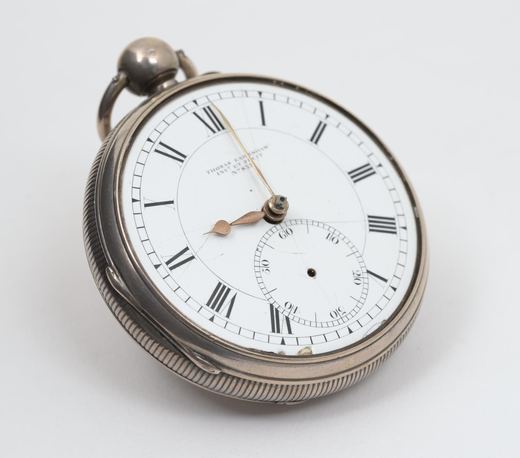
Instruments · hallmarked 1825
Chronometer watch in silver case by Thomas Earnshaw, London, no.837 (also 3669). Hall marked 1825
Science Museum Group, London
Linked through the Atlas maker authority list, which reconciles the spellings used by different institutions. Attributions are as stated by each holding institution or auction house.