Escapement
Cylinder escapement
Also known as: Horizontal escapement · Zylinderhemmung · Échappement à cylindre
How it works
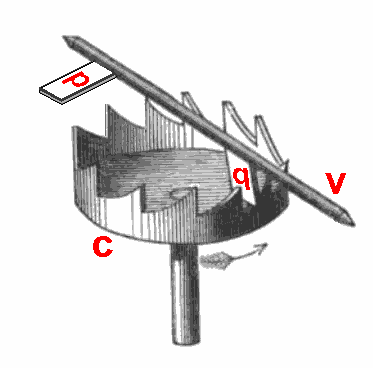
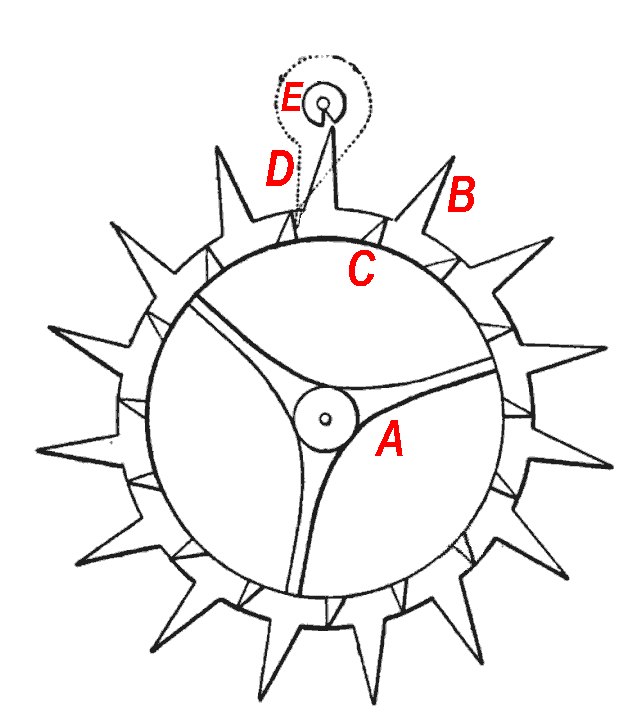
The balance staff is a hollow half-cylinder. The escape wheel lies flat (hence 'horizontal') and its wedge-shaped teeth, raised on small stalks, alternately rest on the outside and inside of the cylinder wall, giving impulse as each tooth slides across the cylinder's lip.
Why it was invented
It allowed thinner watches than the verge, whose crown wheel stands upright, and gave better timekeeping at modest cost.
- Invented
- 1695 (patent); perfected c. 1720
- Credited to
- George Graham
- Historical period
- Early Modern Horology
History and development
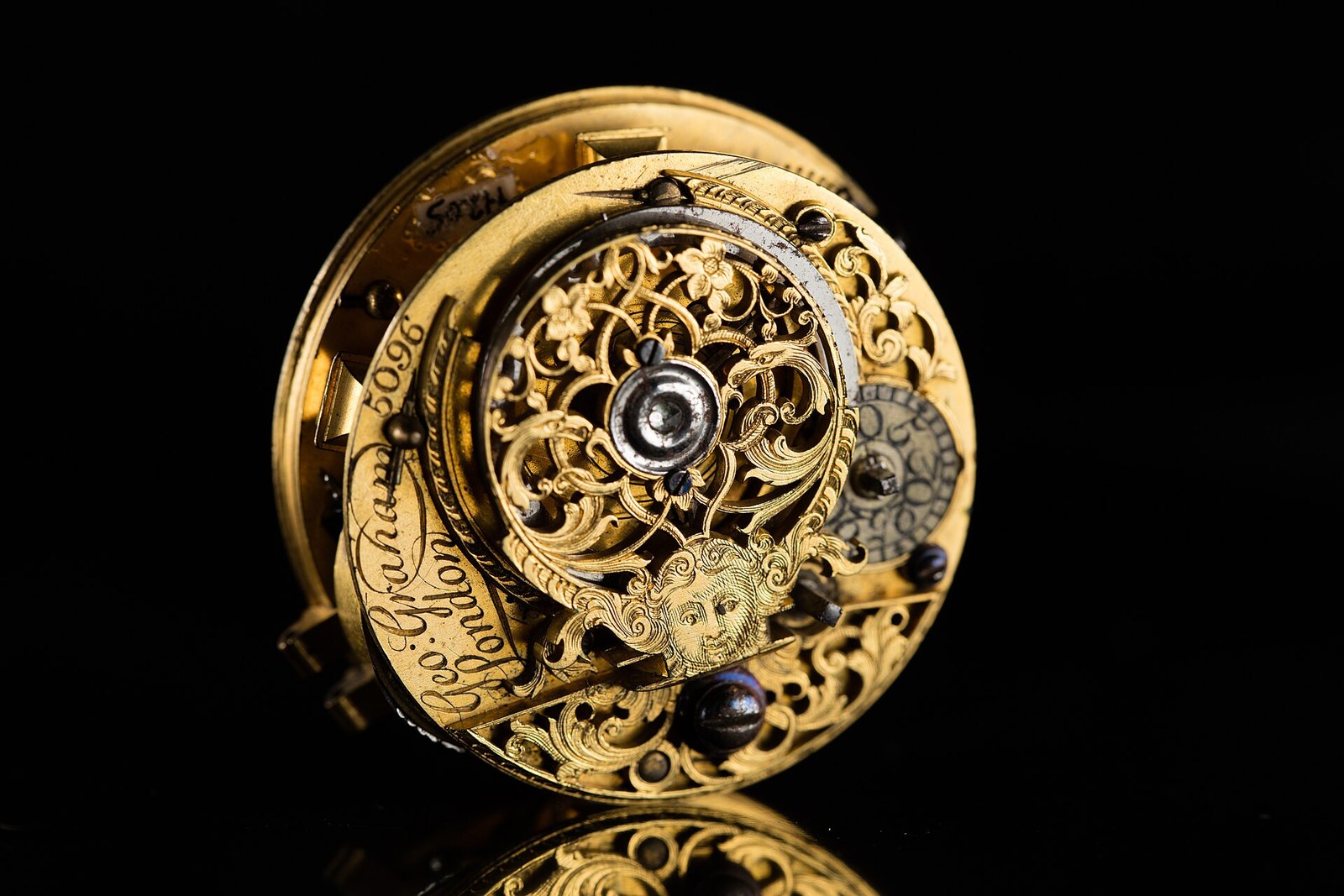
A form was patented in 1695 by Tompion, Booth and Houghton; George Graham developed the practical cylinder in the 1720s. In England it gave way to the duplex and lever, but in France Jean-Antoine Lépine and Abraham-Louis Breguet used it in thin watches, and Swiss industry produced cylinder watches by the million through the 19th and early 20th centuries, often with steel or ruby cylinders.
Friction (the escapement is 'frictional rest', not detached) and wear limited its precision, and it disappeared after the 1930s as the pin-lever and Swiss lever became cheap enough for every market.
Related mechanisms
In the catalogue
All 44 records →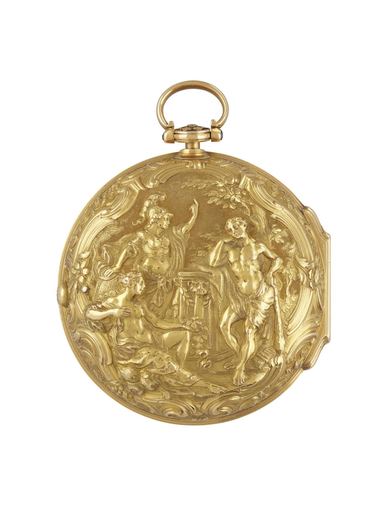
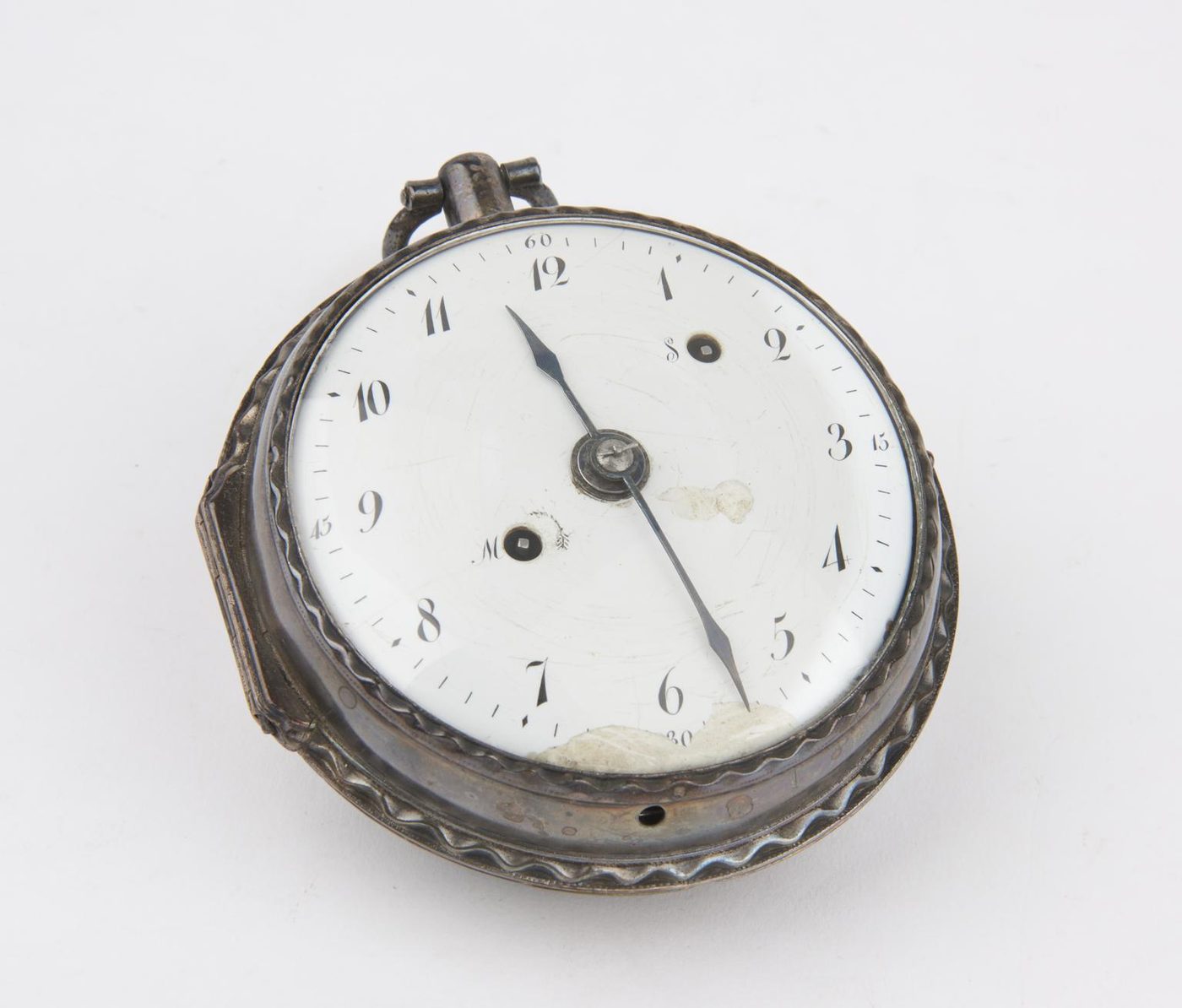
Pocket Watches · 1767
Pocket watch by Ellicott, John, England, 1767
Science Museum Group, London
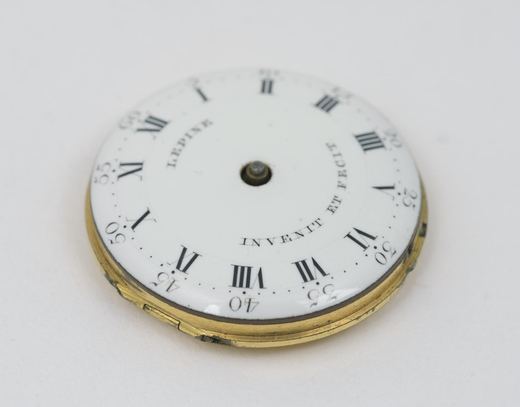
Movements & Components · 1770-1800
Watch movement made by Jean Antoine Lepine, Paris, France, c. 1770-1800.
Science Museum Group, London
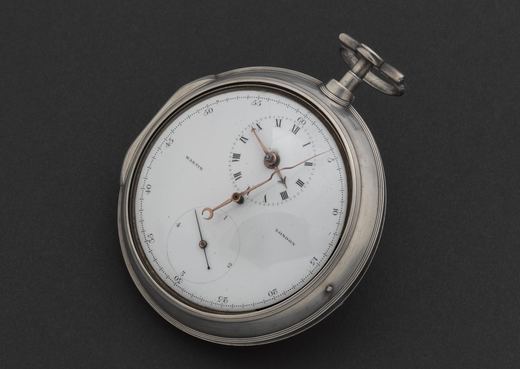
Pocket Watches · 1771-1800
Stop-watch, cylinder escapement, with jump quarter-seconds in silver case, by Martin, Royal Exchange, London, England, 1771-1800.
Science Museum Group, London
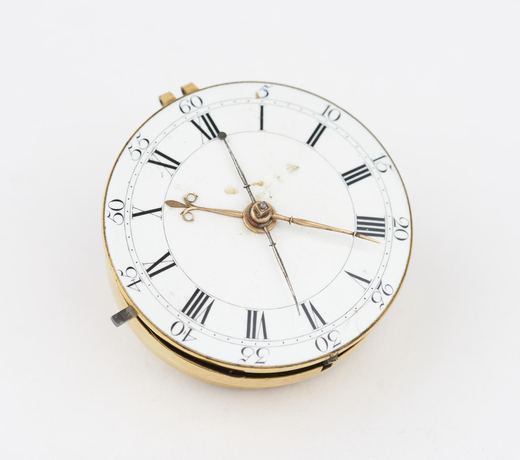
Movements & Components · 1775
Cylinder escapement, by J. Davis, about 1775, England
Science Museum Group, London
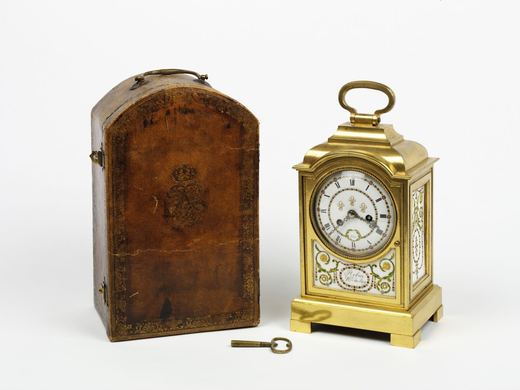
Clocks · 1780-1785
Carriage clock by Robert Robin, France, 1780-1785
Victoria and Albert Museum, London
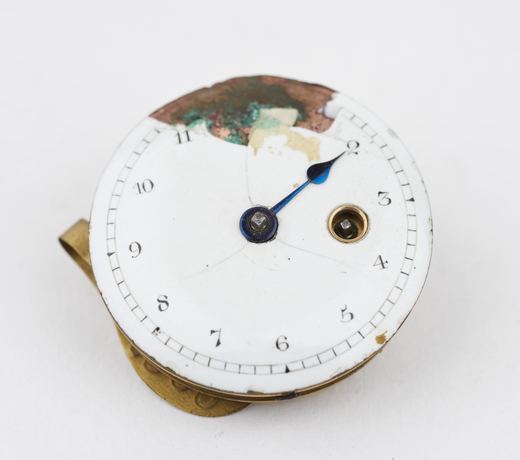
Movements & Components · 1780
Small English horizontal escapement, by Recordon, about 1780
Science Museum Group, London
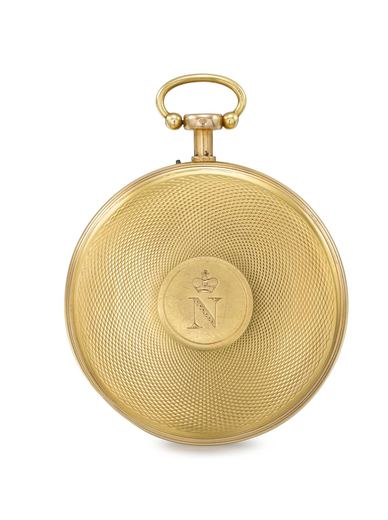
Pocket Watches · 1783-1800
Pocket watch by Breguet, Abraham Louis, France, 1783-1800
Science Museum Group, London
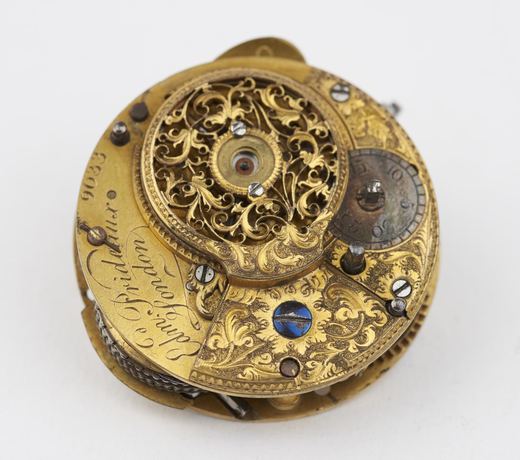
Movements & Components · 1784-1790
Cylinder escapement, steel wheel, centre seconds, by E. Prideaux, 1780-94, London
Science Museum Group, London
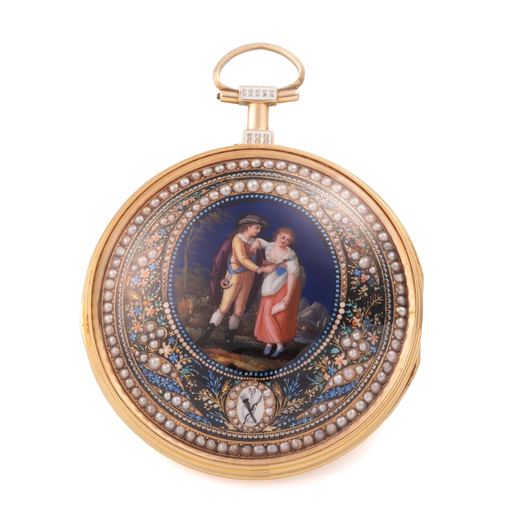
Pocket Watches · circa 1790
Breguet Love Letter, circa 1790
Antiquorum auction archive, Geneva
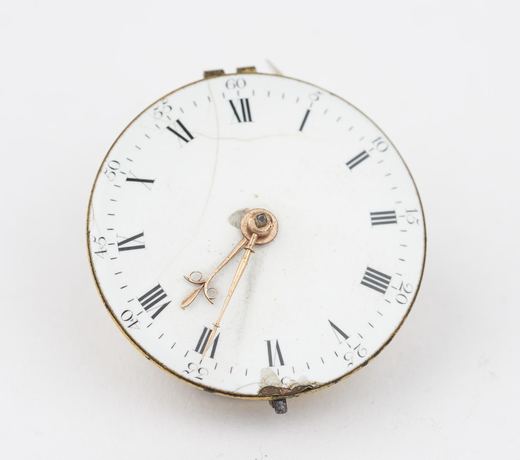
Movements & Components · 1795
Cylinder escapement with ruby cylinder, by Hare, 1795
Science Museum Group, London
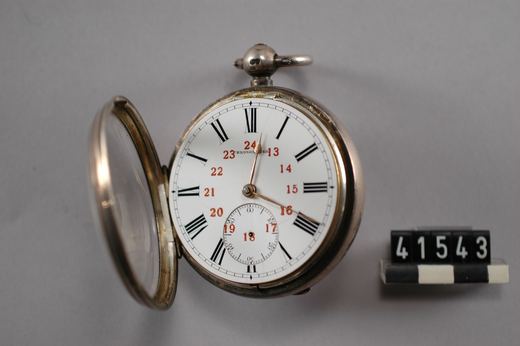
Clocks · 1800–1899
Clock by Chr. Winberg, 1800–1899
Swedish National Museum of Science and Technology
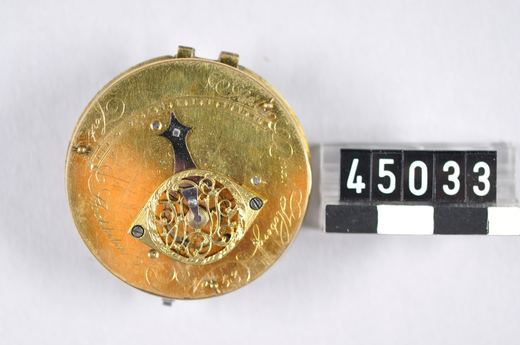
Movements & Components · 1800–1899
Watch movement by Anders Hoberg, Sweden, 1800–1899
Swedish National Museum of Science and Technology
Records are linked when the holding institution's description names this mechanism; check each source record for confirmation.