Escapement
Duplex escapement
Also known as: Duplexhemmung · Échappement duplex
How it works
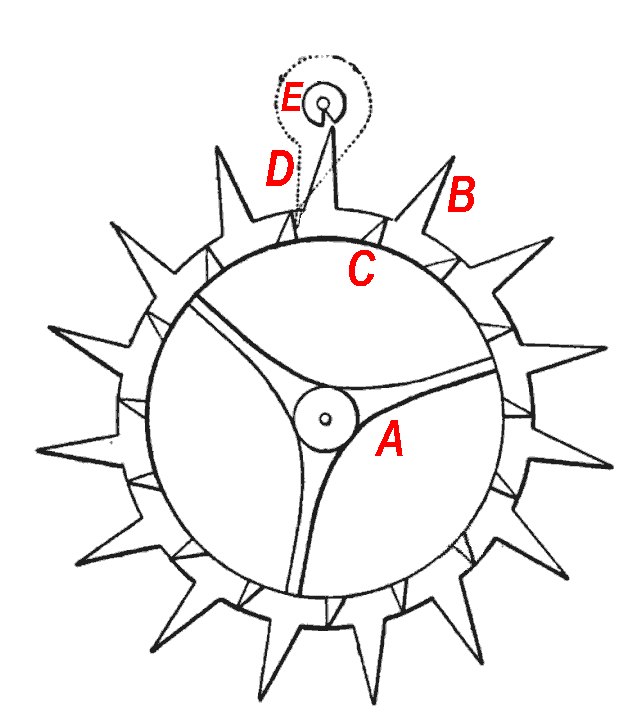
The escape wheel has two sets of teeth: long locking teeth that rest against a small jewelled roller on the balance staff, and short upright impulse teeth that strike a pallet on the staff. The balance receives impulse only in one direction, once per oscillation; on the return swing it merely unlocks with a slight 'dead' beat.
Why it was invented
It came closer to a detached escapement than the verge or cylinder and was capable of excellent rates in a flat movement.
- Invented
- c. 1724 (early form); refined c. 1750–1782
- Credited to
- Early form by Jean-Baptiste Dutertre; refined by Pierre Le Roy; English patent by Thomas Tyrer (1782)
- Historical period
- Precision & Scientific Horology
History and development
Dutertre's double-wheel arrangement of the 1720s and Pierre Le Roy's single-wheel form of mid-century led to the version patented in England by Thomas Tyrer in 1782. Between about 1790 and 1850 it was used in many high-grade English watches.
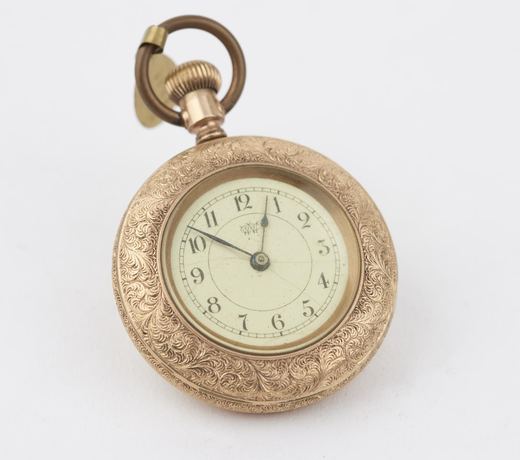
The duplex is delicate: a sharp knock can make the balance 'set' or trip. It survived in two unexpected places — Chinese-market watches made in Switzerland, and the cheap rotary 'long-wind' Waterbury watches of the 1880s.
Related mechanisms
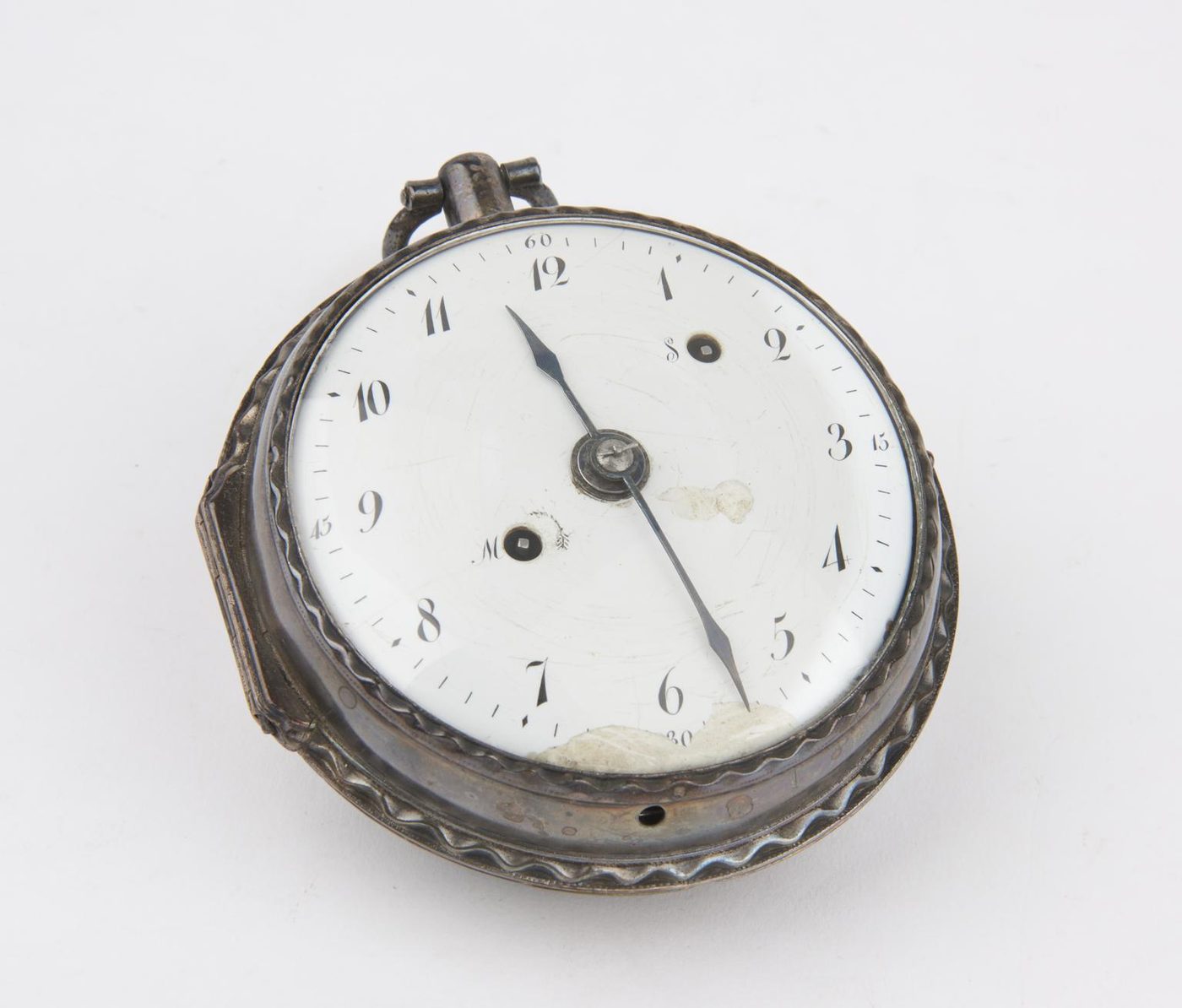
In the catalogue
Open in the catalogue →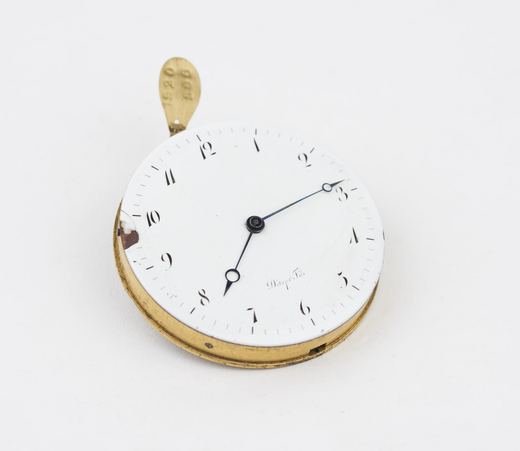
Movements & Components · 1770
Duplex repeater, about 1770, by Detape Fils, Paris, France
Science Museum Group, London
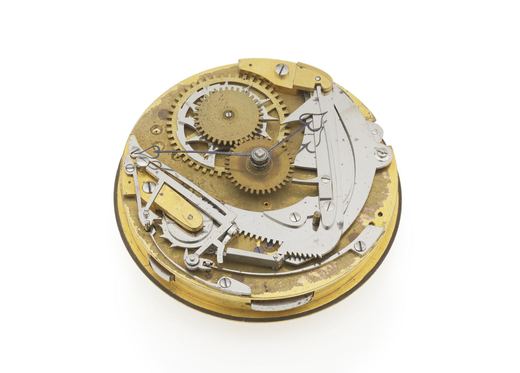
Movements & Components · 1800
Watch movement by Vulliamy family, England, 1800
Science Museum Group, London
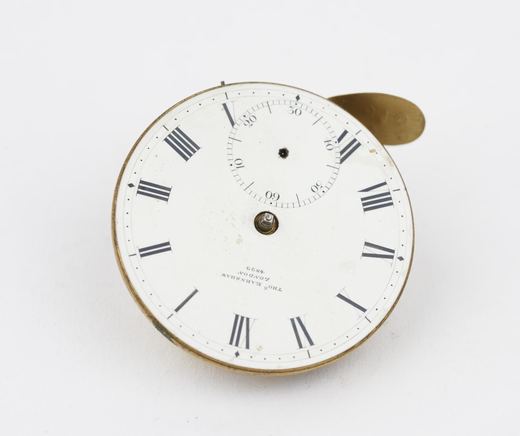
Movements & Components · 1801-1829
Duplex, by T. Earnshaw, 1801-1829, England
Science Museum Group, London
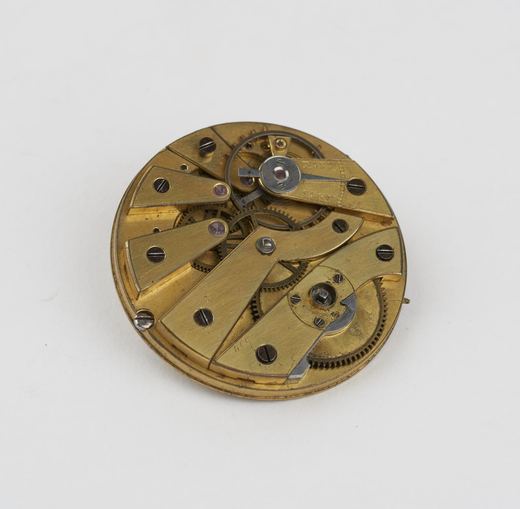
Movements & Components · 1801-1830
Duplex, French or Swiss, early 19th century
Science Museum Group, London
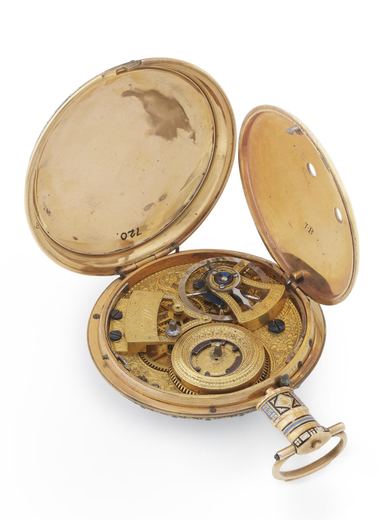
Pocket Watches · 1801-1900
Pocket watch by William Ilbery, England, 1801-1900
Science Museum Group, London
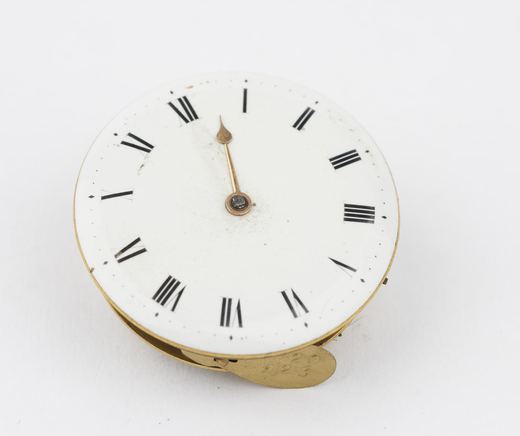
Movements & Components · 1802-1835
Duplex, by Desbois and Wheeler, with compensating curb, England, 1802-1835
Science Museum Group, London
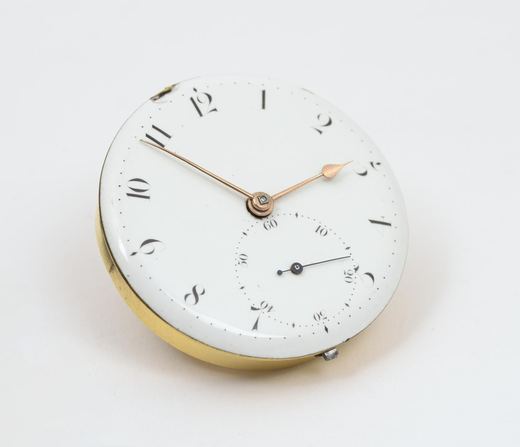
Movements & Components · 1805-1815
Duplex by S. and C. Joyce, 1805-1815
Science Museum Group, London
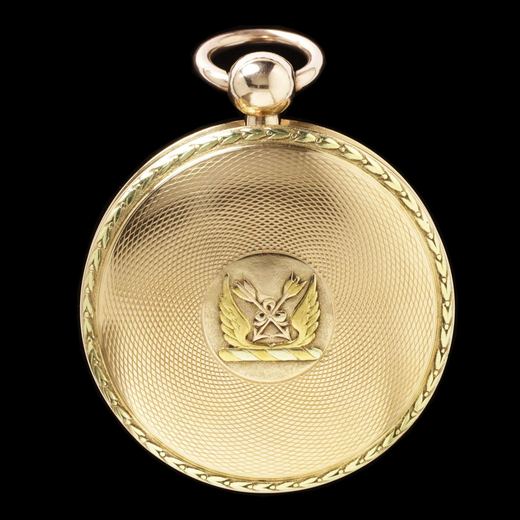
Pocket Watches · 1811-1812
Watch by Smith & Asprey, England, 1811-1812
Victoria and Albert Museum, London
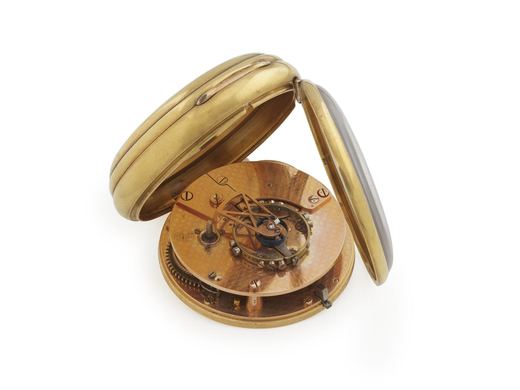
Pocket Watches · 1818-1900
Pocket watch, England, 1818-1900
Science Museum Group, London
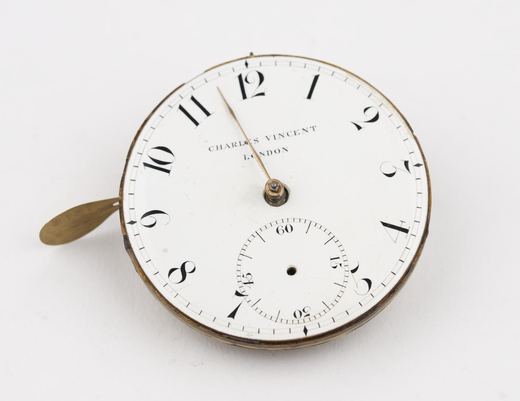
Movements & Components · 1820
Movement with double wheel duplex escapement by Charles Vincent, London, incompelete, 1820, donated by Even Roberts in 1916
Science Museum Group, London
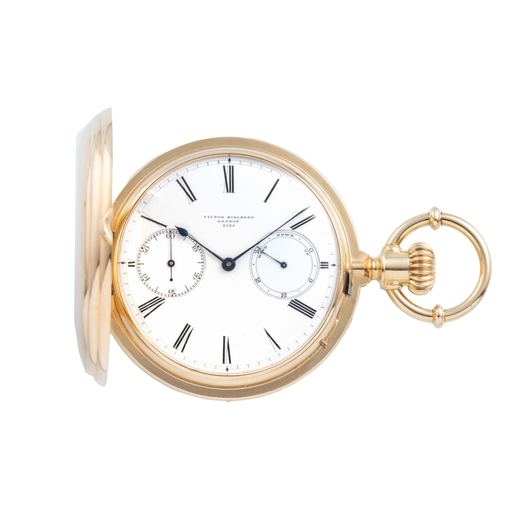
Pocket Watches · circa 1890
Victor Kullberg Chronometer, circa 1890
Antiquorum auction archive, Geneva
Pocket Watches · 1890
Waterbury, series N, ladies keyless watch with duplex escapement, c.1890
Science Museum Group, London
Records are linked when the holding institution's description names this mechanism; check each source record for confirmation.