Clockmaker
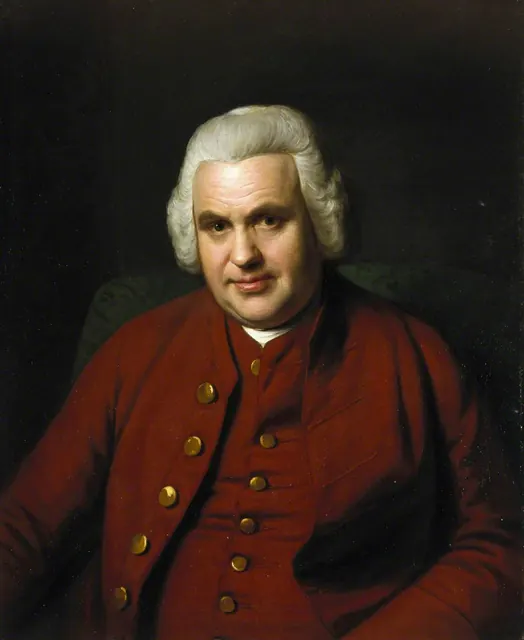
Joseph Knibb
Also recorded as: Knibb, Joseph · Jos. Knibb · Joseph Knibb Londini
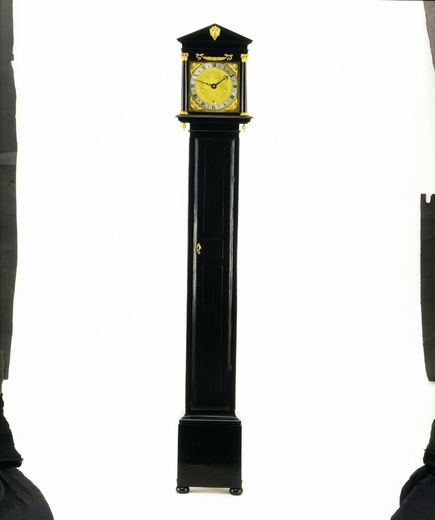
Oxford and London clockmaker of the golden age of English clockmaking, associated with Roman striking and refined walnut and ebony cases.
Joseph Knibb was born in 1640 at Claydon in Oxfordshire into a family of clockmakers and probably trained with his cousin Samuel Knibb. He was working in Oxford by the 1660s and moved to London around 1670, when he became a freeman of the Clockmakers' Company; his brother John Knibb carried on the Oxford business.
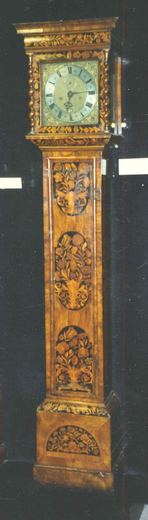
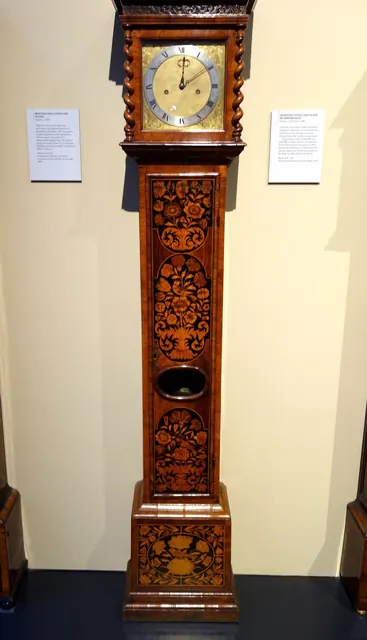
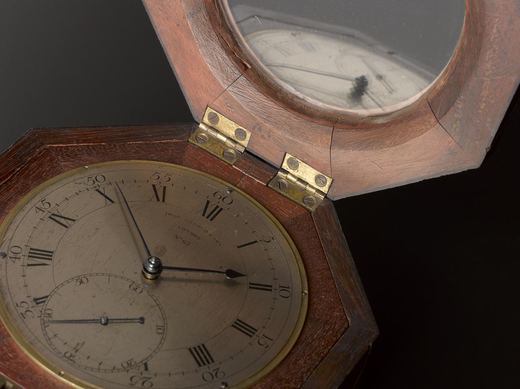
Knibb's London clocks — longcase, bracket and lantern clocks — are noted for their fine proportions, finely engraved dials and high finish. His workshop is associated with 'Roman striking', which used two bells of different tones to sound the hours in a form of Roman numerals and so saved power, and with night clocks whose pierced dials were lit from behind. He retired to Hanslope in Buckinghamshire in the late 1690s and died there in 1711.
- Country
- England
- City / centre
- Oxford / London / Hanslope
- Life / active
- 1640–1711
- Status
- Historical individual
- Key people
- Joseph Knibb; John Knibb (brother, Oxford); Samuel Knibb (cousin)
Innovations & specialities
- Roman striking (associated with the Knibb workshop)
- Night clocks with pierced, back-lit dials
- Early London longcase clocks with seconds pendulums
Works by Joseph Knibb in the catalogue
All 13 records →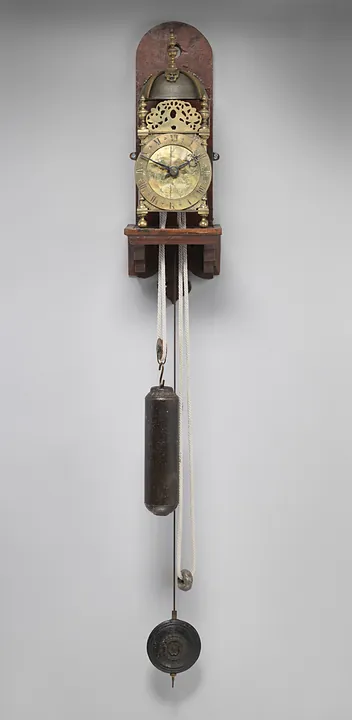
Clocks · c. 1675
Lantern clock
The Metropolitan Museum of Art, New York
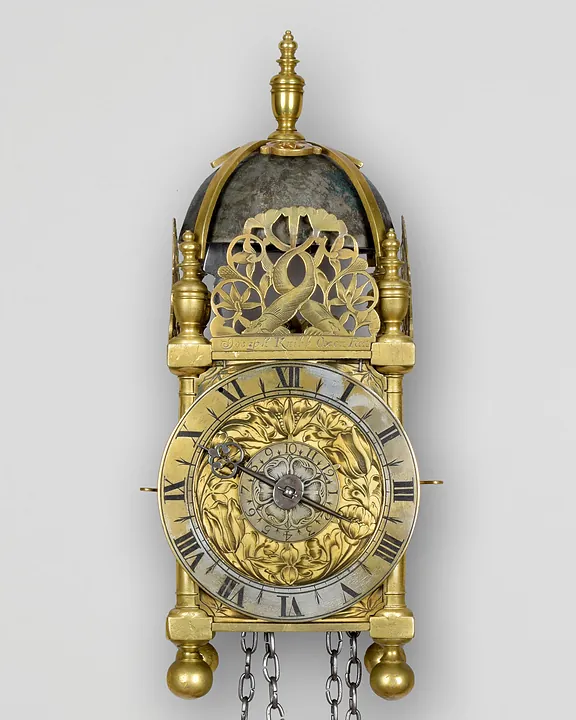
Clocks · c. 1670
Lantern clock by Joseph Knibb, Oxford, c. 1670
Howard Walwyn Fine Antique Clocks (dealer), London
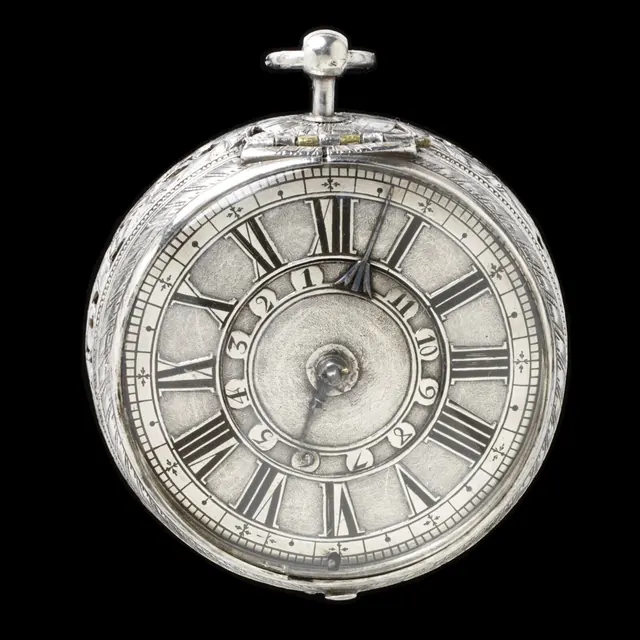
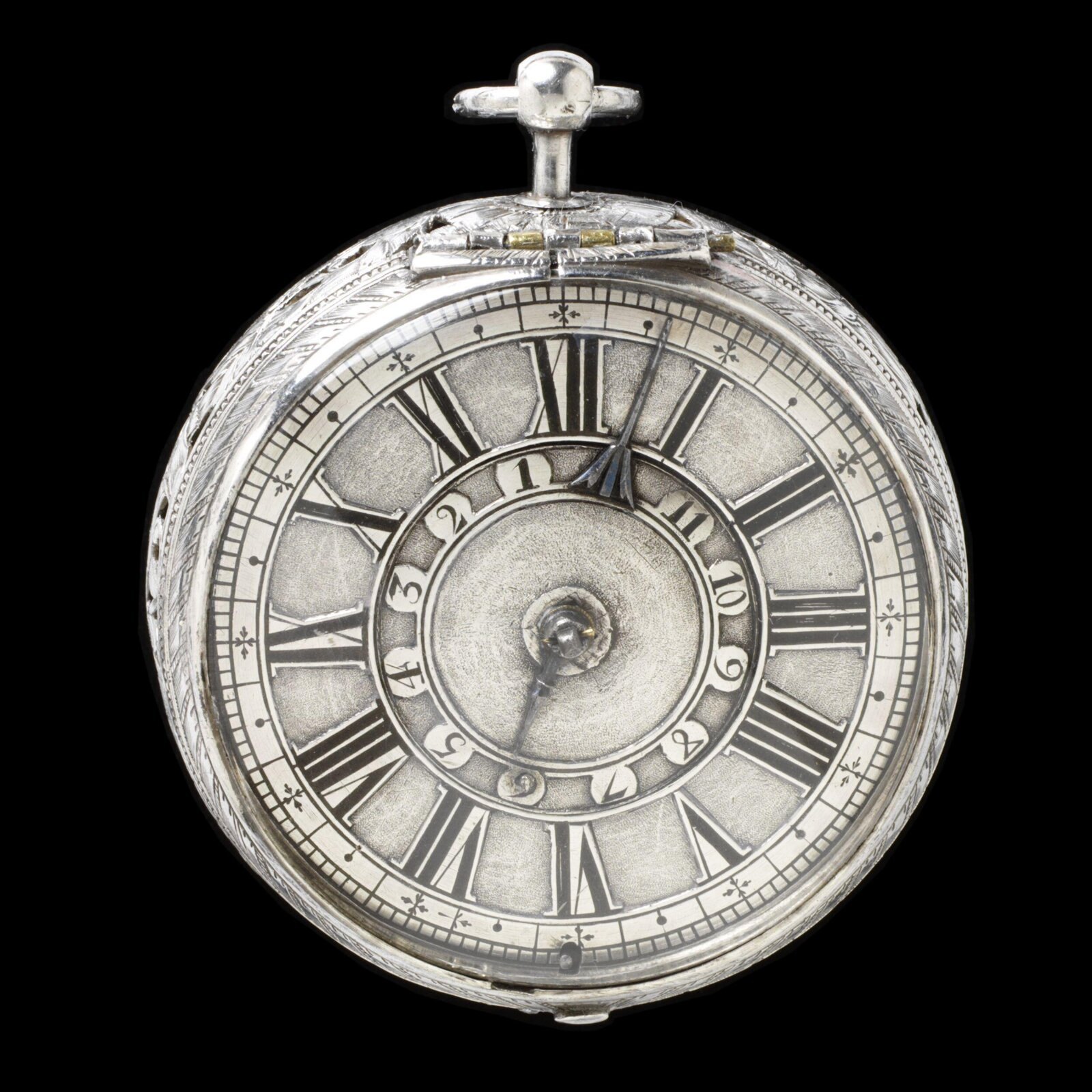
Pocket Watches · 1670-5
Watch by Joseph Knibb, England, 1670-5
Victoria and Albert Museum, London
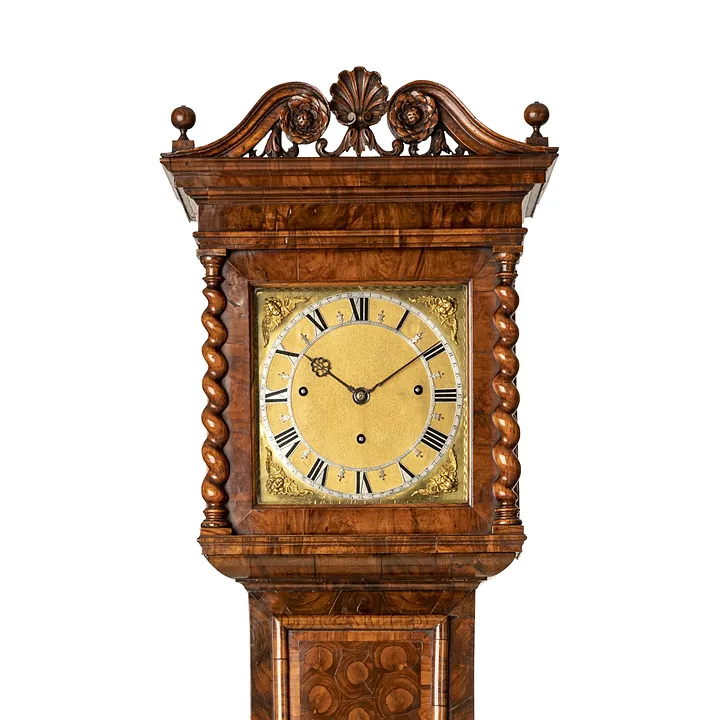
Clocks · c. 1675
Double six grande sonnerie longcase clock by Joseph Knibb, London
The Antique Clock Company (dealer), Dorset
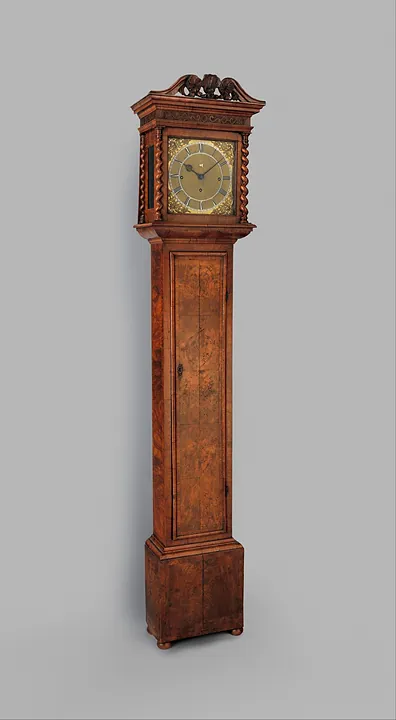
Clocks · c. 1680–85
Longcase clock with calendar by Joseph Knibb, England, c. 1680–85
The Metropolitan Museum of Art, New York
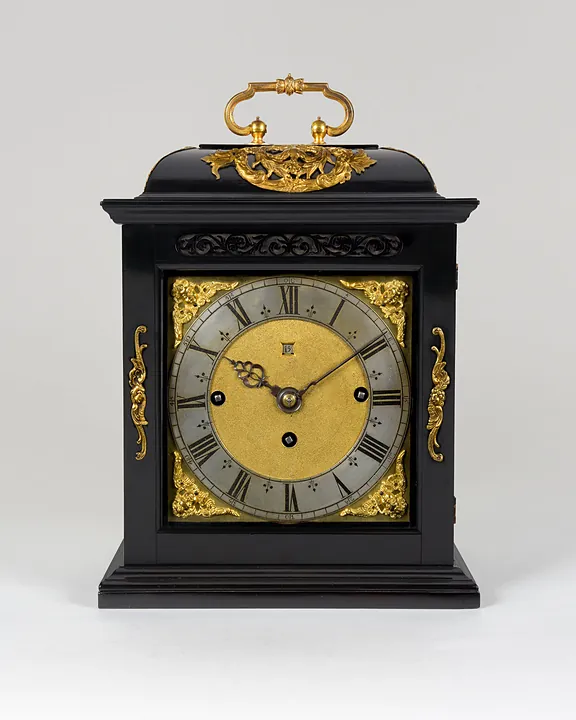
Clocks · c. 1680–1685
Bracket clock by Joseph Knibb, London, c. 1680–1685
Howard Walwyn Fine Antique Clocks (dealer), London
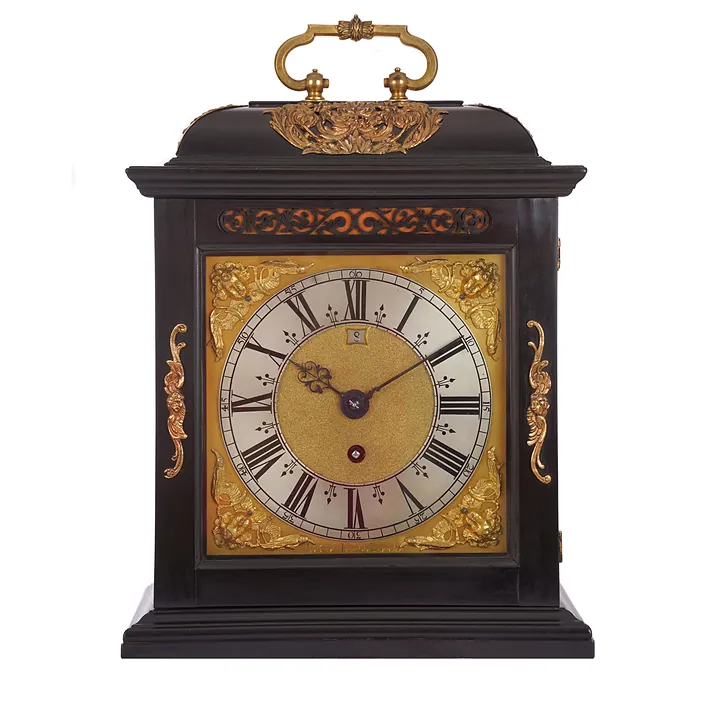
Clocks · c. 1680
Ebonised timepiece table clock by Joseph Knibb
The Antique Clock Company (dealer), Dorset
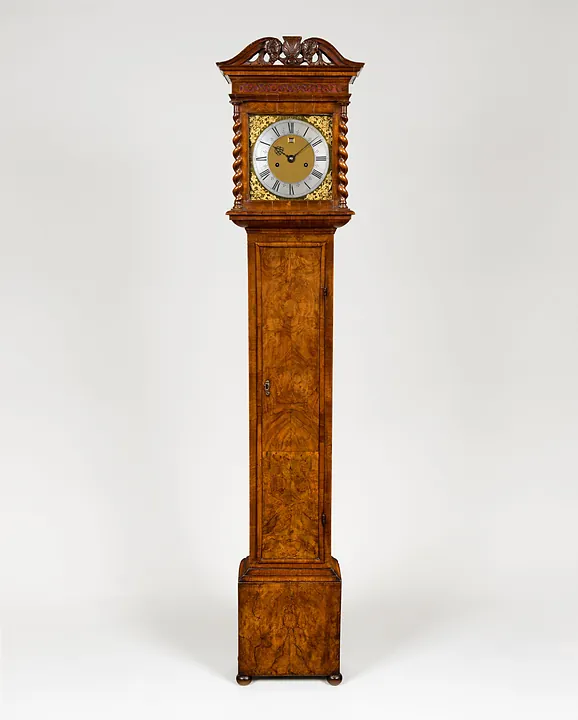
Clocks · c. 1680
Longcase clock by Joseph Knibb, London, c. 1680
Howard Walwyn Fine Antique Clocks (dealer), London
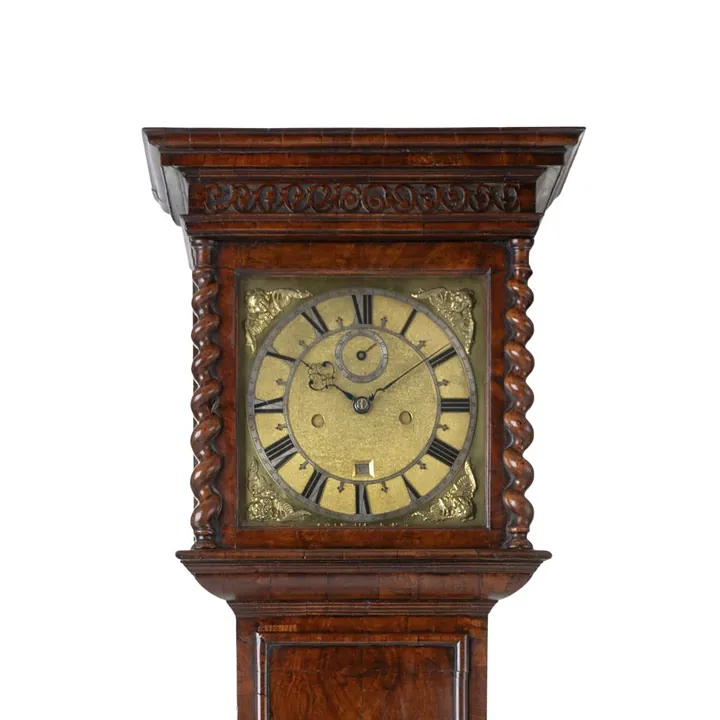
Clocks · c. 1680
Walnut 8-day longcase clock by Joseph Knibb
The Antique Clock Company (dealer), Dorset
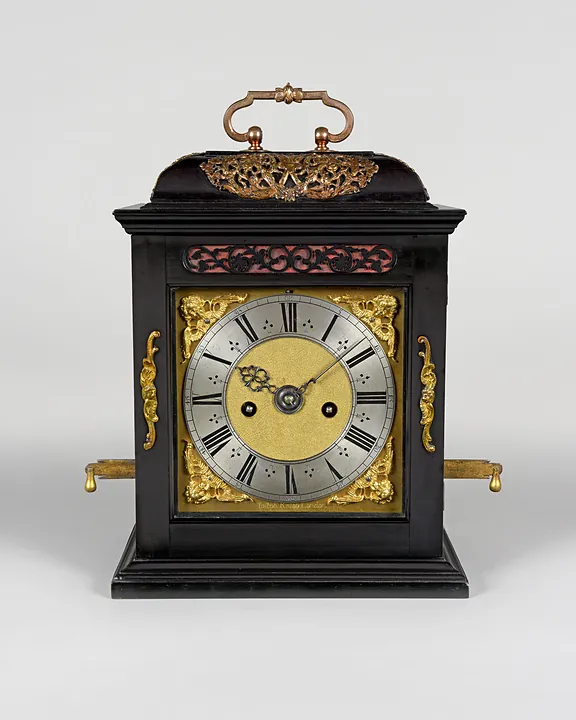
Clocks · c. 1685
Bracket clock by Joseph Knibb, London, c. 1685
Howard Walwyn Fine Antique Clocks (dealer), London
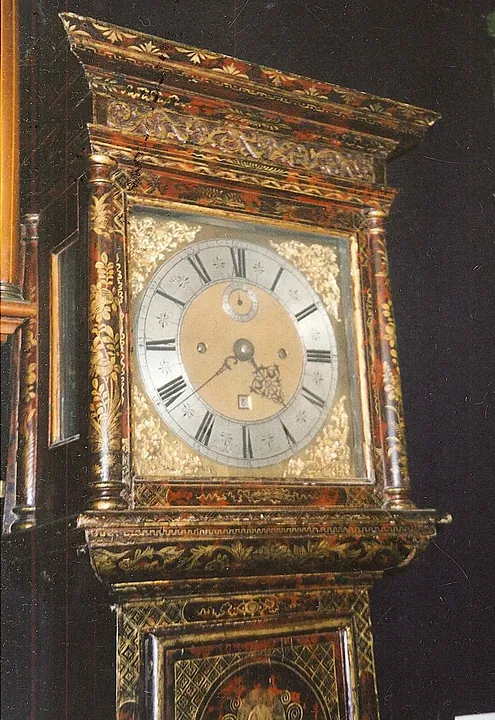
Clocks · c.1690
Longcase clock by Joseph Knibb, England, c.1690
Victoria and Albert Museum, London
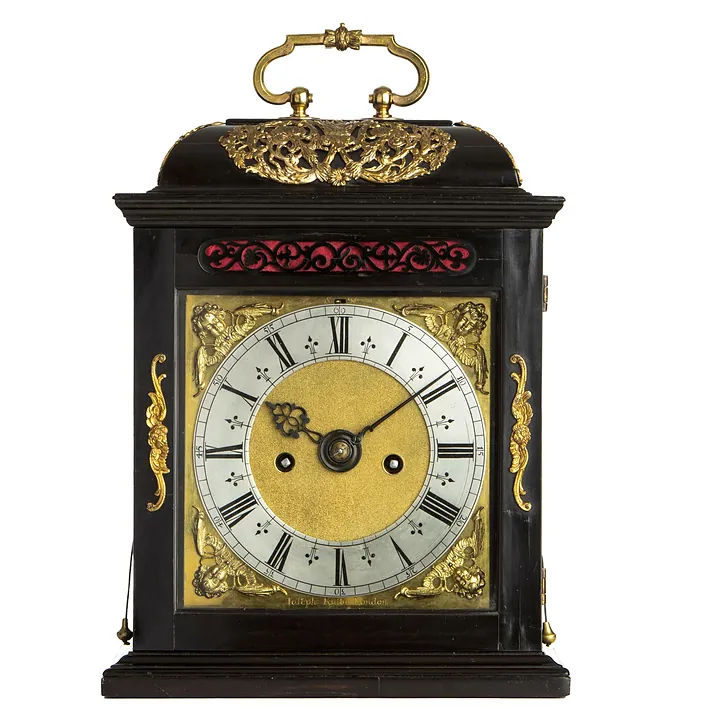
Clocks · c. 1685
Phase III quarter repeating ebonised table clock by Joseph Knibb, London
The Antique Clock Company (dealer), Dorset
Linked through the Atlas maker authority list, which reconciles the spellings used by different institutions. Attributions are as stated by each holding institution or auction house.
Read and see more
Magazine features
- The Grandfather Clock: A History of the English Longcase Clock, 1658–1850
The grandfather clock began as the English longcase. Within a generation of the pendulum's arrival in London, English makers had turned a laboratory novelty into the most accurate domestic clock in the world — and then into a piece of furniture made in almost every market town. How to read the case, the dial and the movement of a longcase clock, with examples from five museum collections.
Academy lessons
- How a grandfather clock works — and why it stops or won't chime
15 min · A grandfather (longcase) clock is a weight-driven clock with a pendulum about a metre long. This lesson explains the weights, the pendulum, the escapement and the striking and chiming trains, and then answers the questions owners ask most: why the pendulum stops, why the chime is silent, how to set the hands, and how to move one safely.
- What is an antique clock or vintage watch worth? The factors that decide value, and how to find out
18 min · Two watches that look alike can differ in value tenfold. What decides the value of an antique clock, pocket watch or vintage wristwatch — maker, originality, condition, material, complications, demand and provenance — how to research comparable sales yourself, when to ask a professional, and how to sell without losing money to avoidable mistakes.