
Advanced · Lesson 6 of 7 · 18 min read
What is an antique clock or vintage watch worth? The factors that decide value, and how to find out
Two watches that look alike can differ in value tenfold. What decides the value of an antique clock, pocket watch or vintage wristwatch — maker, originality, condition, material, complications, demand and provenance — how to research comparable sales yourself, when to ask a professional, and how to sell without losing money to avoidable mistakes.
By the end of this lesson you will be able to:
- Tell apart auction, retail, insurance and fair-market values
- Weigh the seven factors that decide what a clock or watch is worth
- Recognise redials, marriages, replaced parts and over-polishing that reduce value
- Research comparable sold examples and choose between auction, dealer and private sale
"What is it worth?" is the question owners of old clocks and watches ask most often, and the one most often answered badly. Online, the same model seems to sell for wildly different sums; a grandfather clock that was a family treasure turns out to be hard to sell; a plain steel wristwatch from the 1960s is suddenly sought after. None of this is random. The value of a clock or watch is decided by a small number of factors that dealers, auction specialists and collectors weigh in much the same way, and once you know them you can make a sound first judgement yourself.
This lesson explains those factors with photographs of real objects from the Atlas catalogue, shows how to look up what comparable pieces have actually sold for, and sets out the choices you face when selling. It deliberately gives no price lists: prices change with fashion and the economy, and a figure printed in a guide is out of date before it is read. What does not change is the reasoning behind a price.
Which value? Different numbers for different purposes
People mean different things by value, and the gap between them can be large. Before comparing any figures, make sure you know which kind you are looking at.
| Kind of value | What it means | Where you see it | Typical position |
|---|---|---|---|
| Auction estimate and hammer price | The estimate is the auction house's forecast; the hammer price is the winning bid | Auction catalogues and published results | The usual benchmark for what the market will pay |
| Price with buyer's premium | The hammer price plus the auction house's charge to the buyer (and often tax on that charge) | Most published auction results | Higher than the hammer price; the seller receives less than the hammer price after the seller's commission |
| Retail (dealer) price | What a dealer asks for a piece that is checked, often serviced, and usually guaranteed | Shop windows and dealer websites | Usually above auction level: it includes the dealer's work, guarantee and risk |
| Insurance replacement value | What it would cost to buy a comparable piece from a dealer if this one were lost | Valuations written for insurers | Normally the highest figure; it is not what you would receive if you sold |
One more figure, sometimes called fair-market or probate value, is the price a willing buyer and a willing seller would agree on with neither under pressure. It is used for estates and gifts and sits close to auction level. When a friend says a clock is 'worth' a sum, ask which of these they mean: an insurance valuation quoted as a selling price is one of the commonest sources of disappointment.
The seven questions that decide value
Every specialist runs through roughly the same questions, whether the object is a 1700 London bracket clock or a 1970s chronograph. The order matters: an answer early in the list can outweigh everything after it.
- Who made it, and who signed it?
- Is it original — dial, hands, case, movement — or has it been altered, replaced or married?
- What condition is it in, and is the wear honest?
- What is it made of: solid gold, gold-filled or plated, silver, steel, brass, a fine wood?
- What does it do? Complications, quality of movement and finish.
- How rare is it, and how many people want one today?
- What is its story: provenance, documents, box and papers?
Maker and signature
A name is the first thing buyers look for. A watch by a firm with a strong collecting following, or a clock by a maker recorded in the standard reference books, starts from a higher base than an unsigned piece of the same quality. But a name on a dial is a claim, not a proof. In the eighteenth and nineteenth centuries many watches were made in one place and signed with the name of a retailer or of a maker in a more prestigious town; famous names were also forged. A signature is only as good as its agreement with the movement, the case marks and the style of the period.
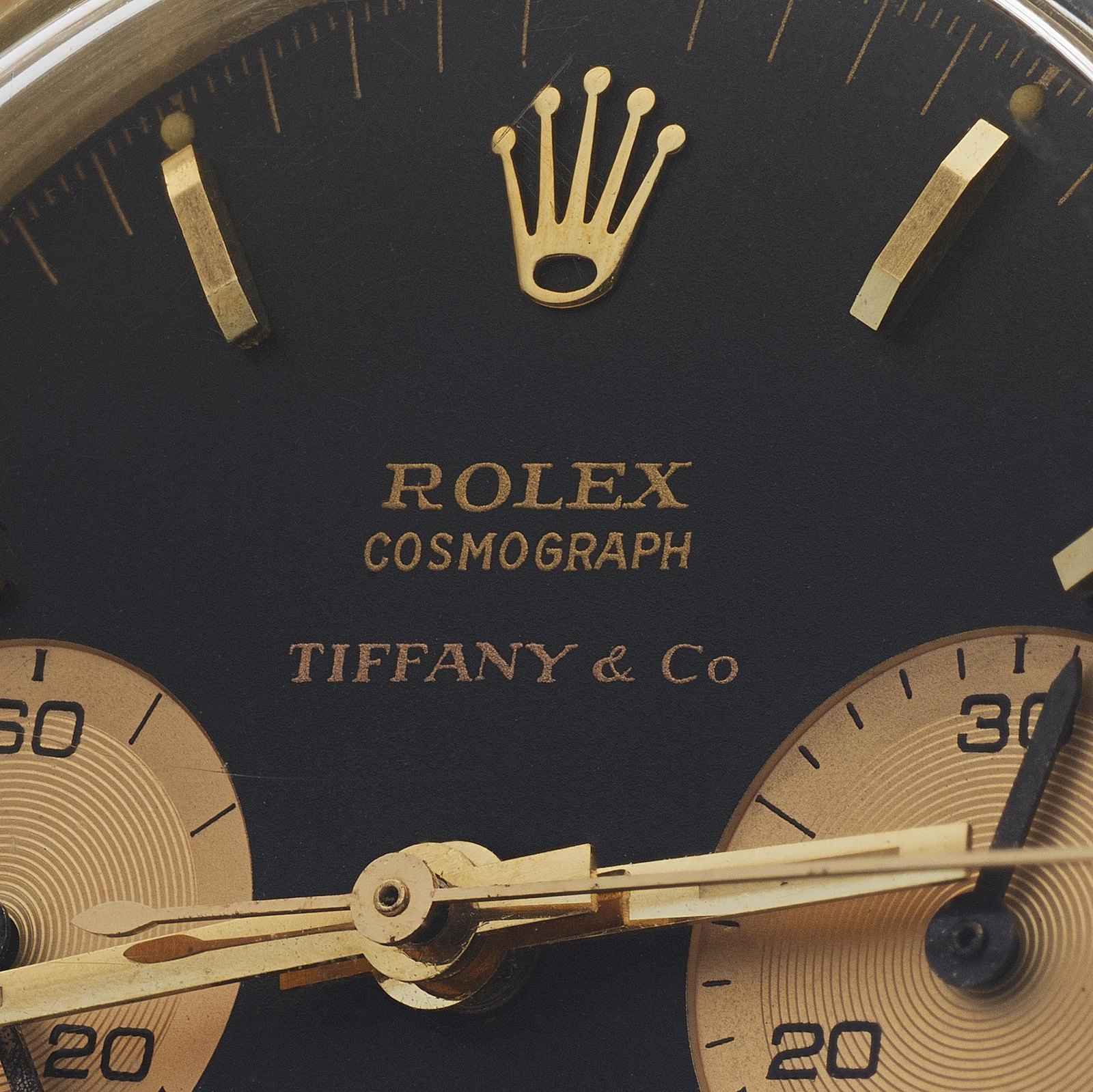
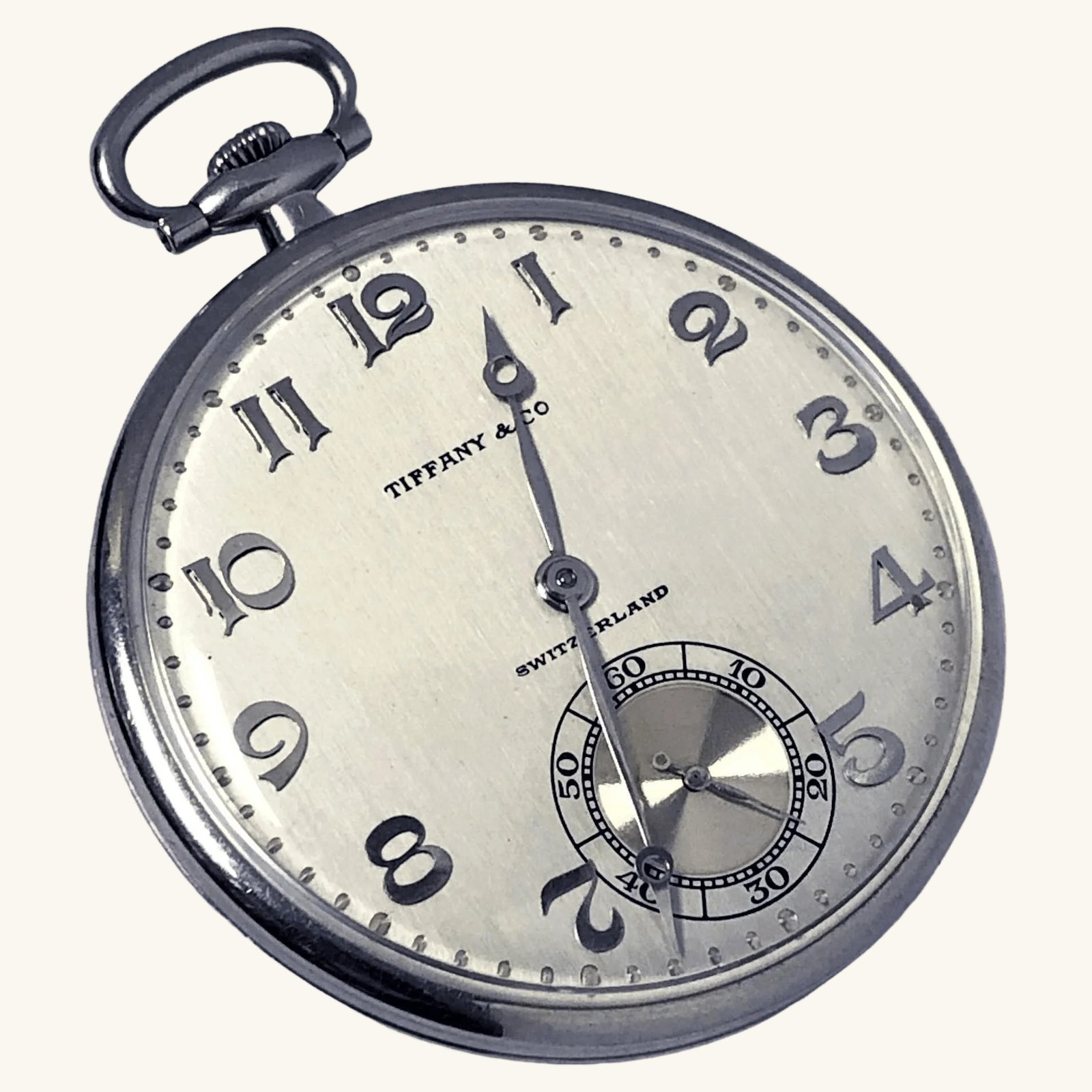
Retailers complicate the picture. Jewellers such as Tiffany & Co., Cartier in its early years and many city watch shops sold watches made by others, and some had their own name printed on the dial alongside or instead of the maker's. An authentic retailer signature can add interest and value; a retailer name added later to an ordinary dial does the opposite, so specialists check how the printing sits on the dial and whether the shop is known to have sold that model.
Originality: the factor that matters most
For most collectors, originality now matters more than anything except the maker. A watch whose dial, hands, crown, case and movement all left the factory together — even if worn — is worth far more than the same model rebuilt from parts. The same is true of clocks: a longcase clock whose movement, dial and case have always belonged together is valued above a 'marriage' of a good movement with a case from somewhere else.
- Redial: a dial that has been repainted or reprinted. Old redials often show soft or uneven printing, wrong typefaces, or luminous dots that do not match the hands. Originality of the dial is the single biggest question for a vintage wristwatch.
- Recased: a movement placed in a case it was not made for, often because the original gold case was sold for its metal. Case and movement numbers that do not match the maker's records are the usual clue.
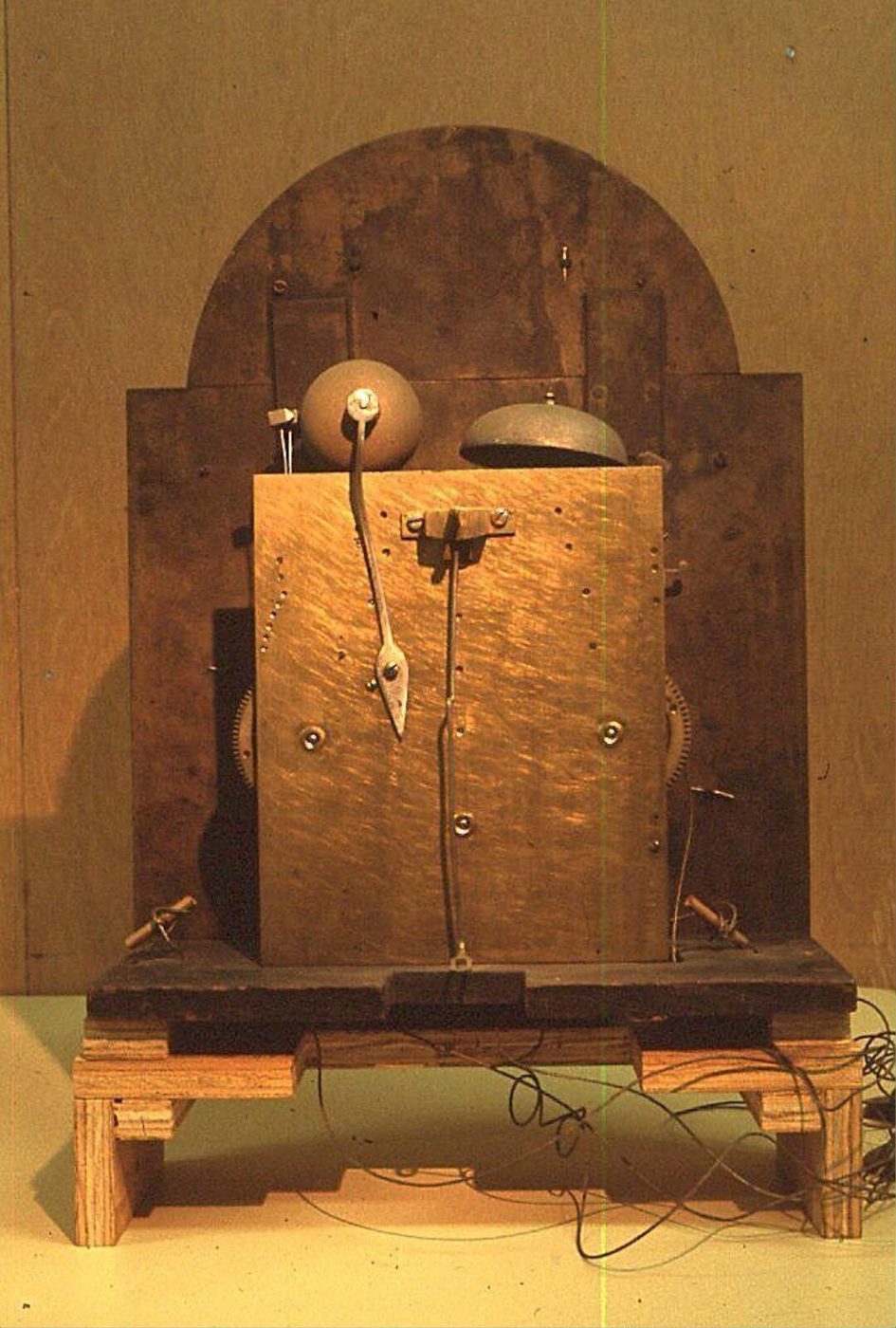
- Marriage (mariage): in clocks, a movement and dial joined to a case made for another clock. Clues include filled holes, extra blocks under the seatboard, a dial that does not fill the hood opening, and a case style later or earlier than the movement.
- Replaced parts: hands, crowns, crystals, pushers and bezels are often replaced during service. A correct replacement from the maker is acceptable to most buyers; a wrong one is not.
- Over-polishing: every polish removes metal. Sharp case edges and crisp hallmarks are a sign of a case that has been left alone; rounded edges and faint marks are a sign of many polishes.
Condition and patina
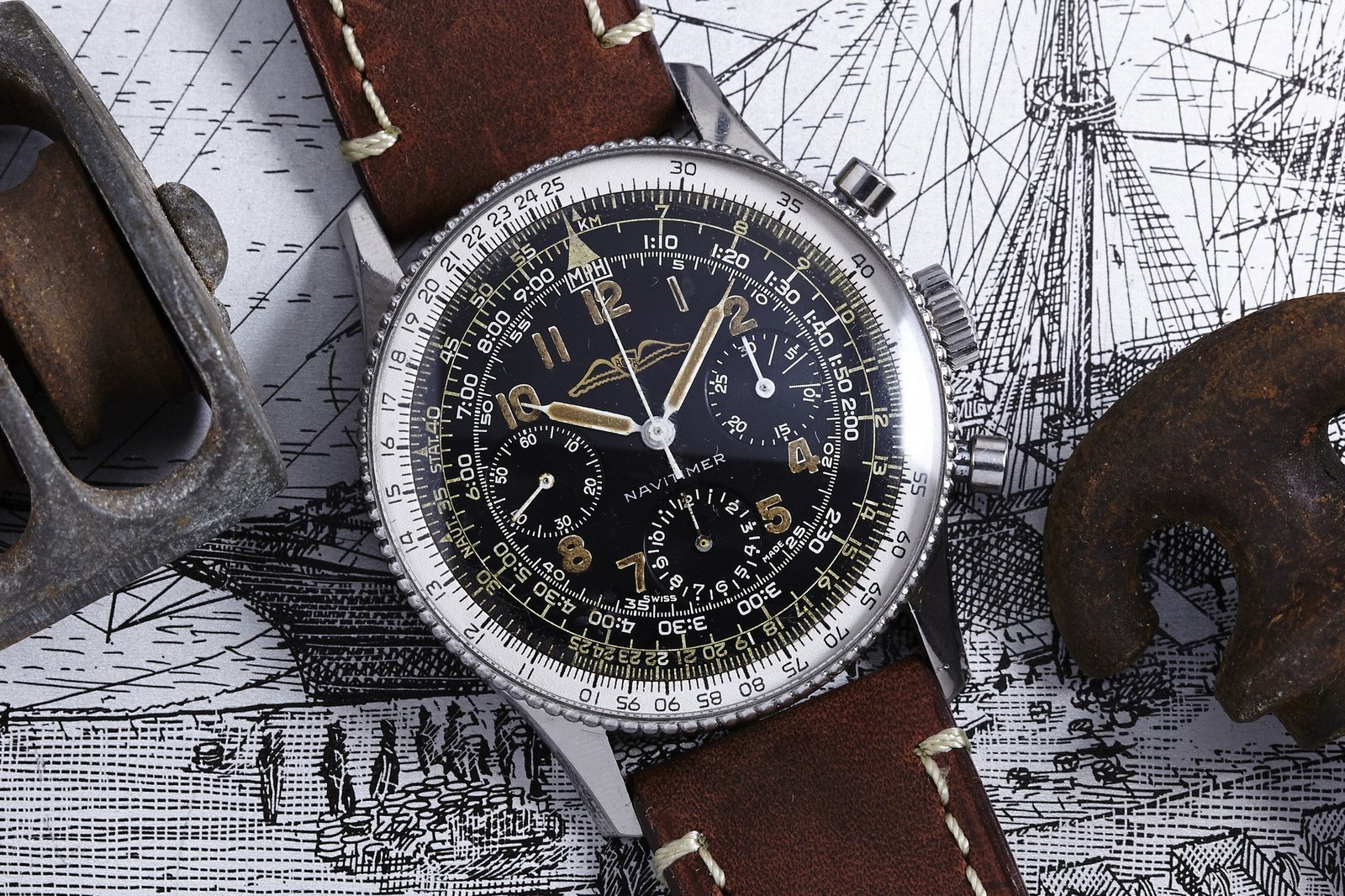
Condition is judged on three levels: how the piece looks, how it runs, and whether the wear is honest. Collectors of vintage wristwatches distinguish between damage (cracks, water marks, corrosion, missing printing) and patina — the even, natural ageing of a dial, hands or luminous material that shows the watch has not been tampered with. Some kinds of ageing have become desirable in their own right. The best-known is the so-called tropical dial, a black dial that has faded to brown with sunlight and age; collectors pay more for an even, attractive tropical dial than for a pristine black one on certain models.
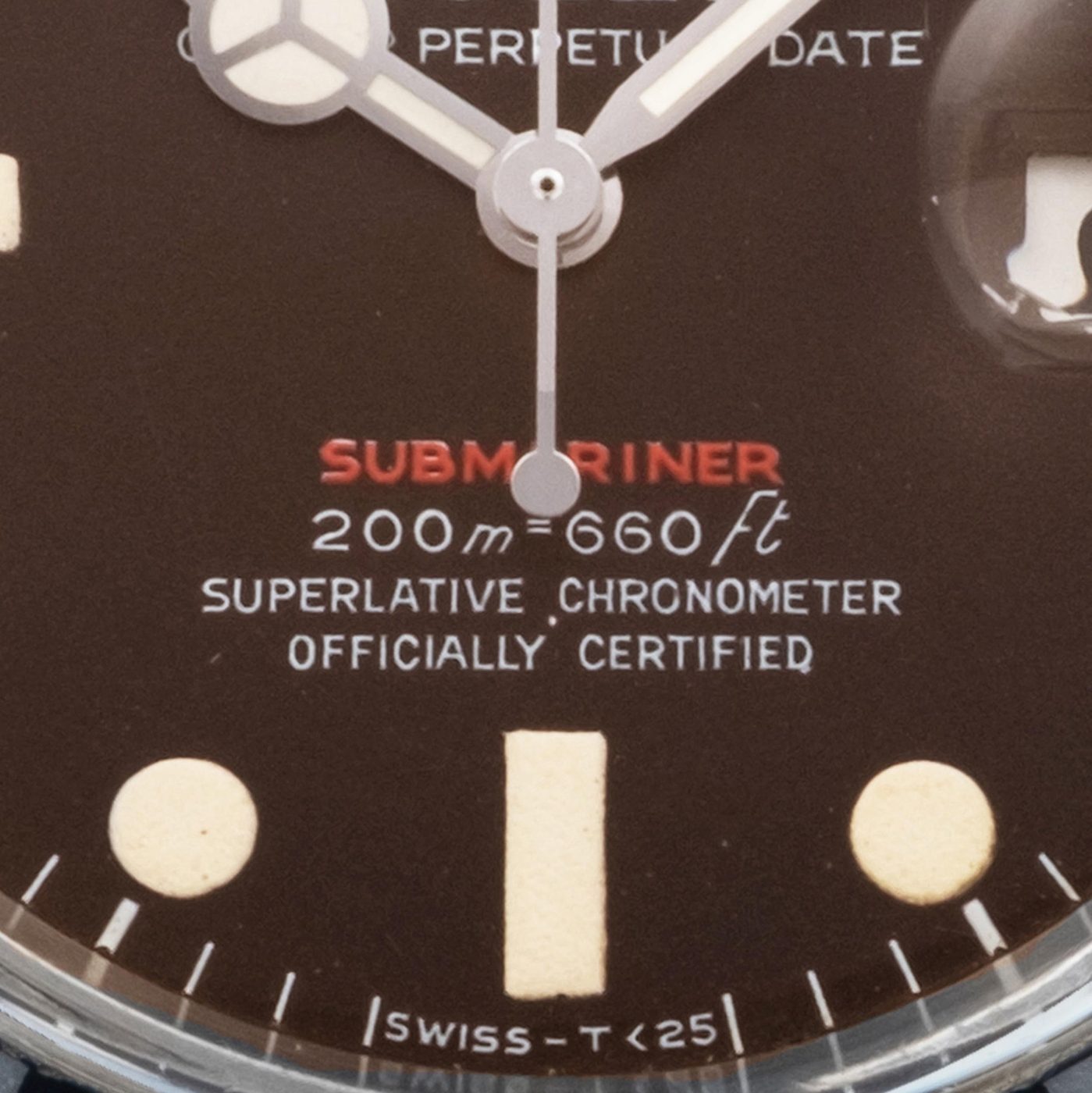
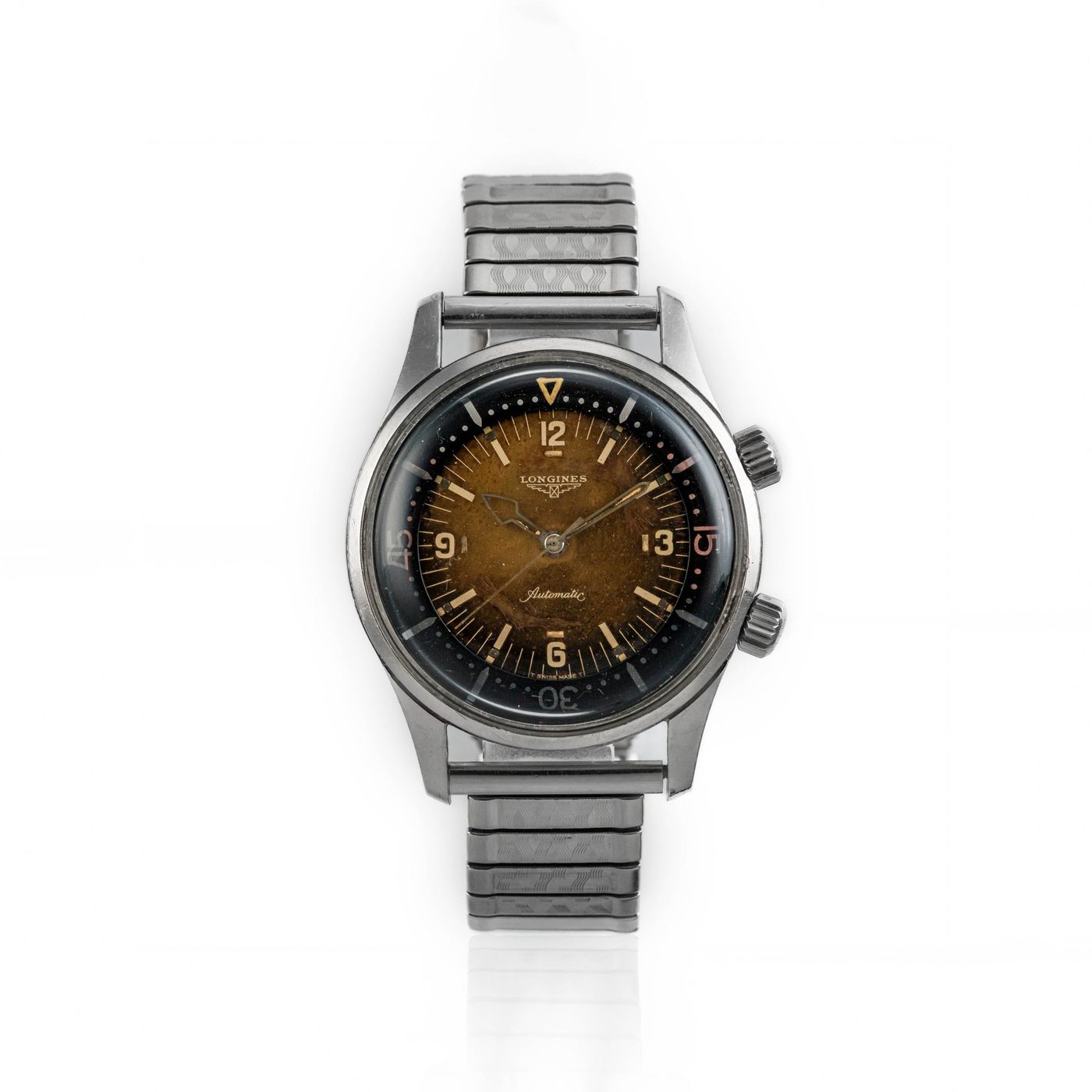
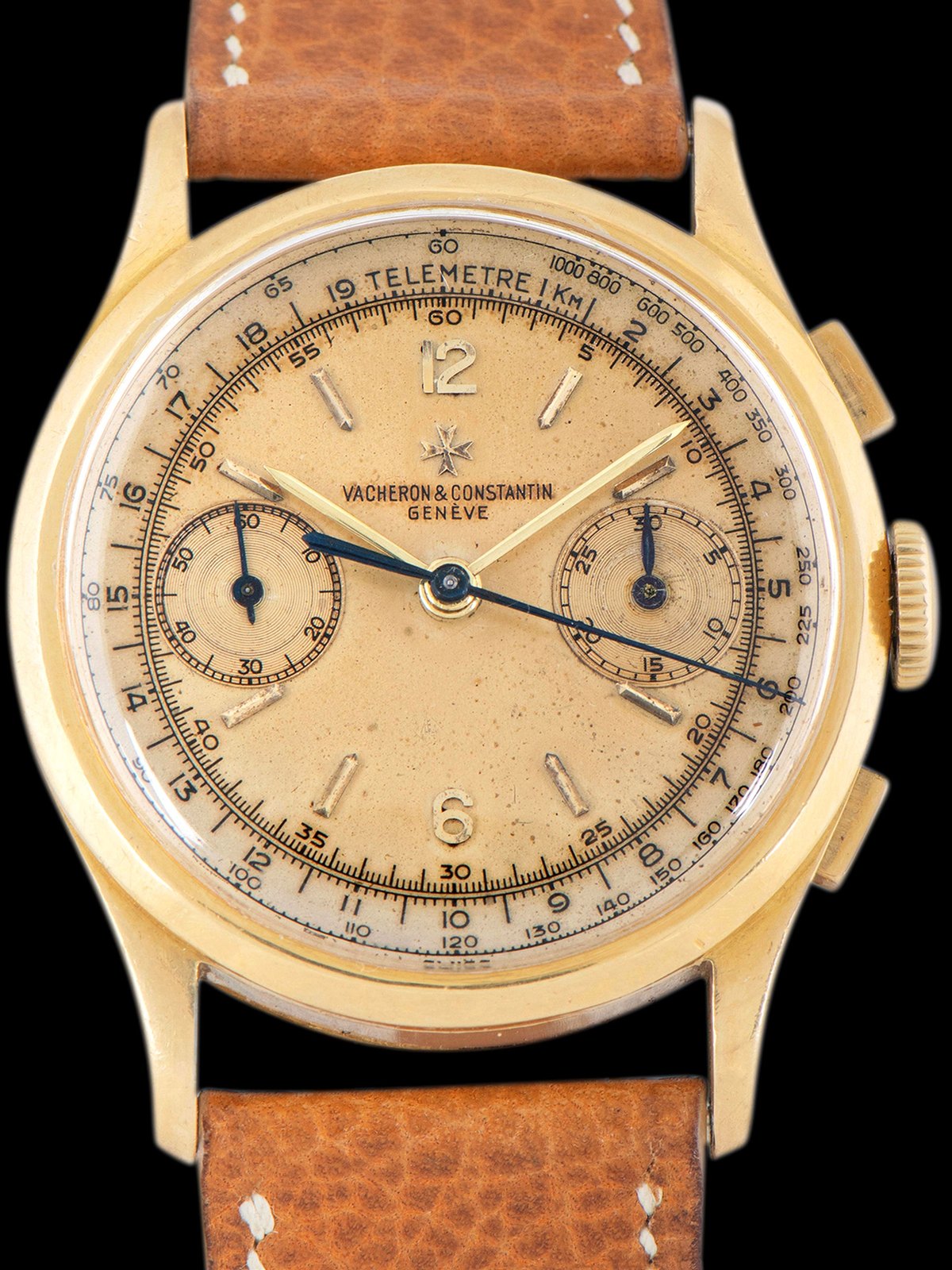
For clocks, condition means the state of the case (veneers, mouldings, finials, the hood door and glass), of the dial (painted dials can flake; silvered chapter rings can be worn or re-silvered) and of the movement (worn pivot holes, bushing, replaced wheels). A case that has been stripped and refinished with a modern high-gloss finish has usually lost value compared with one that keeps its old surface, even if that surface is dull.
Materials: solid gold, gold-filled, plated and silver
For pocket watches above all, what the case is made of matters a great deal, because in a solid-gold case the metal alone sets a floor under the price. Many cases that look like gold are not solid. Gold-filled cases, very common on American watches from the late nineteenth century to the mid-twentieth, are made of a layer of gold bonded to a base-metal core; gold-plated and rolled-gold cases have less gold still. The marks inside the back usually tell you which you have.
| Mark | What it usually means | Note |
|---|---|---|
| 18K, 14K, 0.750, 0.585 (often with a hallmark or assay mark) | Solid gold of that fineness | British, Swiss, French and other national hallmarks confirm fineness officially |
| Sterling, 0.925, 0.935, 0.800, a lion passant | Solid silver | Continental silver was often 0.800 or 0.935 |
| 'Gold filled', 'GF', '10K GF', 'warranted 20 years' or '25 years' | Gold-filled: a gold layer bonded to base metal | The 'years' were the maker's wear guarantee, not the gold content |
| 'Rolled gold', 'RG', 'plaqué or', 'Doublé' | A gold layer over base metal (terms vary by country) | Usually less gold than solid; check the country's usage |
| 'Gold plated', 'GP', 'electroplated' | A very thin electroplated layer | The gold content is negligible |
| 'Base metal', 'nickel', 'steel', 'chrome' | No precious metal | Value rests on maker, movement and condition |
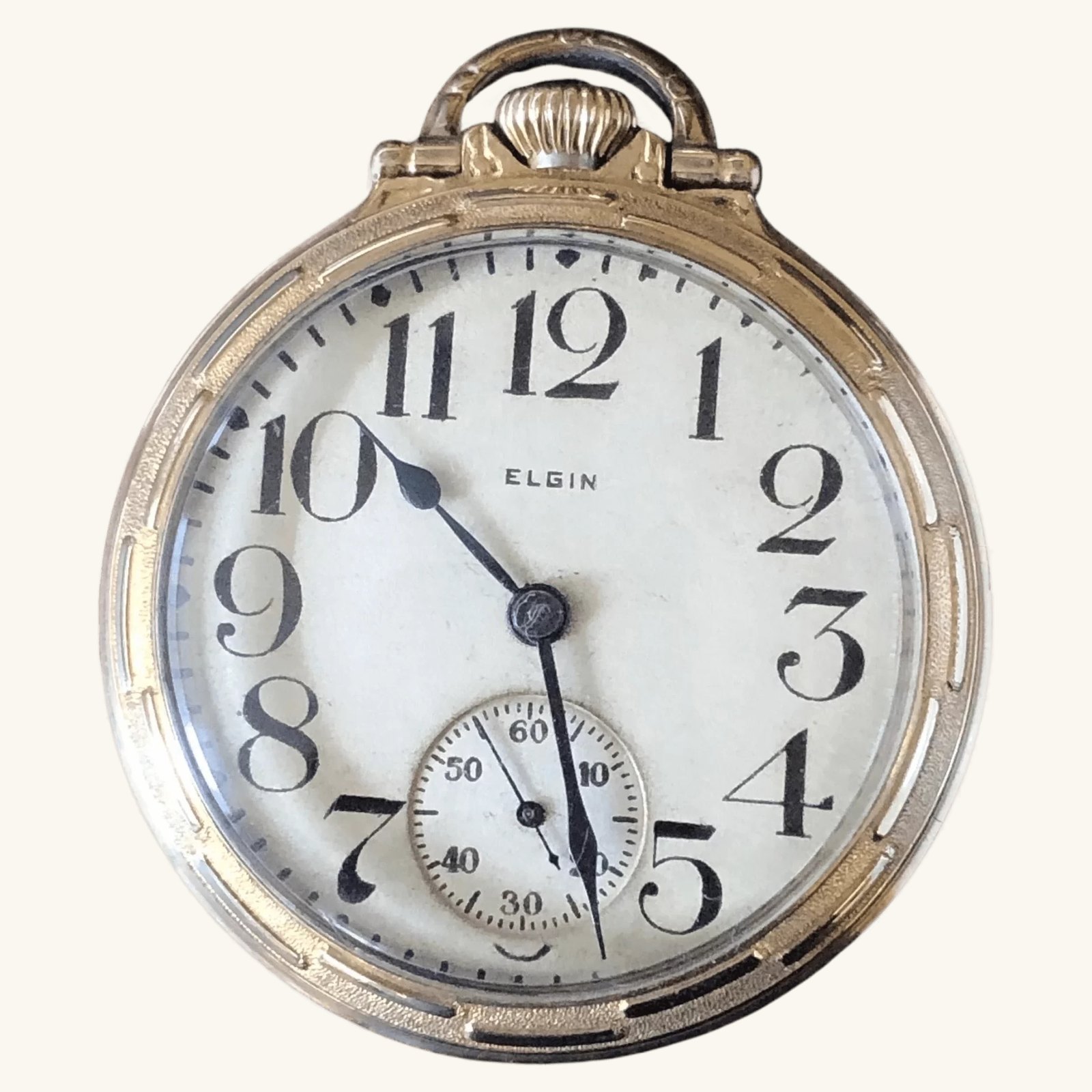
The precious-metal calculator in the Atlas tools works out how much fine gold a case of known weight and fineness contains. Use it only as a floor: a good watch is worth far more than its metal, and a case should never be sold for scrap without a specialist's opinion of the watch as a whole.
What it does: complications and quality
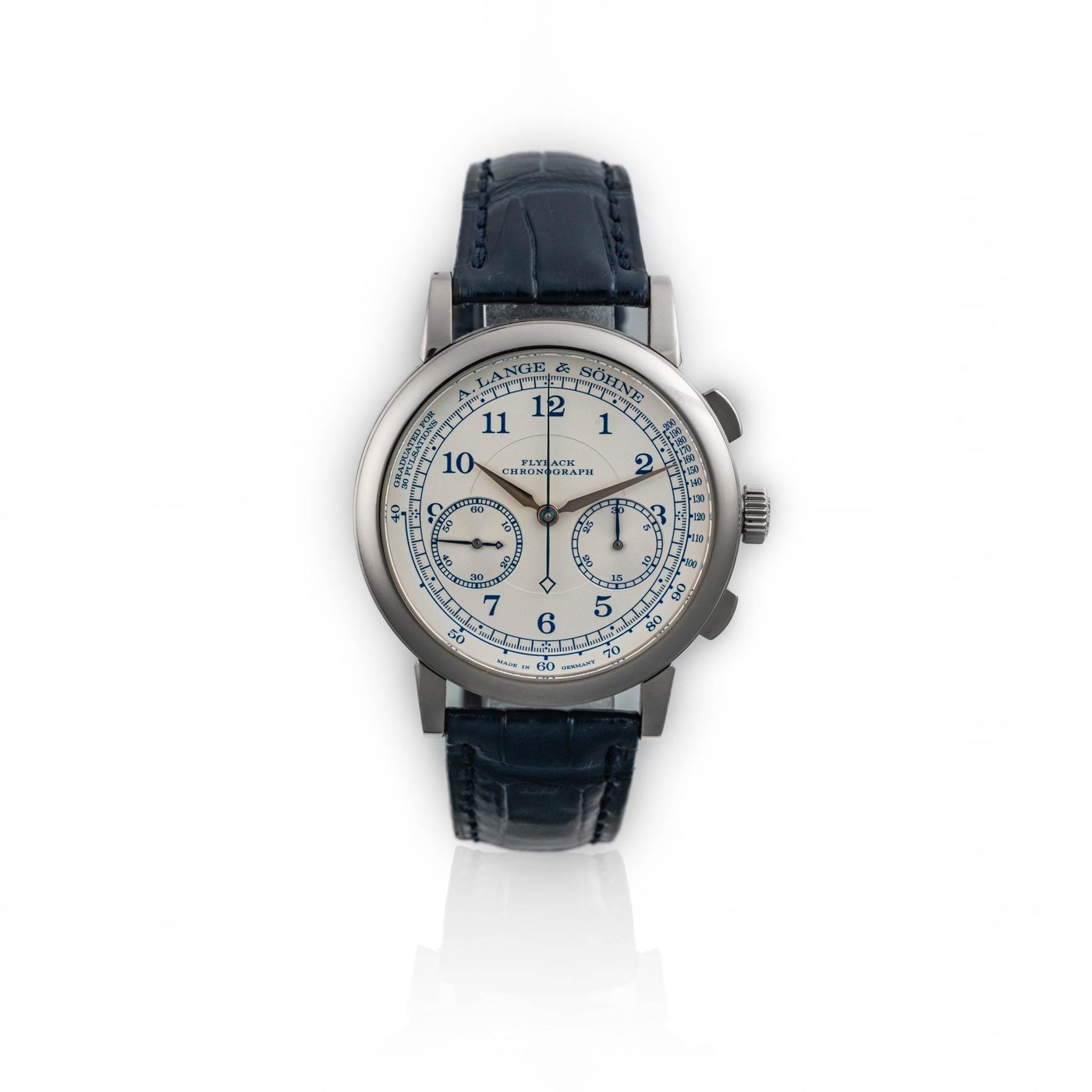
Additional functions — a chronograph, a calendar, a moon-phase, a repeater that strikes the time on demand, an alarm — make a watch more complex to make and to repair, and generally more valuable than a simple time-only watch of the same maker and period. The quality of the movement matters as well: the grade of an American railroad watch, the finish of a Swiss movement, the number of jewels in a nineteenth-century lever. A beautifully finished movement in a plain case can be worth more than a crude one in an elaborate case.
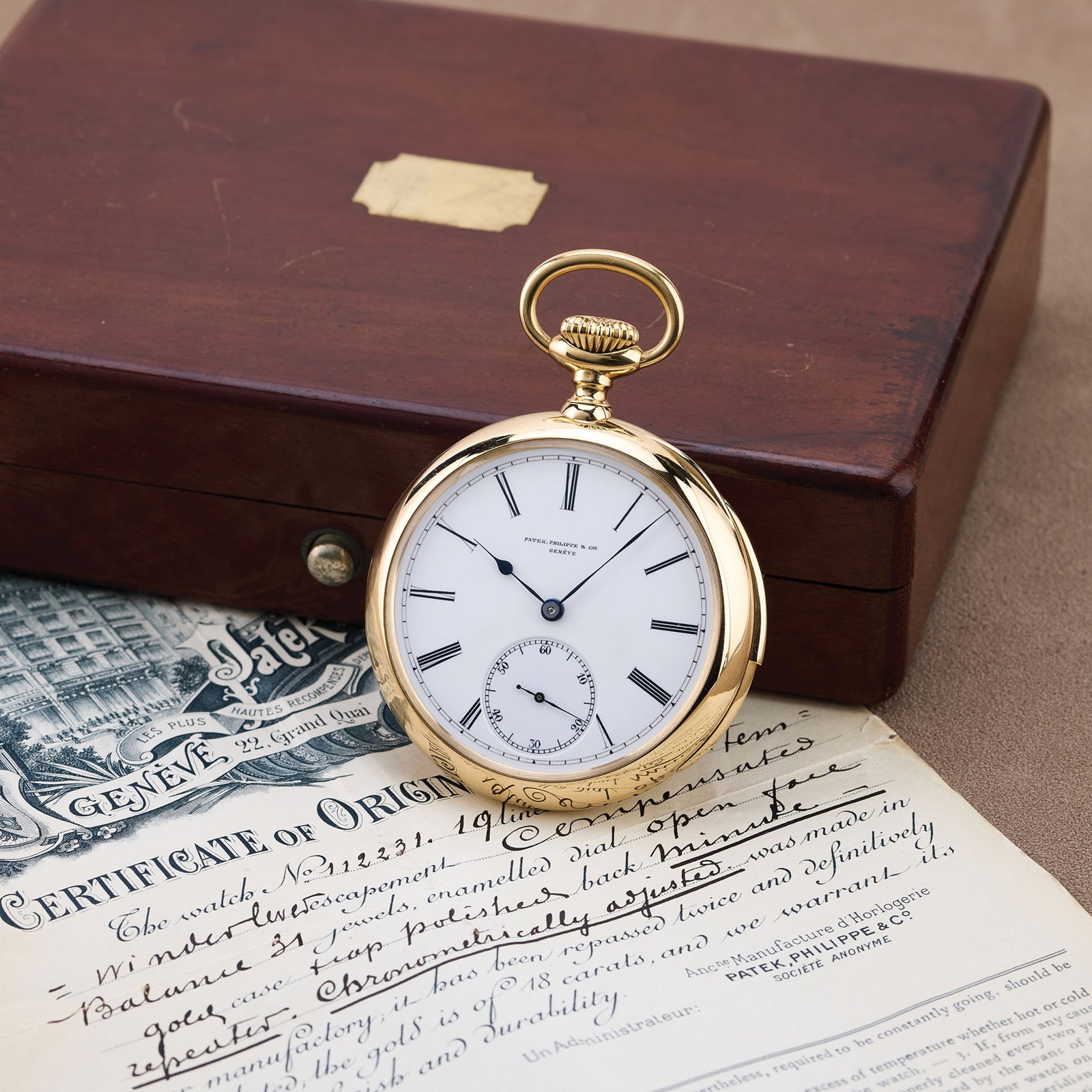
Be careful with complications that do not work. A chronograph that does not reset, a repeater that does not strike or a calendar that will not advance can be expensive to repair, and buyers take that cost off the price. A specialist will check them; do not force them yourself.
Rarity, demand and fashion
Rarity alone does not create value: many rare objects are rare because few people wanted them. What matters is rarity combined with demand. Collecting tastes change. In recent decades demand has moved strongly towards certain vintage sports wristwatches, while many plain nineteenth-century pocket watches, and large numbers of ordinary longcase clocks, have become easier to buy than they were a generation ago. Size is part of fashion: most men's wristwatches of the 1940s to 1960s measure roughly 30 to 36 mm across, while many modern ones are 38 to 42 mm or more, so an excellent small vintage watch may appeal to fewer buyers than its quality deserves.
- A model's reputation: some references are famous among collectors, and identical-looking siblings are not.
- Variants: a different dial printing, a short production run or a special order can matter as much as the model itself.
- Room size and use: very tall clocks, heavy regulators and clocks with loud strikes suit fewer modern homes.
- Regional markets: some makers and styles are better known, and better paid, in their home country.
- Fakes and doubts: where fakes are common, buyers pay less for any example that is not fully checked.
Provenance, box and papers
Provenance is the documented history of an object: who owned it, where it was bought, which collections it passed through. A famous former owner, a known commission or an exhibition history can transform a price; but provenance must be documented, not just remembered. Family stories are worth writing down, with names and dates, but buyers rely on letters, receipts, photographs, inscriptions and catalogue entries.
For modern and recent wristwatches, 'box and papers' — the maker's original box, guarantee or certificate, and sometimes the purchase receipt — have become important. They confirm the watch's identity and first sale and reassure buyers that it is not stolen or assembled from parts. For older pieces, a maker's extract from its archives, where the firm offers one, serves a similar purpose.
Clocks: what specialists look for
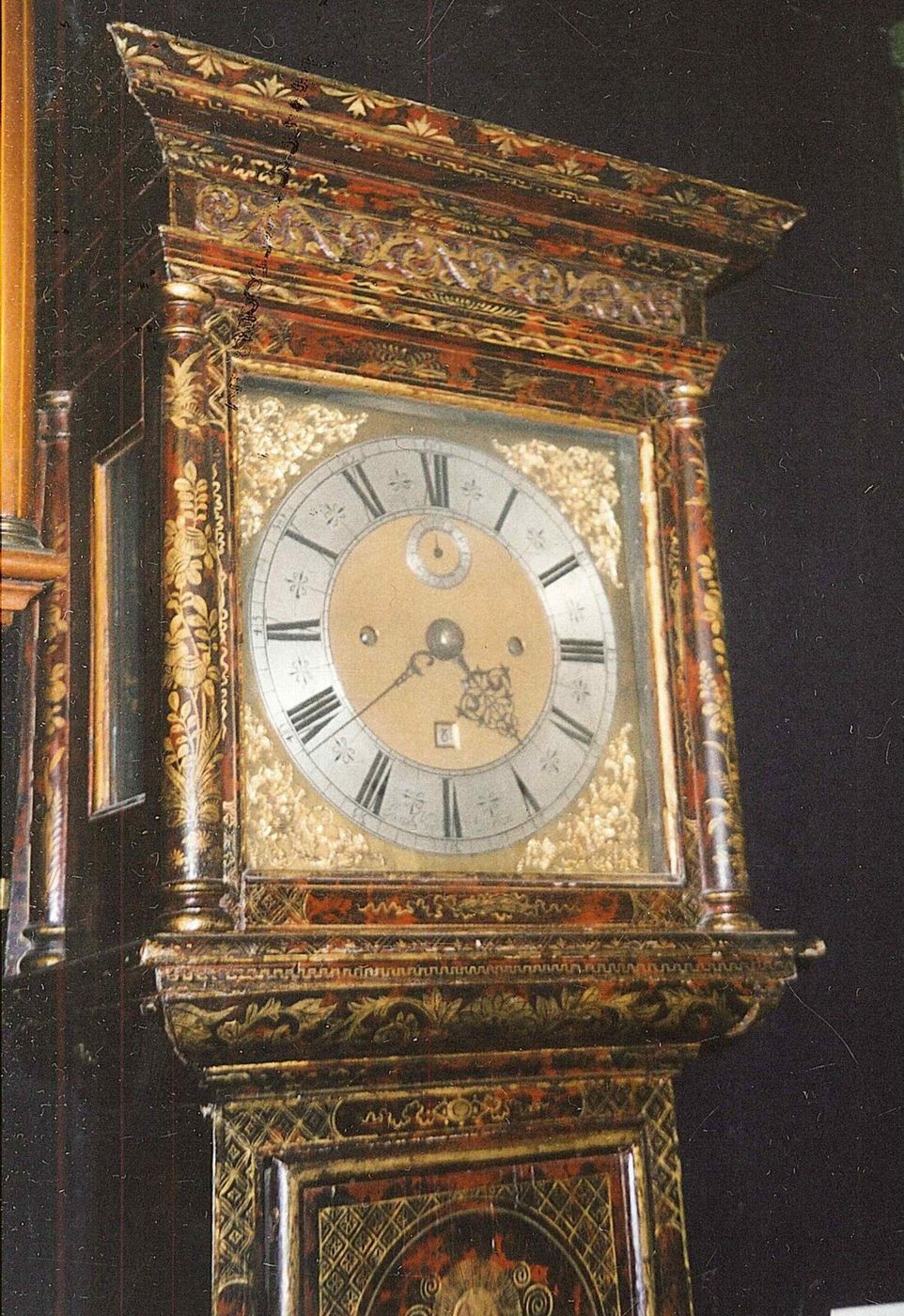
The same seven questions apply to clocks, with some points of their own. Grandfather (longcase) clocks are the commonest antique clocks in many countries, so their value depends very much on the particular clock.
| Feature | Generally valued more | Generally valued less |
|---|---|---|
| Duration | Eight-day or month movements | Thirty-hour movements (wound daily), unless early or by a good maker |
| Dial | Original brass or well-preserved painted dial with clear signature | Re-painted or re-silvered dial, replaced or mismatched hands |
| Case | Original case of good timber and proportions, old surface | Married case, cut-down height, stripped and modern-lacquered surface |
| Maker | A recorded maker of standing, or a well-documented regional maker | Unsigned or later-added signature |
| Features | Original moon dial, musical or quarter chimes, high-quality movement | Missing parts of the strike train, replaced or modern movement |
| Size | Proportions that suit a modern room | Very tall or very wide clocks that fit few houses |
The Atlas lesson on how a grandfather clock works explains the parts named here, and the identification centre helps date a dial and case from their style. For bracket and carriage clocks the same logic holds: originality of case and movement, quality of the movement, a good signature and the presence of features such as repeat or alarm work.
How to research a value yourself
- Identify the piece as exactly as you can: maker, model or reference, serial and case numbers, date, materials. The identification centre and the dating lessons in the Academy will help.
- Look for comparable pieces that have sold, not ones that are merely offered. Asking prices on marketplaces are what sellers hope for; auction results and sold listings show what buyers paid.
- Compare like with like: the same maker and model, similar condition, the same case material, with or without documents. A redialled example is not a comparable for an original one.
- Note whether a result includes the buyer's premium, and remember the costs of selling — commission, photography, insurance, shipping and, for clocks, removal.
- Use several results over recent years rather than one striking figure. A single record price is usually the exception, not the rule.
The Atlas catalogue can help with the first and third steps. It holds many thousands of photographed records from auction archives, dealers and museums, each with its source, so you can compare a dial, a case or a movement with documented examples. The Atlas does not record prices: follow the source link of a comparable record to the auction house or dealer for its result.
Getting a professional opinion
- Specialist auction houses give free verbal estimates for pieces they might sell, often at valuation days or from photographs. An estimate is not a promise.
- An independent valuer (appraiser) who is not offering to buy gives the most neutral written opinion, for a fee; ask which kind of value the valuation states.
- A qualified watchmaker or clockmaker can tell you about condition and the cost of putting a piece right, which buyers will take into account. National bodies such as the British Horological Institute and the American Watchmakers-Clockmakers Institute list qualified members.
- Collectors' societies such as the Antiquarian Horological Society and the National Association of Watch and Clock Collectors publish research and can help with identification, though they do not value objects.
- Be cautious of anyone who values a piece and offers to buy it in the same breath; get a second opinion.
Selling: auction, dealer or private sale
| Route | Advantages | Drawbacks | Best for |
|---|---|---|---|
| Specialist auction | Wide audience of collectors; competition can push the price up; results are public | Commission and fees; no guaranteed price; can take months | Good pieces with a clear collecting market |
| General or local auction | Easy for clocks and modest pieces; quick | Fewer specialist buyers; lower prices for important pieces | Ordinary clocks and watches; house clearances |
| Sale to a dealer | Immediate payment; no fees; no risk | The dealer must resell at a profit, so the offer is below retail | Owners who value speed and certainty |
| Consignment with a dealer | Closer to retail; the dealer handles buyers | Takes time; commission; check the agreement | Desirable pieces that suit the dealer's stock |
| Private sale or online marketplace | No commission; you set the price | Fraud risk, shipping risk and time; buyers expect a discount for the lack of guarantee | Owners who know the market well |
In short
An antique clock or vintage watch is worth what an informed buyer will pay for it, and informed buyers ask the same questions: who made it, is it original, what condition is it in, what is it made of, what does it do, who wants it, and what is its story. Originality and condition decide more than most owners expect, and the commonest ways to destroy value — polishing, cleaning, amateur repair — are the easiest to avoid. Identify the piece carefully, compare it with documented sold examples, ask a specialist who is not buying, and choose the selling route that suits the object.
Practise
Identify your clock or watch first →
See it in the collection
Compare with auction and dealer records →
Check your understanding
Lesson quiz
0 of 6 answered