
Advanced · Lesson 7 of 7 · 18 min read
Buying a vintage watch: how to check one before you buy
What to look at before buying a vintage wristwatch: the seller and their guarantee, the dial and hands, luminous paint, the case and its metal, the movement and its numbers, service history and documents — with real examples from dealer and auction records in the Atlas catalogue and a checklist to take with you.
By the end of this lesson you will be able to:
- Ask a seller the questions that matter, and read a guarantee
- Recognise the common signs of a refinished dial, replaced hands and service parts
- Check a case for polishing, metal content and matching numbers
- Judge what a movement photograph, a service record and an archive extract can and cannot prove
- Use a checklist to compare watches before you buy
Most people who set out to buy a vintage watch ask first which model to choose. Collectors and dealers tend to ask something else: is this particular watch what it claims to be, and what has happened to it since it left the factory? Two watches of the same reference and year can differ enormously. One may have its original dial, hands and crown, a case that has never been polished and a movement serviced last year; the other may have a repainted dial, hands from a later model and a movement that was never meant for that case. Both may be described honestly as, say, 'Omega Seamaster, 1960s'. Their value, and the pleasure of owning them, are not the same.
This lesson works through a watch from the outside in — seller, dial, hands, luminous paint, case, movement, documents — in the order you would examine it in a shop or from an online listing. Each section uses examples from the Atlas catalogue, where dealers and auction houses described exactly the features discussed. It ends with a checklist. It deliberately says nothing about which brands or models will rise in price: that is a question of fashion and markets, and no honest guide can answer it.
Start with the seller
A vintage watch is a second-hand mechanical object of uncertain history. The single best protection is a seller who knows what they are selling, describes it fully and stands behind the description. Established dealers usually guarantee authenticity and offer a return period and a short warranty on the movement; auction houses describe lots carefully but generally sell them as seen, add a buyer's premium to the hammer price, and limit what can be returned. Private sales and marketplaces vary from excellent to dangerous.
- Ask for, and keep, a written description that states what is original and what is not: dial, hands, crown, crystal, bezel, bracelet or strap, and movement.
- Ask for photographs of the case back inside and outside and of the movement. A seller who cannot open the watch, or will not, is telling you something.
- Ask when the watch was last serviced and by whom, and whether the price includes a service.
- Read the returns and guarantee terms before buying, and note how long you have to have the watch checked.
- Compare the description with others for the same reference. Auction archives and dealer listings, including those in this catalogue, show how originals of a model usually look.
The dial: the first thing to question
The dial is what everyone looks at, and it is the part most often restored. Old dials crack, stain, flake and fade; for much of the twentieth century it was common practice for a watchmaker to send a tired dial to be refinished, and many watches were improved in their owners' eyes by it. Collectors today generally prefer an original dial, even a worn one, to a refinished one, and the difference in price can be large. A refinished dial — a 'redial' — is not a fake, but it should be described as what it is.
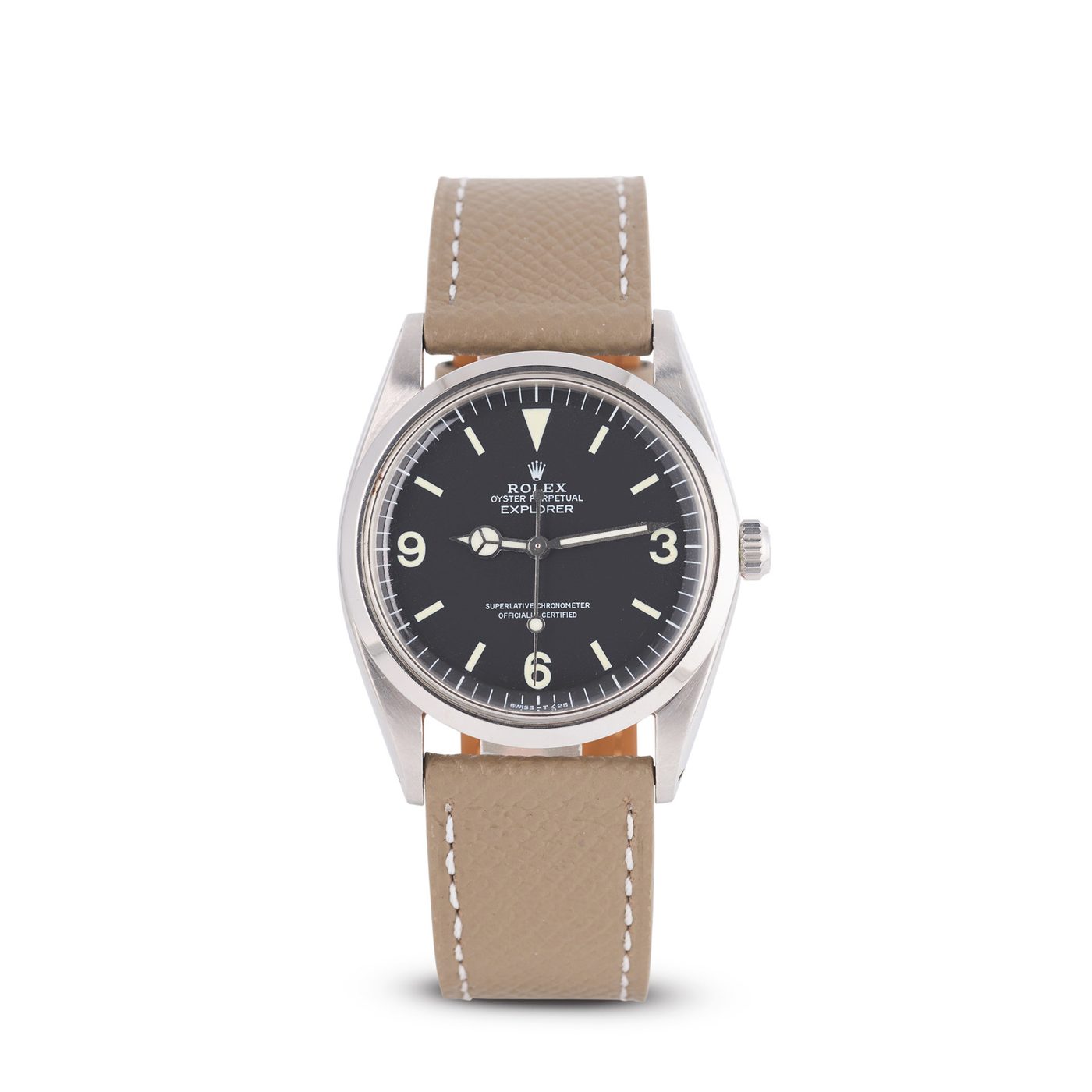
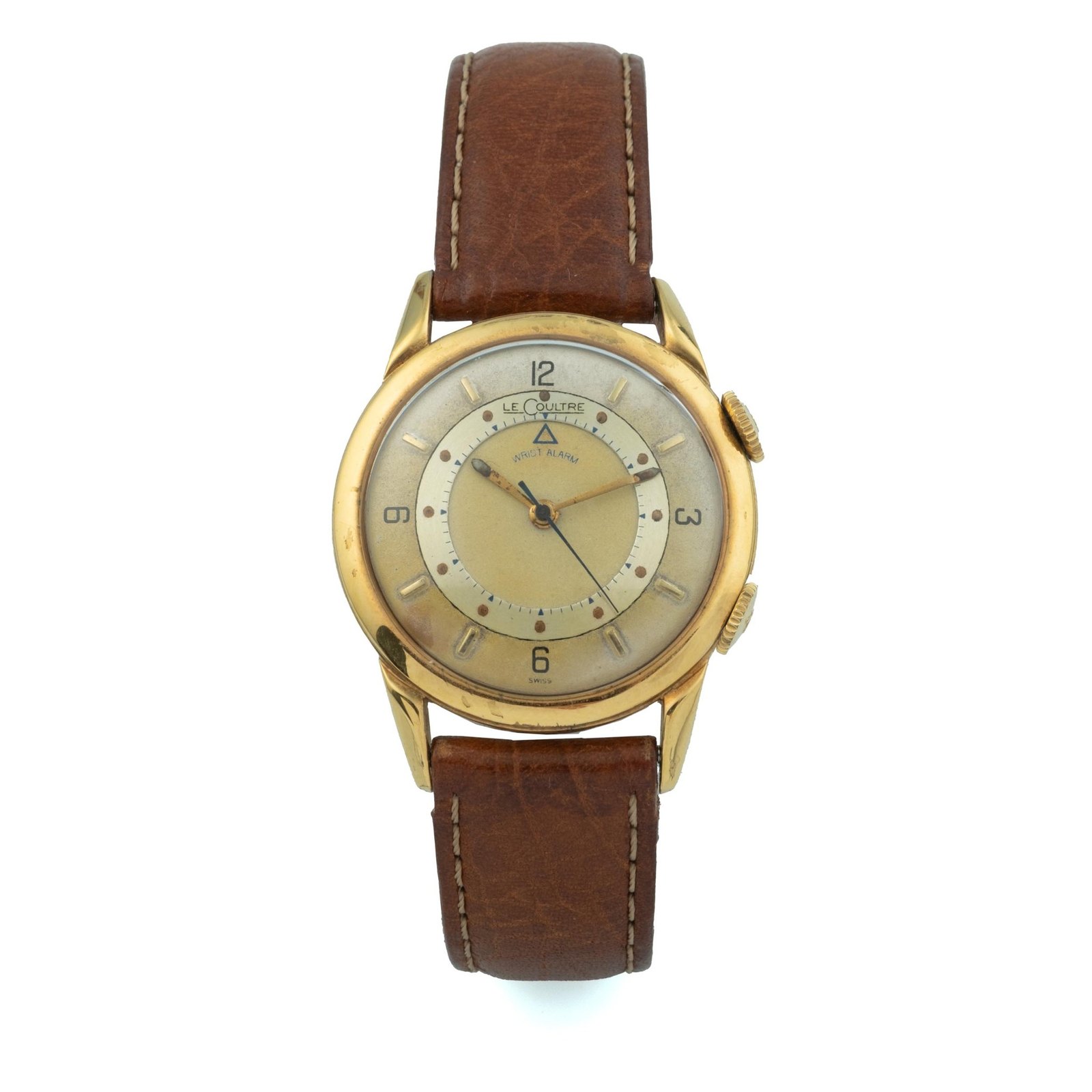
Signs that a dial may have been refinished include printing that is slightly thick, blurred or uneven; lettering in the wrong typeface for the model; small words such as 'Swiss Made' placed too low or cut off by the edge of the dial opening; markers or numerals out of line; and luminous paint on the dial that does not match the paint on the hands. None of these is proof on its own. Comparing with photographs of known original examples of the same reference is the most reliable check a buyer can make.
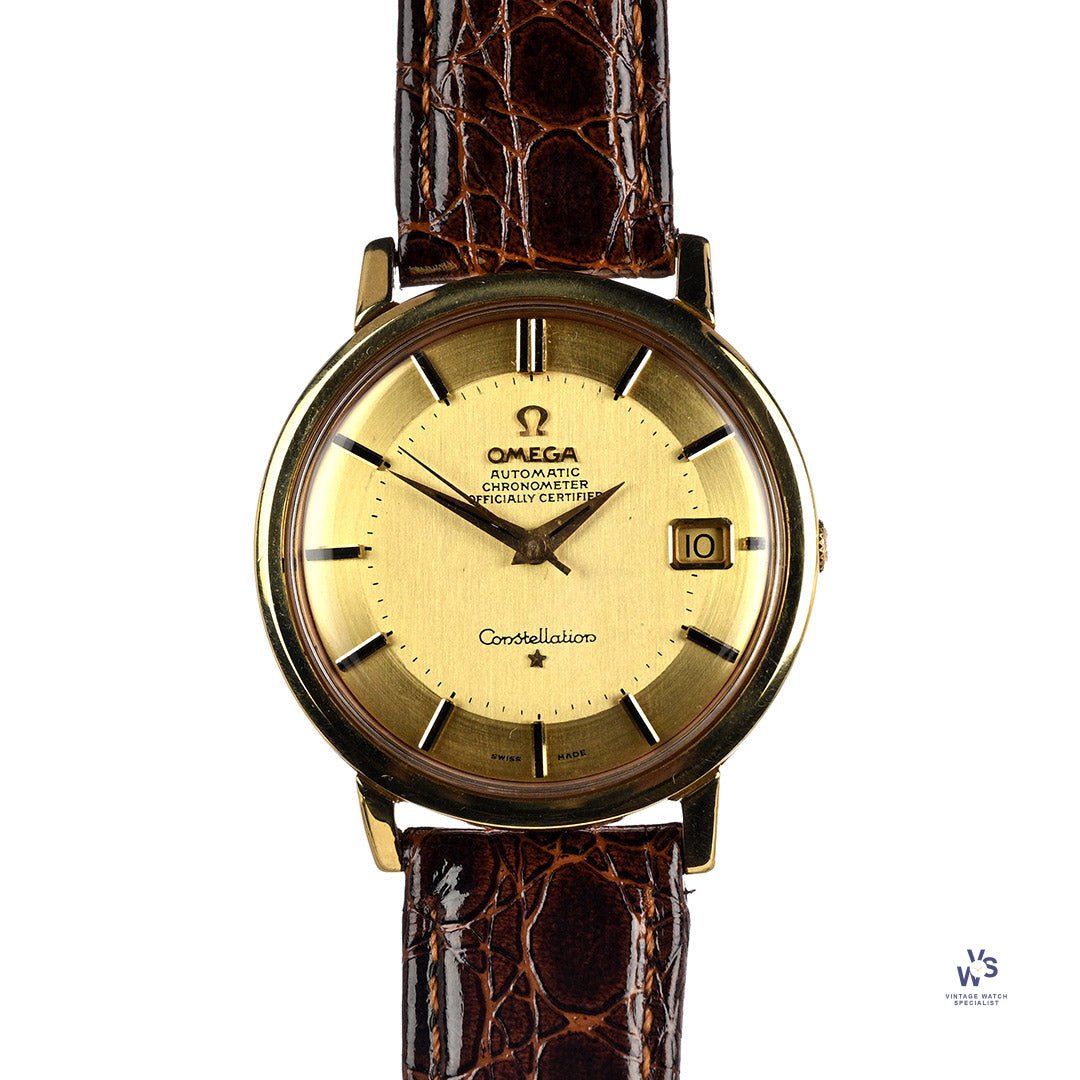
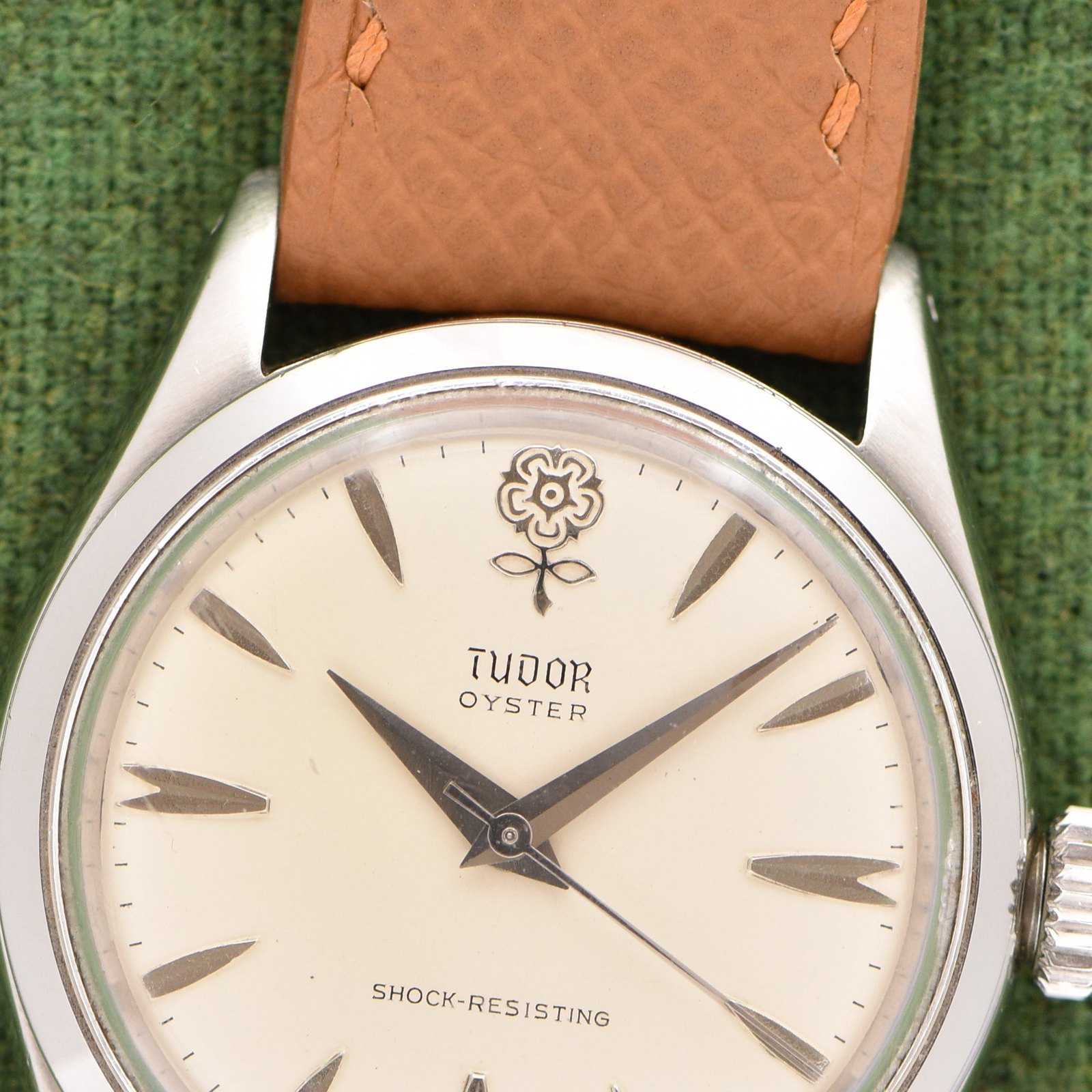
Patina is the other side of the coin. Dials and luminous paint change colour with age, and some changes — black dials turned brown ('tropical'), lume aged to cream or yellow — are admired and can raise a watch's value. That creates an incentive to fake them. An even, consistent ageing of dial and hands that suits the watch's history is reassuring; a perfect 'aged' colour on a watch whose other parts look new deserves questions.
Hands, luminous paint and service parts
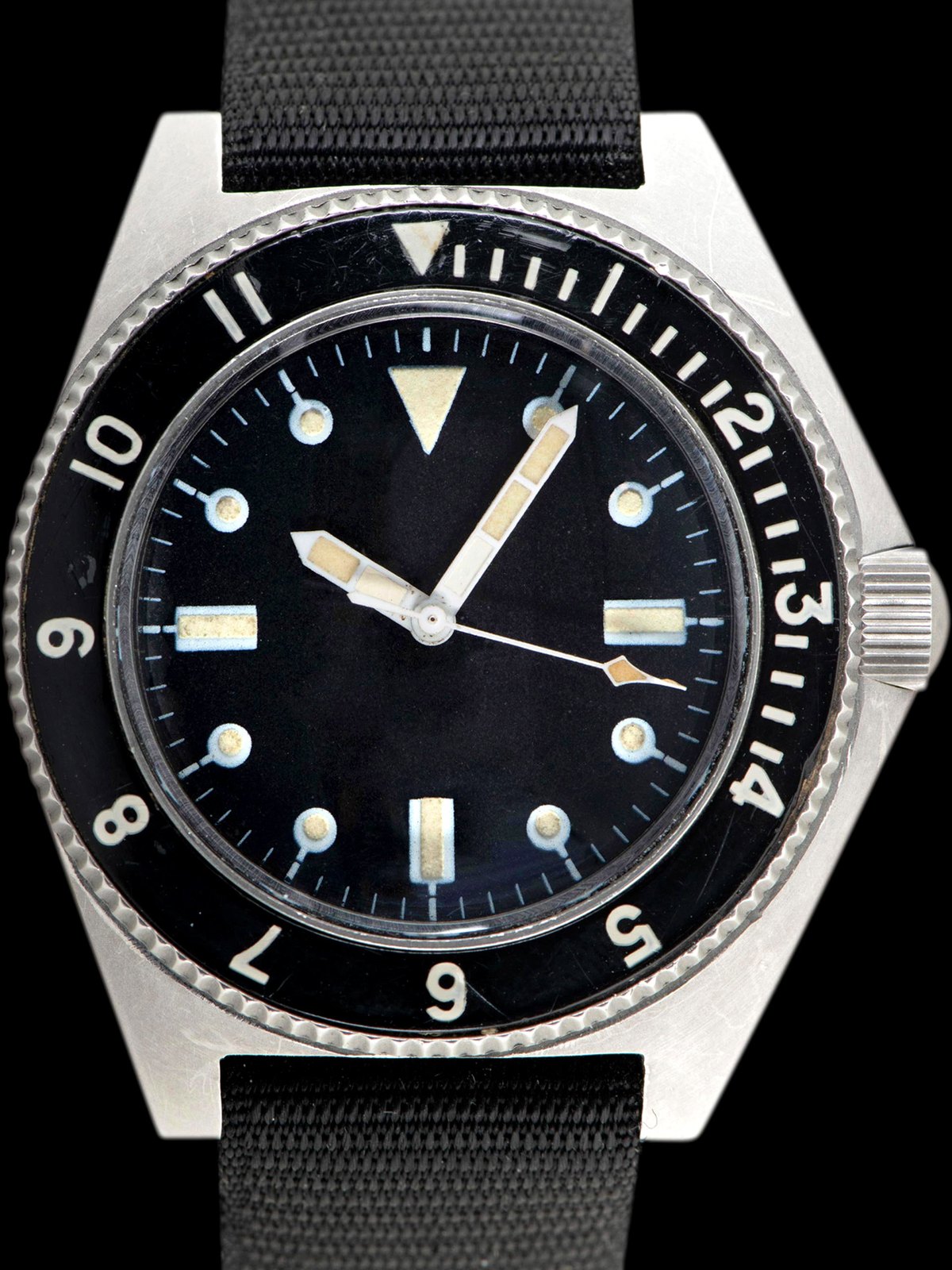
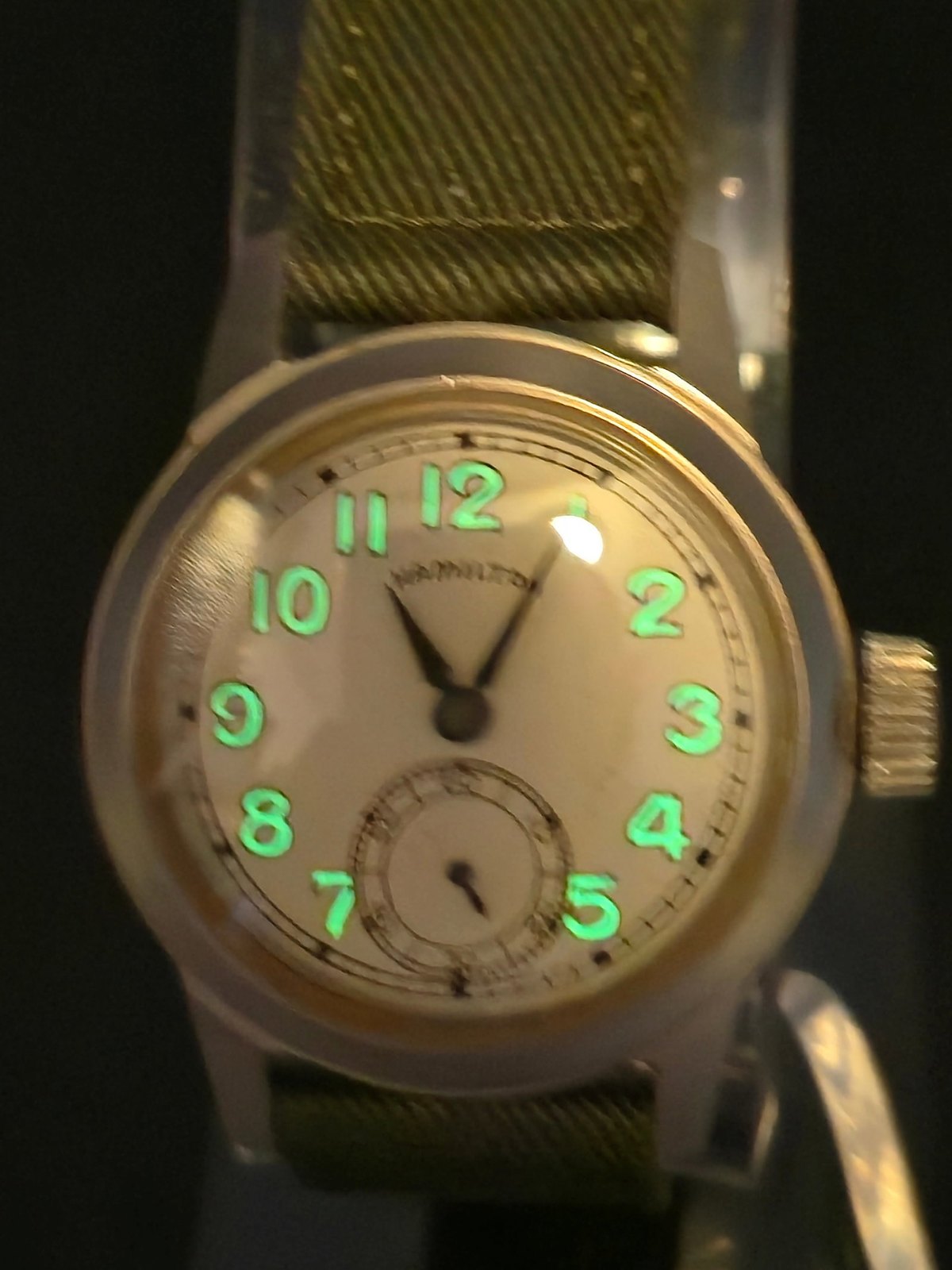
Luminous paint helps to date a dial and to check that hands and dial belong together. Radium paint was used on many dials until about the 1960s; tritium from about the 1960s to the late 1990s; modern non-radioactive pigments since. Dials painted with tritium are often marked at the bottom 'T Swiss Made T', 'Swiss T < 25' or with a T in a circle, and those marks are useful evidence. The lesson on vintage, neo-vintage and modern watches explains these changes in more detail.
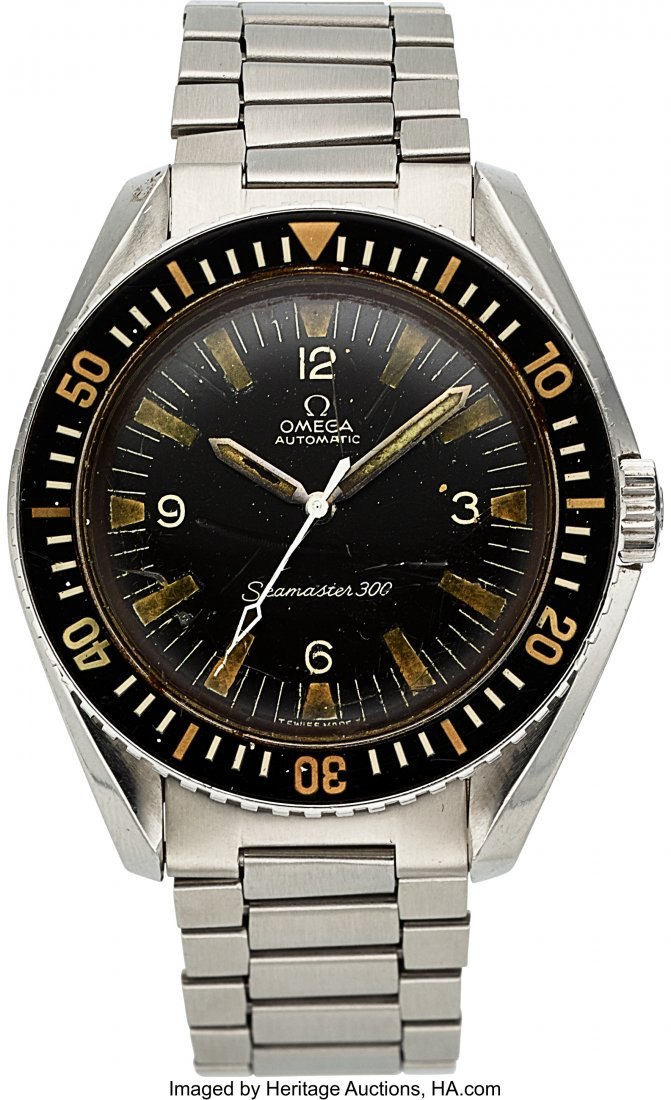
Hands are small, easily lost and easily replaced, and hands from another model or a later period are common. Re-applying luminous paint to hands or dial — 'reluming' — is also common, and is acceptable to many buyers if it is disclosed. Look for hands whose shape and length suit the dial (the minute hand should reach the minute track), and for lume on hands and dial that has aged alike.
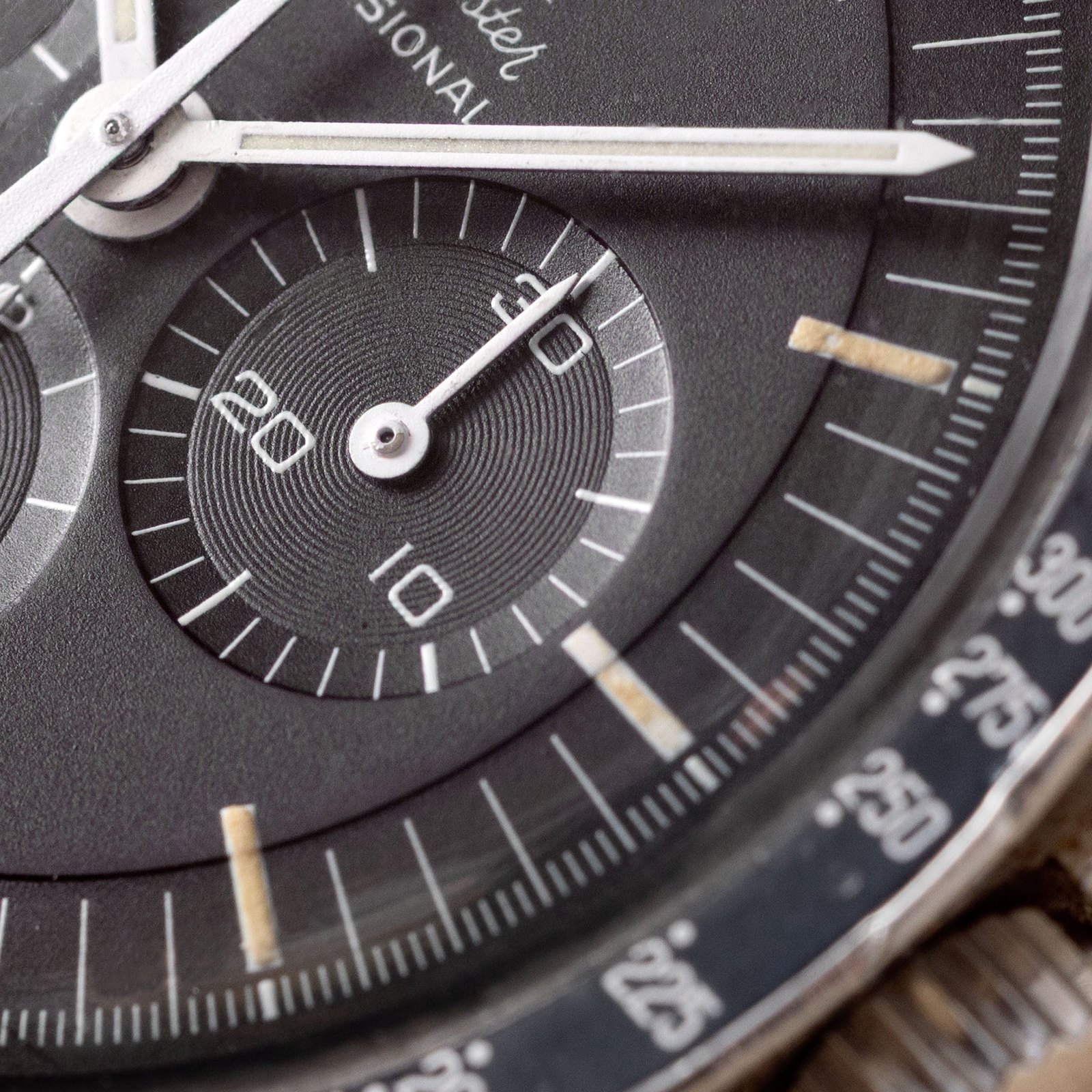
Watches serviced by their makers over the decades often had worn parts replaced with new 'service' parts: dials, hands, crowns, crystals and bezels made later to the same or a newer pattern. A service dial is genuine but not original to the watch. Some buyers avoid them; others are glad of a watch kept in working order by its maker. What matters is that the listing says so, and that any original parts removed are returned with the watch where possible.
The case: polishing, metal and numbers
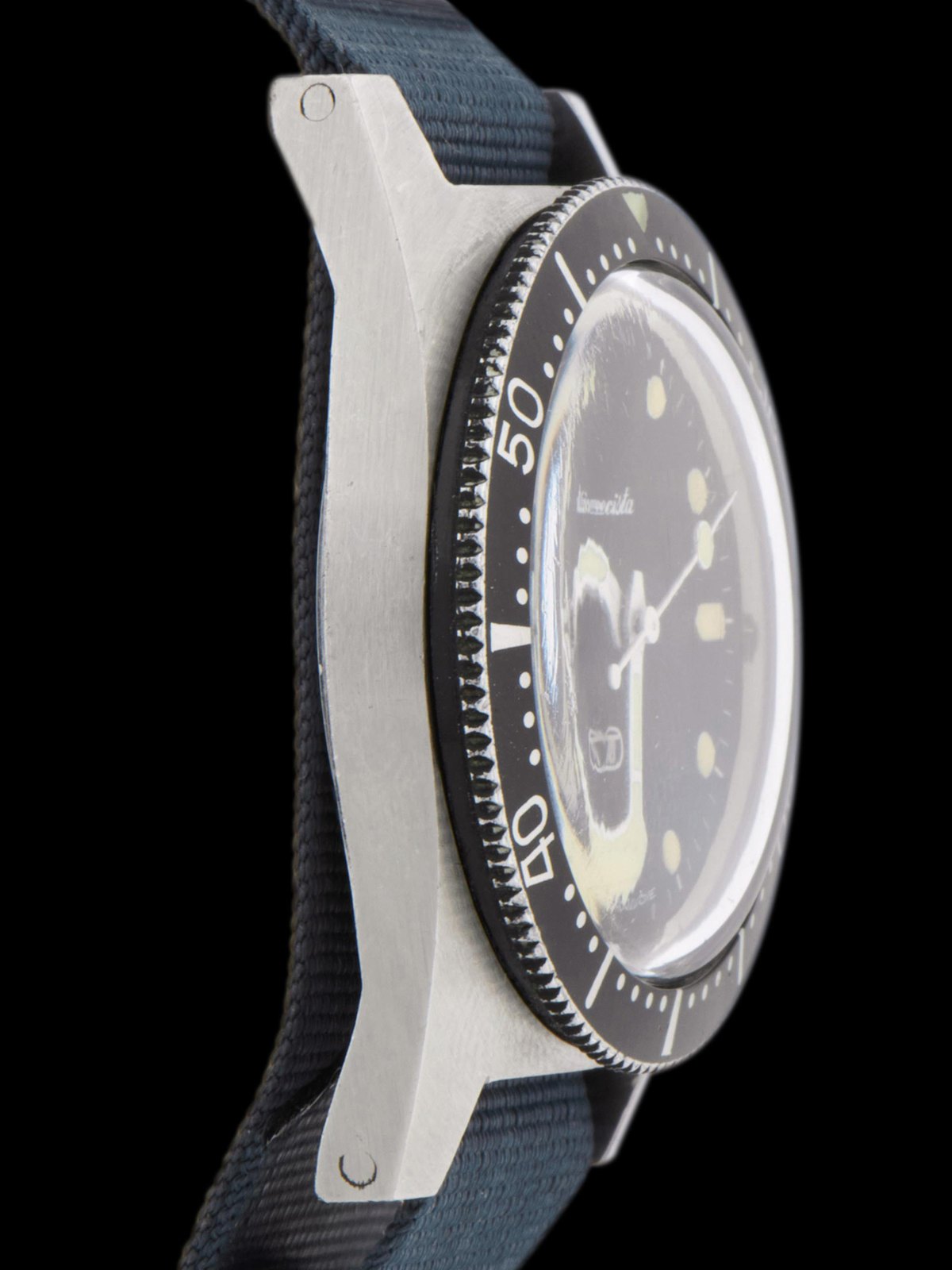
A case tells the story of how a watch has been worn and looked after. Every polish removes metal. A lightly worn case with sharp edges, crisp bevels on the lugs and its original brushed or polished finishes is worth noticeably more than one buffed until its edges are rounded and its lugs thin. Look at the case from the side and at an angle to the light: soft, rolling edges and lugs of uneven thickness are the usual signs of heavy polishing.
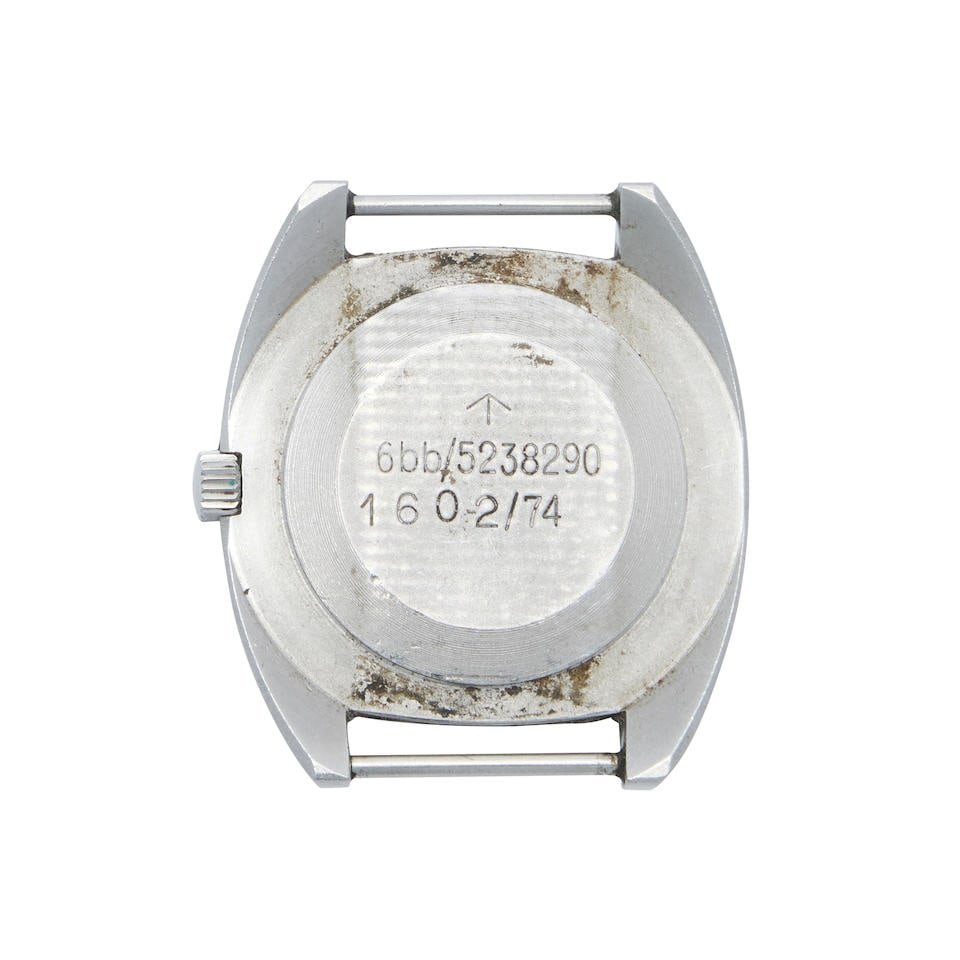
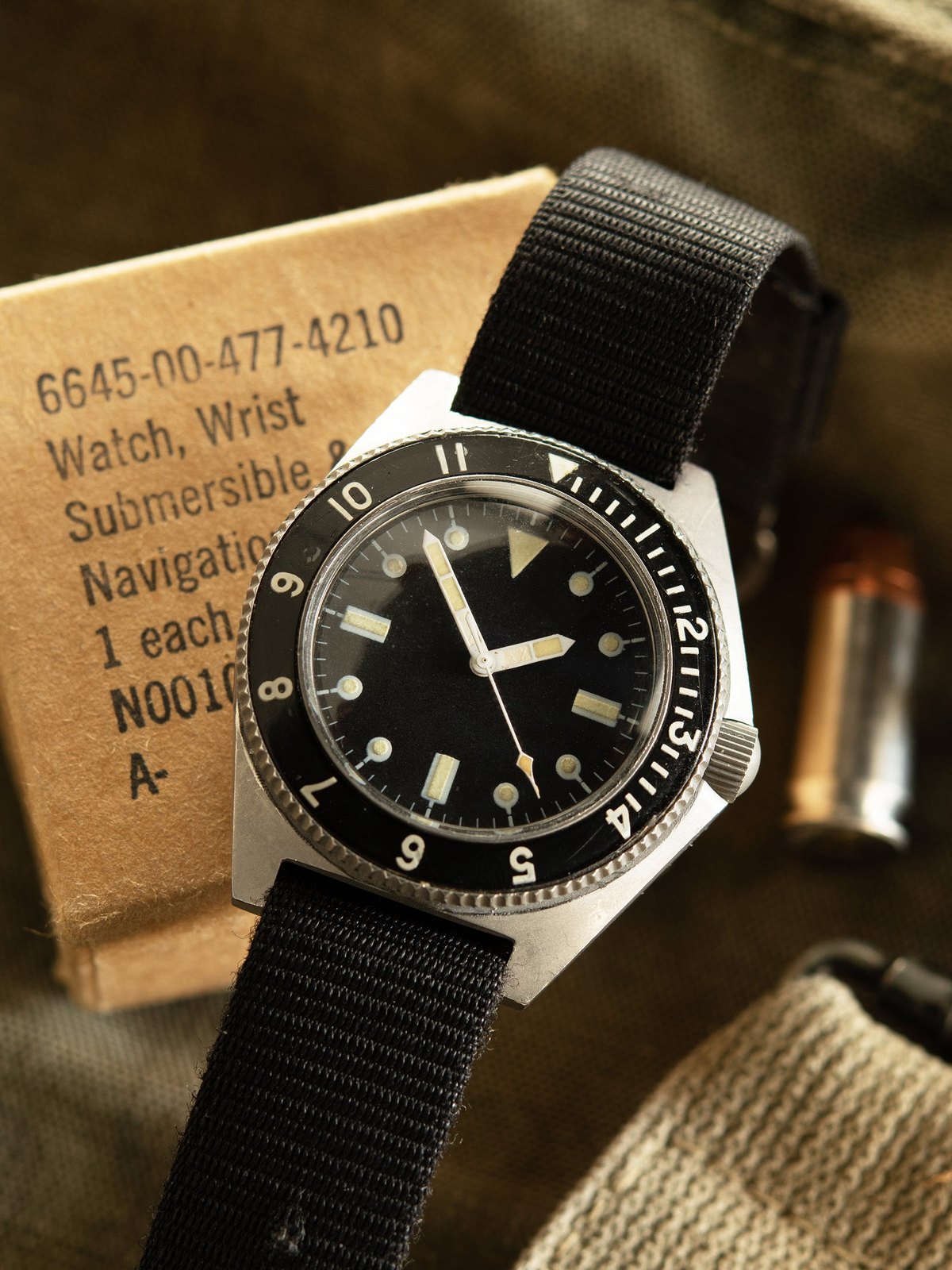
Check the metal. Solid gold and silver cases are usually marked with their fineness and, in many countries, with official hallmarks; a gold-filled or gold-plated case has a thin layer of gold over base metal and is worth far less. American cases marked '10K gold filled' or 'GF', and European ones marked 'plaqué', 'doublé' or 'rolled gold', are not solid gold. The case back, inside and out, usually carries the most information: the maker's name, the reference and case number, the metal and its marks, and on military watches the issue markings.
The movement: matching, working and serviced
Auction houses often record that a watch is 'signed case, dial and movement'. That means each of the three carries the maker's name; it is a good sign, but not a guarantee that the three began life together, because signed parts can be moved between watches. Where a maker's records survive, the movement and case numbers can sometimes be checked against each other. A movement fitted into a case it did not leave the factory in is 'recased'; a watch assembled from parts of several is a 'mariage', or in collectors' slang a 'Frankenwatch'. Neither is necessarily worthless, but both should be described as such and priced accordingly.
- Look at a photograph of the movement: it should be the calibre the model is known to use, clean, without rust, scratched screw heads or missing screws.
- The movement should fit the case snugly; spacers, odd case clamps or a dial that does not sit centrally suggest a movement from elsewhere.
- Ask for timing-machine readings, or have them taken. A timing machine shows the rate (seconds gained or lost a day), the amplitude (how far the balance swings) and the beat error (how evenly the ticks are spaced). As a rough guide for a working lever watch, a healthy amplitude when fully wound and dial up is often in the region of 250 to 300 degrees; a much lower figure usually means the watch needs a service. Figures vary with the calibre and its age.
- Expect to service any vintage watch whose last service is unknown, and include the cost in what you are prepared to pay. Old oils dry out, and a worn movement run dry wears faster.
Box, papers and archive extracts
Original boxes, guarantee papers, receipts and instruction booklets add to a watch's interest and usually to its price, especially when their numbers match the watch. But boxes and papers can be bought and sold separately, so a set is only as good as the match between the numbers on the papers and those on the watch. Several makers, among them Patek Philippe, Audemars Piguet, Vacheron Constantin, Jaeger-LeCoultre and Omega, will issue an extract from their archives for an older watch, confirming from their records when it was made and, often, when and where it was first sold.
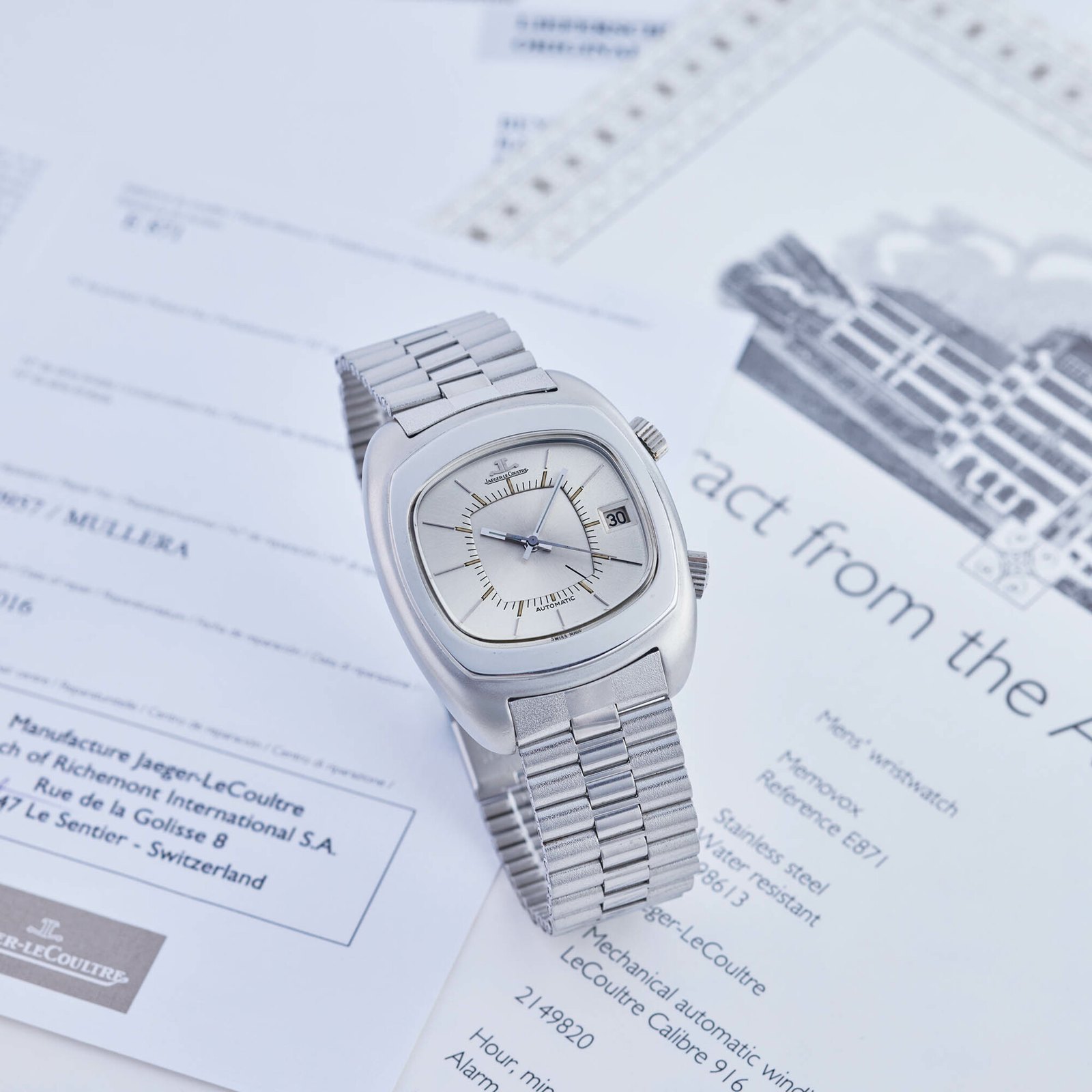
An archive extract is strong evidence for the movement and case the maker recorded, but it says nothing about later changes: a dial refinished in 1975 or a crown replaced last year will not appear in it. A recent service invoice from a known workshop is the best evidence of present condition. Read both together, and keep them with the watch.
A checklist to take with you
| Area | What to check | Questions or warning signs |
|---|---|---|
| Seller | Written description, guarantee, return period, photographs of case back and movement | Vague wording ('in the style of', 'appears original'), no returns, refusal to open the watch |
| Dial | Printing, typefaces, small text, alignment, condition | Thick or blurred print, 'Swiss Made' misplaced, markers out of line, lume unlike the hands' |
| Hands | Shape and length right for the model; lume matching the dial | Minute hand short of the minute track, new-looking lume on an old dial, mixed styles |
| Luminous paint | Radium, tritium or modern pigment consistent with the date | 'T' marks on a dial said to be from the 1940s; modern lume on a dial said to be untouched |
| Crown, crystal, bezel | Signed parts of the right pattern | Generic crown on a branded watch, wrong bezel insert; ask whether originals are included |
| Case | Sharp edges, even lugs, original finishes; metal marks and hallmarks | Rounded edges, thin lugs, unclear marks; 'gold' that is gold-filled or plated |
| Numbers | Reference and case number inside the back; movement number | Numbers that do not fit the reference or the papers; numbers that have been worn away |
| Movement | Correct calibre, clean, complete, fitted snugly | Wrong calibre, spacers, rust, damaged screws, no service history |
| Running | Timing-machine readings; winding, setting, date change and chronograph functions | Low amplitude, large beat error, functions that stick or slip |
| Water | Pressure test after any service | Any claim of water resistance on an untested vintage watch |
| Documents | Box, papers, archive extract, service invoices | Papers whose numbers do not match the watch |
What to expect after you buy
However carefully you buy, budget for a check by a watchmaker you trust soon afterwards, and for a full service if the last one is unknown. Keep the watch away from water unless it has been pressure-tested after its service, avoid strong magnets, and wind a hand-wound watch gently to the stop at about the same time each day. Keep every document and every original part that has been replaced. They are part of the watch's history, and the next owner will ask for them, as you did.
In short
Buying a vintage watch well means checking that the watch in front of you is what its description says: an honest seller with a guarantee; a dial, hands and lume that belong together and are described accurately, including any refinishing, reluming or service parts; a case with its edges and markings intact and its metal correctly described; a movement that is the right calibre, fits its case and runs well; and documents whose numbers match. A watch that passes those checks is worth more, and will give more pleasure, than a rarer one that does not.
Practise
Turn timing-machine lift times into amplitude, and drift into seconds a day, with the calculators →
See it in the collection
Browse dealer and auction wristwatches in the catalogue →
Check your understanding
Lesson quiz
0 of 5 answered