
Beginner · Lesson 10 of 10 · 17 min read
Servicing a mechanical watch or clock: what an overhaul involves, how often, and everyday care
Why mechanical watches and clocks need servicing, what a watchmaker does in a full overhaul, how often the makers recommend it, the warning signs that a service is due, how to protect a vintage watch's original parts, and everyday care for watches and clocks — with repairers' marks, service papers and timing machines from the catalogue.
By the end of this lesson you will be able to:
- Explain why a mechanical movement needs periodic cleaning and lubrication
- Describe the stages of a full service, from dismantling to timing and water-resistance testing
- Recognise the signs that a watch or clock needs attention
- Brief a watchmaker so a vintage watch keeps its original dial, hands and case finish
- Look after a watch or clock day to day: winding, setting, magnetism, water and moving
A mechanical watch is a machine that never stops. Its balance swings back and forth four to ten times a second, every hour of every day, and its wheels turn on pivots about as fine as a hair in bearings lubricated with a drop of oil too small to see. That oil ages. It thickens, dries, migrates away from where it was put, and collects dust and metal particles. Eventually friction rises, the balance swings less freely, the watch keeps worse time, and the parts begin to wear. A service puts this right before it does lasting damage. The same is true of clocks, whose larger parts are more forgiving but carry heavier loads.
Why a mechanical movement needs servicing
A typical wristwatch movement uses several different lubricants: thin oils for the fast-moving balance pivots, heavier oils for the slower wheels, greases for the winding and setting parts, and special lubricants for the slipping spring in an automatic watch's barrel. Each is applied in a tiny, measured quantity at a particular point. Over the years they break down, and no amount of adding fresh oil from outside will help, because the old residue and the dirt it has gathered stay behind. The result can be an abrasive paste that wears pivots and holes, which is why the only proper service is a complete one.
Other parts age too. Mainsprings lose some of their strength or break; rubber gaskets that keep out water and dust harden and crack; crowns, stems and crystals wear. A watch can run for years past its due date, and many do, but it is wearing while it runs, and repairing worn parts costs much more than servicing before they wear.
What happens in a full service
Workshops differ in their methods, but a complete service, often called an overhaul, follows broadly the same sequence. Most good watchmakers begin by testing the watch as it arrives — its timekeeping, amplitude and functions — so that they and you know what is wrong. Then the case is opened, the movement is taken out, and the hands and dial are removed with care.
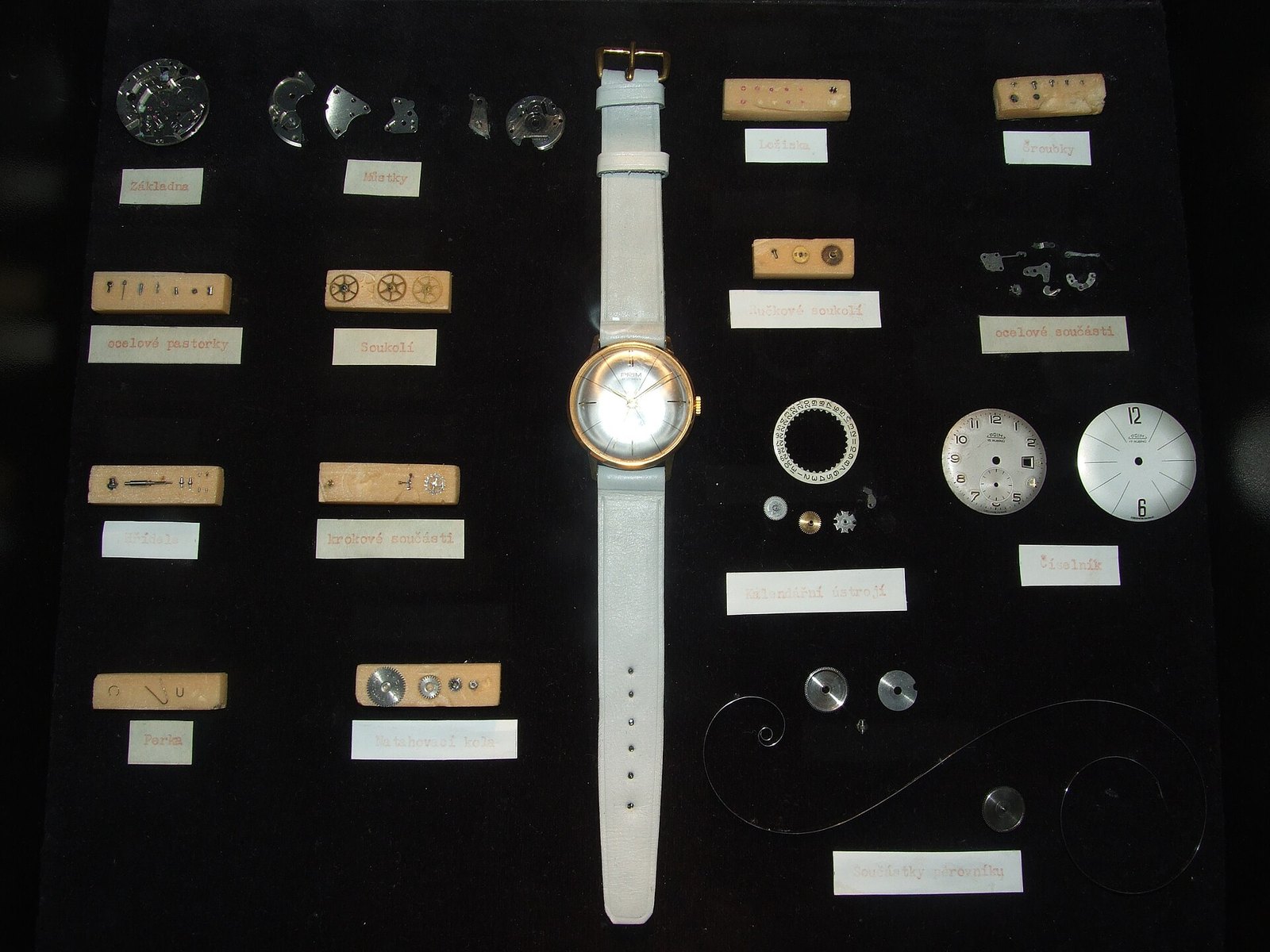
- Dismantling: the movement is taken apart completely, down to the wheels, springs, jewels' settings and screws.
- Cleaning: the parts go through a cleaning machine, usually with several baths of cleaning and rinsing solutions, often with ultrasonic agitation, and are dried.
- Inspection: each part is checked under magnification for wear, cracks, rust and bent teeth; worn parts are replaced or repaired. The mainspring and the case gaskets are often replaced as a matter of course.
- Reassembly and lubrication: the movement is rebuilt and the correct lubricant applied in the correct quantity at each point; too much oil is as harmful as too little.
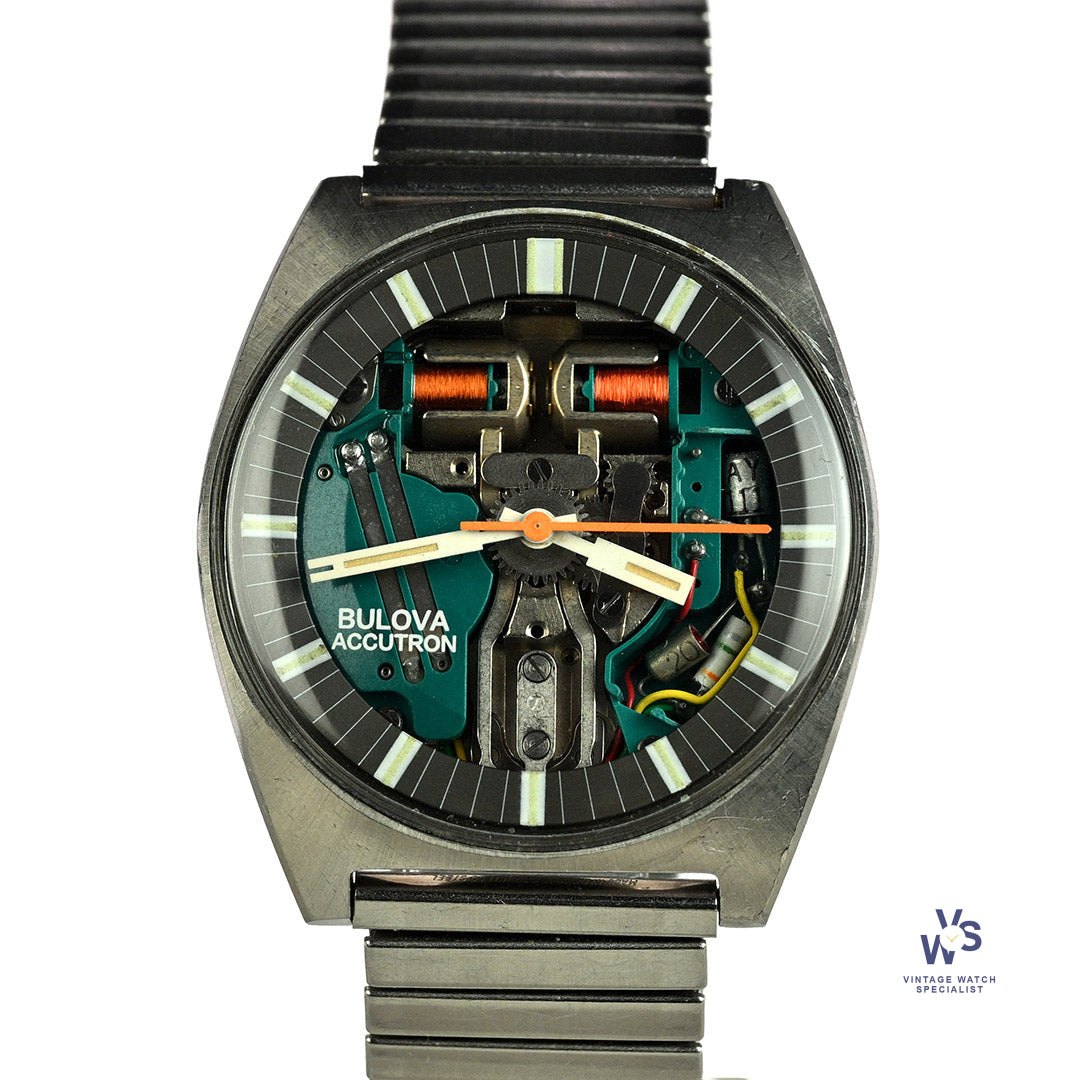
- Regulation: the watch is adjusted on a timing machine and checked in several positions (dial up, dial down, crown up and so on) for rate, amplitude and beat error.
- Casing and testing: dial and hands go back on, the movement is cased with new gaskets, water-resistant watches are pressure-tested, and the watch is usually checked again over several days before it is returned.
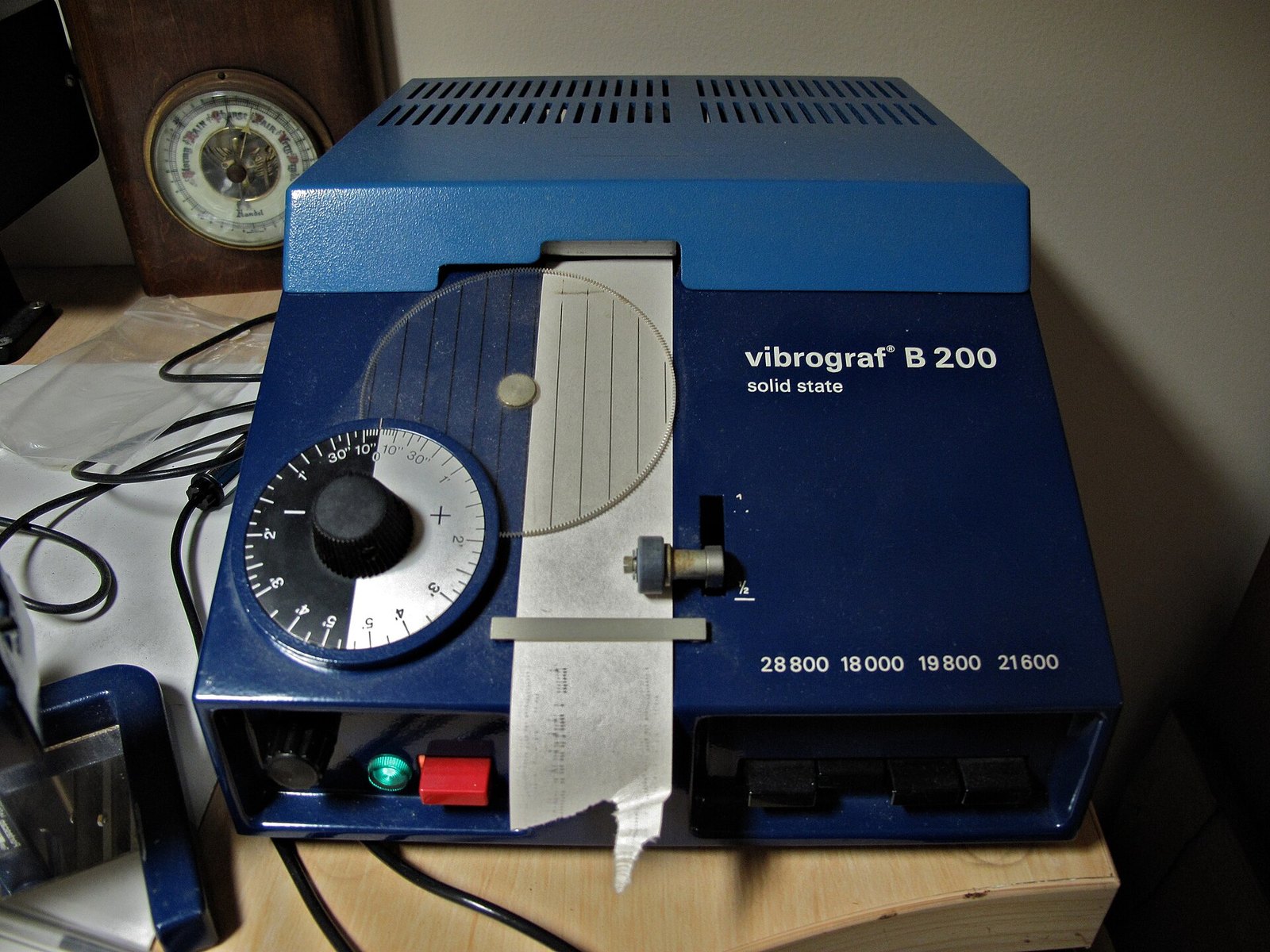
Cases and bracelets may be cleaned, and on request refinished. Refinishing is not part of a service unless you ask for it, and on a vintage watch it is often better left undone, because polishing removes metal and softens the case's edges for good. The lesson on buying a vintage watch explains why collectors value unpolished cases and original dials so highly.
How often?
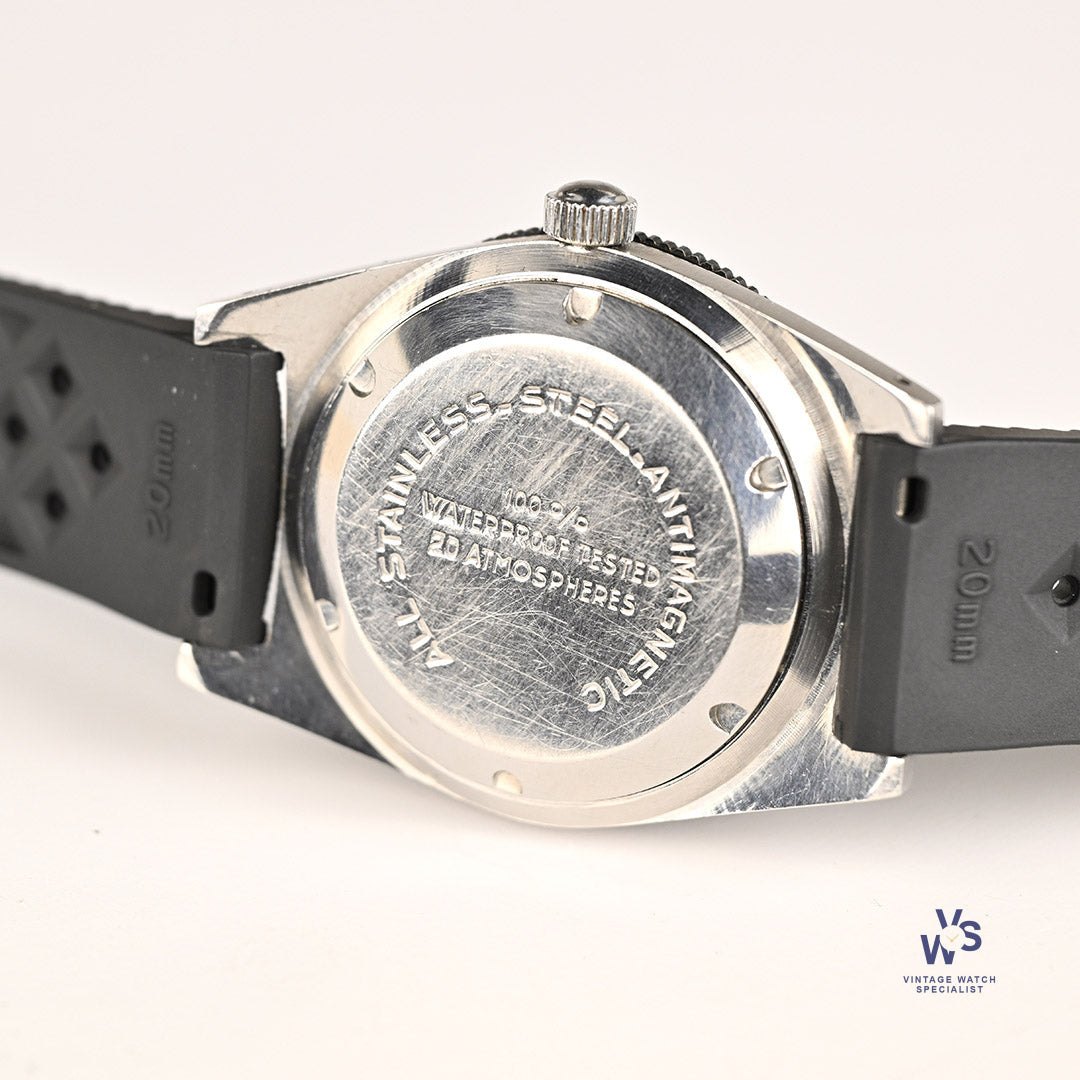
There is no single answer, because watches, lubricants and use differ. The makers' own recommendations for current watches give a useful range. Rolex says it recommends servicing its watches only about every ten years. Omega recommends a complete service every five to eight years at an authorised service centre, and a check of water resistance every year. Older watches made with older lubricants and gaskets generally need attention more often, and a watch whose last service is unknown should be treated as due.
| Timepiece | Typical interval | Why it varies |
|---|---|---|
| Current Rolex | About every 10 years (maker's recommendation) | Modern lubricants and materials; use and environment still matter |
| Current Omega | Every 5–8 years; water resistance checked yearly (maker's recommendation) | Model, movement and how the watch is worn |
| Vintage mechanical watch | More often than a modern watch; ask your watchmaker | Older oils and gaskets, worn parts, scarce spares |
| Quartz watch | Battery when it runs down; a full service far less often | A flat battery left in a watch can leak and damage the movement |
| Spring or weight-driven clock | Clean and lubricate every several years in regular use | Dust, heat, central heating, and the clock's age and condition |
Signs that a service is due
| What you notice | Likely cause | What to do |
|---|---|---|
| Watch suddenly gains minutes a day | Magnetised balance spring (from a phone case, speaker, bag clasp or laptop) | Ask a watchmaker to demagnetise it; it takes seconds |
| Gradually worse timekeeping; stops overnight on a full wind | Dried lubrication, worn parts or a weak mainspring | Full service |
| Condensation or droplets under the crystal | Water has got in | Take it to a watchmaker at once; water rusts steel parts within days |
| Crown feels gritty or loose; winding slips | Wear in the keyless works or a broken mainspring | Stop winding and have it examined |
| Date changes slowly or jams | Worn or dry calendar parts, or the date was set at the wrong hour | Service; meanwhile set the date as described below |
| A clock ticks unevenly or stops after moving | Out of beat or out of level | Use the clock troubleshooter in the tools section, then a clockmaker if it persists |
The marks of past services
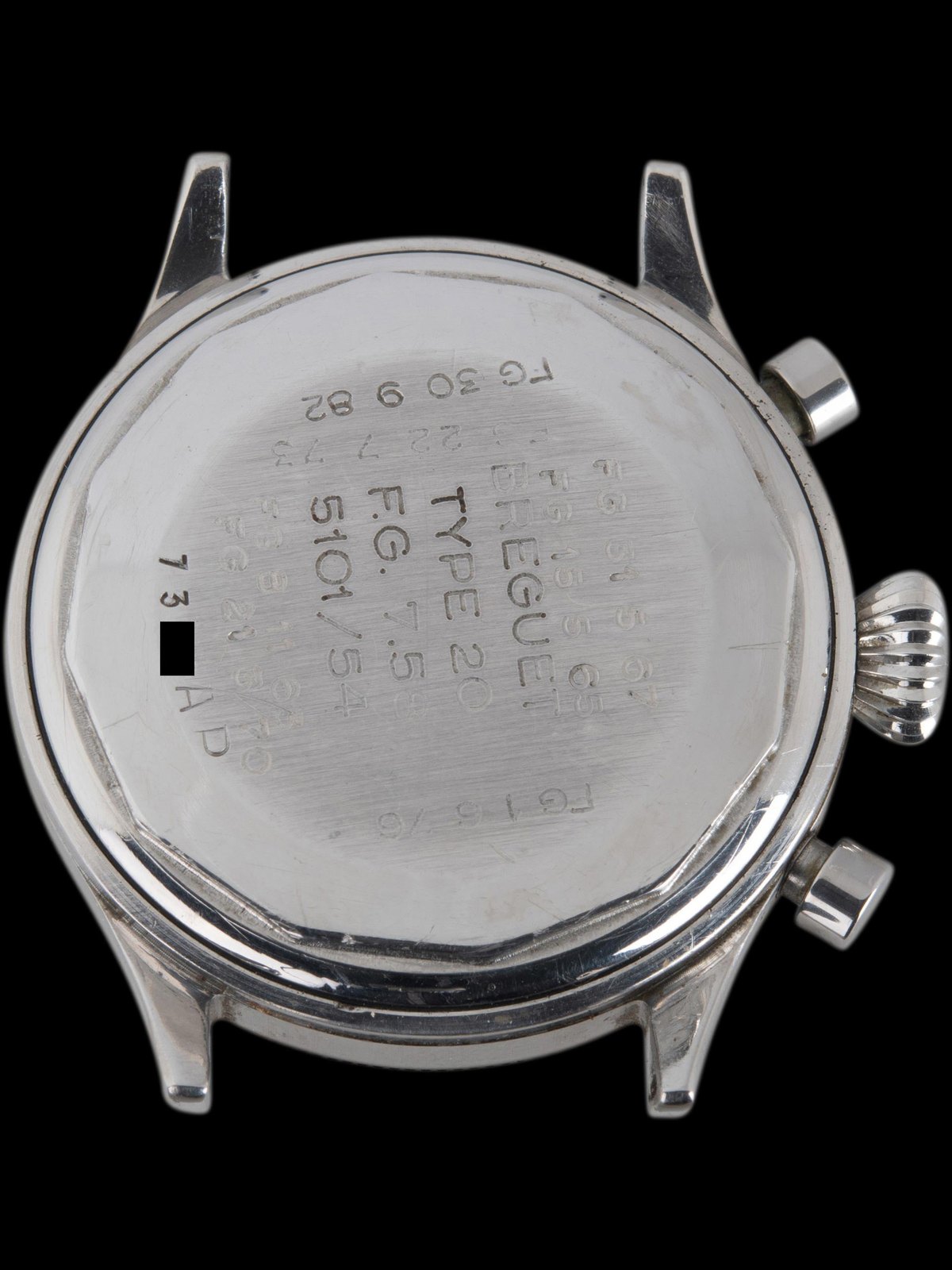
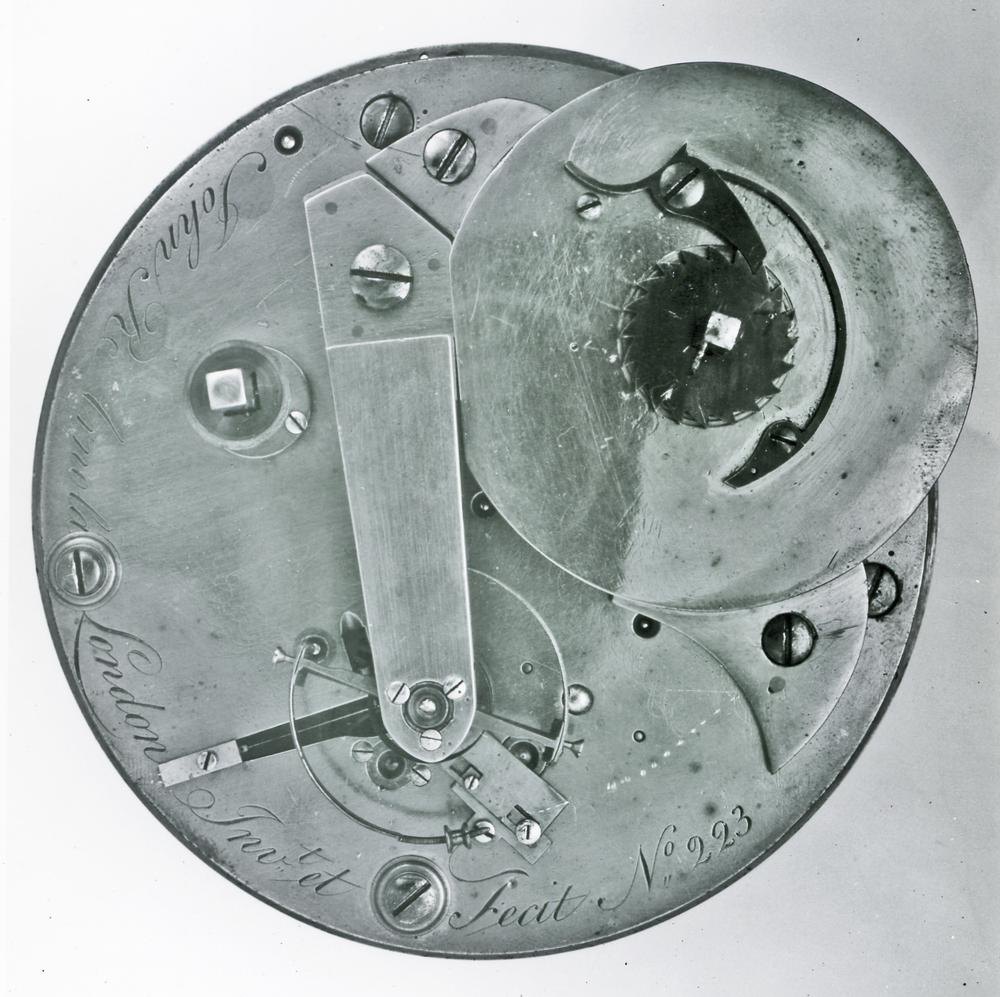
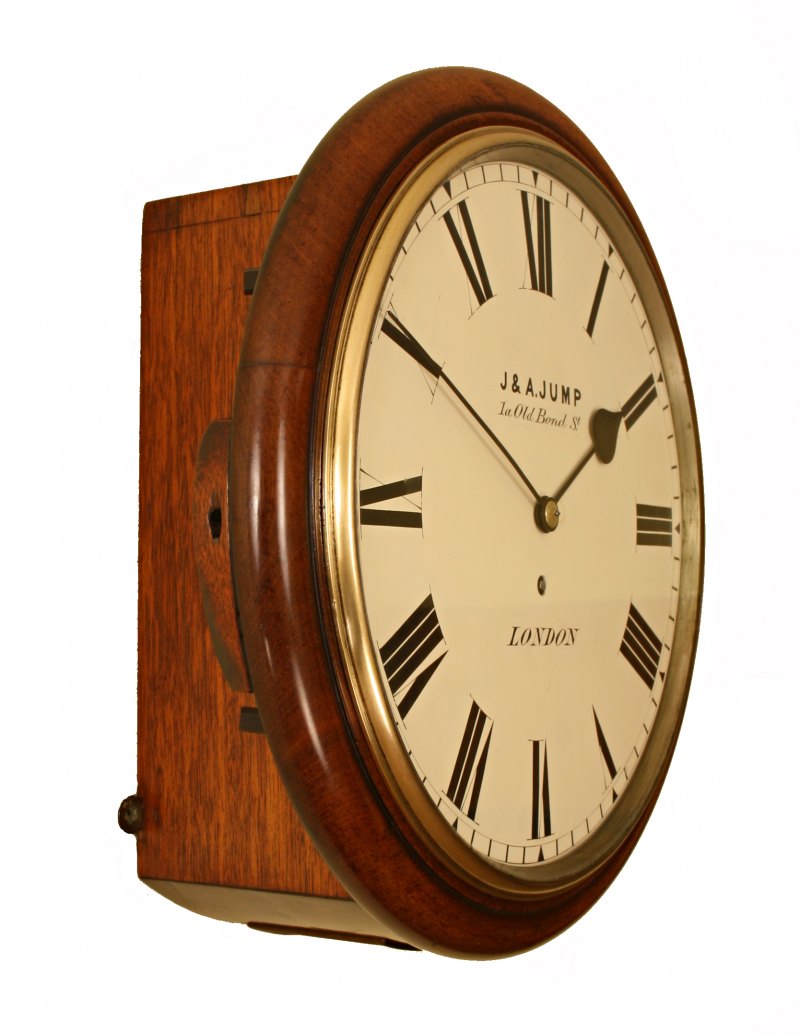
For centuries watchmakers and clockmakers have recorded their work on the object itself, scratching a date, initials or a job number inside a case back or on the back of a dial. These repairers' marks are evidence of an object's history, and collectors and museums record them. Military watches were serviced on a schedule, and their cases often carry the marks of it.
Servicing a vintage watch: protecting what is original
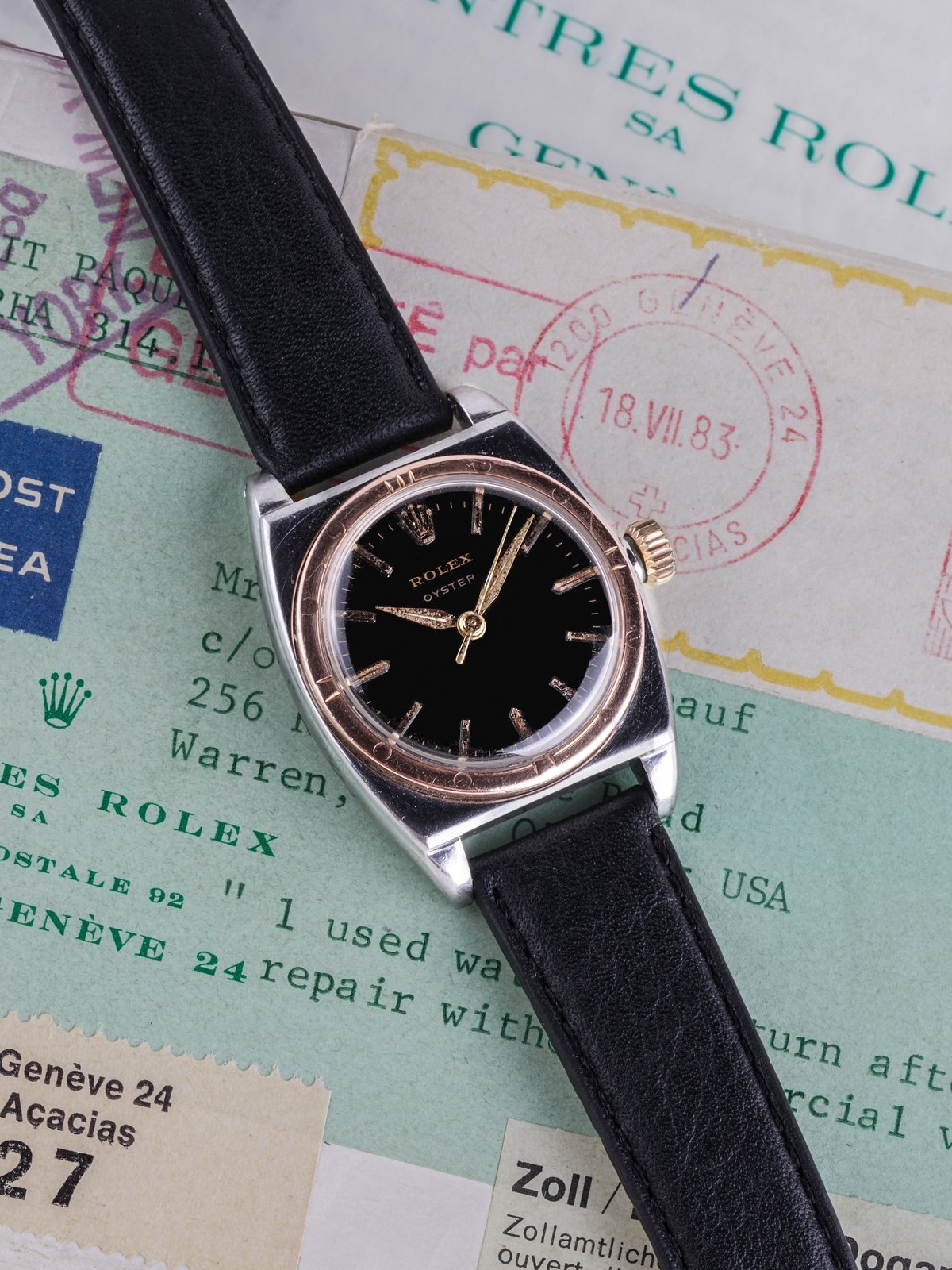
A service centre's first duty is to return a watch that works to the maker's current standard, and that can mean replacing parts that a collector would rather keep: an aged dial or hands, a worn crown, a bezel insert, a scratched crystal. Many makers have also, at times, fitted new 'service' dials and hands as part of an overhaul. Independent specialists are often more willing to keep worn originals. Whoever does the work, it is reasonable to ask for the following in writing.
- A written estimate, listing the parts to be replaced, before work starts.
- No change to the dial, hands, bezel or crown without your agreement, and no polishing of the case.
- All replaced parts returned to you, labelled.
- A guarantee on the work, and the invoice, which becomes part of the watch's history.
- Membership of a professional body, such as the British Horological Institute or the American Watchmakers-Clockmakers Institute, is a useful sign of training; it is not the only one.
Spare parts are the other difficulty. Makers keep parts for their older calibres for a long time, but not for ever, and some watches can only be repaired by having parts made. Even a maker may decline to guarantee its work on a very old watch.
Everyday care of a watch
- Winding: wind a hand-wound watch once a day, at about the same time, gently, until you feel resistance; never force it past the stop. An automatic watch winds itself as you wear it; if it stops, a few turns of the crown restart it.
- Setting the date: on many calendar watches the date-changing parts are engaged for several hours around midnight, often given as roughly 9 p.m. to 3 a.m. Setting the date quickly during that period can damage them, so move the hands to around 6 o'clock first. The instructions for a particular watch take precedence.
- Magnetism: keep watches away from strong magnets, including speakers, magnetic bag and phone-case clasps and some tablet covers. A magnetised watch usually runs fast and is easily cured.
- Shocks: shock protection guards the balance against everyday knocks, not against falls onto a hard floor or hard sports.
- Water: treat any vintage watch as not water-resistant unless it has been pressure-tested since its last service. Never operate the crown or pushers under water, and do not wear a watch in a hot shower or sauna.
- Chemicals and heat: perfumes, solvents and cleaning products can harm straps, gaskets and finishes; extreme heat or cold affects lubricants and timekeeping.
- Storage: a watch that will not be worn for months can be left unwound. Keep it dry, away from heat and sunlight; quartz watches should not be left with a dead battery inside.
Clocks
Clocks are wound on a regular day: thirty-hour clocks every day and eight-day clocks once a week, all trains at the same time. Wind steadily and not too fast, letting the weights rise evenly; on spring clocks, wind each winding square until the key stops turning, without forcing. A clock should stand level and in beat, with an even tick; a clock that has been moved, or a floor that has settled, is the most common reason for one to stop. The lesson on how a grandfather clock works explains how to move a longcase clock safely, and the clock troubleshooter helps to diagnose one that has stopped.
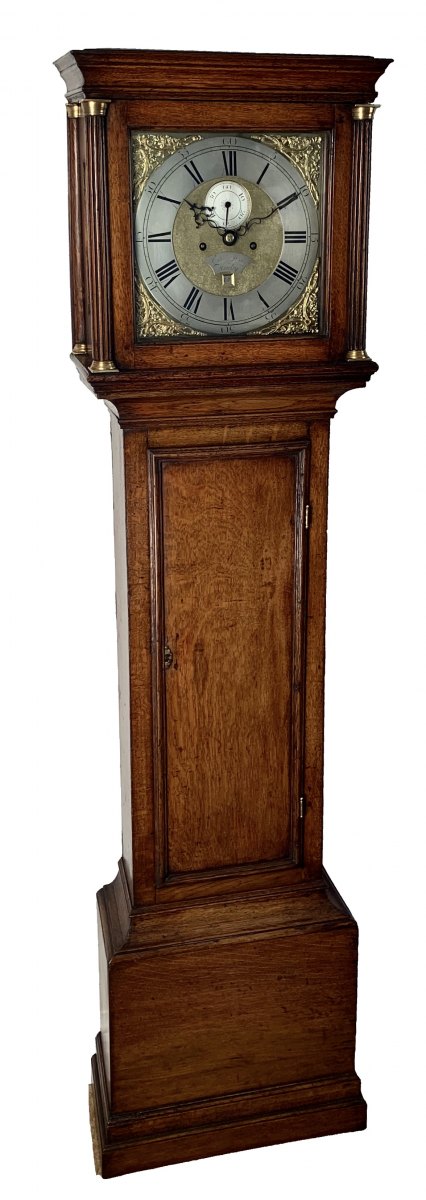
Clocks benefit from cleaning every several years in regular use. Central heating dries lubricants faster, and dust settles in open movements. Oiling a dirty clock without dismantling and cleaning it does more harm than good. Keep clocks away from radiators, fireplaces and direct sunlight, and take care when dusting a case not to knock the pendulum.

In short
Mechanical timepieces need servicing because their lubricants age and their parts wear. A proper service dismantles, cleans, inspects, rebuilds, lubricates and times the movement and tests its seals; makers' recommended intervals run from every few years to about every ten for current watches, and older watches need attention more often. For a vintage watch, agree in writing which original parts must be kept, and ask for any replaced parts back. Day to day, wind gently, set the date away from midnight, keep away from magnets, and keep water away from any watch that has not been tested. Every invoice, repairer's mark and service record becomes part of the object's history.
Practise
Work out amplitude from lift time, and seconds a day from drift, with the calculators →
See it in the collection
Browse wristwatches in the catalogue →
Check your understanding
Lesson quiz
0 of 5 answered