
Beginner · Lesson 9 of 10 · 16 min read
Vintage, neo-vintage or modern? How wristwatches changed in size, materials and movements — and how to choose
Why vintage watches are small, what collectors mean by 'neo-vintage', and how crystals, luminous paint, water resistance and movements changed between the 1930s and today — with case sizes measured across more than two thousand wristwatches in the Atlas catalogue, and practical advice on choosing between an old watch and a new one.
By the end of this lesson you will be able to:
- Explain what collectors usually mean by vintage, neo-vintage and modern
- Describe how men's wristwatch sizes changed from the 1930s to the 2020s
- Recognise period clues: acrylic or sapphire crystal, radium, tritium or modern luminous paint
- Weigh the practical differences of owning a vintage, neo-vintage or modern watch
Put a wristwatch from the 1950s next to one bought last year and the first thing you notice is size. The older watch looks small, thin and delicate; the newer one is broader, thicker and heavier. Look closer and there are other differences: a domed plastic crystal instead of flat sapphire, numerals that glowed with radioactive paint, a case that was never meant to go swimming, a movement that has to be wound by hand. Each of these tells you something about when the watch was made, and each matters if you are choosing whether to wear an old watch or a new one.
This lesson follows those changes decade by decade. It uses the Atlas's own catalogue — thousands of photographed wristwatches from auction archives and dealers, with the case sizes their sources record — to show how sizes really changed, rather than relying on impressions. It ends with a practical comparison of vintage, neo-vintage and modern watches for someone deciding what to buy or wear.
Why vintage watches are small
The wristwatch began as a small object. In the nineteenth century watches worn on the wrist were mostly jewellery for women, while men carried pocket watches; men's wristwatches spread in the years around the First World War, when soldiers and airmen needed to read the time without reaching into a pocket. The first generations of men's wristwatches used small movements and modest cases, and for decades a wristwatch was expected to be discreet.
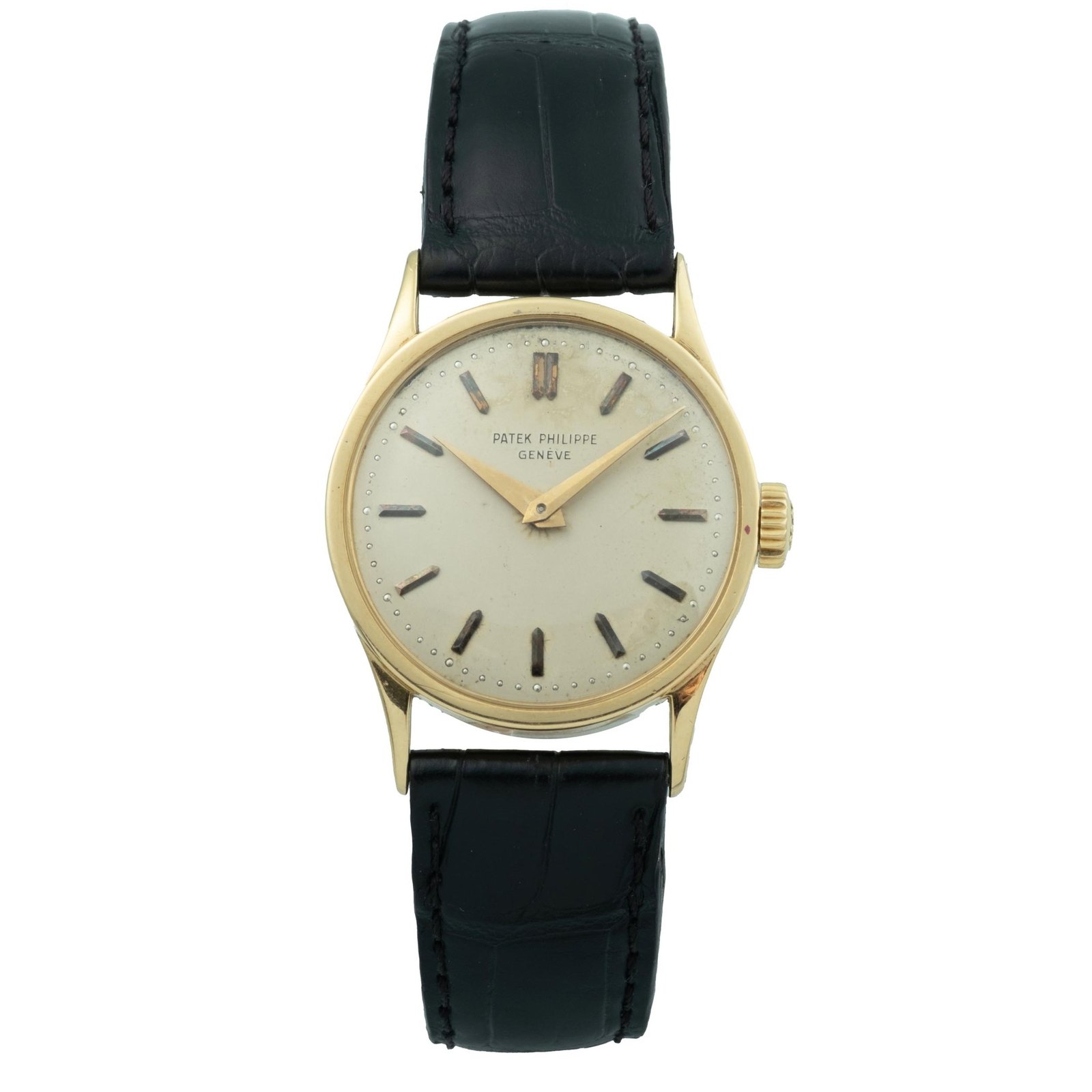
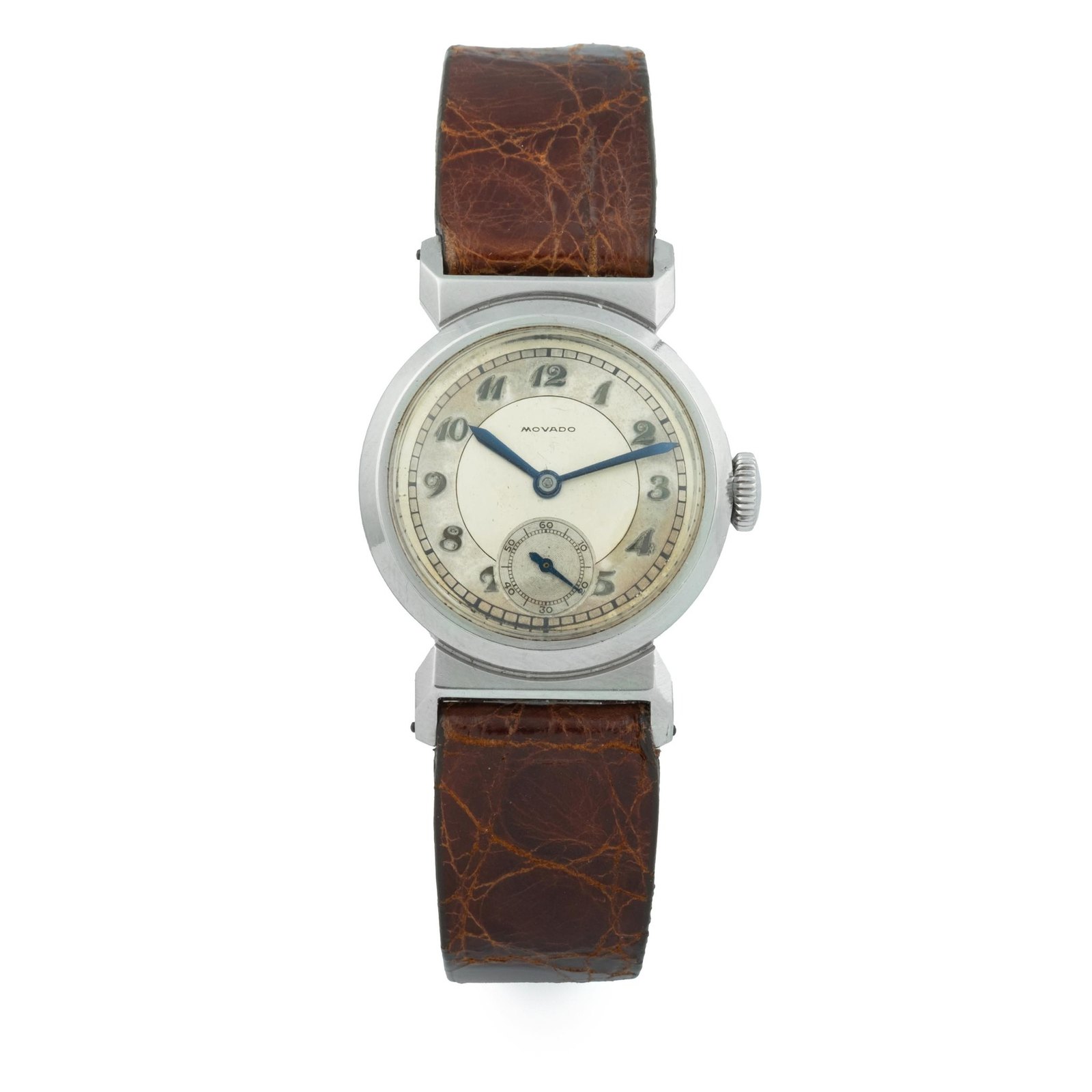
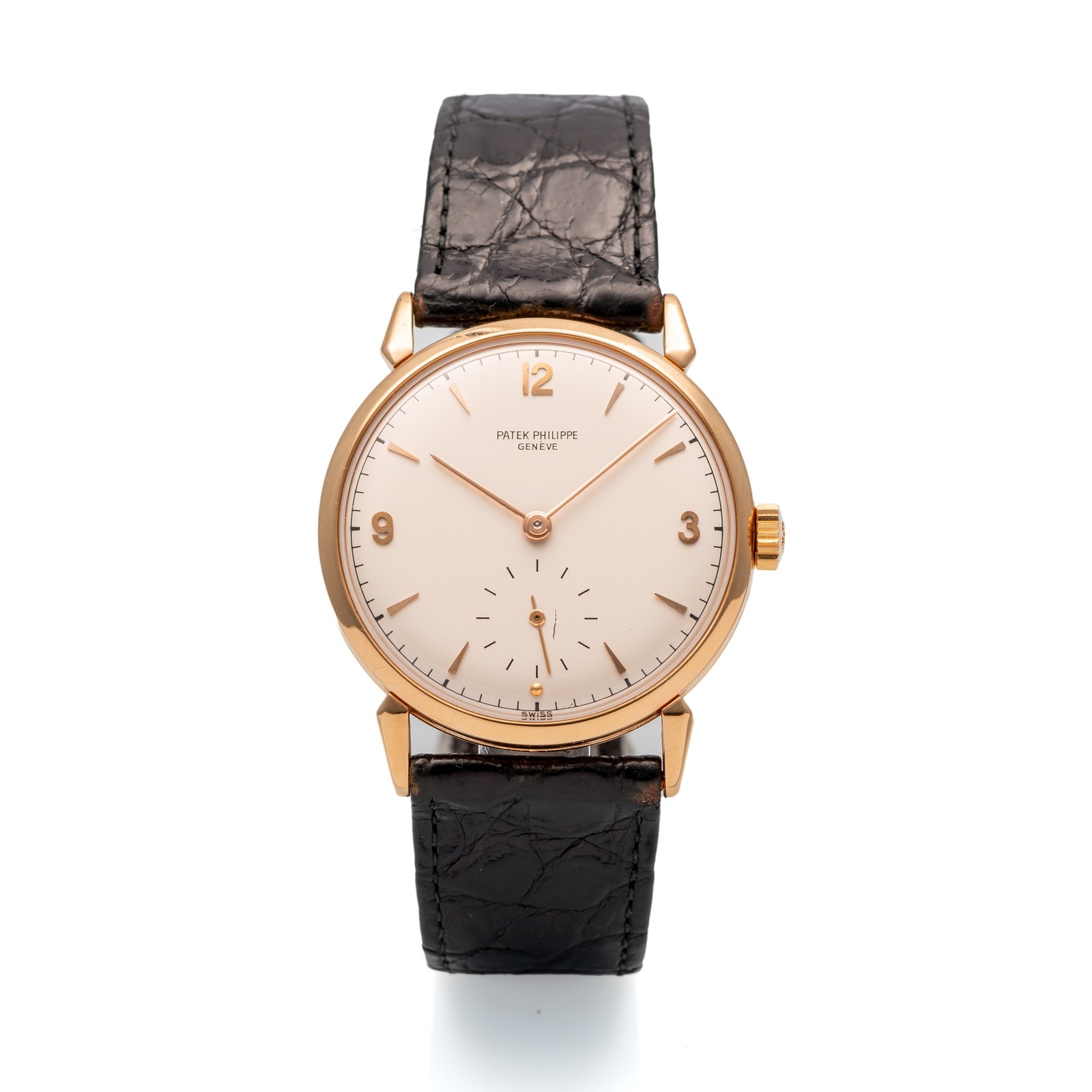
- Dress: a watch was meant to slip under a shirt cuff. Thin, round cases of 30 to 36 mm suited jackets and cuffs; a large watch looked like a tool, not an accessory.
- Movements: a wristwatch movement had to be small to fit a slim case. Making a reliable small movement was itself a mark of quality, and makers did not enlarge cases to impress.
- Materials: many good watches had gold cases, and a larger gold case cost noticeably more.
- Taste: proportions that look small today looked normal or even generous then. In the 1950s a 35 mm Patek Philippe could be called 'large'.
What the catalogue shows: case sizes by decade
The Atlas holds thousands of wristwatches whose auction or dealer records state the case diameter. Grouping those dated to within a few years by decade, and leaving out watches described as ladies' models, gives the figures below. The median is the middle value: half the watches of that decade are smaller, half larger. The 'middle half' column shows the range covered by the central fifty per cent.
| Decade | Watches measured | Median diameter | Middle half of the range |
|---|---|---|---|
| 1930s | 47 | 35 mm | 29–38 mm |
| 1940s | 152 | 35 mm | 33–37 mm |
| 1950s | 258 | 35 mm | 34–37 mm |
| 1960s | 390 | 36 mm | 35–38 mm |
| 1970s | 386 | 38 mm | 35–42 mm |
| 1980s | 169 | 34 mm | 29.5–39 mm |
| 1990s | 287 | 36 mm | 33–38 mm |
| 2000s | 292 | 38.5 mm | 35–42 mm |
| 2010s | 282 | 41 mm | 38.9–44 mm |
| 2020s | 124 | 40.2 mm | 38.5–42 mm |
Three things stand out. From the 1930s to the 1960s the typical man's watch hardly changed, at about 35 to 36 mm. The 1970s brought a burst of large sports and chronograph watches. And from the 2000s the median climbs, reaching about 40 to 41 mm in the 2010s and 2020s, the largest of any period. The dip in the 1980s probably reflects the many thin dress watches and smaller quartz watches of that decade in the sample.
The 1970s: bigger, bolder, automatic
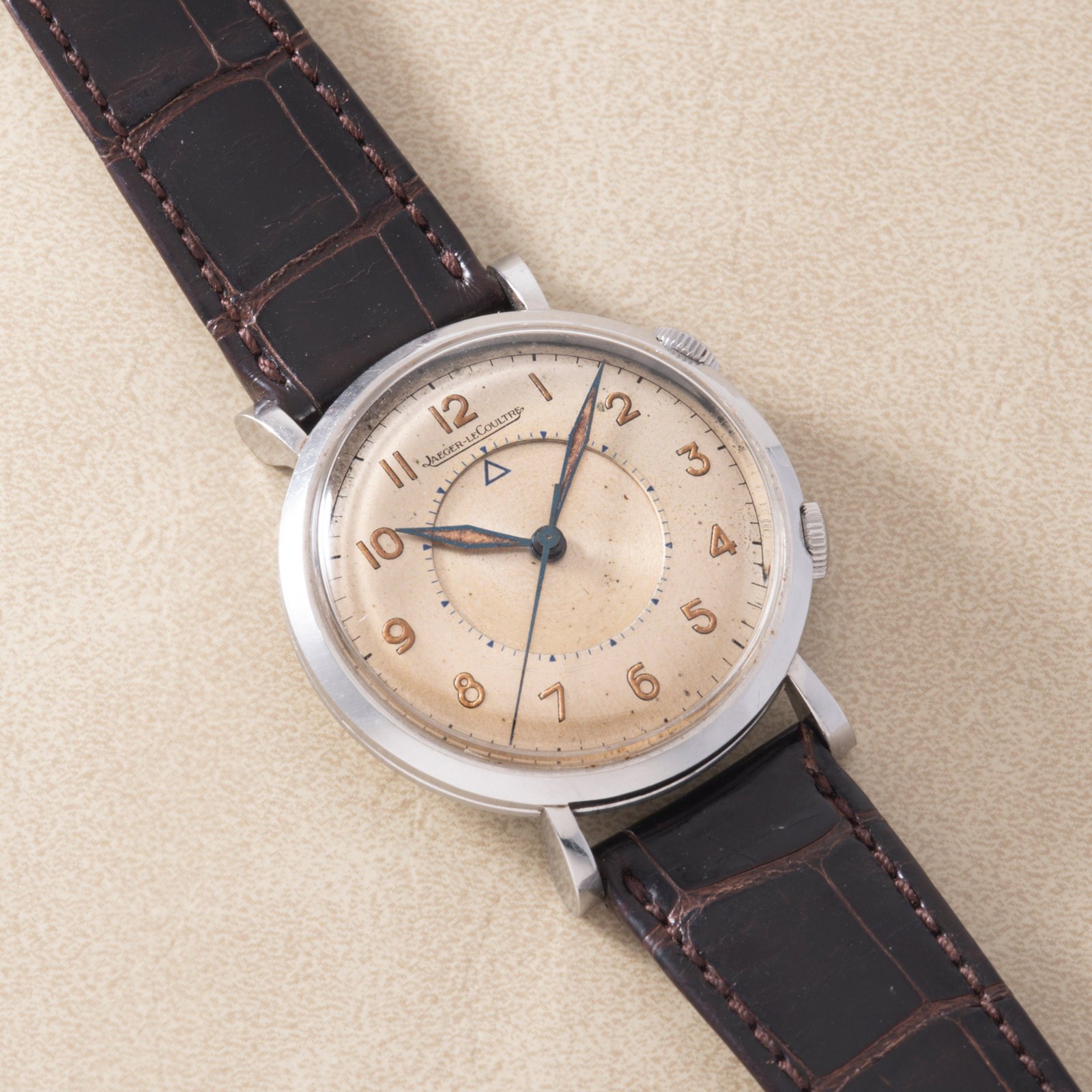
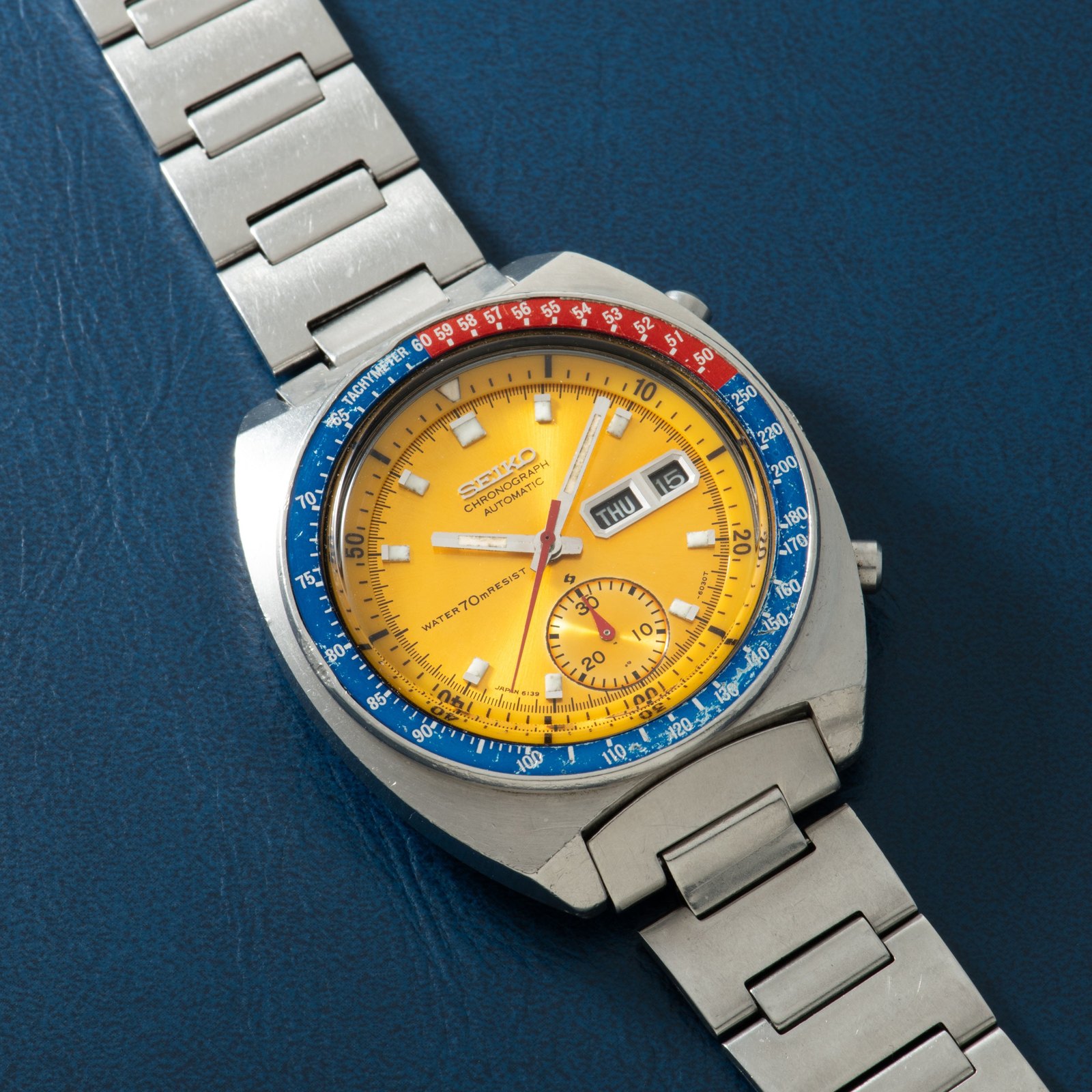
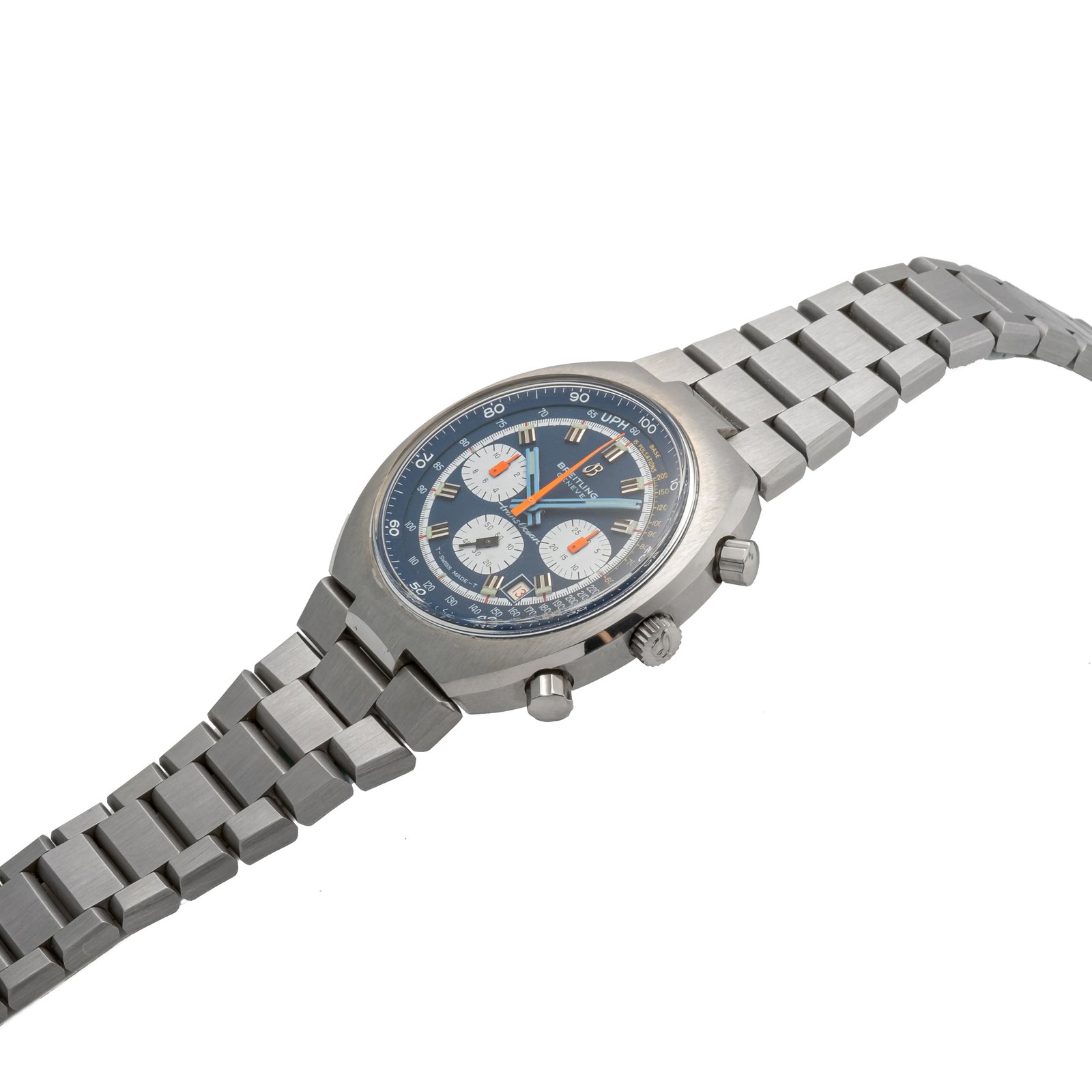
In 1969 the first automatic chronographs reached the market, from Zenith, from a group of Swiss firms including Heuer and Breitling with their jointly developed Calibre 11, and from Seiko. These and the diving and racing watches of the following years were large, cushion-shaped and colourful, built for sport and fashion rather than the cuff. The same years saw the arrival of the quartz wristwatch, which within a decade would transform the industry; the lesson on mechanical and quartz watches tells that story.
The neo-vintage years: 1980s to early 2000s
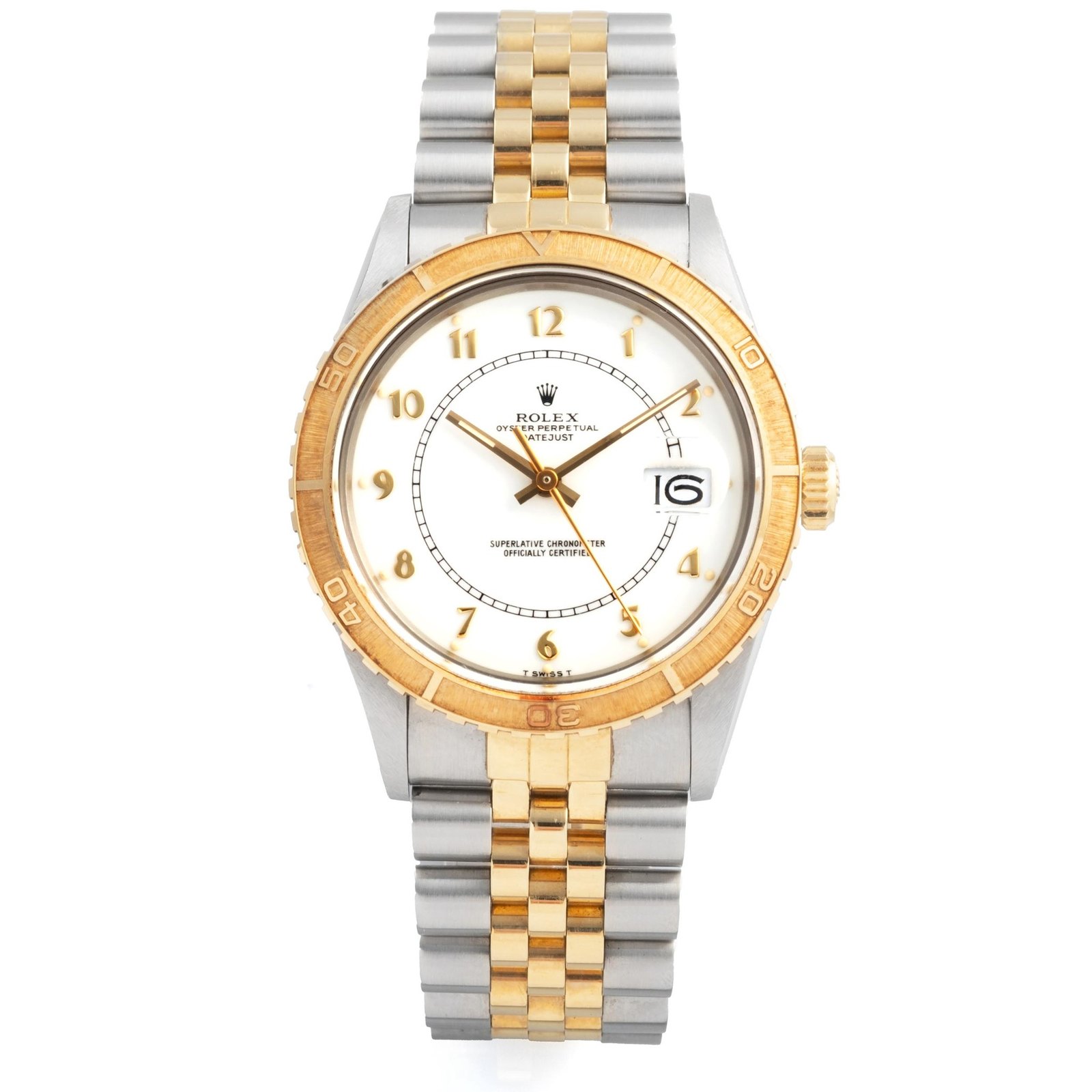
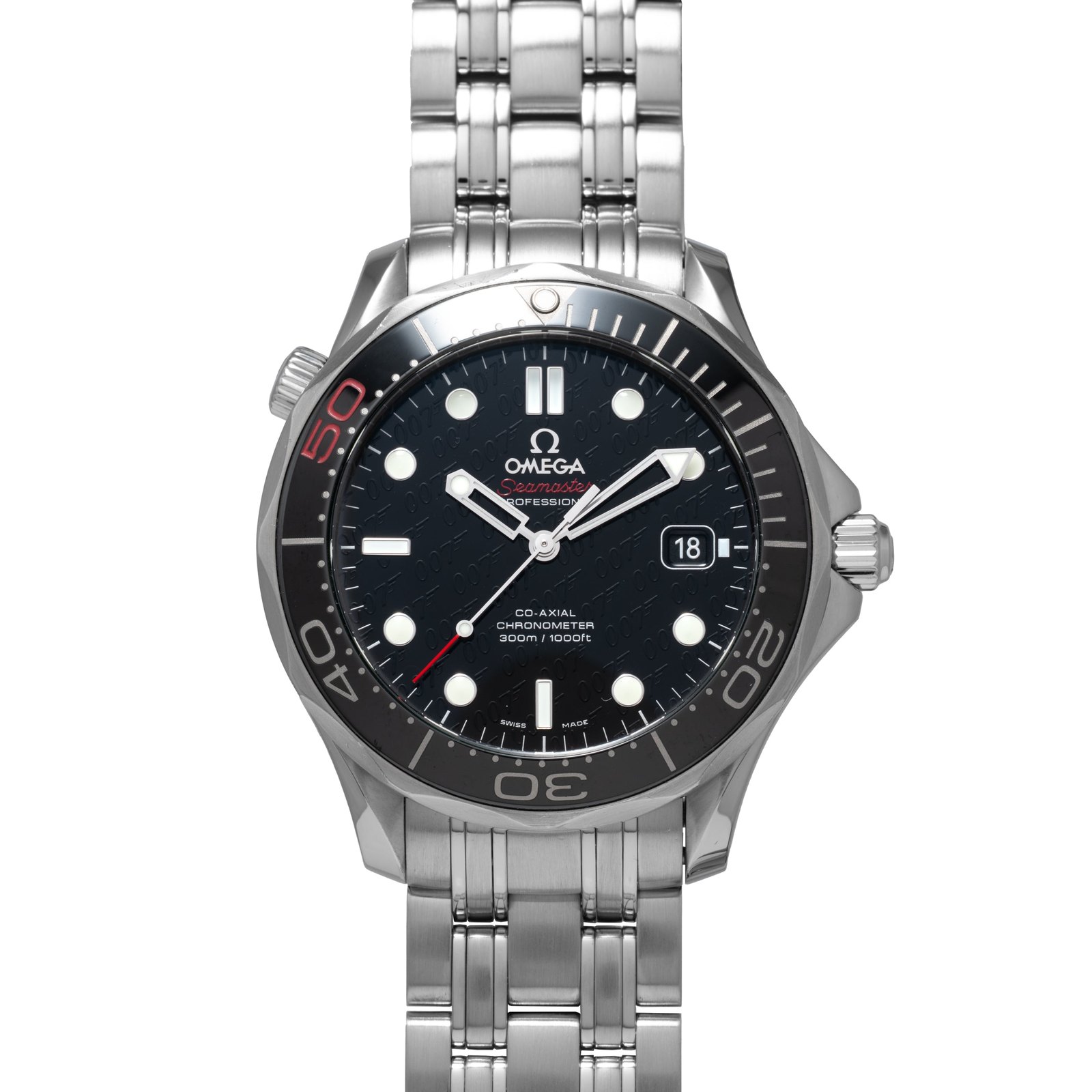
After the upheaval of the quartz years, the surviving Swiss and Japanese makers rebuilt their ranges. Watches of this period often combine features that now look modern — sapphire crystals, screw-down crowns, quick-set dates, reliable automatic movements — with sizes and proportions closer to the older tradition, usually 34 to 38 mm for a man's watch. Many were made in large numbers, so they are more affordable than the most famous vintage pieces, and their parts are still widely available. That is much of the appeal of 'neo-vintage'.
The 2000s onwards: the large watch
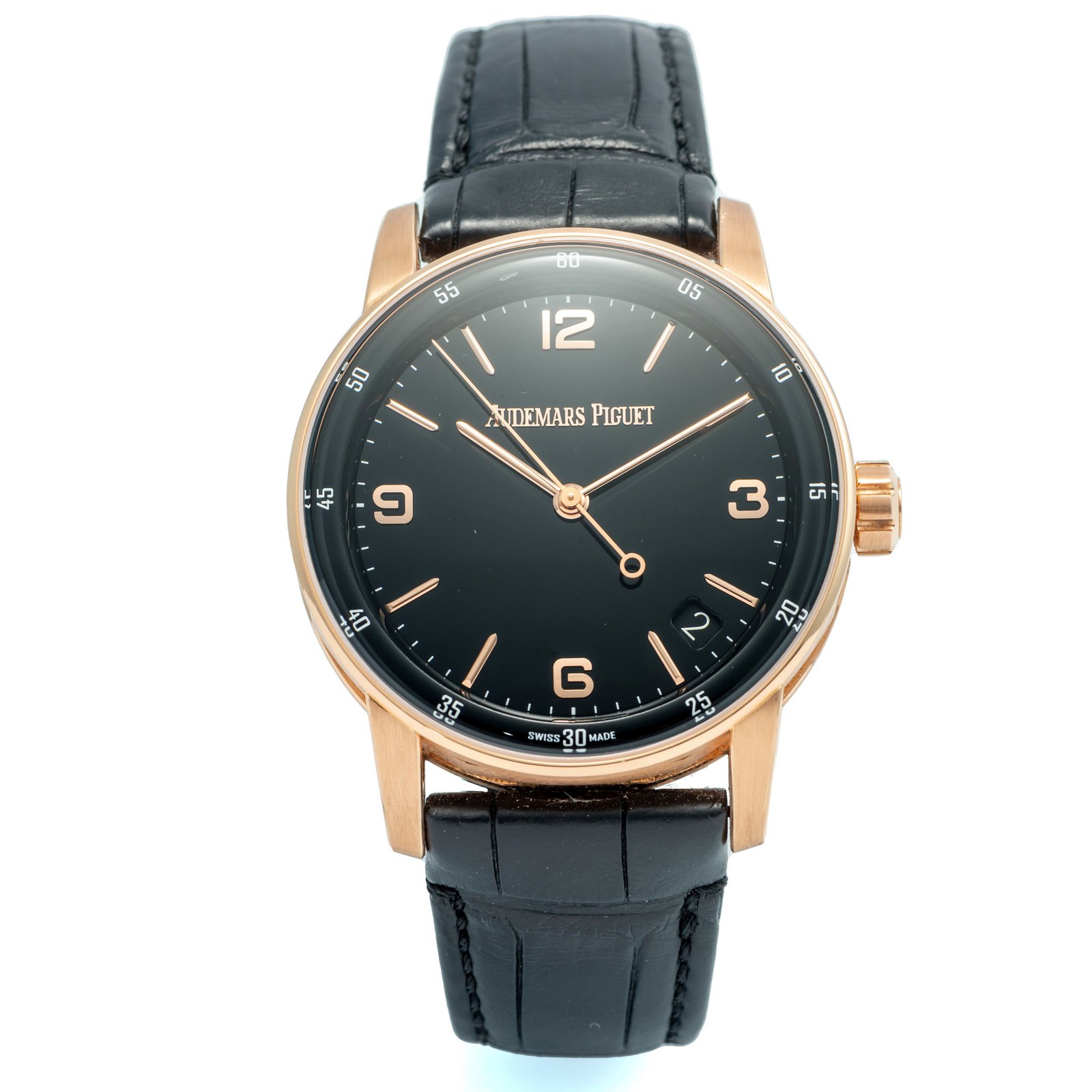
From the late 1990s a fashion for large sports watches spread through the industry, and by the 2010s 40 to 42 mm had become an ordinary size for a man's watch, with many larger. Cases also became thicker, with exhibition backs showing the movement, heavier bracelets and higher water resistance. In the last few years some makers have reintroduced smaller sizes, often as versions of their own historical models.
Period clues: crystal, luminous paint, water resistance
Size is only one clue to a watch's age. Three others are easy to see and tell you a good deal about how a watch should be treated.
| Feature | Earlier | Later | What to look for |
|---|---|---|---|
| Crystal | Acrylic (plastic), usually domed; scratches easily but can be polished | Synthetic sapphire, usually flat; very scratch-resistant, spread among better watches from the late 1970s and 1980s | Acrylic shows fine scratches and a soft reflection; sapphire is crisp and cold to the touch |
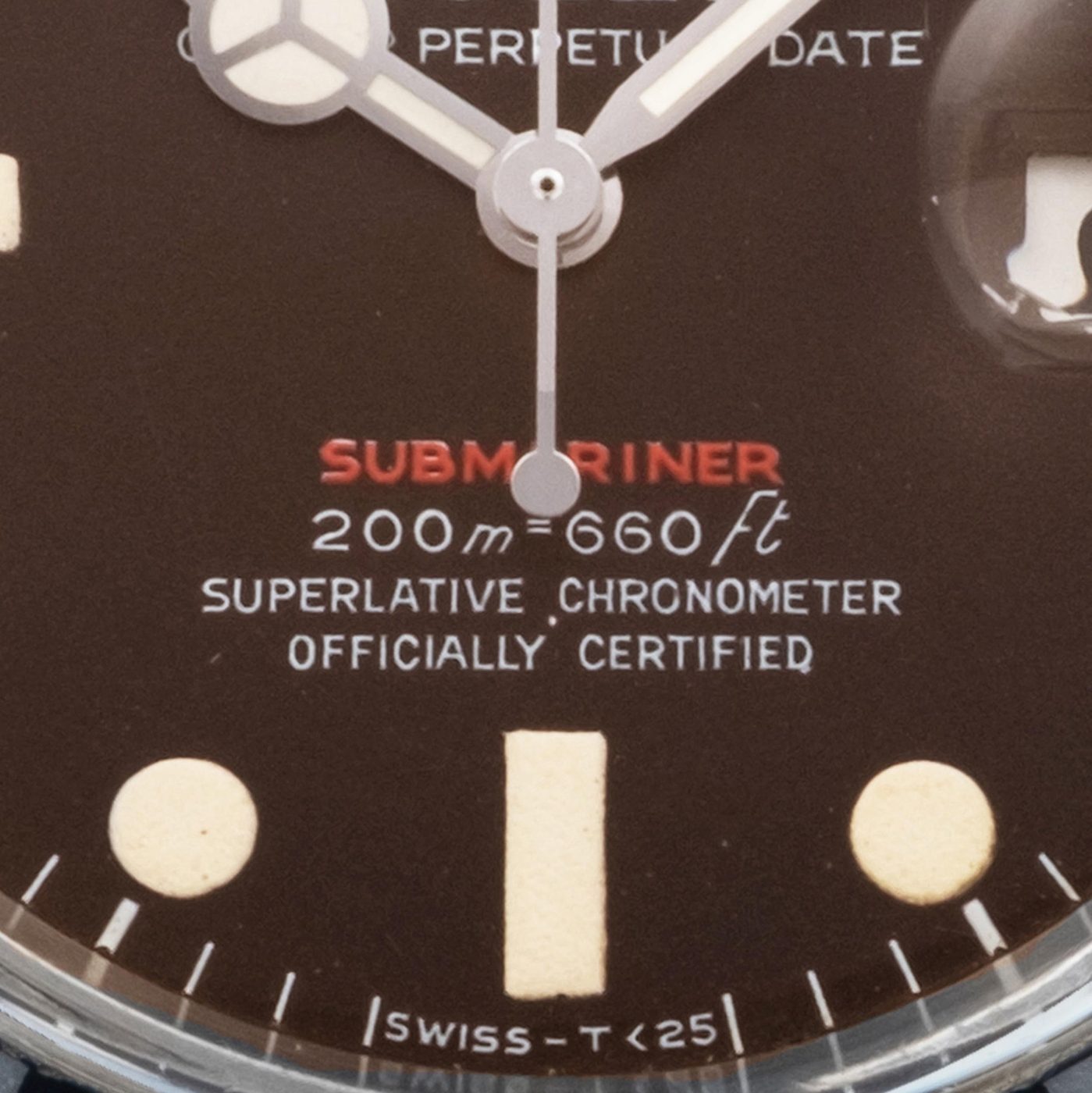
| Luminous paint | Radium paint until about the 1960s | Tritium from about the 1960s to the late 1990s; then non-radioactive photoluminescent pigments (LumiNova, Super-LumiNova) | Dials marked 'T', 'T Swiss T' or 'T<25' used tritium; 'Swiss Made' alone on a later dial usually means modern pigment |
| Water resistance | Few gaskets; many watches were not sealed at all | Screw-down crowns and backs, tested gaskets | Treat any vintage watch as not water-resistant until it has been pressure-tested |
| Movement | Hand-wound; automatics common from the 1950s | Automatic and quartz; long power reserves | A hand-wound watch must be wound daily; that is part of its character |
| Case back | Solid, often snap-on | Screw-down; often a glass display back from the 1990s | A display back on a watch said to be from the 1950s is unusual and worth questioning |
Vintage, neo-vintage or modern: how to choose
| Vintage (before about 1980) | Neo-vintage (about 1980–2005) | Modern | |
|---|---|---|---|
| Size and feel | Small, thin and light; suits slim wrists and cuffs | Mid-sized; often a good compromise | Larger and heavier; widest choice of sizes now |
| Daily use | Needs care: little water resistance, softer crystals, older shock protection | Mostly robust, with sapphire crystals and better seals | Robust, water-resistant, often anti-magnetic |
| Servicing and parts | Can be slow and costly; some parts must be made or found | Usually serviceable by the maker or independent watchmakers | Maker's service network and warranty |
| Originality risk | High: redials, replaced hands and parts are common | Moderate: service replacement dials and hands are common | Low; box and papers expected |
| Character | Patina, history and period design | Modern reliability with older proportions | The latest materials and movements |
- Measure your own watch, or a friend's that suits you, before buying: diameter across the case without the crown, lug-to-lug length, thickness, and the width between the lugs for straps. Lug-to-lug length often decides whether a watch fits better than diameter does.
- Try sizes on. A 36 mm vintage watch can look larger than expected because of a wide dial and short lugs, and a 40 mm modern watch can wear small with a thick bezel.
- For a vintage watch, ask how recently it was serviced, whether dial and hands are original, and whether it has been pressure-tested; buy from a seller who guarantees it.
- For a neo-vintage watch, ask whether a maker's service has replaced the original dial or hands; some buyers prefer the originals, and they should be returned with the watch.
- For any watch, decide what you will use it for. A watch to wear every day, swim with and forget is a different choice from one to wear on occasion and enjoy for its history.
In short
Vintage watches are small because they were made for a world of shirt cuffs, small movements and discreet taste; the typical man's watch in the Atlas catalogue stayed at about 35 to 36 mm from the 1930s to the 1960s and only reached about 40 mm in this century. Crystals, luminous paint, seals and movements changed in the same decades, and each change is a clue to a watch's age and a guide to how it should be worn. Neither old nor new is better in itself: the right choice depends on the wrist, the use and the pleasure you want from it.
Practise
Place your own watch's size by decade with the sizes tool →
See it in the collection
Browse the catalogue's wristwatches →
Check your understanding
Lesson quiz
0 of 5 answered