
Encyclopedia · Movements
Movement & calibre database
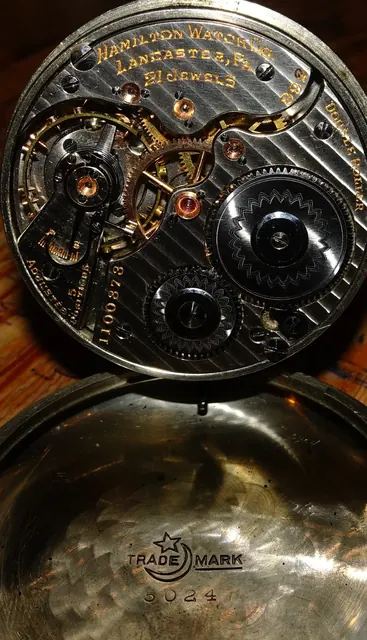
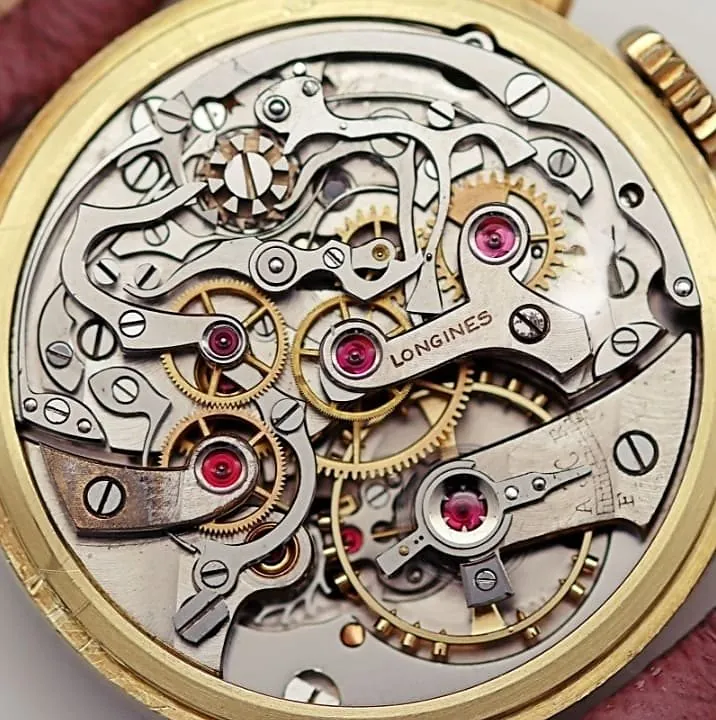
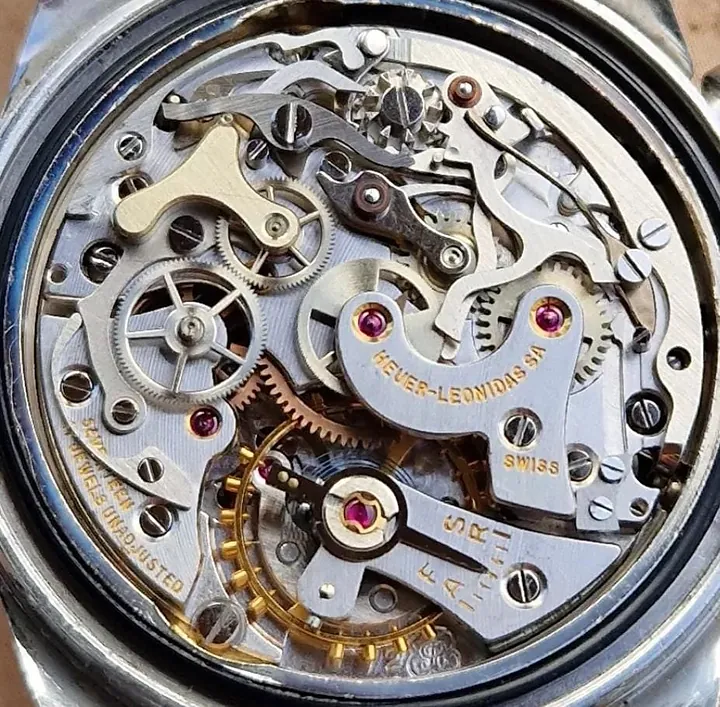
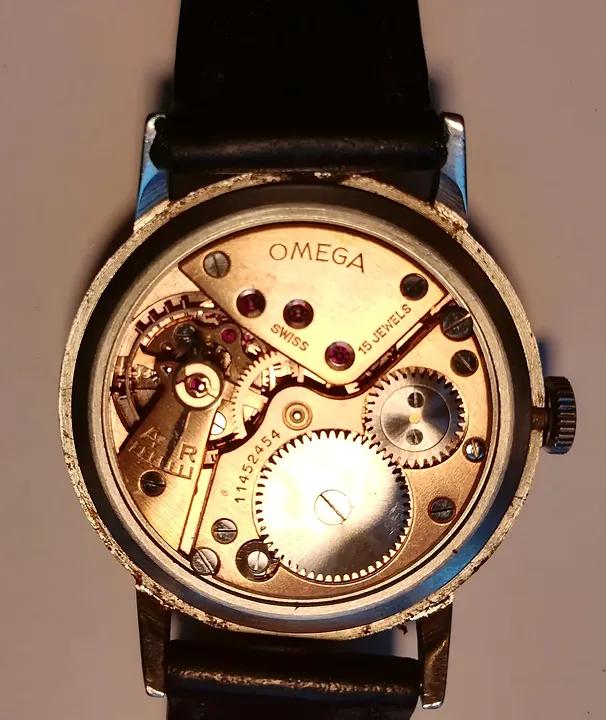
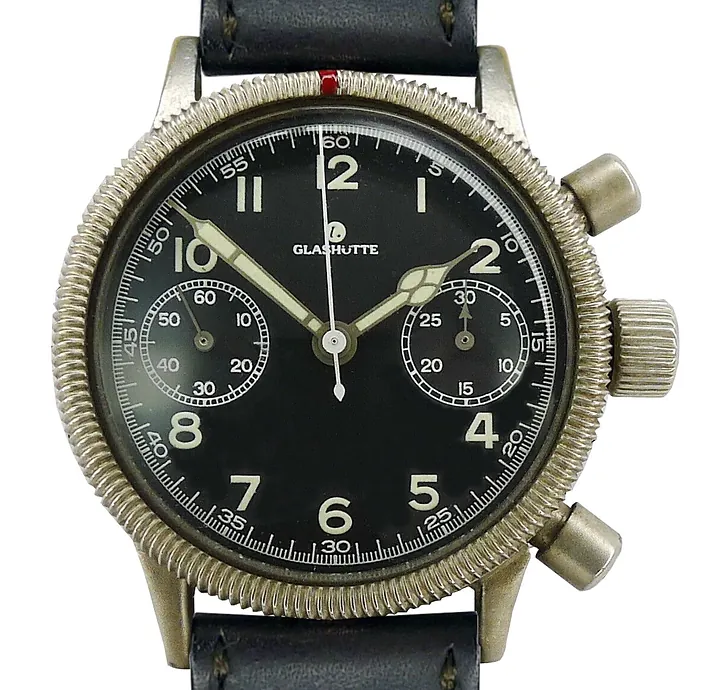
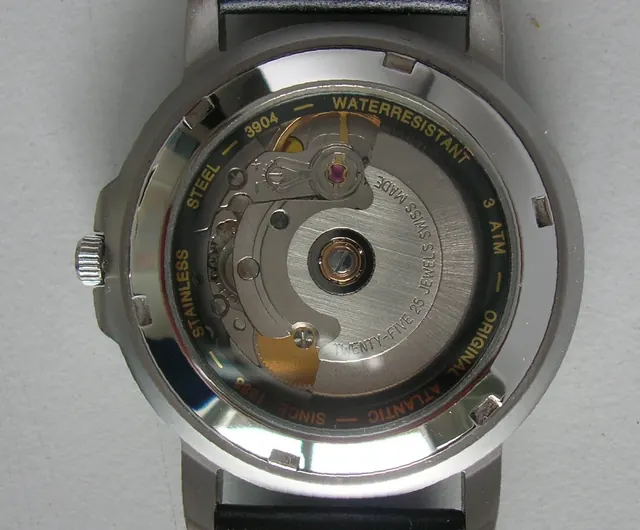
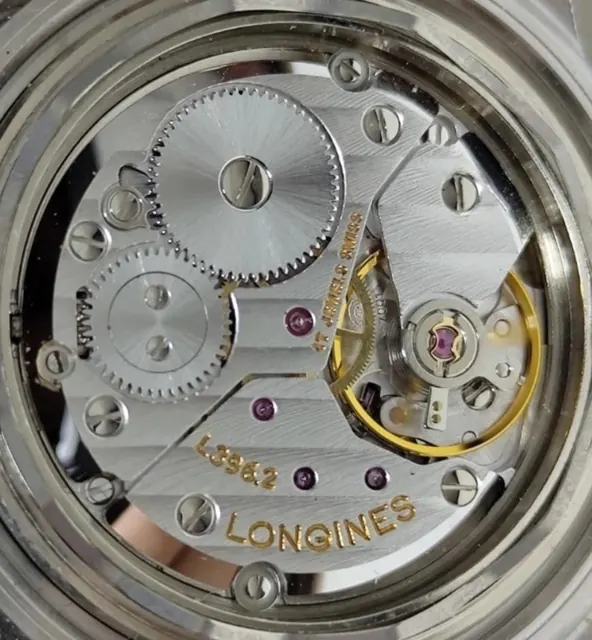
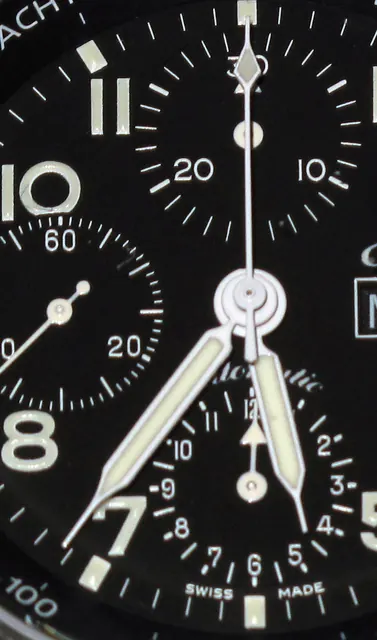
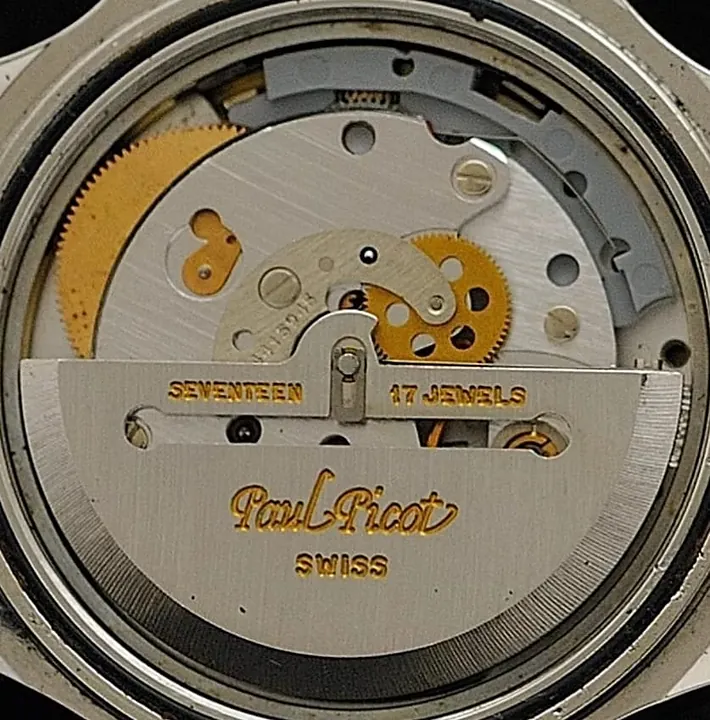
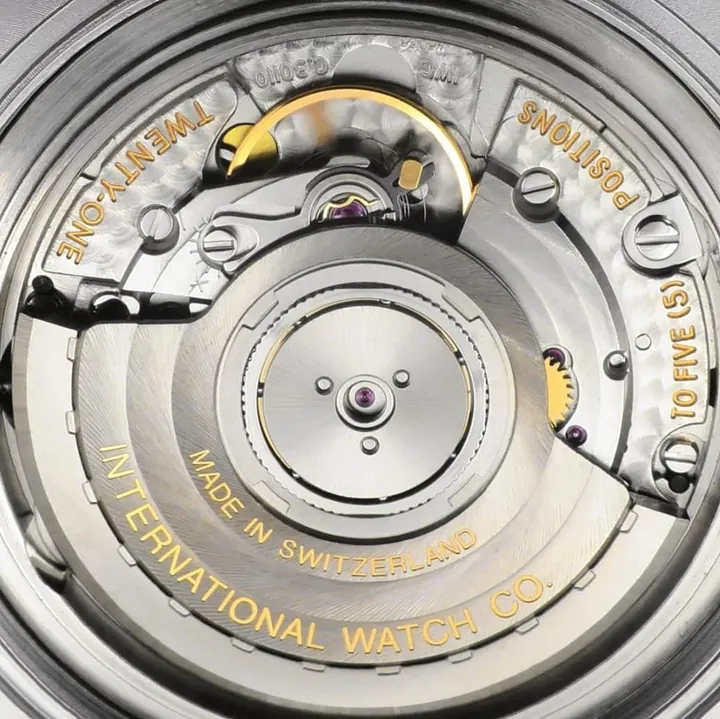
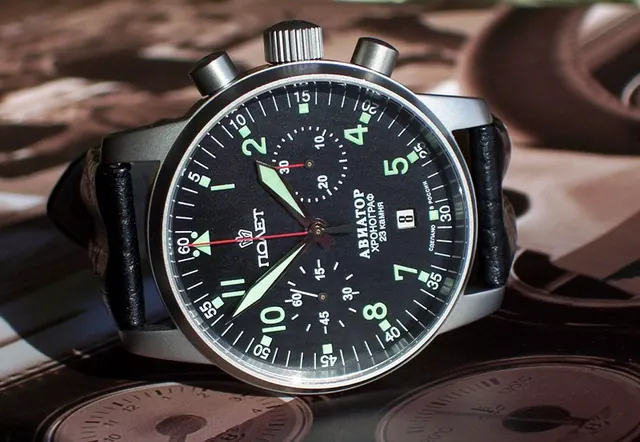
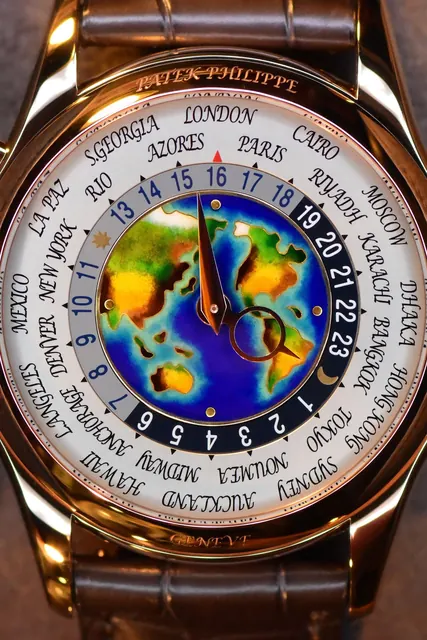
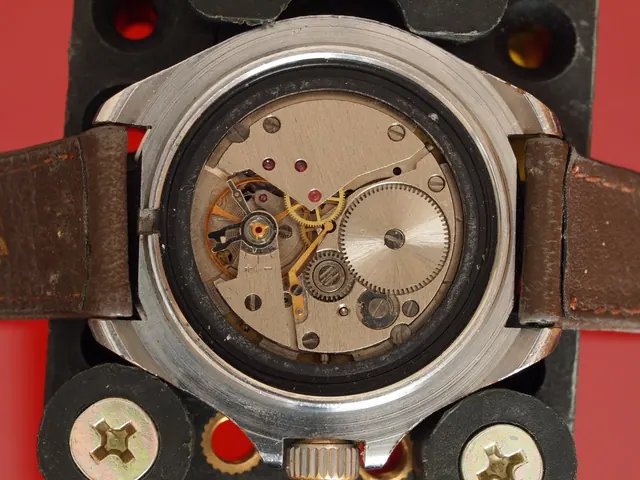
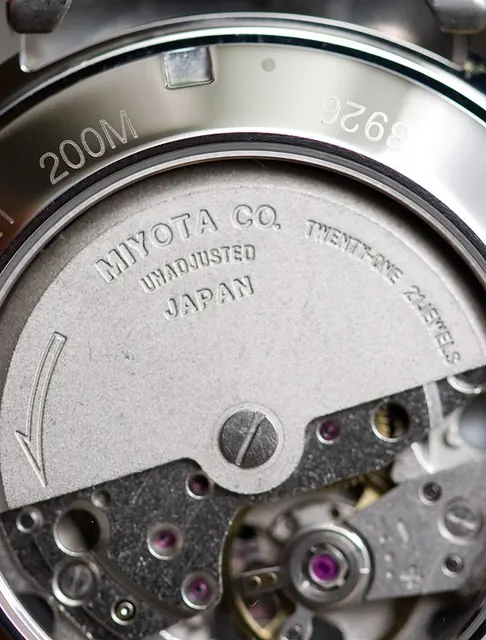
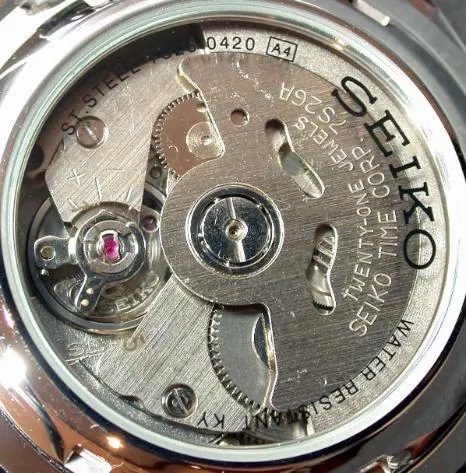
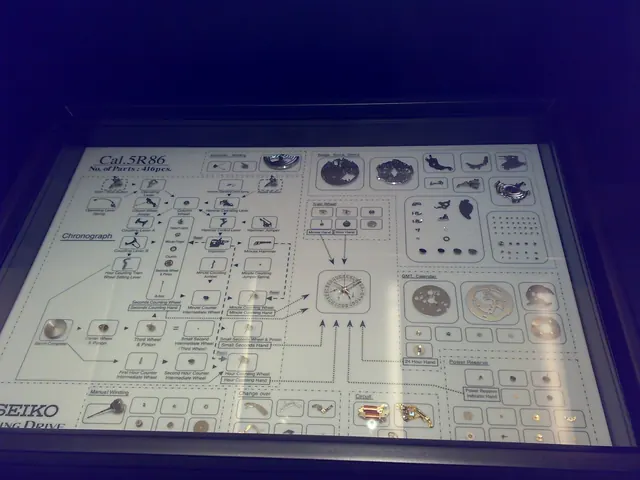
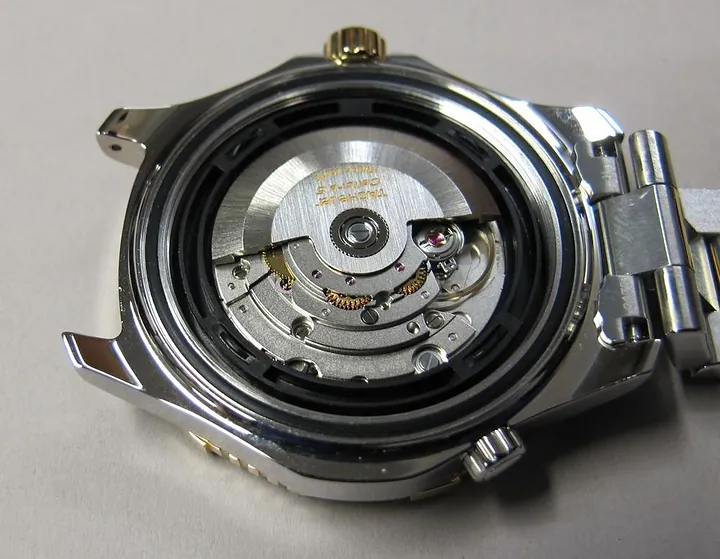
Side-by-side comparison
| Specification | Sellita SW200-1 | ETA 2824-2 |
|---|---|---|
| Manufacturer | Sellita | ETA (Swatch Group) |
| Type | Automatic | Automatic |
| Winding | Automatic (bidirectional rotor), hand-winding, hacking | Automatic (bidirectional rotor), hand-winding, hacking |
| Production | 2000s–present | 1971 (2824), 2824-2 revision later |
| Country | Switzerland | Switzerland |
| Diameter | 25.6 mm (11½ lignes) | 25.6 mm (11½ lignes) |
| Height | 4.6 mm | 4.6 mm |
| Jewels | 26 | 25 |
| Frequency | 28,800 vph (4 Hz) | 28,800 vph (4 Hz) |
| Power reserve | c. 38–41 h | c. 38 h (longer in later versions) |
| Complications | Date | Date |
| Status | Documented | Documented |
Guide
How to identify the movement in your watch
The movement is the part of a watch that keeps time, and its calibre is the maker's name for one design of movement. Knowing the calibre tells you more about a watch than the name on the dial: it dates the watch to a production window, shows whether parts are still available, and reveals when a famous brand used a movement bought from a specialist maker.
1. Read the marks on the movement
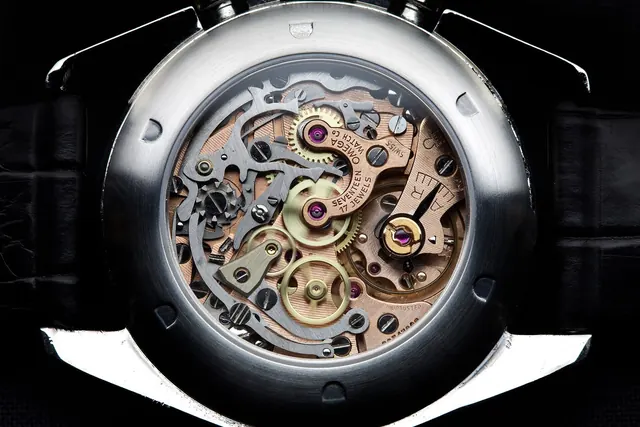
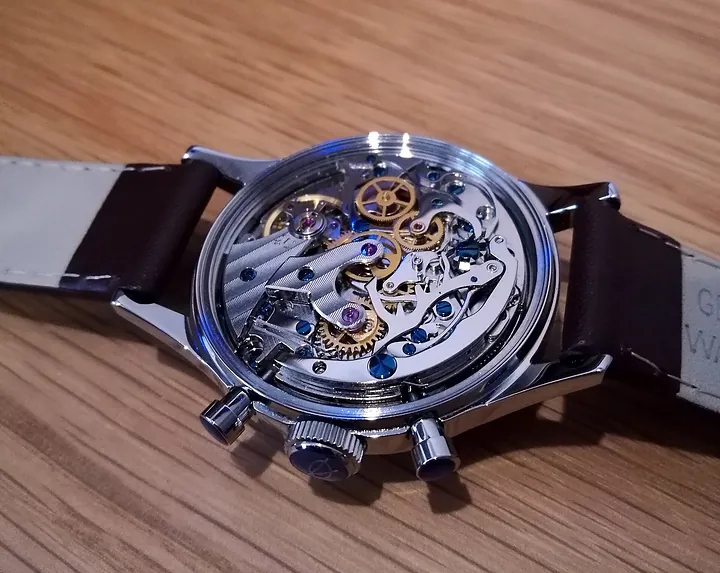
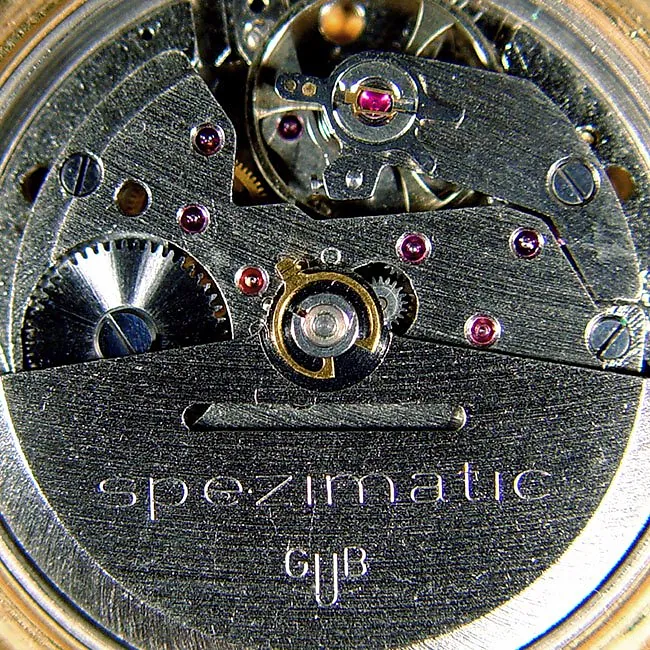
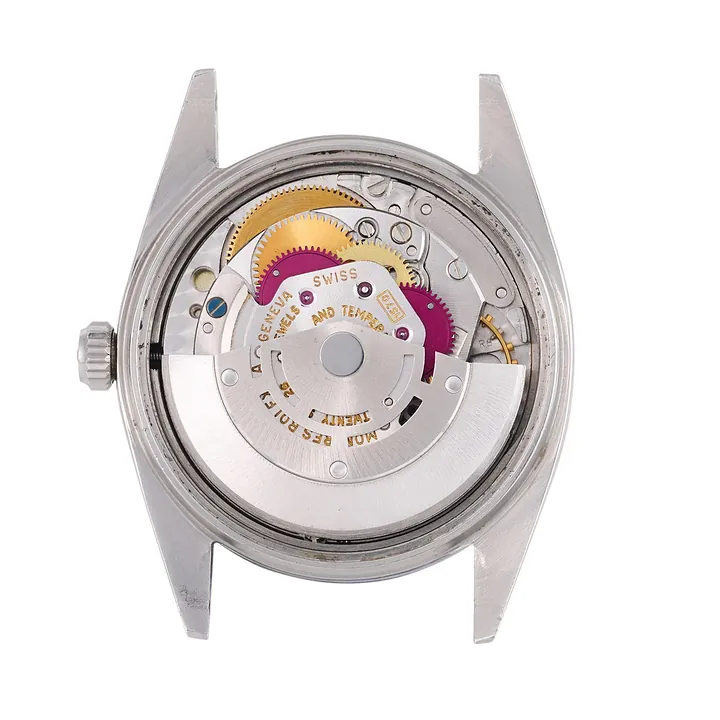
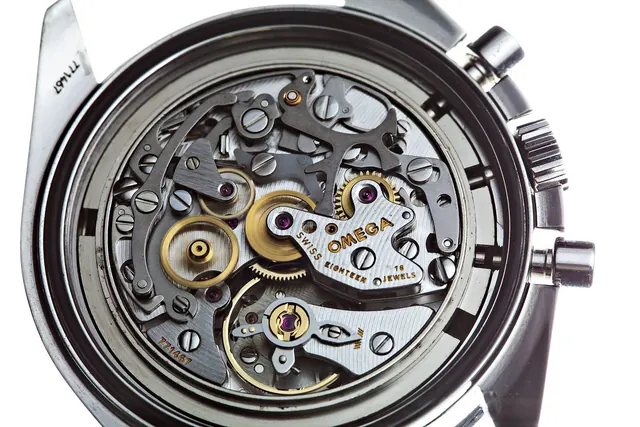
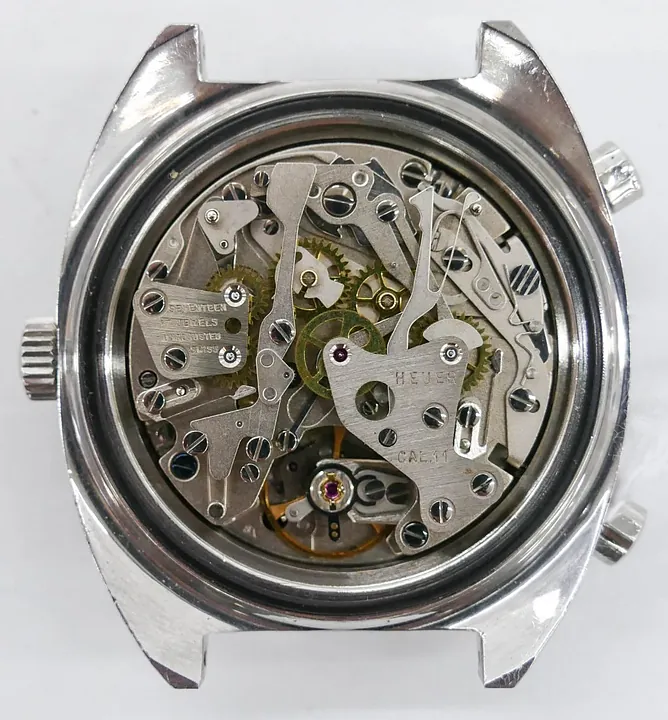
Brands engrave their own name on the visible bridges, but the factory that made the raw movement (the ébauche) usually stamped its trademark and calibre number on the main plate — under the balance wheel, beside the winding wheels or beneath the dial. Swiss ébauche makers such as Valjoux, Landeron, A. Schild, Felsa, Peseux, Unitas and, later, ETA supplied hundreds of brands this way, so two watches with different names can share the same calibre. Opening a case is a job for a watchmaker, because a slip can scratch the movement or let in dust; for a first look, use a display back, a dealer's or auction house's movement photograph, or the service paperwork.
2. Recognise the type
- Hand-wound: the winding wheels and mainspring barrel are visible, with no rotor across the back.
- Automatic: a weighted rotor, a half-circle or a small inset rotor, winds the mainspring as the wrist moves. Early "bumper" automatics swing through part of a circle and bounce between springs.
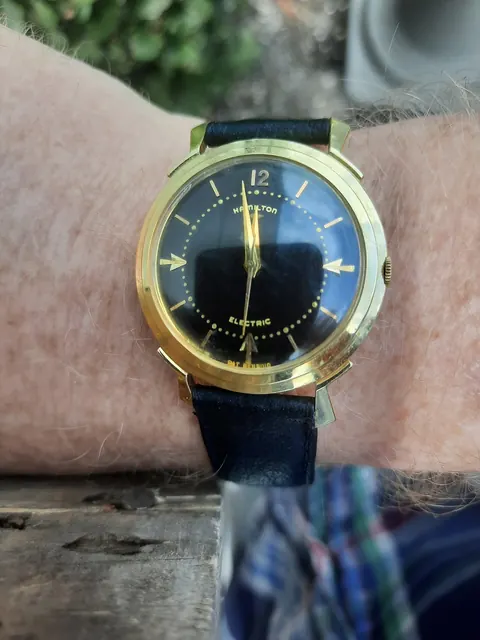
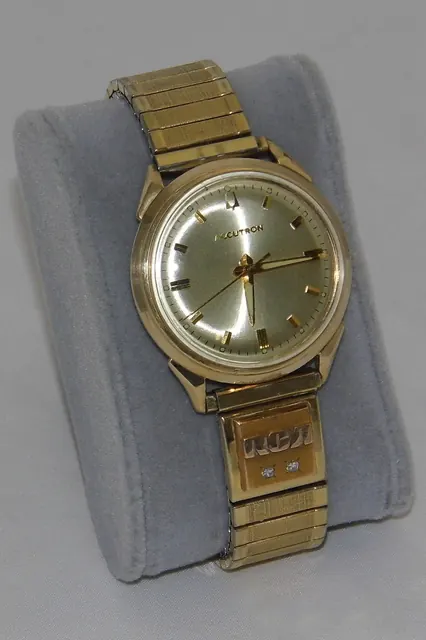
- Electric and tuning-fork: a battery with a balance driven by a coil, or a small tuning fork with a humming tone, from the late 1950s to the 1970s.
- Quartz: a battery, a circuit and a stepping-motor coil; the seconds hand usually jumps once a second.
3. Count the jewels and listen to the beat
Jewels are synthetic rubies used as bearings where friction matters most. A simple hand-wound watch needs about 15 to 17; automatic winding, calendars and chronographs add more. A higher count is not in itself a sign of quality, and United States import duties charged extra for movements with more than 17 jewels, so 17 became a common figure for watches sold there. The beat rate, given in vibrations per hour, is another dating clue:
| Beat rate | Where you find it | Example |
|---|---|---|
| 14,400–18,000 vph (2–2.5 Hz) | Pocket watches and most wristwatches until the 1960s | Hamilton 992 (18,000) |
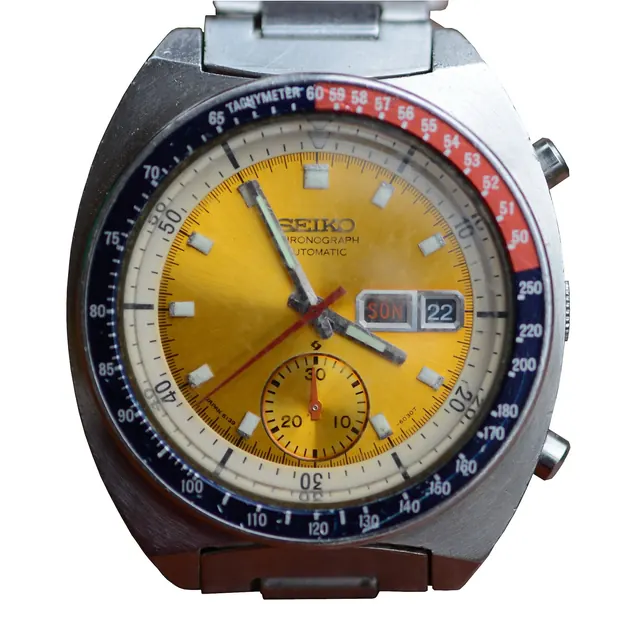
| 19,800–21,600 vph (2.75–3 Hz) | Many automatics and chronographs from the 1960s onwards | Seiko 6139 (21,600) |
| 28,800 vph (4 Hz) | Standard for good mechanical calibres from the late 1960s to today | ETA 2824-2, Rolex 3135 |
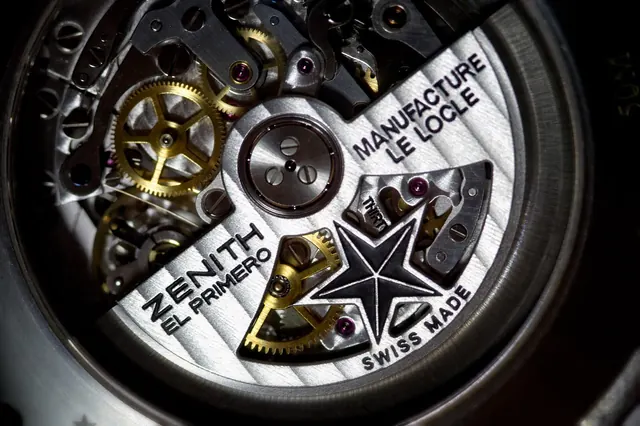
| 36,000 vph (5 Hz) | High-beat calibres for finer timing | Zenith El Primero (1969) |
| 360 Hz | Tuning-fork electronic watches | Bulova Accutron 214 |
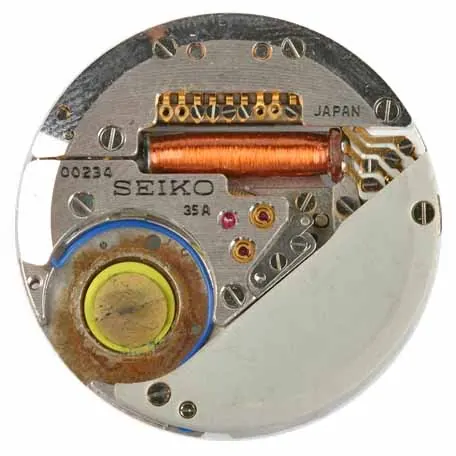
| 8,192–32,768 Hz | Quartz watches: early models used various crystal frequencies before 32,768 Hz became the standard | Seiko 35A (Astron, 1969): 8,192 Hz |
4. Measure the size
Swiss and French makers give movement sizes in lignes (one ligne is about 2.256 mm), so a 10½‴ calibre is about 23.7 mm across. The figure belongs to the movement, not the case, and helps match a calibre to a catalogue entry; the horology calculators convert lignes to millimetres.
What a calibre does not tell you
A calibre was often made for decades and fitted to many brands, so it gives a window rather than a year, and a movement may have been replaced during a repair. Check that the movement fits its case without spacers, that the dial feet line up with the plate, and that case and movement numbers agree with the maker's records where an archive exists.