
Calibre record · Automatic
Rolex calibre 1570
The chronometer-certified automatic inside the classic Rolex sports and dress watches of the late 1960s and 1970s — Submariner, Explorer, GMT-Master, Sea-Dweller and Datejust.
- Manufacturer
- Rolex
- Type
- Automatic
- Winding
- Automatic (bidirectional rotor); hacking seconds from c. 1972
- Production
- 1965–c. 1977
- Country
- Switzerland
- Diameter
- 28.5 mm (12½ lignes)
- Height
- 5.75 mm
- Jewels
- 26
- Frequency
- 19,800 vph (2.75 Hz)
- Power reserve
- c. 48 h
- Oscillator / escapement
- Detached lever escapement
- Complications
- Centre seconds; date on many versions (1575)
Figures are those commonly published for the standard version; individual versions and grades differ. “Undocumented here” means the value has not yet been confirmed for this record.
How it is built
A 26-jewel automatic with a bidirectional rotor and a free-sprung balance: there is no regulator index, and the rate is adjusted by Microstella screws on the balance rim, which together with the Breguet overcoil spring keeps timekeeping steady in different positions.
A full balance bridge holds the balance at both ends of its arbor, and Kif shock settings protect the pivots. The movement was built for chronometer certification, hence the 'Superlative Chronometer Officially Certified' lines on many dials.
History
Introduced in 1965, the 1570 succeeded the 1560, which beat at 18,000 vibrations per hour; the 1570 ran faster at 19,800. It kept the free-sprung balance with Microstella regulating screws and Breguet overcoil spring, which avoids the positional errors of a regulator, and carried Kif shock protection. Around 1972 a hacking (stop-seconds) feature was added. Date versions are numbered 1575, the GMT-Master version 1575 GMT and the antimagnetic Milgauss version 1580. From 1977 the 3035, beating at 28,800 with a quick-set date, began to replace it.
Watches fitted with it
- Submariner ref. 5512 and Explorer ref. 1016 (later examples)
- Oyster Perpetual Date ref. 1500 and Datejust ref. 1601 (as 1570 or 1575)
- GMT-Master ref. 1675 and Sea-Dweller ref. 1665 (as 1575)
The numbers explained
- 19,800 vibrations per hour means the balance makes 5.5 beats (ticks) every second — 2.75 complete back-and-forth oscillations, or 2.75 Hz.
- A sweeping seconds hand therefore advances in 5.5 small steps per second.
- That is 475,200 beats a day. A watch that gains one second a day is out by about 1 part in 86,400 — roughly 11.6 parts per million.
- Faster balances resist knocks and changes of position better but wear their pivots and need fresh oil sooner.
Convert beat rates and daily error with the Atlas tools · See a balance and escapement in the lab
How to recognise it
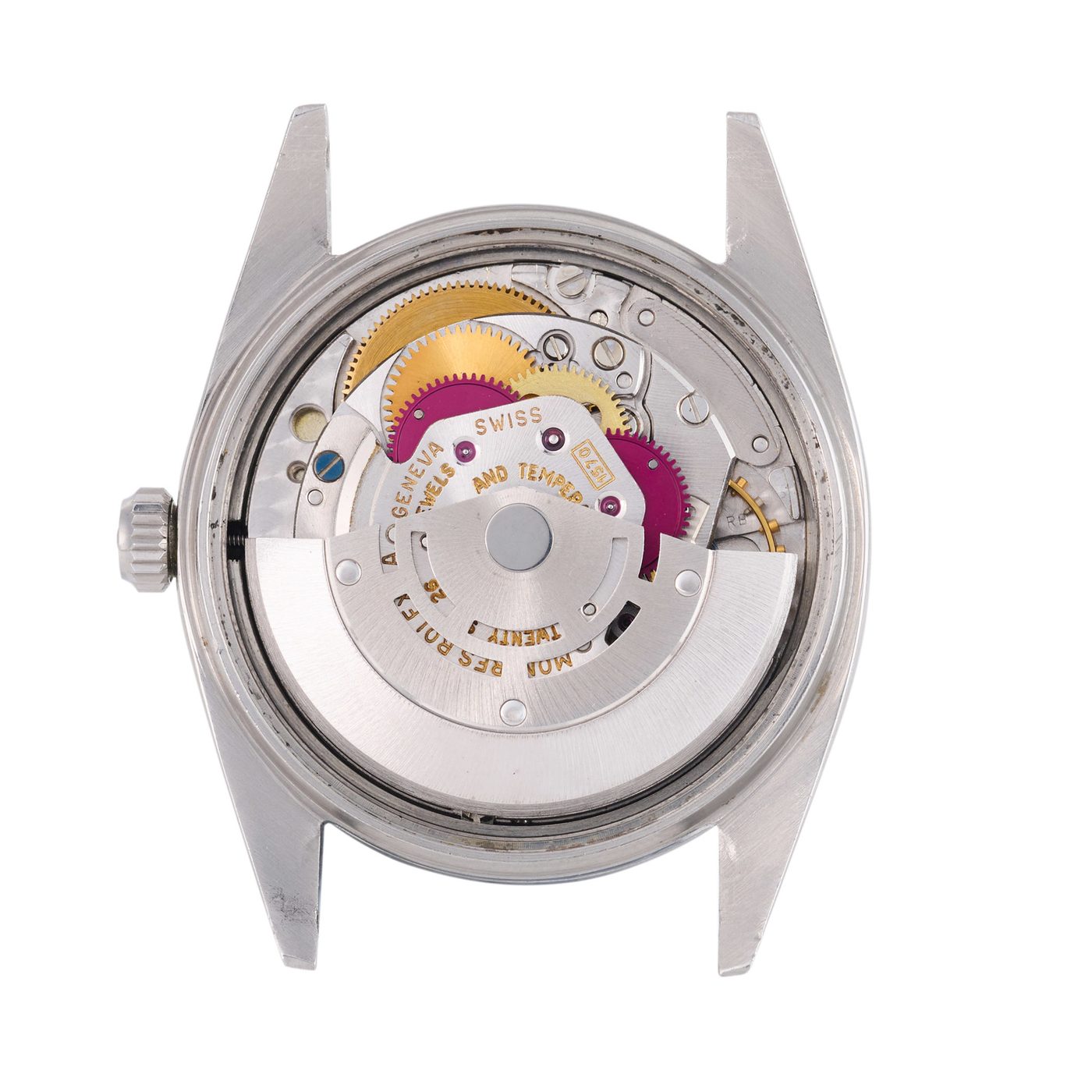
- A rotor engraved 'Rolex Perpetual' over a movement marked 'Twenty Six (26) Jewels' and 'Adjusted to temperatures and positions', usually with the calibre number under the balance.
- Red-anodised reversing wheels in the automatic works are typical of the period, as in the photograph here.
- Hacking seconds (the seconds hand stops when the crown is pulled) indicates a movement from about 1972 onward.
For collectors
The 1570 family is regarded by watchmakers as one of the most robust automatics ever made, so condition and originality of the case and dial matter more than the movement itself. Check that the calibre matches the reference and the serial-number date, because movements are sometimes swapped during service.
Versions and derivatives
| Calibre | Difference |
|---|---|
| 1560 | The 18,000 vph predecessor, also chronometer-certified. |
| 1575 | With date, used in the Datejust, Date and Submariner Date. |
| 1575 GMT | With a 24-hour hand for the GMT-Master ref. 1675. |
| 1580 | Antimagnetic version for the Milgauss ref. 1019. |
Compared with related calibres
| Calibre | Type | Frequency | Jewels | Power reserve | Diameter | Production |
|---|---|---|---|---|---|---|
| Rolex calibre 1570 | Automatic | 19,800 vph (2.75 Hz) | 26 | c. 48 h | 28.5 mm (12½ lignes) | 1965–c. 1977 |
| Rolex calibre 3135 | Automatic | 28,800 vph (4 Hz) | 31 | c. 48 h | 28.5 mm | 1988–2010s |
| ETA 2824-2 | Automatic | 28,800 vph (4 Hz) | 25 | c. 38 h (longer in later versions) | 25.6 mm (11½ lignes) | 1971 (2824), 2824-2 revision later |
| Omega calibre 30T2 | Manual-wind | 18,000 vph (2.5 Hz) | 15 (17 on some versions) | c. 44 h | 30 mm (13 lignes) | 1939–1963 (with its successors) |
Mechanisms in this calibre
Related calibres
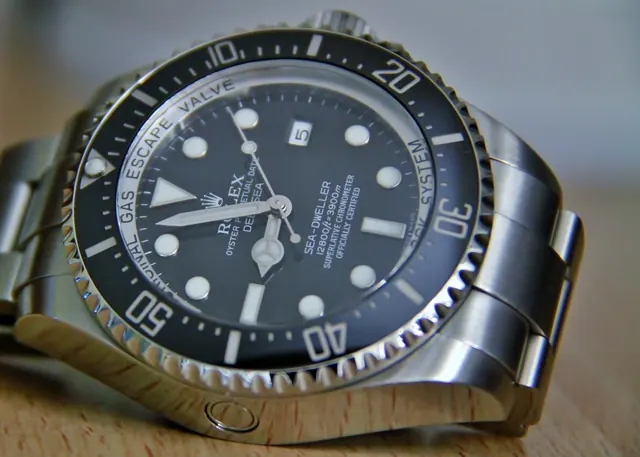
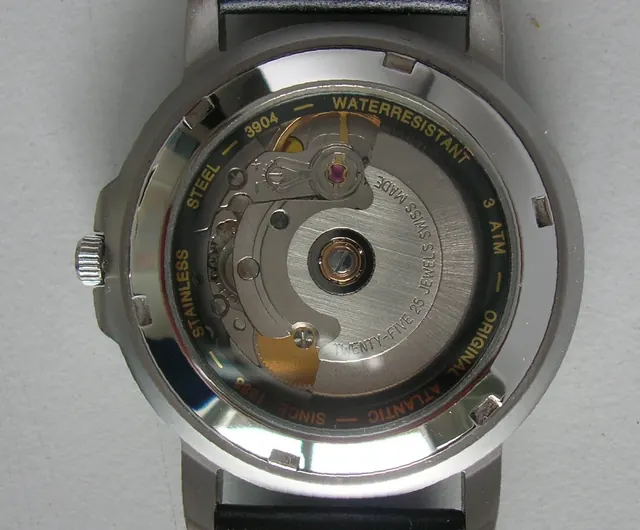
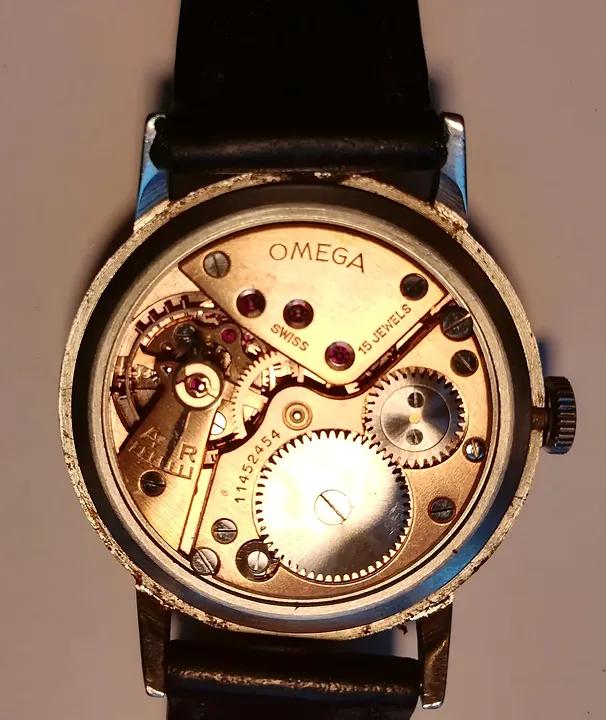
Related records in the catalogue
Records whose titles name this calibre or a model family that used it. Earlier or later examples of a model may contain a different calibre, so check each record's description for the movement actually fitted.
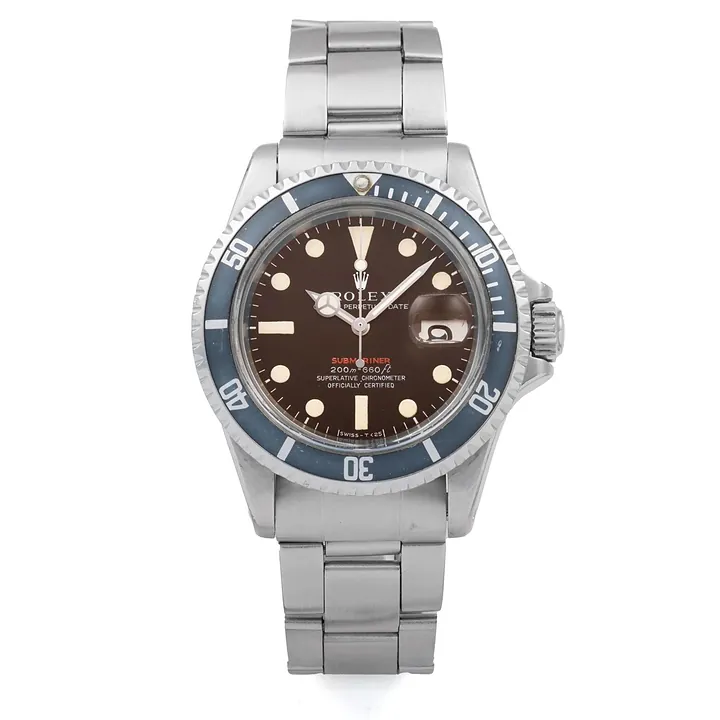
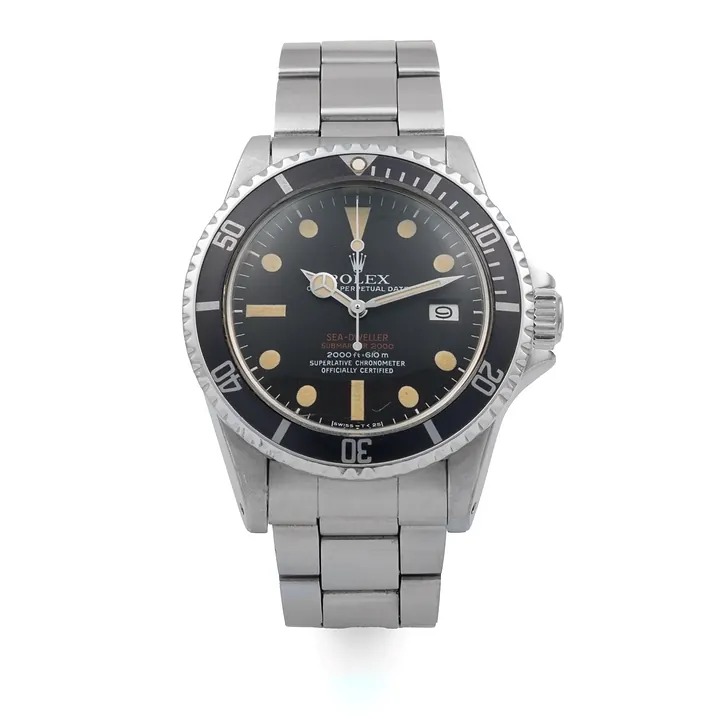
Wristwatches · 1969
Rolex "red" Submariner, ref. 1680, 1969
Antiquorum auction archive, Geneva
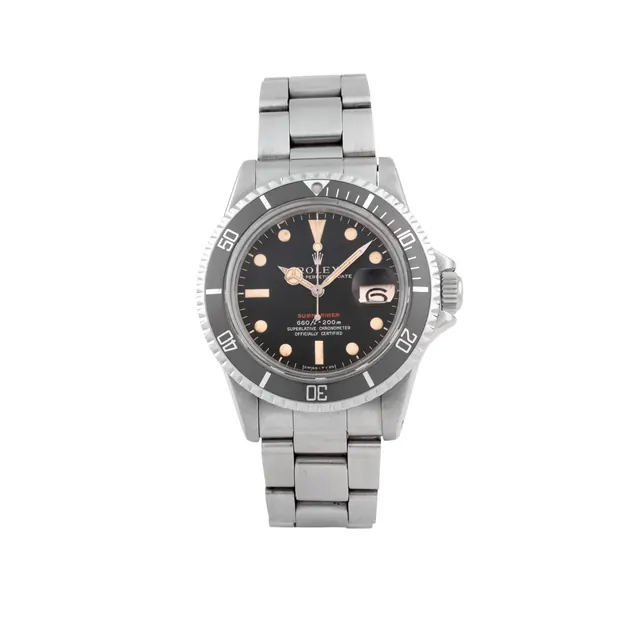
Wristwatches · c. 1972
Rolex Double Red Sea-Dweller, ref. 1665, c. 1972
Antiquorum auction archive, Geneva
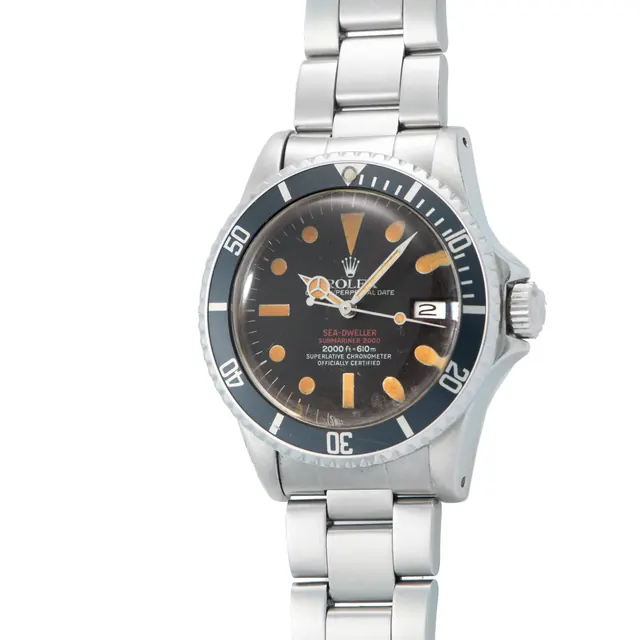
Wristwatches · c. 1973
Rolex wristwatch, ref. 1680, Red, circa 1973
Antiquorum auction archive, Geneva
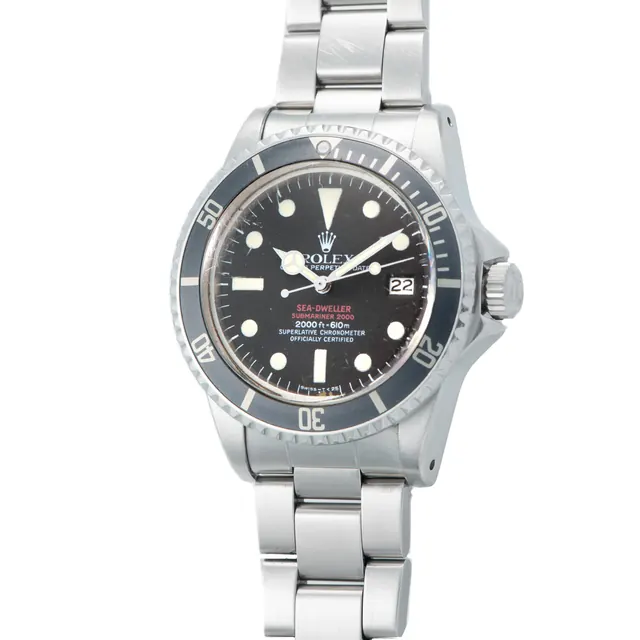
Wristwatches · 1973
Rolex wristwatch, ref. 1665, Sea Dweller Brown Double Red Dial, 1973
Antiquorum auction archive, Geneva
Wristwatches · 1975
Rolex wristwatch, ref. 1665, Sea Dweller Double Red with Original Warranty, 1975
Antiquorum auction archive, Geneva
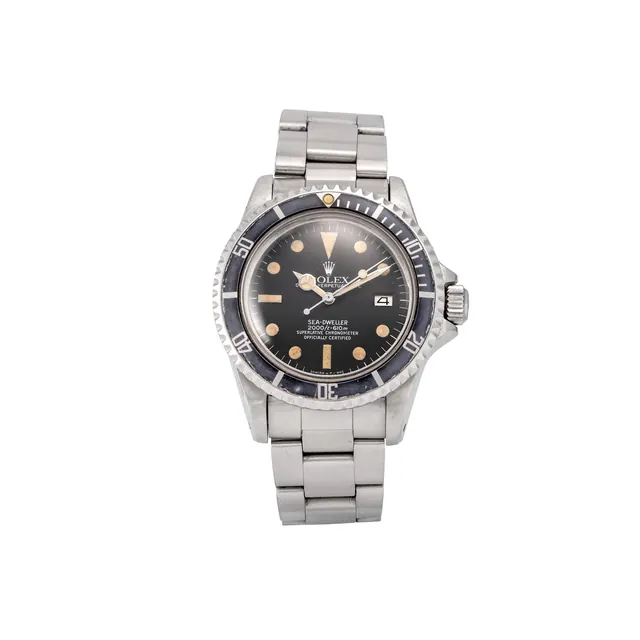
Wristwatches · c. 1981
Rolex wristwatch, ref. 1665, Self-Winding Centre-Seconds, circa 1981
Antiquorum auction archive, Geneva
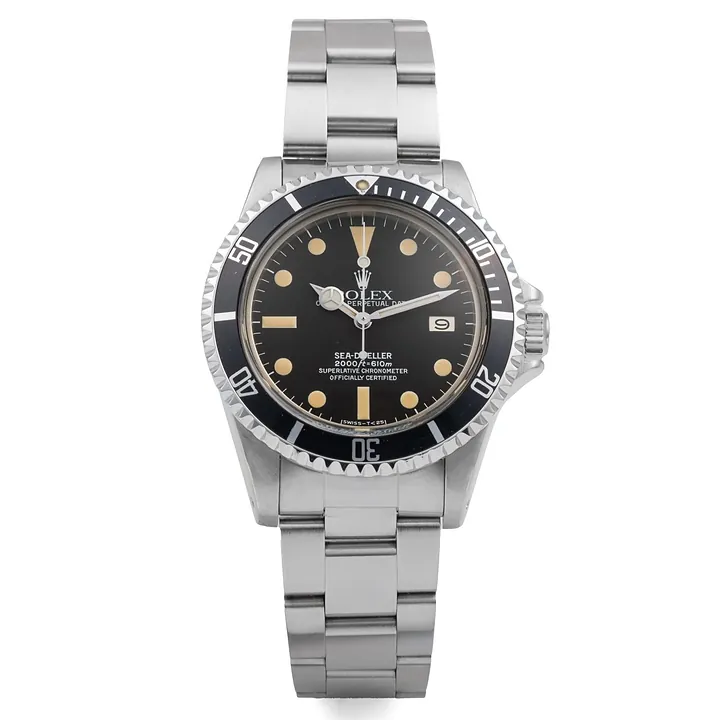
Wristwatches · Sold in March 1982
Rolex Sea-Dweller, ref. 1665, Sold in March 1982
Antiquorum auction archive, Geneva
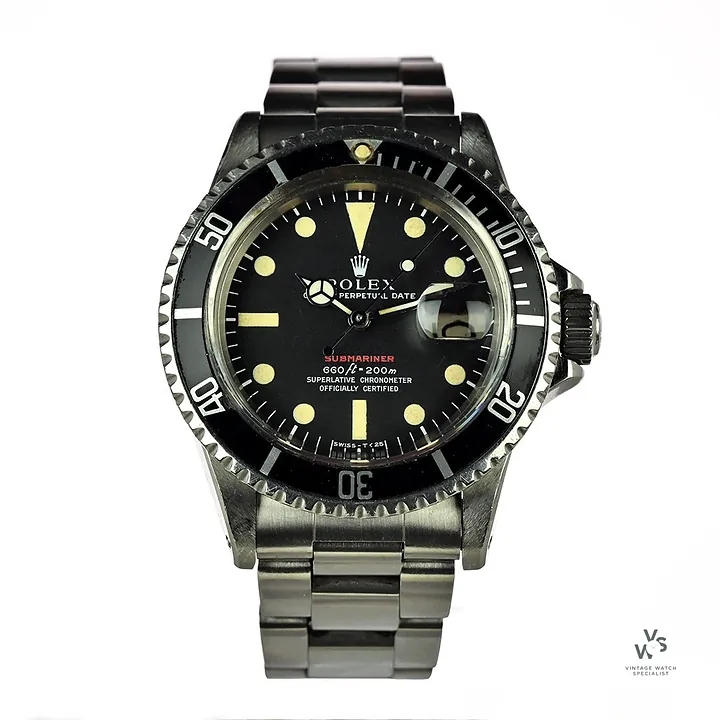
Wristwatches · c. 1970
Rolex Submariner, Single Red ref. 1680, Calibre 1575, Mark 4 Dial, circa 1970
Vintage Watch Specialist (dealer), United Kingdom