Calibre record · Automatic
ETA 2892-A2
A thinner, higher-grade sibling of the 2824 and a popular base for chronograph and calendar modules.
- Manufacturer
- ETA
- Type
- Automatic
- Winding
- Automatic (bidirectional rotor)
- Production
- 1975–present (A2 revision later)
- Country
- Switzerland
- Diameter
- 25.6 mm (11½ lignes)
- Height
- 3.6 mm
- Jewels
- 21
- Frequency
- 28,800 vph (4 Hz)
- Power reserve
- c. 42 h
- Oscillator / escapement
- Detached lever escapement
- Complications
- Date
Figures are those commonly published for the standard version; individual versions and grades differ. “Undocumented here” means the value has not yet been confirmed for this record.
How it is built
An 11½-ligne automatic only 3.6 mm high — a millimetre thinner than the 2824-2 of the same diameter — with 21 jewels and a 4 Hz balance. The rotor winds in both directions, the seconds stop when the crown is pulled out, and the date can be set quickly with the crown.
Its flatness and quality made it the standard base for add-on modules: chronograph, calendar and moon-phase mechanisms by specialist module makers sit on the dial side of the 2892, so many complicated watches of the 1990s and 2000s are a 2892 underneath.
Watches fitted with it
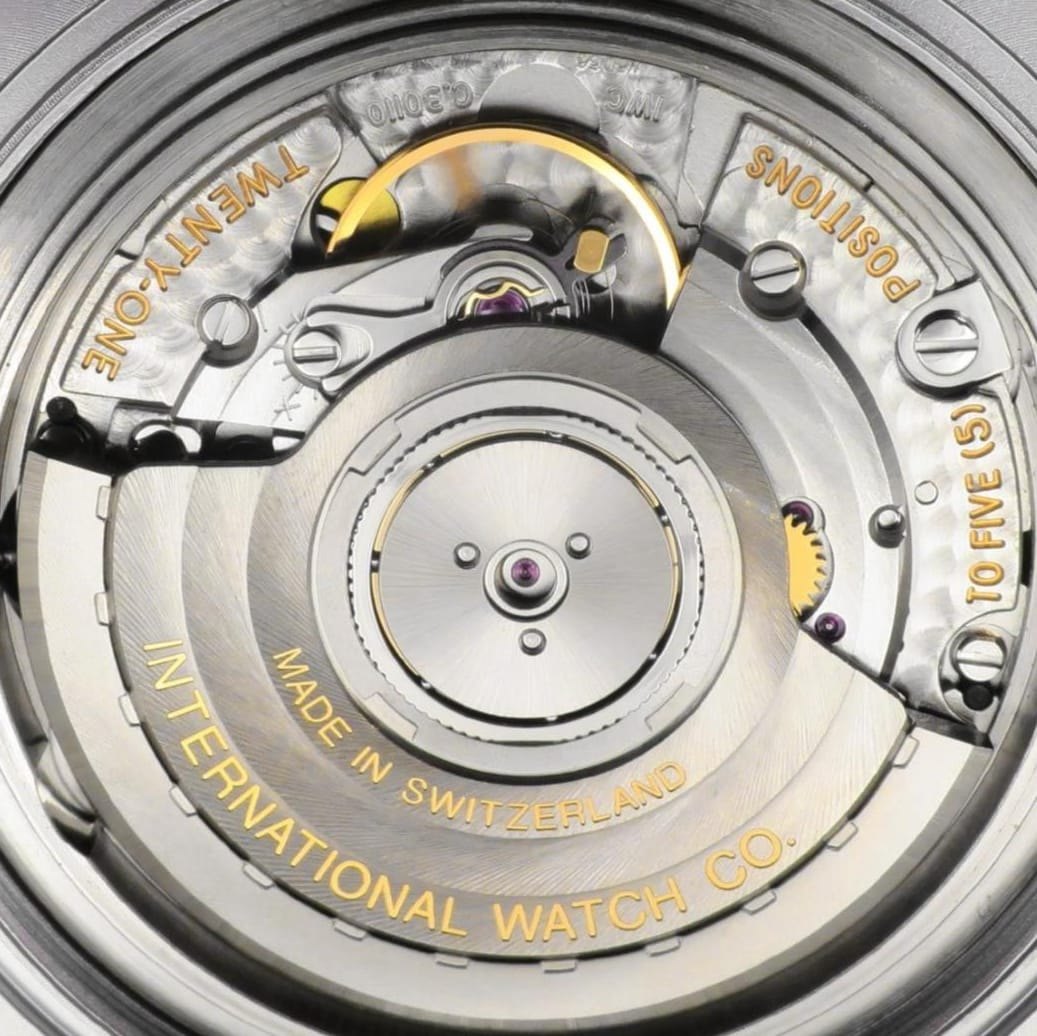
- IWC calibre 30110 (shown here), an IWC-finished 2892
- Many brands' thin automatic and modular chronograph watches from the 1980s onward
The numbers explained
- 28,800 vibrations per hour means the balance makes 8 beats (ticks) every second — 4 complete back-and-forth oscillations, or 4 Hz.
- A sweeping seconds hand therefore advances in 8 small steps per second.
- That is 691,200 beats a day. A watch that gains one second a day is out by about 1 part in 86,400 — roughly 11.6 parts per million.
- Faster balances resist knocks and changes of position better but wear their pivots and need fresh oil sooner.
Convert beat rates and daily error with the Atlas tools · See a balance and escapement in the lab
How to recognise it
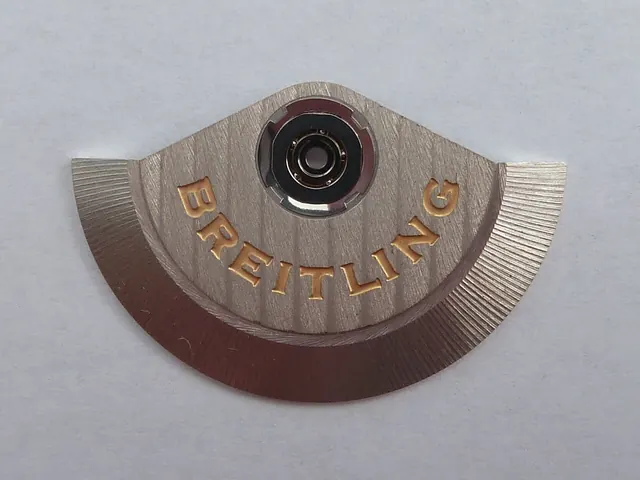
- A slim automatic movement, often with a skeletonised or decorated rotor signed by the watch brand rather than ETA.
- ETA and '2892' markings under the balance or on the main plate, unless the brand has renamed it.
- In modular chronographs, a 2892 base under a dial-side chronograph module: the pushers act on the dial side and the back shows only the automatic movement.
For collectors
A well-made, widely serviced calibre. When a brand quotes its own calibre number, it is worth finding out whether it is a modified 2892 — it affects servicing cost and parts supply, not quality.
Versions and derivatives
| Calibre | Difference |
|---|---|
| 2892-2 | The earlier revision; the A2 is the current form. |
| 2892 with chronograph module | Brands' modular chronographs combine the 2892-A2 with a module on the dial side. |
Compared with related calibres
| Calibre | Type | Frequency | Jewels | Power reserve | Diameter | Production |
|---|---|---|---|---|---|---|
| ETA 2892-A2 | Automatic | 28,800 vph (4 Hz) | 21 | c. 42 h | 25.6 mm (11½ lignes) | 1975–present (A2 revision later) |
| ETA 2824-2 | Automatic | 28,800 vph (4 Hz) | 25 | c. 38 h (longer in later versions) | 25.6 mm (11½ lignes) | 1971 (2824), 2824-2 revision later |